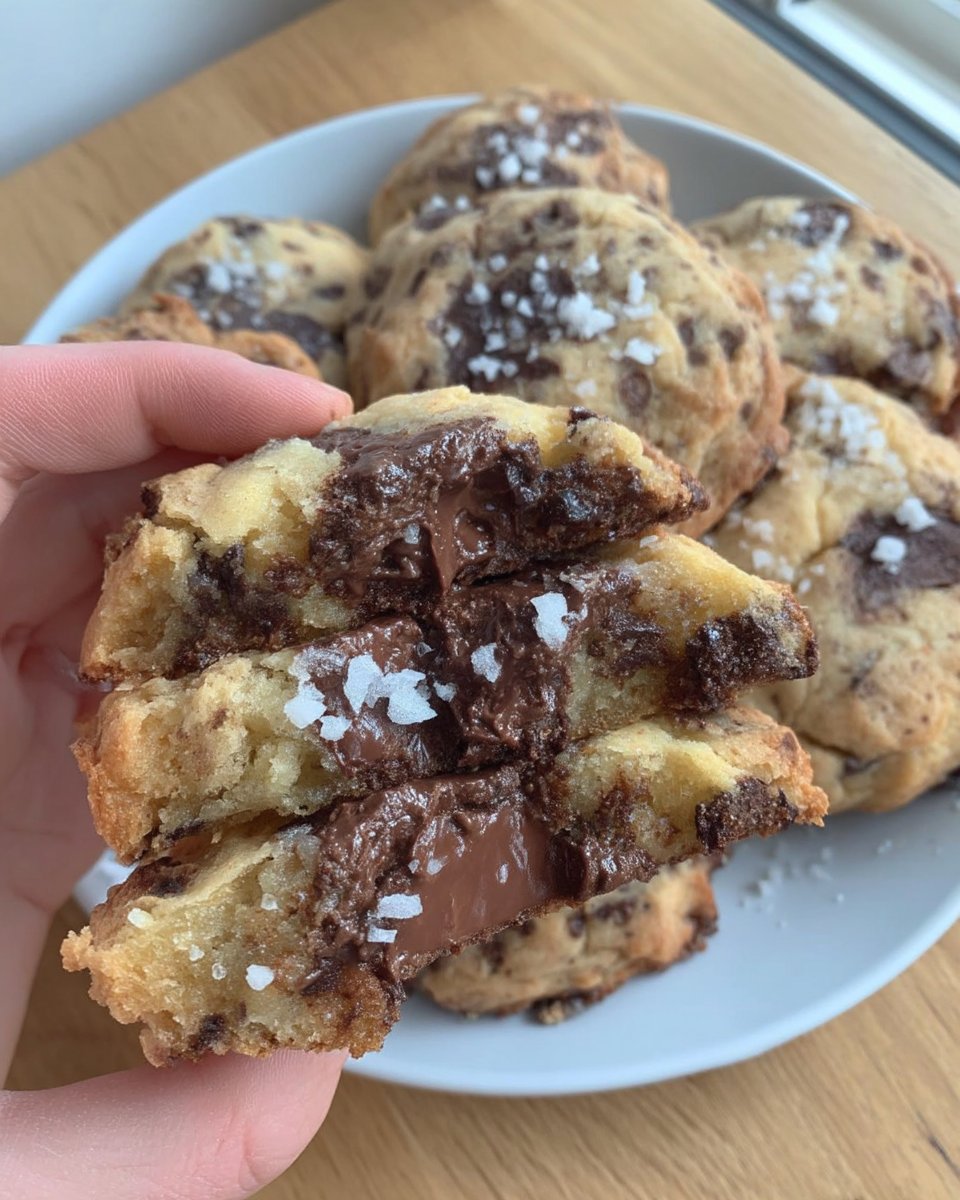
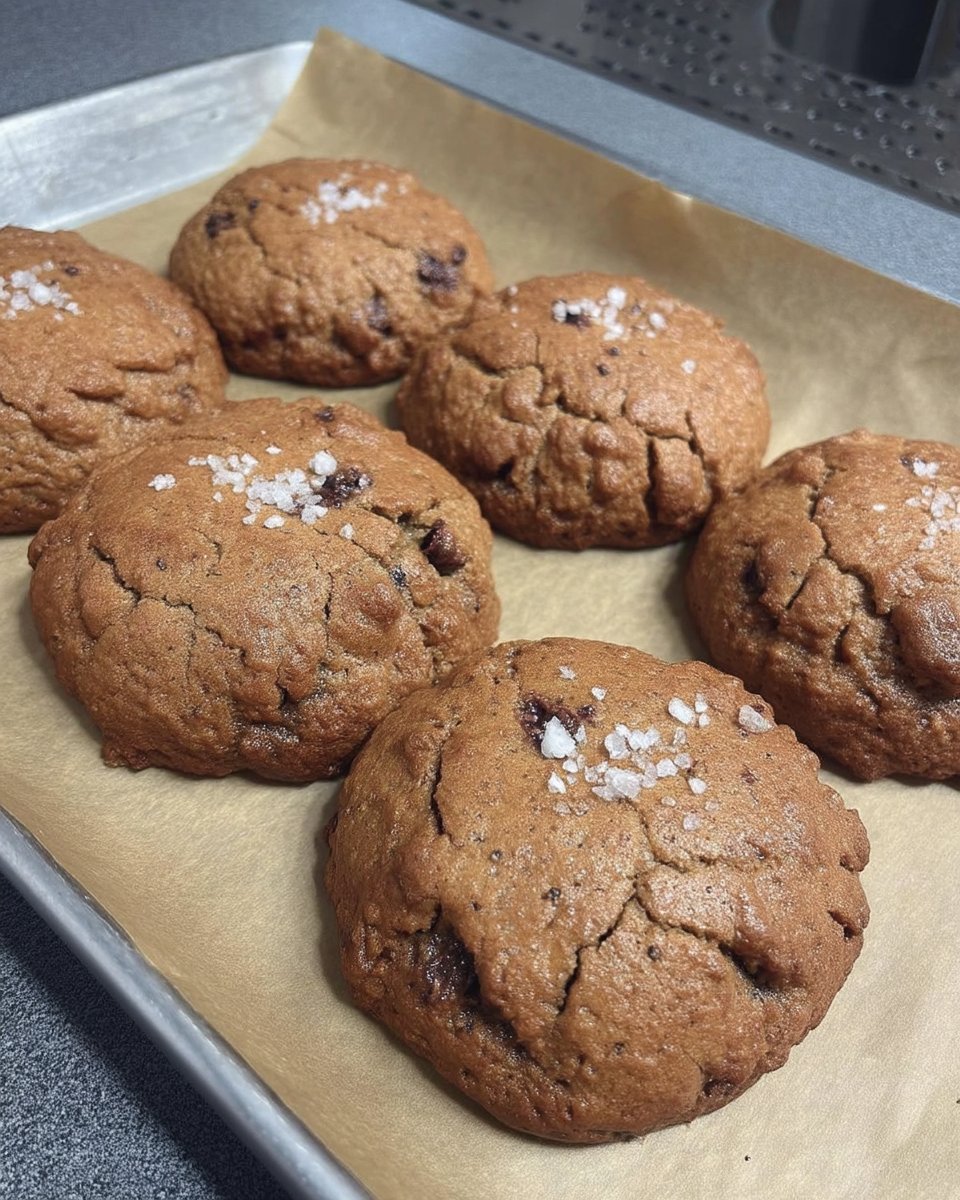
German bakers in the mid-19th century refined the *Spritzen* technique, using simple metal tubes and mechanical pressure to shape biscuits without the need for manual rolling or cutting. This method relied on an intuitive understanding of fat plasticity, where the dough must be pliable enough to pass through a die but sturdy enough to maintain intricate ridges during the rapid heat of baking. Modern kitchens still follow this logic, proving that the physics of extrusion remains the most efficient way to produce hundreds of delicate holiday treats.

These buttery biscuits are a cornerstone of the festive season, defined by their tender crumb and the nostalgic click-clack of the cookie press. By using a high-fat dough and precise temperature control, we create a biscuit that melts away while supporting a variety of festive decorations. This recipe honors the European heritage of the Spritz while providing the technical clarity needed for consistent results in a modern setting.
The Science of the Perfect Extruded Biscuit
There is a remarkable chemical balance in a Spritz cookie that makes it superior to the standard sugar cookie. Because the dough contains no chemical leavening like baking soda or powder, the structure depends entirely on the mechanical aeration of the butter and sugar. This results in a dense yet fragile crumb that lacks the large air pockets of modern cookies, giving you a refined mouthfeel reminiscent of traditional Scottish shortbread.
Bakers value this method because it bypasses the development of gluten. By minimizing moisture and maximizing fat, we inhibit the formation of the protein bonds that make cookies tough. You are left with a biscuit that is structurally sound enough to be pressed into intricate shapes—stars, trees, or wreaths—yet delicate enough to crumble perfectly upon the first bite. It is a masterclass in the chemistry of fats and flour.
Finally, the speed of this method is a historical marvel. Before the advent of industrial automation, the hand-cranked press allowed a single baker to produce dozens of uniform biscuits in minutes. Today, this efficiency remains helpful for large gatherings. The high oven temperature of 400°F (204°C) sets the shape instantly, preventing the dough from spreading and losing its historical design.
Print
Spritz Cookies Christmas
- Total Time: 30 mins
- Yield: 60 cookies
- Diet: Vegetarian
Description
These classic buttery Spritz cookies use the traditional extrusion method to create intricate, festive shapes that melt in your mouth. Perfect for holiday gifting, this recipe relies on a high-heat bake to preserve fine details and a tender, shortbread-like crumb.
Ingredients
- 236 grams unsalted butter, room temperature
- 132 grams granulated sugar
- 2 large eggs
- 1 teaspoon pure vanilla extract
- 1/2 teaspoon pure almond extract
- 270 grams all-purpose flour
- 1/2 teaspoon salt
- Sprinkles or sanding sugar for decoration
Instructions
- Preheat your oven to 400°F (204°C) and ensure your baking sheets are completely cool and ungreased.
- In a stand mixer fitted with the paddle attachment, cream the butter and granulated sugar on high speed for 3 minutes until the mixture is pale and well-aerated.
- Reduce the mixer speed and add the eggs one at a time, ensuring each is fully incorporated before adding the vanilla and almond extracts.
- Sift the flour and salt together, then fold them into the wet ingredients on the lowest setting just until the white streaks disappear.
- Pack the dough firmly into a cookie press and extrude shapes directly onto ungreased, cool baking sheets.
- Bake for 8 to 10 minutes until the edges are a pale golden brown, then apply decorations while warm and cool on the sheet for 5 minutes before moving to a wire rack.
Notes
For the most defined shapes, avoid using parchment paper or silicone mats, as the dough needs the friction of a bare metal pan to release from the press. If your dough becomes too soft to hold its shape, chill the packed cookie press for five minutes before continuing to ensure the fat remains stable during extrusion.
- Prep Time: 20 mins
- Cook Time: 10 mins
- Category: Dessert
- Method: Baking
- Cuisine: German
Technical Components for Structural Integrity
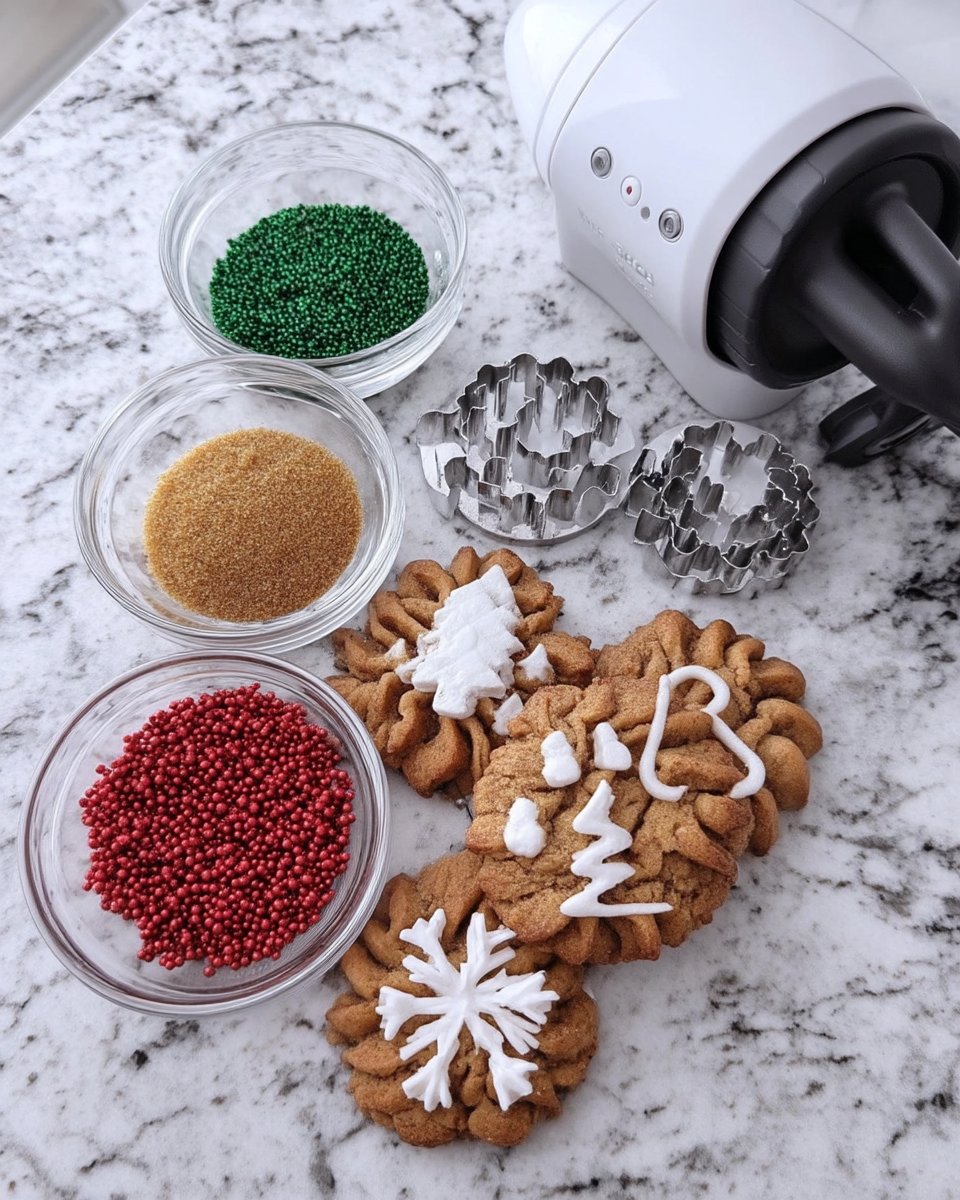
Every ingredient in this formula serves a specific structural purpose, balancing moisture against fat to create a dough that adheres to a cold baking sheet while releasing from the press. Using mass measurements in grams is strongly advised to maintain the precise 1:2:3 ratio often found in traditional European biscuitry.
- Unsalted Butter (236 grams): This is the foundation of the cookie. It must be at a pliable room temperature (around 68°F) to allow for proper creaming with the sugar. High-quality butter with a low water content is preferred to prevent excess steam production.
- Granulated Sugar (132 grams): Beyond sweetness, sugar acts as a physical abrasive during the creaming process, creating the microscopic air pockets required for the cookie to rise slightly without leavening.
- Large Eggs (2): Eggs provide the necessary lecithin for emulsification and the protein required to bind the flour together. In this recipe, they act as the sole source of moisture.
- Pure Extracts (Vanilla and Almond): The combination of vanilla and almond is a classic hallmark of the Spritz. The almond extract provides a nostalgic, cherry-like depth that balances the richness of the butter.
- All-Purpose Flour (270 grams): A moderate protein content (around 10-11%) is ideal. It provides enough structure to hold the shape without making the cookie bready.
- Salt: Essential for regulating the perception of sweetness and strengthening the small amount of gluten present.
The Proper Method for Holiday Success
Step 1: Establishing the Emulsion
Preheat your oven to 400°F (204°C). In the bowl of a stand mixer fitted with the paddle attachment, combine the room-temperature butter and granulated sugar. Beat on high speed for approximately 3 minutes until the mixture is visibly pale and aerated. This step is critical; you are physically carving air pockets into the fat which will expand in the oven.
Step 2: Incorporating Liquid Gold
Reduce the mixer speed and add the eggs one at a time, ensuring each is fully incorporated before adding the next. Pour in the vanilla and almond extracts. You should have a glossy, smooth emulsion. If the mixture appears curdled, the eggs were likely too cold; continue beating until the fat and liquid are unified.
Step 3: Folding the Structure
Sift the all-purpose flour and salt together, then add them to the wet ingredients. Mix on the lowest setting just until the white streaks of flour disappear. Do not overmix at this stage, as developing gluten will make the dough elastic, causing it to shrink in the oven and lose the definition of the press.
Step 4: The Extrusion Process
Pack the dough firmly into your cookie press, ensuring there are no air pockets within the barrel. Press the dough onto ungreased, cool baking sheets. The dough requires the friction of the bare metal to pull away from the press; if the pan is greased or lined with parchment, the cookie will simply stick to the press rather than the pan.
Step 5: High-Heat Thermal Setting
Bake for 8 to 10 minutes. Watch for the edges to turn a very pale golden brown while the center remains set but not colored. Immediately apply sprinkles or sanding sugar while the residual heat can melt the sugar slightly to act as an adhesive. Allow the cookies to cool on the sheet for 5 minutes to firm up before transferring to a wire rack.
Jordan’s Technique Notes for Precision
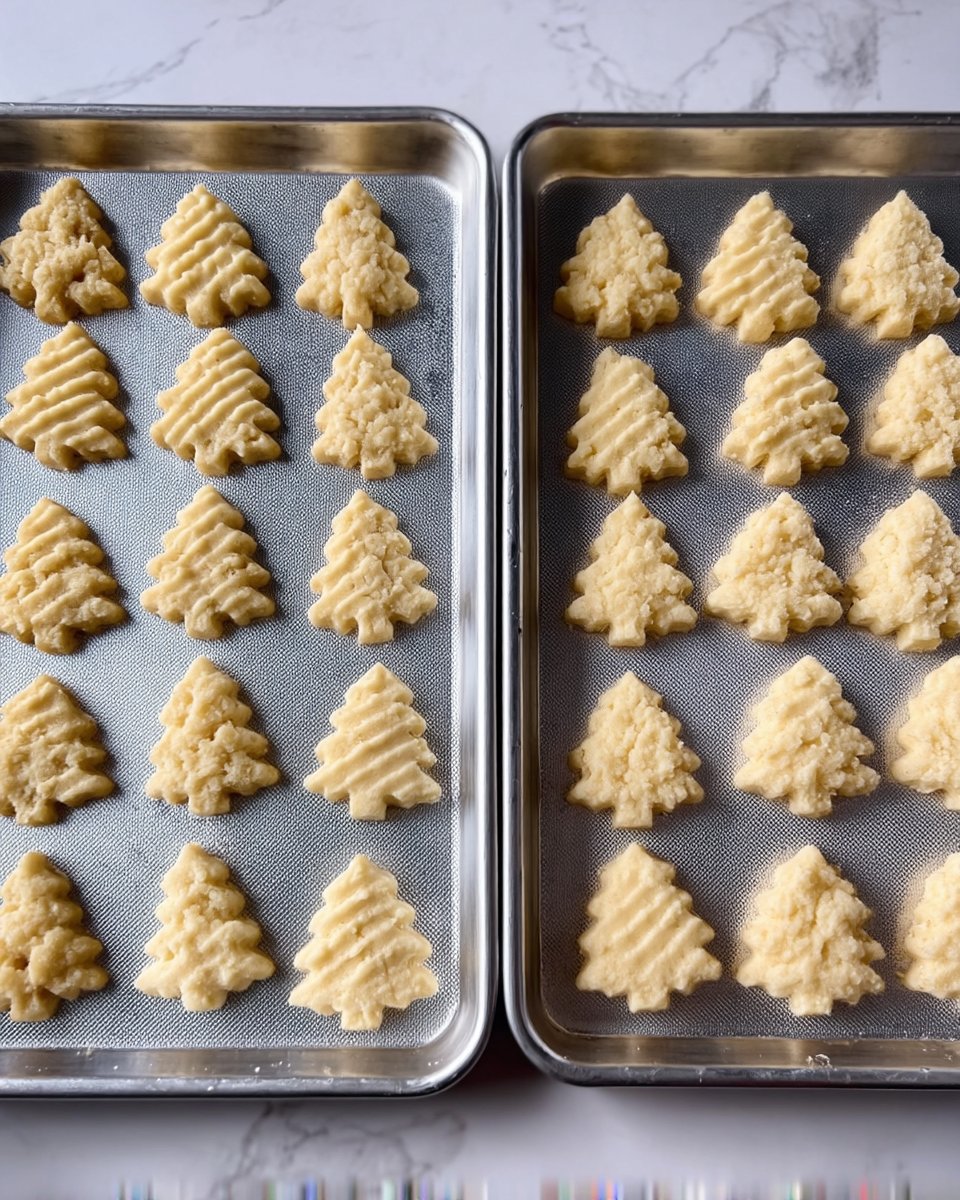
The most common failure in making a spritz cookie is the dough failing to stick to the pan. This is often a matter of physics rather than ingredients. If your kitchen is too warm, the butter in the dough will begin to melt, making it too slippery to adhere to the metal. Conversely, if the baking sheet is warm from a previous batch, the dough will melt on contact. Always use a completely cold, ungreased aluminum sheet for the best results. If you find yourself struggling with dough consistency, reviewing the principles in our Holiday Cookie Science guide can help you master temperature control.
Another technical secret lies in the 400°F oven temperature. Most cookies bake at 350°F, but the Spritz requires a thermal shock to set the exterior ridges before the fat has a chance to melt and spread. This high-heat method was a favorite of 20th-century home economists who understood that rapid evaporation of moisture leads to a crisper, more defined shape. If your cookies are losing their detail, check your oven calibration with a thermometer.
Regional Differences and Tested Adaptations
While the almond-vanilla profile is the historical standard, you can adapt this base formula for different flavor profiles. For a Scandinavian-inspired twist, replace the almond extract with a teaspoon of ground cardamom and a hint of orange zest. The citrus oils interact beautifully with the high butter content, creating a bright, aromatic biscuit that pairs perfectly with coffee. For those looking for more creative inspiration, these holiday spritz cookies offer excellent visual ideas for decorating.
If you prefer a chocolate version, replace 30 grams of the flour with high-quality Dutch-processed cocoa powder. This change requires precision, as cocoa is more drying than flour; you may need to add a teaspoon of milk to maintain the necessary dough plasticity. For further exploration of how changing base ratios affects your bakes, consult our Foundation Cookie Recipes section for a deep dive into ingredient functions.
Traditional Service and Classic Enjoyment
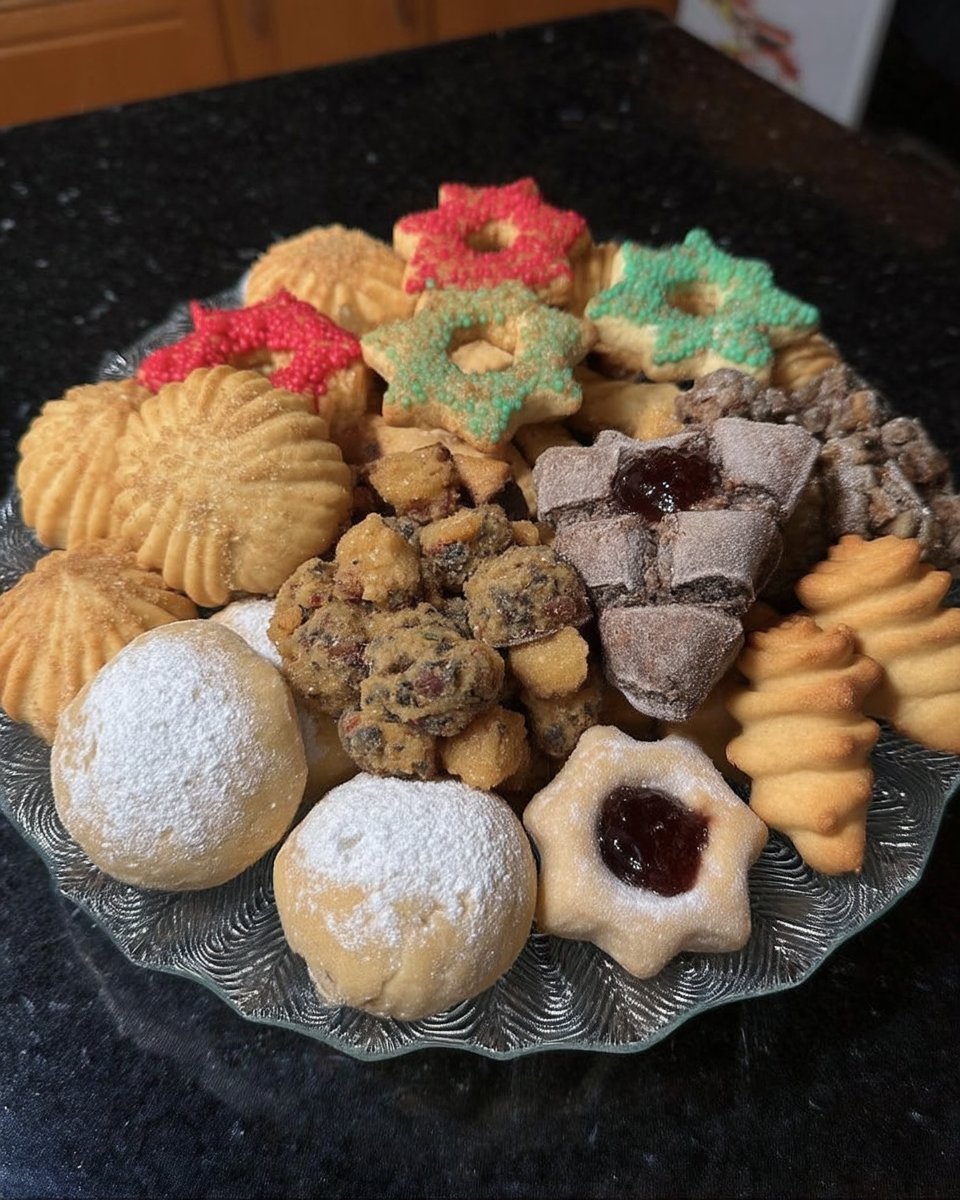
To honor the heritage of these biscuits, serve them alongside a formal tea service or a rich cup of hot cocoa. In German tradition, these are often part of a *Bunte Teller*, a colorful plate of various holiday sweets shared with guests. Because they are sturdy and have a low moisture content, they are the ideal candidate for holiday cookie tins and gifting. Their structural integrity ensures they won’t crumble during transport, a feat of engineering we discuss in our Precision Cookie Decorating series.
For a modern presentation, consider dipping half of the cooled cookie into tempered dark chocolate and topping it with crushed pistachios or dried raspberries. This adds a layer of bitter contrast to the sweet, buttery base. Regardless of how you serve them, remember that these cookies are meant to be a testament to both tradition and the technical precision of the baker.
The Technical Truth of the Christmas Spritz
Mastering the Spritz cookie is a rite of passage for any baker who values the intersection of history and science. By respecting the temperature of your pans and the aeration of your fats, you carry forward a technique that has brought joy to kitchens for over a century. These biscuits are more than just sweets; they are a celebration of the mechanical precision that defined early modern baking. To refine your workflow and produce large batches with ease, visit our guide on Efficient Cookie Methods. We invite you to share your holiday bakes with our community on Pinterest, Instagram, Facebook, and X. Happy baking, and may your holiday season be as precise as it is sweet.