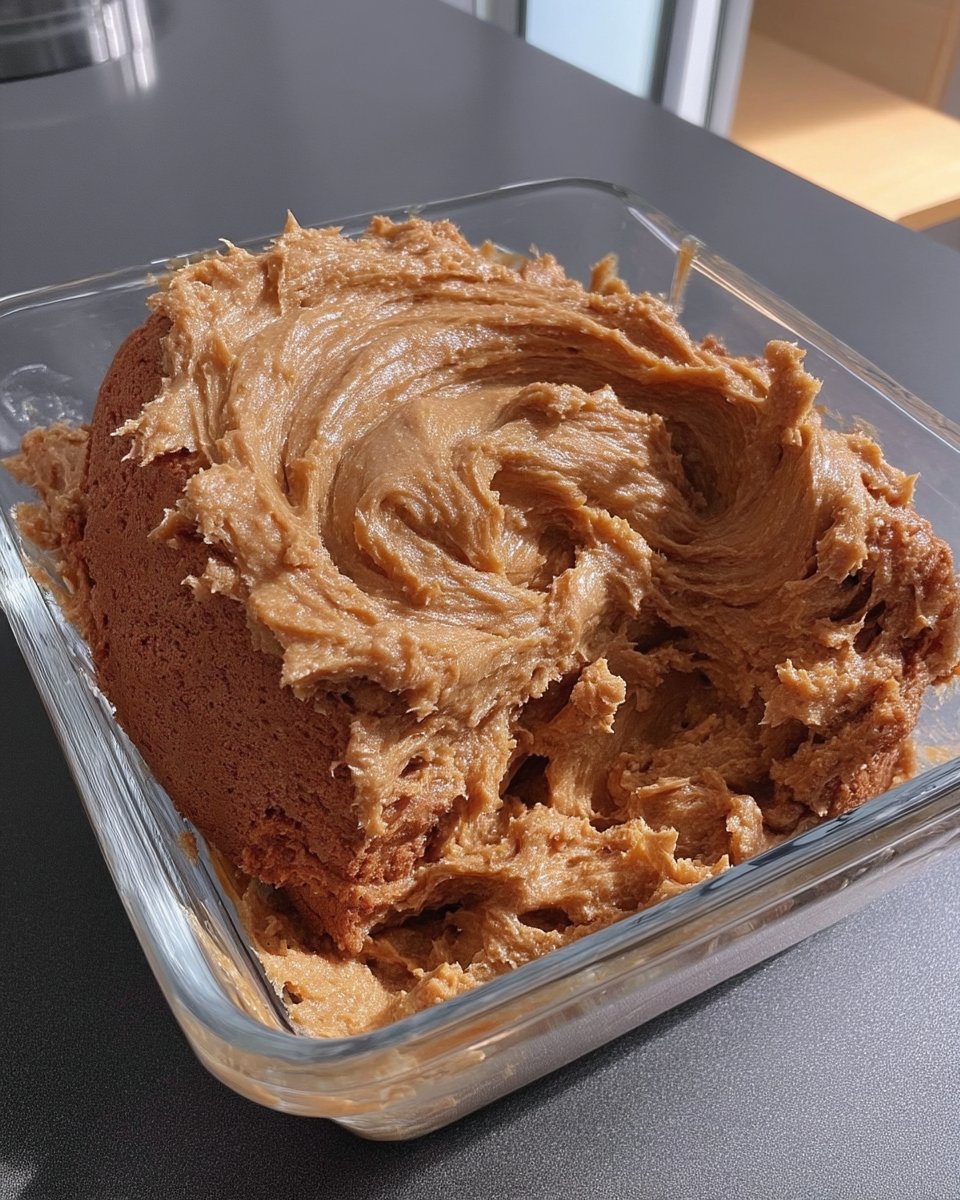
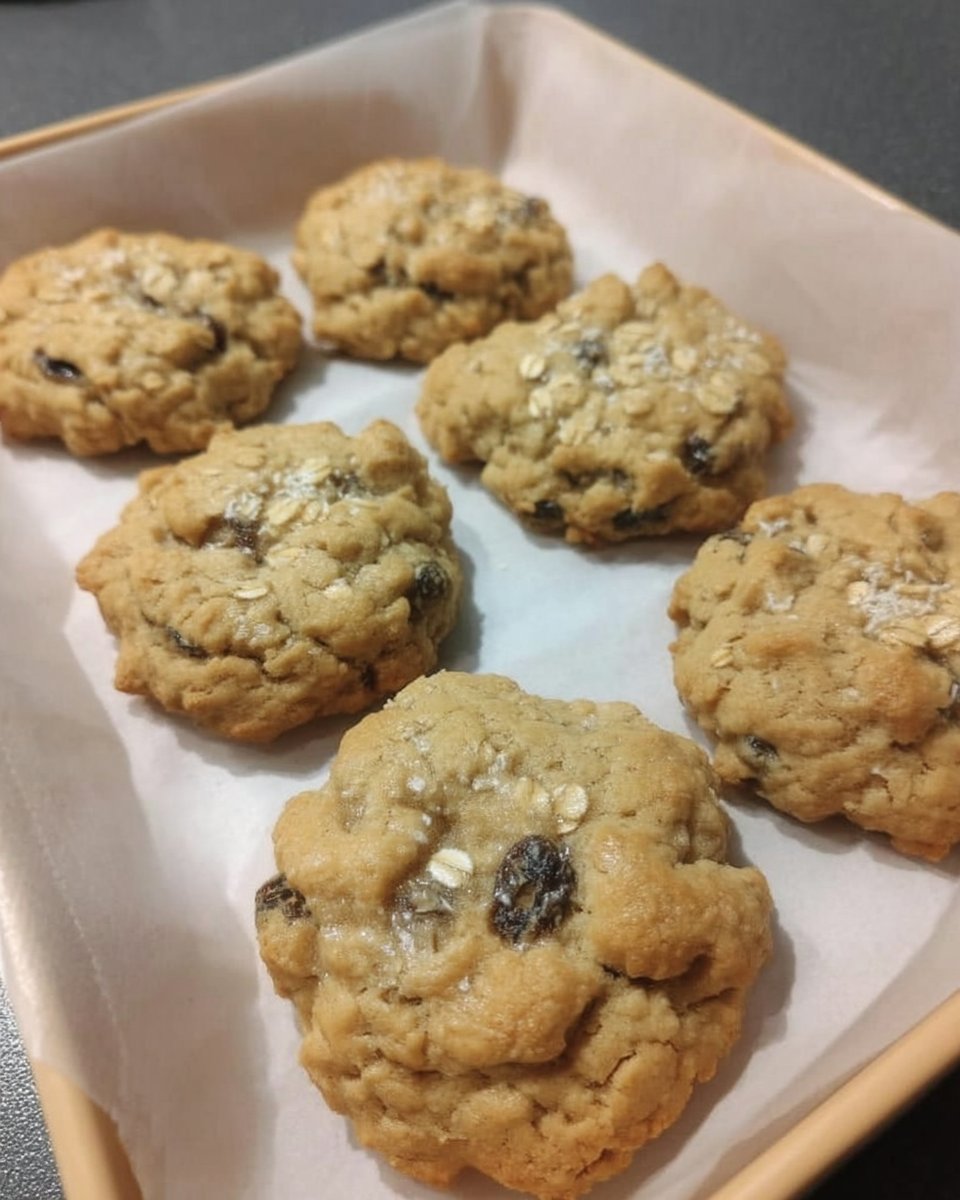
In the mid-19th century, Swiss-German bakers developed a playful tradition of cutting small faces into jam-filled biscuits, calling them ‘Spitzbuben’ or ‘little rascals.’ This technique was more than mere whimsy; it allowed the moisture from the preserve to escape during the final set, preventing the shortcrust from becoming sodden. Modern testing confirms that these early artisans intuitively understood the physics of moisture migration in multi-textured bakes.

Achieving the perfect Spitzbuben requires a disciplined approach to the shortcrust pastry, known in Germany as Mürbeteig. This methodical process relies on temperature control and specific fat-to-flour ratios to ensure a crisp, melt-in-the-mouth structure. By adhering to the 1-2-3 ratio—one part sugar, two parts fat, three parts flour—we maintain the structural integrity necessary for the delicate ‘rascal’ windows.
The Tradition of the Little Rascal
These biscuits are a masterclass in the balance of textures and flavors. The contrast between the buttery, brittle shortcrust and the tart, slightly tacky strawberry jam creates a sophisticated sensory experience. Historical bakers prized this recipe for its longevity, as the flavors develop and the texture softens slightly over several days in a tin.
You will appreciate the scientific precision of the hazelnut-enriched dough. The addition of ground nuts provides structural complexity and a rich, toasted profile that balances the sweetness of the powdered sugar. This is a bake that rewards patience, particularly during the essential chilling stages where the gluten network relaxes and the fats solidify.
Technique is paramount here, as the dough must remain cold to preserve its short texture. When executed correctly, the result is a biscuit that is both sturdy enough to handle and delicate enough to dissolve upon the first bite. It is a triumph of Continental baking that has remained unchanged for generations because the fundamental chemistry is sound.
Print
Spitzbuben
- Total Time: 2 hours 30 mins
- Yield: 24 cookies
- Diet: Vegetarian
Description
Spitzbuben are classic Swiss-German sandwich cookies featuring a buttery, hazelnut-flecked shortcrust pastry and a vibrant strawberry jam center. These “little rascals” are as visually striking as they are delicious, offering a perfect balance of nutty warmth and fruity acidity.
Ingredients
- 400g all-purpose flour
- 200g cold butter, cut into 1cm cubes
- 3 egg yolks (Grade M)
- 100g sugar
- 7g vanilla sugar
- 50g ground hazelnuts
- Zest of one lemon
- Pinch of salt
- 130g strawberry jam
- Juice of one lemon
- Powdered sugar for dusting
Instructions
- Rub the cold butter cubes into the flour using your fingertips in a chilled bowl until the mixture resembles fine breadcrumbs.
- Quickly incorporate the sugar, vanilla sugar, ground hazelnuts, lemon zest, salt, and egg yolks until a cohesive dough forms, being careful not to overwork it.
- Wrap the dough tightly in cling film and flatten into a disc, then refrigerate for at least two hours or overnight.
- Preheat the oven to 200°C (390°F) and roll out the chilled dough on a lightly floured surface to a 3mm thickness.
- Use circular cutters to create equal numbers of solid base cookies and ringed top cookies with a smaller hole in the center.
- Arrange on parchment-lined baking sheets and bake for 8 to 10 minutes until pale gold, then transfer carefully to a wire rack to cool.
- In a small saucepan over low heat, simmer the strawberry jam and lemon juice until fluid and well integrated.
- Dust the ringed tops with powdered sugar, place a teaspoon of warm jam on each base, and press the tops gently into place to set.
Notes
To achieve the most professional finish, allow the jam to cool slightly before assembly so it thickens enough to stay within the cookie window. Storing these in a cool, dry place ensures the shortcrust remains crisp while the center stays tacky and flavorful.
- Prep Time: 2 hours 20 mins
- Cook Time: 10 mins
- Category: Dessert
- Method: Baking
- Cuisine: Swiss
Historical Ingredients and Proper Components
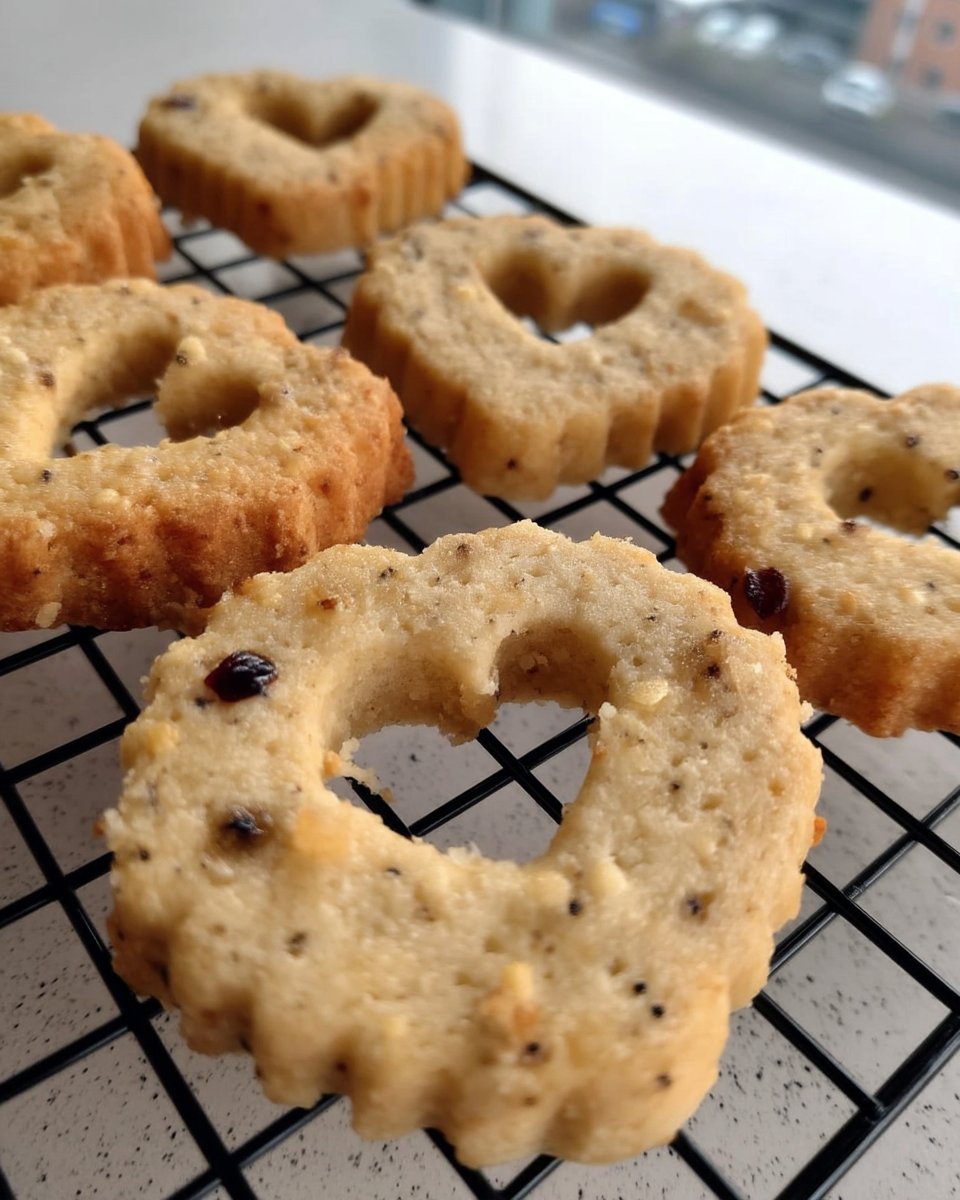
To produce an authentic Spitzbuben, one must select ingredients with an eye toward their chemical function within the Mürbeteig. The selection of fats and the protein content of the flour will dictate the final crumb of the biscuit.
- Flour (400g): Use a standard all-purpose flour or a German Type 405. The moderate protein content is vital for creating a structure that holds its shape without becoming tough.
- Cold Butter (200g): The butter must be kept at a rigorous chill. This ensures that the fat particles remain discrete within the flour, creating tiny pockets that result in a crisp, short crumb rather than a greasy one.
- Egg Yolks (3 Grade M): Yolks provide the necessary emulsifiers and fats without the excess hydration found in egg whites. This leads to a richer flavor and a more tender internal structure.
- Sugar (100g) and Vanilla Sugar (7g): Fine granulated sugar is preferred for its ability to dissolve quickly. The vanilla sugar adds a subtle aromatic depth traditional to Central European heritage baking.
- Ground Hazelnuts (50g): These provide additional fat and a unique grain. The oils in the nuts interact with the wheat proteins to further inhibit gluten development, ensuring a tender result.
- Lemon Zest and Salt: These are essential for flavor modulation. The zest provides a bright top note, while the salt acts as a flavor multiplier for the butter and nuts.
- Strawberry Jam (130g) and Lemon Juice: The acidity of the lemon juice brightens the jam and helps it achieve a better set when heated, preventing it from leaking out of the cookies.
Selecting high-quality European-style butter with a higher fat content can significantly improve the final outcome. The higher fat-to-water ratio in these butters mirrors the ingredients available to Victorian-era bakers, providing the authentic mouthfeel that modern processed fats often lack.
The Proper Method
Step 1: The Rubbing-In Process
Begin by placing the flour into a wide, chilled bowl to maintain a low temperature. Add the cold butter, cut into precise 1cm cubes, and use your fingertips to rub the fat into the flour until the mixture resembles fine breadcrumbs. This technique, known as sablage, coats the flour particles in fat to prevent over-hydration and gluten formation.
Step 2: Incorporating the Bind
Add the sugar, vanilla sugar, ground hazelnuts, lemon zest, salt, and egg yolks to the bowl. Work quickly with a cold hand or a pastry blender to combine the ingredients into a cohesive dough. It is vital to stop as soon as the dough comes together; over-working at this stage will develop the gluten and result in a hard, bread-like biscuit.
Step 3: The Cold Rest
Wrap the dough tightly in cling film and flatten it into a disc to ensure even cooling. Place it in the refrigerator for at least two hours, though overnight is preferable. This rest period allows the starch granules to fully hydrate and the fats to re-solidify, which is critical for a clean cut later.
Step 4: Preparation and Rolling
Preheat your oven to 200°C (390°F) using the top and bottom heat setting for even distribution. Roll out the chilled dough on a lightly floured surface to a thickness of approximately 3mm. Consistency in thickness is paramount for an even bake across the entire tray.
Step 5: Precision Cutting
Use a circular cutter to create the bases and a second cutter with a smaller hole in the center for the ‘rascal’ tops. Ensure you have an equal number of each. If the dough begins to soften, return it to the refrigerator immediately to maintain the sharpness of the edges.
Step 6: The Golden Bake
Line your baking sheets with high-quality parchment and arrange the cookies with 2cm of space between them. Bake on the middle shelf for 8 to 10 minutes. Watch closely; the cookies should be a pale gold. Remove them immediately and transfer to a wire rack using a thin spatula, as they are fragile while hot.
Step 7: Preparing the Filling
In a small saucepan over low heat, combine the strawberry jam and the juice of one lemon. Stir constantly until the jam is fluid and the flavors are integrated. This heating process activates the pectin and reduces the moisture content, ensuring the jam stays in place once the cookies are assembled.
Step 8: Final Assembly
Dust the ringed top cookies with a generous layer of powdered sugar while they are on the cooling rack. Place a small teaspoon of the warm jam onto the center of each solid base cookie. Carefully place a sugared ring on top, pressing gently to secure. Allow them to set for at least an hour before serving.
Precision Methods and Historical Wisdom
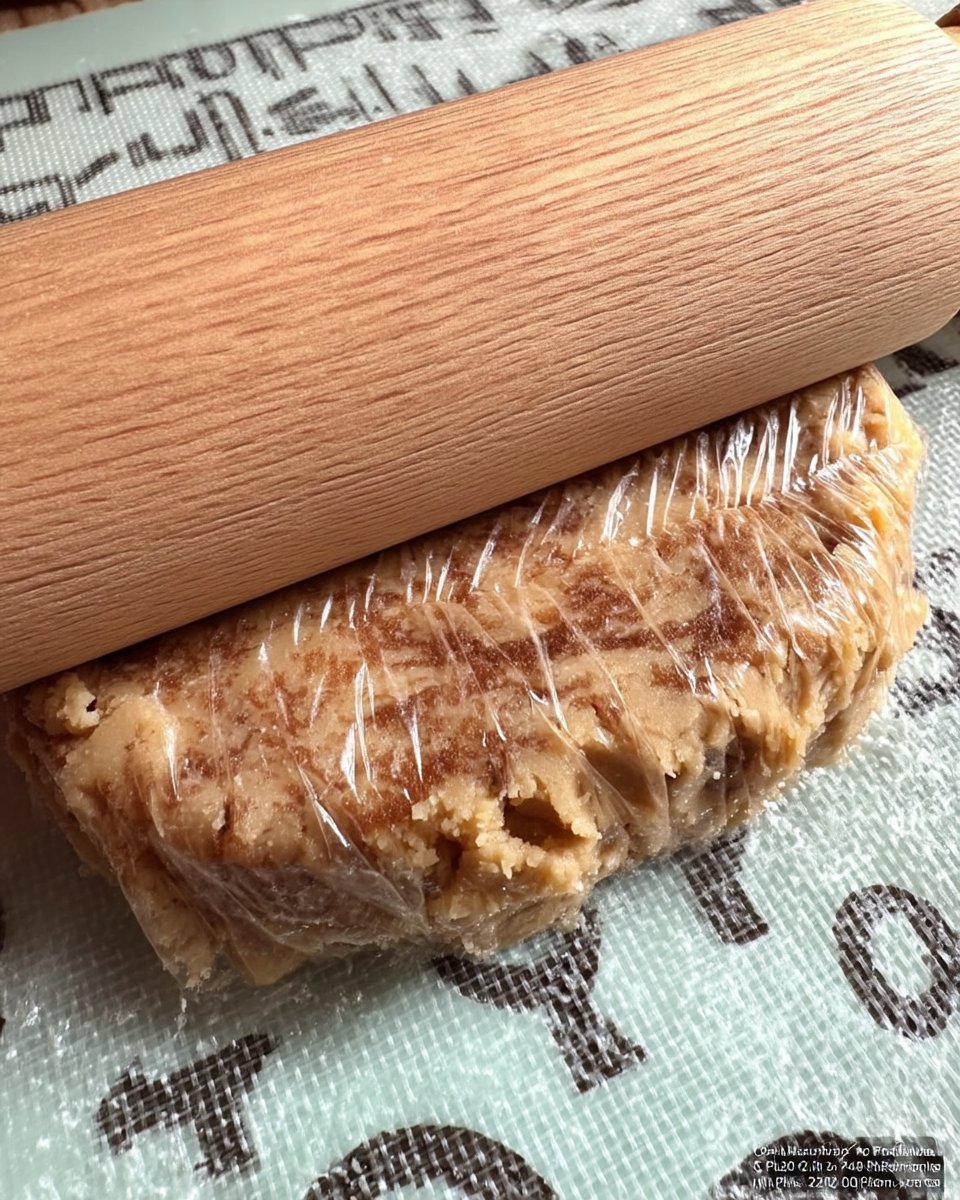
One of the most effective techniques for maintaining the structural integrity of Spitzbuben is to roll the dough between two sheets of parchment paper. This prevents the need for excess flour, which can dry out the dough and alter the precise fat-to-flour ratio we worked so hard to achieve. Historical bakers would often use marble slabs to keep the dough cold, a method we can replicate by chilling our rolling pins.
When choosing your preserves, look for a high fruit content. For a deep understanding of how different bakes react to seasonal ingredients, refer to our guide on Holiday Cookie Science. For more on the German Spitzbuben tradition, understanding the regional preferences for jam can help you tailor the tartness to your palate. Always ensure your jam has reached a brief simmer to ensure it sets firmly once cooled.
Classic Variations and Regional Differences
While the strawberry and hazelnut combination is a standard in many households, regional variations abound across Germany and Switzerland. In some southern regions, ground almonds are substituted for hazelnuts to create a lighter, more floral flavor profile. This adjustment requires no change to the underlying Foundation Cookie Recipes logic, as the fat content of almonds is sufficiently similar to hazelnuts.
Another historical variation involves the use of red currant jelly, which provides a sharper acidity than strawberry jam. Some modern bakers also incorporate a hint of cinnamon or cloves into the dough during the winter months to echo the spices found in Lebkuchen. Regardless of the flavoring, the technical requirement remains the same: maintain a cold dough and a short bake time to preserve the Mürbeteig’s delicate crumb.
Traditional Service and Classic Enjoyment
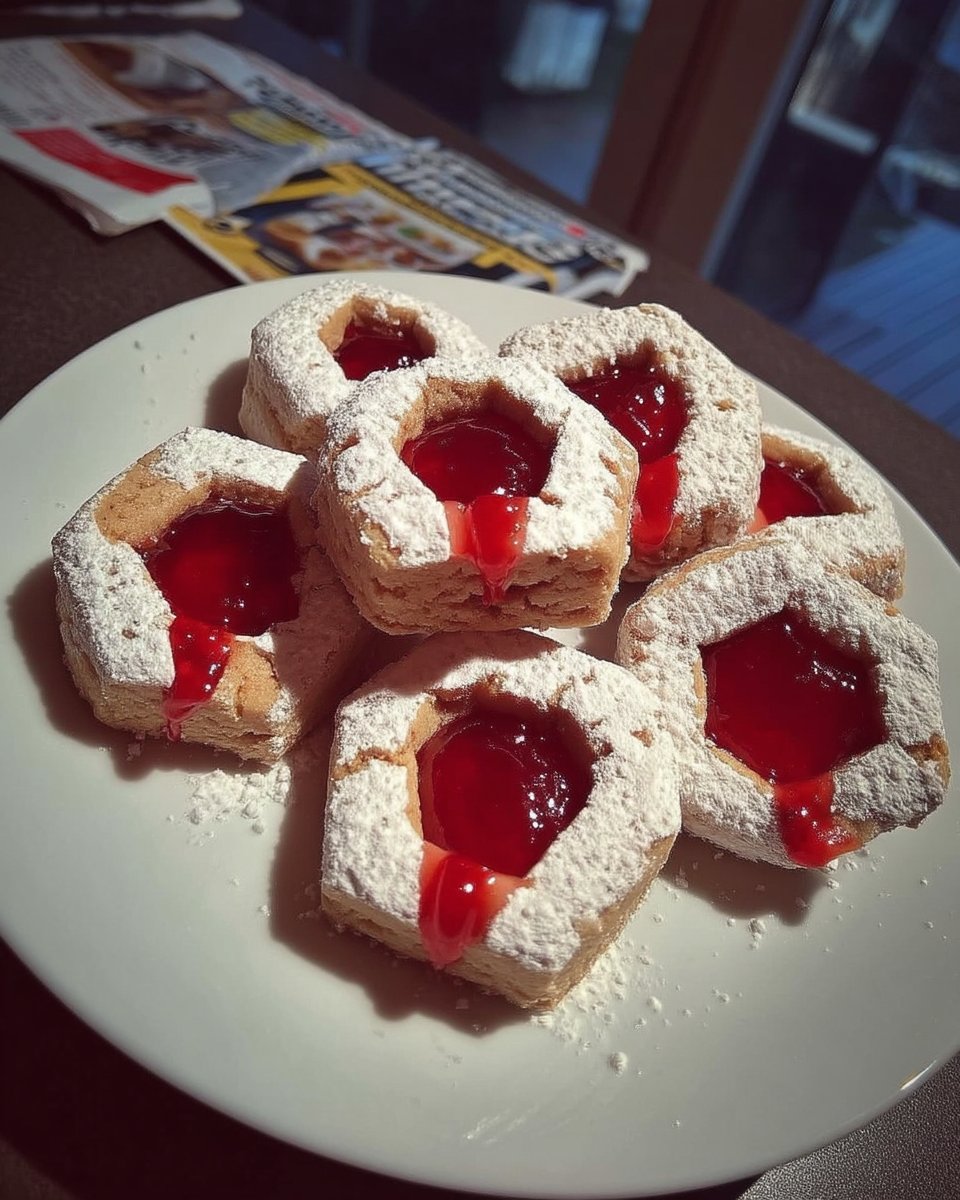
In the spirit of Continental tradition, Spitzbuben are best served alongside a strong black tea or a dark-roast coffee. The bitterness of the beverage provides a necessary counterpoint to the sweetness of the powdered sugar and the richness of the butter. For a formal presentation, serve them on a tiered porcelain stand, ensuring the sugar-dusted tops are handled with care to avoid smudging the finish.
When arranging your dessert tray, consider the visual geometry of your bakes. Our research into Precision Cookie Decorating shows that the contrast between the white sugar and the red jam is most striking when the cookies are placed against a dark background. This aesthetic precision honors the Victorian attention to detail that transformed simple biscuits into works of culinary art.
Classic Precision and The Technical Truth
Mastering the Spitzbuben is a journey into the heart of European baking science. By respecting the cold-rubbing method and the necessary hydration periods, you produce a biscuit that transcends the sum of its parts. This recipe is a testament to the fact that when we follow historical wisdom with modern precision, the results are consistently remarkable. For those looking to further their skills in complex doughs, our library of Technical Bakes offers deeper insights into the chemistry of shortcrust.
I invite you to share your results and join our community of methodical bakers on Pinterest, Instagram, Facebook, and X. Together, we can preserve these important culinary traditions through the application of science and the respect for our shared heritage.