Victorian bakers understood that the state of fat determined the final crumb of a biscuit, often favoring partially softened butter to achieve a specific tender density. This historical wisdom, once dismissed as a shortcut, actually serves to limit gluten development by coating flour particles more effectively than chilled butter ever could. By revisiting these older methods, we find that the soft batch cookies of our ancestors were the result of deliberate temperature manipulation rather than mere chance.

These soft batch cookies combine that nineteenth-century approach with modern testing to produce a texture that remains pillowy and moist for days. Through the use of nearly melted butter and a controlled bake time, we create a structure that honors tradition while satisfying the contemporary preference for a tender, chocolate-laden treat. It is a methodical bridge between the reliable heritage of the past and the scientific precision of the present.
The Tradition of the Soft Batch
The allure of these soft batch cookies lies in their remarkable structural integrity paired with a melt-in-the-mouth finish that few modern recipes achieve. Historically, cookies were often hard and designed for longevity, but the transition to the “soft batch” style marked a shift toward cookies as a luxury for immediate enjoyment within the home. This recipe captures that specific moment in culinary history where sweetness and softness became the primary goals of the household baker.
You will appreciate the technical simplicity that yields such complex results. By avoiding the excessive aeration found in modern high-speed mixing, we maintain a dense, fudgy center that resists the staling process. The addition of raw cane sugar provides a subtle crunch and a deeper caramelization that white sugar alone cannot offer, grounding the cookie’s sweetness in a more traditional flavor profile.
Furthermore, the science behind the “underbake” method used here is a direct descendant of the precision found in British tea biscuit manufacturing. We are not merely taking them out early; we are utilizing residual heat to finish the cooking process on the pan. This technique ensures that the starches set without the proteins becoming tough, resulting in a cookie that is as much a triumph of physics as it is of flavor.
Print
Soft Batch Cookies
- Total Time: 55 mins
- Yield: 12 cookies
- Diet: Vegetarian
Description
These heirloom-style soft batch cookies utilize a unique temperature-controlled butter method to achieve a pillowy, dense texture that lasts for days. By combining raw cane sugar and a strategic underbake, these treats offer a sophisticated depth of flavor and a perfect chocolate-to-dough ratio.
Ingredients
- 8 tablespoons salted butter, nearly melted
- 1/2 cup raw cane sugar
- 1/4 cup light brown sugar, packed
- 1 large egg, room temperature
- 1 teaspoon pure vanilla extract
- 1 1/2 cups (6.75 ounces) all-purpose flour
- 1/2 teaspoon baking soda
- 1/4 teaspoon salt
- 3/4 cup mixed chocolate chips and hand-cut chunks
Instructions
- Preheat your oven to 350°F (175°C) and line a baking sheet with parchment paper.
- Place salted butter in a microwave-safe bowl and heat for 40 seconds until mostly liquid but not bubbling.
- In a stand mixer with a paddle attachment, beat the nearly melted butter with raw cane sugar and light brown sugar until creamy and fully integrated.
- Add the vanilla extract and room-temperature egg, beating on low speed for only 10 to 15 seconds to avoid over-aeration.
- Add the flour, baking soda, and salt, mixing on the lowest setting until crumbles form, then use your hands to press the mixture into a cohesive dough ball.
- Gently fold in the chocolate chips and chunks by hand to distribute them evenly.
- Roll the dough into 12 uniform spheres and place them on the prepared baking sheet.
- Bake for 9 to 11 minutes until the cookies are puffy and dry on the surface, but still appear underdone in the center.
- Remove from the oven and allow the cookies to rest undisturbed on the baking sheet for 30 minutes to finish setting.
Notes
To ensure the most consistent results, always weigh your flour rather than using a measuring cup to prevent the dough from becoming too dry. Using a mix of hand-cut chocolate chunks alongside standard chips creates varied melting points that improve the overall mouthfeel of the cookie.
- Prep Time: 15 mins
- Cook Time: 10 mins
- Category: Dessert
- Method: Baking
- Cuisine: American
Proper Components for Success
[rank_math_toc]
Achieving the perfect soft batch cookies requires a methodical selection of ingredients, each serving a specific chemical purpose within the dough’s matrix. We favor weight-based measurements, particularly for the flour, to maintain the precise hydration levels necessary for a tender crumb.
- Salted Butter (8 tablespoons): We use salted butter here to provide a consistent base of seasoning. Microwaving it for 40 seconds creates a “nearly liquid” state that is essential for an immediate emulsion with the sugars.
- Raw Cane Sugar (1/2 cup): The coarser texture and higher molasses content of raw cane sugar provide a more complex flavor and a superior structure compared to highly refined white sugar.
- Light Brown Sugar (1/4 cup): This is the primary humectant in our recipe, drawing moisture from the air to keep the cookies soft long after they have cooled.
- All-Purpose Flour (1 1/2 cups / 6.75 ounces): Precision is paramount here. We use a flour with moderate protein content to provide enough structure to hold the chocolate chunks without becoming bready.
- Baking Soda (1/2 teaspoon): This traditional leavening agent reacts with the acidic components of the brown sugar to provide just enough lift to keep the cookies from being leaden.
- Pure Vanilla Extract (1 teaspoon): A high-quality extract is the foundation of the cookie’s aroma; it bridges the gap between the fat and the flour.
- Chocolate Combination (3/4 cup): Mixing standard chips with hand-cut chunks creates varying melting points and textures within the dough, a technique used to add visual and structural interest.
The Methodical Process
Step 1: Preparing the Fat
Begin by preheating your oven to 350°F (175°C). Place the salted butter in a microwave-safe bowl and heat for exactly 40 seconds. The goal is a state of transition—the butter should be mostly liquid but not bubbling or hot. This mimics the historical “melted fat” method which produces a denser, softer crumb than the traditional creaming of cold butter.
Step 2: The Emulsion Stage
Combine the nearly melted butter with both the raw cane sugar and the light brown sugar in the bowl of a stand mixer. Using the paddle attachment, beat the mixture until it becomes creamy and fully integrated. This step is about dissolving the sugar crystals into the fat, creating the base for our soft batch cookies.
Step 3: Incorporating the Binder
Add the vanilla extract and the room-temperature egg. Beat on a low speed for no more than 10 to 15 seconds. It is technically vital to avoid over-working the egg at this stage; excessive beating will incorporate too much air and toughen the proteins, leading to a stiff cookie rather than a soft one. History shows us that gentle mixing preserves the delicate structure we desire.
Step 4: The Dry Integration
Add the flour, baking soda, and salt. Mix on the lowest setting just until crumbles begin to form. At this point, turn off the mixer. The transition from crumbles to dough should be handled manually. Use your hands to press the mixture together into one large, cohesive ball. This prevents the over-development of gluten, which is the enemy of the soft batch style.
Step 5: Distributing the Inclusions
Fold in the chocolate chips and chunks by hand. This ensures that the chocolate is distributed evenly without breaking down the dough’s integrity. The manual touch allows you to feel the hydration of the dough; it should be right at the boundary between wet and dry, easy to handle without sticking excessively to your skin.
Step 6: Portioning and Shaping
Roll the dough into 12 large, uniform spheres for standard cookies, or 9 for a more substantial, bakery-style result. Place them on a heavy-duty baking sheet lined with parchment paper. Proper spacing is essential to allow for the heat to circulate evenly around each sphere, a principle of British convection baking.
Step 7: The Precision Bake
Bake for 9 to 11 minutes. The cookies must look puffy, dry on the surface, and only just barely golden at the very edges. They will appear underdone in the center, which is the secret to their lasting softness. Do not succumb to the temptation to leave them in longer; the technical triumph happens after they leave the heat.
Step 8: The Essential Rest
Remove the pan from the oven and leave the cookies undisturbed for at least 30 minutes. During this time, carry-over cooking completes the setting of the starches while the sugars begin to firm up. As they cool, they will sink slightly, creating the dense, buttery texture that defines the best soft batch cookies.
Jordan’s Technique Notes
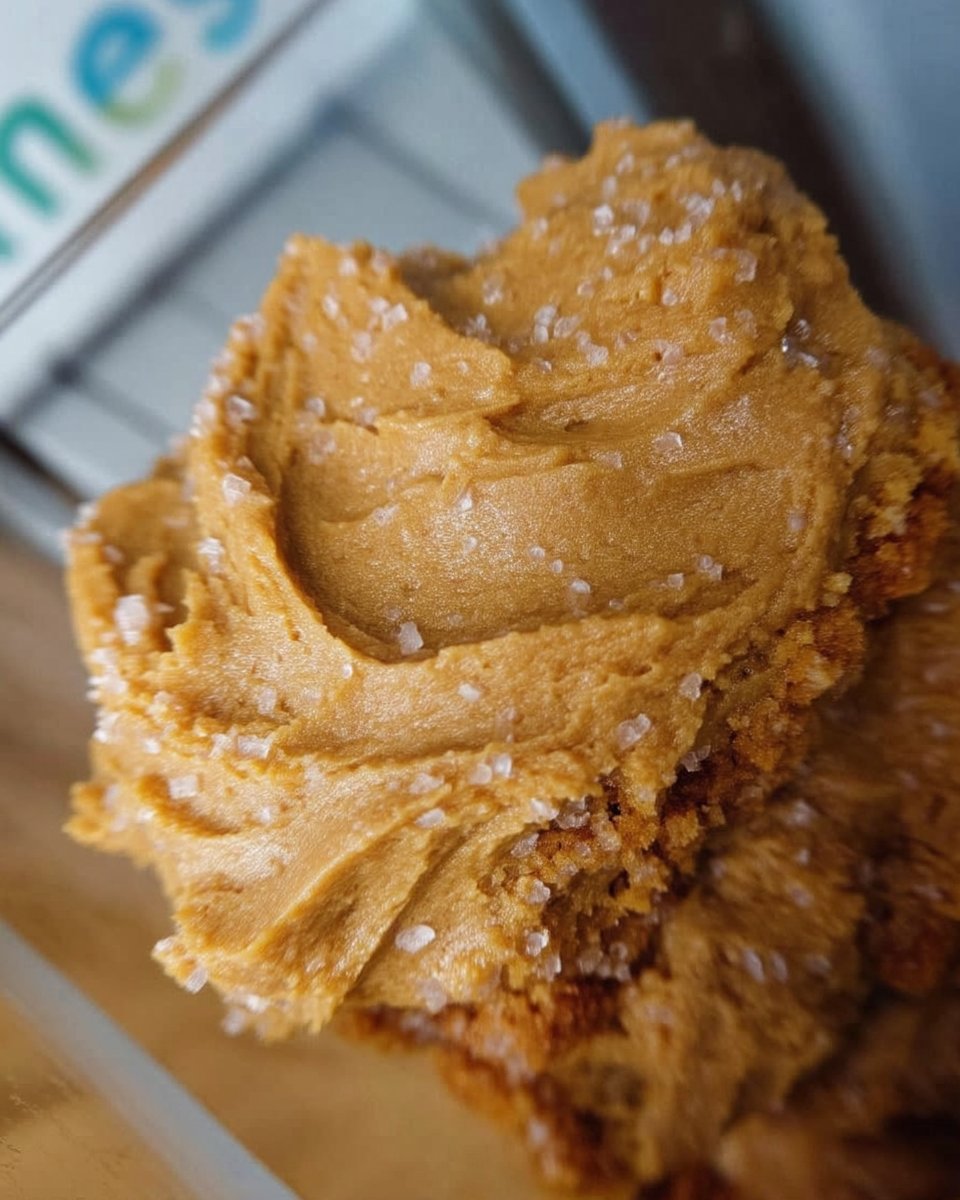
Precision in the cooling phase is just as important as the baking itself. Victorian kitchens often utilized stone larders for cooling, as the consistent, cool surface helped set fats quickly. While we use modern pans, the 30-minute rest is a non-negotiable step that allows the moisture to redistribute throughout the cookie. If you find your cookies spreading too much, consider the protein content of your flour; a slightly higher protein count can help maintain the dome shape. For those who want to master the basics of dough hydration, I recommend reviewing our Foundation Cookie Recipes to understand how different fats interact with flour. Additionally, while we focus on the soft batch, looking at modern interpretations like the best soft chocolate chip cookies can show how these historical techniques have been adapted for today’s palates. Always remember that the “underbake” is a controlled scientific method, not a guess—trust the timer and the visual cues of puffiness.
Tested Adaptations
While the soft batch cookies presented here are rooted in a classic profile, there are several regional and historical variations that produce excellent results. In some British traditions, a small amount of cornflour (cornstarch) is added to further soften the flour’s protein, a technique often explored in our Holiday Cookie Science studies. You might also consider the “Shrewsbury style,” where a hint of lemon zest and nutmeg is added to the dough to provide a bright, botanical lift that cuts through the richness of the butter. For a more modern variation, substituting the chocolate for toasted walnuts and dried currants can mimic the flavor profile of a nineteenth-century tea cake while maintaining the soft, dense texture of the original recipe. Each adaptation should be tested with the same focus on temperature control to ensure the integrity of the soft batch remains intact.
Traditional Service
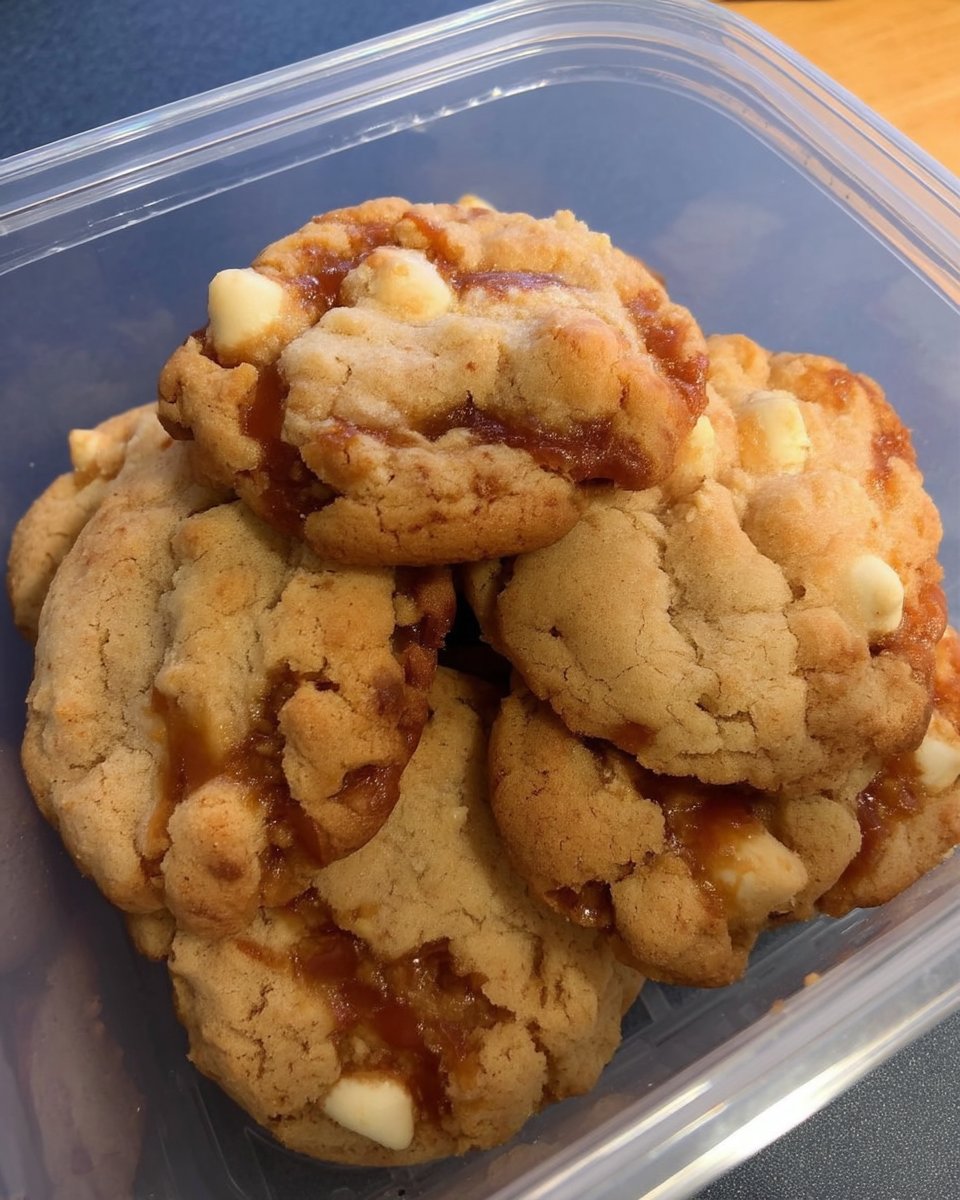
To truly appreciate the texture of these soft batch cookies, they should be served alongside a strong black tea, such as an Earl Grey or a traditional Breakfast blend. The tannins in the tea provide a necessary contrast to the rich, buttery sugars of the cookie. Historically, such treats were served on fine bone china to retain heat, though a simple ceramic plate works well for modern gatherings. This methodical approach to service is a core tenet of our Efficient Cookie Methods, where we emphasize that the environment of consumption is as vital as the recipe itself. For a more indulgent presentation, serve them slightly warm with a small glass of cold whole milk, allowing the chocolate chunks to remain in a semi-liquid state.
The Technical Truth
Mastering the soft batch cookies is a journey through both chemical reactions and historical preferences. By respecting the state of your ingredients and the precision of your bake time, you create more than just a snack; you reproduce a piece of culinary heritage that has stood the test of time. This method proves that we do not need complex additives to achieve perfection, only an understanding of how heat and hydration work in tandem. For more explorations into the physics of baking, visit our section on Technical Bakes. We invite you to share your results and join our community of precision bakers on Pinterest, Instagram, and Facebook.