Shortbread is a masterclass in lipid shortening and the physics of texture. By thoroughly coating flour proteins in butterfat, we inhibit gluten network formation, creating that characteristic “short” or crumbly structure that dissolves on the tongue. It is not merely a cookie; it is a lesson in how three simple ingredients can create a complex sensory experience through precise ratios.

This recipe utilizes a food processor to cut the cold butter into the flour efficiently, ensuring the fat remains distinct and the dough stays cool—critical for the perfect snap. We press the mixture into a pan, prick it to release steam, and bake it slowly to achieve a delicate golden hue without compromising the tender crumb.
The Chemistry of Crumble
Unlike many cookies that rely on eggs or leaveners, Scottish Shortbread is a pure suspension of flour and sugar in a solid fat matrix. You will love this recipe because it highlights the power of high-quality butter.
- Texture Science: The lack of water in the dough prevents tough gluten strands from forming, resulting in a “melt-in-your-mouth” sensation known as “shortness.”
- Flavor Clarity: With no vanilla or spices to hide behind, the caramelized milk solids from the butter take center stage.
- Precision: The food processor method ensures the fat is distributed evenly, creating a consistent crumb structure throughout the entire bake.
Scottish Shortbread
- Total Time: 40 mins
- Yield: 16 servings
- Diet: Vegetarian
Description
Experience the ultimate buttery texture with this scientifically-designed Scottish shortbread. By utilizing a food processor to achieve precise lipid shortening, you can create a crumbly, melt-in-your-mouth treat that perfectly balances simple ingredients with technical execution.
Ingredients
- 1 cup (227g) high-quality unsalted butter, cubed and cold
- 2 cups (250g) all-purpose flour
- 1/2 cup (100g) caster sugar, plus extra for sprinkling
- 1/4 teaspoon salt
Instructions
- Preheat your oven to 350°F (175°C) and lightly grease an 8×8 inch square baking pan with butter.
- Combine the flour, cubed butter, caster sugar, and salt in a food processor and pulse repeatedly until the mixture resembles coarse breadcrumbs and holds together when pinched.
- Transfer the sandy mixture into the prepared pan and press down firmly and evenly with your hands to create a compact layer.
- Prick the dough all over with a fork in neat rows to allow steam to escape, and optionally score shallow lines to guide your future slices.
- Bake on the middle rack for 30–35 minutes until a light golden hue appears, then remove and sprinkle immediately with extra sugar.
- Allow the shortbread to cool completely in the pan to let the structure set before cutting into squares or fingers.
Notes
For the cleanest edges, use a metal ruler to guide your scoring lines before the dough enters the oven. If your kitchen is particularly warm, consider chilling the pressed dough in the pan for 10 minutes prior to baking to ensure the fat stays distinct. Store the finished shortbread in an airtight container at room temperature for up to two weeks to maintain its signature crispness.
- Prep Time: 10 mins
- Cook Time: 30 mins
- Category: Dessert
- Method: Baking
- Cuisine: Scottish
Molecular Building Blocks
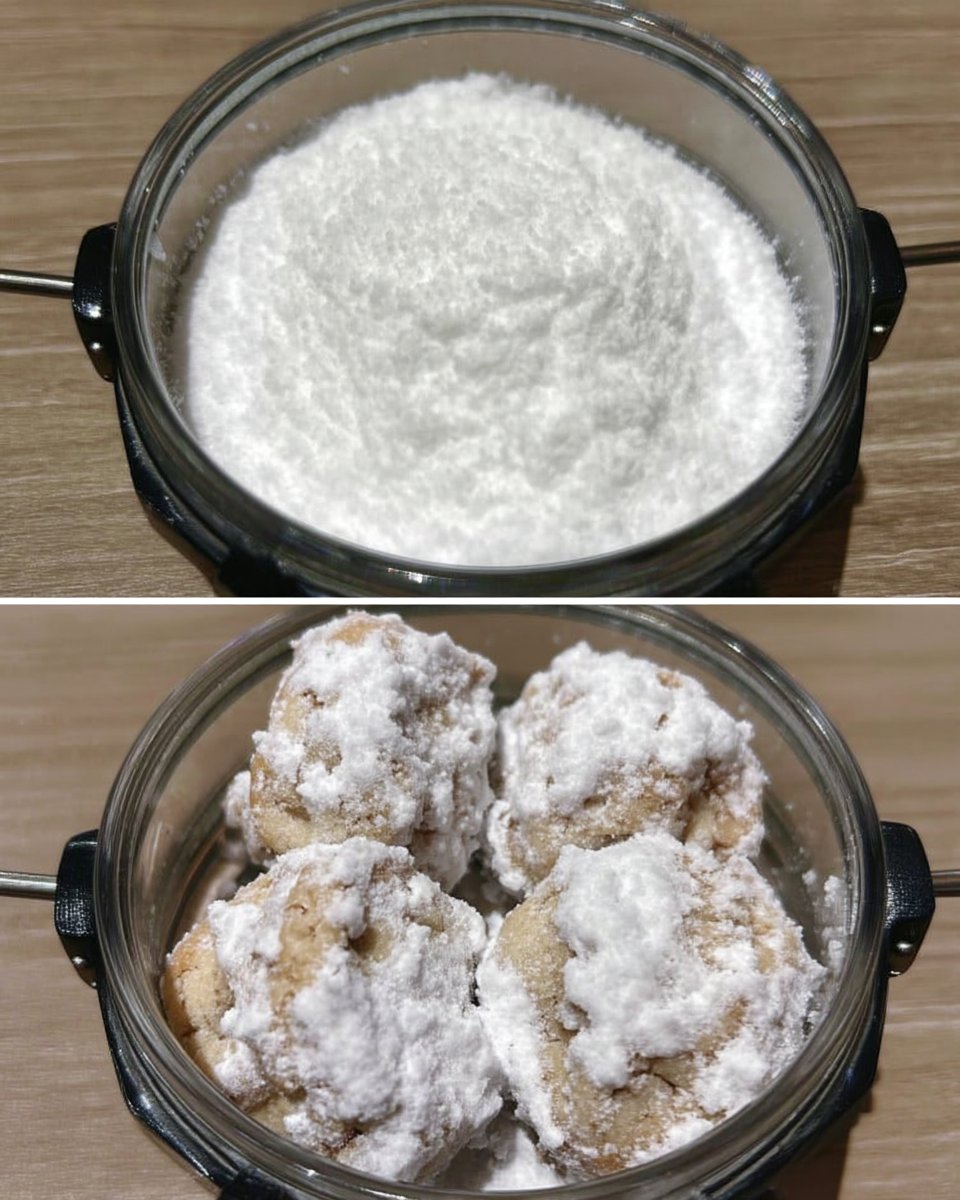
Because this recipe relies on so few components, the chemical quality of each ingredient defines the final result.
- Quality Unsalted Butter: This is your primary flavor carrier and texture agent. Use a European-style butter with higher butterfat (82%+) for a richer mouthfeel and more distinct diacetyl (buttery) flavor compounds.
- All-Purpose Flour: Provides the necessary starch structure. We want just enough protein to hold the shape, but not enough to create chewiness.
- Caster Sugar: Also known as superfine sugar. The smaller crystal size dissolves more readily into the fat matrix than standard granulated sugar, preventing a gritty texture.
- Salt: A crucial electrolyte that suppresses bitterness and enhances the perception of sweetness. It makes the butter taste more like butter.
The Precision Method
Step 1: Thermal Control
Preheat your oven to 350°F (175°C). Temperature accuracy is vital here; too hot, and the edges burn before the center sets. Butter an 8×8 inch square baking pan to ensure easy release.
Step 2: Lipid Dispersion
Place the flour, cubed butter, caster sugar, and salt into a food processor. Pulse the mixture repeatedly. We are looking for a texture that resembles coarse breadcrumbs—this indicates the flour particles are adequately coated in fat. Stop when the mixture looks sandy but holds together when pressed between your fingers. Do not over-process, or you will melt the fat frictionally.
Step 3: Compression
Pour the crumbly mixture into your prepared pan. Using your hands, firmly press the dough down to compact it. This density is required for the shortbread to slice cleanly later. If the mixture feels too dry to bind, it likely needs a few more pulses to release more fat.
Step 4: Docking
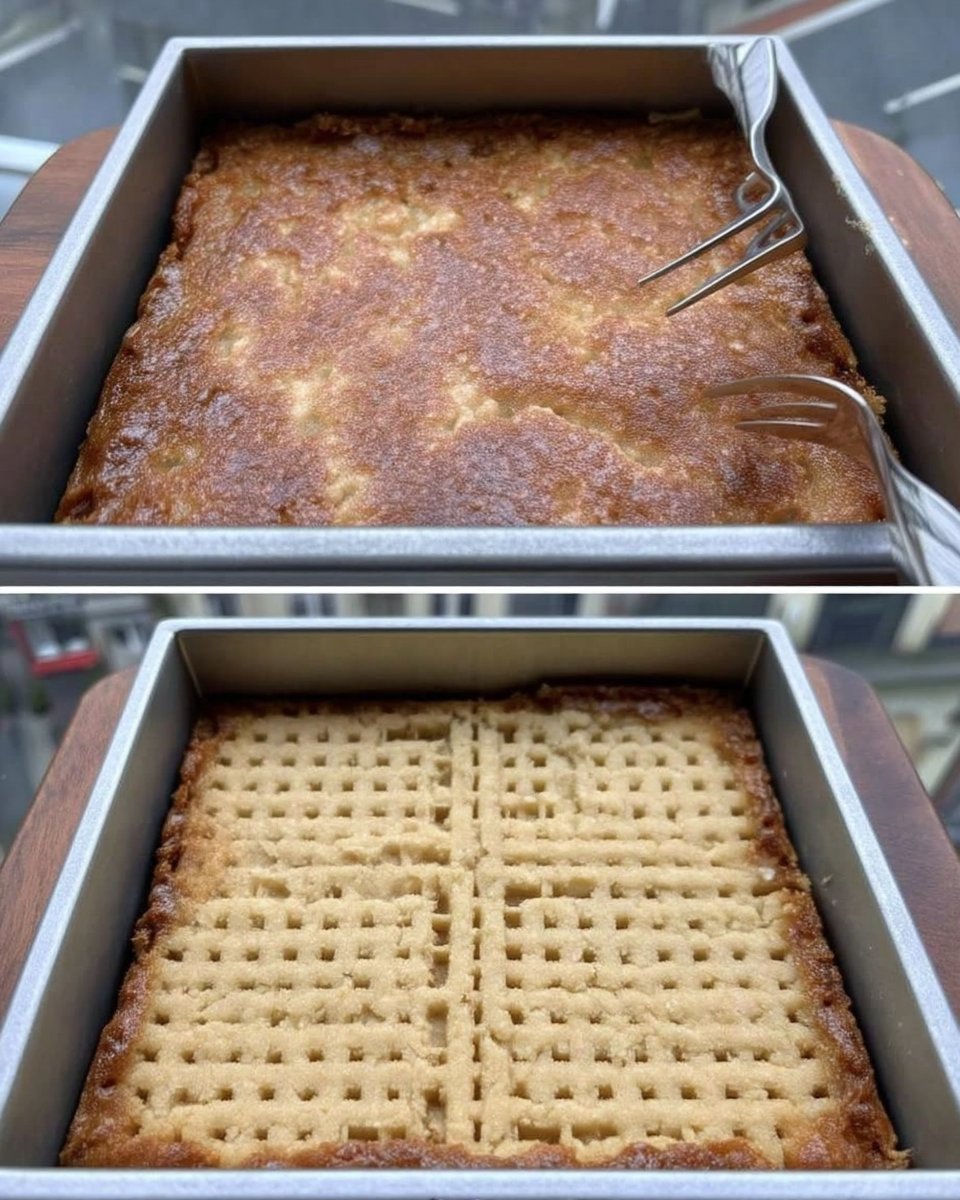
Prick the dough all over with a fork, creating neat rows. In baking science, this is called “docking.” It allows steam to escape from the dense dough, preventing it from puffing up unevenly. Optionally, score lines between the rows with a knife to guide slicing later.
Step 5: The Bake
Place the pan on the middle rack and bake for 30–35 minutes. We are looking for a light golden color, indicating the Maillard reaction has begun on the surface sugars. Remove from the oven and immediately sprinkle with extra sugar while warm. Let it cool completely in the pan before cutting to allow the structure to set.
Jasmine’s Protocol for Perfection
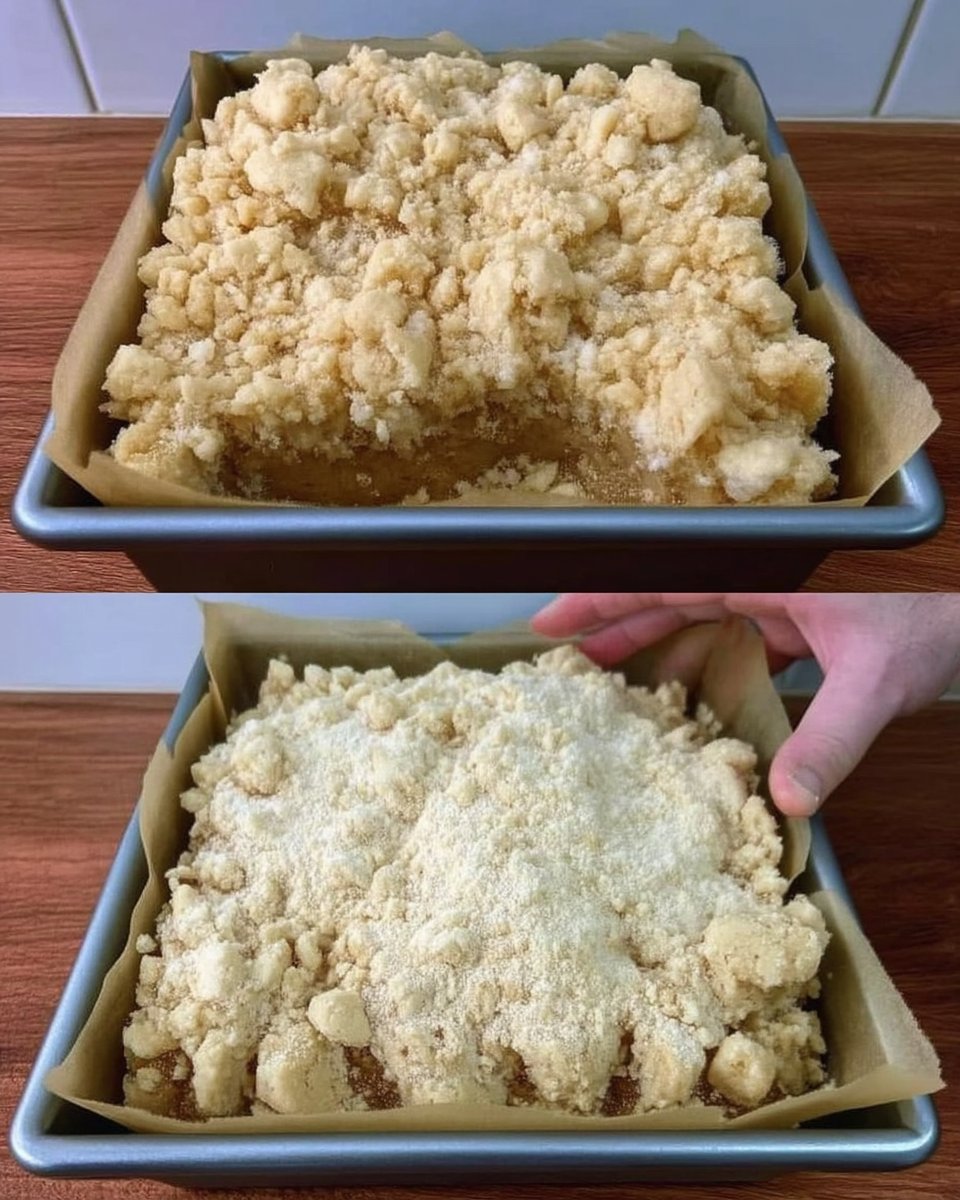
- The Temperature Variable: If your kitchen is warm, chill the dough in the pan for 10 minutes before baking. Cold fat entering a hot oven expands slowly, preserving the sharp edges and delicate texture.
- Docking Dynamics: Pricking the dough is functional, not just decorative. Without these vents, internal steam pressure can crack the surface. For more on the importance of structural integrity in baking, see our guide on precision cookie decorating.
- Slicing Strategy: Shortbread is fragile when warm. If you didn’t score it before baking, wait until it is barely warm to cut it, or it may crumble under the knife.
Flavor Compound Swaps
Once you master the base ratio, you can layer aromatic compounds to shift the profile.
- Citrus Infusion: Add 1 tablespoon of orange or lemon zest. The limonene terpenes in the zest bind with the butterfat, distributing bright aroma throughout the dense cookie. This is a great technique found in our holiday cookie science studies.
- Ginger Kick: Incorporate 1/4 cup of minced candied ginger. The gingerols provide a spicy heat that contrasts beautifully with the rich, fatty mouthfeel of the shortbread.
- Botanical Notes: finely chopped rosemary or lavender adds distinct herbal aroma compounds that pair surprisingly well with the sweet-salty profile.
Sensory Pairing Analysis
The rich, fatty mouthfeel of shortbread requires a beverage with astringency or acidity to cleanse the palate between bites.
- Tea Pairing: A strong Earl Grey or English Breakfast tea is ideal. The tannins in the tea strip the butterfat from the tongue, preparing your taste buds for the next bite.
- Coffee: The roasted notes of coffee complement the caramelized sugars. For more classic pairings, explore our foundation cookie recipes.
- Texture Contrast: Serve alongside a tart fruit curd or compote. The acidity cuts through the richness, balancing the flavor equation.
Final Thoughts on Lipid Structures
Scottish Shortbread proves that culinary complexity often hides in simplicity. By understanding the interaction between fat and flour, you can create a texture that is scientifically perfect—crisp yet melting. For those looking to streamline their baking process further, check out our efficient cookie methods.
If you enjoyed this deep dive into shortbread, you might also appreciate the traditional history found at The Daring Gourmet.
Share your baking experiments with us on social media: