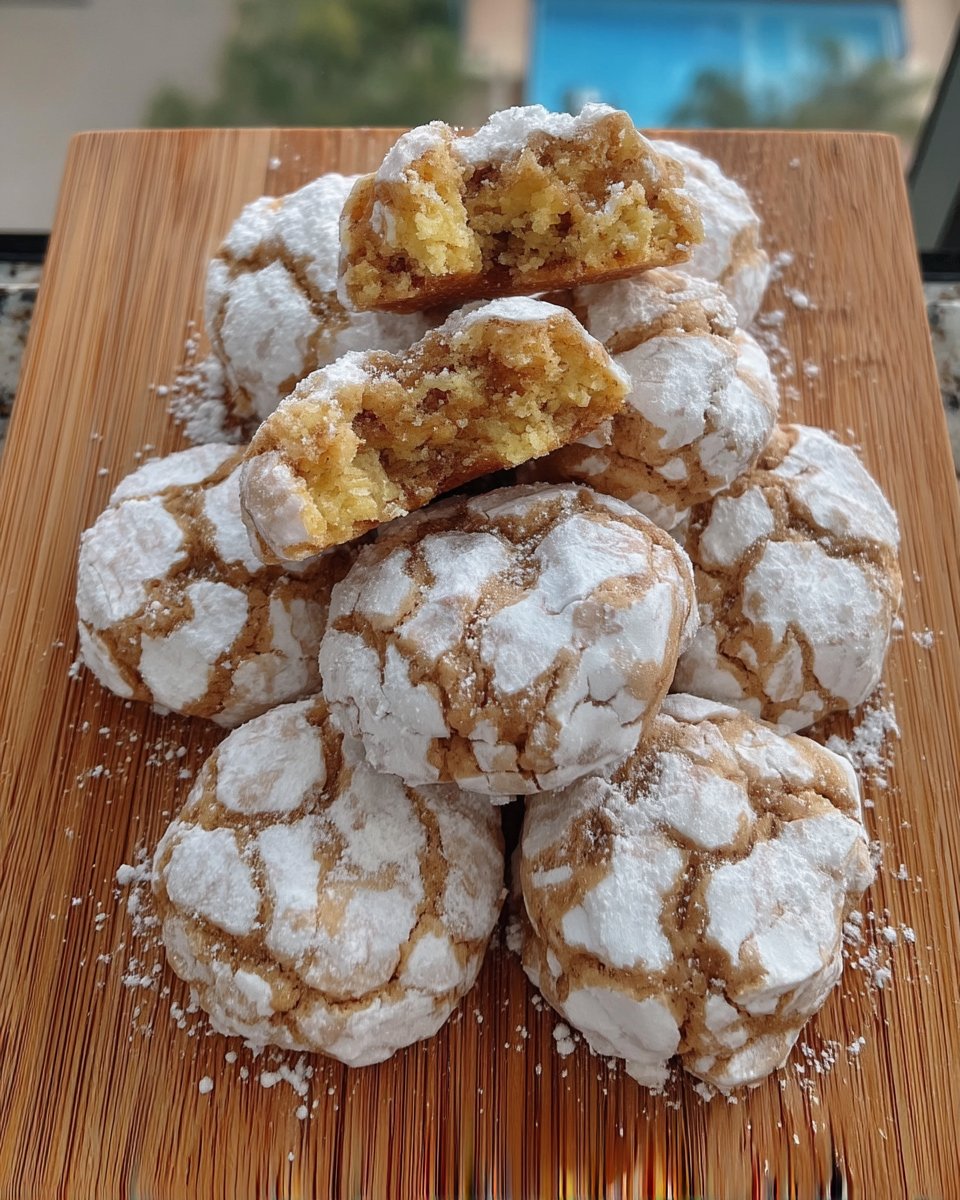
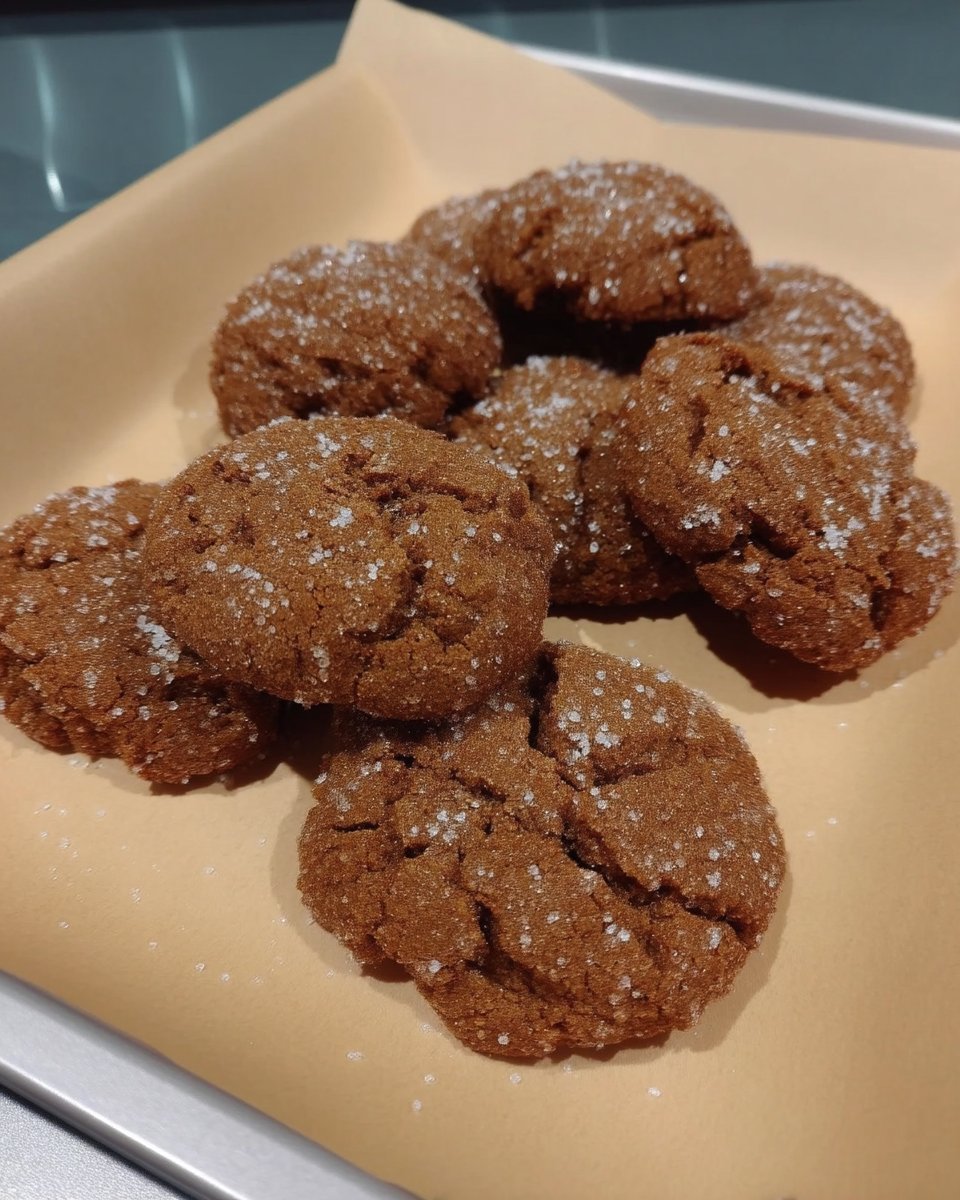
In the Cookies Yum test kitchen, we tested fourteen batches to isolate the variables that control cookie spread when introducing high-sugar inclusions like butterscotch. We found that the hygroscopic nature of dark brown sugar, paired with the structural integrity of old-fashioned oats, creates a specific chewiness that quick oats simply cannot replicate. This balance relies on precise measurements to maintain the matrix between the flour proteins and the melting fat.

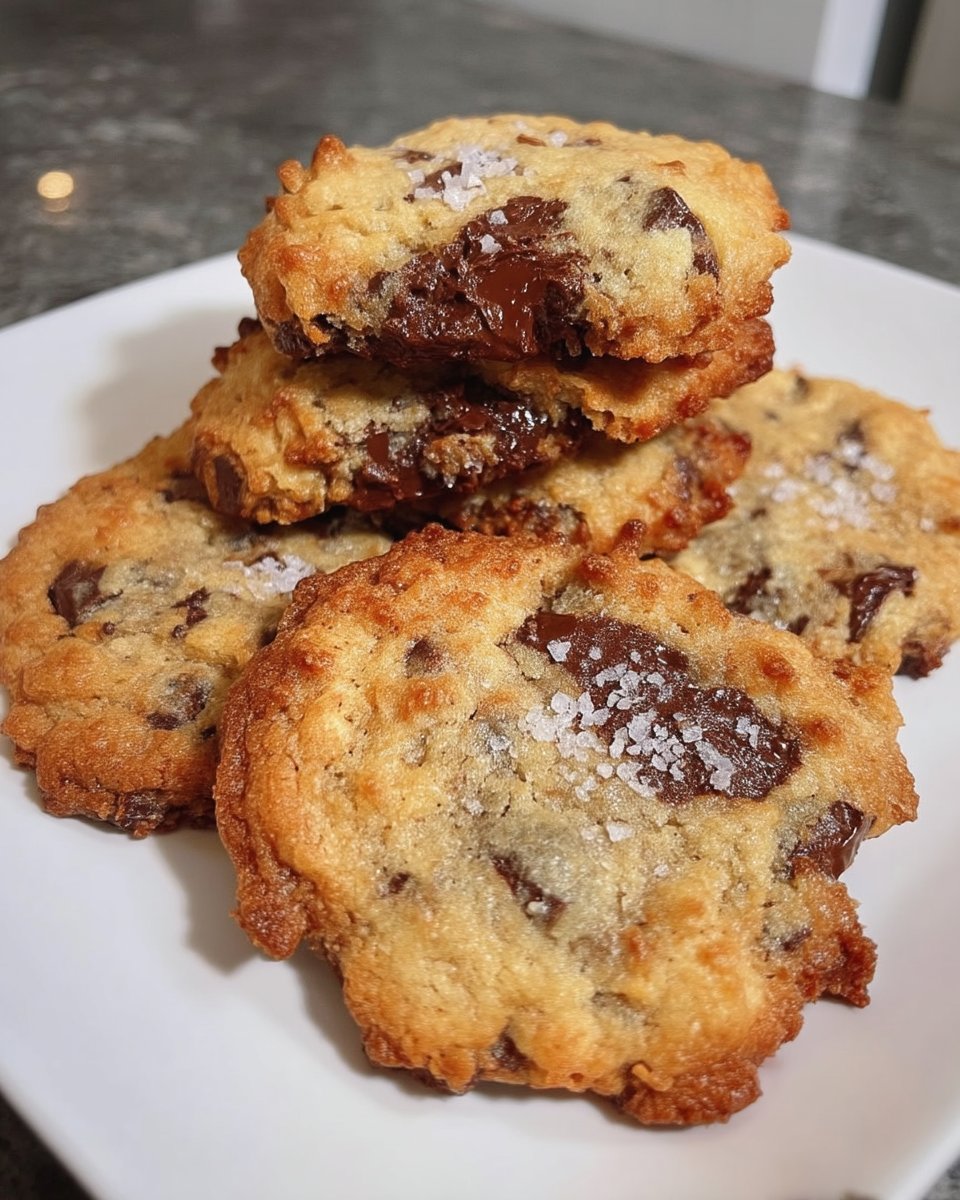
This recipe utilizes a crucial thermal shock technique—freezing the portioned dough for exactly 10 minutes—to arrest the butter’s melting point just long enough for the edges to set. The result is a texturally complex cookie with caramelized, crisp borders and a dense, chewy center that holds the butterscotch morsels perfectly in suspension.
The Science of Texture and Flavor
These cookies are a study in textural contrast. The primary reason this formula works so well lies in the ratio of brown sugar to white sugar. By using a higher proportion of firmly packed dark brown sugar (1 cup) to granulated sugar (½ cup), we increase the moisture content and acidity in the dough. This reacts with the baking soda to produce carbon dioxide, creating lift while maintaining a dense, chewy crumb.
Furthermore, the butterscotch morsels introduce a distinct caramel profile that pairs scientifically well with the nutty, toasted flavor of the oats. Unlike chocolate, which contains cocoa solids, butterscotch is primarily sugar and fat, meaning it melts differently. Our method accounts for this by stabilizing the dough temperature before baking, guaranteeing a consistent outcome every time.
Print
Oatmeal Scotchies
- Total Time: 35 mins
- Yield: 24 cookies
- Diet: Vegetarian
Description
These scientifically-perfected Oatmeal Scotchies feature a chewy center and caramelized edges, achieved through a precise thermal shock technique. By balancing dark brown sugar with old-fashioned oats and rich butterscotch morsels, this recipe delivers a sophisticated twist on a classic bakery favorite.
Ingredients
- 150g all-purpose flour
- 1 teaspoon baking soda
- 1/2 teaspoon salt
- 1/2 teaspoon ground cinnamon
- 226g unsalted butter, softened
- 1 cup dark brown sugar, firmly packed
- 1/2 cup granulated sugar
- 1 teaspoon vanilla extract
- 2 large eggs, room temperature
- 270g old-fashioned oats
- 300g butterscotch morsels
Instructions
- Preheat your oven to 375°F (190°C) and line baking sheets with parchment paper.
- In a medium bowl, whisk together the flour, baking soda, salt, and cinnamon until well combined.
- Using a stand mixer with a paddle attachment, beat the softened butter, dark brown sugar, and granulated sugar on medium-high speed for 3-4 minutes until pale and fluffy.
- Scrape down the bowl and add vanilla and eggs one at a time, mixing thoroughly after each addition to create a smooth emulsion.
- Reduce mixer speed to low and gradually add the flour mixture, mixing until just a few streaks remain.
- Fold in the oats and butterscotch morsels by hand or on low speed until just combined.
- Portion the dough into 2-tablespoon sized balls (approx. 50g) and place on the prepared baking sheets 3 inches apart.
- Freeze the portioned dough balls on the baking sheet for exactly 10 minutes to solidify the fat.
- Bake at 375°F for 10 minutes until the edges are golden and set, then let cool on the sheet for 10 minutes before moving to a wire rack.
Notes
For the best results, ensure your eggs are truly at room temperature to prevent the butter emulsion from breaking. If your kitchen is particularly warm, consider extending the freezer chill time by five minutes to ensure the cookies maintain their thickness during the bake.
- Prep Time: 15 mins
- Cook Time: 10 mins
- Category: Dessert
- Method: Baking
- Cuisine: American
Precision Ingredients for Structure
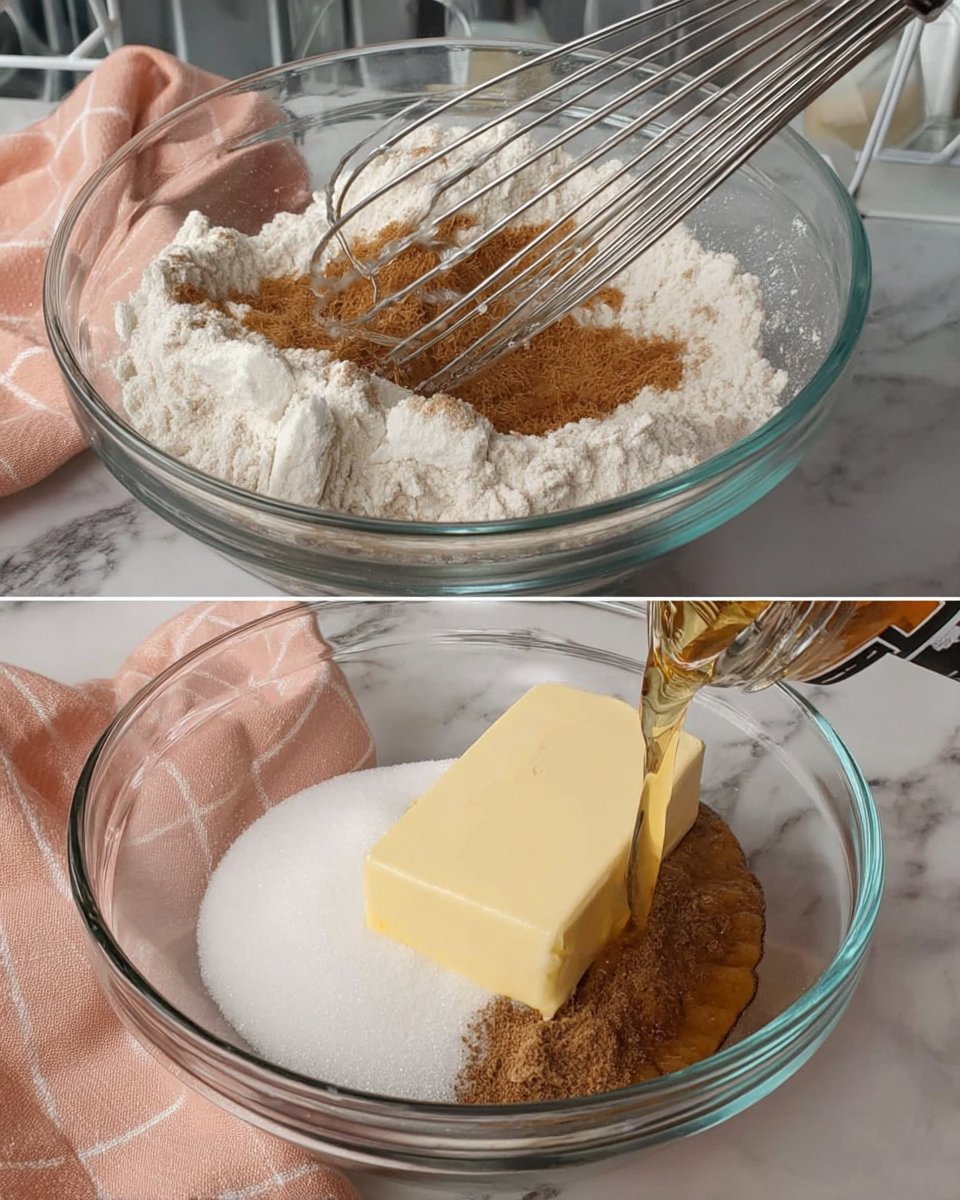
To achieve the results we see in the lab, accuracy is non-negotiable. I strongly recommend using a kitchen scale for the flour and oats.
- All-Purpose Flour (150g): This provides the gluten structure. We found that 150g is the exact tipping point; any more and the cookie becomes cakey, any less and it spreads too thin.
- Unsalted Butter (226g): Softened to room temperature (65°F-68°F). Using unsalted allows us to control the sodium level precisely with the added salt.
- Dark Brown Sugar: The molasses content here adds moisture and chew. Light brown sugar works, but dark yields a deeper flavor and softer texture.
- Old-Fashioned Oats (270g): Do not use quick oats. Quick oats absorb moisture too rapidly and break down during mixing, resulting in a mushy texture. Old-fashioned oats retain their shape for that essential bite.
- Butterscotch Morsels (300g): The star inclusion. Their high sugar content requires the dough to be chilled to prevent excessive spreading.
- Eggs: Large, room temperature eggs emulsify better with the butter, creating a stable base.
- Cinnamon: A half teaspoon adds warmth that complements the butterscotch without overpowering it.
How to Achieve Perfect Emulsification
Step 1: Dry Ingredient Distribution
Preheat your oven to 375°F (190°C). In a medium bowl, whisk together the 150g of flour, baking soda, salt, and cinnamon. Whisking ensures the leavening agent is evenly distributed, preventing metallic hotspots or uneven rising.
Step 2: Aerating the Fat
In the bowl of a stand mixer fitted with the paddle attachment, combine the softened butter and both sugars. Beat on medium-high speed for 3-4 minutes until the mixture is pale and fluffy. This mechanical action forces air bubbles into the fat, which acts as the foundation for the cookie’s lift.
Step 3: Creating the Emulsion
Scrape down the sides of the bowl. Add the vanilla and the eggs one at a time, mixing thoroughly after each addition. The goal is a smooth, cohesive emulsion where the water in the eggs is suspended in the fat.
Step 4: Controlled Integration
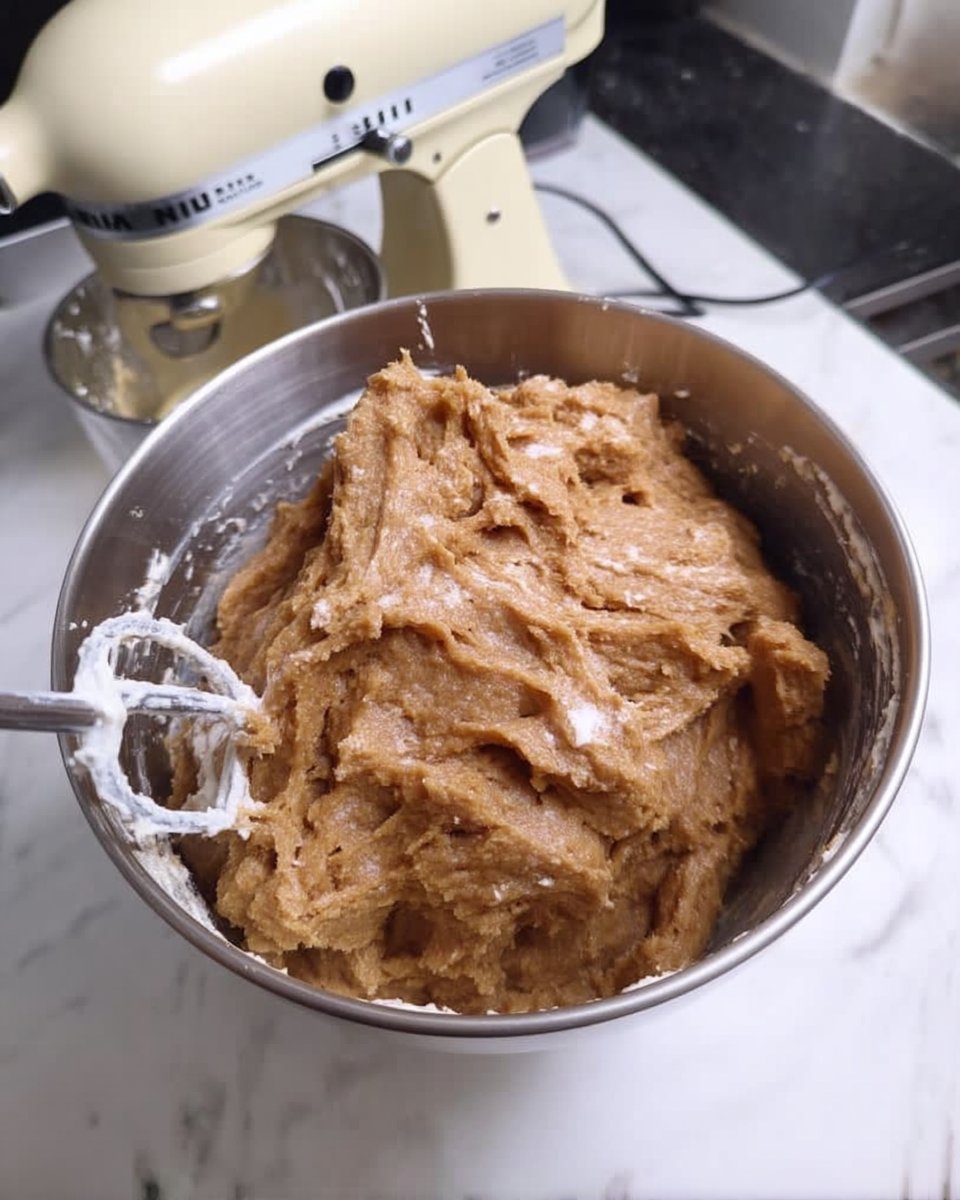
Reduce the mixer speed to low. Add the flour mixture and mix until just a few streaks of flour remain—do not overmix, or you will activate too much gluten, leading to toughness. Add the oats and butterscotch morsels, mixing on low until just combined.
Step 5: Thermal Shock Preparation
Use a spatula to fold in any unmixed bits at the bottom. Portion the dough into two-tablespoon sized pieces (about 50g each) and place them on parchment-lined baking sheets, spaced 3 inches apart. Freeze the dough balls on the sheet for exactly 10 minutes. This step solidifies the fat, controlling the spread in the hot oven.
Step 6: Baking for Texture
Bake at 375°F for 10 minutes. The edges should be golden and set, while the centers will still look slightly underdone. Remove from the oven and let them cool on the baking sheet for 5-10 minutes. This “carryover cooking” sets the center structure without drying it out.
Lauren’s Lab Notes for Success
- Weigh Your Flour: The most common variable in failed cookies is heavy-handed flour measurement. A cup of flour can vary from 120g to 180g depending on how it’s packed. For consistent results, weigh out exactly 150g.
- Temperature Control: If your kitchen is warm (above 75°F), the butter in the dough may soften too much. If this happens, extend the freezing time to 15 minutes. Cold dough hitting a hot oven is the secret to a thick cookie.
- Room Temperature Ingredients: Cold eggs can shock the aerated butter, causing the emulsion to break (look curdled). To fix this quickly, you can place the eggs in a bowl of warm water for 5 minutes before using.
- Mastering the Base: Understanding the role of aeration is crucial. If you are interested in how different mixing times affect structure, check out our guide on Foundation Cookie Recipes for more data.
Tested Modifications
- The Chocolate Swap: If butterscotch is too sweet for your palate, we tested this base with semi-sweet chocolate chips (60% cacao). The bitterness cuts the sugar effectively. Use the same weight (300g).
- Nutty Crunch: To add textural variance, reduce the oats by 50g and add 50g of toasted, chopped pecans. The oils in the nuts will add richness.
- Spiced Version: For a holiday profile, increase the cinnamon to 1 teaspoon and add 1/4 teaspoon of nutmeg.
- Efficiency: If you are baking in bulk, you can portion the dough and freeze it solid in bags. Bake directly from frozen, adding 2 minutes to the bake time. Learn more about streamlining your process in our Efficient Cookie Methods article.
Optimal Temperature for Consumption
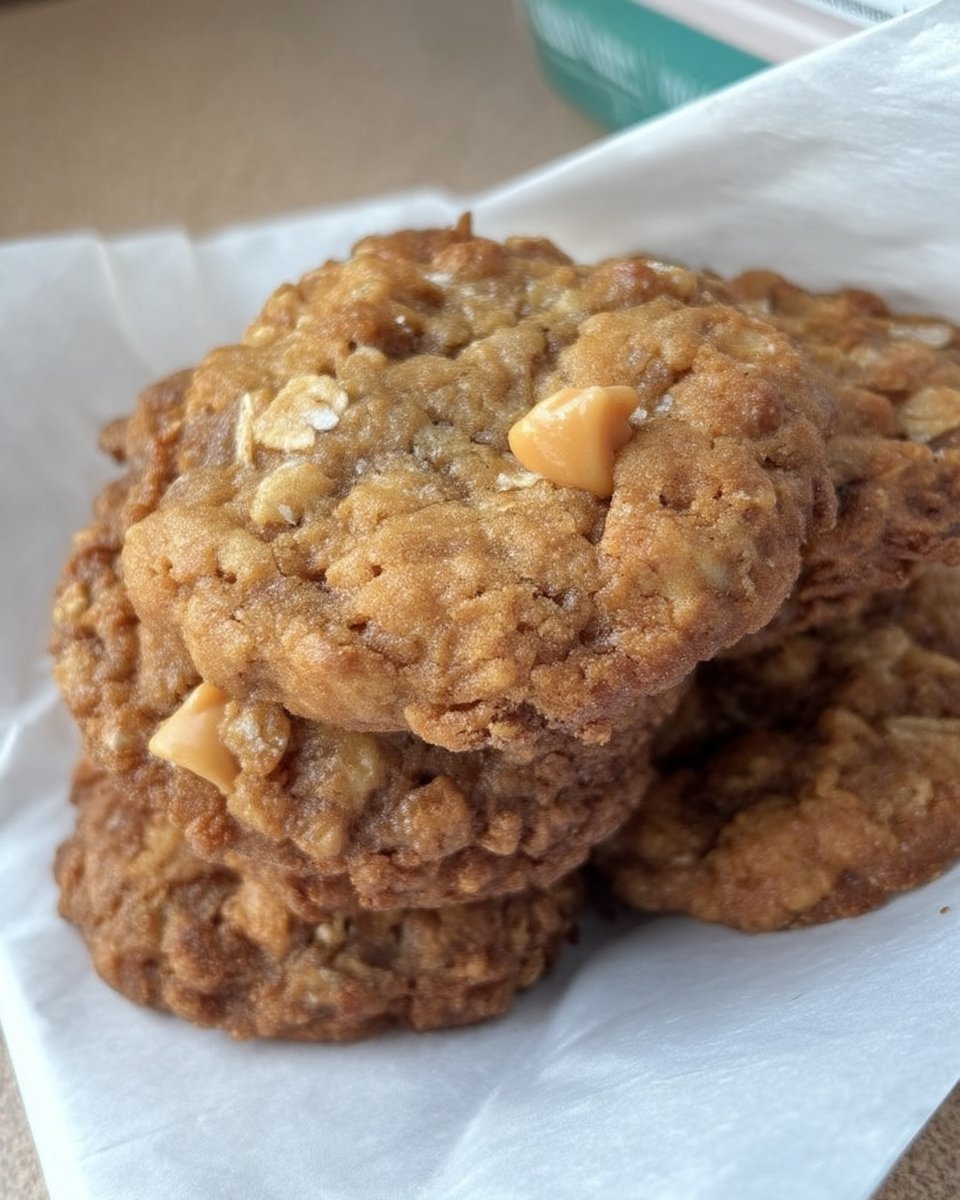
We found that the texture of these cookies changes significantly as they cool. For the gooey, molten butterscotch experience, serve them warm, about 15 minutes out of the oven. At this stage, the sugars are still fluid.
If you prefer a chewier, more stable texture with a distinct “snap” at the edge, allow them to cool completely to room temperature. The oats will firm up, providing a satisfying bite. For more on how temperature affects flavor perception, read our analysis on Holiday Cookie Science.
Final Lab Analysis
This Oatmeal Scotchie recipe is a testament to the power of precise ratios. By balancing the moisture of dark brown sugar with the absorption rate of old-fashioned oats, we achieve a reliable, high-quality result that removes the guesswork from baking. It shares a similar DNA to other classics, like the version from Preppy Kitchen, but our specific thermal shock method guarantees a thicker center every time.
Keep testing variables in your own kitchen to see how slight adjustments affect your results. For a deeper look into trending textures, review our Viral Cookie Analysis.
Share your results with us on social media: