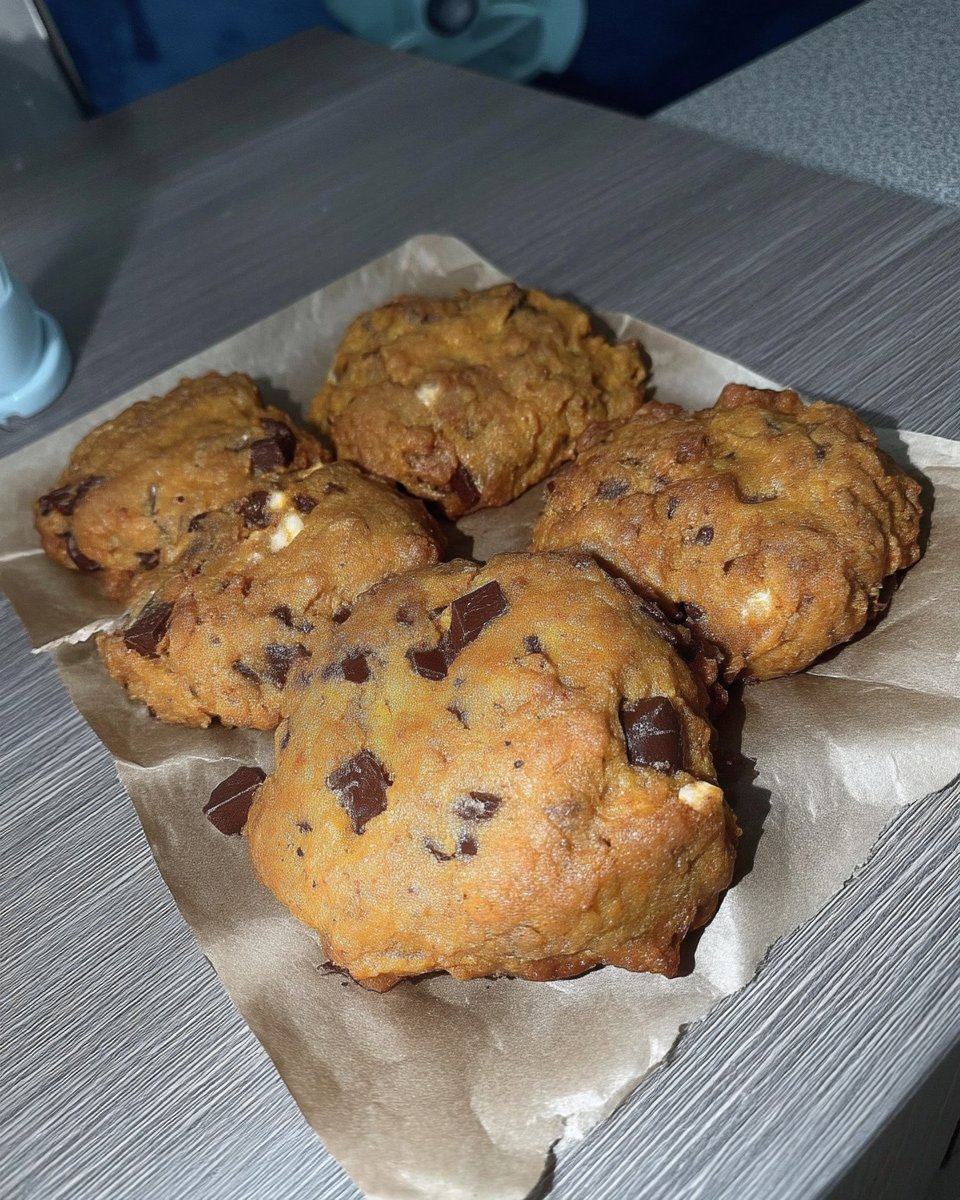
In 17th-century Scotland, oats were the backbone of sustenance, forming brittle bannocks that prioritized survival over enjoyment. We have come a long way since those dense cakes; by applying the Victorian creaming method to this humble grain, we introduce aeration and fat that transforms the oat into a pliable, tender crumb. This recipe respects the historical hardiness of the oat while utilizing modern understanding of hydration to create a truly soft texture.

These oatmeal raisin cookies balance the deep, slightly bitter notes of molasses with the sweet burst of plumped fruit. The result is a scientifically balanced cookie: thick enough to hold its structure, yet soft enough to bend without breaking. It is a study in texture, relying on the hygroscopic properties of brown sugar to maintain a chewiness that lasts for days.
The Science of Chewiness
You will appreciate this recipe because it abandons the guesswork often associated with oat-based baking. Many recipes result in dry, crumbling discs because the oats absorb too much moisture from the dough during the bake. We solve this through a specific ratio of brown sugar and liquid molasses.
Furthermore, the texture is engineered to be substantial. By using old-fashioned rolled oats rather than quick oats, we preserve the structural integrity of the grain. This provides a satisfying mouthfeel that contrasts beautifully with the soft, hydrated crumb surrounding it. It is a classic comfort, executed with precision.
Print
Oatmeal Raisin Cookies
- Total Time: 1 hour 30 mins
- Yield: 24 cookies
- Diet: Vegetarian
Description
These masterfully engineered oatmeal raisin cookies strike the ideal balance between a soft, hydrated crumb and a substantial, chewy texture. By utilizing the historical creaming method and a touch of molasses, this recipe produces a deeply flavorful and structurally sound cookie that stays fresh for days.
Ingredients
- 1 cup (226g) unsalted butter, softened to room temperature
- 1 cup dark brown sugar, packed
- 1/4 cup granulated sugar
- 2 large eggs, room temperature
- 1 tablespoon unsulphured molasses
- 1 tablespoon vanilla extract
- 1 1/2 cups all-purpose flour
- 1 teaspoon baking soda
- 1 teaspoon ground cinnamon
- 1/2 teaspoon salt
- 3 cups old-fashioned rolled oats
- 1 cup raisins, soaked in warm water and blotted dry
- 1/2 cup chopped walnuts (optional)
Instructions
- In a stand mixer fitted with a paddle attachment, cream the softened butter, dark brown sugar, and granulated sugar on medium speed for exactly 3 minutes until pale and aerated.
- Add the eggs one at a time, mixing on high for 1 minute per egg until fully emulsified; scrape down the bowl and then incorporate the vanilla and molasses.
- In a separate bowl, whisk the flour, baking soda, cinnamon, and salt, then add to the wet ingredients, mixing on low speed just until the flour streaks disappear.
- Fold in the rolled oats, prepared raisins, and walnuts on low speed until evenly distributed.
- Cover the dough and refrigerate for 30 to 60 minutes to allow the oats to hydrate and the fats to solidify.
- Preheat your oven to 350°F (177°C) and line large baking sheets with parchment paper.
- Scoop 2-tablespoon portions of dough onto the sheets, spacing them 2 inches apart, and bake for 12–14 minutes until the edges are lightly golden.
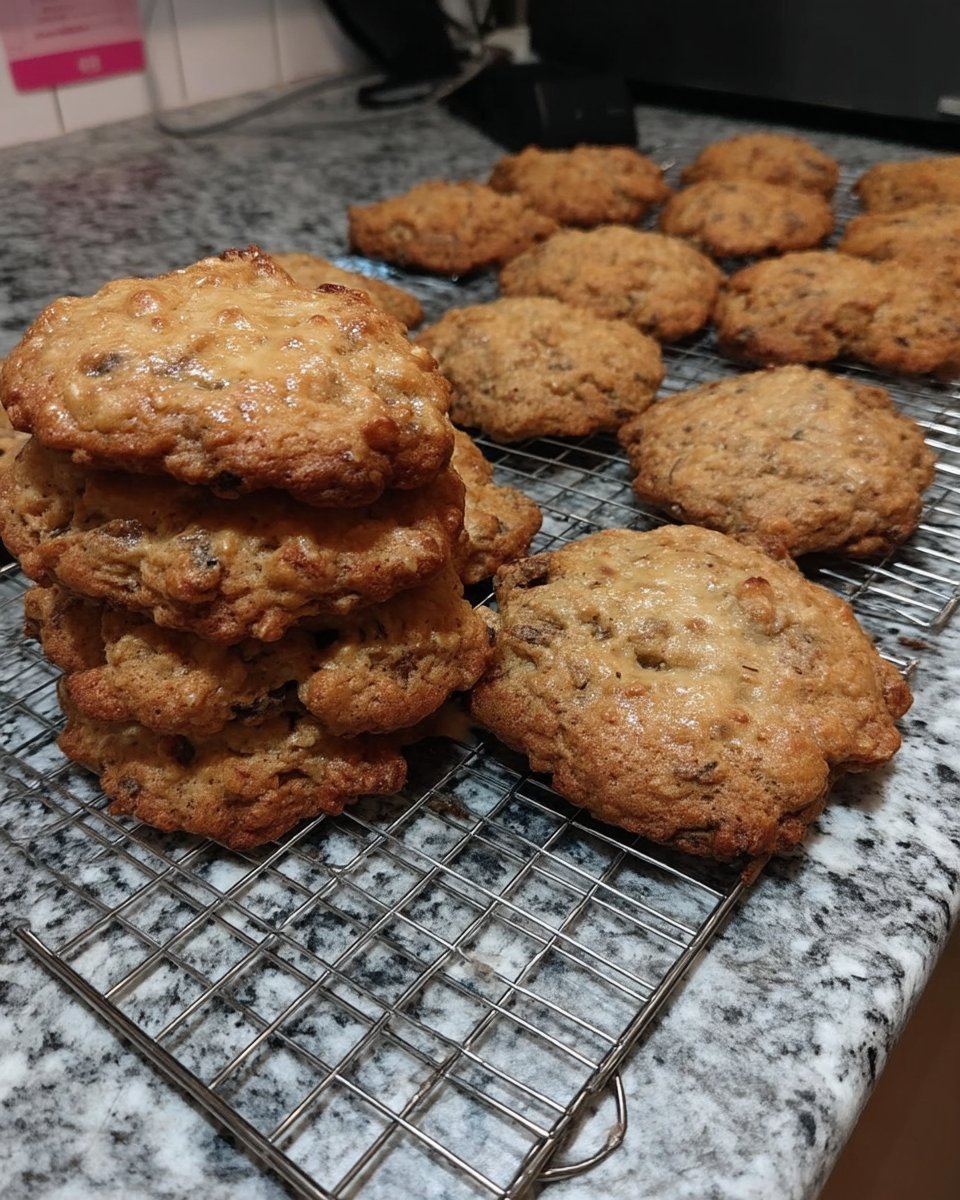
- Let the cookies rest on the baking sheet for 5 minutes before moving them to a wire rack to cool completely.
Notes
To prevent the raisins from becoming tough or burnt, always soak them in warm water before adding them to your dough, making sure to dry them thoroughly so they don’t add excess surface moisture. Using a kitchen scale to measure your flour will ensure the cookies remain chewy rather than cakey, as even a small amount of extra flour can significantly alter the final texture. For the most consistent spread, ensure your baking sheets are completely cool before placing a new batch of dough on them.
- Prep Time: 15 mins
- Cook Time: 14 mins
- Category: Dessert
- Method: Baking
- Cuisine: American
Essential Components for Structure
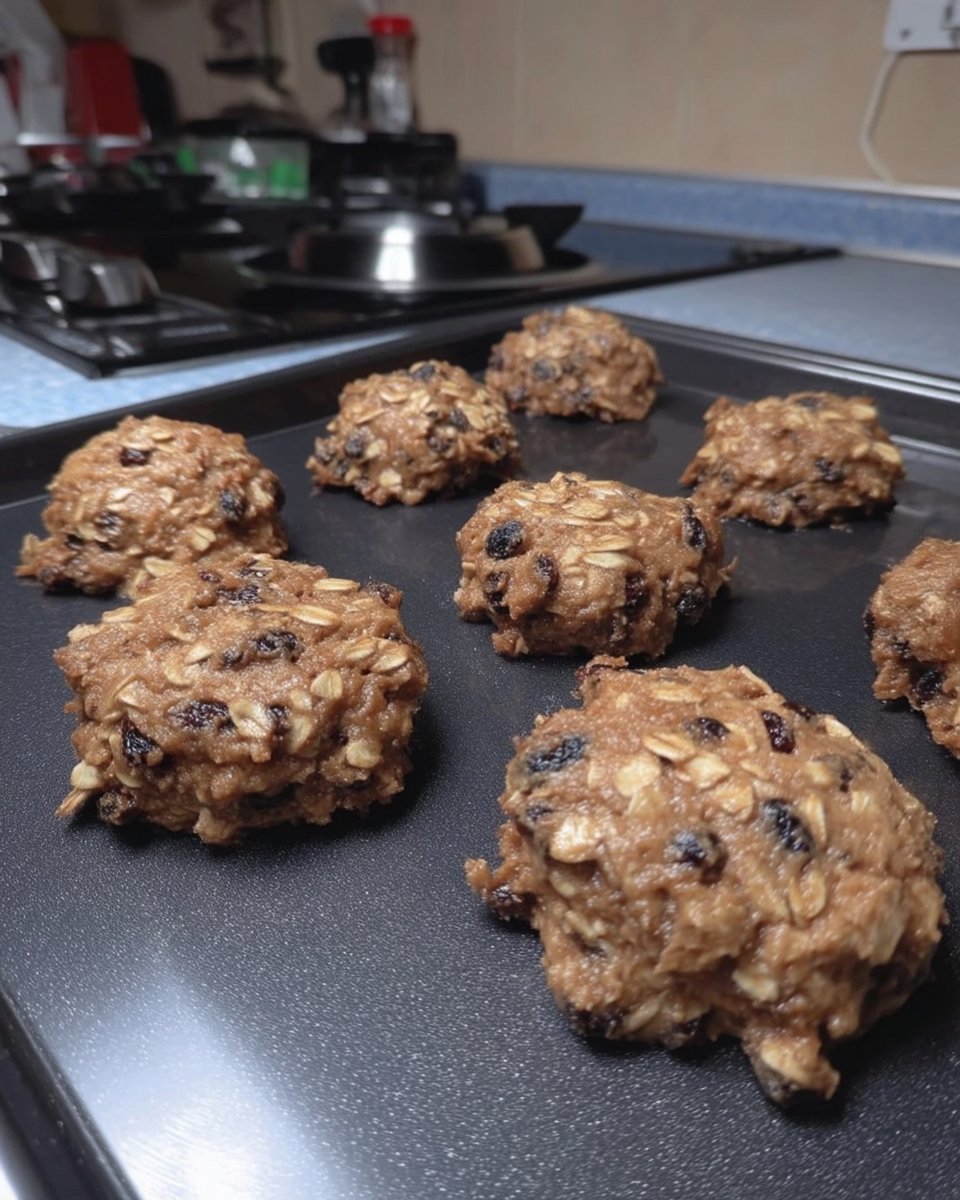
To achieve the correct consistency, specific ingredients play purely functional roles. Here is what is required for the proper chemical reactions:
- Unsalted Butter: Must be softened to room temperature (approx. 65°F/18°C). This allows for a proper emulsion with the sugar, trapping air bubbles that expand during baking.
- Dark Brown Sugar: We use a higher ratio of brown sugar to white. The acidity in the molasses content reacts with the baking soda, and its hygroscopic nature draws moisture from the air to keep the cookie soft.
- Molasses: A tablespoon of unsulphured molasses (like Grandma’s) deepens the flavor profile and adds necessary acidity and moisture. This is a nod to older sweetening methods before refined sugar became cheap.
- Old-Fashioned Rolled Oats: Do not use instant oats. Instant oats are pre-processed and will turn to mush in the dough. Whole rolled oats provide the necessary scaffolding.
- Raisins: These must be treated before baking (see the Pro Tips section) to ensure they do not leech moisture from your dough.
- Room Temperature Eggs: Cold eggs can shock the butter fat, breaking your emulsion. Room temperature ensures a smooth, cohesive batter.
The Methodical Process
Step 1: Establish the Aeration Base
Begin by placing the softened butter, brown sugar, and granulated sugar in the bowl of a stand mixer fitted with the paddle attachment. Cream these together on medium speed for exactly 3 minutes. This is not merely mixing; you are mechanically forcing air into the fat, creating micro-pockets that will later be expanded by steam and carbon dioxide. The mixture should look pale and creamy.
Step 2: Emulsify the Wet Ingredients
Add the eggs one at a time, mixing on high for about 1 minute until fully incorporated. Scrape down the sides and bottom of the bowl—this ensures no heavy butter streaks remain, which would cause uneven spreading. Add the vanilla extract and molasses, mixing on high until combined.
Step 3: Integrate Dry Ingredients and Inclusions
In a separate vessel, whisk together the flour, baking soda, cinnamon, and salt. Add this mixture to the wet ingredients and mix on low speed just until no flour streaks remain. Do not overmix, or you will develop gluten that makes the cookie tough. Fold in the oats, raisins, and walnuts (if using) on low speed. The dough will be noticeably thick and sticky; this is normal.
Step 4: The Crucial Chill
Cover the dough and refrigerate for 30 to 60 minutes. This step is non-negotiable in my laboratory. Chilling solidifies the butter fat, ensuring the cookies do not spread too rapidly in the oven. It also gives the oats time to passively hydrate from the moisture in the eggs and butter, leading to a better texture.
Step 5: Precision Baking
Preheat your oven to 350°F (177°C). Line large baking sheets with parchment paper. Scoop the dough (about 2 tablespoons per cookie) and arrange them 2 inches apart. Bake for 12–14 minutes. The edges should be lightly browned, but the centers will appear soft and slightly under-baked. Remove them immediately. The residual heat on the pan will finish cooking the centers as they cool for 5 minutes before transferring to a wire rack.
Jordan’s Technique Notes
Hydrate Your Fruit
One common failure point in fruit-studded cookies is dry, burnt raisins. I recommend soaking your raisins in warm water for 10 minutes, then blotting them thoroughly dry before adding them to the dough. This process, also noted by fellow experts at Sally’s Baking Addiction, ensures the fruit remains plump and does not steal moisture from the gluten network.
Weigh Your Flour
If possible, use a kitchen scale. A cup of flour can vary by up to 30 grams depending on how it is scooped. Excess flour is the primary enemy of a chewy cookie. If you must use cups, use the “spoon and level” method.
The Molasses Factor
Do not substitute blackstrap molasses; it is too bitter and has a different chemical acidity. Stick to standard unsulphured molasses for the correct pH balance to react with the baking soda. For more on how ingredients interact, review our notes on Foundation Cookie Recipes.
Adaptations and Historical Twists
While the classic recipe is superior, history shows us that regional variations are valid provided the ratios remain intact.
- The Chocolate Substitution: For a modern American twist, replace the raisins with semi-sweet chocolate chips. The lack of moisture from the fruit means your cookie may be slightly crisper; reduce bake time by 1 minute.
- Spiced Variations: Victorian recipes often utilized heavy spice blends. You may increase the cinnamon to 2 teaspoons and add a 1/4 teaspoon of nutmeg or cloves for a winter variation.
- Nut Textures: Walnuts add a tannin bitterness that cuts the sugar, but pecans offer a buttery profile. Toast whichever nut you choose to release the oils before adding to the dough.
For those interested in how temperature affects these variations, explore our section on Holiday Cookie Science.
Proper Service
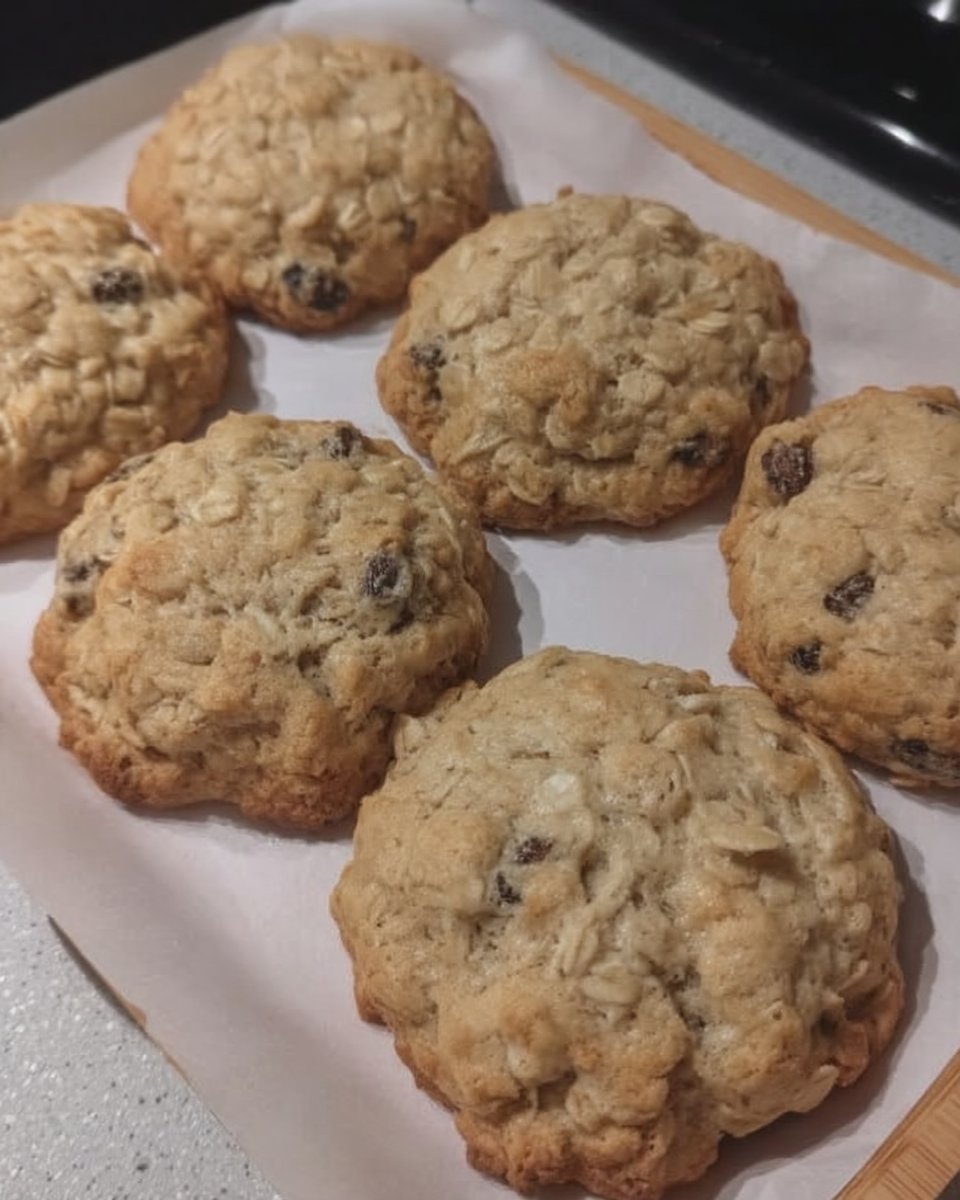
Traditionally, a substantial biscuit like this pairs best with a beverage that can cut through the richness. A strong cup of black tea (Assam or English Breakfast) is the historical standard. The tannins in the tea cleanse the palate of the butter and molasses between bites.
For a modern service, a glass of cold milk is acceptable, as the lactic acid complements the sweetness of the raisins. Ensure the cookies have cooled completely before serving; the structure needs to set, or they will crumble in hand. If you are presenting these for an event, consider the plating techniques found in our Precision Cookie Decorating guide.
A Testament to Precision
This Oatmeal Raisin Cookie recipe is more than a sweet treat; it is a demonstration of how precise ratios and thermal control yield consistent results. By respecting the ingredients—plumping the raisins, chilling the fat, and timing the bake—you achieve a standard of quality that has been lost in many modern, hurried kitchens.
We hope this method becomes a reliable formula in your repertoire. For further study on dough consistency, refer to our analysis of Efficient Cookie Methods.
Share your results with us on Pinterest, Instagram, or Facebook.