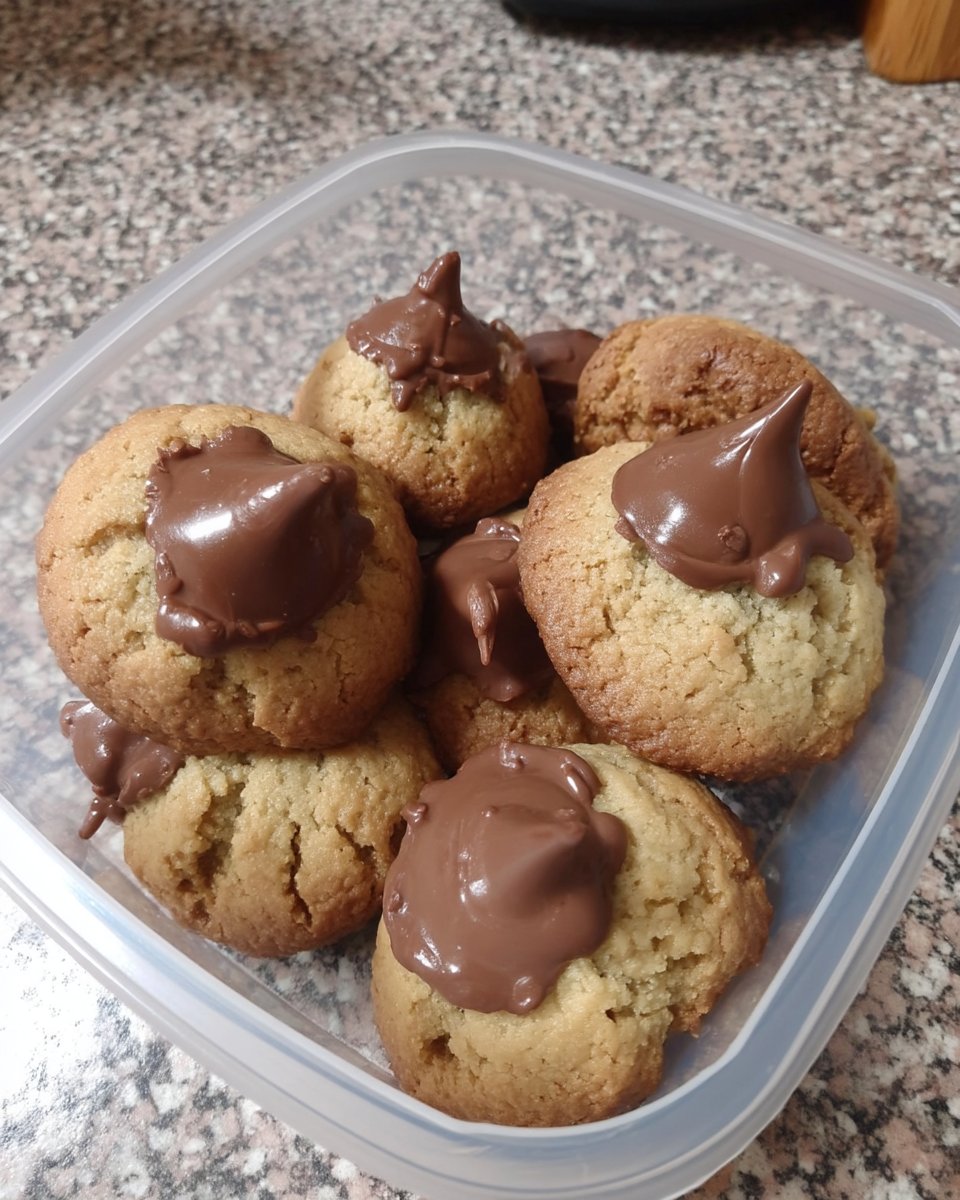
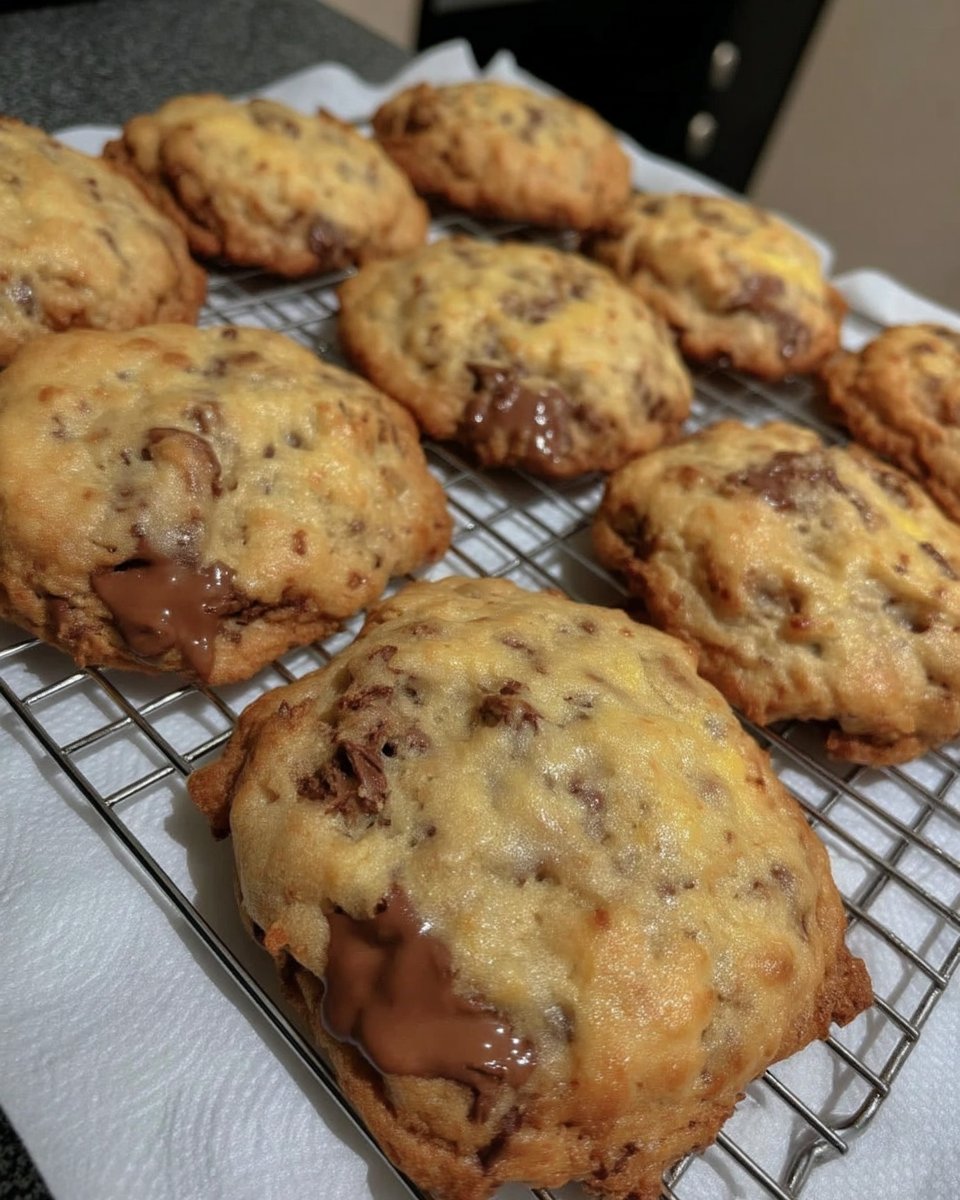
Historically, the practice of resting cookie dough was as much about gluten relaxation as it was about temperature management in warm Victorian kitchens. However, by adjusting the hydration ratios and utilizing the unique properties of confectioners’ sugar, we can achieve a stable dough structure immediately. This method provides the structural integrity of a chilled biscuit without the traditional waiting period, proving that chemical precision can sometimes outpace history.

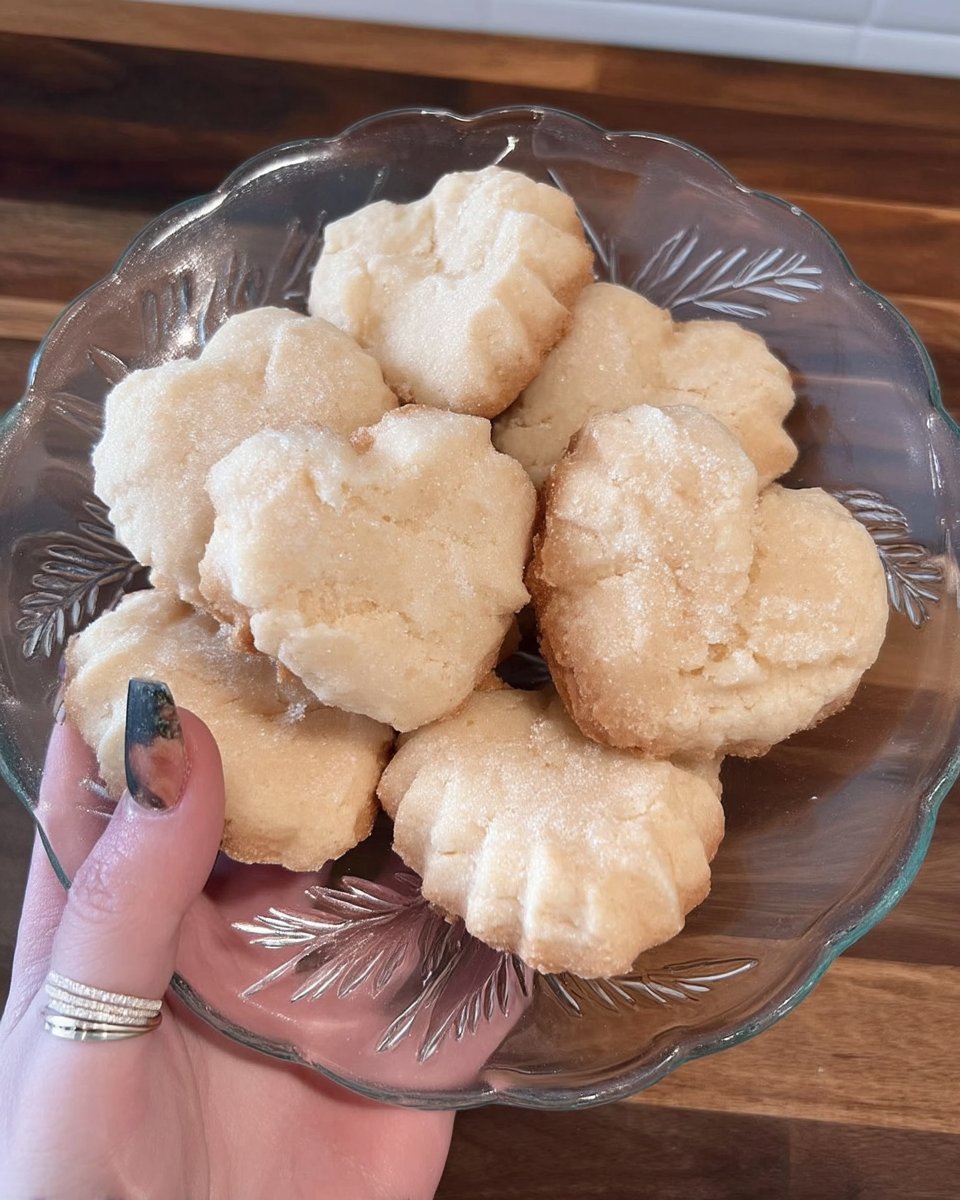
This specific formula produces a soft, pale cookie that retains its precise edges during baking, making it ideal for detailed cutters. It is an excellent example of how understanding your ingredients allows for efficiency without compromising the standard of the bake.
The Science of Instant Structure
Standard sugar cookie recipes often rely on granulated sugar, which requires time to dissolve and can lead to spreading if the dough isn’t chilled to firm up the fats. This formula differs by employing powdered sugar (icing sugar). Because powdered sugar typically contains a small percentage of cornstarch (cornflour), it binds moisture and inhibits gluten formation instantly.
This substitution allows us to bypass the refrigeration stage entirely. The dough is cohesive and manageable the moment it leaves the bowl. For the home baker, this means you can go from mixing bowl to oven in under twenty minutes while achieving a texture that is tender, not tough.
Print
No Chill Sugar Cookies
- Total Time: 18 mins
- Yield: 24 cookies
- Diet: Vegetarian
Description
This scientifically-backed recipe bypasses the traditional chilling stage by using powdered sugar and precisely tempered butter. It yields a reliable, soft-textured cookie that holds its shape perfectly during baking, making it an ideal choice for detailed cutters and custom decorations.
Ingredients
- 1 cup unsalted butter, cool room temperature (approx. 65°F)
- 1 cup powdered sugar (confectioners’ sugar)
- 1 large egg
- 1 teaspoon vanilla extract
- 2 1/2 cups all-purpose flour
- 1 teaspoon baking powder
- 1/2 teaspoon salt
- Extra powdered sugar for dusting and rolling
Instructions
- Preheat your oven to 375°F (190°C) and line two baking sheets with parchment paper.
- In a large bowl, beat the cool butter and powdered sugar together for 2-3 minutes until smooth, avoiding incorporating excessive air.
- Add the egg and vanilla extract to the butter mixture and beat until fully combined and emulsified.
- Add the flour, baking powder, and salt, then mix until the dough just comes together without overworking.
- Lightly sprinkle your work surface with powdered sugar and roll the dough to a uniform 1/4-inch thickness.
- Use cutters to press out your shapes and place them on the prepared baking sheets, spaced 2 inches apart.
- Bake for 7-9 minutes until the cookies are set but remain pale; do not allow the edges to brown.
- Let the cookies stand on the baking sheet for 5 minutes to set before transferring them to a wire rack to cool completely.
Notes
To ensure your cookies have perfectly clean edges, wipe your cookie cutters with a damp cloth between uses and dip them lightly in powdered sugar. If you plan to frost these, allow them to cool for at least two hours to ensure the structure is fully set and won’t soften under the weight of royal icing or glaze.
- Prep Time: 10 mins
- Cook Time: 8 mins
- Category: Dessert
- Method: Baking
- Cuisine: American
Precision Ingredients and Components
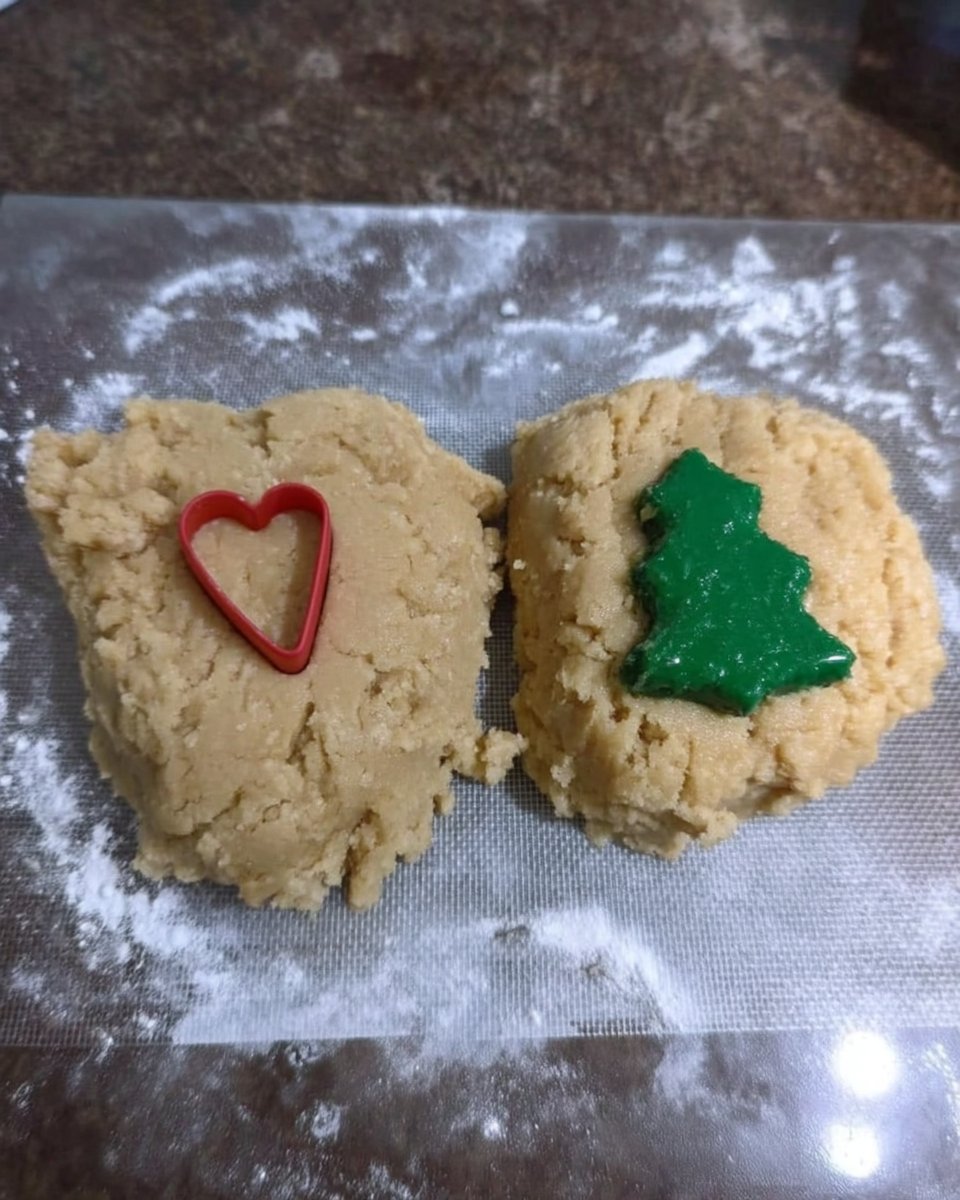
To replicate this result, one must respect the specific state of the ingredients. Chemistry relies on variables being constant.
- Butter: This is the most critical variable. It must be at “cool room temperature” (approximately 65°F/18°C). It should dent when pressed but should not be greasy or warm. If the butter is too warm, the emulsion will break, and the cookies will spread.
- Powdered Sugar: Also known as confectioners’ sugar. Do not substitute with granulated sugar here; the texture depends on the fine particle size and the starch content.
- Flavoring: A high-quality vanilla extract is essential, as this is a simple biscuit where the flavor profile is undisguised.
- All-Purpose Flour: Structural integrity depends on correct measurement. If you cannot weigh your flour (which is always preferred), use the spoon-and-level method to avoid packing the cup.
The Methodical Process
Step 1: Controlled Creaming
Preheat your oven to 375°F (190°C) and line two baking sheets with parchment paper. In a large bowl, beat the cool butter and powdered sugar together. We are looking to combine them thoroughly, but we do not want to incorporate excessive air, which could cause the cookies to puff and then collapse. Beat for 2-3 minutes until smooth.
Step 2: Emulsification
Add the egg and vanilla extract to the butter mixture. Beat until fully combined. At this stage, the water in the egg is emulsifying with the fat in the butter, creating a uniform base for the dry ingredients.
Step 3: Incorporating Dry Goods
Add the flour, baking powder, and salt. Mix until the dough just comes together. Do not overwork the dough once the flour is added; activating the gluten too much will result in a tough, rubbery biscuit rather than a tender one. The dough should be soft but not sticky.
Step 4: Rolling and Cutting
Sprinkle your work surface with extra powdered sugar rather than flour. Using flour to roll out dough can alter the hydration ratio, drying out the cookies. Roll the dough to a uniform ¼-inch thickness. Use cutters to press out your shapes and place them on the prepared baking sheets, spaced 2 inches apart.
Step 5: The Bake
Bake for 7-9 minutes. Precision is key here; the cookies should set but remain pale. They should not brown at the edges. Let them stand on the baking sheet for 5 minutes to set the structure before transferring to a wire rack.
Technical Notes for Success
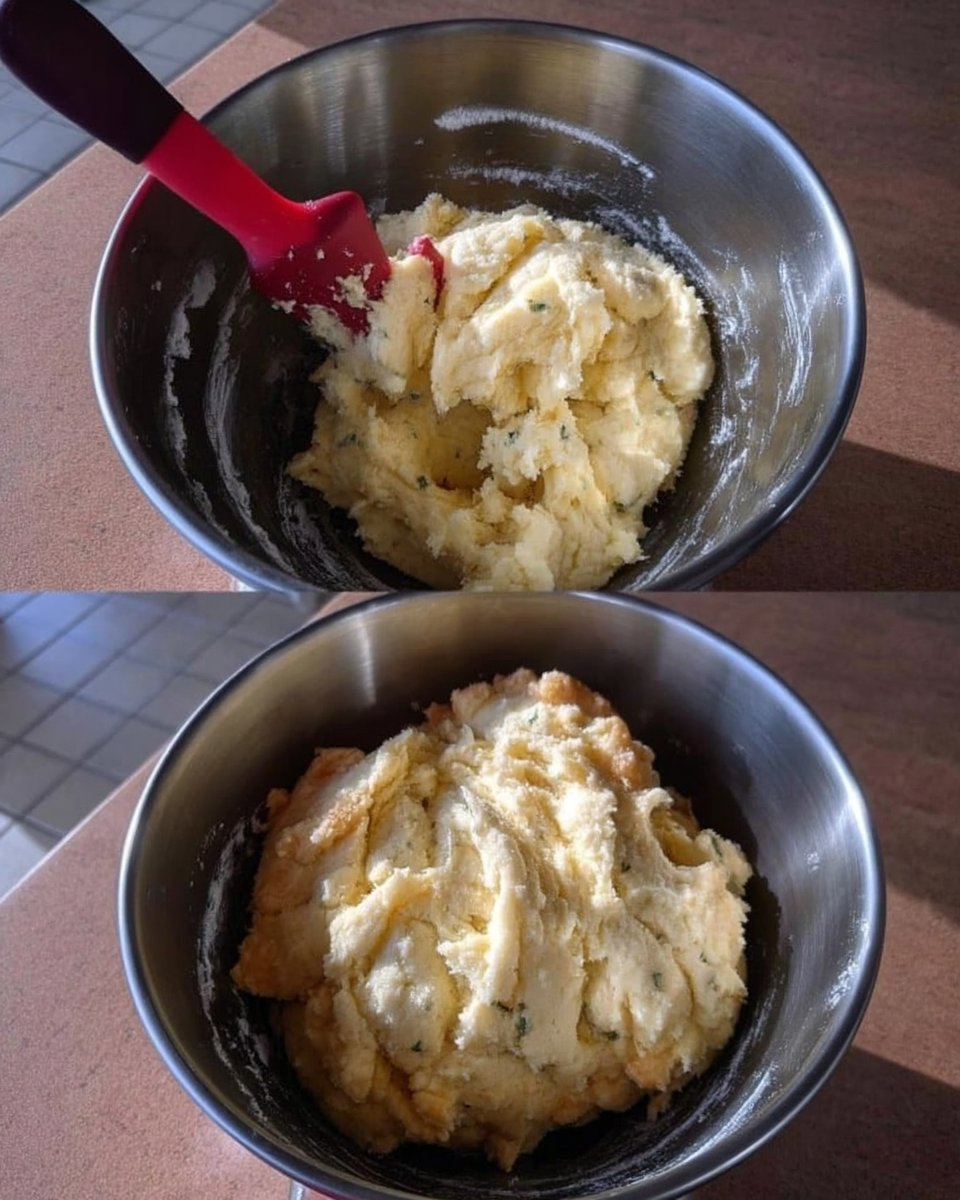
Temperature control remains vital even without a chilling step. If your kitchen is particularly warm, or if your butter was slightly too soft, the dough may be difficult to handle. In such cases, a brief five-minute rest in the fridge can help, though it is not chemically necessary for the texture.
Furthermore, rolling thickness determines the final texture. For a consistent bake, consider using rolling guides. If you are interested in more ways to streamline your baking workflow without sacrificing quality, review our notes on Efficient Cookie Methods.
Adaptive Formulations
While this recipe is a classic vanilla biscuit, the base ratio is robust enough to handle modification.
- Citrus Note: Rubbing lemon or orange zest into the sugar before mixing is a Victorian technique that releases essential oils for a brighter flavor.
- Spiced: A half teaspoon of cardamom or nutmeg adds a warming depth suitable for cooler months.
- Almond: Substituting half the vanilla for almond extract creates a traditional bakery flavor profile.
For those baking during the festive season, understanding Holiday Cookie Science can help you adjust these flavorings to suit traditional expectations.
Traditional Service
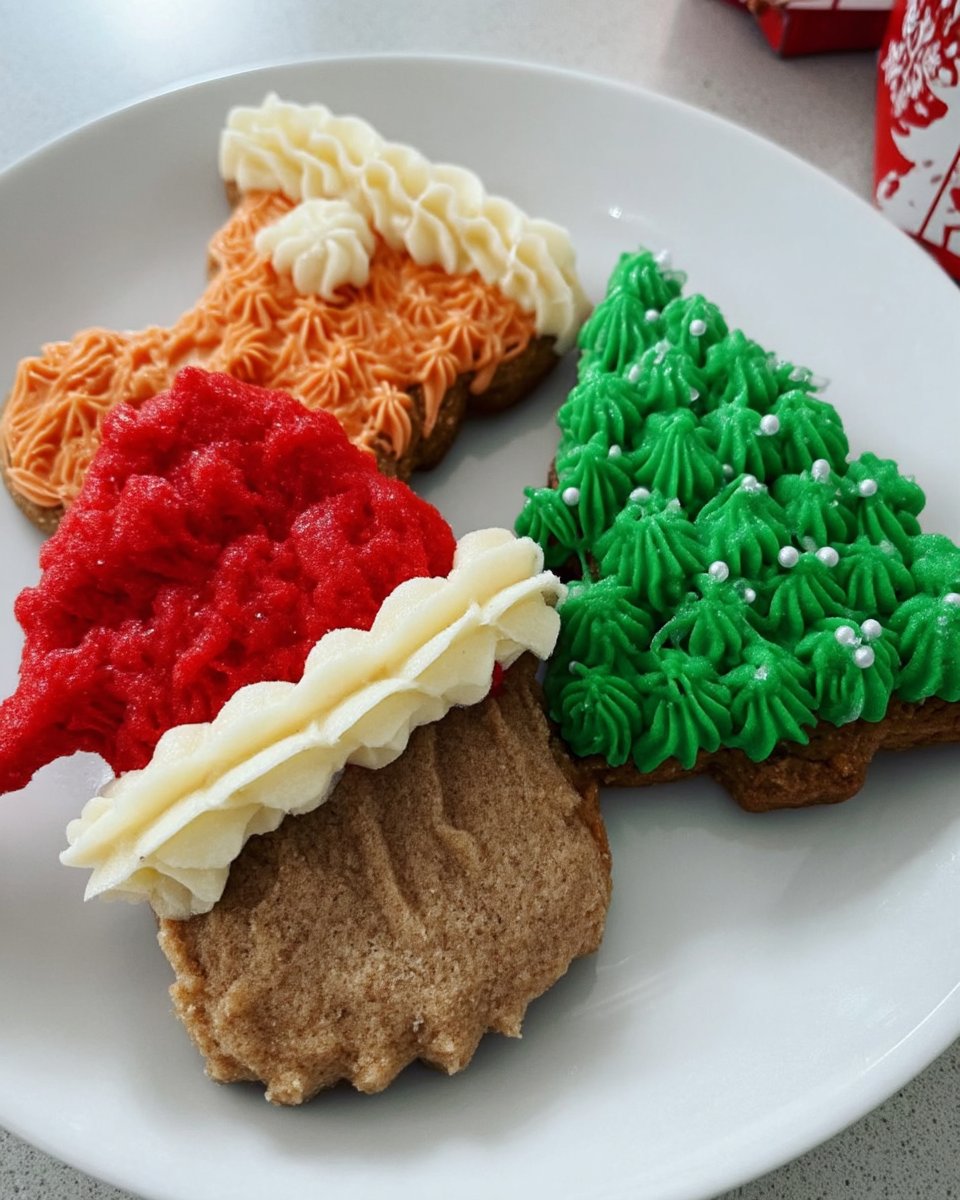
These biscuits are purposely not overly sweet, making them a perfect companion for a cup of tea or coffee where they won’t overpower the palate. Their flat surface also makes them the ideal canvas for decoration.
For a professional finish, these cookies are stable enough to support royal icing or a glaze. You can learn more about achieving the perfect finish in our Precision Cookie Decorating guide.
Final Thoughts on the Formula
This recipe demonstrates that patience, while a virtue, is not always a chemical necessity if the ratios are adjusted correctly. By understanding the role of powdered sugar, we can produce a heritage-quality biscuit in a fraction of the time. It is a technique that honors the past by understanding the science behind it.
For another perspective on no-chill methods, you might compare this with the approach at I Heart Eating, which also explores quick sugar cookie techniques. Mastering this simple ratio is a gateway to our broader Foundation Cookie Recipes.
Share your results with us on Pinterest, Instagram, or Facebook.