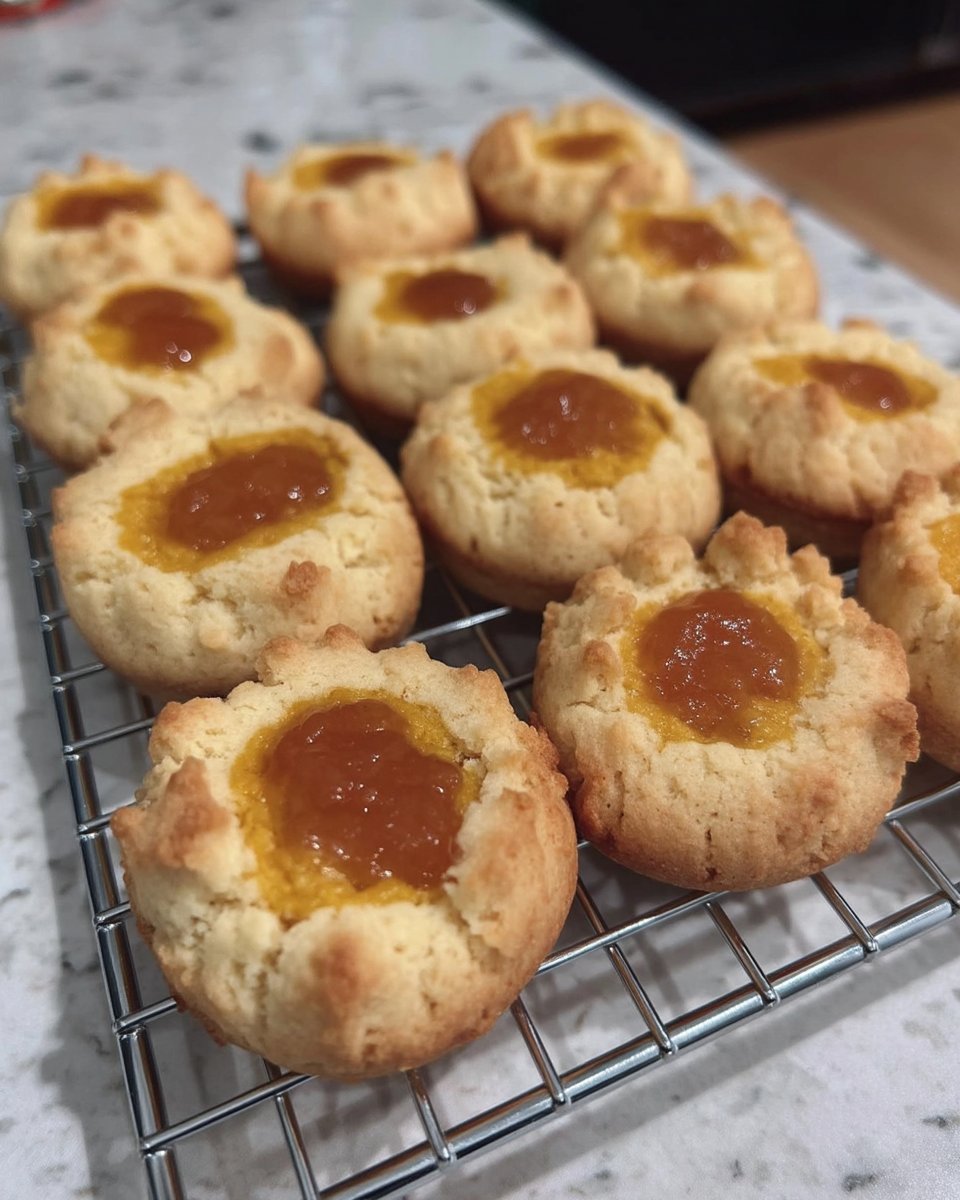
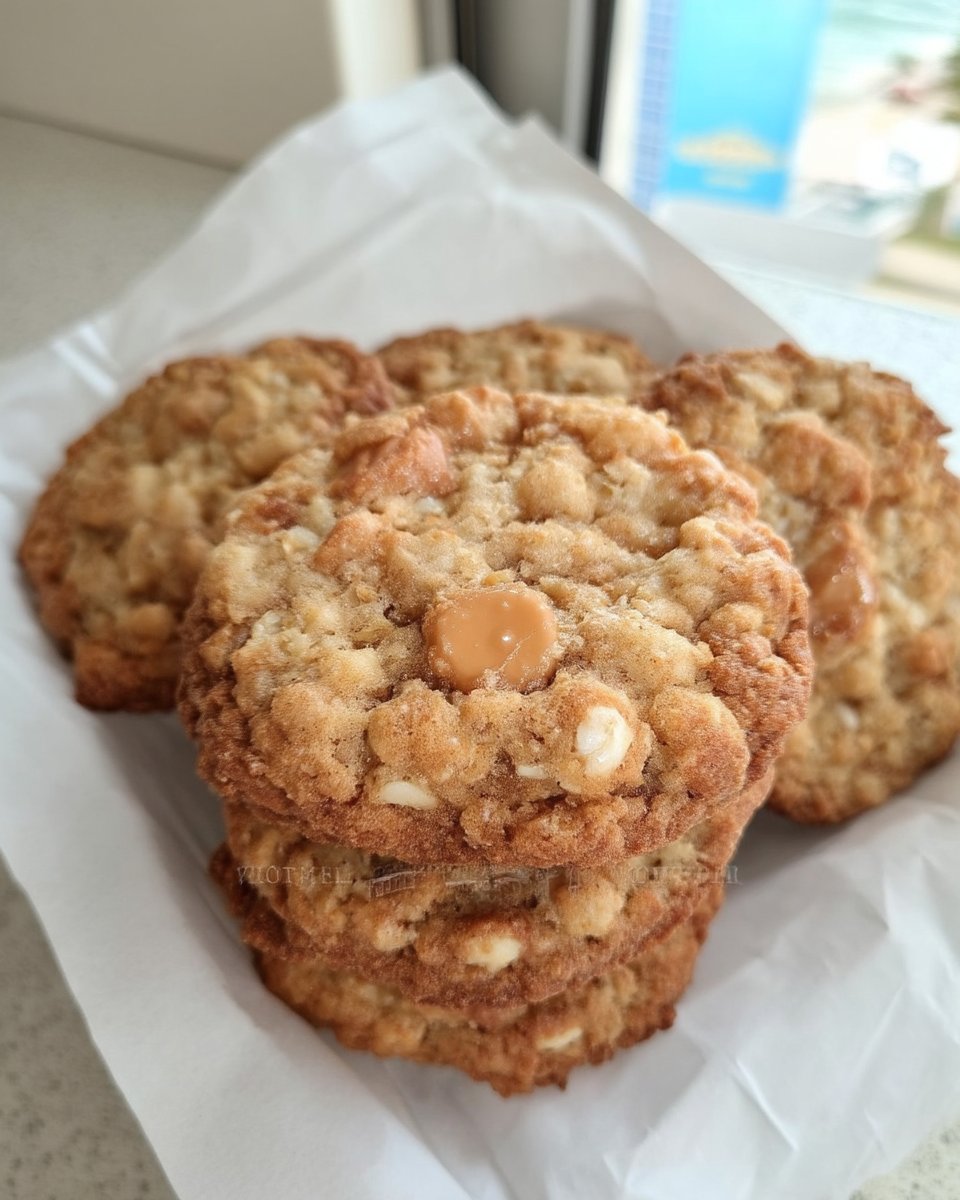
While studying the aroma profile of lactic acid, I realized that the characteristic tang we crave in cheesecake is actually a complex interplay of volatile organic compounds that signal richness to our sensory receptors. This Keto Cheesecake Cookies recipe replicates that specific scientific experience by balancing the sharp acidity of cream cheese with the nutty, pyrazine-filled depth of a toasted almond flour base. It is a study in how we can achieve a sophisticated dessert profile while maintaining a precise macronutrient ratio.

These cookies offer a scientific take on the classic New York cheesecake, transformed into a portable, low-carb format that defies traditional baking expectations. By understanding how fats and sugar-free sweeteners interact at a molecular level, we create a crumb that is both tender and structurally sound without any gluten. This method focuses on layering flavors to ensure every bite provides a multi-dimensional taste experience that satisfies the palate’s need for both fat and sweetness.
The Science of Tangy Emulsions
You will find that these cookies succeed because they respect the chemistry of fat and acidity. The almond flour base provides a sturdy foundation that mimics the texture of a traditional graham cracker crust without the glycemic impact of wheat. By incorporating cinnamon, we trigger olfactory memories that complement the creamy notes of the frosting, creating a holistic sensory experience.
The frosting itself is a masterpiece of emulsification, combining the dense proteins of cream cheese with the high-fat content of heavy cream. This creates a luxurious mouthfeel that lingers on the tongue, allowing the vanilla and sweetener to be perceived more intensely. It is not just a cookie; it is an analytical approach to dessert that prioritizes both flavor complexity and metabolic health.
Print
Keto Cheesecake Cookies
- Total Time: 38 mins
- Yield: 14 cookies
- Diet: Keto, Gluten-Free
Description
These sophisticated low-carb treats combine a spiced almond flour base with a velvety cream cheese frosting to recreate the classic New York cheesecake experience. Using scientific flavor layering, this recipe delivers a rich, tangy dessert that perfectly fits a ketogenic lifestyle without sacrificing texture.
Ingredients
- 2 cups Almond Flour
- 1/2 cup Brown Sugar Replacement
- 1 teaspoon Ground Cinnamon
- 1/2 teaspoon Baking Soda
- 1/4 teaspoon Salt
- 1 large Egg
- 1/4 cup Melted Butter
- 1 teaspoon Vanilla Extract
- 8 ounces Cream Cheese, softened
- 2 tablespoons Butter, softened
- 1/2 cup Powdered Sweetener
- 2 tablespoons Heavy Whipping Cream
- 1/2 teaspoon Vanilla Extract
Instructions
- Preheat your oven to 325ºF (163ºC) and line a large baking sheet with a silicone mat.
- In a large bowl, whisk together the almond flour, brown sweetener, cinnamon, baking soda, and salt until well-combined and aerated.
- Add the egg, melted butter, and vanilla extract to the dry ingredients, stirring until a cohesive dough forms.
- Roll the dough into 15 uniform balls, approximately 2 inches in diameter, and place them 2-3 inches apart on the baking sheet.
- Bake the dough balls for 3 minutes to start the setting process, then remove the pan from the oven.
- Using a flat-bottomed glass and a piece of parchment paper, press each ball down to approximately 1/2 inch thickness.
- Return the cookies to the oven and bake for an additional 12 to 15 minutes until the edges are barely firm, then let them cool completely on the pan.
- For the frosting, beat the softened cream cheese and butter until smooth, then slowly incorporate the powdered sweetener, heavy cream, and vanilla.
- Set aside the 15th cookie and crumble it by hand; pipe the frosting onto the remaining 14 cookies in a spiral and finish with the cookie crumbles.
Notes
To ensure a silky-smooth frosting, make sure your cream cheese and butter are at true room temperature before mixing to avoid any graininess. If you prefer a firmer cheesecake layer, chill the assembled cookies in the refrigerator for 30 minutes before serving to help the fats stabilize.
- Prep Time: 20 mins
- Cook Time: 18 mins
- Category: Dessert
- Method: Baking
- Cuisine: American
Molecular Building Blocks of the Keto Crumb

Each ingredient in this recipe serves a specific functional purpose in the final flavor profile. We choose almond flour because its lipid content adds moisture and a subtle sweetness that works in tandem with the brown sugar replacement. The cinnamon is not merely for spice; it contains cinnamaldehyde, which strengthens the perception of sweetness without adding extra carbohydrates.
- Almond Flour: Provides the structural matrix and essential fats for a tender crumb.
- Brown Sugar Replacement: Used for its erythritol and monk fruit blend to mimic the Maillard reaction notes of real brown sugar.
- Ground Cinnamon: Provides an aromatic bridge between the nutty base and the creamy topping.
- Cream Cheese: The primary source of lactic acid, providing the necessary tang and fat for the cheesecake layer.
- Heavy Whipping Cream: Acts as a thinning agent for the frosting while maintaining a stable emulsion.
- Vanilla Extract: Adds vanillin compounds that amplify the sweetness perception of the entire cookie.
- Melted Butter: Supplies the short-chain fatty acids that contribute to the classic buttery finish.
The Flavor Layering Process
Step 1: Prep and Thermal Stability
Preheat your oven to 325ºF (163ºC). This specific temperature is high enough to trigger the necessary chemical reactions in the almond flour but low enough to prevent the burning of the sugar-free sweeteners. Line a large baking sheet with a silicone mat to ensure even heat distribution and prevent the cookies from sticking to the surface.
Step 2: Combine Dry Structural Elements
In a large bowl, whisk together the almond flour, brown sweetener, cinnamon, baking soda, and salt. This step is vital for aeration; you are breaking up any clumps to ensure a uniform distribution of the leavening agent. This ensures that every cookie rises consistently and achieves the same textural density across the batch.
Step 3: Integrate Wet Emulsifiers
Add the egg, melted butter, and vanilla extract to the dry mixture. Stir until a cohesive dough forms. The fat in the butter coats the almond particles, while the egg proteins provide the necessary binding strength that gluten would typically offer. This step creates the fat-emulsion foundation of the cookie.
Step 4: Shaping for Uniform Heat Exposure
Roll the dough into 15 uniform balls, approximately 2 inches in diameter. Place them 2 to 3 inches apart on your prepared sheet. Consistent sizing is not just for aesthetics; it allows for uniform heat penetration, ensuring that no cookie is over-baked while others remain raw in the center.
Step 5: The Initial Heat Cycle
Bake the dough balls for exactly 3 minutes. This initial burst of heat begins the setting process of the outer edges. Remove the pan briefly to prepare for the textural modification step that defines the Crumbl-style appearance.
Step 6: Compression and Surface Area Increase
Use a flat-bottomed glass and a piece of parchment paper to press each ball down to about 1/2 inch thickness. This increases the surface area exposed to the air, which will lead to a better bake. Set aside the largest cookie at this stage; this one will be sacrificed later for the crumble topping.
Step 7: Final Desiccation and Setting
Return the cookies to the oven for 12 to 15 minutes. Watch for the edges to become barely firm. You are looking for the moisture to evaporate just enough to leave behind a tender, soft-baked center. Let them cool completely on the pan to allow the fats to solidify and lock in the structure.
Step 8: Synthesize the Frosting
Beat the softened cream cheese and butter until smooth. Slowly incorporate the powdered sweetener, followed by the heavy cream and vanilla. This process incorporates air and creates a stable fat-and-water emulsion that is light yet rich. The goal is a silk-like consistency that holds its shape.
Step 9: Assembly and Crumble Finishing
Pipe the frosting onto 14 of the cookies in a spiral pattern, starting from the center. Crumble the reserved 15th cookie with your fingers. Sprinkle these crumbs over the top to provide a textural contrast that alerts the brain to the different layers of the dessert.
Jasmine’s Flavor Notes and Pairing Secrets
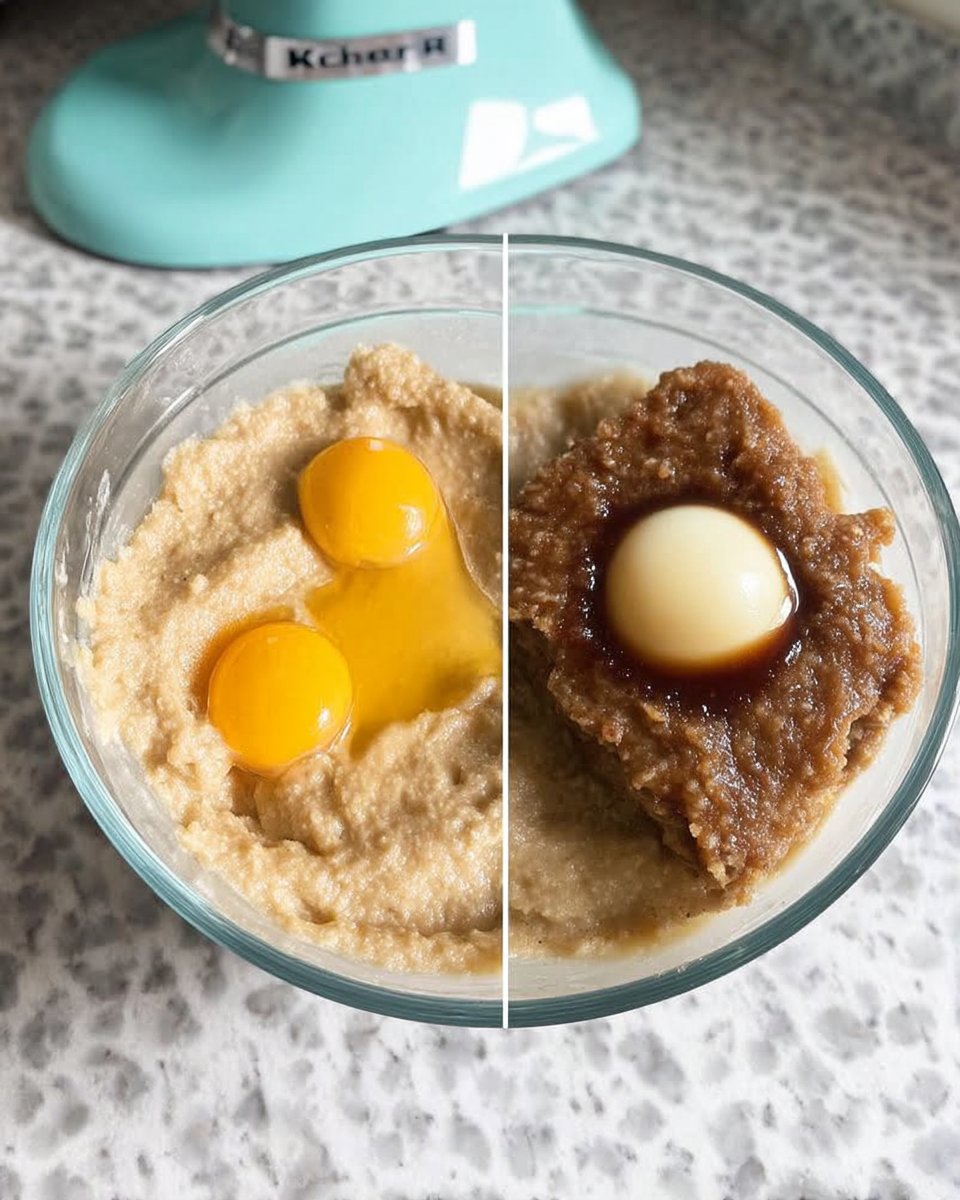
To amplify the flavor profile, I recommend toasting your almond flour in a dry pan for 3 minutes before starting the recipe. This process creates pyrazines, which are the flavor compounds responsible for the ‘roasted’ taste that makes the cookie base more complex. When using sugar-free sweeteners, remember that erythritol has a cooling effect on the tongue; using a blend that includes monk fruit or stevia can help neutralize this sensation and create a more natural sweetness. For more information on building a perfect dough, see our Foundation Cookie Recipes guide. Additionally, if you find your frosting is too soft, chill it for 10 minutes before piping to allow the butter and cream cheese to reach a higher viscosity. You can also compare these ratios with the original inspiration by checking out this keto cheesecake cookies recipe for further technical insights.
Scientific Flavor Swaps and Pairing Options
If you want to modify the aroma profile, consider adding lemon zest to the frosting. Lemon contains limonene, a terpene that naturally pairs with the lactic acid in cream cheese to create a brighter, more refreshing finish. For a deeper flavor, you could replace the cinnamon with ground ginger to introduce gingerol, which adds a subtle heat that cuts through the richness of the fats. If you are baking for the holidays, you might want to look into our Holiday Cookie Science section for ideas on how to incorporate sugar-free peppermint or cranberry elements. Another option is to swap the vanilla extract for almond extract in the base to double down on the stone fruit aroma compounds found in the almond flour.
Flavor Pairings and Taste Enjoyment
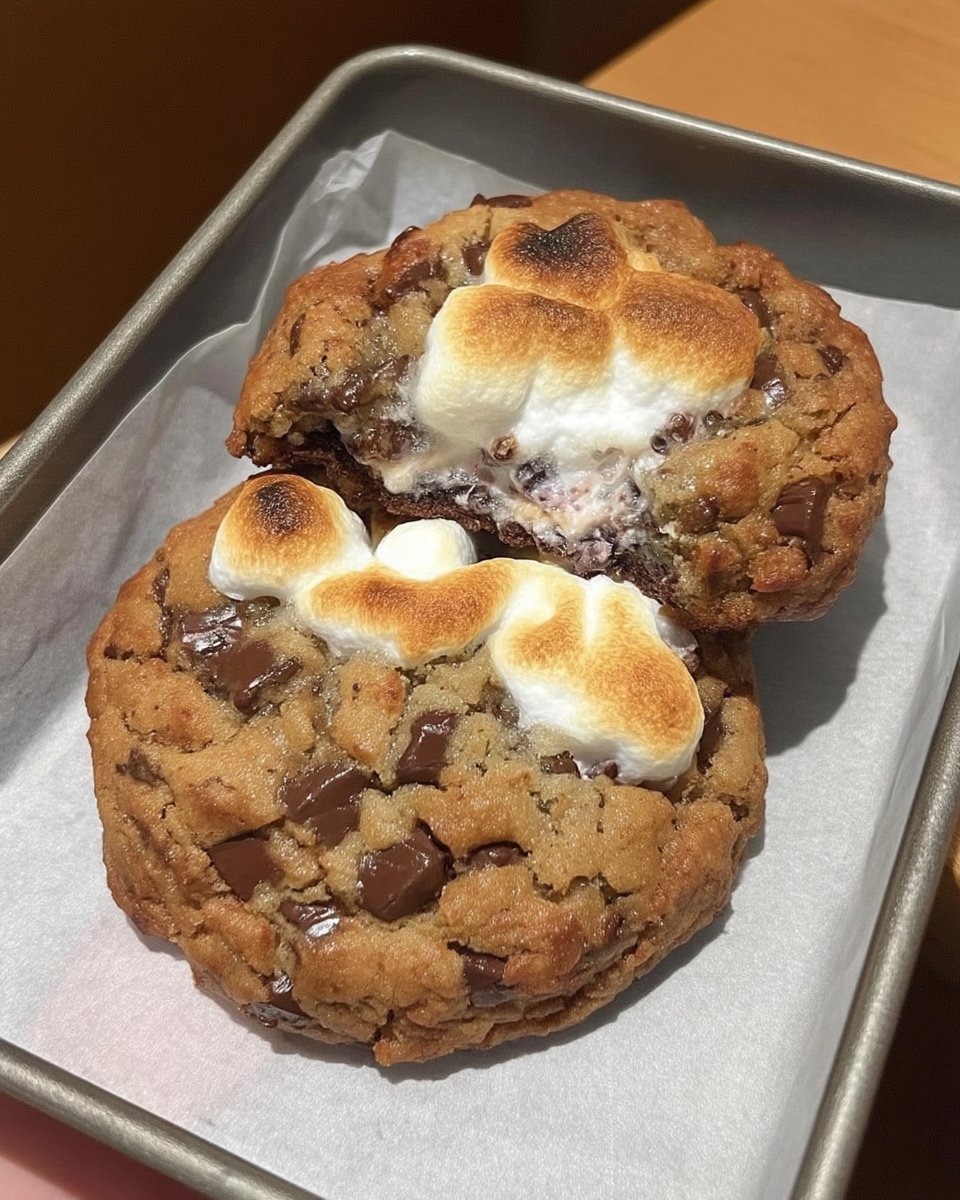
For the ultimate sensory experience, serve these cookies slightly chilled. The colder temperature allows the fats in the frosting to melt slowly on the tongue, prolonging the release of the vanilla and cream flavors. I highly suggest pairing these with a dark roast coffee; the bitter chlorogenic acids in the coffee provide a sharp contrast to the sweet creaminess of the cookie, which cleanses the palate between bites. You can read more about how beverage temperatures affect taste in our Viral Cookie Analysis. If serving at a gathering, a small sprig of fresh mint can add a mentholated aroma that further amplifies the freshness of the cream cheese frosting.
The Flavor Truth and Taste Discovery
Understanding the chemistry behind keto baking allows us to recreate the textures and tastes we love without compromising our nutritional goals. These Keto Cheesecake Cookies are a testament to how meticulous ingredient selection and temperature control can result in a dessert that is indistinguishable from its high-carb counterparts. To keep refining your skills, check out our Efficient Cookie Methods to streamline your time in the kitchen. I hope you continue to investigate the fascinating world of flavor pairing and share your results with our community on Instagram or Pinterest. Happy baking, and stay curious about the science of your food!