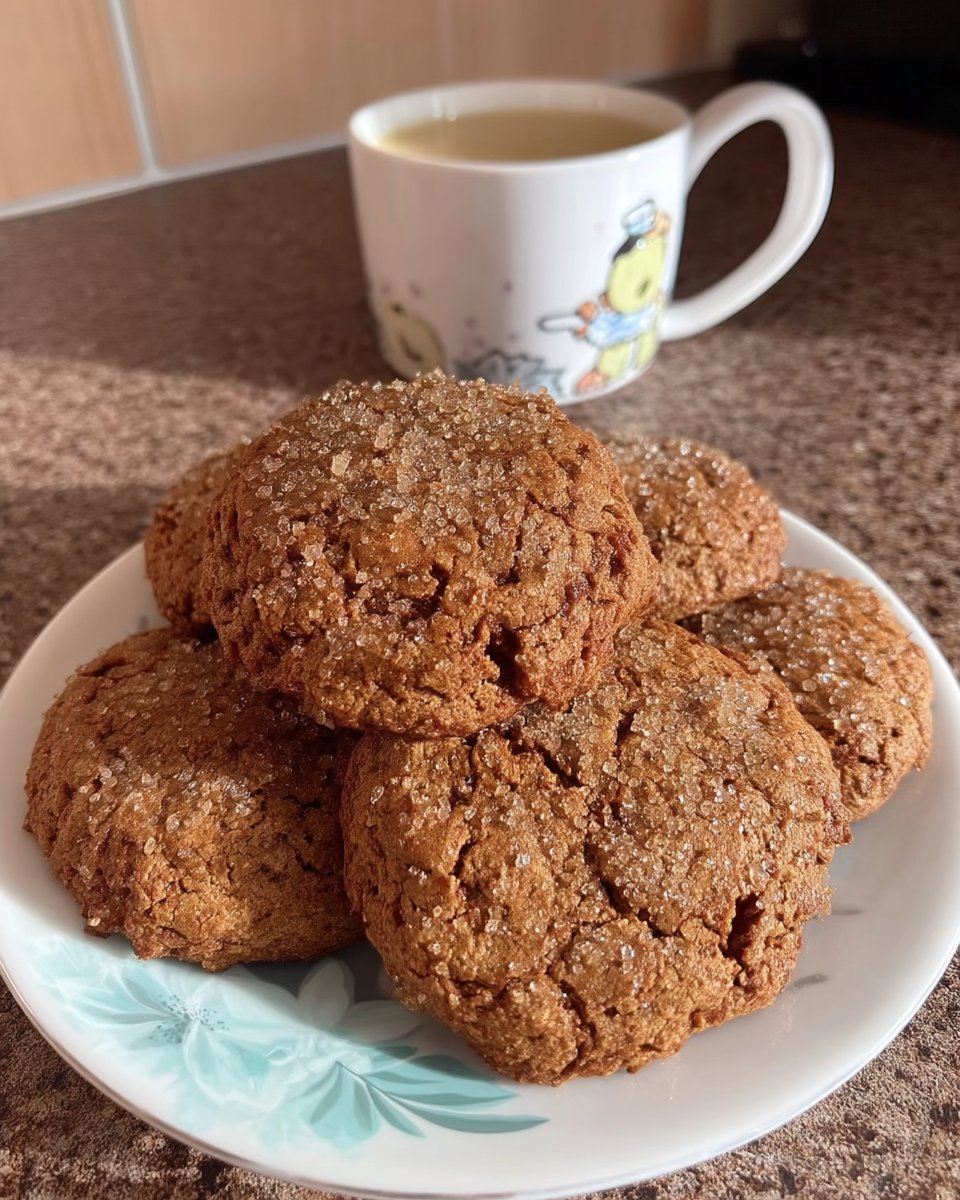
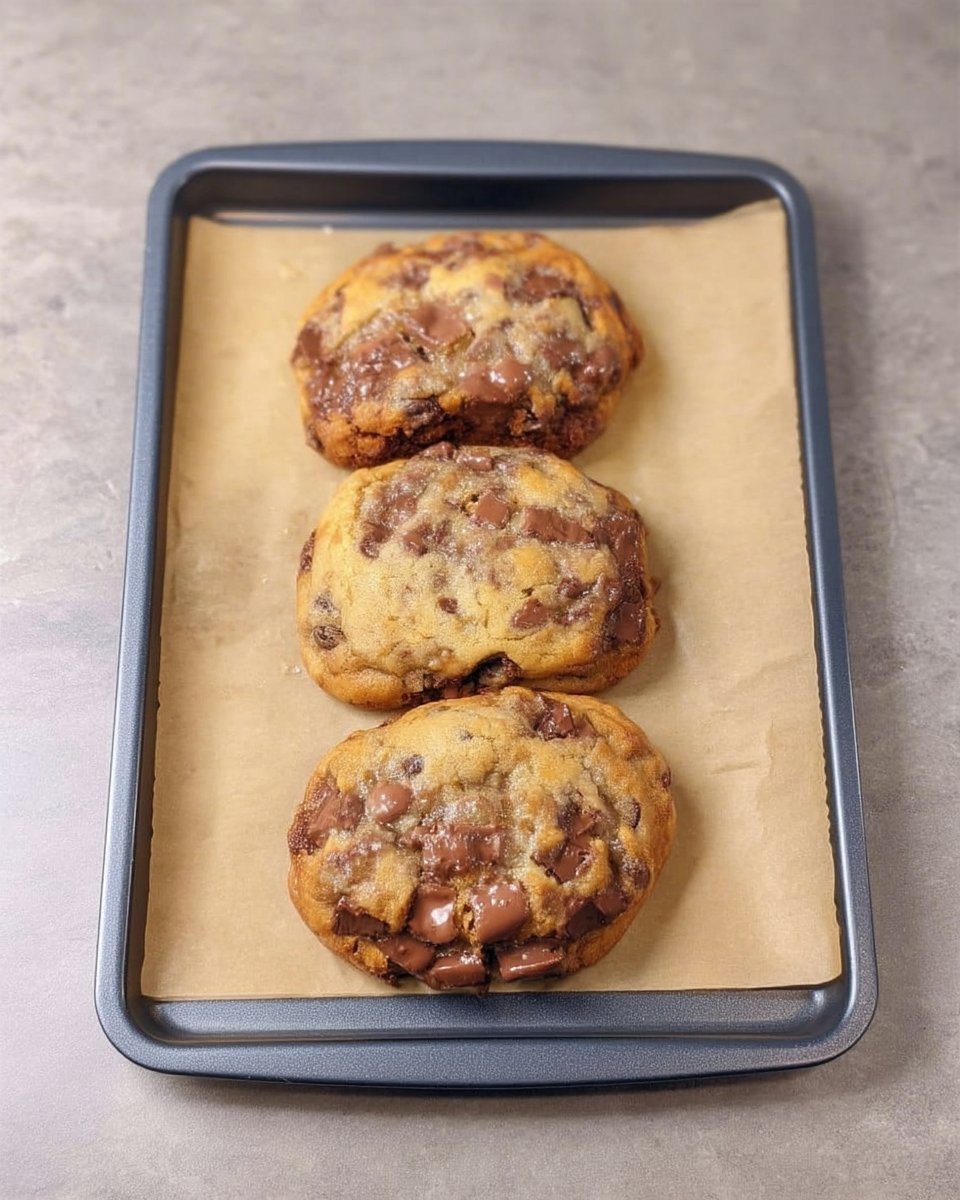
In the mid-19th century, British bakers discovered that the high acidity in molasses, or black treacle, reacted vigorously with the newly available pearlash, a precursor to modern baking soda. This chemical reaction provided the lift needed for a lighter texture in what was previously a very dense gingerbread loaf. By thinning the batter and increasing the fat, the gingersnap was born—a biscuit that traded the cake-like crumb of the past for a distinct, audible fracture.

Today, we apply those same Victorian principles to create a cookie that balances a crisp perimeter with a chewy, spice-laden center. This methodical approach uses modern ratios to recreate the precise structural integrity that historical bakers achieved through trial and observation. Every measurement here serves a specific purpose in the chemistry of the bake.
The Heritage of the Snap
This recipe honors the transition from soft gingerbread to the firm, crackled surface characteristic of a true gingersnap. You will appreciate the way the high molasses content interacts with granulated sugar to create a Maillard reaction that is both deep in color and complex in flavor. It is a technical triumph that results in a cookie with a remarkable shelf life and a nostalgic spice profile.
Bakers who value precision will find satisfaction in the way these cookies spread predictably and develop a uniform crackle. Unlike modern soft-batch cookies that rely on cornstarch or chemical softeners, these rely on the inherent properties of sugar and invert syrups. This is a recipe for those who want their kitchen to smell of historic spice markets and scientific success.
Print
Gingersnap Cookies
- Total Time: 26 mins
- Yield: 36 cookies
- Diet: Vegetarian
Description
Master the art of the perfect Victorian-style gingersnap with this technically precise recipe. These cookies offer a sophisticated balance of warm spices and a deep molasses flavor, resulting in a signature crackled surface and a satisfying, crisp texture.
Ingredients
- 1 cup unsalted butter, room temperature
- 2 cups granulated sugar (plus extra for rolling)
- 2 large eggs
- 1/2 cup molasses (unsulphured)
- 4 cups all-purpose flour
- 2 teaspoons baking soda
- 1 tablespoon ground ginger
- 1 teaspoon ground cinnamon
- 1/2 teaspoon ground cloves
- 1/4 teaspoon salt
Instructions
- Cream the room temperature butter and 2 cups of granulated sugar in a stand mixer on high speed for about 3 minutes until light and fluffy.
- Incorporate the eggs one at a time on low speed, then stir in the molasses, scraping the bowl to ensure a uniform mixture.
- Whisk together the flour, baking soda, ginger, cinnamon, cloves, and salt in a separate bowl.
- Add the dry ingredients to the wet mixture on low speed, mixing only until the flour streaks disappear.
- Portion the dough into rounded tablespoons, roll into smooth spheres, and coat each ball in additional granulated sugar.
- Place the balls 2 inches apart on a parchment-lined baking sheet and bake at 350°F (175°C) for 9 to 11 minutes until the edges are firm.
- Let the cookies rest on the baking sheet for 5 minutes before transferring them to a wire rack to cool completely.
Notes
To ensure the most distinct crackle pattern, avoid over-handling the dough once it is rolled in sugar. For a deeper flavor profile, you can let the prepared dough chill in the refrigerator for an hour before baking, which helps the spices meld and prevents excessive spreading in warmer kitchens.
- Prep Time: 15 mins
- Cook Time: 11 mins
- Category: Dessert
- Method: Baking
- Cuisine: British
Structural Components and Spices
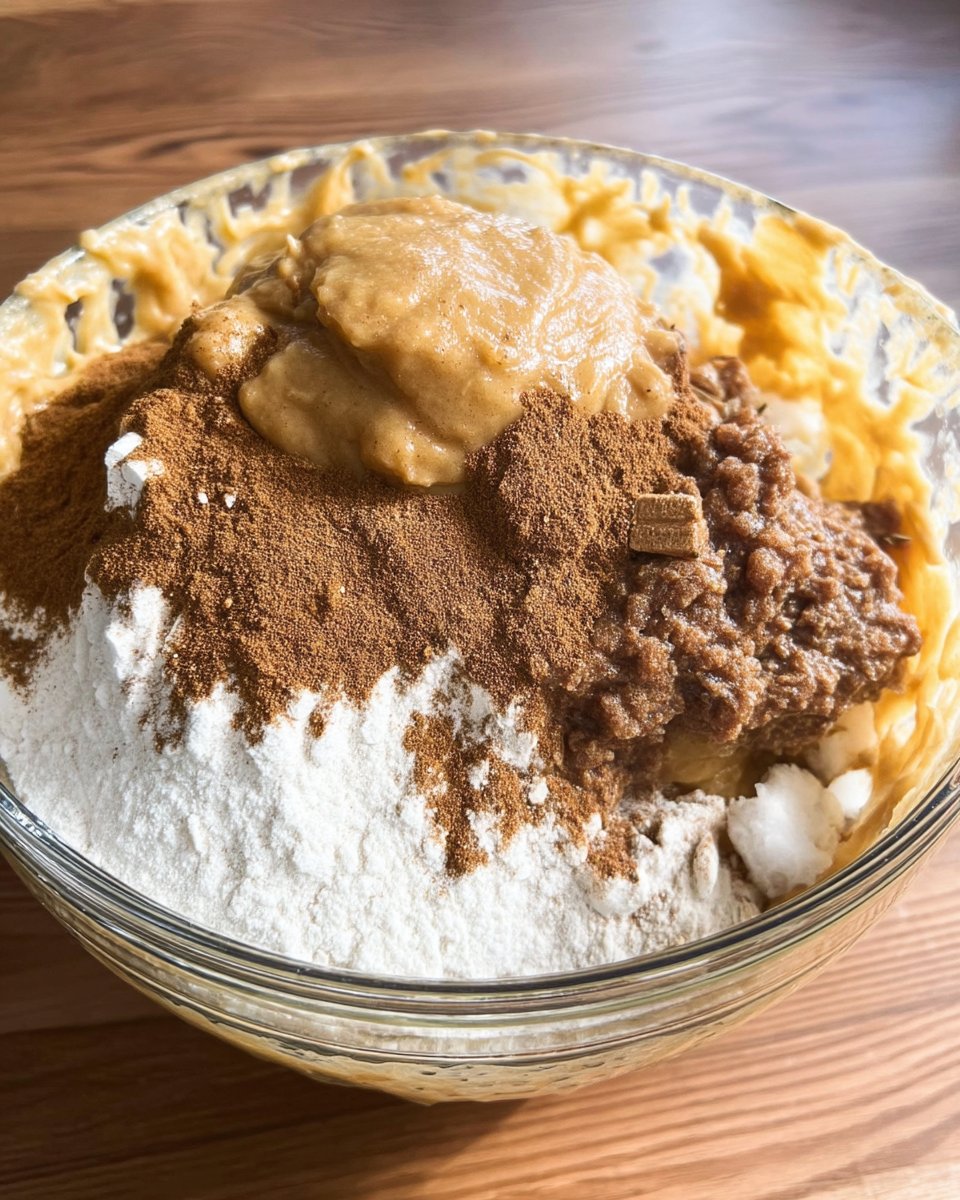
The foundation of this bake rests on the interaction between fat, sugar, and acid. Using room temperature butter is vital, as it allows for proper aeration during the creaming stage, which provides the initial structure for the dough.
- Unsalted Butter: Provides the necessary lipids for a tender crumb while allowing us to control the salt concentration precisely.
- Granulated Sugar: Beyond sweetness, sugar crystals are essential for creating the air pockets during creaming and the crisp exterior during the bake.
- Molasses: This is the soul of the cookie, providing the acidity needed to activate the baking soda and the deep, earthy undertone that defines the snap.
- Large Eggs: These act as the primary emulsifier, binding the fats and liquids into a stable dough.
- All-Purpose Flour: A medium-protein flour (around 10-11%) is used to provide enough structure without making the cookie tough.
- Baking Soda: This alkaline leavener reacts with the molasses to create carbon dioxide, resulting in the signature puff and subsequent collapse that creates the crackled surface.
- The Spice Quartet: A balanced blend of cinnamon, cloves, ginger, and salt provides a warm, multidimensional heat that lingers on the palate.
The Proper Method
Step 1: Aeration of Fats and Sugars
Begin by placing your room temperature butter and two cups of granulated sugar into the bowl of your stand mixer. Use the paddle attachment on a high speed for approximately three minutes. This process, known as creaming, is a Victorian-era technique that forces air into the fat, creating a network of tiny bubbles that will expand in the heat of the oven. The mixture should appear noticeably lighter in color and fluffy in texture.
Step 2: Emulsification and Flavor Integration
Reduce the mixer speed and incorporate the eggs one at a time. This methodical approach allows the fat and water-based proteins to emulsify properly, preventing the dough from breaking. Once the eggs are fully integrated, pour in the molasses. Scrape the sides and bottom of the bowl with a silicone spatula to make sure no pockets of unmixed butter remain, as these would cause uneven spreading during the bake.
Step 3: Dry Ingredient Incorporation
In a separate vessel, whisk together the flour, baking soda, cinnamon, cloves, ginger, and salt. Sifting these together is a classic technique that prevents spice clumps. Add this dry mixture to the mixer on the lowest speed. Mix only until the flour streaks disappear. Over-mixing at this stage would develop gluten, resulting in a tough, bread-like texture rather than the intended snap.
Step 4: Portioning and Surface Treatment
Using a medium cookie scoop for precision, portion the dough into rounded tablespoons. Roll each portion between your palms to create a smooth sphere. This smooth surface is necessary for even heat distribution. Roll each ball in the additional granulated sugar; these crystals will draw moisture from the surface of the dough, encouraging the formation of those beautiful, deep cracks as the cookie expands.
Step 5: The Thermal Transformation
Place the dough balls on a parchment-lined baking sheet, spaced two inches apart. Bake at 350°F (175°C) for 9 to 11 minutes. For a traditionally crisp snap, aim for the 11-minute mark. The cookies are ready when the edges are firm and the centers have puffed and just begun to settle. Allow them to rest on the sheet pan for five minutes to set the structure before moving them to a wire rack.
Historical Wisdom and Technical Precision
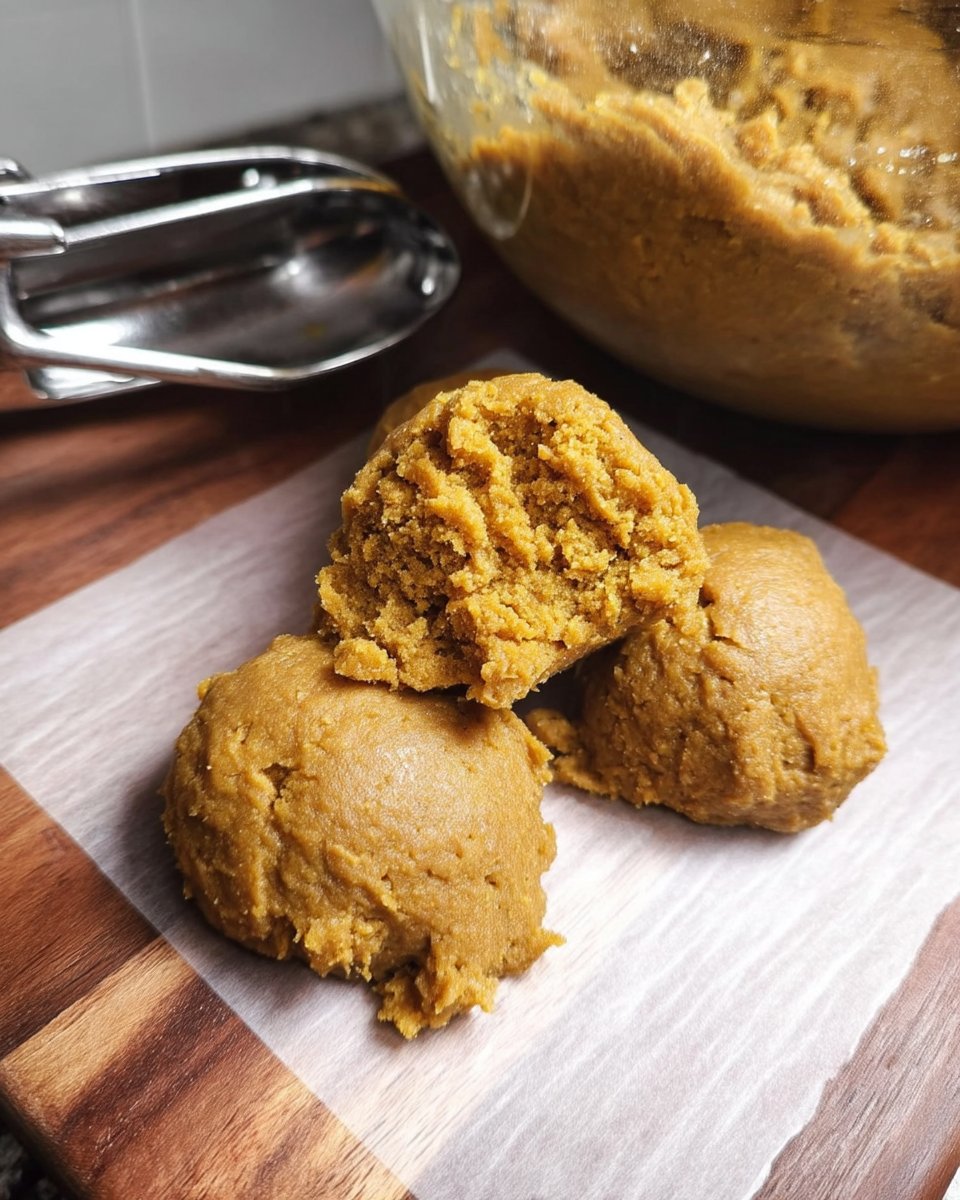
Temperature control is the most frequent point of failure in this recipe. If your kitchen is particularly warm, the butter may become too soft, leading to excessive spread. Victorian bakers often worked in cool larders, which kept their dough stable. For the best results, if you notice the dough feels tacky, refrigerate it for thirty minutes before rolling. This allows the flour to fully hydrate and the fats to solidify, resulting in a much more controlled bake.
When choosing your molasses, stay away from blackstrap varieties. Blackstrap is the result of a third boiling and is far too bitter and low in sugar for this specific balance. A standard unsulphured molasses provides the perfect acidity. For more details on how ingredients behave in festive bakes, study our Holiday Cookie Science guide. Additionally, you can see a modern take on this spice profile at Gingersnap Cookies which provides a different perspective on the final texture.
Regional Adaptations and Tested Changes
While the standard gingersnap is a masterpiece of balance, regional variations offer fascinating insights into baking history. In some parts of Northern England, bakers would add a pinch of black pepper to the spice blend to increase the ‘heat’ of the ginger. This was a common practice in the 1800s when spices were a sign of wealth and status. You can recreate this by adding 1/4 teaspoon of finely ground white pepper to your dry ingredients.
Another variation is the ‘Dunking Snap,’ which is baked for an additional two minutes at a slightly lower temperature (325°F). This removes even more moisture, creating a biscuit designed specifically to withstand being submerged in hot tea without crumbling. For those interested in the fundamental building blocks of these variations, our Foundation Cookie Recipes section breaks down the ratios of fat to flour in detail.
Traditional Service and Enjoyment
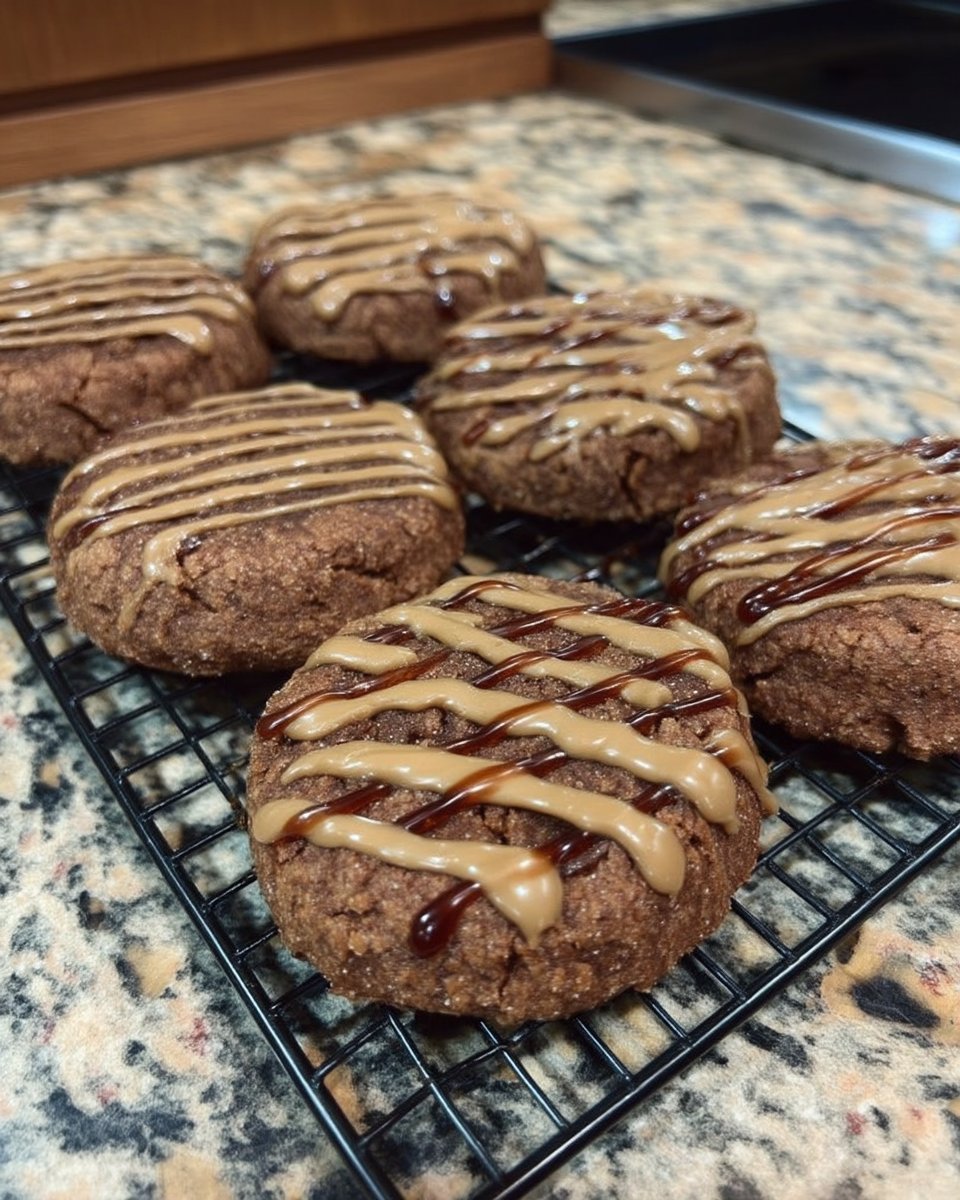
In the British tradition, these biscuits are the quintessential accompaniment to a strong black tea, such as an Earl Grey or a malty Assam. The tannins in the tea provide a sharp contrast to the deep sweetness of the molasses. For a more formal presentation, serve them on a warmed ceramic platter to keep the spices fragrant as the cookies are passed around.
If you are serving these during the holidays, they pair exceptionally well with a sharp cheddar cheese—a combination often found in Yorkshire. The savory fat of the cheese cuts through the spice beautifully. To learn more about presenting your bakes with professional flair, examine our Precision Cookie Decorating techniques for tips on uniform sizing and display.
The Technical Truth
Baking these gingersnaps is more than a culinary exercise; it is a way to connect with the methodical precision of generations past. By understanding the science of the creaming method and the chemical reaction of the leaveners, you produce a cookie that is structurally sound and historically authentic. Success in the kitchen comes from respecting these fundamental ratios while applying the care that a handmade bake deserves. For more ways to improve your baking workflow, visit our Efficient Cookie Methods page.
Please share your results with our community on Instagram, Facebook, or Pinterest. We value the precision you bring to your home kitchen.