During the lean years of the 1940s, British and American home bakers shared a common struggle: ingredient scarcity. This era birthed the Flourless Peanut Butter Cookies 2 method, a brilliant use of the legume’s natural fats to replace rationed butter. Historically, this technique proved that high-fat pastes could provide the structural integrity normally reserved for wheat-based doughs.

This specific iteration of Flourless Peanut Butter Cookies 2 relies on a precise 1:1 ratio of legume butter to sweetener. By understanding how the egg proteins coagulate during the short eight-minute bake, we can achieve a crumb that is both tender and remarkably stable. It is a testament to the fact that simple chemistry often yields the most reliable results in the kitchen.
The Brilliance of Three-Ingredient Chemistry
You will find that this recipe is a masterclass in culinary efficiency. The Flourless Peanut Butter Cookies 2 formula works because it respects the inherent properties of its components. Unlike modern recipes that lean on stabilizers, this version uses the egg as a sole binding agent to create a lattice that holds the sugar and fat in perfect suspension.
Bakers have cherished this method for nearly a century because it produces a cookie with an intense, undiluted flavor profile. Without flour to mute the notes of the roasted peanuts, the result is a deep, savory sweetness that feels both nostalgic and technically superior. It is a reliable standby for those who value the intersection of historical tradition and pantry practicality.
Print
Flourless Peanut Butter Cookies 2
- Total Time: 18 mins
- Yield: 24 cookies
- Diet: Gluten-Free
Description
Discover the elegance of simplicity with this historical three-ingredient recipe that relies on the natural fats of peanuts for structure. These flourless cookies deliver an intense, roasted flavor and a delicate crumb that melts in your mouth without the need for butter or grains.
Ingredients
- 1 cup peanut butter (creamy or stabilized)
- 1 cup white sugar
- 1 large egg
Instructions
- Preheat your oven to 350°F (180°C).
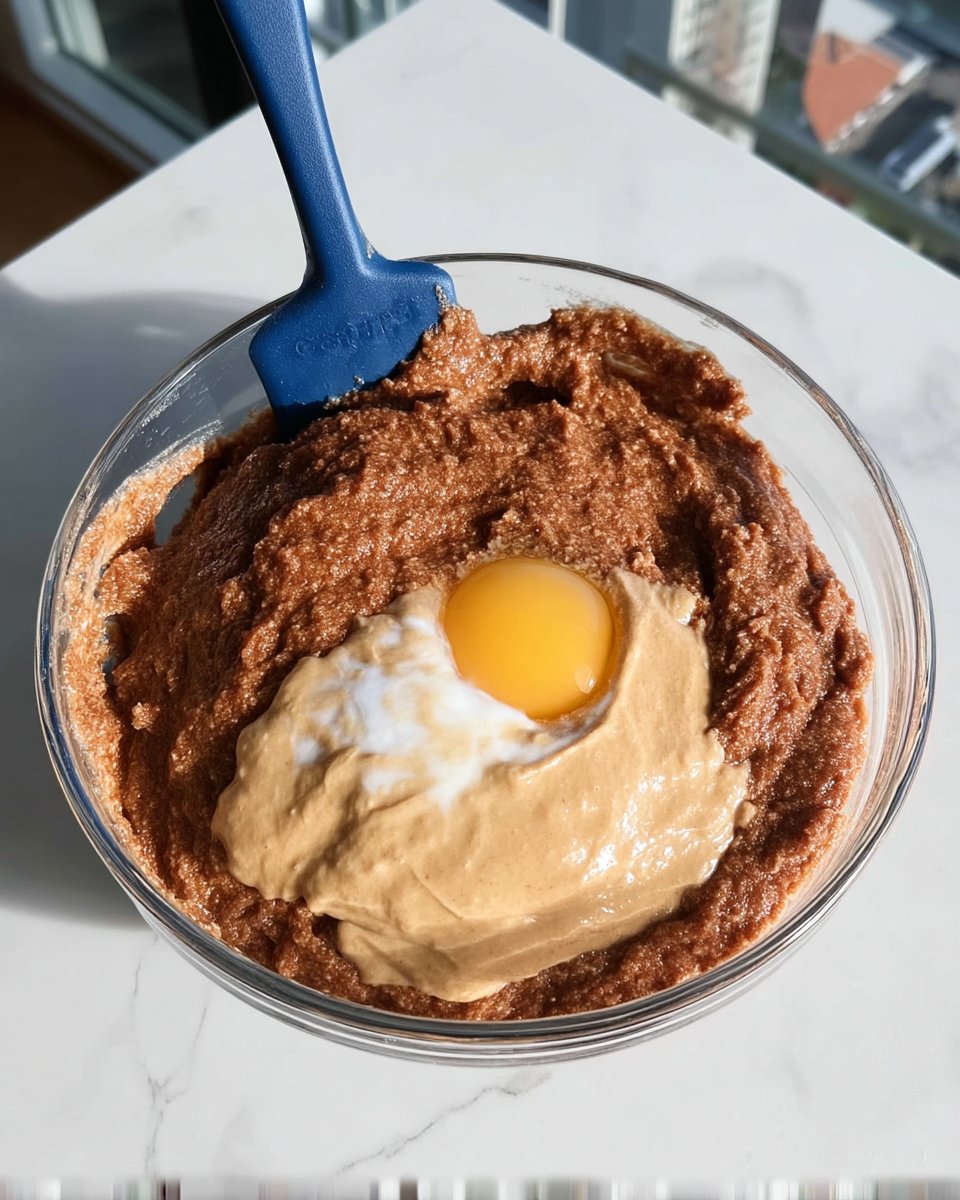
- In a sturdy mixing bowl, combine the peanut butter, sugar, and egg, beating the mixture with a wooden spoon or stand mixer until it loses its glossy sheen and becomes matte.
- Drop the dough by rounded teaspoonfuls onto an ungreased cookie sheet, leaving approximately two inches of space between each portion.
- Using the tines of a fork, gently press a crosshatch pattern into the top of each dough ball to help it bake evenly.
- Bake for exactly 8 minutes; the cookies will appear slightly soft but will finish setting on the hot pan.
- Let the cookies cool on the baking sheet for 10 minutes before transferring them to a wire rack to firm up completely.
Notes
To ensure the best emulsion, allow your egg to reach room temperature before mixing, as a cold egg can cause the peanut butter oils to separate. If you are using natural peanut butter, be sure to stir it thoroughly until completely smooth before measuring to maintain the correct fat-to-sugar ratio.
- Prep Time: 10 mins
- Cook Time: 8 mins
- Category: Dessert
- Method: Baking
- Cuisine: American
Historical Components and Modern Ratios
To achieve the perfect Flourless Peanut Butter Cookies 2, one must pay close attention to the quality and state of the ingredients used. While the list is short, the chemical interactions are complex.
- Peanut Butter (1 Cup): Historically, bakers used creamy, stabilized varieties. If using natural peanut butter, you must confirm it is thoroughly stirred to prevent excess oil from causing the cookie to spread too thin.
- White Sugar (1 Cup): This provides the necessary sweetness and contributes to the crisp edges. The sugar crystals also help aerate the dough during the mixing phase, providing a lift that substitutes for chemical leaveners.
- Egg (1 Large): The egg is the structural cornerstone of this formula. Its proteins coagulate at approximately 144°F, locking the other ingredients into a solid form before the sugar melts entirely.
The Proper Method
Step 1: Thermal Preparation
Begin by preheating your oven to 350°F (180°C). This specific temperature is vital for Flourless Peanut Butter Cookies 2 as it allows the exterior to set quickly while the interior remains soft. Traditional Victorian ovens lacked this precision, but modern testing confirms that this heat level is ideal for rapid protein setting.
Step 2: The Emulsion Process
In a heavy mixing bowl, combine the peanut butter, sugar, and egg. Use a sturdy wooden spoon or a stand mixer to beat the mixture until it loses its shine and becomes slightly matte. This change in appearance indicates that the sugar has started to dissolve into the moisture of the egg, creating a stable emulsion that will not separate in the oven.
Step 3: Precise Portioning
Drop the dough by rounded teaspoonfuls onto an ungreased cookie sheet. For a more uniform appearance, you may use a small scoop, though the traditional hand-dropped method provides a rustic charm that honors its 1940s origins. Leave approximately two inches between each mound to allow for slight expansion.
Step 4: The Historical Press
While not strictly required for this specific variation, using a fork to create a crosshatch pattern is a nod to the history of the dish. This technique increases the surface area exposed to heat, helping the dense dough bake through more evenly. Press gently so as not to flatten the cookie too much.
Step 5: Controlled Baking
Bake for exactly 8 minutes. The cookies will look slightly underdone when you remove them, but this is intentional. The residual heat from the baking sheet will finish the process. Allow them to cool on the sheet for at least ten minutes to let the structure fully firm up before moving them to a wire rack.
Precision Methods for Peanut Butter
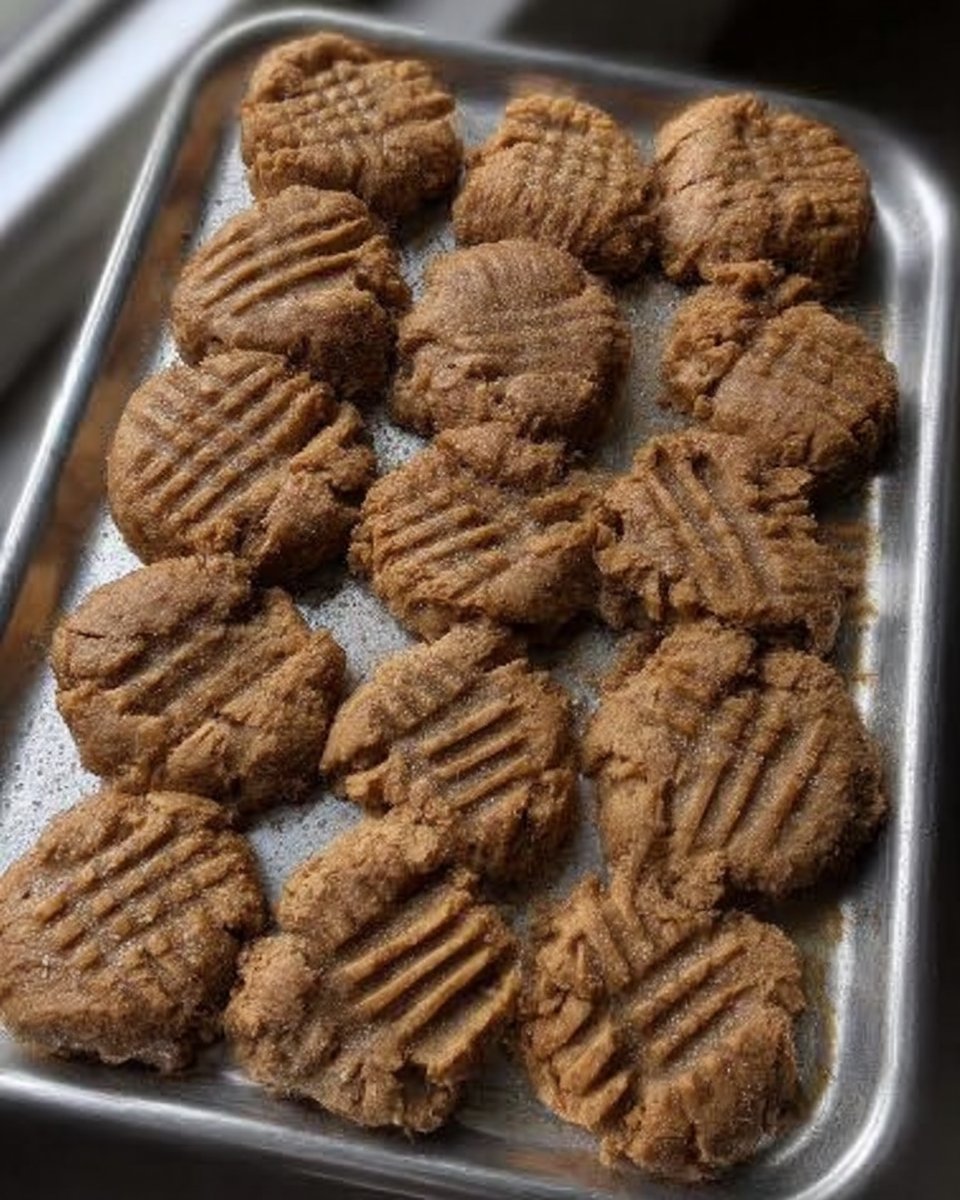
To guarantee the best results with Flourless Peanut Butter Cookies 2, always use ingredients at room temperature. A cold egg can cause the fats in the peanut butter to seize, making the dough difficult to drop. If you find your dough is too oily, a fifteen-minute rest in the refrigerator can help the sugar absorb some of the excess moisture, a trick often used in Efficient Cookie Methods to maintain shape.
For a deeper flavor, consider using a dark-roasted peanut butter. The increased Maillard reaction in the nuts provides a more complex profile that stands up well to the high sugar content. Always weigh your ingredients if possible, as the density of peanut butter can vary significantly between brands, affecting the final texture and spread.
Classic Variations and Regional Adaptations
While the original 1940s formula is a classic, you can adjust the Flourless Peanut Butter Cookies 2 to suit modern tastes. Adding a pinch of Maldon sea salt to the top before baking can help balance the sweetness of the white sugar. In some regional variations, a teaspoon of pure vanilla extract is added to provide a floral note that complements the earthy peanuts.
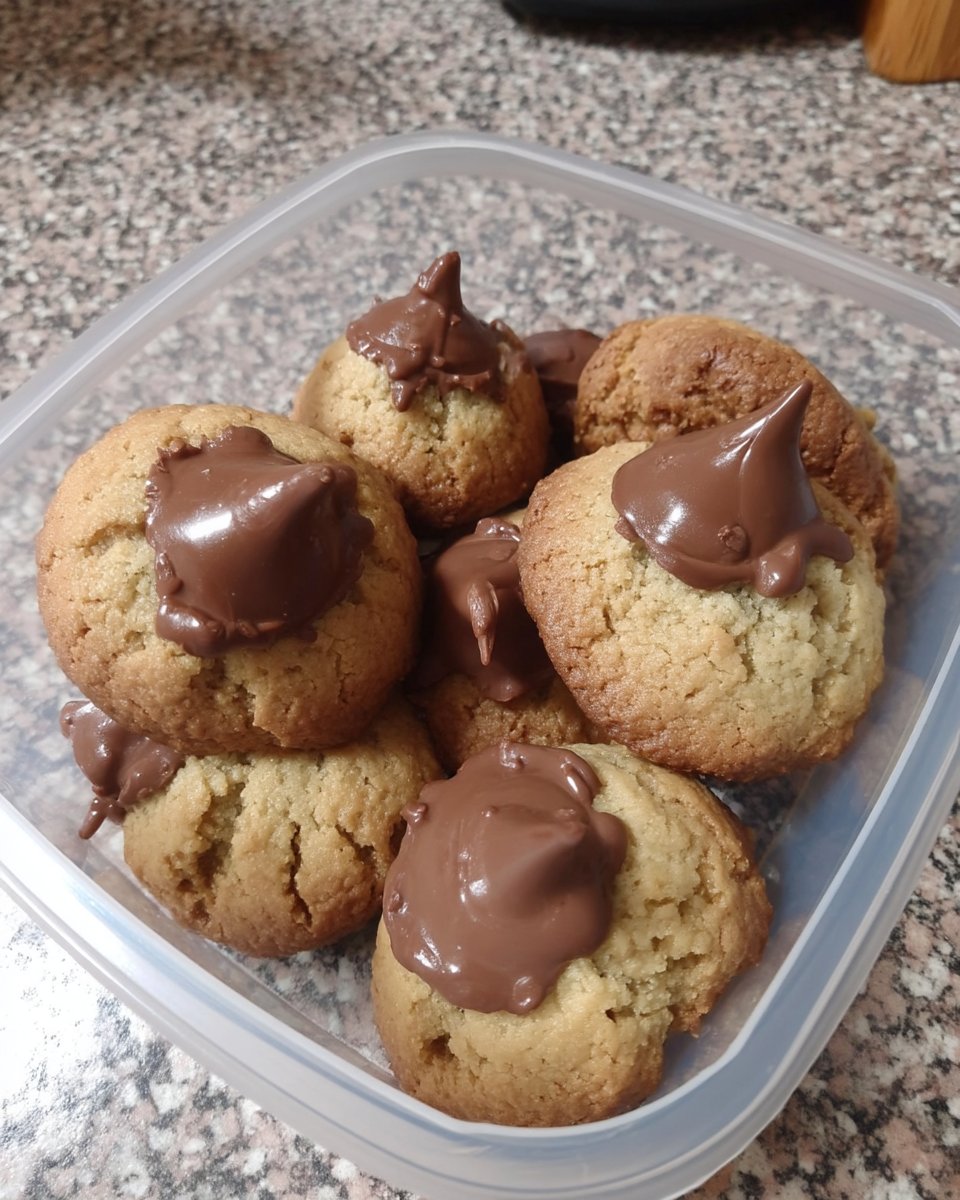
If you are looking for a more festive version, you can study how Holiday Cookie Science applies to these simple bases. Folding in half a cup of dark chocolate chips or chopped honey-roasted peanuts adds texture without compromising the structural integrity of the flourless dough. Just be sure to keep the additions small so they don’t weigh down the protein lattice.
Traditional Service and Presentation
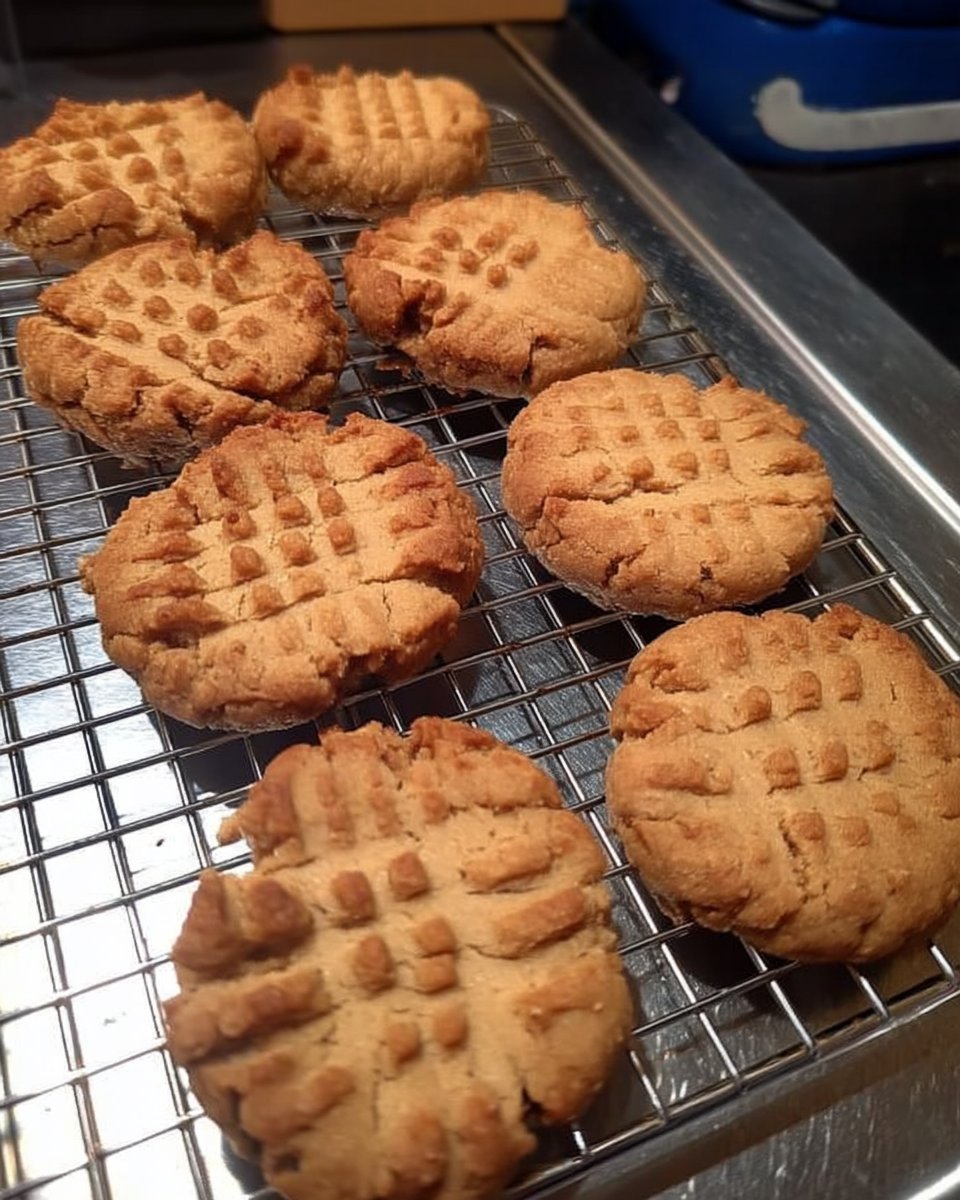
In the British tradition, these biscuits are best served alongside a strong cup of Earl Grey or English Breakfast tea. The tannins in the tea provide a sharp contrast to the rich fats of the cookie. For a more formal presentation, you might apply some Precision Cookie Decorating techniques, such as a light dusting of powdered sugar or a drizzle of melted dark chocolate across the crosshatch marks.
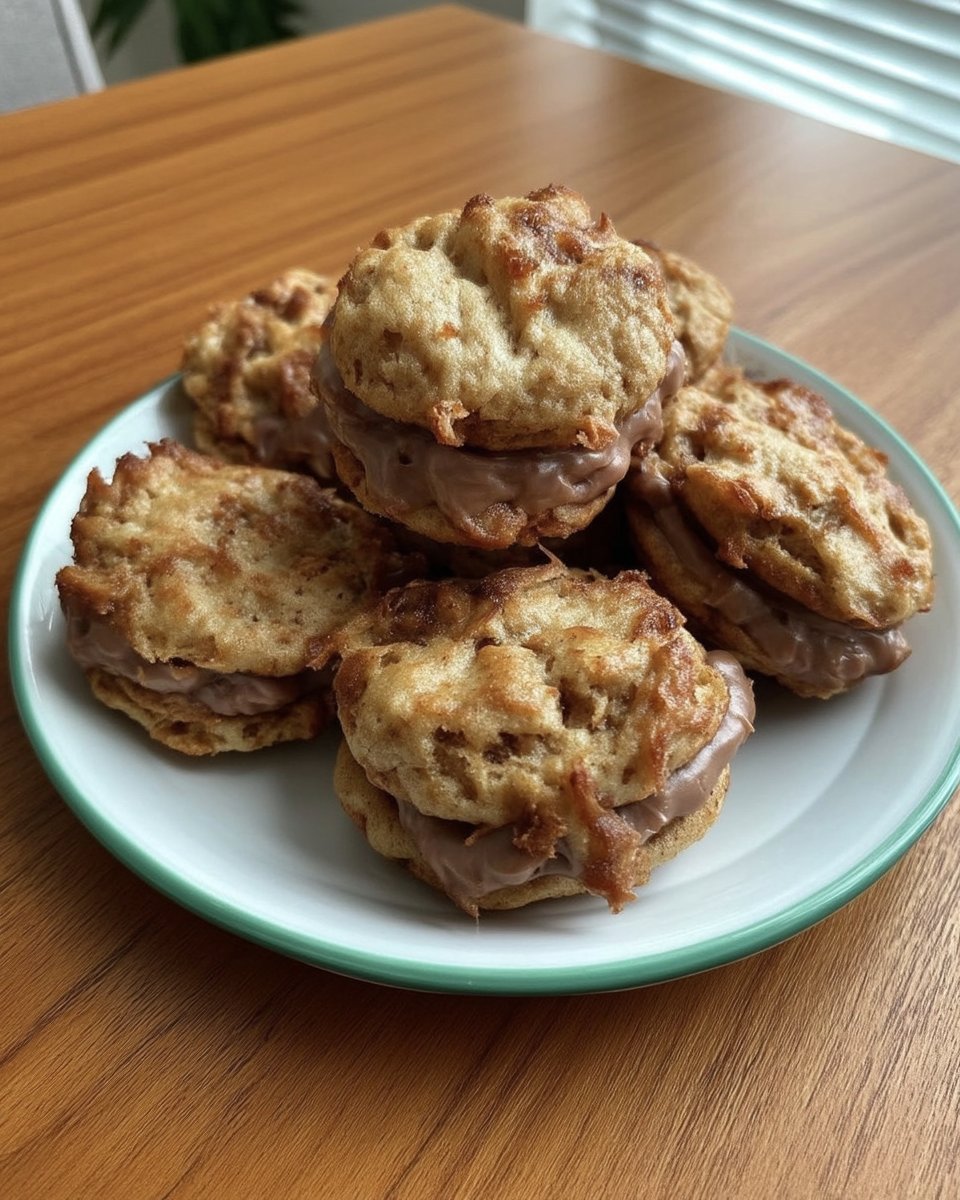
These cookies also make an excellent base for a historical ice cream sandwich. Simply place a small scoop of vanilla bean ice cream between two cooled cookies and press gently. The dense texture of the flourless dough holds up remarkably well against the moisture of the ice cream, preventing the sandwich from becoming soggy too quickly.
The Technical Truth of Heritage Baking
The Flourless Peanut Butter Cookies 2 recipe is more than just a quick snack; it is a lesson in the power of basic pantry staples. By stripping away the flour and leaveners, we are left with a pure expression of flavor and a testament to the resourcefulness of past generations. I encourage you to master this Foundation Cookie Recipes method to better understand how simple fats and proteins work in tandem.
For more technical bakes and historical insights, visit the original recipe at AllRecipes. If you enjoyed this dive into cookie science, please share your results with our community on Facebook, Instagram, or Pinterest. We look forward to seeing your technical triumphs in the kitchen.