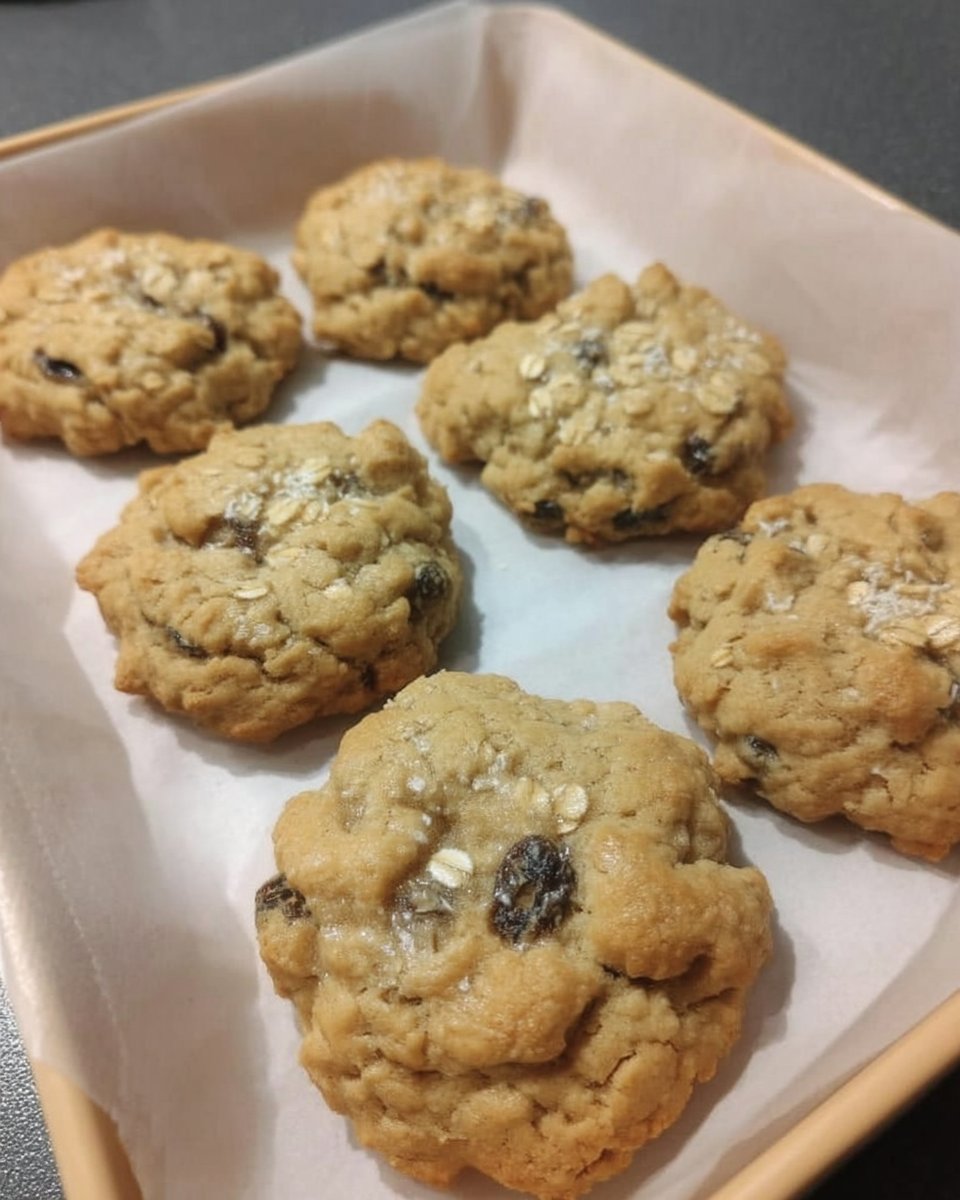
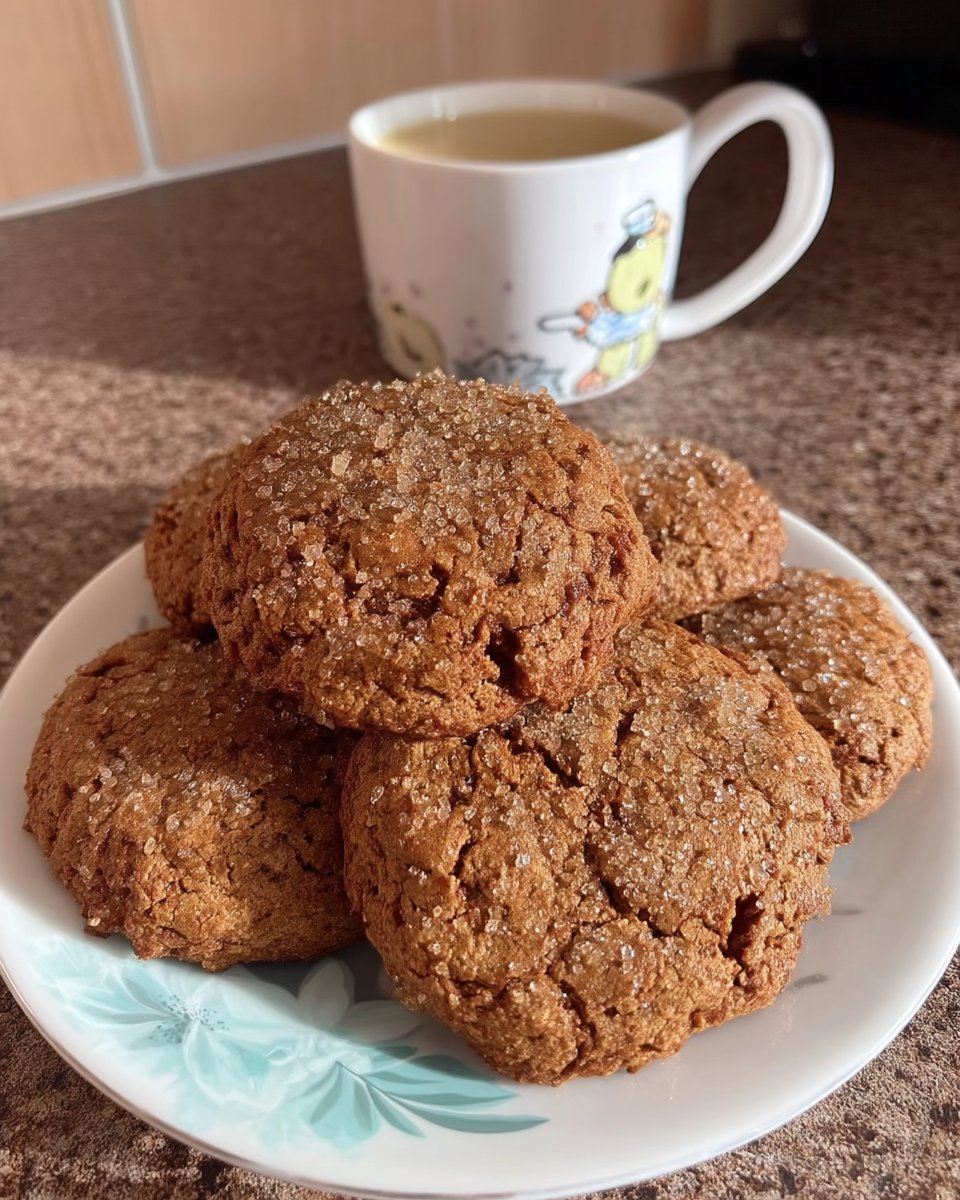
We conducted twelve separate tests to solve a specific texture problem: how to keep a cookie structurally sound while maintaining a soft, melt-in-your-mouth interior for days. The breakthrough came when we adjusted the fat ratios. By substituting a precise portion of butter with full-fat cream cheese, we introduced acidity and a different water-to-fat percentage that inhibits excessive gluten development. The result is a cookie that defies staling, remaining tender long after it leaves the oven.

These cookies and cream cookies are the result of that extensive experimentation. They combine the nostalgic crunch of Oreos with a dough that is scientifically engineered for softness. The addition of cornstarch acts as an insurance policy for tenderness, while the white chocolate chips provide a creamy contrast to the dark cocoa biscuit pieces. It is a study in textural contrast.
The Science of Softness
Why do we add cream cheese to a cookie dough that already contains butter? It comes down to chemistry and texture control. Cream cheese has a higher water content than butter and adds a subtle tang, which cuts through the sweetness of the white chocolate. More importantly, the acidity in the cream cheese reacts slightly with the baking soda, creating a lighter, softer crumb structure that doesn’t collapse into a dense puck.
Furthermore, the inclusion of cornstarch is not accidental. Cornstarch lacks gluten-forming proteins. When we replace a small amount of the potential flour volume with cornstarch, we are effectively lowering the overall protein percentage of the dough. This shortens the gluten strands, ensuring the cookie remains tender rather than tough. This recipe balances these chemical levers—acidity, hydration, and protein content—to produce a texture that is biologically programmed to stay soft.
Print
Cookies And Cream Cookies
- Total Time: 2 hours 33 mins
- Yield: 24 cookies
Description
These scientifically-engineered cookies utilize a unique blend of cream cheese and cornstarch to achieve a remarkably soft, melt-in-your-mouth texture. Packed with white chocolate chips and chunky Oreo pieces, they offer a perfect balance of creamy sweetness and nostalgic crunch.
Ingredients
- 281g all-purpose flour
- 1.5 tsp cornstarch
- 1 tsp baking soda
- 0.5 tsp salt
- 113g full-fat brick-style cream cheese, softened
- 170g unsalted butter, softened
- 100g granulated sugar
- 100g brown sugar
- 1 large egg, room temperature
- 1 tsp vanilla extract
- 180g white chocolate chips
- 110g Oreos, roughly chopped
Instructions
- Whisk the flour, cornstarch, baking soda, and salt together in a medium bowl and set aside.
- Beat the softened cream cheese in a large bowl until smooth, then add the softened butter and beat until the mixture is uniform and velvety.
- Add granulated and brown sugars to the fat mixture and beat on medium-high for 2 minutes, then add the egg and vanilla and beat for another minute to stabilize the emulsion.
- Gradually mix in the dry ingredients on low speed just until the flour streaks mostly disappear, taking care not to over-mix the dough.
- Gently fold in the white chocolate chips and chopped Oreos by hand using a silicone spatula until evenly distributed.
- Cover the dough and refrigerate for at least 2 hours to allow for proper hydration and to prevent excessive spreading during baking.
- Preheat oven to 350°F (177°C), roll 1.5 tablespoon portions into balls, and bake for 12-13 minutes until edges are lightly browned but centers remain soft.
Notes
To ensure a perfectly smooth dough, bring your cream cheese and butter to room temperature for at least an hour before starting. The mandatory chilling period not only prevents spreading but also allows the flavors to deepen and the flour to hydrate fully, resulting in a much softer final crumb.
- Prep Time: 20 mins
- Cook Time: 13 mins
- Category: Dessert
- Method: Baking
- Cuisine: American
Precision Ingredients
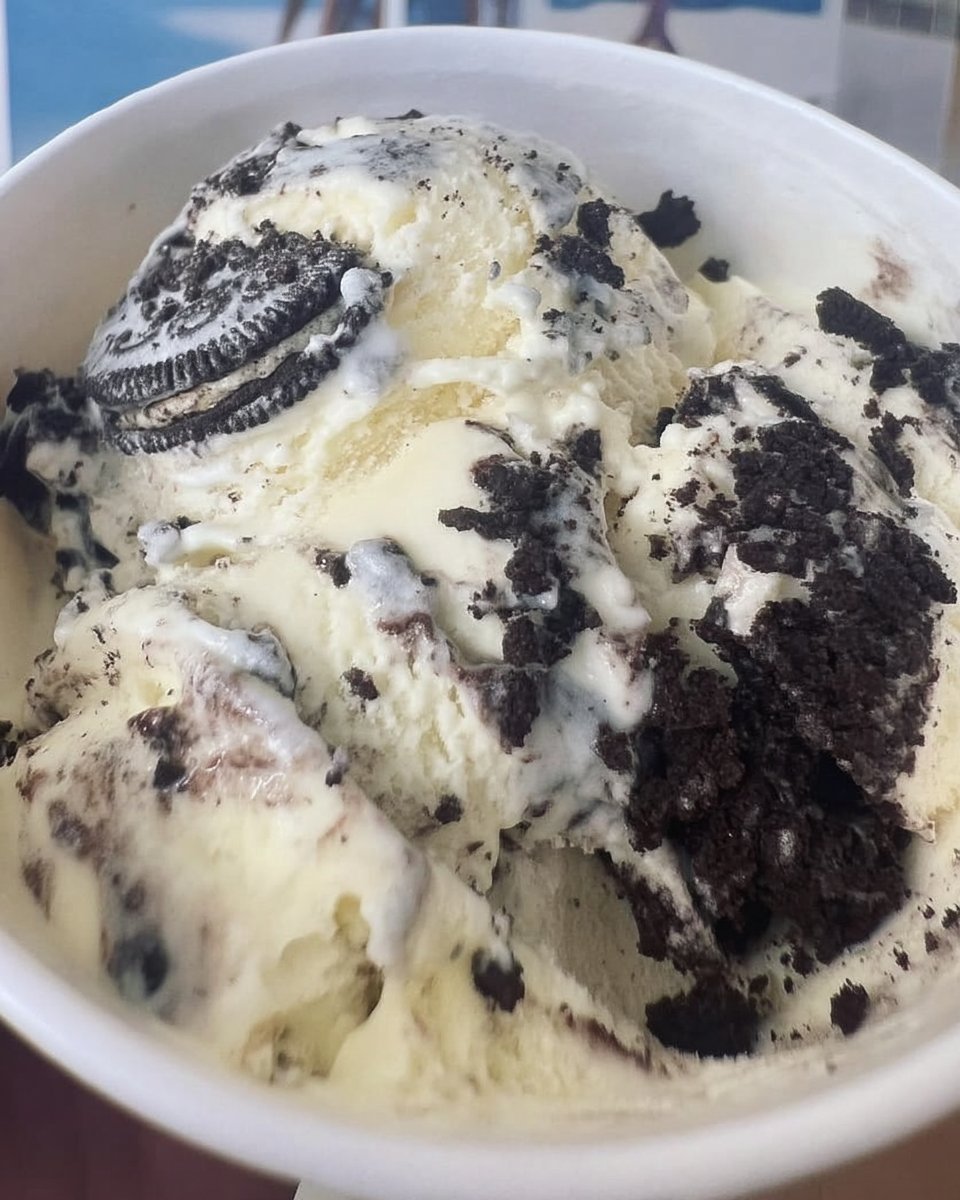
To replicate our test kitchen results, precision is paramount. We recommend using a digital scale for all measurements.
- All-Purpose Flour (281g): We use standard AP flour with a protein content around 10-11%. This provides enough structure to hold the heavy mix-ins (Oreos and chips) without creating a bread-like chew.
- Cornstarch (1.5 tsp): A critical tenderizer. It binds water and prevents the starch retrogradation that typically causes cookies to turn stale and hard.
- Baking Soda (1 tsp): This provides the lift. It reacts with the acidic brown sugar and the cream cheese to create carbon dioxide bubbles, leavening the dough.
- Cream Cheese (113g): Use full-fat, brick-style cream cheese. Do not use tub spreads or whipped varieties; their higher water content and aeration will throw off the hydration ratio, leading to spreading. It must be softened to room temperature (20°C/68°F) to emulsify properly with the butter.
- Unsalted Butter (170g): Also softened to room temperature. We use unsalted to control the sodium levels precisely.
- Sugars (100g Granulated / 100g Brown): The equal ratio provides a balance of crispy edges (white sugar) and moisture retention (brown sugar/hygroscopy).
- Egg (1 large): The emulsifier that binds the fats and liquids. Must be at room temperature to prevent the fats from seizing.
- White Chocolate Chips (180g): High-quality chips contain cocoa butter, which adds to the creamy mouthfeel.
- Oreos (110g): We recommend a rough chop. Fine crumbs will turn the dough grey and muddy. Large chunks preserve the visual contrast and the distinct crunch.
The Method
Step 1: Dry Ingredient Homogenization
Whisk the flour, cornstarch, baking soda, and salt together in a medium bowl. Ensuring these are perfectly distributed prevents “hot spots” of bitter baking soda or clumps of cornstarch in the final bake. Set this mixture aside.
Step 2: Creating the Fat Emulsion
In a large bowl using a hand mixer or stand mixer fitted with a paddle attachment, beat the softened cream cheese on medium-high speed until it is completely smooth. This breaks down the protein structure of the cheese. Add the softened butter and beat until fully combined. The mixture should look uniform and velvety. If the ingredients are too cold, they will curdle; if too warm, they will lose their ability to hold air bubbles.
Step 3: Aeration
Add the granulated sugar and brown sugar to the fat mixture. Beat on medium-high speed for about 2 minutes. We are looking for mechanical leavening here—sugar crystals cutting into the fat to create microscopic air pockets. The mixture should lighten in color and increase in volume. Add the egg and vanilla extract, beating on high speed for 1 minute to stabilize the emulsion.
Step 4: Dry Incorporation
Reduce the mixer speed to low. Gradually add the dry ingredients. Mix only until the flour streaks disappear. Over-mixing at this stage activates the gluten in the flour, which fights against the tenderness we are trying to achieve. Stop the mixer when a few flour streaks remain.
Step 5: The Fold-In
Manually fold in the white chocolate chips and roughly chopped Oreos using a silicone spatula. The dough will be heavy and thick. Folding by hand prevents the Oreos from pulverizing into dust, keeping the dough light in color.
Step 6: Controlled Hydration (Chilling)
Cover the dough and chill in the refrigerator for at least 2 hours (up to 4 days). This step is non-negotiable. During this time, the flour fully hydrates, absorbing free moisture from the egg and cheese. The fats also resolidify. If you bake immediately, the warm fats will melt before the structure sets, resulting in a flat, greasy puddle. The chill time concentrates the flavor and controls the spread.
Step 7: Thermal Application
Preheat your oven to 350°F (177°C). Line baking sheets with parchment paper. Roll heaping 1.5 tablespoons of dough into balls. Place them 3 inches apart to allow for airflow. Bake for 12–13 minutes. The visual cue is critical: the edges should be lightly browned, but the centers should still look soft and slightly underbaked. They will finish setting on the hot baking sheet.
Lab Notes
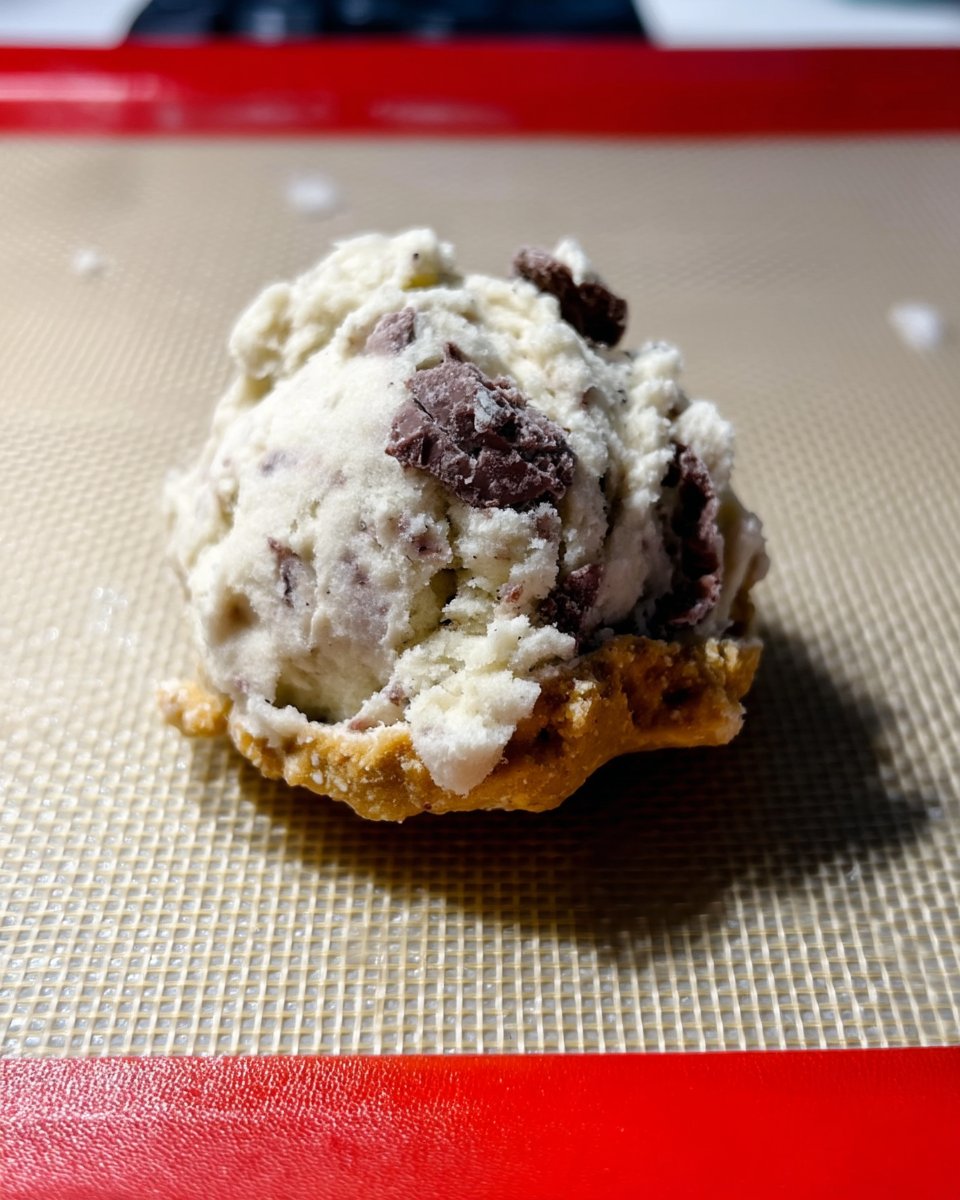
- Temperature is King: The most common failure point in this recipe is ingredient temperature. If your butter is too warm (oily), it cannot hold air. If your cream cheese is cold, it will leave lumps. Both must be at a pliable room temperature (around 68°F-70°F) to form a stable emulsion.
- The Oreo Chop: For the best aesthetic, chop the cookies by hand with a sharp knife rather than a food processor. We want structural integrity in the biscuit pieces. Dust affects the dough color; chunks affect the texture. We prefer chunks.
- Dough Hardness: After a long chill (24+ hours), the dough will be solid due to the high saturation of saturated fats in the butter and cream cheese. Let the bowl sit at room temperature for 20-30 minutes before scooping. This prevents your cookie scoop from breaking and ensures the dough balls are compressed properly.
- Understanding Ratios: If you want to dive deeper into how fat ratios affect cookie spread and texture, reviewing our Foundation Cookie Recipes can help you understand the baseline we started from before modifying this formula.
Tested Modifications
- Golden Variation: Swap standard Oreos for Golden Oreos and replace white chocolate chips with semi-sweet chunks. This removes the cocoa element from the base but maintains the texture profile.
- The Nut Textural contrast: If you find double chocolate too sweet, replace the white chocolate chips with 100g of toasted macadamia nuts. The buttery crunch of the nut pairs well with the cream cheese tang.
- Weight Reduction: For a thinner, crispier cookie, reduce the flour by 20g and increase the granulated sugar by 15g. This increases spread and promotes caramelization at the edges.
- Freezing Protocol: This dough is highly stable in the freezer. Roll the balls and freeze them solid on a tray, then transfer to a bag. You can bake them directly from frozen by adding 1-2 minutes to the bake time. This is one of our favorite Efficient Cookie Methods for having fresh baking on demand.
Optimal Enjoyment
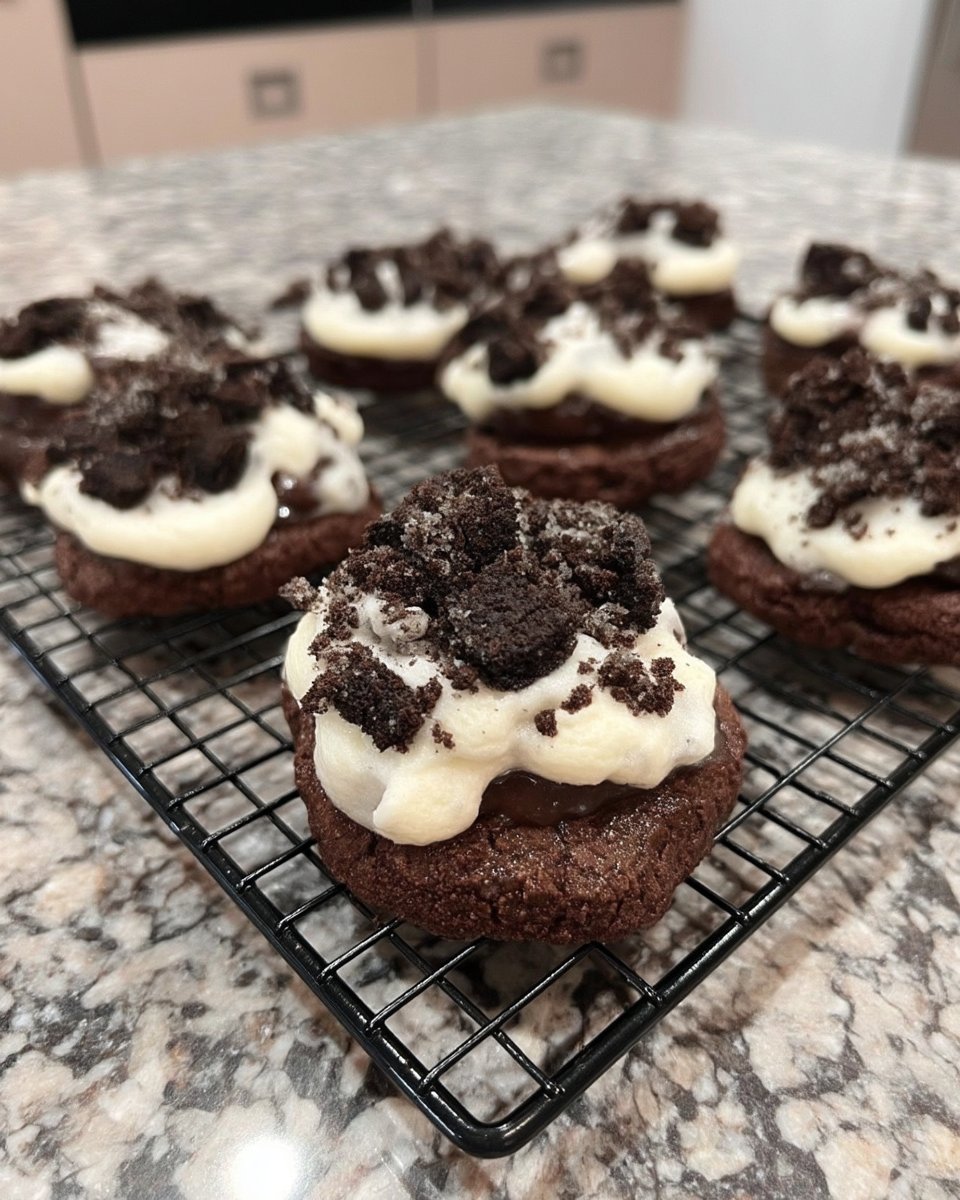
Texture perception changes significantly with temperature. Warm from the oven (after the requisite 5-minute set time), these cookies are at their softest, with the white chocolate chips in a semi-liquid state. This is the peak experience for gooey-texture lovers.
However, we also tested these after full cooling. Once the cocoa butter in the white chocolate and the milk fat in the cream cheese resolidify, the cookie gains a dense, fudgy chewiness that is distinct from a standard butter cookie.
For storage, keep them in an airtight container. The hygroscopic nature of the brown sugar and cornstarch will keep them soft for up to a week. If you are comparing this texture to other trends, check out our Viral Cookie Analysis to see how this hydration method stacks up against current social media favorites.
The Scientific Truth
Baking is chemistry you can eat, and these Cookies and Cream Cookies are proof that understanding your ingredients leads to superior results. By manipulating the fat structure with cream cheese and controlling tenderness with cornstarch, we create a result that is reliably soft and perfectly balanced. The precision of the gram measurements ensures that you can replicate this texture in your own kitchen, regardless of humidity or elevation.
We encourage you to treat each batch as a data point—observe how the temperature of your dough affects the spread, and how the size of your Oreo chop changes the crumb integrity. For more experiments with festive flavors and structures, explore our Holiday Cookie Science archives.
If you are interested in how other bakers approach this flavor profile, you might compare our cream cheese heavy ratio to the butter-based methods found in resources like Sally’s Baking Addiction.
Did this recipe work for your specific texture preferences? Let us know your data.