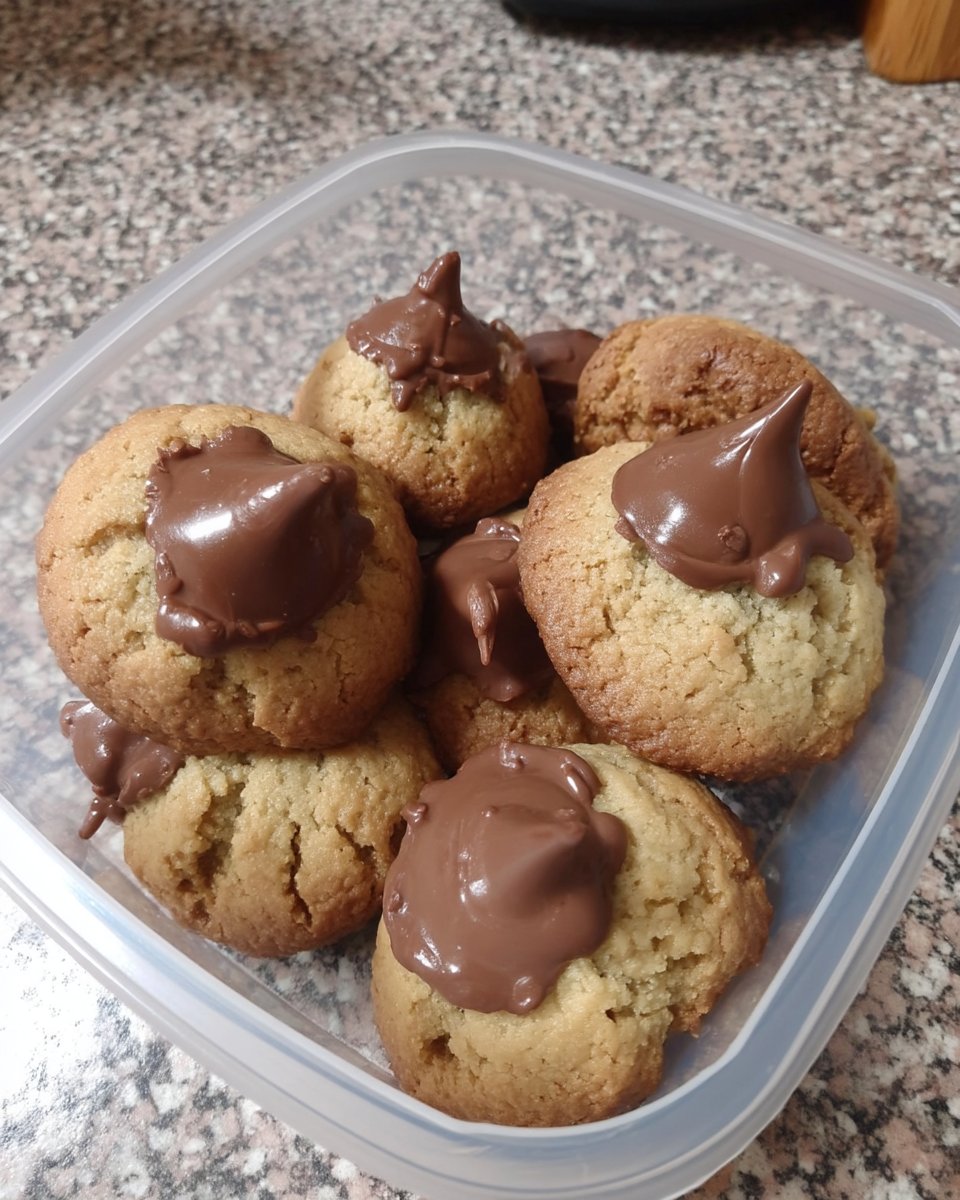
Pumpkin is a notoriously difficult ingredient in cookie chemistry because its high water content often leads to a cakey, muffin-like texture rather than a chewy cookie. By initiating the Maillard reaction with brown butter and restricting hydration to just the egg yolk, we reduce the moisture load while amplifying the nutty, caramelized aroma compounds. This creates a dense, chewy structure that perfectly supports the warm, volatile oils found in autumn spices.

These Fall Cookies are scientifically balanced to deliver a rich, fudgy center with a crisp, sugar-coated exterior. We focus on lipid-encapsulated spices and the hygroscopic nature of dark brown sugar to maintain chewiness for days. It is a precise study in flavor pairing, merging earthy squash notes with the complex sweetness of maple and vanilla.
The Science of Autumn Flavors
There is a specific reason these cookies stand out among seasonal bakes: the deliberate reduction of water activity. Most pumpkin desserts rely on whole eggs and heavy purees, which activate gluten and create steam, resulting in a cakey crumb. Here, we rely on the specific gravity of brown butter and the emulsifying power of the yolk to create a fudgy, dense texture similar to a brownie.
Furthermore, the flavor pairing is rooted in compound chemistry. The toasted milk solids in the brown butter release pyrazines—nutty, savory flavor molecules—that bridge the gap between the vegetal sweetness of the pumpkin and the spicy warmth of cinnamaldehyde (cinnamon) and eugenol (clove). It is not just a cookie; it is a lesson in textural engineering and aroma layering.
Print
Chewy Pumpkin Cookies
- Total Time: 50 mins
- Yield: 16 cookies
- Diet: Vegetarian
Description
These decadent pumpkin cookies use browned butter and a specific hydration technique to achieve a dense, fudgy texture without any cakeyness. Coated in cinnamon sugar and infused with maple, they are the ultimate scientific approach to autumn baking.
Ingredients
- 1 cup unsalted butter
- 80g pure pumpkin puree
- 1 cup dark brown sugar
- 1 large egg yolk
- 2 tablespoons maple syrup
- 1 teaspoon vanilla extract
- 2 1/4 cups all-purpose flour
- 1 teaspoon baking soda
- 1/2 teaspoon baking powder
- 1/2 teaspoon salt
- 2 teaspoons pumpkin pie spice
- 1/4 cup granulated sugar (for coating)
- 1 teaspoon ground cinnamon (for coating)
Instructions
- Melt the butter in a saucepan over medium heat, stirring until amber bits form and it smells nutty, then remove from heat immediately.
- Transfer the brown butter to a heat-proof container and chill in the refrigerator for about 20 minutes until viscous like soft caramel.
- Preheat oven to 350°F (175°C) and whisk together flour, baking soda, baking powder, salt, and pumpkin pie spice in a medium bowl.
- Vigorously whisk the cooled brown butter with dark brown sugar, then incorporate the egg yolk, maple syrup, vanilla, and pumpkin puree until fully emulsified.
- Gently fold the dry ingredients into the wet mixture using a spatula until no streaks of flour remain, taking care not to overmix.
- Scoop 2oz portions of dough, roll each ball in a mixture of cinnamon and sugar, and bake for 12-15 minutes on a parchment-lined sheet.
Notes
To ensure the best texture, always weigh your pumpkin puree as even a small amount of extra moisture can turn these cookies from chewy to cakey. If the dough feels too soft to roll after mixing, a quick 15-minute rest in the fridge will make the fats more stable and easier to handle.
- Prep Time: 35 mins
- Cook Time: 15 mins
- Category: Dessert
- Method: Baking
- Cuisine: American
Flavor Building Blocks
To achieve the perfect chewy texture, we select ingredients based on their chemical contribution to the dough’s structure and flavor profile.
- Unsalted Butter: We brown this to evaporate water and create toasted milk solids. This concentrates the fat and introduces nutty flavor compounds.
- Pumpkin Puree: Use pure pumpkin, not pie filling. We use a precise amount (80g) to add earthy flavor and color without introducing excess water that would compromise the chew.
- Dark Brown Sugar: The higher molasses content adds acidity, which reacts with the baking soda for lift, and increases hygroscopy (moisture retention) for a softer crumb.
- Egg Yolk: By excluding the white (which is mostly water and protein), we add pure fat and emulsifiers (lecithin) to bind the dough and enrich the texture.
- Maple Syrup: This invert sugar interferes with crystallization, contributing to a softer, bendy texture while adding complex woodsy notes.
- Spices: A blend of cinnamon, ginger, nutmeg, and cloves provides warmth. The coating of cinnamon sugar adds a textural contrast known as “flavor layering.”
The Method
Step 1: Initiate the Maillard Reaction
Start by browning the butter. Melt 1 cup of unsalted butter in a saucepan over medium heat. Stir constantly as it foams and crackles. Once the crackling quiets and you see amber-brown bits at the bottom with a nutty aroma, remove it from the heat immediately. This process develops the crucial flavor foundation.
Step 2: Measure and Chill the Lipid Phase
Pour the browned butter into a heat-proof measuring glass, scraping in all the toasted bits. You should have slightly less than 1 cup due to water evaporation. Chill this liquid gold in the refrigerator for about 20 minutes. It should be cool and viscous, like soft caramel, but not solidified.
Step 3: Dry Ingredient Dispersion
While the fats cool, preheat your oven to 350°F (175°C) and line a baking sheet with parchment paper. In a medium bowl, whisk together the flour, baking soda, baking powder, salt, and pumpkin pie spice. This ensures the leavening agents are evenly distributed for a uniform rise.
Step 4: Create the Emulsion
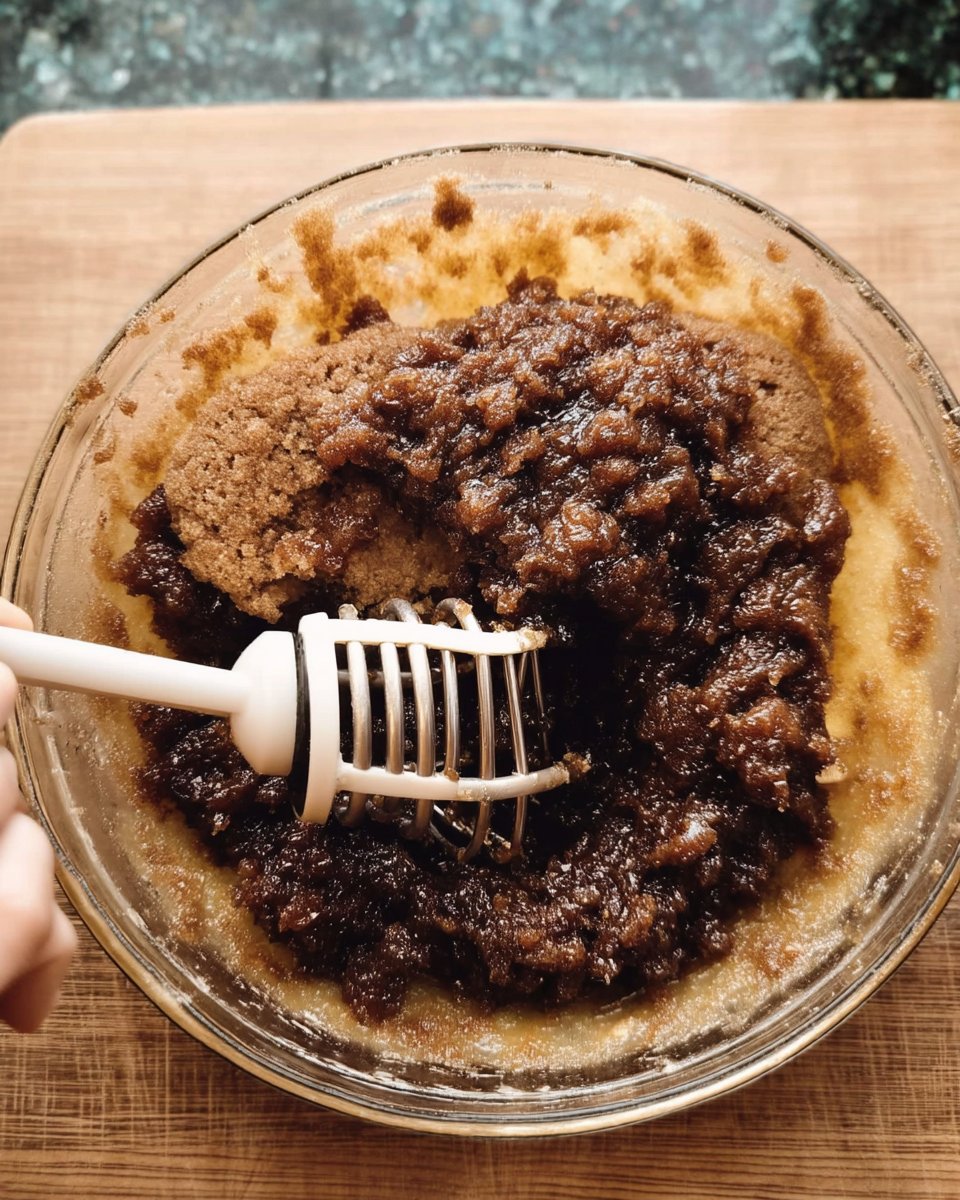
In a large mixing bowl, whisk the cooled brown butter with the dark brown sugar until it resembles wet sand. Add the egg yolk, maple syrup, vanilla extract, and pumpkin puree. Whisk vigorously until the mixture is smooth and fully emulsified. The friction helps dissolve the sugar, which is vital for that shiny, crackly surface.
Step 5: Fold and Hydrate
Switch to a rubber spatula and fold the dry ingredients into the wet mixture. Mix only until no flour streaks remain to avoid over-developing gluten. If the dough feels too warm or loose (it should hold its shape), chill it for 15–20 minutes to firm up the saturated fats.
Step 6: Coat and Bake
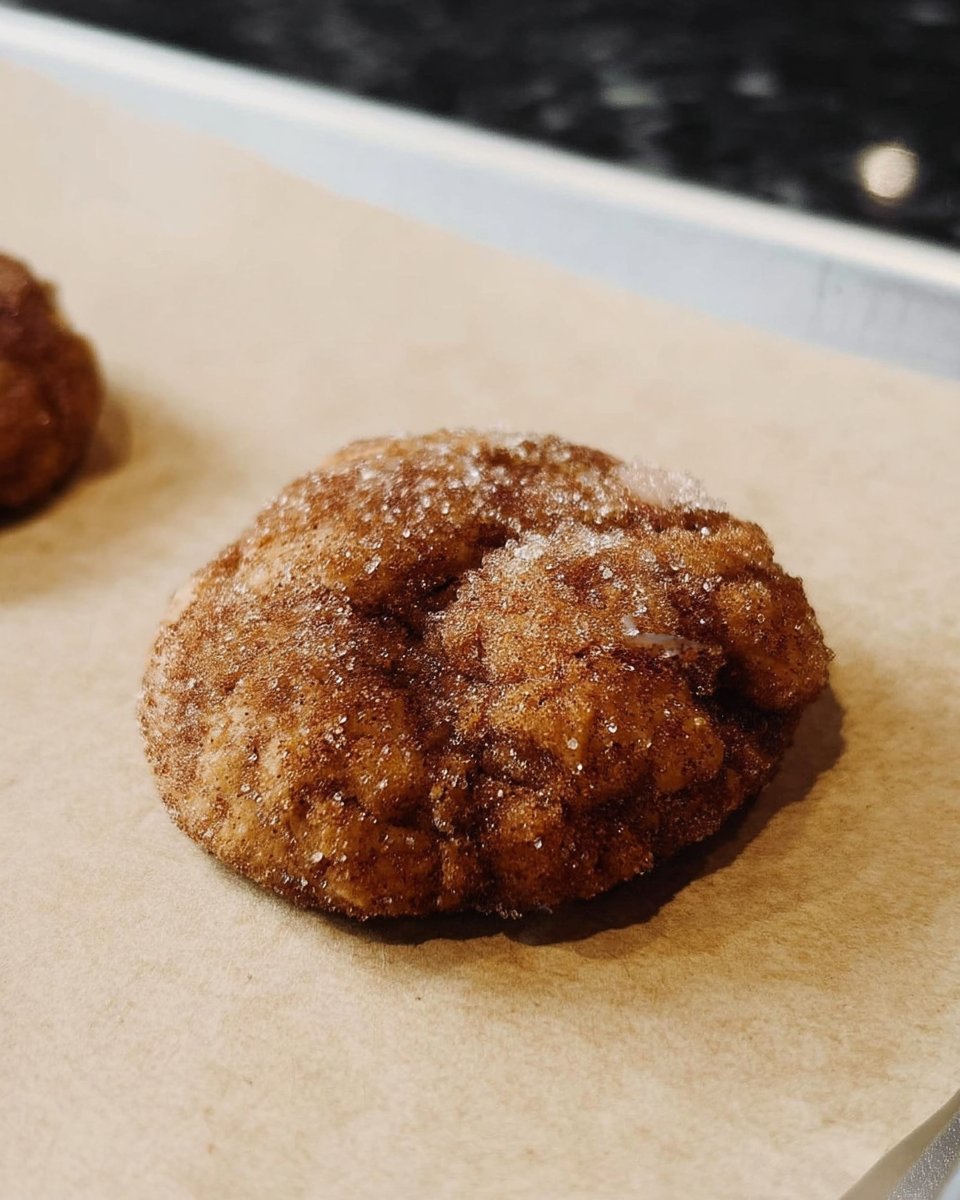
Mix the coating sugar and cinnamon in a small dish. Use a 2oz cookie scoop to portion the dough, then roll each ball in the spiced sugar. Place them 3 inches apart on the baking sheet. Bake for 12–15 minutes. The edges should be darkened and set, while the centers remain puffed and soft. They will deflate and densify as they cool—this is part of the texture development.
Precision Baking Notes
- Temperature Matters: The brown butter must be cooled back down before mixing. If it is too hot, it will melt the sugar prematurely and cook the yolk, breaking your emulsion. Aim for room temperature viscosity.
- Hydration Control: If your pumpkin puree seems incredibly watery, you can blot it briefly with a paper towel, though this recipe is calculated for standard canned puree viscosity. Controlling water is key to preventing cakey textures.
- Resting the Dough: Letting the dough sit for a few minutes allows the flour to fully hydrate, absorbing the free water from the pumpkin. This leads to a better structure. For more on dough handling science, check our Efficient Cookie Methods.
- Scooping Strategy: Use a mechanical scoop for consistent sizing. Uniform mass ensures uniform baking time, preventing some cookies from drying out while others remain raw.
Flavor Experiments
- Chocolate Pairing: Dark chocolate contains bitter tannins that balance the sweetness of the maple and pumpkin. Fold in semi-sweet chocolate chips or chunks for a variation that leans into the “earthy” flavor profile.
- Nutty Pyrazines: Add toasted pecans or walnuts. The crunch contrasts with the chewy center, and the nuts share similar aroma compounds with the brown butter.
- Spice Swaps: If you enjoy a sharper heat, increase the ginger or add a pinch of black pepper. The piperine in pepper can amplify the perception of the other spices. See our Holiday Cookie Science for more seasonal spice blend ideas.
Serving & Pairing
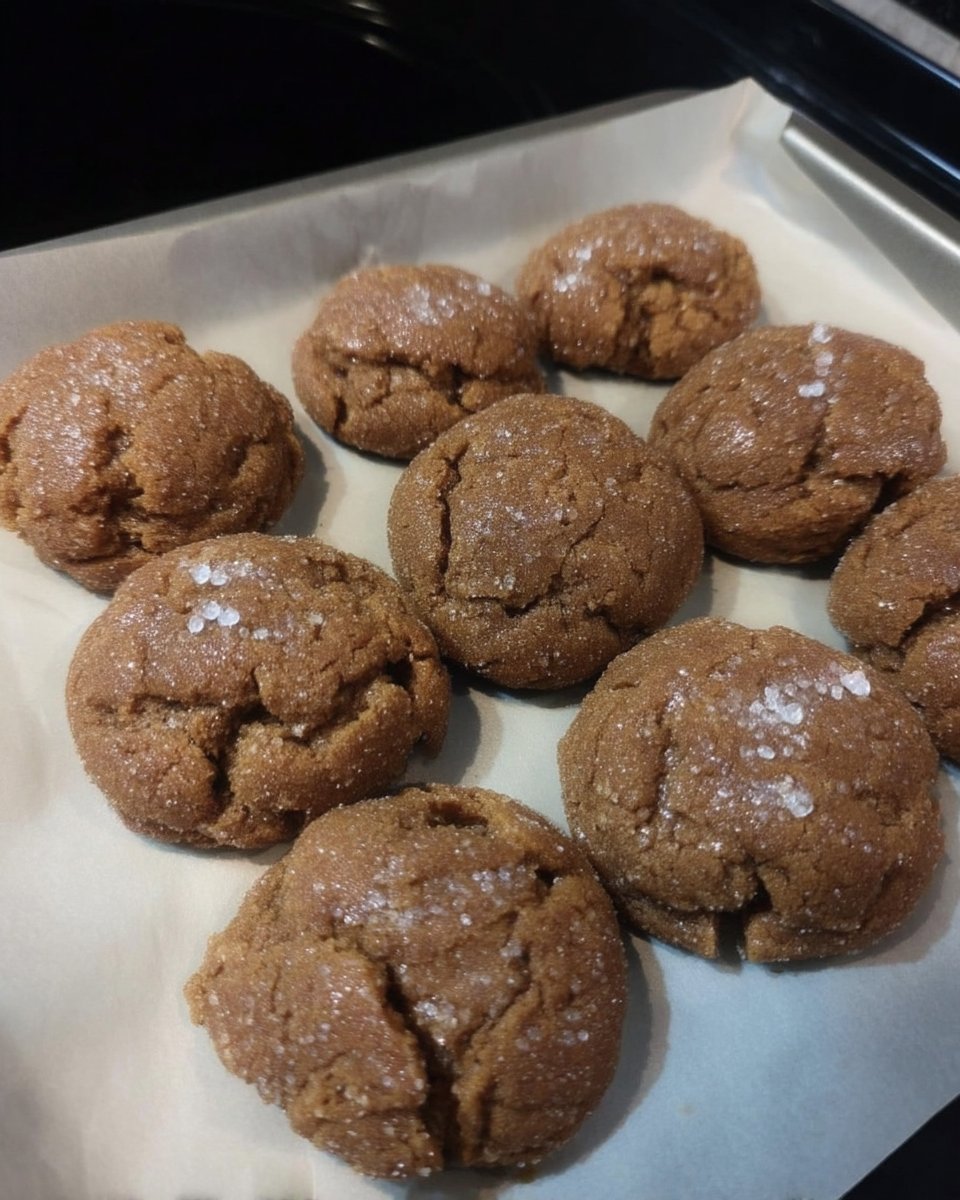
These cookies are best served slightly warm, where the cocoa butter in any added chocolate or the fats in the butter are in a liquid state, coating the tongue more effectively. For a beverage pairing, a dark roast coffee is ideal. The roasted bitterness cuts through the sweetness and highlights the caramelized notes of the brown butter. Alternatively, a cold glass of milk cleanses the palate between bites.
For a dessert spread, these pair beautifully with vanilla bean ice cream, as the vanillin compounds amplify the perception of sweetness in the pumpkin. If you are interested in how temperature affects flavor perception, read our Viral Cookie Analysis.
The Final Crumb
By controlling hydration and maximizing the Maillard reaction, we transform the humble pumpkin cookie into a texturally complex, chewy treat that celebrates the science of autumn flavors. It is a perfect example of how understanding your ingredients allows you to manipulate texture and taste with precision.
For more foundational techniques, explore our Foundation Cookie Recipes. This recipe was inspired by the work at Butternut Bakery, a great example of flavor balance.
Share your results with us on social media: