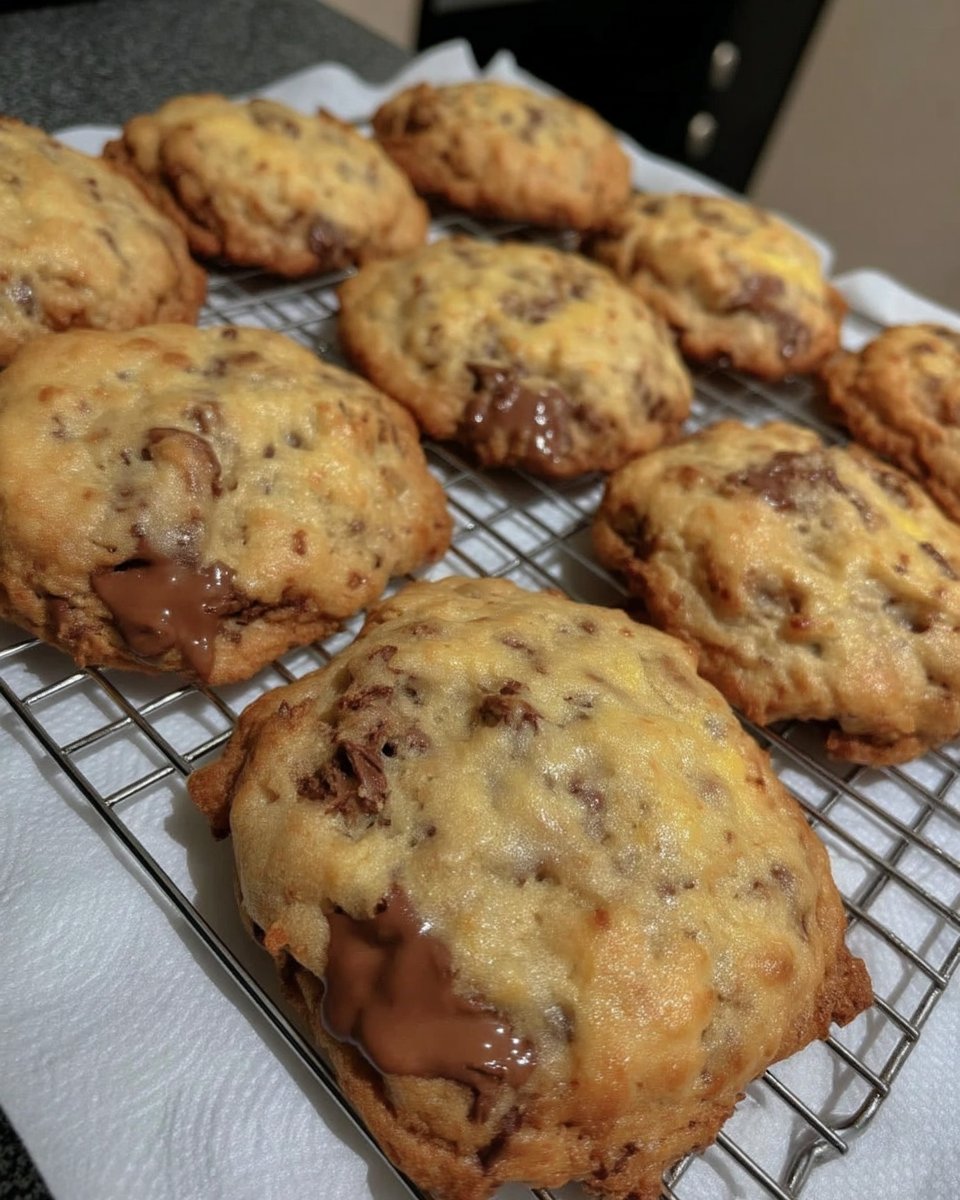
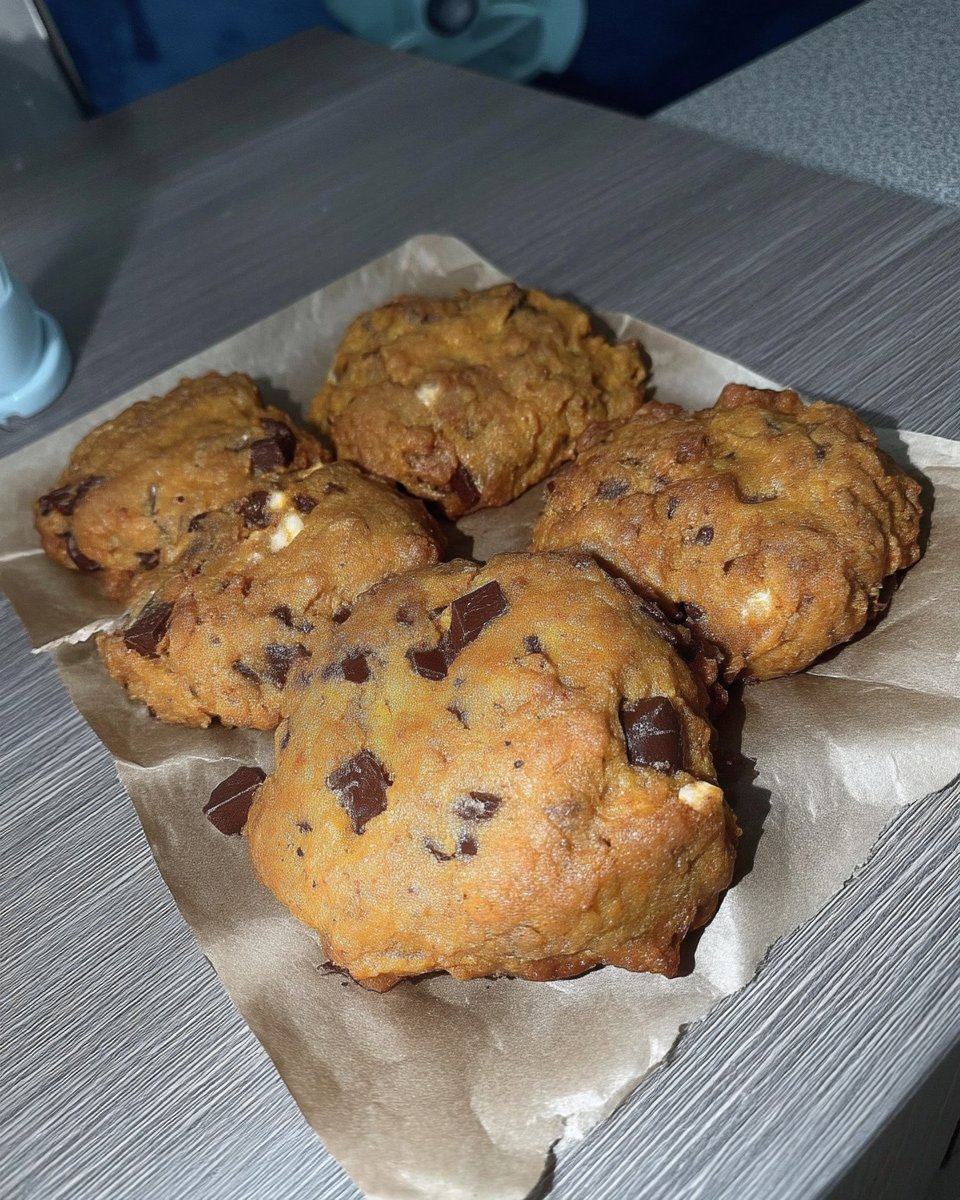
While investigating the molecular structure of green cardamom, I found that its primary terpene, 1,8-cineole, possesses a camphor-like freshness that perfectly cuts through the heavy lipids in pistachios. This pairing works because the cooling effect of the spice balances the savory-sweet richness of the nut’s fatty acid profile. We are creating a bridge between two distinct botanical families to achieve a singular, rounded taste through intentional chemistry.

This recipe uses a mechanical emulsion technique by processing whole nuts into a paste with olive oil before creaming with butter. This specific sequence yields a cookie with an incredibly fine crumb and a concentrated pistachio presence that store-bought nut butters simply cannot replicate. By controlling the particle size of the nuts, we dictate the final mouthfeel and flavor release of the finished bake.
The Molecular Synergy of Spice and Seed
These cookies offer a fascinating study in flavor layering and texture. Most pistachio bakes rely on extracts, but we use a high-concentration nut paste to introduce authentic roasted pyrazines. This savory-roasted base interacts with the vanillin in the vanilla and the floral notes of cardamom to create a complex profile that evolves as you chew.
The addition of olive oil serves a dual purpose: it acts as a liquid fat that keeps the crumb tender and introduces its own polyphenols, which add a slight peppery finish. This prevents the cookie from becoming cloyingly sweet. You will notice how the salt on the pistachios suppresses bitterness, making the subtle sweetness of the cardamom more prominent on your palate.
Print
Cardamom Pistachio Cookies
- Total Time: 30 mins
- Yield: 24 cookies
- Diet: Vegetarian
Description
These sophisticated cookies combine the earthy richness of a homemade pistachio-olive oil paste with the cooling, floral notes of freshly ground cardamom. The result is a tender, fine-crumbed treat that perfectly balances savory lipids with a complex aromatic profile for a truly elevated baking experience.
Ingredients
- 1 cup roasted and salted pistachios
- 2 tablespoons olive oil
- 1/2 cup unsalted butter, softened
- 1/2 cup granulated white sugar
- 1/2 cup packed light brown sugar
- 1 large egg
- 1 teaspoon vanilla extract
- 1 1/2 cups all-purpose flour
- 1 teaspoon ground cardamom
- 1/2 teaspoon baking soda
- 1/2 teaspoon baking powder
Instructions
- Preheat your oven to 350ºF and line a large baking sheet with parchment paper.
- Place the roasted pistachios in a food processor and grind for about 45 seconds; while the processor is running, slowly drizzle in the olive oil until a thick, crunchy paste forms.
- In a large mixing bowl, cream together the homemade pistachio paste and softened butter until smooth, then add both sugars and beat until the mixture is light and aerated.
- Mix in the egg and vanilla extract until the dough is fully emulsified.
- In a separate bowl, whisk together the flour, ground cardamom, baking soda, and baking powder to ensure even distribution.
- Slowly fold the dry ingredients into the wet mixture until a soft, cohesive dough forms.
- Drop teaspoon-sized portions of dough onto the prepared baking sheet, leaving 2 inches of space between each cookie.
- Bake for 15-18 minutes until the edges are golden brown and the centers remain slightly pale.
Notes
To achieve the most vibrant flavor, try to use freshly ground cardamom seeds rather than pre-ground powder, as the volatile oils provide a much deeper aroma. If your kitchen is particularly warm, chilling the dough for 20 minutes before baking can help prevent the cookies from spreading too much on the pan.
- Prep Time: 15 mins
- Cook Time: 15 mins
- Category: Dessert
- Method: Baking
- Cuisine: Fusion
Breaking Down the Flavor Components
To achieve the perfect balance of aroma and texture, we select ingredients based on their chemical contributions to the final bake.
- Roasted and Salted Pistachios: These provide the primary lipid base and structural bulk. The salt already present on the nuts helps regulate the sweetness of the sugars through taste-bud suppression.
- Olive Oil: A monounsaturated fat that remains liquid at room temperature, providing a moist mouthfeel that butter alone cannot sustain.
- Ground Cardamom: Rich in cineole and limonene, this spice provides the high-frequency aroma notes that contrast the deep, earthy tones of the nuts.
- Brown and White Sugar: We use a dual-sugar system. The white sugar assists with the Maillard reaction and crisp edges, while the brown sugar adds moisture and molasses-based acidity to react with the leavening agents.
- Butter: Softened butter creates the initial emulsion with the sugars, trapping air bubbles that expand during the baking process for a light, yet dense, structure.
The Flavor Method: A Step-by-Step Guide
Step 1: Create the Pistachio Emulsion
Heat your oven to 350ºF and prepare your baking surface with parchment. Place the roasted pistachios into a food processor and grind for approximately 45 seconds. As the cell walls of the nuts break down and release their natural oils, slowly drizzle in the olive oil. This creates a stable paste with a texture similar to crunchy peanut butter, ensuring the fats are evenly distributed throughout the dough.
Step 2: Cream the Fats and Sugars
In a large mixing bowl, combine your freshly made pistachio butter with the softened dairy butter. Beat these together until smooth before adding both sugars. Continue to mix until the mixture is light and aerated. This step is vital for the mechanical leavening of the cookie, as the sugar crystals carve tiny air pockets into the fat.
Step 3: Incorporate Aromatics and Bind
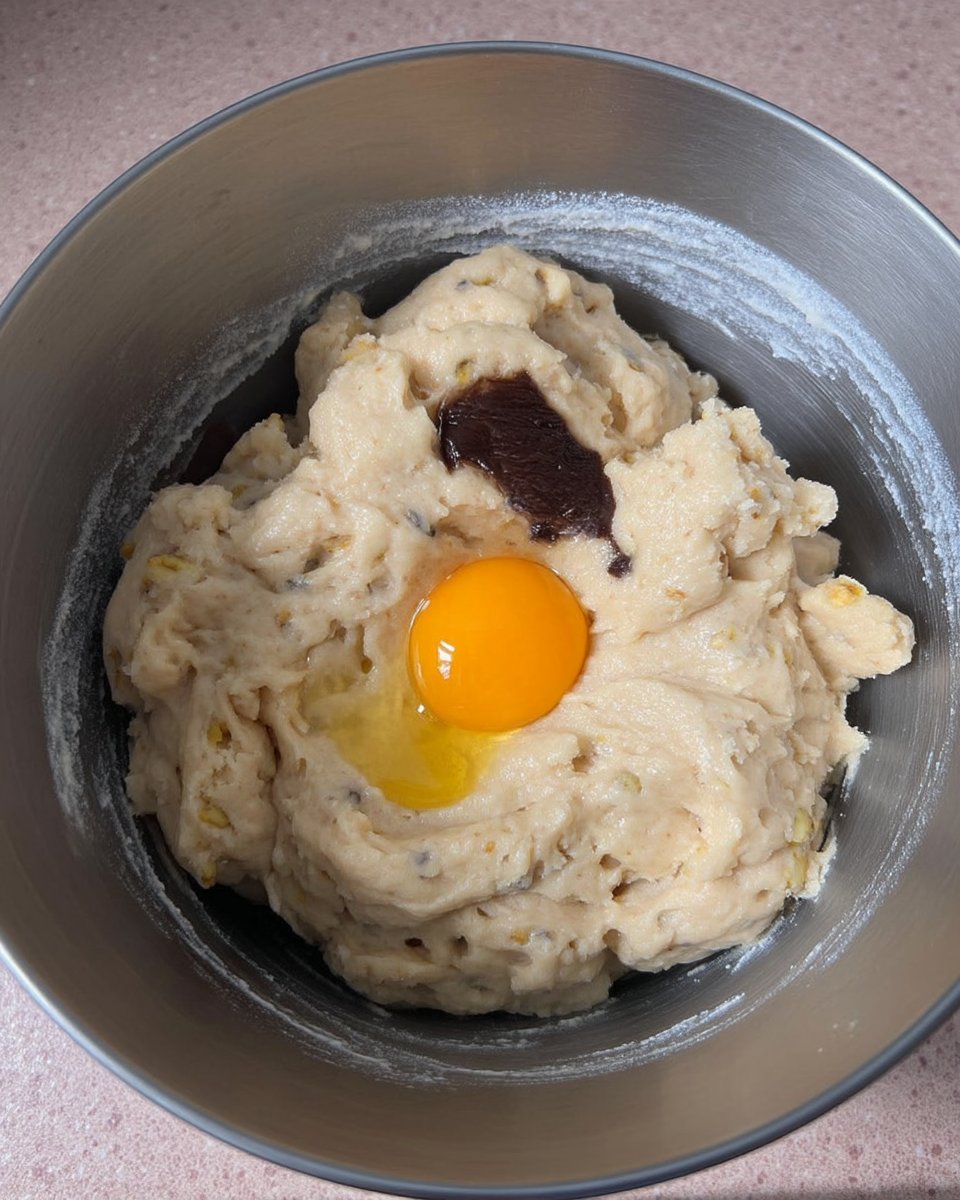
Add the egg and vanilla to the creamed mixture. The egg acts as the primary emulsifier, linking the fats and water-based ingredients together. The vanilla bean compounds will act as a flavor bridge, strengthening the perception of sweetness without adding extra glucose.
Step 4: Blend the Dry Components
In a separate vessel, whisk together the flour, baking soda, baking powder, and ground cardamom. Whisking ensures the leavening agents and spice are perfectly dispersed, preventing any concentrated ‘hot spots’ of cardamom. Slowly fold these dry ingredients into the wet mixture until a cohesive, soft dough forms.
Step 5: Shape and Bake
Drop teaspoon-sized portions of dough onto your sheet, maintaining a 2-inch clearance. This space is necessary for heat distribution and the chemical expansion of the gases. Bake for 15-18 minutes. The edges will undergo the Maillard reaction first, turning golden brown, while the centers remain pale to preserve a soft, chewy interior.
Jasmine’s Flavor Notes and Pairing Secrets
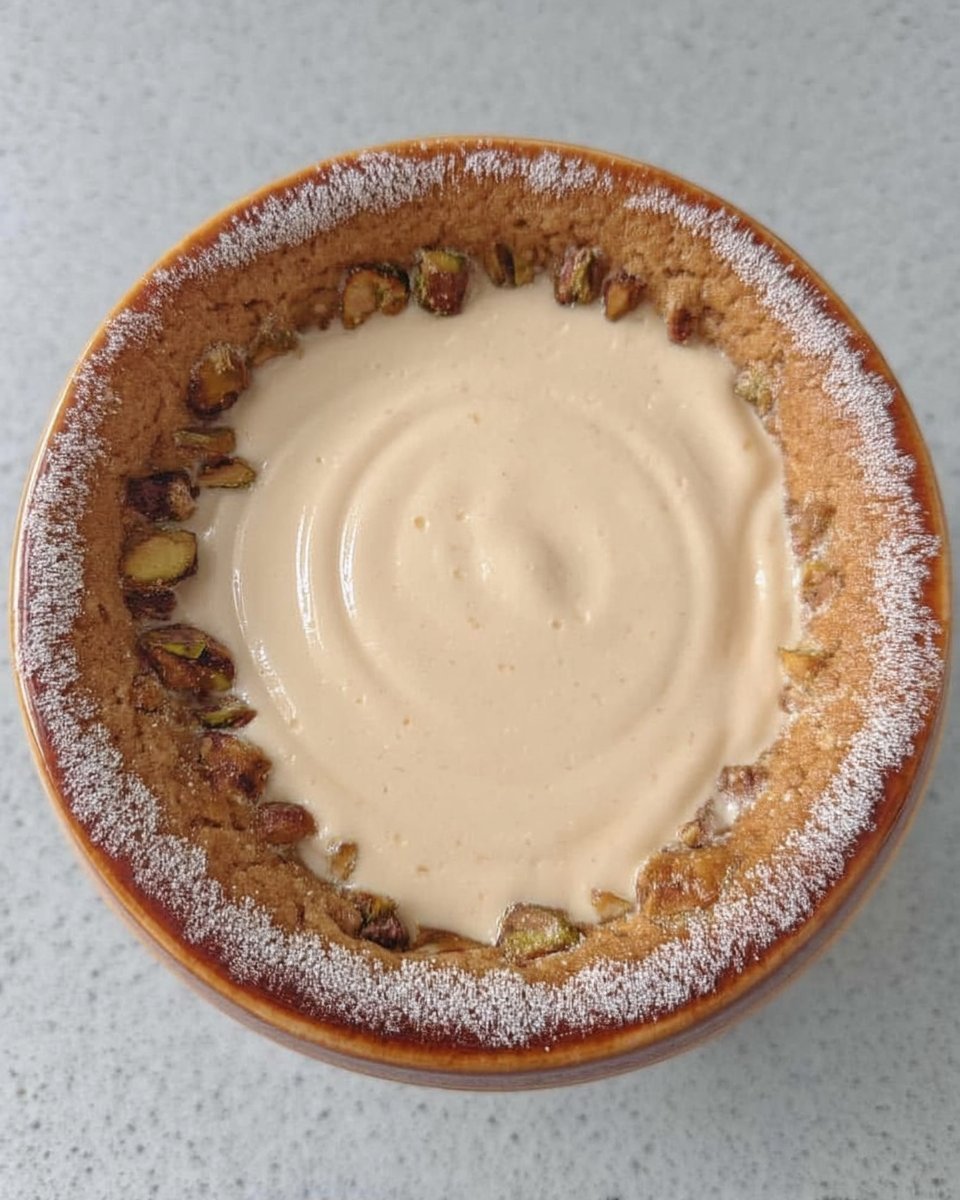
One of the most important aspects of this recipe is the temperature of the butter. If the butter is too warm, the emulsion will fail, leading to excessive spreading. For a more intense aroma, I recommend grinding whole cardamom pods yourself; the volatile oils in pre-ground spices dissipate quickly over time.
To further understand how fats impact your results, you can check our guide on Foundation Cookie Recipes. For another perspective on incorporating nuts into doughs, this Pistachio Cardamom Inspiration offers great insights into traditional ratios. Remember that adding a tiny pinch of flaky sea salt on top immediately after baking will create a sharp contrast that makes the floral cardamom notes pop.
Scientific Swaps and Aroma Alternates
If you want to experiment with the terpene profile of these cookies, consider adding a teaspoon of orange zest. The limonene in the orange shares a molecular link with cardamom, creating a bright, citrusy lift. For those who prefer a more robust savory note, swapping the olive oil for toasted sesame oil introduces nutty pyrazines that complement the pistachio perfectly.
You can also investigate how different sugars affect the browning process in our Holiday Cookie Science section. If you find yourself out of cardamom, coriander is a surprisingly effective substitute as it also contains high levels of linalool, which provides a similar floral and citrus-like aroma profile without the heavy camphor of cardamom.
Optimizing the Tasting Experience
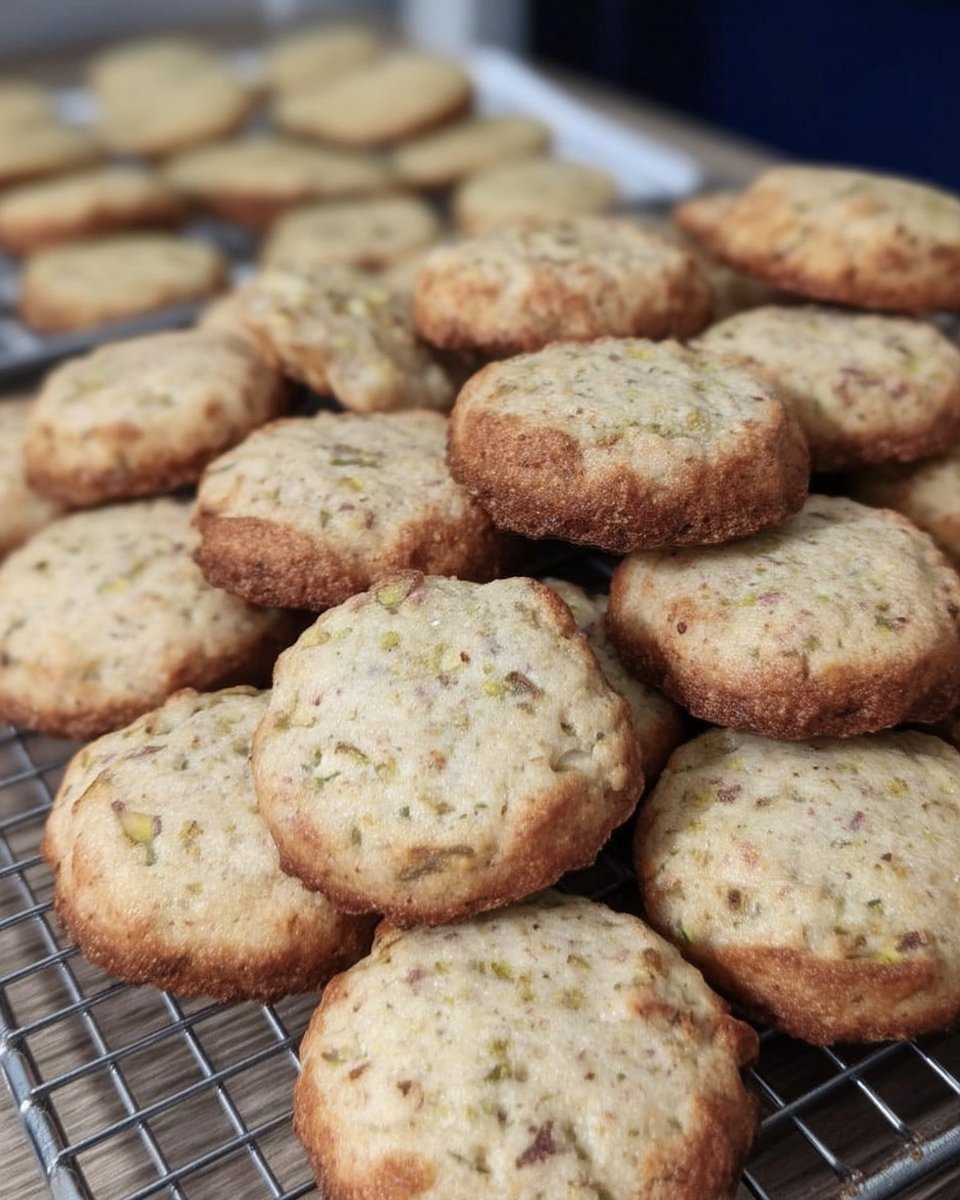
These cookies are best served at room temperature to allow the volatile aromatic compounds in the cardamom to reach your olfactory sensors effectively. I highly recommend pairing them with a medium-roast coffee. The chlorogenic acids in the coffee harmonize with the earthy pistachio, while the heat of the beverage helps melt the fats on your tongue, releasing a second wave of flavor.
For those interested in high-output baking, our Efficient Cookie Methods can help you scale this recipe for large gatherings. You might also serve these alongside a scoop of vanilla bean gelato; the cold temperature of the ice cream provides a physical contrast to the warm spice of the cardamom.
The Final Flavor Equation
Understanding the interaction between nut lipids and spice aromatics transforms a simple bake into a scientific discovery. These cardamom pistachio cookies demonstrate how intentional ingredient selection and mechanical processing create a superior sensory experience. By focusing on the chemistry of the ingredients, you have created a treat that is balanced, complex, and memorable.
For those looking to perfect their presentation, see our tips on Precision Cookie Decorating. I would love to see your results and hear your thoughts on this flavor combination. Connect with us on Instagram, Facebook, and Pinterest to share your scientific baking journey and find more flavor-pairing inspiration.