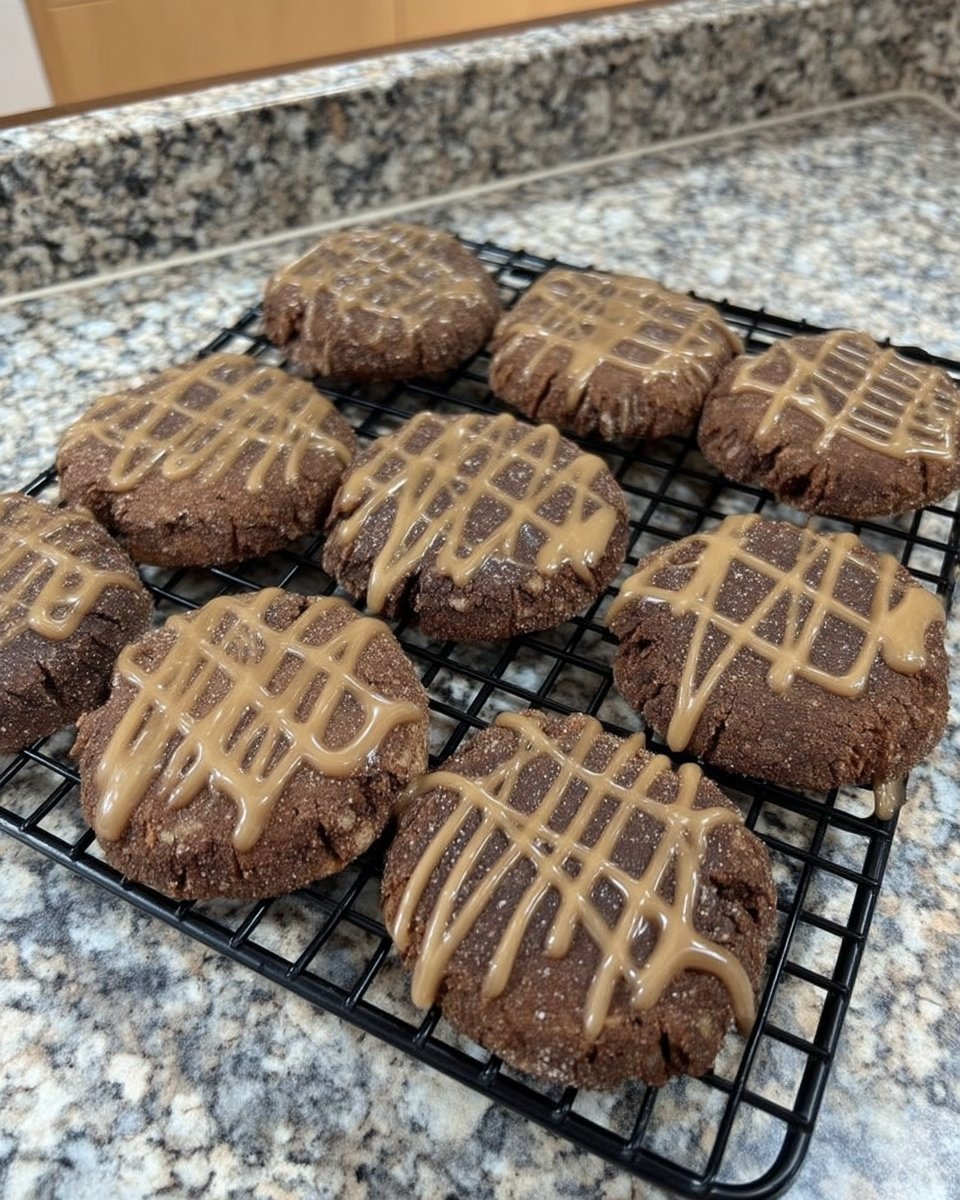
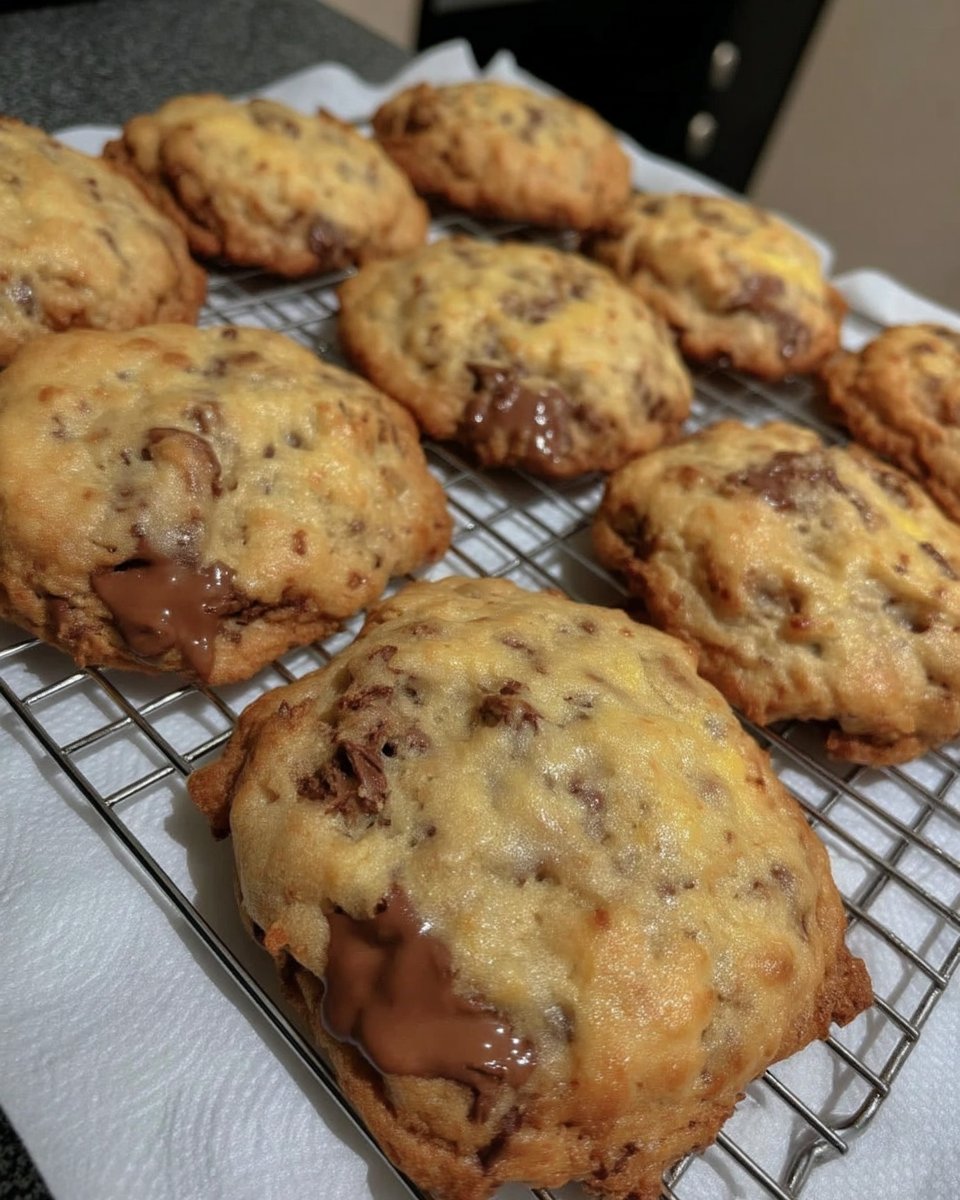
In the mid-19th century, British bakers often relied on black pepper to bolster the heat of ginger, which could vary wildly in potency depending on the trade route. This method was not merely about aggression; it was a technical solution to provide a consistent, warming finish that resonated through the dense molasses. Victorian kitchens understood that the sharp bite of Piper nigrum acted as a chemical catalyst, making the floral notes of other spices more perceptible on the palate.

These Black Pepper Ginger Cookies utilize a traditional melted butter method to produce a structure that is both sturdy and remarkably tender. By carefully balancing six distinct spices with unsulphured molasses, we create a profile that avoids the one-dimensional sweetness found in many modern biscuits. This recipe rewards the methodical baker who respects the history of the spice trade and the precise science of leavening.
The Technical Tradition of Balanced Heat
You will find this recipe compelling because it respects the chemical reality of spice interactions. Most ginger biscuits rely solely on sugar for appeal, but here, the black pepper provides a sophisticated counterpoint that prevents the molasses from becoming cloying. This is a study in the Maillard reaction, where the sugars in the molasses and the proteins in the egg react under high heat to produce a deep, toasted complexity.
The inclusion of cardamom and cloves adds a historical depth reminiscent of traditional Shrewsbury biscuits. The texture is neither a hard snap nor a cakey soft cookie; it is a precisely engineered middle ground. The exterior develops a delicate, crystalline crust from the sugar rolling, while the interior remains humid and dense due to the hygroscopic nature of the brown sugar and molasses. It is a triumph of old-world wisdom meeting modern laboratory testing.
Bakers who value structural integrity will appreciate how the melted butter inhibits excessive gluten development, resulting in a cookie that melts away rather than resisting the bite. This is not just a treat; it is a demonstration of how specific ingredient ratios can dictate a precise sensory experience. Every bite offers a gradual transition from the immediate sweetness of the sugar coating to the lingering, controlled warmth of the pepper and ginger.
Print
Black Pepper Ginger Cookies
- Total Time: 45 mins
- Yield: 24 cookies
- Diet: Vegetarian
Description
These sophisticated ginger biscuits offer a complex heat by pairing traditional warm spices with freshly ground black pepper. The melted butter method creates a dense, chewy interior protected by a delicate, crystalline sugar crust.
Ingredients
- 3/4 cup butter, melted
- 1/4 cup unsulphured molasses
- 1 teaspoon vanilla extract
- 1 large egg, beaten
- 2 cups all-purpose flour
- 1 cup brown sugar
- 2 teaspoons baking soda
- 1/2 teaspoon salt
- 1 teaspoon ground ginger
- 1/2 teaspoon ground cinnamon
- 1/4 teaspoon ground nutmeg
- 1/4 teaspoon ground cloves
- 1/4 teaspoon ground cardamom
- 1/2 teaspoon freshly ground black pepper
- 1/2 cup finely snipped candied ginger
- 1/3 cup granulated sugar, for rolling
Instructions
- Melt the butter over low heat until liquid, then remove from heat and stir in the molasses and vanilla extract; allow the mixture to cool completely to room temperature.
- In a large glass bowl, whisk together the all-purpose flour, brown sugar, baking soda, salt, and the full array of ground spices and black pepper for at least sixty seconds.
- Whisk the beaten egg into the cooled butter and molasses mixture until smooth, then pour into the dry ingredients and add the candied ginger.
- Use a sturdy spatula to fold the components together until just combined, then refrigerate the dough for exactly 15 minutes to allow for proper hydration.
- Preheat your oven to 375°F (190°C) and roll the chilled dough into consistent one-inch balls.
- Coat each ball thoroughly in granulated sugar, place on an ungreased baking sheet with two inches of clearance, and bake for 10 minutes until the tops crack and edges are set.
- Cool the cookies on the baking sheet for five minutes before transferring them to a wire rack to finish cooling.
Notes
To achieve the most consistent crackle pattern on your cookies, ensure your oven is fully preheated before the trays go in. Using a room temperature egg will help the emulsion stay stable when combined with the melted butter and molasses mixture, preventing any separation in the dough.
- Prep Time: 20 mins
- Cook Time: 10 mins
- Category: Cookies
- Method: Baking
- Cuisine: British
Proper Components for Spiced Excellence
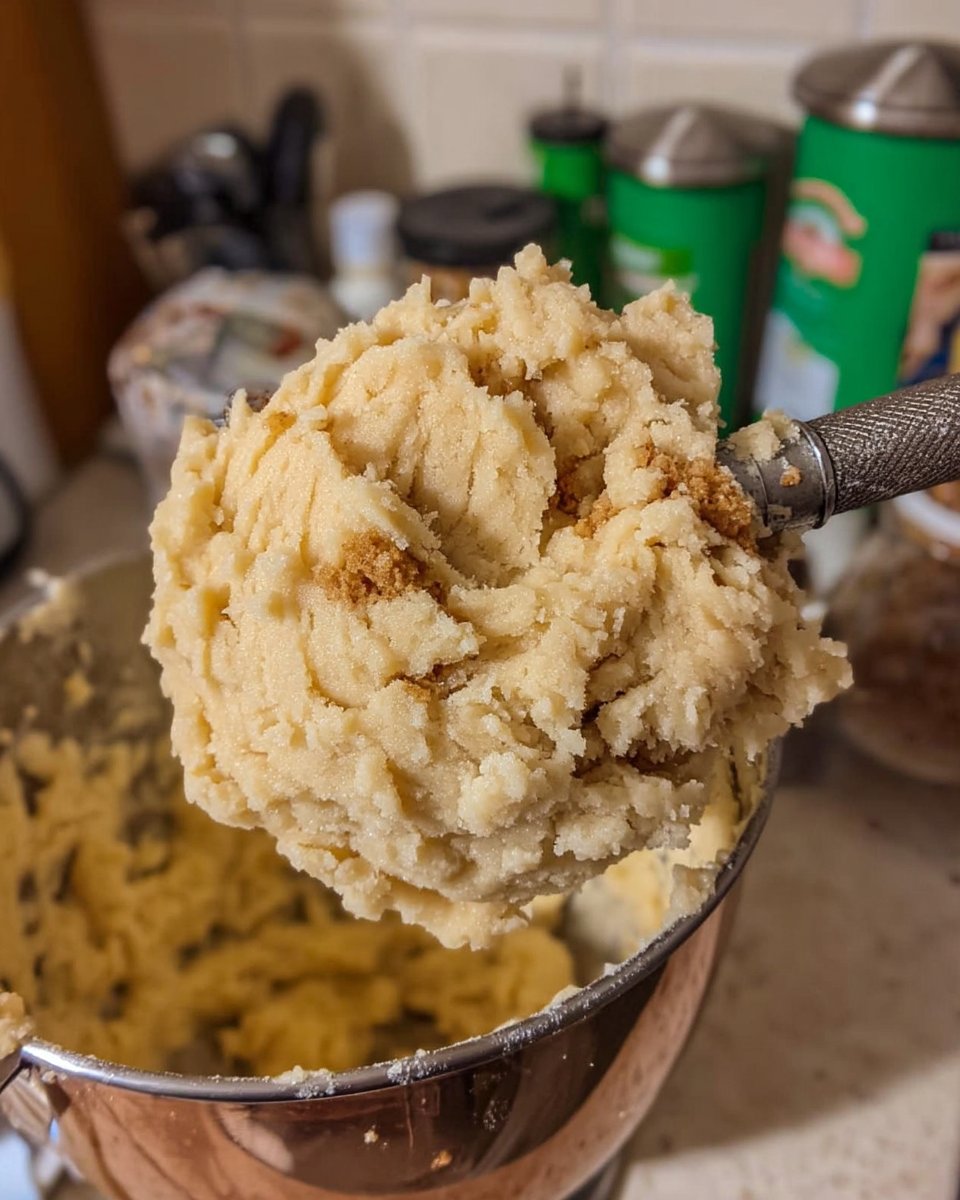
Achieving the correct balance in these cookies requires an understanding of how each component behaves under thermal stress. The selection of ingredients is not arbitrary; it follows a rigorous logic rooted in British biscuit heritage.
- Butter (3/4 cup): We use melted butter here to create a specific density. Unlike the creaming method, which traps air for a light crumb, melting the fat results in a chewier, more substantial texture that supports the heavy spice load.
- Molasses (1/4 cup): Use unsulphured molasses for a clean, bitter-sweet profile. This provides the acidity necessary to react with the baking soda, creating the carbon dioxide bubbles that result in the characteristic cracked surface.
- The Spice Suite: This includes ground ginger (for punch), cinnamon (for warmth), nutmeg and cloves (for earthy depth), and cardamom (for a citrusy floral lift).
- Freshly Ground Black Pepper (1/2 teaspoon): The pepper must be ground immediately before use to preserve its volatile oils, which are responsible for the controlled heat.
- Candied Ginger (1/2 cup): These small, crystalline bursts provide a textural contrast and a concentrated ginger flavor that persists after the ground spices have faded.
- All-Purpose Flour (2 cups): A standard mid-protein flour provides enough structure to prevent spreading without making the biscuit tough.
- Baking Soda (2 teaspoons): This leavener is essential for the high-alkalinity environment that encourages browning and the iconic top-surface crackle.
The Proper Method for Spiced Biscuits
Step 1: Emulsifying the Liquids
Begin by melting the butter over low heat until completely liquid but not browned. Remove from heat and stir in the molasses and vanilla extract. This step is crucial for creating a homogeneous base; the molasses must be fully integrated into the fat before the egg is added to prevent separation. Allow this mixture to cool to room temperature to guarantee the egg does not scramble upon contact.
Step 2: Preparing the Dry Foundation
In a large glass bowl, whisk together the all-purpose flour, brown sugar, baking soda, salt, and the entire spice array. It is vital to whisk for at least sixty seconds to distribute the baking soda and pepper evenly. Any clumps of soda will result in bitter pockets and uneven rising during the baking process.
Step 3: Integrating the Components
Add the beaten egg to the cooled butter and molasses mixture, whisking until smooth. Pour the wet ingredients into the dry bowl and add the finely snipped candied ginger. Use a sturdy spatula to fold the ingredients together. Historical wisdom suggests folding rather than vigorous stirring to maintain a delicate balance of gluten development.
Step 4: The Necessary Hydration Rest
Refrigerate the dough for exactly 15 minutes. This is not a suggestion; it is a technical requirement. This rest allows the flour to fully hydrate and the fat to firm up slightly. Proper hydration results in a more uniform spread and a deeper flavor profile as the enzymes in the flour begin to break down starches into simpler sugars.
Step 5: Thermal Application and Finishing
Preheat your oven to 375°F (190°C). Roll the dough into consistent one-inch balls and coat them thoroughly in a shallow dish of granulated sugar. Place them on an ungreased baking sheet with two inches of clearance. Bake for 10 minutes. Watch for the moment the tops begin to crack and the edges set; this signifies that the internal moisture has reached the boiling point and the structure is locked. Cool on the sheet for five minutes before transferring to a wire rack to preserve the base’s integrity.
Jordan’s Technique Notes for Precision
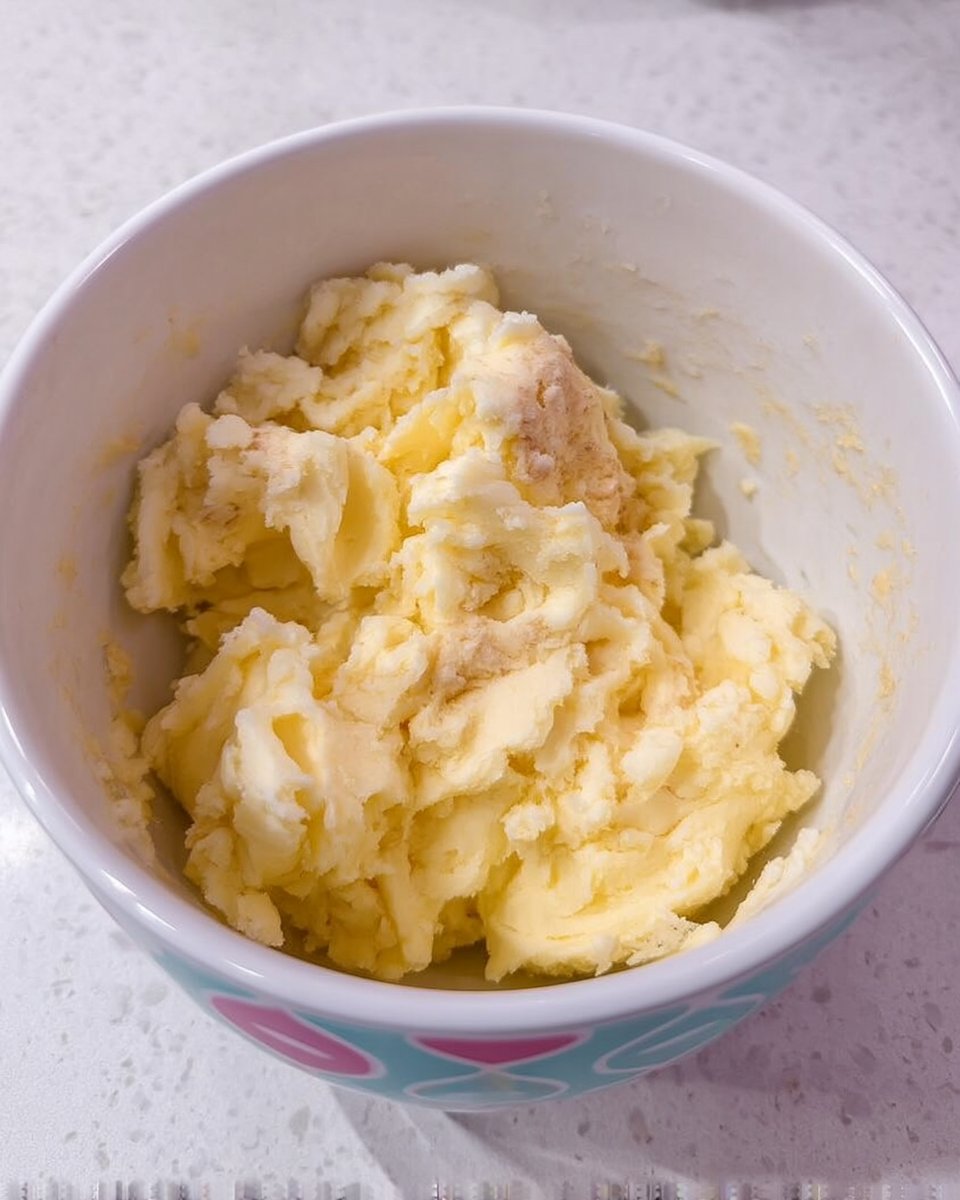
One technical secret to mastering the texture of these cookies involves the temperature of your spices. For the most potent results, keep your ground ginger in a cool, dark place, as heat quickly degrades the gingerol compounds. If you want to understand more about how fat temperatures affect your final bake, I recommend reviewing our guide on Foundation Cookie Recipes.
When grinding your black pepper, use a medium-fine setting. If the grind is too coarse, it will create hot spots in the dough; if it is too fine, the heat will be one-note rather than a layered experience. Also, consider the age of your baking soda. To test its viability, drop a pinch into a teaspoon of vinegar—if it doesn’t bubble vigorously, your cookies will fail to crack and will remain dense and heavy. Modern testing shows that even a six-month-old box can lose the potency required for this specific chemical reaction.
Classic Variations and Regional Adaptations
While this recipe stays true to the peppery traditions of the late 1800s, there are several regional adaptations you might consider. In some Northern British traditions, a small amount of orange zest is added to the dry ingredients to brighten the heavy spices. For those interested in the chemistry behind these seasonal bakes, our section on Holiday Cookie Science provides deeper context on why certain spices pair better with high-acid sweeteners like molasses.
You might also consider a “Snap” variation. To achieve a harder, more brittle biscuit, increase the baking time by two minutes and slightly reduce the amount of brown sugar in favor of white sugar. This change alters the moisture retention, leading to a crisper structure. Alternatively, substituting the candied ginger with finely chopped dried apricots creates a tartness that cuts through the pepper, a variation sometimes seen in Victorian tea rooms looking for a lighter afternoon accompaniment.
Traditional Service and Classic Enjoyment
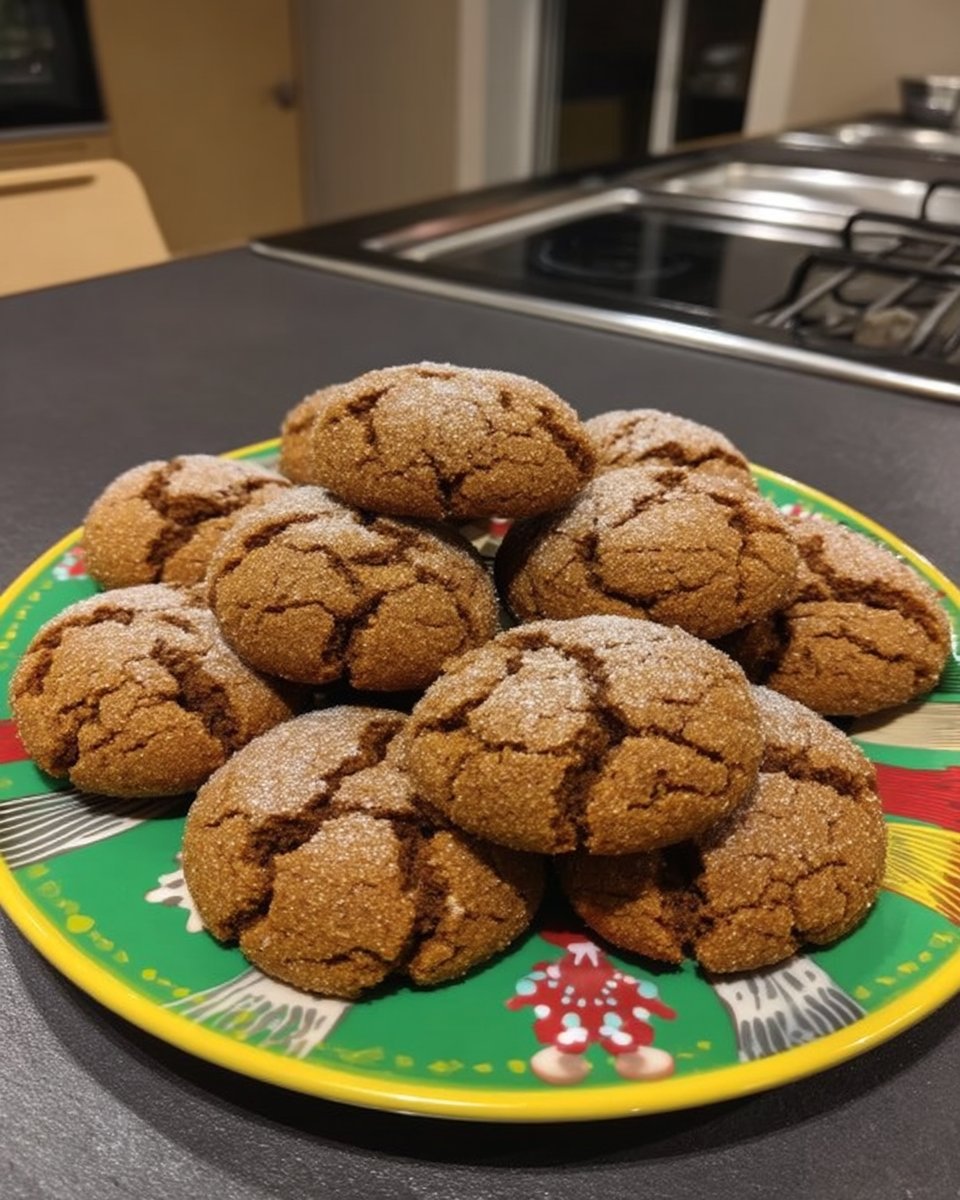
To honor the heritage of these biscuits, they should be served alongside a robust black tea, such as an Earl Grey or a traditional Assam. The tannins in the tea provide a structural contrast to the spices in the cookie. For a more formal presentation, use a tiered server and ensure the cookies have reached room temperature to allow the spice oils to settle. If you are interested in the aesthetics of the perfect presentation, see our tips on Precision Cookie Decorating.
Historically, these were often served with a small wedge of sharp cheddar cheese in Yorkshire—a combination that might seem unusual today but is scientifically sound. The fat and salt in the cheese act as a flavor bridge, highlighting the sweetness of the molasses while tempering the heat of the pepper. This is a fascinating way to introduce a savory element to your dessert service, keeping with the traditions of British culinary history.
The Technical Truth of the Spice Box
Mastering these Black Pepper Ginger Cookies is a lesson in the delicate balance of chemistry and history. By respecting the 15-minute rest and the precise spice ratios, you produce a cookie that is far more than the sum of its parts. It is a testament to the fact that Victorian bakers were intuitive scientists who understood how to manipulate flavor profiles through the strategic use of heat and acidity. For further exploration of time-saving techniques that do not sacrifice quality, examine our Efficient Cookie Methods.
To see more examples of how different peppers can influence your baking, you might find this Peppery Ginger Recipe from The Spice House helpful. We would love to see your technical bakes in action; please share your results with us on our social platforms. Join our community of methodical bakers on Instagram, Pinterest, and Facebook to continue the conversation about cookie science and history.