In the world of sensory science, the aroma of anise seeds represents a fascinating study in volatile organic compounds, specifically anethole. This compound provides a distinct, aromatic sweetness that triggers deep neural pathways associated with memory and comfort, especially when paired with the rendering of high-quality fats. My family has studied this olfactory phenomenon every Sunday for decades, observing how the scent of baking dough signals a shift in the household atmosphere.

These Biscochos are more than just a cookie; they are a masterclass in the chemistry of fat and emulsions. By using lard instead of butter, we achieve a specific crystalline structure that results in a unique, short-crumb texture that defines this traditional treat. The inclusion of a sweet table wine introduces esters and acidity that tenderize the dough, creating a complex flavor profile that balances the richness of the lard with a bright, fruity finish.
The Flavor Science of the Perfect Snap
When we look at the molecular composition of this Biscochos recipe, we see a beautiful interaction between lipids and proteins. Unlike butter, which contains water, lard is pure fat, meaning it coats the flour proteins more efficiently to prevent gluten development. This is why the texture is remarkably delicate yet stable enough to hold intricate shapes. The addition of anise seeds introduces a chemical complexity; as the seeds heat up, they release oils that permeate the dough, creating a layered taste experience that evolves from the first bite to the finish.
Furthermore, the science of the cinnamon-sugar coating is not just about sweetness; it is about the physics of surface area. By applying the mixture immediately after baking, we take advantage of the residual heat to create a slight caramelization of the sugar crystals. This creates a textural contrast between the crunchy exterior and the melt-in-your-mouth interior. The Mogen David Concord wine contributes tartaric acid, which acts as a flavor modifier, intensifying the perception of the spices and providing a clean finish that prevents the lard from feeling heavy on the palate.
Print
Biscochos
- Total Time: 45 mins
- Yield: 48 cookies
- Diet: Dairy-Free
Description
These traditional anise-scented cookies feature a delicate, short-crumb texture achieved through the use of lard and sweet wine. Perfect for holiday celebrations, they are finished with a signature cinnamon-sugar coating that provides a satisfying snap in every bite.
Ingredients
- 2 cups lard
- 1 cup sugar (for dough)
- 2 whole eggs
- 6 cups all-purpose flour
- 3 teaspoons baking powder
- 1/2 teaspoon salt
- 2 teaspoons anise seed
- 6 tablespoons sweet table wine (Concord grape)
- 1/2 cup sugar (for coating)
- 2 tablespoons cinnamon (for coating)
Instructions
- Preheat your oven to 350°F and prepare your baking sheets.
- In a large basin, cream together the lard and 1 cup of sugar until smooth, then incorporate the eggs one at a time, beating until the mixture is exceptionally fluffy.
- Sift the flour, baking powder, and salt together, then gradually add this dry mixture to the creamed fats while being careful not to overwork the dough.
- Stir in the sweet table wine and the anise seeds, briefly kneading with your hands if necessary until the dough reaches a pliable, non-sticky consistency.
- On a floured board, roll the dough to a precise thickness of 1/8 inch.
- Use cutters to create shapes and place them on a baking sheet, leaving 1/2 inch of space between each cookie.
- Combine 1/2 cup of sugar with 2 tablespoons of cinnamon and lightly sprinkle a portion over the raw cookie tops.
- Bake for 15-20 minutes until the edges turn a soft golden brown, then immediately dredge the hot cookies in the remaining cinnamon-sugar mixture.
Notes
For the most authentic texture, ensure your lard is at a cool room temperature before creaming; if the fat is too warm, it will soak into the flour rather than coating the proteins, leading to a greasy cookie. Using a high-quality Concord grape wine is essential for the traditional flavor profile, as its specific acidity and esters react with the dough to create a uniquely tender crumb.
- Prep Time: 25 mins
- Cook Time: 20 mins
- Category: Dessert
- Method: Baking
- Cuisine: New Mexican
Molecular Building Blocks of Biscochos
To achieve the precise flavor profile required for these cookies, each component must be chosen for its chemical contribution to the final structure.
- Lard (2 cups): This is the primary lipid source. Lard has larger fat crystals than butter, which creates a flakier, shorter texture by physically interrupting the gluten strands in the flour.
- Sugar (1 cup for dough, extra for coating): Beyond sweetness, sugar acts as a humectant and aids in the Maillard reaction, providing that golden brown hue and toasted aroma.
- Eggs (2 whole): These provide the emulsifiers (lecithin) needed to bind the fat and the liquid wine into a cohesive dough.
- All-Purpose Flour (6 cups): The structural foundation. We want a moderate protein content to provide enough strength for rolling without becoming tough.
- Baking Powder (3 teaspoons): The leavening agent that releases carbon dioxide gas, creating tiny air pockets within the fat-coated flour matrix.
- Anise Seed (2 teaspoons): The source of anethole. Toasting these seeds slightly before adding them can increase the aromatic intensity by mobilizing the essential oils.
- Sweet Table Wine (6 tablespoons): Specifically a Concord grape wine. The ethanol and acids in the wine inhibit gluten, while the sugars and fruit esters add a sophisticated depth to the aroma.
- Cinnamon (2 tablespoons): This spice contains cinnamaldehyde, which provides a warm, sensory counterpoint to the cool, licorice notes of the anise.
The Layering Process
Step 1: Creaming the Lipid Matrix
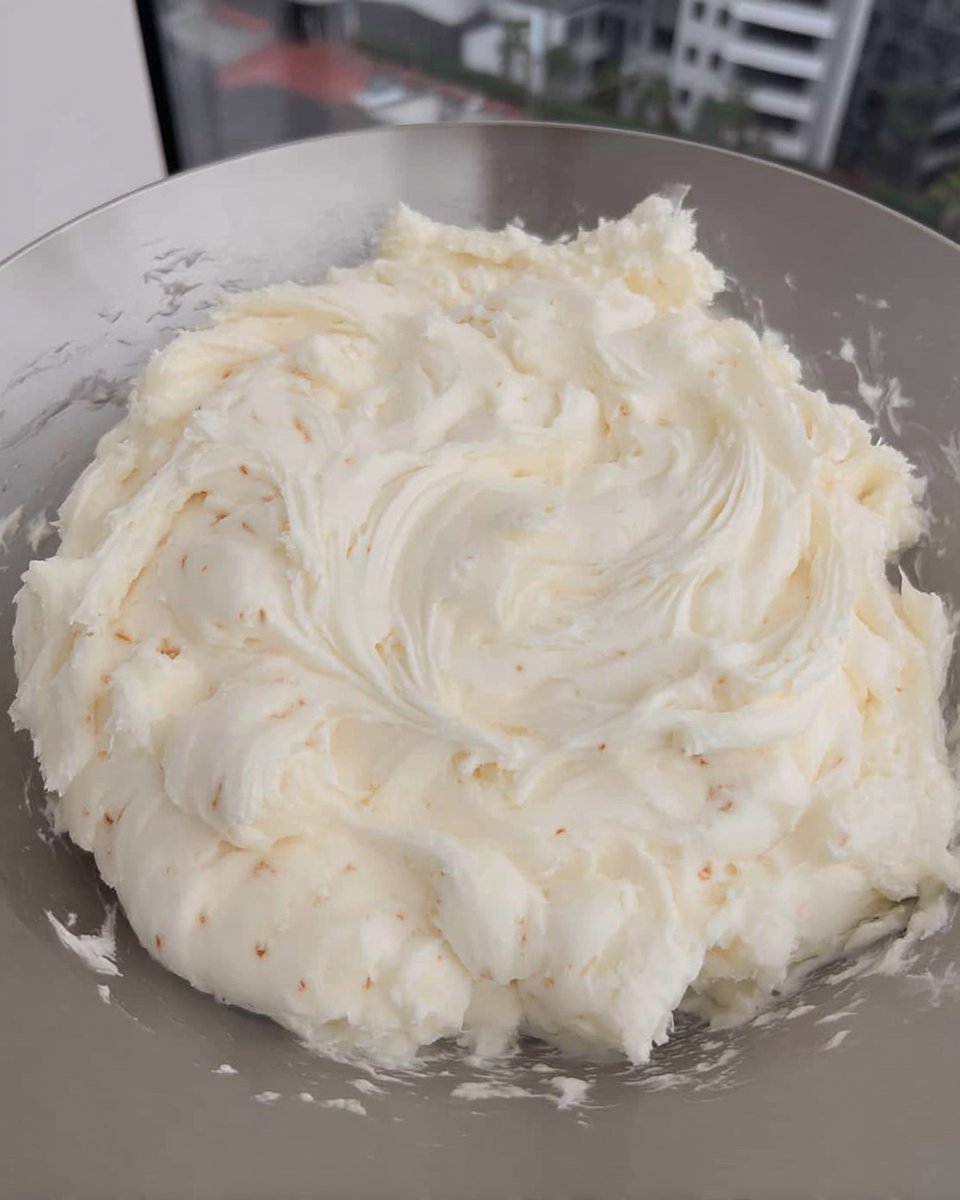
Preheat your oven to 350°F. In a large basin, combine the lard and the initial 1 cup of sugar. Use a vigorous motion to cream these together. From a scientific perspective, we are aerating the fat, creating tiny voids where the leavening gases can later expand. Once the mixture is smooth, incorporate the eggs one at a time, beating until the mixture is exceptionally fluffy. This indicates a successful emulsion where the water from the eggs is suspended perfectly within the fat.
Step 2: Integrating the Dry Components
Sift the flour, baking powder, and salt together. Sifting is crucial for uniform distribution of the leavening agent and for aerating the flour. Gradually add this to your creamed mixture. At this stage, you want to avoid overworking the dough, as mechanical agitation can lead to unwanted gluten strength, which would ruin the delicate ‘snap’ of the Biscochos.
Step 3: Hydration and Flavor Infusion
Stir in the sweet table wine and the anise seeds. The wine acts as the primary hydrating agent. If the dough feels too dry to hold a shape, you may need to knead it briefly with your hands. The heat from your palms will slightly soften the lard, allowing the dough to come together into a workable mass. The goal is a consistency that is pliable but not sticky.
Step 4: Rolling and Structural Precision
On a floured board, roll the dough to a thickness of exactly 1/8 inch. Precision here is key for even heat distribution during baking. Use your preferred cutters to create shapes. Place these on a baking sheet, leaving approximately 1/2 inch of space between each. This allows for proper airflow and prevents the cookies from steaming each other, which would soften the edges.
Step 5: The Primary Coating
Combine 1/2 cup of sugar with 2 tablespoons of cinnamon. Lightly sprinkle this over the tops of the raw cookies. This initial layer will bond with the dough as the fats melt and the sugars begin to dissolve in the oven’s heat.
Step 6: Thermal Transformation
Bake for 15-20 minutes. Watch for the edges to turn a soft golden brown. This color change signals that the Maillard reaction has reached its peak, producing those savory-sweet roasted notes. As soon as you remove them from the oven, immediately dredge or cover the cookies in the remaining cinnamon-sugar mix. The residual heat is necessary to help the sugar crystals adhere to the surface.
Jasmine’s Flavor Notes
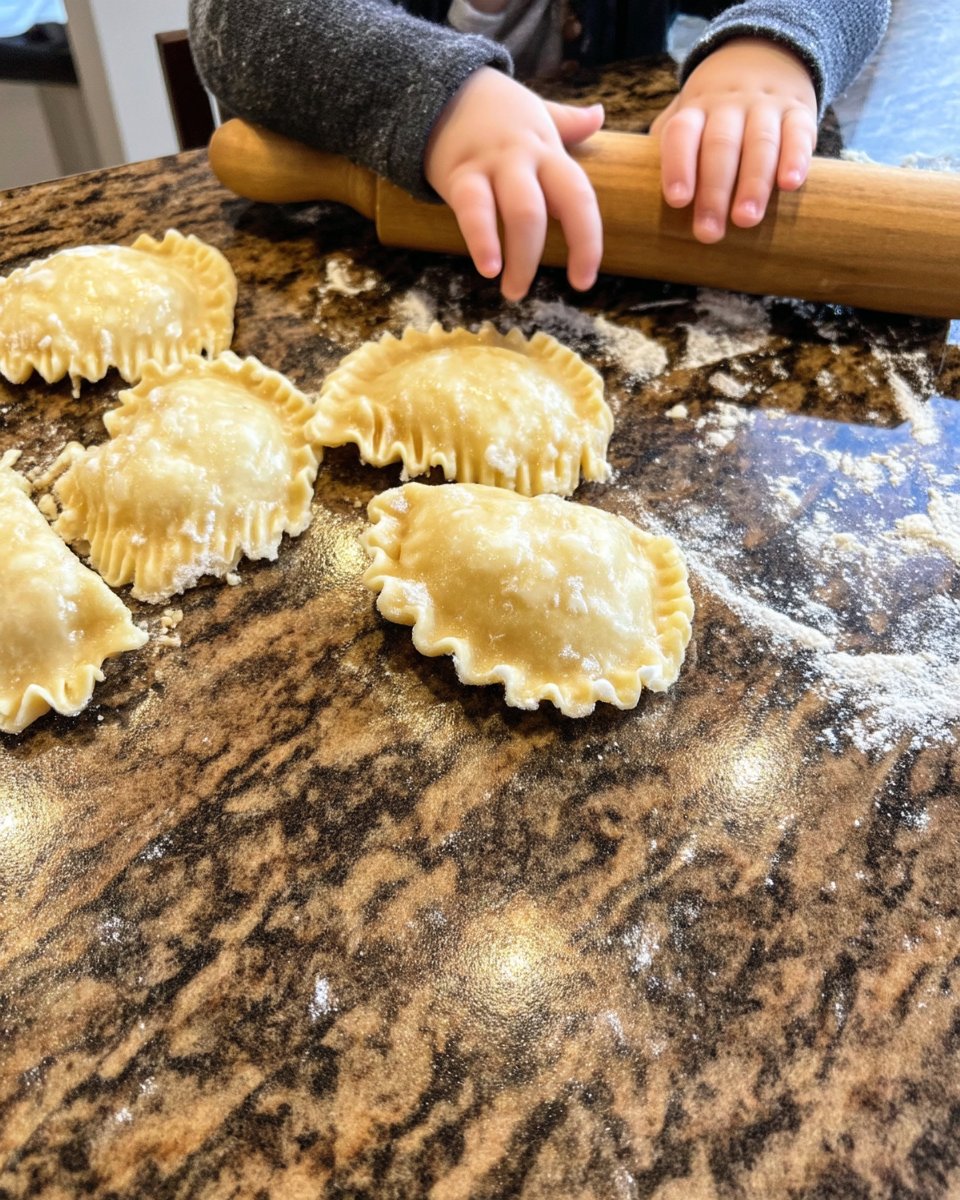
For the best results, pay close attention to the temperature of your lard. If the lard is too warm, it will soak into the flour rather than coating the proteins, leading to a greasy rather than crumbly cookie. I recommend keeping it at a cool room temperature (around 65°F). If you find yourself needing more technical guidance on basic ratios, our Foundation Cookie Recipes guide can help you understand how to balance fats and solids. Additionally, try to find the highest quality anise seeds available, as the volatile oil content can vary significantly between brands, directly impacting the final aroma profile. You can also toast the anise seeds in a dry pan for 30 seconds to wake up the chemical compounds before mixing them into the dough.
Scientific Flavor Swaps
While the traditional Concord wine offers a nostalgic flavor, you can experiment with the acidity profile by using a dry Sherry or even a splash of orange juice. Orange zest contains limonene, which shares a similar terpene profile with anise, making them a natural chemical pairing. If you prefer a different fat profile, you can substitute half the lard with high-quality butter, though this will increase the water content and result in a slightly more ‘cookie-like’ rather than ‘shortbread-like’ texture. For more seasonal inspiration, see our Holiday Cookie Science section. For another perspective on this regional classic, you might find this New Mexico Biscochitos recipe helpful for comparing traditional techniques.
Optimal Sensory Pairings
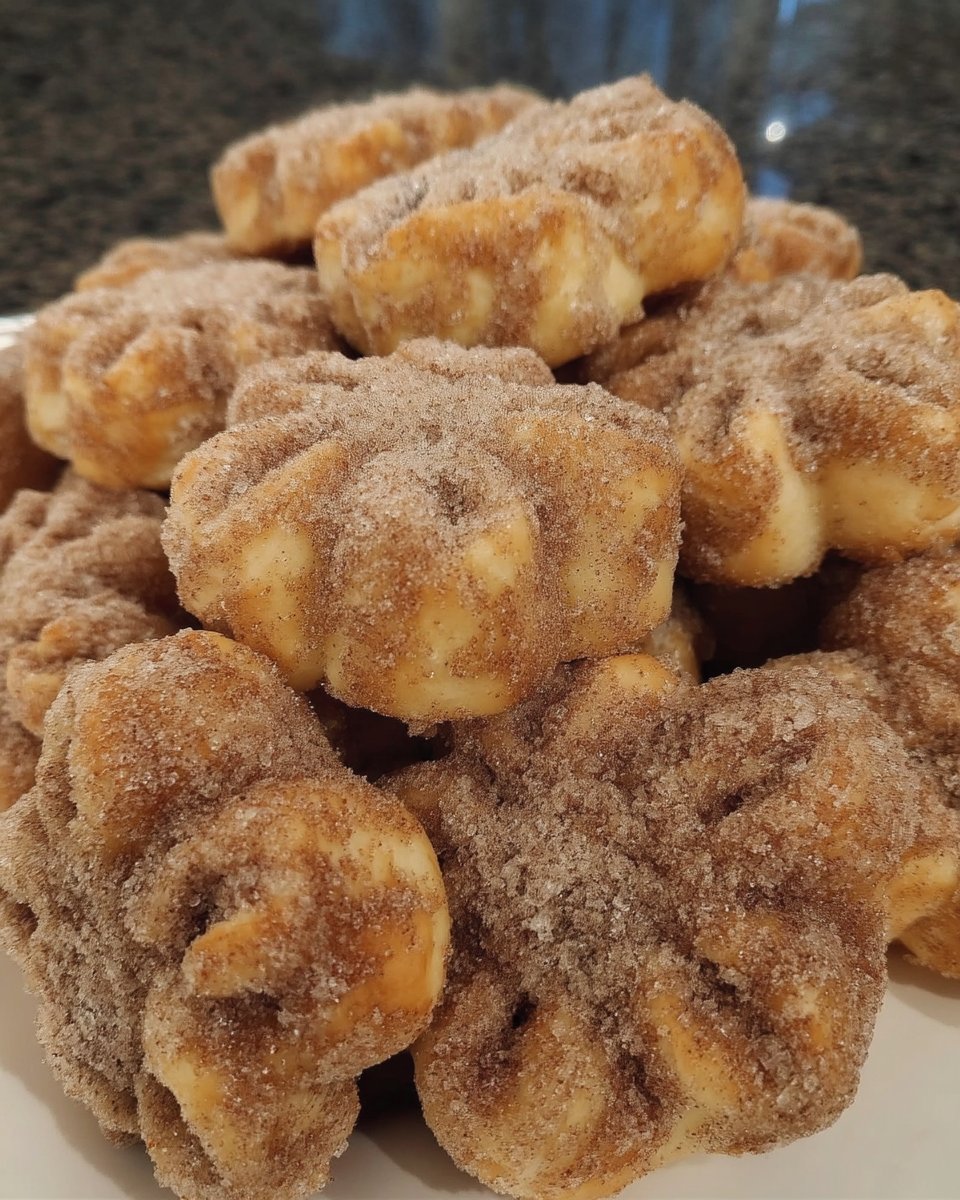
To maximize the flavor release of the anise and cinnamon, serve these cookies with a warm beverage. The heat from a cup of coffee or Mexican hot chocolate helps to melt the fat on the palate, releasing the aromatic compounds more effectively. Coffee, in particular, contains pyrazines that complement the roasted notes of the baked dough. If you are interested in the aesthetic presentation, our tips on Precision Cookie Decorating can help you create stunning patterns with your cinnamon-sugar coating. These cookies are also excellent when paired with a late-harvest Riesling, which mirrors the fruity esters found in the Mogen David wine used in the dough.
The Flavor Truth
Baking these Biscochos is a journey into the heart of traditional flavor chemistry. By respecting the role of fat and the science of aromatic infusion, you create a treat that is scientifically balanced and emotionally resonant. If you are looking to streamline your baking process for large batches, check out our guide on Efficient Cookie Methods. I would love to see your results and hear about your family traditions. Please share your bakes with me on Instagram, Facebook, or Pinterest. Happy baking, and keep questioning the science of taste!