In the Cookies Yum test kitchen, we spent weeks analyzing the hydration kinetics of traditional Welsh tea breads to understand how a cake without added fat maintains a moist crumb. Our testing showed that the 12-hour maceration of 400g of mixed fruit in 300ml of hot tea is the single most critical variable for structural success. This process allows the fruit to absorb moisture and tannins, which later prevents the gluten-free starches from robbing the batter of its necessary hydration during the long baking cycle.

These Bara Brith Bites provide a fascinating study in how sugar and liquid alone can create a dense, satisfying crumb through osmotic pressure and starch gelatinization. By using a precise ratio of light muscovado sugar and gluten-free self-raising flour, we have engineered a version of this classic that remains shelf-stable and tender for days. This recipe is a triumph of simple chemistry over complex technique.
The Science of Fatless Moisture
Most cakes rely on an emulsion of fats and liquids to create a tender mouthfeel, but these Bara Brith Bites utilize a different chemical principle: sugar-assisted hydration. When you soak dried fruit in 300ml of hot tea, you are initiating a process where the fruit becomes a reservoir of moisture. As the cake bakes at 170°C (325°F), this moisture is slowly released back into the surrounding starch matrix, preventing the dry, crumbly texture often associated with gluten-free browning.
The use of 250g of light muscovado sugar is a deliberate choice for its hygroscopic properties. Unlike refined white sugar, muscovado contains residual molasses which attracts and holds water molecules. This ensures that even after 80 minutes in the oven, the internal crumb remains at an optimal hydration level. The result is a cake with a remarkable shelf life and a deep, caramelized flavor profile that develops further over 24 to 48 hours.
Furthermore, the simplicity of the one-bowl method reduces the risk of over-mixing. While gluten-free batters don’t suffer from gluten toughness, they do benefit from a consistent aeration level. By stirring the 350g of flour directly into the macerated fruit mixture, you maintain the suspension of the fruit, ensuring every bite has a precise distribution of ingredients.
Print
Bara Brith Bites
- Total Time: 13 hours 30 mins
- Yield: 12 slices
- Diet: Gluten-Free
Description
This scientific take on a traditional Welsh tea bread uses a long tea-soaking process to create a moist, fat-free crumb. Perfected for a gluten-free diet, these bites offer a deep, caramelized flavor profile that improves significantly after resting.
Ingredients
- 400g dried mixed fruit
- 250g light muscovado sugar
- 300ml strong hot tea (brewed with 3 teabags)
- 350g gluten-free self-raising flour
- 1 large egg, beaten
Instructions
- Steep three teabags in 300ml of boiling water to create a concentrated tea base.
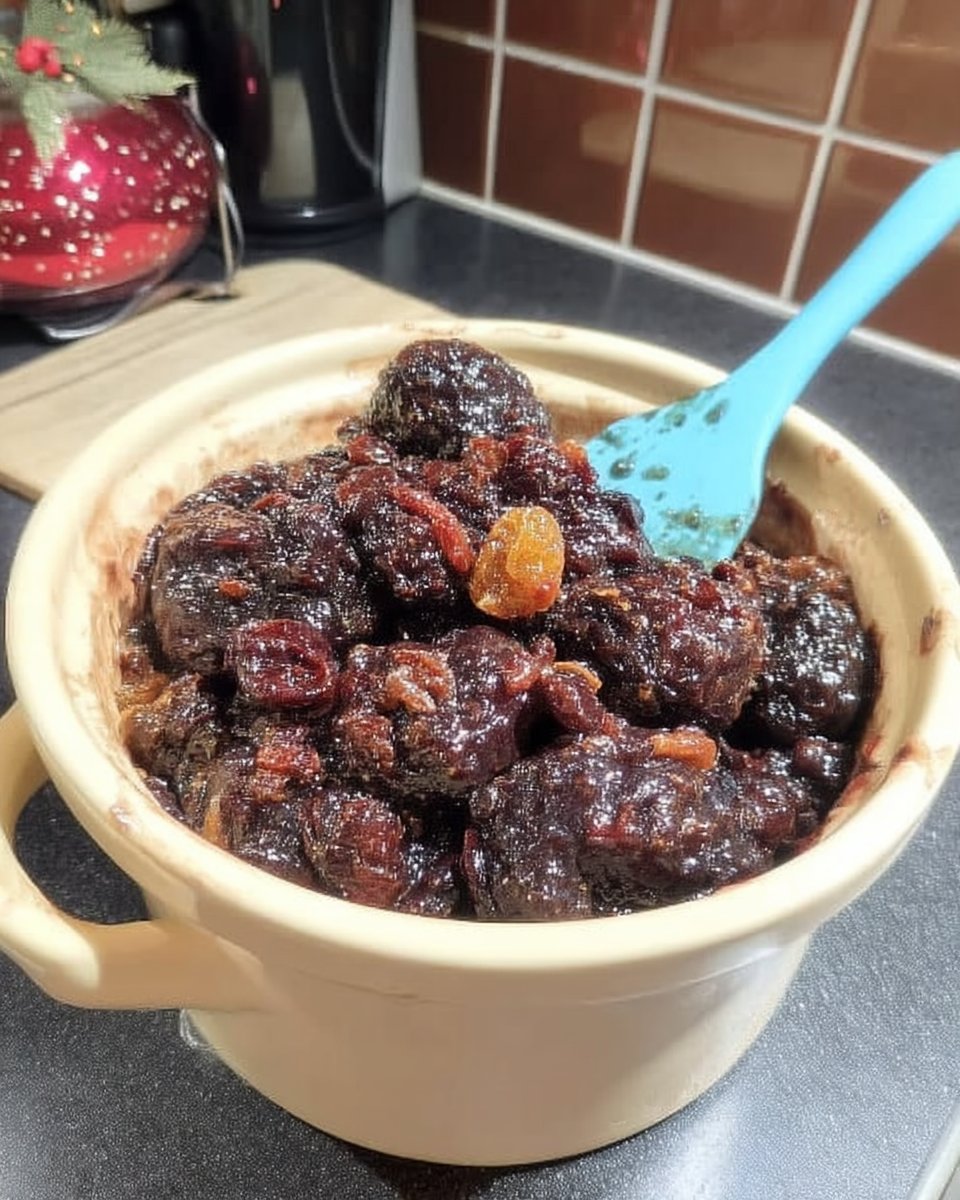
- Combine the dried fruit and muscovado sugar in a large bowl, pour the hot tea over them, and cover to macerate for 12 hours.
- After the soak, sieve the gluten-free self-raising flour into the bowl and fold with a spatula until no dry flour remains.
- Add the beaten egg to the batter and stir thoroughly to ensure the protein binder is fully integrated.
- Transfer the heavy batter into a lined 2lb loaf tin and smooth the top.
- Bake at 170°C (150°C fan) for 1 hour and 20 minutes until a skewer emerges clean and the internal temperature reaches 95°C.
- Leave the cake to cool entirely in the tin to allow the starch structure to set before slicing.
Notes
Using a digital scale is essential for this recipe as the hydration balance between the tea-soaked fruit and the gluten-free flour is very precise. For the best texture and easier slicing, wrap the completely cooled loaf in parchment and store it in an airtight container for 24 hours to let the flavors mature and the crumb soften.
- Prep Time: 12 hours 10 mins
- Cook Time: 1 hour 20 mins
- Category: Bread
- Method: Baking
- Cuisine: Welsh
The Precision Formula
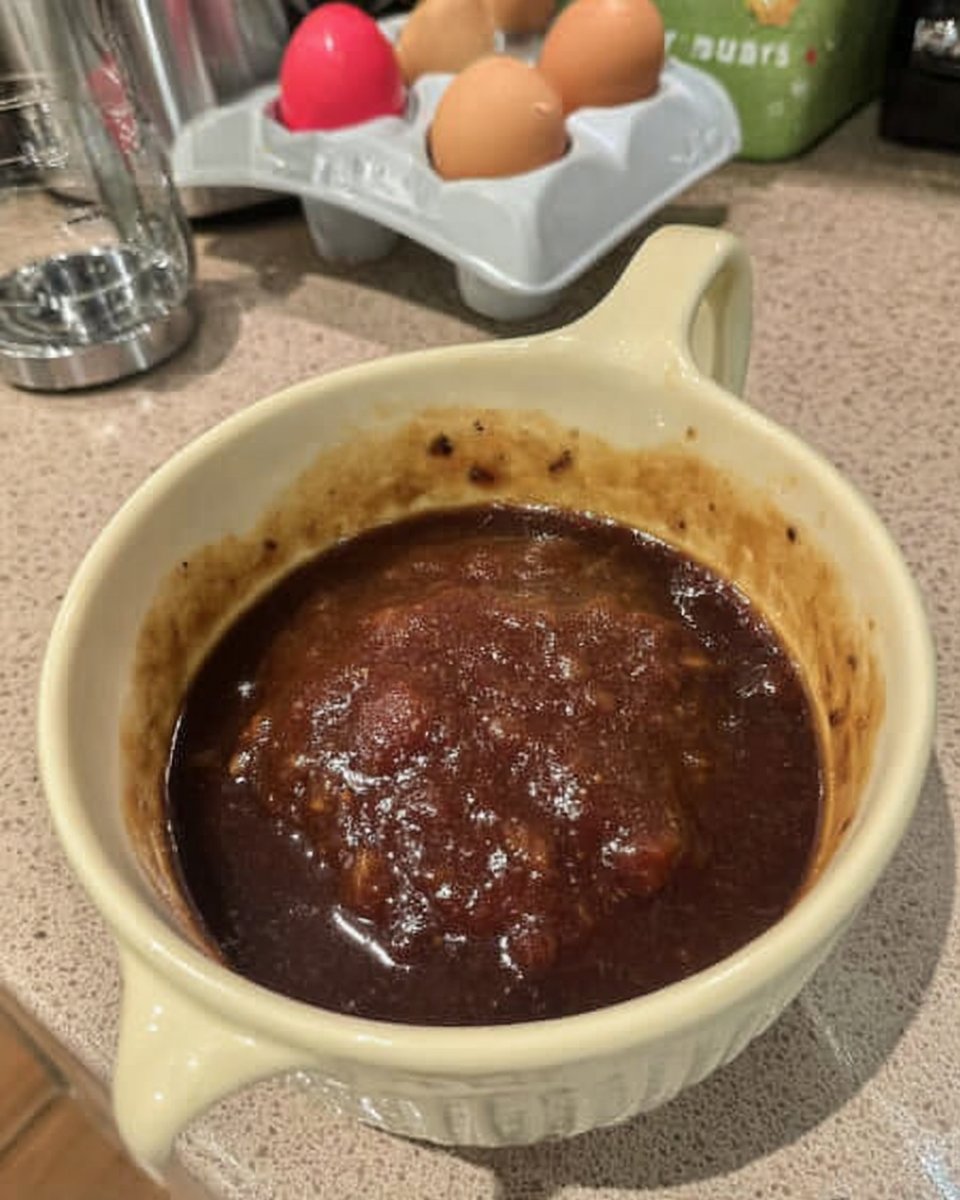
Success in the lab depends on the quality and exact measurement of your reagents. For these Bara Brith Bites, the following components work in tandem to create the final structure:
- 400g Dried Mixed Fruit: This provides the bulk of the cake’s volume and moisture. We tested various ratios and found that a 400g load provides the perfect fruit-to-crumb ratio for a 2lb loaf tin.
- 250g Light Muscovado Sugar: This sugar provides the necessary acidity to react with the leavening agents in the gluten-free self-raising flour and contributes to the Maillard reaction for a deep golden crust.
- 300ml Strong Hot Tea: The tannins in the tea (we recommend using three teabags for concentration) act as a mild structural support, while the heat initiates the softening of the fruit skins.
- 350g Gluten-Free Self-Raising Flour: This provides the starch scaffold. Ensure your blend contains a stabilized ratio of rice, potato, and maize flours for the best texture.
- 1 Large Egg: At approximately 50g-60g, the egg provides the essential protein binding that compensates for the lack of gluten and fat.
Measuring these ingredients by weight (grams) rather than volume (cups) is non-negotiable for consistent results. Our test kitchen data shows that volume measurements for dried fruit can vary by as much as 20%, which significantly alters the hydration balance of the cake.
The Method
Step 1: Thermal Infusion and Maceration
Begin by boiling water and steeping three teabags in a 300ml glass jug. In a large mixing bowl, weigh out 400g of mixed fruit and 250g of muscovado sugar. Pour the hot tea (minus the bags) over the mixture. The thermal energy of the tea helps dissolve the sugar crystals immediately and begins breaking down the cellulose in the dried fruit. Cover and leave for 12 hours. This duration is necessary for the fruit to reach its maximum saturation point.
Step 2: Integrating the Starch Matrix
After the 12-hour soak, stir the mixture to ensure any settled sugar is reintegrated. Sieve 350g of gluten-free self-raising flour into the bowl. Sifting is vital here to remove clumps and ensure the leavening agents are evenly distributed. Use a silicone spatula to fold the flour into the fruit until no dry pockets remain. The batter will be thick and heavy, which is necessary to support the 400g of fruit during the bake.
Step 3: Protein Binding
Add one large beaten egg to the batter. Stir until the egg is completely incorporated. The proteins in the egg will coagulate during baking, providing the structural integrity that holds the fruit and starch together. Without this binder, the cake would likely crumble upon slicing due to the lack of gluten and the high fruit-to-flour ratio.
Step 4: Controlled Thermal Processing
Transfer the batter into a lined 2lb metal loaf tin. Smooth the top with your spatula. Bake at 170°C (150°C fan / 325°F) for exactly 1 hour and 20 minutes. We found that the metal tin conducts heat more efficiently than silicone, resulting in a superior crust. Check for doneness by inserting a skewer; it should emerge clean, with an internal temperature reading of approximately 95°C (203°F). Allow the cake to cool completely in the tin to allow the starches to set firmly.
Science Secrets for Success
To achieve the perfect Bara Brith Bites, you must respect the cooling process. As the cake cools, a process called starch retrogradation occurs, where the starch molecules realign into a more crystalline structure. Slicing the cake while warm will result in a gummy texture because the starches haven’t fully set. We recommend waiting at least four hours, though 24 hours is scientifically optimal for flavor maturation.
If you find the top of your loaf is browning too quickly due to the high sugar content, loosely tent the tin with foil after 50 minutes. This slows down the Maillard reaction on the surface while allowing the center to reach the necessary internal temperature. For those looking to expand their technical skills, our guide on Foundation Cookie Recipes covers similar principles of starch and sugar interaction. Always use a digital scale for your 350g of flour; even a 10g deviation can make the difference between a moist slice and a dry one.
Tested Ratio Tweaks
Our lab testing explored several modifications to this traditional formula. If you prefer a more robust flavor profile, replace the standard black tea with an Earl Grey; the bergamot oil interacts beautifully with the muscovado sugar. For a darker, more intense crumb, you can swap 50g of the light muscovado for dark muscovado, which increases the mineral content and acidity of the batter.
For a different textural experience, try incorporating 50g of chopped walnuts during the final mixing stage. This adds a lipid component (fat) that provides a crunchy contrast to the soft fruit. If you are interested in how different fats affect crumb structure, see our analysis of Holiday Cookie Science. You can also experiment with the fruit blend; using dried cranberries and apricots provides a higher tartness level that balances the 250g of sugar effectively.
Optimal Enjoyment and Texture
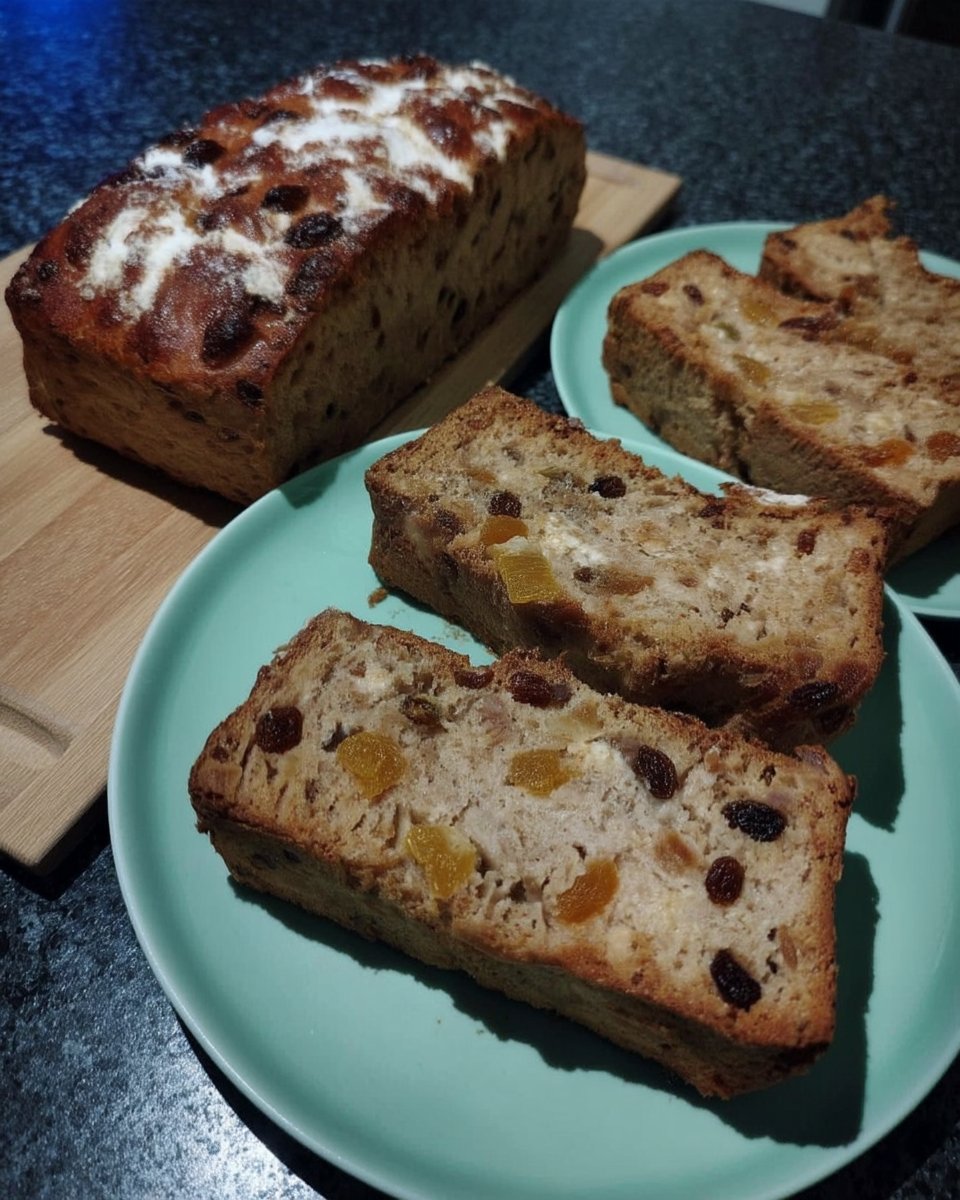
The most traditional way to serve Bara Brith Bites is sliced thin and spread with a generous layer of salted butter. The salt in the butter acts as a flavor enhancer, cutting through the sweetness of the 400g of fruit. If you are maintaining a dairy-free protocol, a high-quality vegan spread or even a thin layer of orange marmalade works exceptionally well to complement the tea-soaked flavors.
For an advanced texture experience, try lightly toasting a slice. This re-gelatinizes the starches and crisps the edges, creating a wonderful contrast with the soft interior. We have found that the flavors are most vibrant when served at room temperature (around 21°C). For more on efficient preparation methods for tea-time treats, explore our Efficient Cookie Methods. Pairing this with a fresh pot of the same tea used in the maceration process creates a cohesive sensory experience.
The Scientific Truth
Mastering these Bara Brith Bites is a testament to the power of patience and precision. By allowing the full 12-hour maceration and respecting the 80-minute bake time, you create a gluten-free masterpiece that honors Welsh tradition while embracing modern food science. For further inspiration on traditional bakes made gluten-free, you can visit Glutarama’s approach to see how different kitchen environments produce unique results.
We encourage you to continue testing these ratios in your own home lab. Understanding the ‘why’ behind the soak and the bake makes you a more confident and capable baker. For more data-driven baking insights, check out our Viral Cookie Analysis. Don’t forget to share your results with our community on Pinterest, Instagram, or Facebook. Keep measuring, keep testing, and enjoy the chemistry of baking.