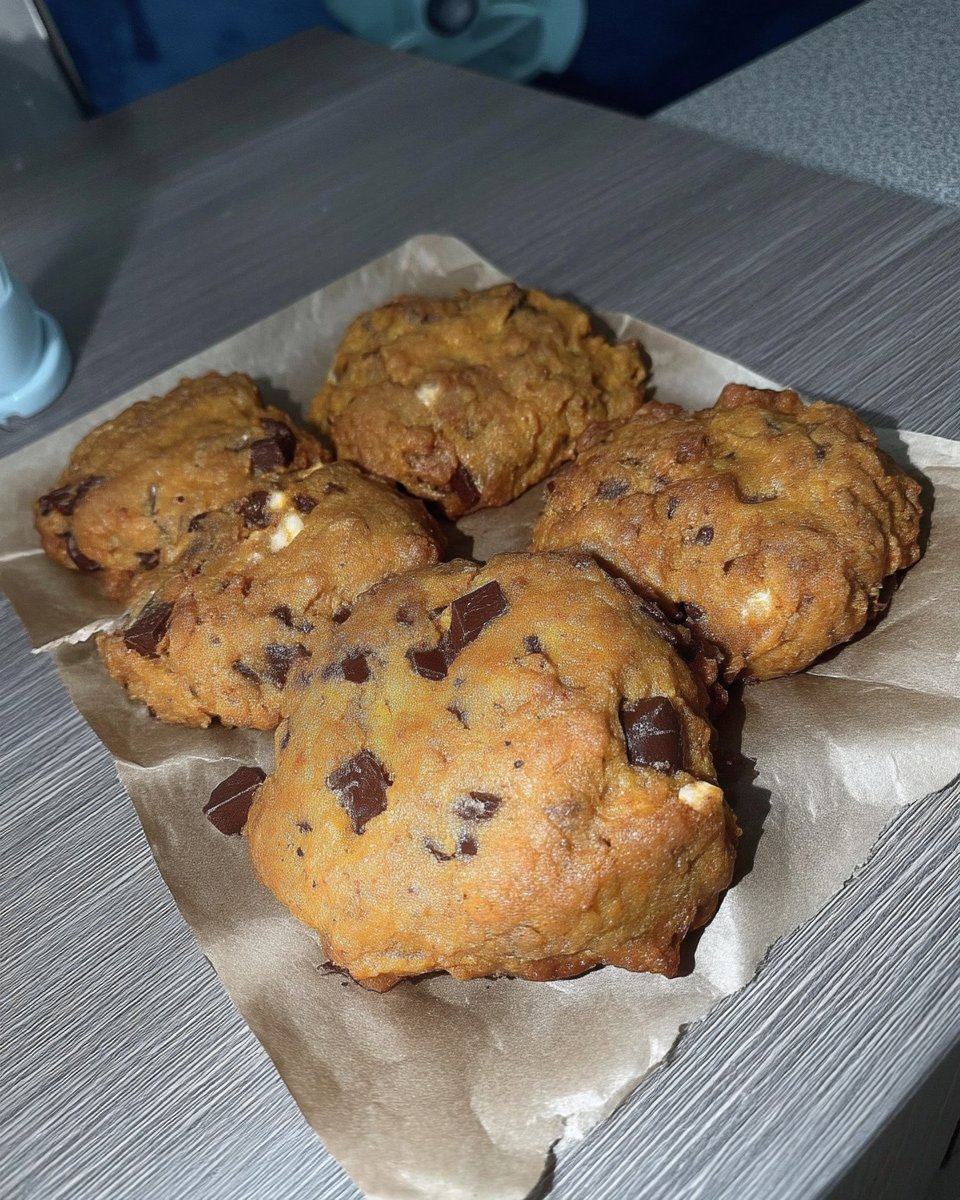
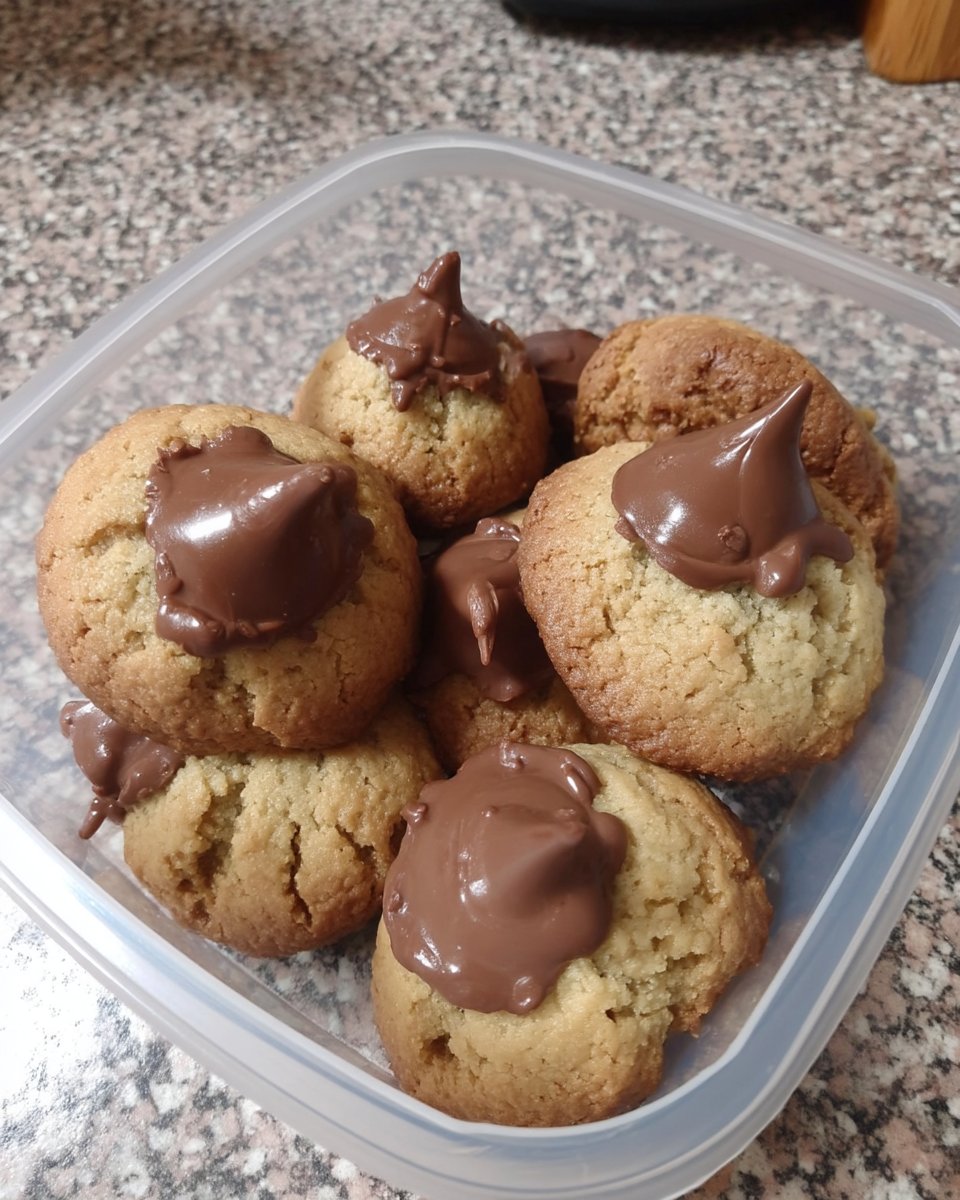
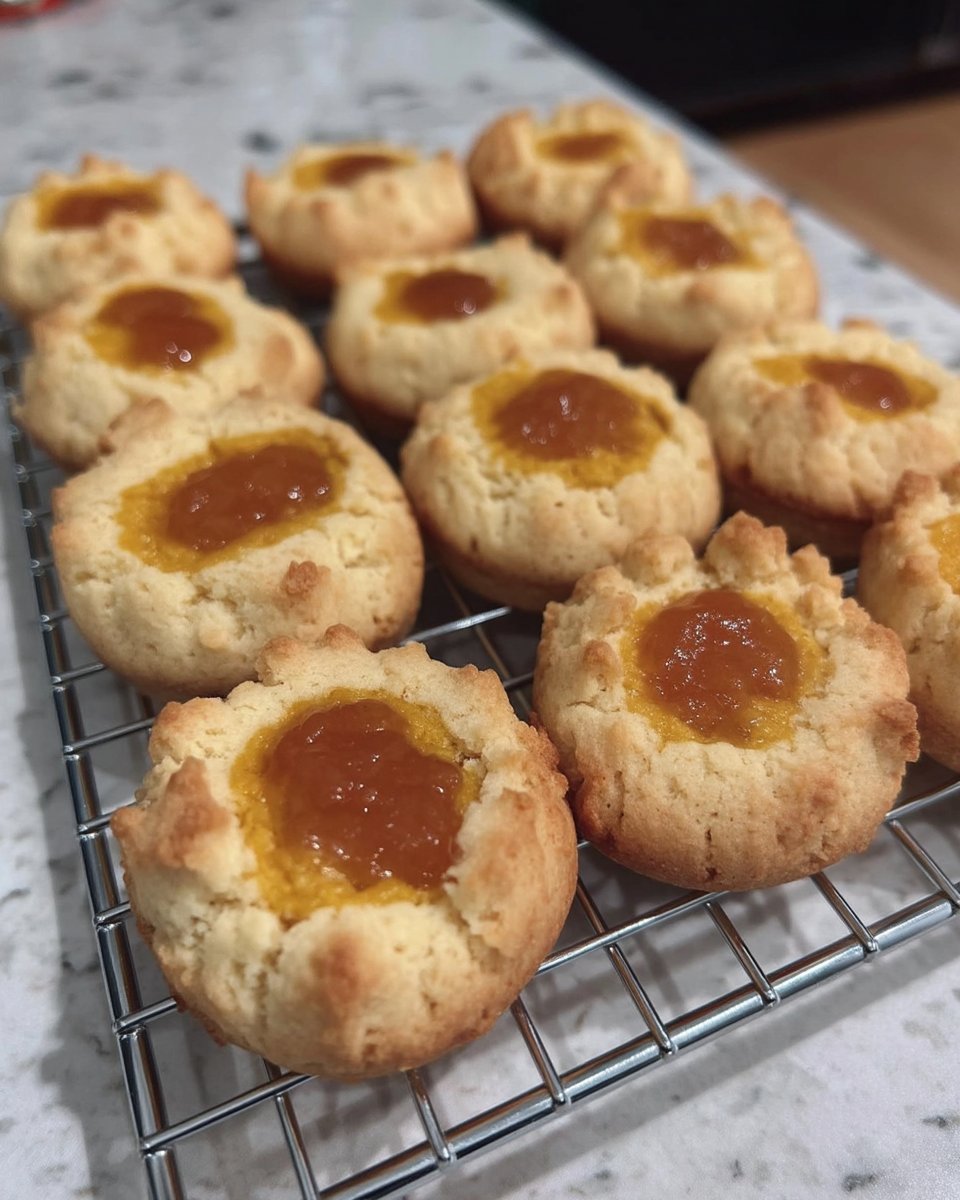
Have you ever analyzed why bakery cookies possess that distinct textural contrast between a crisp perimeter and a molten core? It is a matter of thermodynamics and mass; a larger surface area creates a wider heat gradient, allowing the edges to caramelize while the center remains dense. By melting the butter rather than creaming it, we minimize air incorporation, resulting in a fudgier crumb that defines this style.

This formulation uses cornstarch to interfere with gluten development, guaranteeing a tender bite every time. We also rely on a crucial chilling phase to hydrate the flour’s proteins and solidify the saturated fats, preventing excessive spread in the oven. The result is a thick, structurally sound cookie that balances vanilla aromatics with deep molasses notes.
The Flavor Science
The magic of this recipe lies in the state of the fat. When we melt butter, we separate the fat from the water, allowing it to coat the flour proteins more efficiently for a denser, chewier texture. Unlike the creaming method, which traps air for lift, melted butter creates a rich, fudge-like consistency that bakery style cookies are famous for.
Furthermore, the addition of cornstarch acts as a tenderizing agent. It physically sits between gluten strands, preventing them from bonding too tightly. This gives you that soft, melt-in-your-mouth experience even when the cookie is thick and substantial.
Print
Bakery Style Chocolate Chip Cookies
- Total Time: 1 hour
- Yield: 8 large cookies
Description
These oversized, bakery-inspired cookies feature a dense, fudgy center and perfectly crisp edges. By using melted butter and a hint of cornstarch, you will achieve a professional texture that balances rich molasses notes with pools of premium dark chocolate.
Ingredients
- 1/2 cup Unsalted Butter, melted and cooled
- 1/2 cup Brown Sugar, packed
- 1/4 cup Granulated Sugar
- 1 Large Egg
- 1 tsp Vanilla Extract
- 2 cups All-purpose flour
- 1 tbsp Cornstarch
- 1/2 tsp Baking Soda
- 1/2 tsp Baking Powder
- 1/2 tsp Salt
- 1 1/2 cups Semi-sweet or dark chocolate chips
Instructions
- Melt the unsalted butter and allow it to cool completely to room temperature before starting the dough.
- In a large mixing bowl, whisk together the cooled melted butter, brown sugar, and granulated sugar until well combined.
- Add the egg and vanilla extract to the butter mixture, whisking vigorously until the texture is smooth and glossy.
- In a separate bowl, whisk together the flour, cornstarch, baking soda, baking powder, and salt to ensure even distribution.
- Gradually stir the dry ingredients into the wet mixture using a spatula, mixing just until no flour streaks remain.
- Fold in the chocolate chips, then divide the dough into 8 large portions, approximately 4 ounces each.
- Place the dough balls on a tray and refrigerate for at least 30 minutes to hydrate the proteins and firm up the fat.
- Preheat your oven to 325°F and line a baking sheet with parchment paper.
- Bake the chilled dough balls for 13 to 18 minutes; they should appear slightly underbaked in the center when removed.
- Allow the cookies to rest on the hot baking sheet for at least 10 minutes to complete the carryover cooking process.
Notes
For the best results, ensure your egg is at room temperature so it does not cause the melted butter to seize up during mixing. If you prefer a thinner cookie with more spread, you can reduce the chilling time to 15 minutes, though the texture will be less dense and fudgy. Store any leftovers in an airtight container with a slice of bread to keep them soft for several days.
- Prep Time: 15 mins
- Cook Time: 15 mins
- Category: Dessert
- Method: Baking
- Cuisine: American
Taste Building Blocks
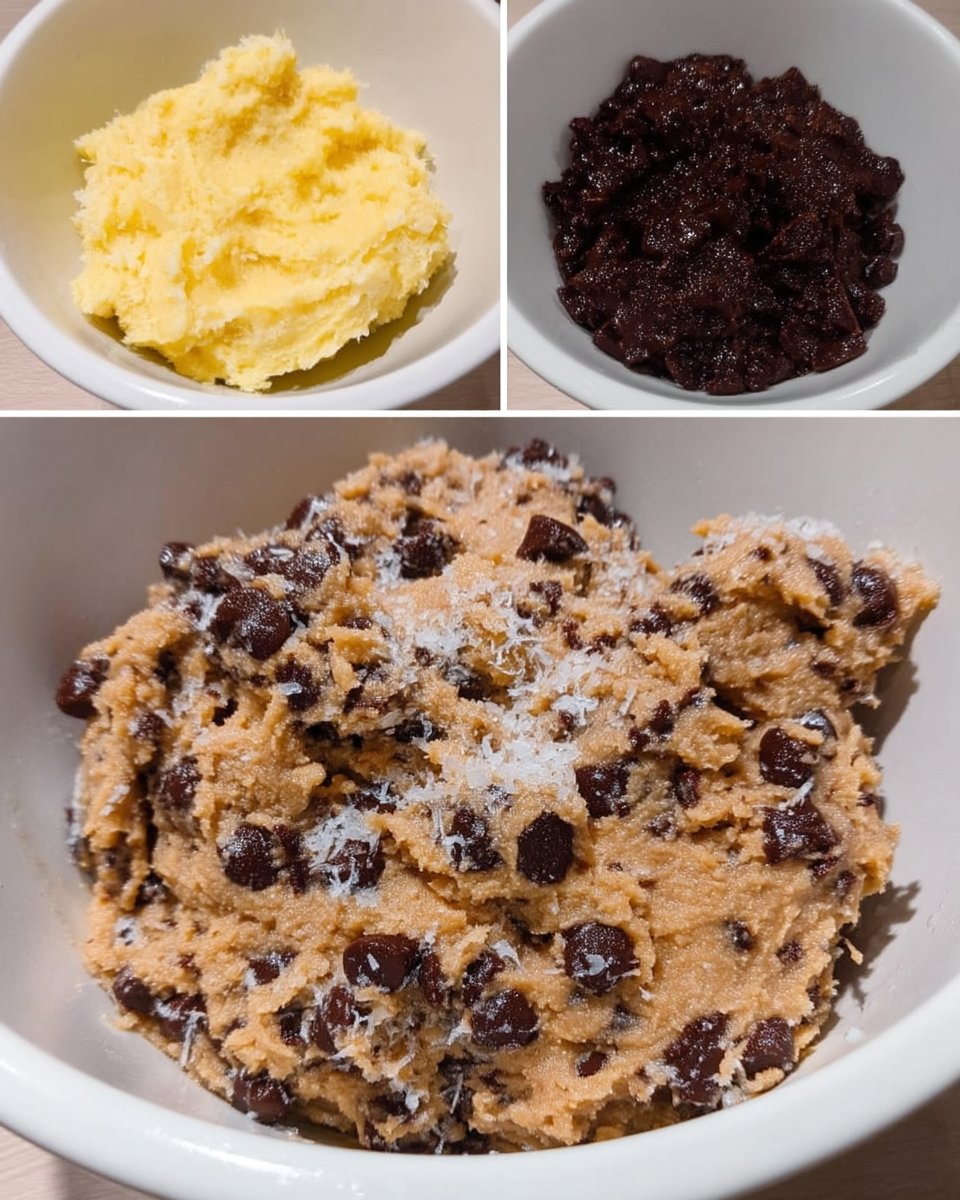
Quality ingredients are the variables that determine your final flavor equation. Here is what you need for optimal results.
- Unsalted Butter: We use melted butter to control aeration. Using unsalted allows us to dictate the precise sodium level later.
- Brown Sugar: Provides acidity to react with the baking soda and hygroscopic properties to retain moisture.
- Cornstarch: The secret weapon for softness. It lowers the overall protein percentage of your dry mix.
- Egg: A single large egg provides enough structure to emulsify the fats without making the dough cakey.
- Chocolate Chips: Use a high-quality semi-sweet or dark chocolate. The bitterness of cacao balances the high sugar content.
The Flavor Method
Step 1: Thermal Management
Start by melting the butter and, most importantly, letting it cool to room temperature. If the butter is too hot, it will cook the egg prematurely and melt the sugars, ruining the emulsion. We want a fluid fat that is cool enough to create a stable bond with the sugars.
Step 2: Emulsification
In a large bowl, whisk the cooled butter with the brown and granulated sugars. Add the egg and vanilla extract, whisking briskly. You are looking for a glossy, smooth mixture. This mechanical action forces the water in the egg and the fat in the butter to combine into a cohesive emulsion.
Step 3: Dry Integration
Whisk the cornstarch, baking soda, baking powder, and salt together to disperse the leavening agents evenly. Stir this into the wet mixture using a spatula just until no flour streaks remain. Overworking the dough at this stage generates excessive gluten, which leads to toughness.
Step 4: Resting Phase
Fold in the chocolate chips. Divide the dough into 8 large, 4-ounce portions. Chill the dough balls for at least 30 minutes. This rest period allows the flour to fully hydrate and the fat to recrystallize, which is critical for controlling spread during baking.
Step 5: The Bake
Preheat your oven to 325°F. Bake the chilled dough balls for 13–18 minutes. The lower temperature allows the center to cook gently without burning the edges. They should look slightly underdone when pulled; carryover cooking on the hot pan will finish the job.
Jasmine’s Flavor Notes
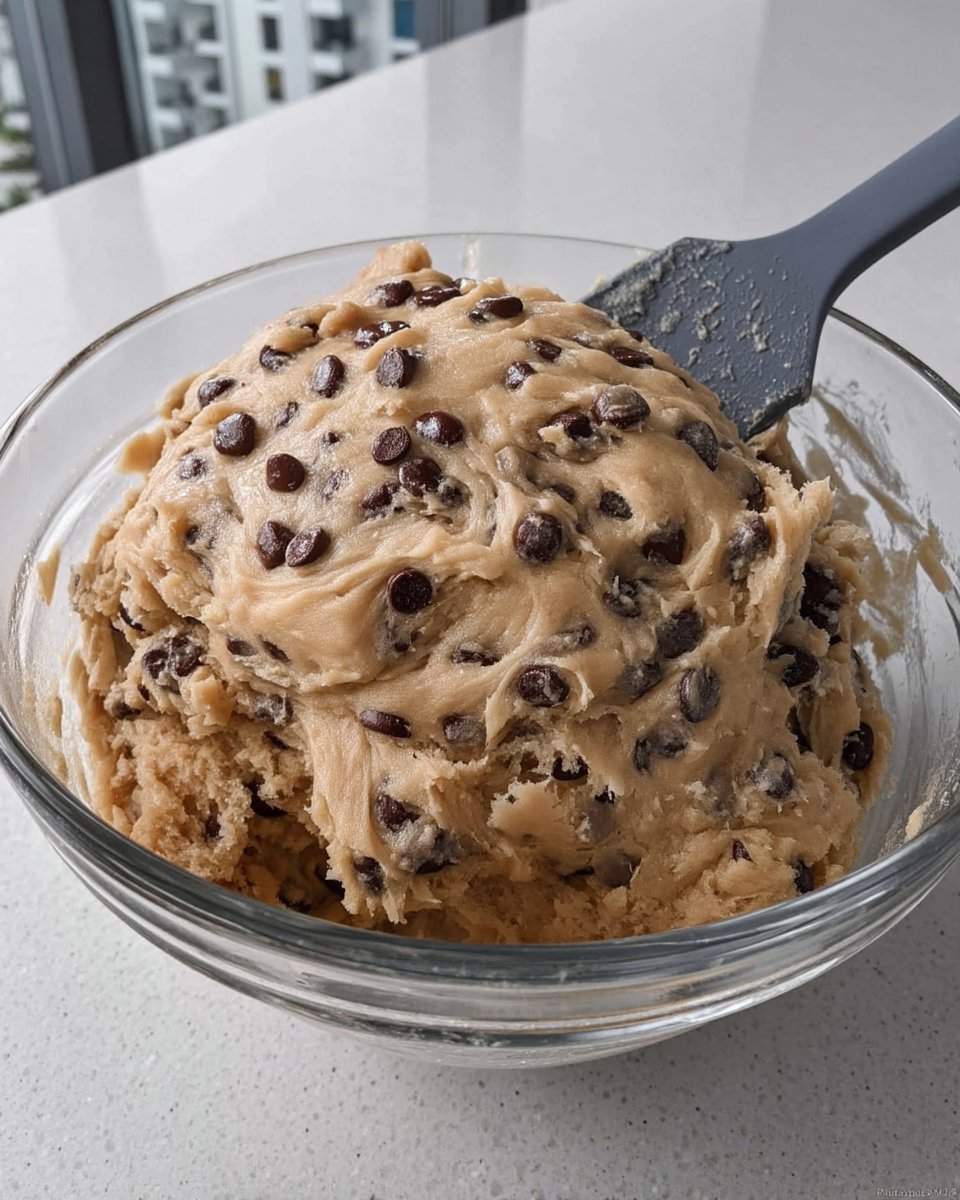
Weigh Your Flour: For precision, use a scale. Excess flour is the main culprit for dry, crumbly cookies. 120 grams per cup is the standard we aim for to maintain the correct hydration ratio.
Don’t Skip the Chill: The 30-minute chill time isn’t just about temperature; it’s about water absorption. As the flour hydrates, the dough becomes more cohesive, leading to a deeper caramelization during the bake. For more techniques on dough management, check out our guide on Efficient Cookie Methods.
Pan Banging: If you want extra ripples on the edge, tap the baking sheet on the counter once or twice after removing it from the oven to collapse any air pockets.
Scientific Swaps
Brown Butter Upgrade: For a nutty, complex flavor profile, brown the butter before cooling it. This creates pyrazines—aroma compounds that smell like toasted nuts and pair beautifully with chocolate. Just make sure to add a tablespoon of water back in to account for evaporation.
Chocolate Theory: Swap standard chips for chopped couverture chocolate. The varying sizes create pockets of chocolate throughout the cookie, and the higher cocoa butter content melts more fluidly. You can verify how different fats affect texture in our Viral Cookie Analysis.
Nut Addition: Toasted walnuts or pecans add textural contrast and savory notes that cut through the sweetness.
Flavor Pairings
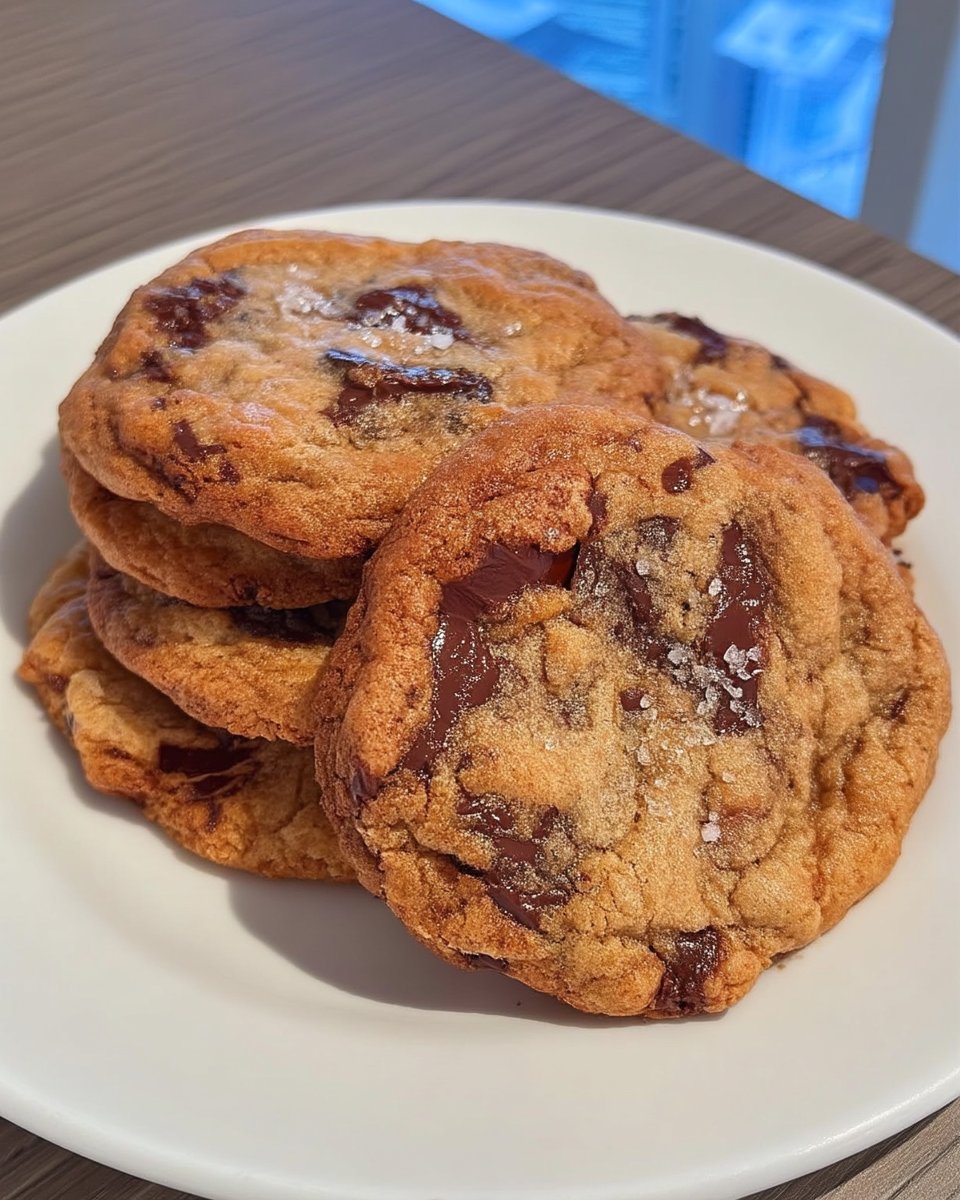
These cookies are engineered to be rich, so they benefit from a palate cleanser. A glass of cold milk is the classic choice; the milk proteins bind with the tannins in the chocolate, smoothing out any bitterness.
For a more sophisticated pairing, try a dark roast coffee. The roasted notes in the coffee mirror the caramelized sugars in the cookie. If you are serving these at a gathering, consider the presentation tips in our Foundation Cookie Recipes section to make them look as professional as they taste.
The Flavor Truth
Mastering the bakery style chocolate chip cookie is about controlling temperature and texture. By understanding how melted fat and cornstarch interact with gluten, you can produce a treat that rivals any professional shop. We hope this look into flavor science empowers you to bake with intention. For more deep dives into seasonal baking chemistry, explore our Holiday Cookie Science articles.
If you enjoyed this breakdown, share your results with us on social media!
*Reference: This recipe was inspired by the techniques discussed at Chelsea’s Messy Apron.*