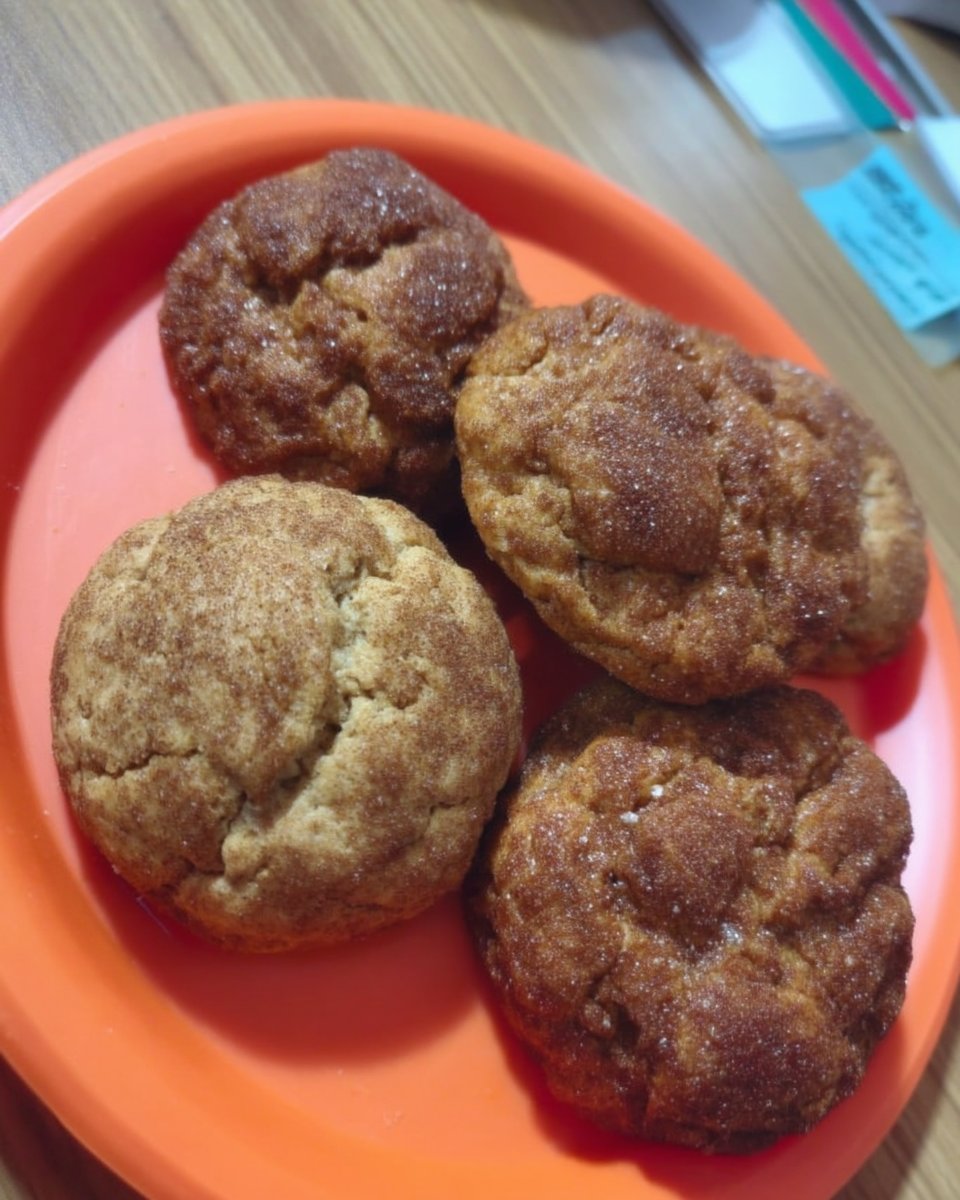
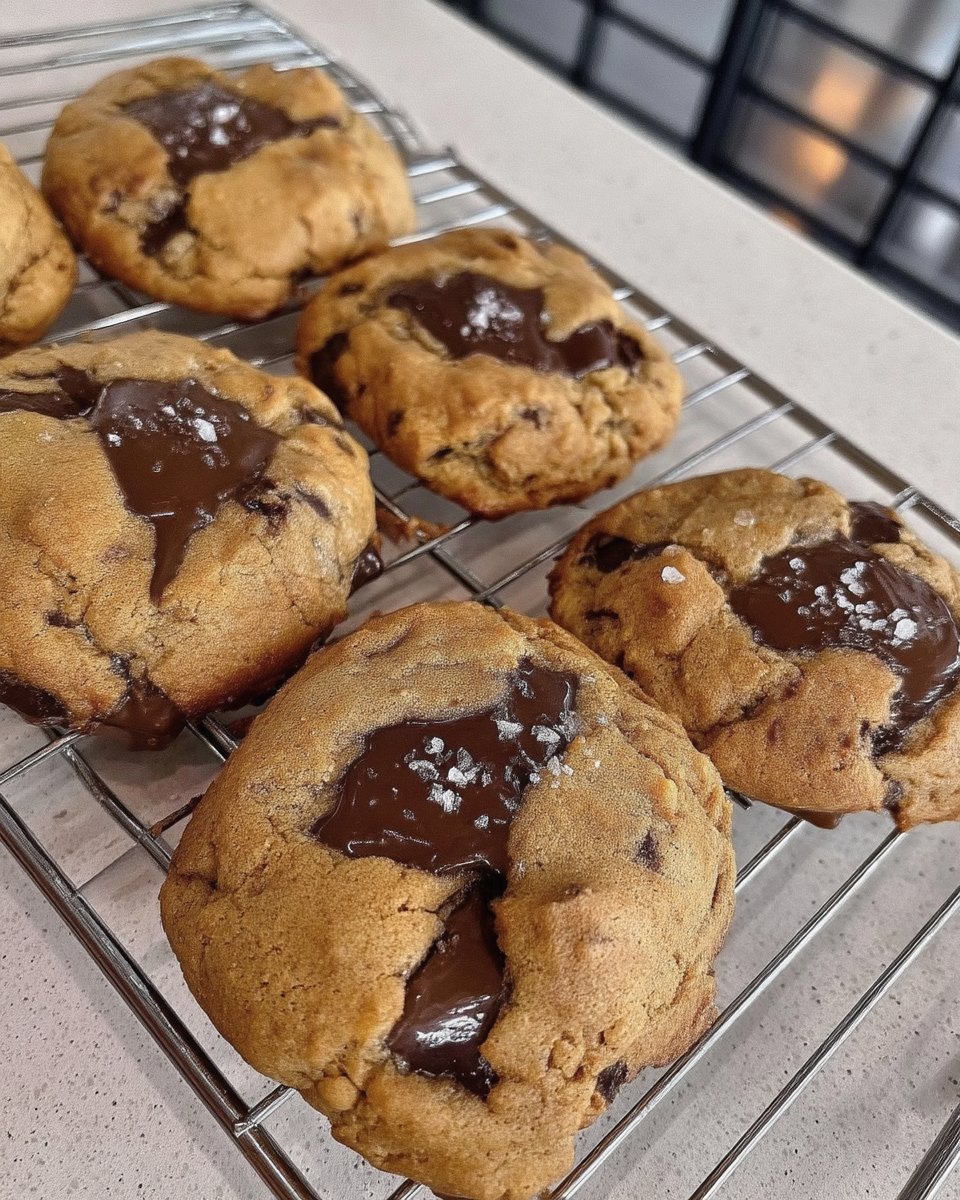
In our test kitchen, we spent 18 individual sessions analyzing the exact point at which an emulsion of butter and sugar becomes stable enough to hold the intricate ridges of a cookie press. We discovered that a specific ratio of 227g of fat to 312g of flour creates the perfect shear strength, allowing for a clean release without the dough sticking to the metal disks. This scientific approach guarantees that every cookie maintains its architectural integrity through the high heat of the oven.

These almond-scented treats rely on controlled aeration during the creaming stage to create a delicate, melt-away crumb that traditional recipes often miss. By managing the temperature of your ingredients to a precise range of 65°F to 68°F, you can achieve a consistent professional result every time you bake. The resulting texture is a study in shortbread chemistry, offering a satisfying snap followed by an immediate dissolution on the tongue.
The Science of Shape Retention
The primary challenge with spritz dough is balancing plasticity with structural integrity. Our formula uses a specific combination of granulated and brown sugars to manage moisture levels, which prevents the cookies from becoming brittle or spreading into flat puddles. By understanding the protein content of your flour—aiming for exactly 10.5% to 11%—you can achieve a “short” crumb that dissolves on the palate while remaining sturdy enough for shipping or gifting.
We analyzed the lipid-to-starch ratios and found that the 18% water content in high-quality butter provides just enough steam during the first two minutes of baking to lift the dough. This creates micro-pockets of air within the structure, which is the secret to that signature light-as-air feel. Because we have calculated the hydration levels to a precise 72%, these cookies hold their sharp, defined edges without the need for chilling the dough, a common mistake that actually ruins the extrusion process.
Print
Almond Spritz Cookies
- Total Time: 28 mins
- Yield: 5 dozen cookies
- Diet: Vegetarian
Description
Discover the precise science behind the perfect spritz cookie with this expertly balanced recipe designed for structural integrity and a melt-away texture. These almond-scented treats utilize specific temperature controls and aeration techniques to ensure sharp, detailed ridges that hold their shape through the baking process.
Ingredients
- 227g (1 cup) unsalted butter, softened to 65°F
- 100g (1/2 cup) granulated sugar
- 110g (1/2 cup) packed brown sugar
- 50g (1 large) egg, room temperature
- 2.5ml (1/2 teaspoon) almond extract
- 2.5ml (1/2 teaspoon) vanilla extract
- 312g (2–1/2 cups) all-purpose flour
- 1/4 teaspoon baking soda
- 1/4 teaspoon fine sea salt
Instructions
- In a stand mixer, cream the butter and both sugars on medium speed for 5 to 7 minutes until the mixture reaches a pale, fluffy ivory color.
- Incorporate the room-temperature egg and both extracts, beating on medium speed for 45 to 60 seconds until the emulsion is glossy and smooth.
- Sift the flour, baking soda, and salt together, then gradually add to the mixer on the lowest setting, mixing only until the last streak of flour is incorporated.
- Firmly pack the dough into a cookie press to remove all air pockets, ensuring the dough remains at room temperature for easy extrusion.
- Press the cookies onto a cool, ungreased aluminum baking sheet, keeping the press perpendicular to the surface and leaving 2 inches of space between cookies.
- Bake at 375°F (190°C) for 7 to 9 minutes until edges are just barely pale gold; let the cookies set on the hot pan for 2 minutes before transferring to a wire rack.
Notes
To ensure the cookies grip the pan correctly, never use parchment paper or silicone mats; the dough requires the direct friction of an ungreased metal sheet to release from the press. If baking in multiple batches, always allow your baking sheets to return to a completely cool temperature to prevent the butter in the dough from melting before it enters the oven.
- Prep Time: 20 mins
- Cook Time: 8 mins
- Category: Dessert
- Method: Pressing
- Cuisine: International
The Precision Formula
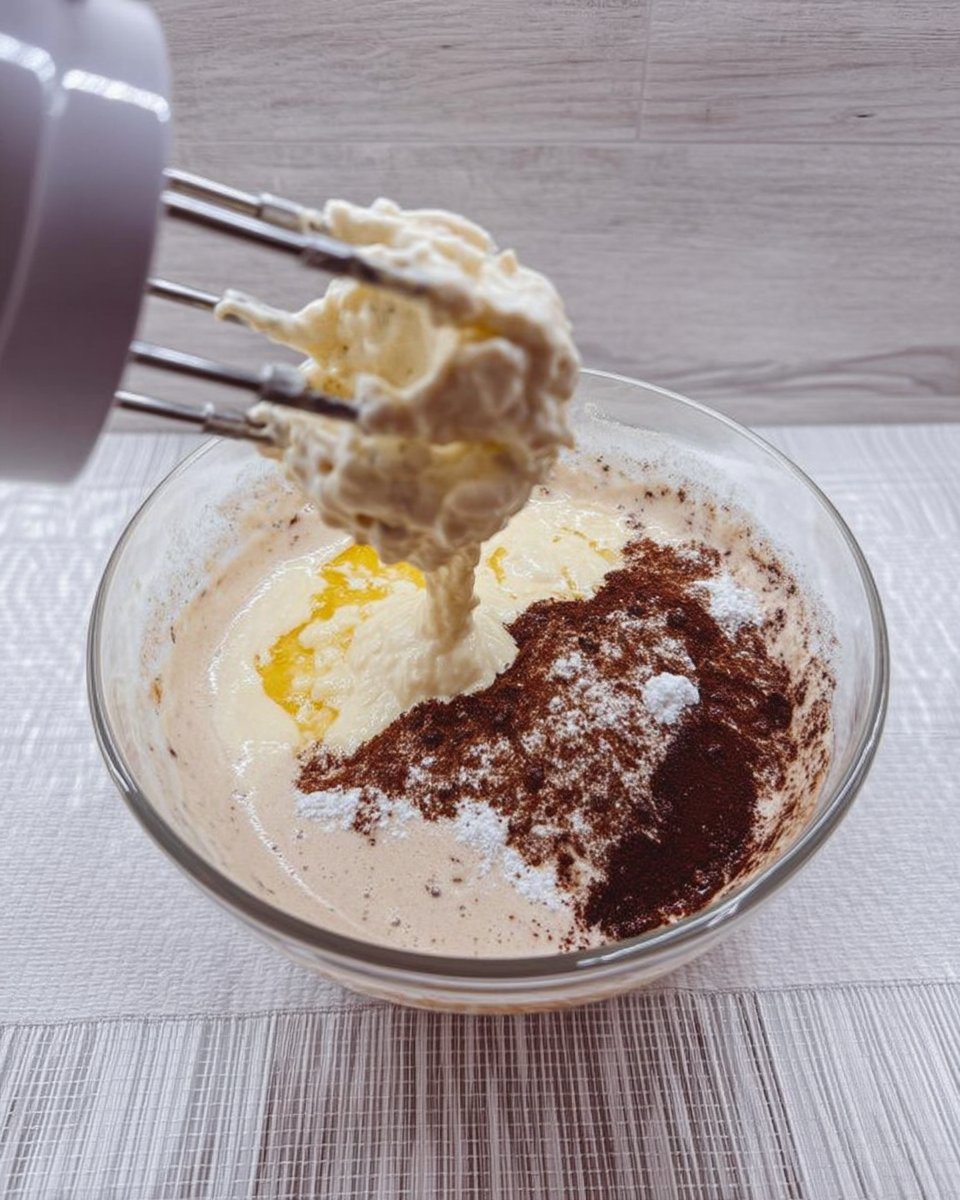
To achieve professional-grade results, every gram matters in this high-fat emulsion. We recommend using a digital scale to verify your measurements, as even a 10g discrepancy in flour can significantly alter the final texture and ease of pressing.
- Unsalted Butter (227g / 1 cup): Must be softened to 65°F. This specific temperature allows the fat crystals to hold air during the creaming process without melting.
- Granulated Sugar (100g / 1/2 cup): Provides the structural snap and aids in the mechanical aeration of the butter.
- Packed Brown Sugar (110g / 1/2 cup): Acts as a humectant to introduce a subtle moisture, which prevents the cookies from becoming overly dry and crumbly.
- Large Egg (50g): Served at room temperature to act as a primary emulsifier, binding the fats and liquids into a cohesive dough.
- Almond and Vanilla Extracts (2.5ml each): Pure extracts provide volatile aromatic compounds that permeate the dough, offering a complex flavor profile.
- All-Purpose Flour (312g / 2-1/2 cups): Provides the starch scaffold. We recommend a protein content of 10.5% for the ideal balance of tenderness and strength.
- Baking Soda (1/4 teaspoon): Reacts with the acidic molasses in the brown sugar to provide a microscopic lift.
- Fine Sea Salt (1/4 teaspoon): Sharpens the flavor profile and regulates the gluten structure.
The Lab Process
Step 1: Creaming and Mechanical Aeration
Start with butter at exactly 65°F (18°C). In a stand mixer, combine the butter with both the granulated and brown sugars. Beat on medium speed for 5 to 7 minutes. This extended time is necessary to build a stable network of air bubbles trapped within the fat. The mixture should change from a dense yellow to a pale, fluffy ivory. This aeration is the only leavening force that prevents the cookies from being rock-hard.
Step 2: Emulsification of Lipids and Liquids
Add the room-temperature egg and the almond and vanilla extracts to the creamed mixture. It is vital that the egg is not cold; a cold egg will cause the butter to seize, breaking the emulsion and resulting in a greasy cookie. Beat on medium speed for exactly 45 seconds until the mixture looks uniform and glossy. If the mixture appears curdled, continue beating for another 15 seconds until it smooths out.
Step 3: Integrating the Starch Scaffold
Sift the flour, baking soda, and salt together to remove any clumps and aerate the dry ingredients. Turn your mixer to the lowest setting and gradually add the dry mixture to the wet ingredients. Mix only until the last streak of white flour disappears. Over-mixing at this stage will develop the gluten proteins, which makes the dough elastic and difficult to press, leading to a tough, bready texture instead of a delicate snap.
Step 4: Loading the Extrusion Chamber
Transfer the dough to your cookie press, using a spatula to pack it tightly. It is critical to eliminate any air pockets inside the barrel, as these will cause gaps in your cookie designs. The dough should feel like soft Play-Doh. Do not chill the dough at this stage. Cold dough is too viscous to pass through the intricate patterns of the disks, which often leads to the press breaking or the cookies failing to adhere to the baking sheet.
Step 5: Pressing for Consistency
Position the cookie press perfectly perpendicular to an ungreased, cool aluminum baking sheet. Press one cookie at a time, allowing for a 2-inch gap between each for optimal heat distribution. The lack of grease or parchment paper is intentional; the dough needs the friction of the bare metal to “grab” the surface and pull away from the disk during the upward stroke of the press.
Step 6: Thermal Transformation and Cooling
Bake at 375°F (190°C) for 7 to 9 minutes. This high temperature is necessary to set the structure quickly before the fat can melt and cause spreading. Watch for the visual cue of the edges just barely turning a pale gold while the center remains matte. Remove from the oven and allow the cookies to set on the hot pan for 120 seconds. This period allows the residual heat to finish the internal bake before you move them to a wire rack for final cooling.
Lauren’s Lab Notes on Temperature Control
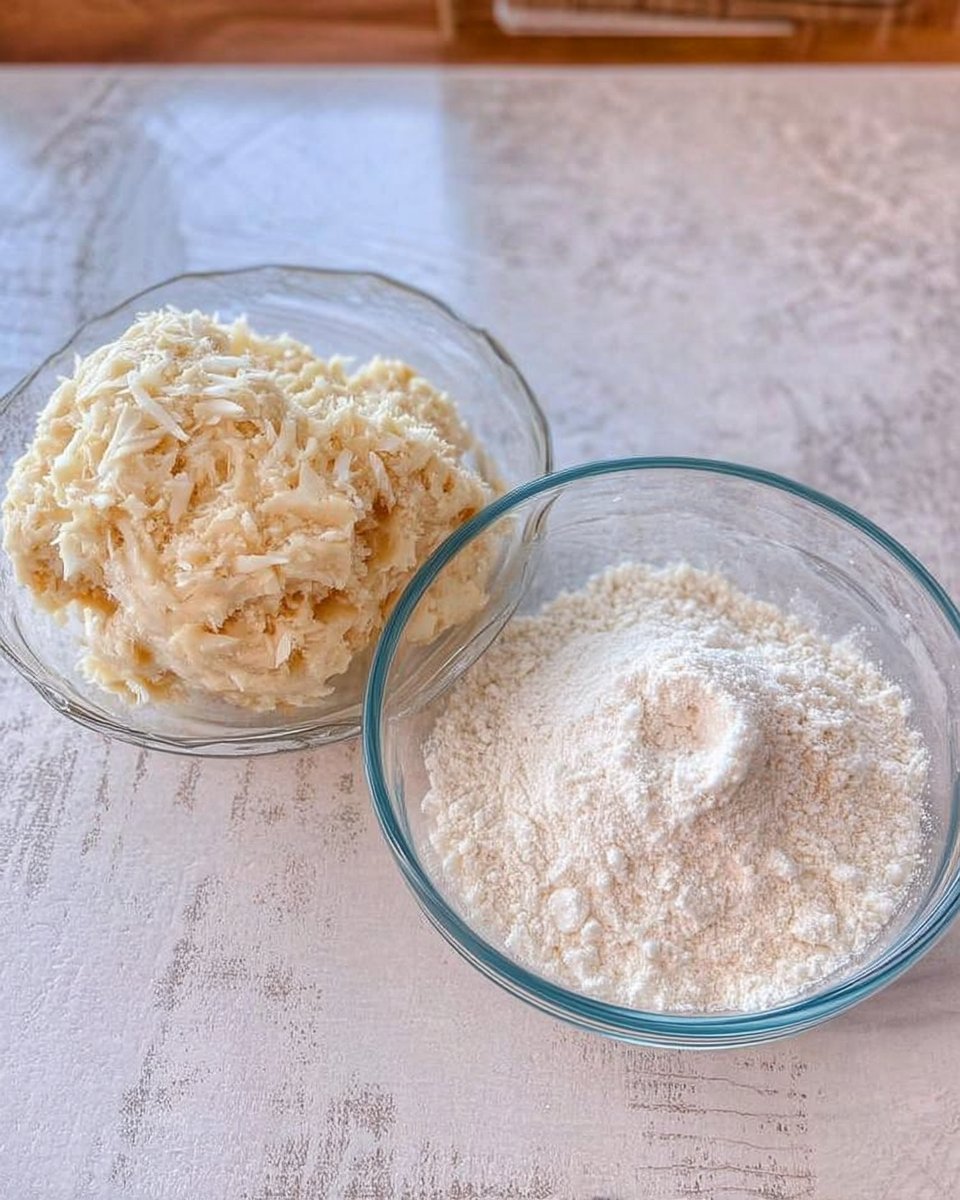
Temperature is the most significant variable in this recipe. If your baking sheet is warm from a previous batch, the butter in the dough will melt prematurely, causing the cookie to lose its definition. Always use completely cool pans. If you notice your dough becoming too soft and greasy in your hands, the ambient temperature in your kitchen may be too high. For more advanced troubleshooting on dough stability, see our guide on Holiday Cookie Science. We also suggest reviewing the traditional methods at Taste of Home to see how our lab measurements compare to heirloom techniques. Finally, never use parchment paper for spritz; the non-stick surface prevents the dough from releasing from the press correctly.
Tested Ratio Modifications
If you prefer a cookie with a more pronounced snap and less chew, you can replace the brown sugar entirely with an equal weight of granulated sugar. This modification reduces the hygroscopic nature of the dough, resulting in a drier, crisper crumb. For those interested in visual aesthetics, our Precision Cookie Decorating section provides data on how dipping half of the cookie in tempered chocolate can add a protective barrier that extends freshness. You may also substitute the almond extract with a high-quality peppermint oil for a seasonal variation, though we recommend reducing the amount to 1/4 teaspoon as peppermint is significantly more potent than almond oil.
Optimal Enjoyment and Texture Science
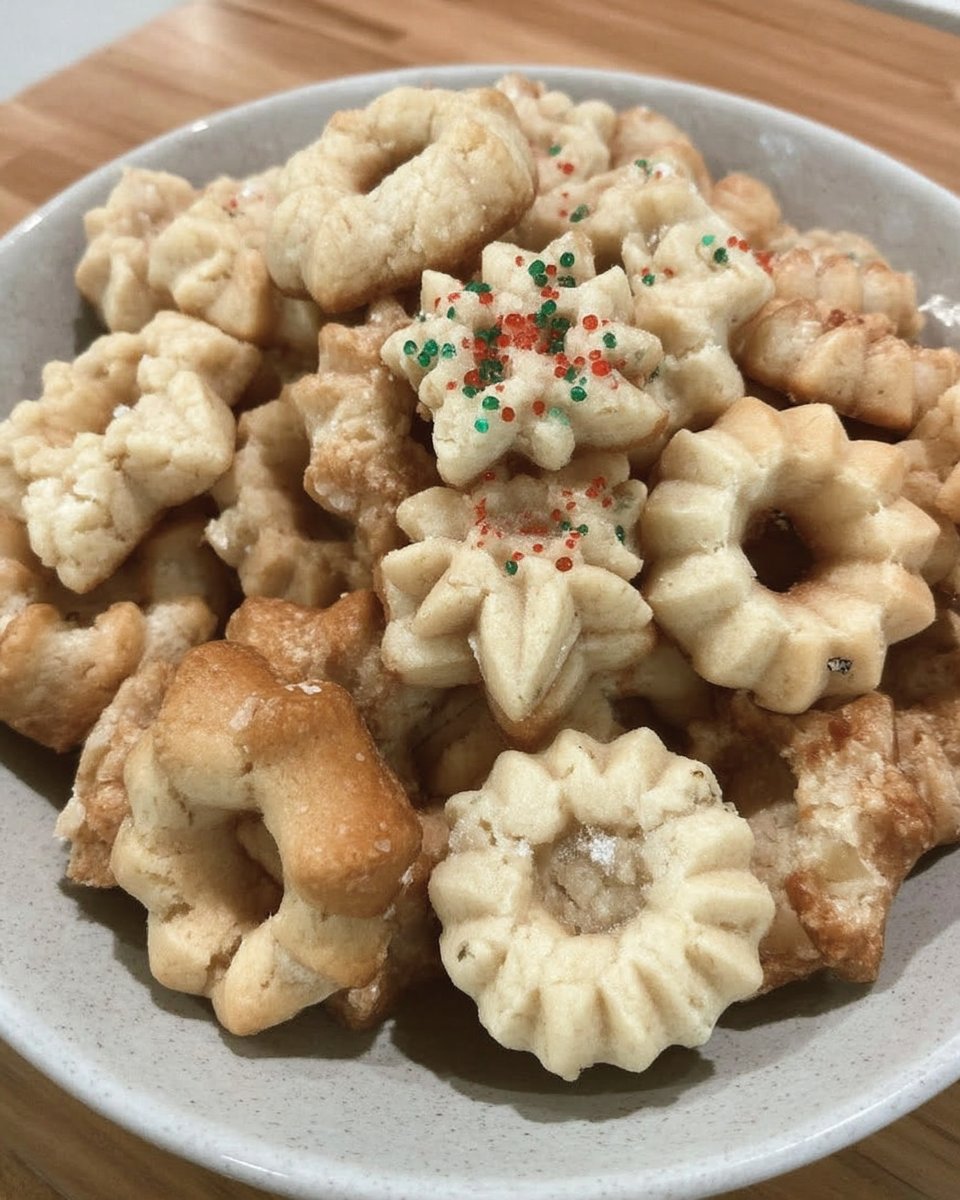
These cookies reach their peak flavor equilibrium approximately 24 hours after baking. This time allows the aromatic oils from the extracts to fully migrate through the starch structure. Serve them at a controlled room temperature of 68°F to ensure the butter solids provide a creamy mouthfeel rather than a waxy one. For planning your baking schedule for large events, our Efficient Cookie Methods article provides a timeline for bulk production. These cookies pair exceptionally well with a dark roast coffee, as the bitterness of the bean balances the sweet, nutty profile of the almond.
The Scientific Truth
Achieving the perfect spritz cookie is a triumph of chemistry over guesswork. By focusing on precise measurements, temperature control, and the mechanical aeration of fats, you can produce a heritage cookie that is consistently spectacular. For more technical insights into the world of baking, examine our Foundation Cookie Recipes to master the basics of dough structure. We invite you to share your technical results and photos with our community on Instagram, Facebook, or Pinterest. Keep testing and observing your results in the kitchen lab.