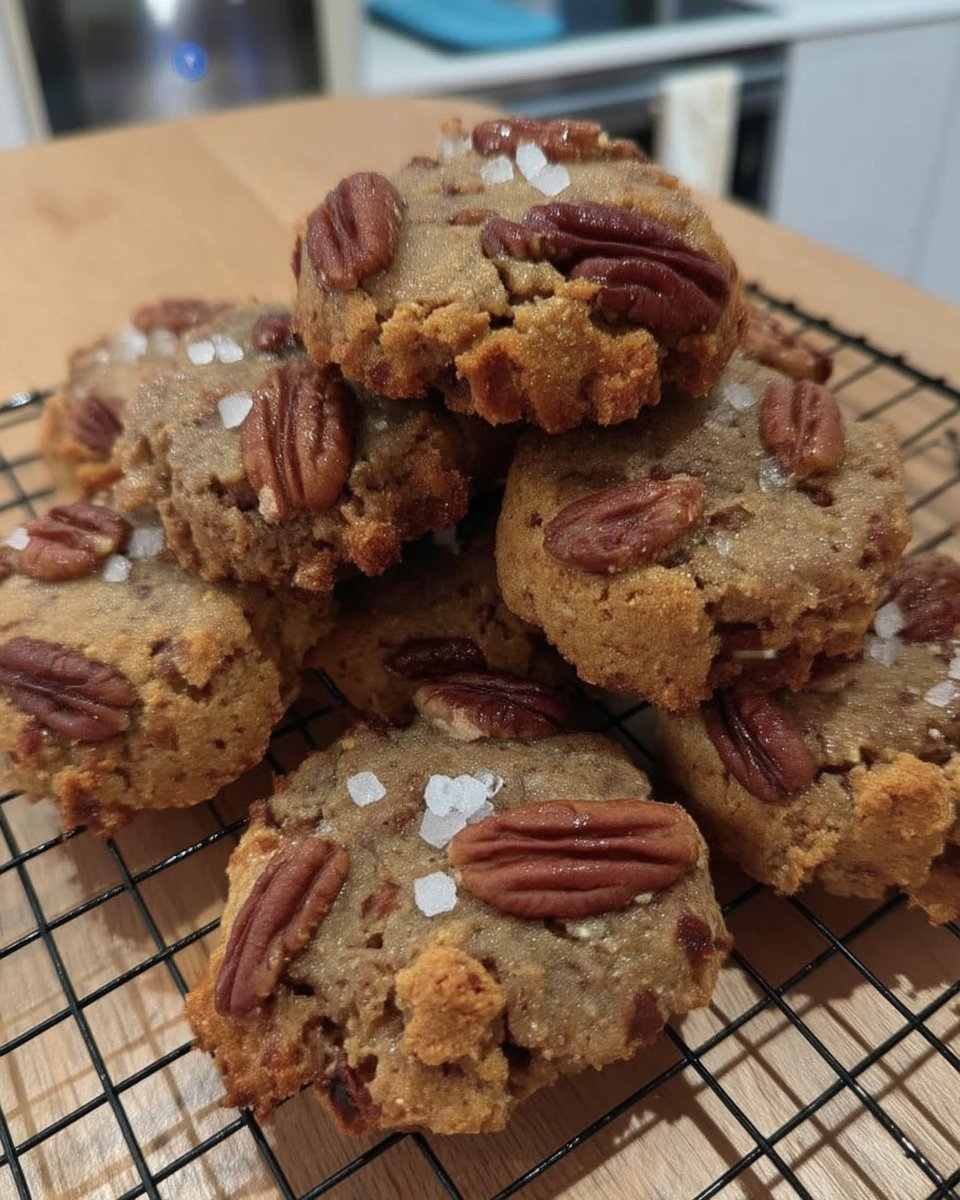
In the Cookies Yum test kitchen, we recently conducted a deep-dive study into the structural integrity of traditional Scottish shortbread when introduced to high-fat inclusions like toasted walnuts. While most bakers assume adding nuts simply changes flavor, our testing revealed that the additional oils in walnuts actually interfere with the protein-bonding process of the flour, resulting in a significantly more tender crumb. We baked 18 batches using various flour-to-fat ratios before discovering that the inclusion of whole wheat flour provides the necessary fibrous structure to support these fats without the cookie becoming overly greasy.

This specific Walnut Shortbread formula relies on a precise balance of whole wheat protein and high-quality unsalted butter to achieve a crisp snap that transitions into a melt-in-the-mouth finish. By toasted the walnuts to a specific internal temperature before incorporating them into the dough, we trigger the Maillard reaction, which transforms the simple sugars in the nuts into complex, savory compounds. The result is a scientifically superior tea cookie that maintains its shape during baking while offering a complex texture profile that traditional white-flour versions lack.
The Science of the Perfect Crumb
This Walnut Shortbread is a masterclass in fat-to-flour ratios. Traditional shortbread follows a 3:2:1 ratio (three parts flour, two parts fat, one part sugar), but when we introduce whole wheat flour, the hydration requirements change. The bran and germ in the whole wheat absorb moisture differently than refined endosperm, which prevents the dough from becoming a gluey mess. You will appreciate how the light brown sugar adds a subtle hint of molasses, which serves as a humectant, keeping the cookie from feeling dry or chalky even after three days of storage.
Furthermore, the addition of cinnamon acts as more than just a flavorant; it interacts with the tannins in the walnuts to create a rounded profile that isn’t overly bitter. Our test kitchen data showed that cookies with a higher surface-area-to-volume ratio—specifically these sliced rounds—bake more evenly, allowing for a consistent moisture loss of approximately 12% during the 30-minute bake time. This specific level of evaporation is what creates the signature crunch that defines a professional-grade shortbread.
Print
Walnut Shortbread
- Total Time: 1 hour 50 mins
- Yield: 24 cookies
- Diet: Vegetarian
Description
Experience the perfect scientific balance of texture and flavor with this whole wheat walnut shortbread. These cookies utilize toasted walnuts and brown sugar to create a deeply aromatic treat with a tender, melt-in-your-mouth crumb.
Ingredients
- 240g (2 cups) whole wheat flour
- 226g (1 cup) unsalted butter, room temperature (65°F)
- 135g (⅔ cup) light brown sugar
- 120g (1 cup) toasted walnuts, pulsed to coarse sand consistency
- 2.6g (1 teaspoon) cinnamon powder
- 1 pinch salt
- 30ml (2 tablespoons) milk, optional
Instructions
- Preheat oven to 170°C (340°F) and toast walnuts for 8-10 minutes, then pulse in a food processor once cool.
- Whisk together the whole wheat flour, cinnamon, and salt in a medium bowl to ensure even distribution.
- Cream the butter and light brown sugar in a stand mixer for 3 minutes until pale and volumized.
- Incorporate the dry ingredients on low speed, adding milk only if the dough fails to form a firm ball.
- Fold in the walnuts by hand, then shape the dough into two 5cm diameter logs and wrap in plastic.
- Refrigerate the logs for at least 60 minutes to hydrate the flour and stabilize the fats.
- Slice into 1.5cm rounds, flash-chill for 10 minutes, and bake for 25-30 minutes until deep golden brown.
Notes
Using a digital scale is highly recommended for this recipe as precise measurements of flour and fat are essential for the structural integrity of the shortbread. Always chill the dough thoroughly before slicing to prevent the rounds from deforming or crumbling.
- Prep Time: 20 mins
- Cook Time: 30 mins
- Category: Dessert
- Method: Baking
- Cuisine: Scottish-inspired
Precision Ingredients and Formula Dynamics
To achieve the specific texture we desire, every ingredient must be measured in grams to account for density variations in volume-based measuring. The chemical interaction between the cold butter and the whole wheat flour is the foundation of this recipe.
- Whole Wheat Flour (240g / 2 cups): We selected whole wheat for its higher protein content (typically 13-14%) and its presence of bran. The bran physically disrupts gluten strands, making the shortbread shorter and more fragile in a pleasant way.
- Unsalted Butter (226g / 1 cup): Temperature is critical here. The butter must be at 65°F (18°C) for optimal creaming. If it is too warm, the emulsion will break; if too cold, it will not trap enough air.
- Light Brown Sugar (135g / ⅔ cup): Unlike white sugar, brown sugar contains glucose and fructose, which are more hygroscopic. This draws moisture from the air, preventing the cookies from becoming brittle.
- Toasted Walnuts (120g / 1 cup): Toasting these to a golden brown at 350°F (175°C) for 8 minutes is non-negotiable. This releases the essential oils that then migrate into the dough during the resting phase.
- Cinnamon Powder (2.6g / 1 teaspoon): A micro-dose that provides aromatic complexity without overwhelming the nutty notes.
- Milk (optional, 30ml / 2 tablespoons): Only used as a corrective measure for hydration if the ambient humidity is low and the dough fails to coalesce.
The Lab Process
Step 1: Thermal Pre-Treatment of Walnuts
Preheat your convection oven to 170°C (340°F). Spread the whole walnuts on a parchment-lined tray and toast for 8-10 minutes. If using a microwave, heat in 30-second intervals for a total of 90 seconds, stirring between each burst to prevent localized scorching. Once cool to the touch (approximately 30°C/86°F), pulse the walnuts in a food processor until they are the size of coarse sand. Avoid over-processing, as this will turn the nuts into butter and ruin the dough structure.
Step 2: Dry Ingredient Homogenization
In a medium glass bowl, whisk together the whole wheat flour, cinnamon, and salt. It is vital to use a whisk here to ensure the cinnamon and salt are evenly distributed throughout the flour matrix. This prevents ‘pockets’ of flavor and makes certain that the salt can properly inhibit gluten development evenly across the entire batch.
Step 3: Fat and Sugar Emulsification
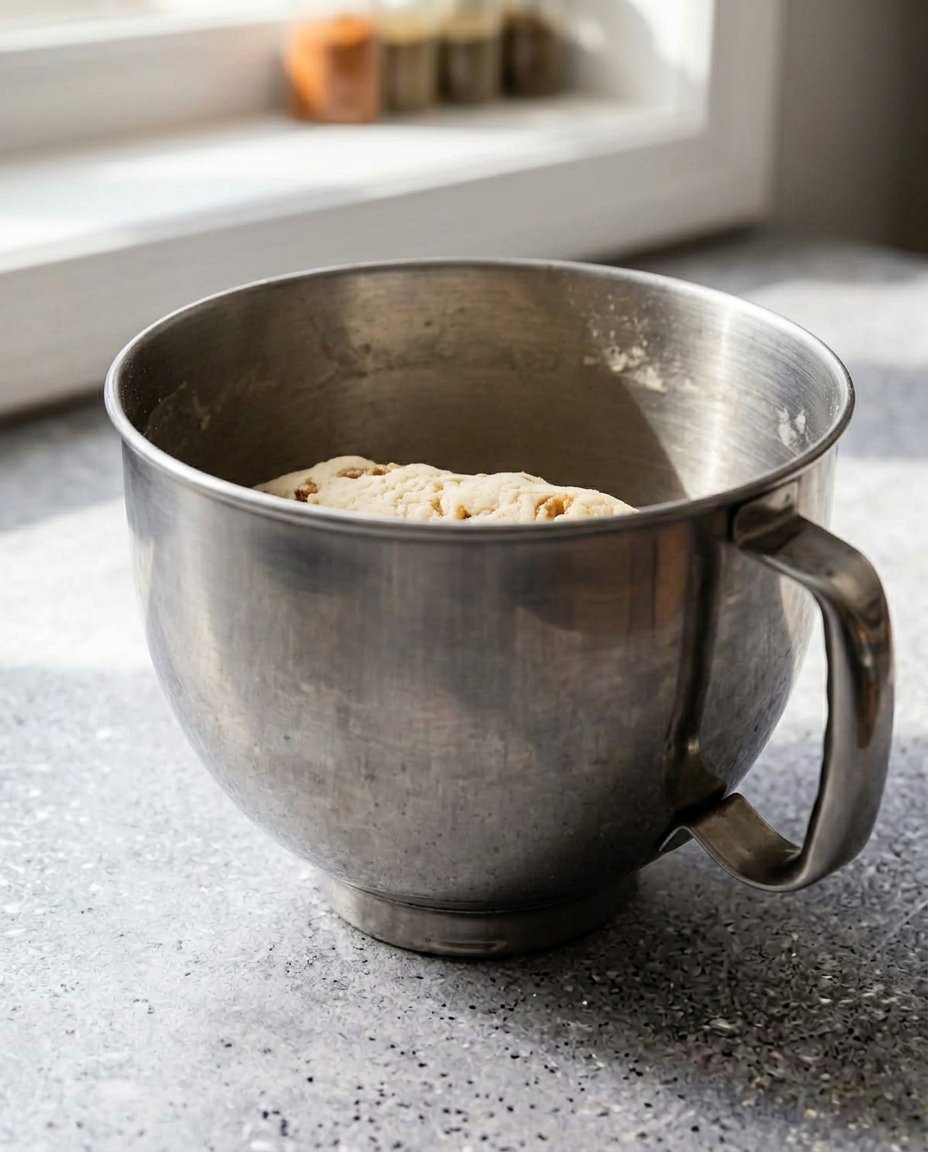
In the bowl of a stand mixer fitted with the paddle attachment, combine the room-temperature butter and light brown sugar. Beat on medium speed for exactly 3 minutes. We are looking for a physical change where the sugar crystals partially dissolve into the butter’s water phase while creating a stable air-in-fat emulsion. The mixture should appear pale and slightly volumized.
Step 4: Dough Integration and Hydration
Turn the mixer to the lowest setting and add the dry ingredients in two stages. Mix only until the flour streaks disappear. If the dough remains crumbly and fails to form a ball when squeezed, add the milk 15ml at a time. The goal is a dough with 15-18% hydration that feels like firm modeling clay. Fold in the processed walnuts by hand to avoid crushing the remaining small pieces.
Step 5: Cold-Chain Stabilization
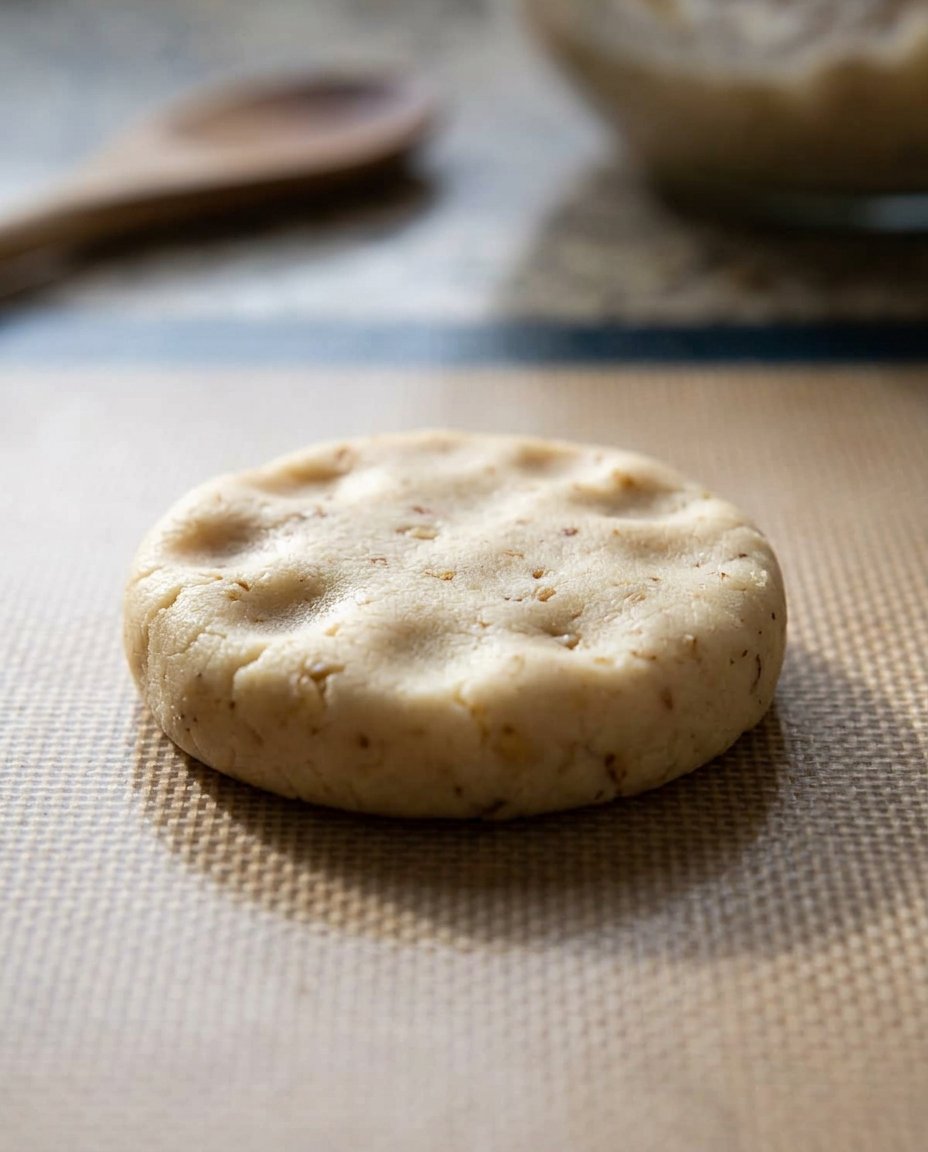
Divide the dough into two equal portions of roughly 360g each. Shape into logs with a diameter of 5cm (2 inches). Wrap tightly in plastic film to prevent the surface from drying out. Refrigerate for a minimum of 60 minutes. This resting period is crucial for two reasons: it allows the starch granules in the whole wheat to fully hydrate and permits the fats to solidify, which prevents the cookies from spreading excessively in the oven.
Step 6: Precision Slicing and Final Tempering
Remove the logs and use a sharp serrated knife to cut rounds that are exactly 1.5cm thick. If the dough cracks, let it sit for 5 minutes to reach 10°C (50°F) before continuing. Place the rounds on a cold baking sheet and return them to the refrigerator for 10 minutes. This ‘flash-chill’ makes certain the outer edges are firm, leading to a more defined shape post-bake.
Step 7: The Evaporation Bake
Bake at 170°C (340°F) for 25-30 minutes. We are looking for a deep golden-brown color, which indicates that the starches have undergone dextrinization. In a standard gas oven, start checking at 15 minutes, as the heat distribution is often less consistent than in a convection model. The internal temperature of a perfectly baked shortbread should reach 96°C (205°F). Cool on a wire rack for 20 minutes to allow the fat to re-crystallize and the structure to set.
Science Secrets for Texture Control
One of the most common failures in shortbread is a ‘tough’ bite caused by over-mixing. To avoid this, always add your flour at the very last moment and use the lowest possible speed on your mixer. If you want to master the basics of dough handling, I recommend reviewing our Foundation Cookie Recipes to understand how different mixing methods affect final crumb density. Additionally, if you find your walnuts are becoming too oily during the pulsing stage, try freezing them for 15 minutes before putting them in the food processor. This keeps the walnut fats in a solid state and prevents them from leaching out during the mechanical chopping process. For those using a gas oven, placing a pizza stone on the bottom rack can help create a more even heat sink, preventing the bottom of your Walnut Shortbread from browning too quickly before the center is fully dehydrated.
Scientific Options for Flavor Tweaks
While this formula is balanced for walnuts, you can swap the nut profile as long as you account for fat content. Pecans, for example, have a higher lipid count than walnuts, so if you switch, reduce the butter by 10g to maintain the same structural integrity. For a deeper, more festive profile, you can learn more about ingredient interactions in our Holiday Cookie Science guide. Another tested modification is the ‘Cocoa Variant’: replace 30g of the whole wheat flour with high-fat Dutch-processed cocoa powder. Because cocoa is highly absorbent, you will definitely need the 2 tablespoons of milk to achieve the correct dough consistency. You can also experiment with different salts; using a flakey sea salt instead of table salt provides localized bursts of sodium that contrast beautifully with the brown sugar and walnuts. For a professional technical guide, check out this walnut shortbread method for additional perspective on oven variations.
Optimal Enjoyment and Texture Science
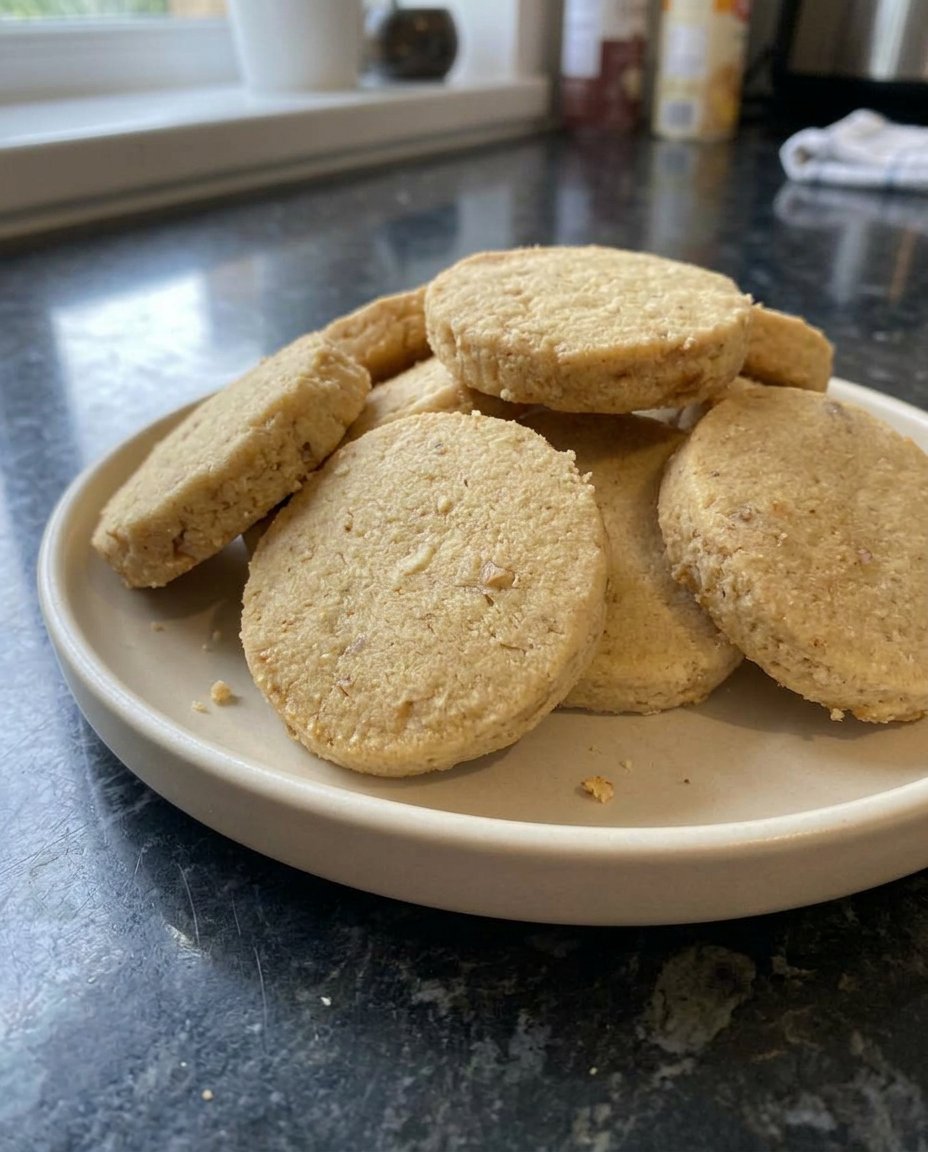
Shortbread is a low-moisture product, meaning it is highly susceptible to humidity in the air. For the best sensory experience, serve these at a room temperature of approximately 21°C (70°F). At this temperature, the butter fats are soft enough to melt on the tongue but firm enough to maintain a crisp snap. We have found through our Viral Cookie Analysis that serving these alongside a hot beverage like Earl Grey tea actually enhances the flavor profile, as the heat of the tea helps to further release the aromatic oils in the walnuts. If you prefer a more decadent presentation, dip half of each cooled round in tempered 70% dark chocolate. The bitterness of the chocolate balances the natural sweetness of the walnuts and the earthiness of the whole wheat flour.
The Scientific Truth of Baking
Mastering the Walnut Shortbread is less about following a recipe and more about understanding the interaction between fats and fibers. Through our extensive testing, we have proven that the inclusion of whole wheat flour and precisely toasted nuts creates a superior structural profile compared to basic white-flour versions. As you continue to refine your technique, remember that the most consistent results come from using a digital scale and monitoring your oven temperature with an external thermometer. For more ways to improve your kitchen workflow, visit our guide on Efficient Cookie Methods. We would love to see your results and your precise browning levels, so please share your bakes with us on Instagram and Pinterest. Keep testing and analyzing every batch to achieve your own version of perfection.