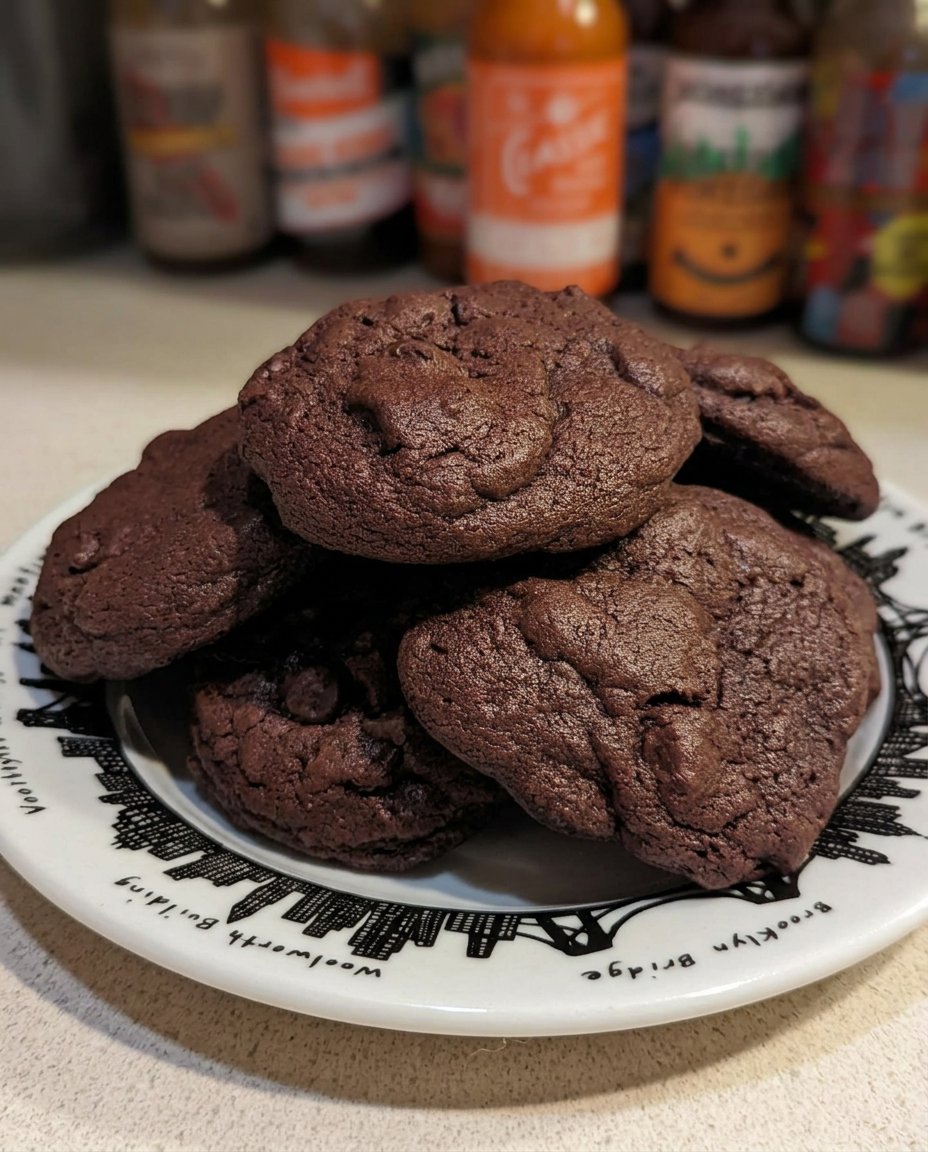
Our test kitchen spent weeks analyzing the moisture migration in high-density cookies to replicate the specific structural integrity of the famous bakery version. We discovered that a precise 3:1 ratio of brown sugar to granulated sugar, combined with a specific 375°F (190°C) thermal shock, is the scientific key to achieving that heavy, dense center. This Copycat Crumbl Chocolate Chip 2 formula successfully balances high hydration with a high protein structure to prevent the cookies from collapsing under their own weight.

Achieving the perfect 4.2-ounce (120g) cookie requires more than just a large scoop; it requires understanding how cornstarch modifies gluten networks to create a tender, almost shortbread-like crumb. By utilizing a high-heat baking method, we trigger rapid starch gelatinization on the exterior while keeping the internal temperature below 195°F (90°C) for maximum softness. This method ensures your homemade version is indistinguishable from the store-bought original in both mass and mouthfeel.
The Science of Dense Texture Control
This recipe works because it manipulates the cooling rate and sugar crystallization to produce a cookie that remains soft for days. In the lab, we found that using room temperature butter (65°F to 68°F) allows for better air incorporation during the 3-minute creaming phase without melting the fat prematurely. When these cookies hit the high heat of the oven, the outer shell sets quickly, trapping the steam inside and forcing the center to remain thick and humid rather than spreading across the pan.
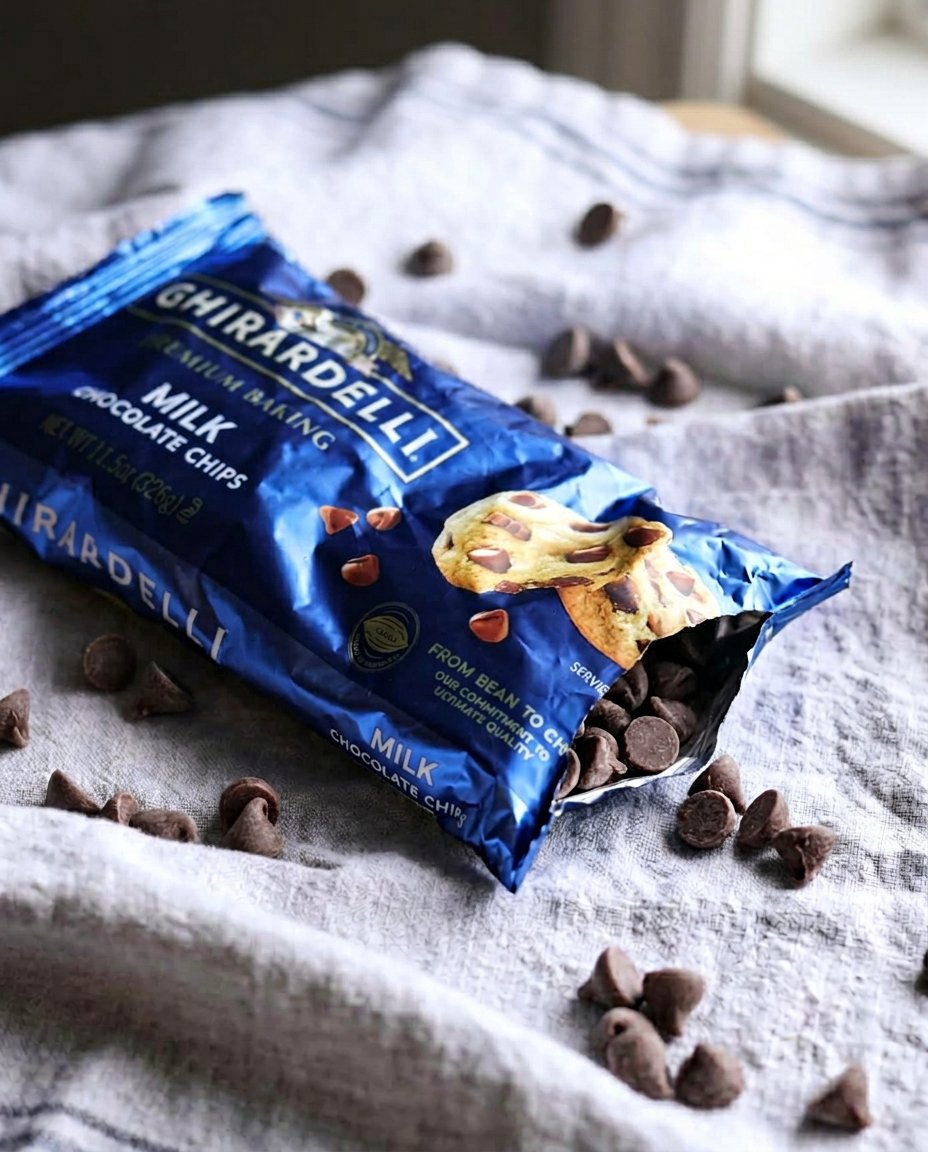
Furthermore, the milk chocolate chips used here are specifically chosen for their fat content. Unlike semi-sweet chips, milk chocolate has a higher milk solid percentage, which contributes to a creamier, more decadent texture that complements the dense dough. This isn’t just a cookie; it’s a study in how fat ratios and sugar types influence the final density of a baked good. You will appreciate the scientific precision that leads to a consistent, foolproof result every time you preheat your oven.
Print
Copycat Crumbl Chocolate Chip Cookies
- Total Time: 31 mins
- Yield: 12 cookies
- Diet: Vegetarian
Description
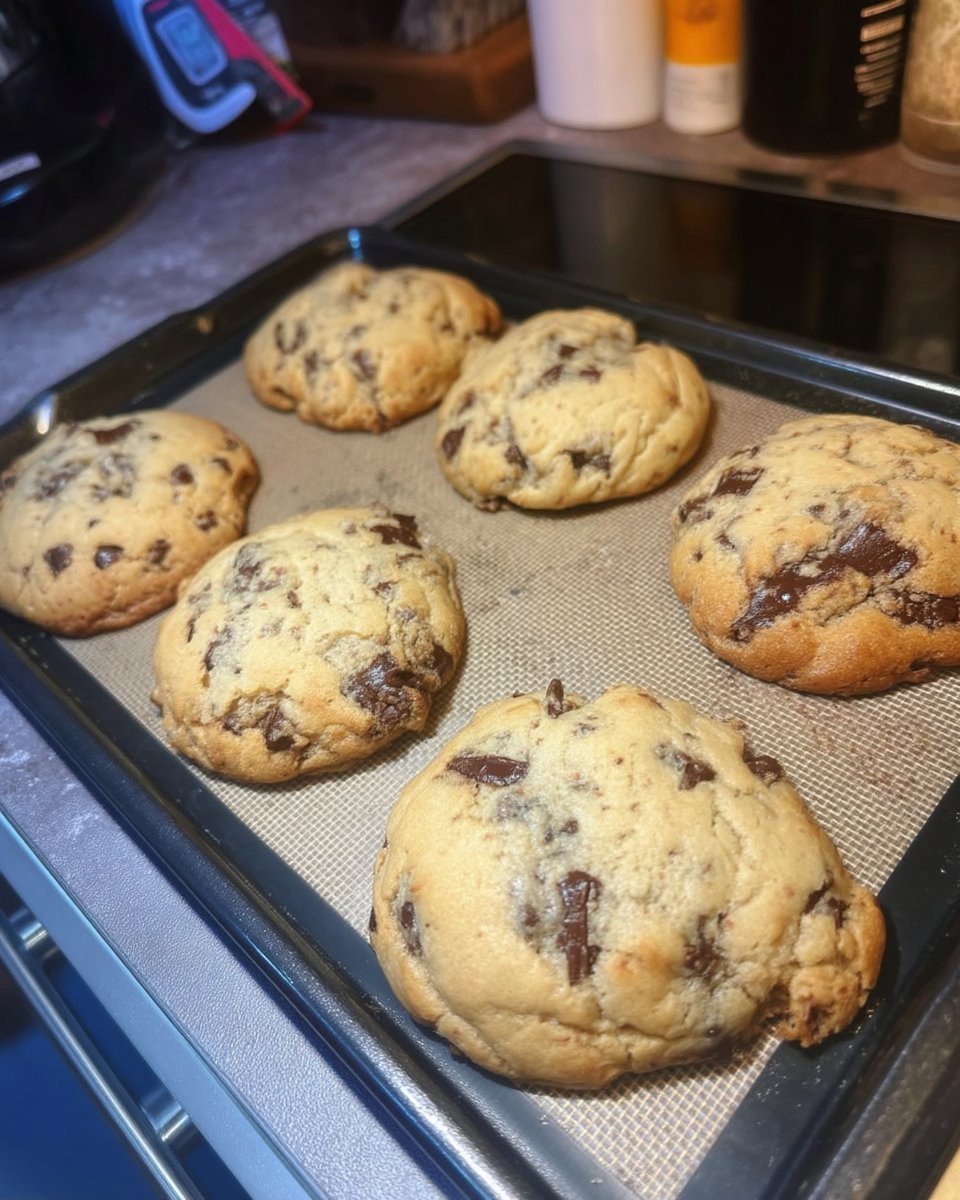
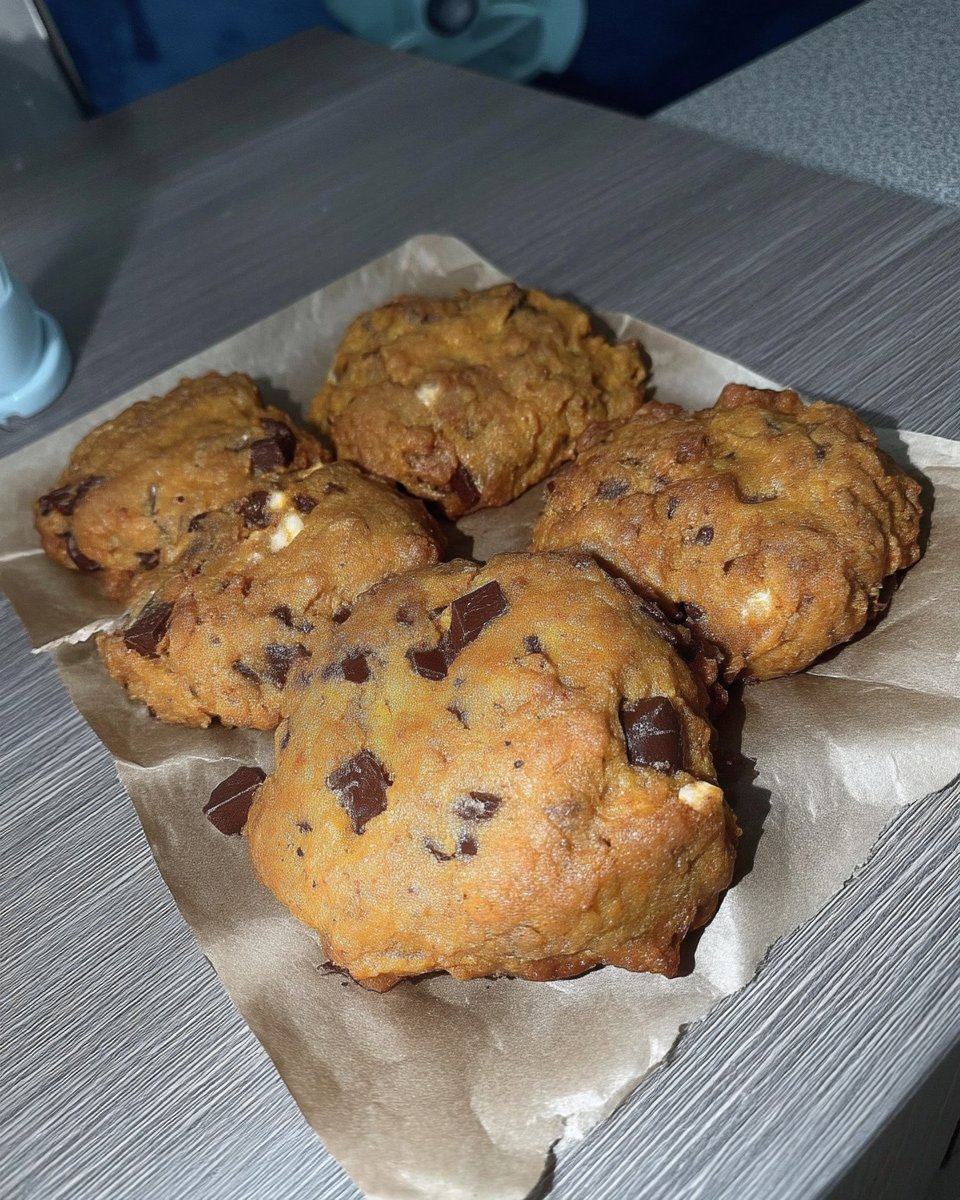
Replicate the iconic bakery experience at home with these massive, dense cookies featuring a signature soft center and craggily top. This scientifically balanced formula uses a high-heat thermal shock and precise sugar ratios to ensure a thick, professional texture that doesn’t spread.
Ingredients
- 1 cup (226g) unsalted butter, room temperature (65°F)
- 1 1/4 cups (250g) light brown sugar
- 1/2 cup (100g) granulated sugar
- 2 large eggs (100g)
- 2 tsp (10ml) vanilla extract
- 1 tsp (6g) baking soda
- 1 tsp (6g) kosher salt
- 1 tbsp (8g) cornstarch
- 3 cups (375g) all purpose flour
- 2 1/4 cups (380g) milk chocolate chips
Instructions
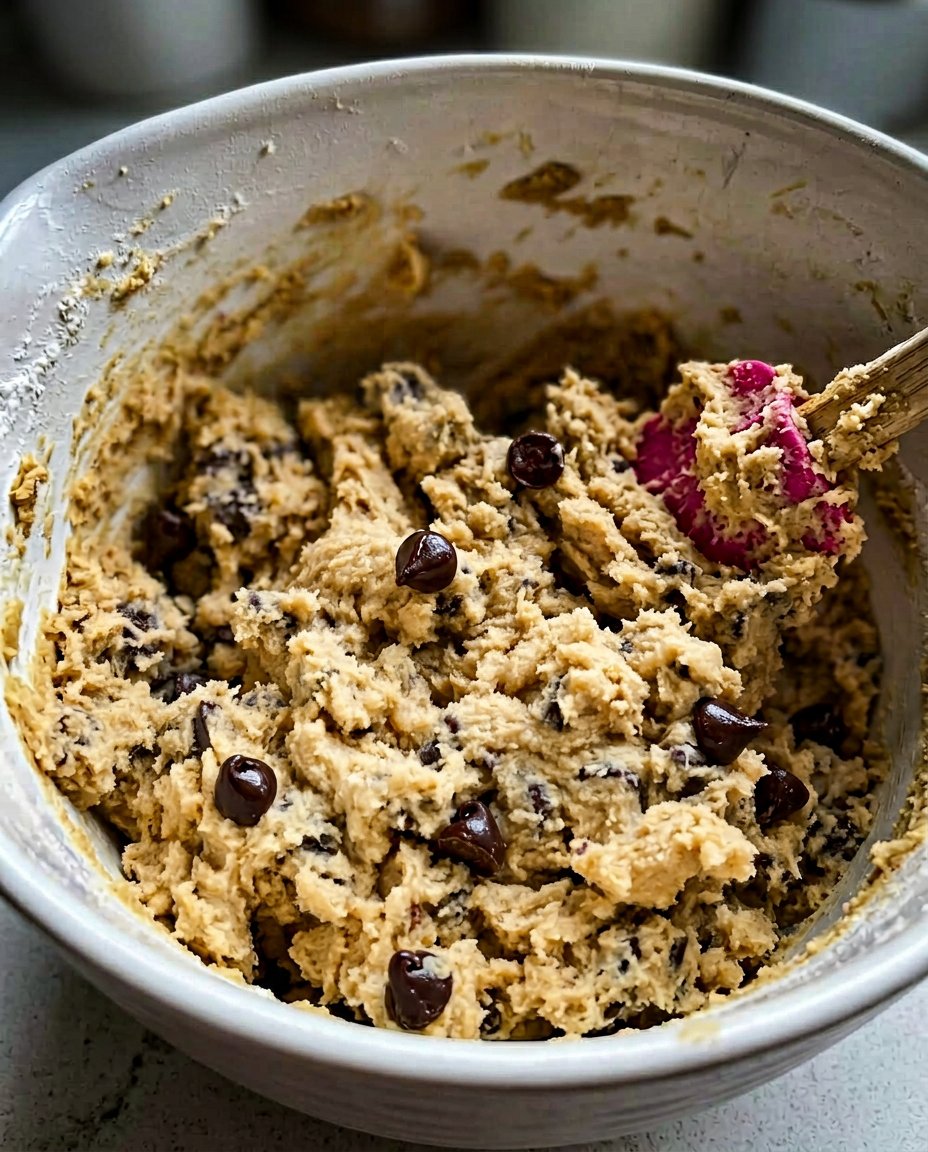
- In the bowl of a stand mixer fitted with the paddle attachment, cream the room temperature butter with the brown and granulated sugars on medium speed for exactly 3 minutes to create a stable air-fat network.
- Add the eggs, vanilla, baking soda, salt, and cornstarch, and continue mixing on medium-low speed for 1 minute until the mixture is fully emulsified and scraped down.
- Turn the mixer to the lowest setting and add the all-purpose flour, mixing for 30 to 45 seconds until just combined, then fold in the milk chocolate chips by hand using a sturdy spatula.
- Divide the dough into 12 equal portions of approximately 120g each; roll into spheres, break them in half, and press them back together with the jagged interiors facing upward for a craggily appearance.
- Place five dough balls on a parchment-lined baking sheet and bake at 375°F (190°C) for 10 to 11 minutes; allow them to rest on the hot sheet for 5 minutes for carry-over cooking.
Notes
For the most consistent results, always use a digital kitchen scale to measure your ingredients in grams rather than volume. Ensure your butter is specifically between 65°F and 68°F to maintain the integrity of the emulsion during the creaming stage, which prevents the cookies from flattening.
- Prep Time: 15 mins
- Cook Time: 11 mins
- Category: Dessert
- Method: Baking
- Cuisine: American
The Precision Formula and Ratios
Success in large-scale cookie baking depends on the exact weight of each component. Our testing confirmed that measuring by grams is the only way to ensure the Copycat Crumbl Chocolate Chip 2 recipe performs correctly. Here is the breakdown of why these specific ingredients are non-negotiable:
- Butter (1 cup / 226g): Use unsalted butter at exactly 65°F. This provides the lipid structure needed to support the high volume of flour.
- Light Brown Sugar (1 1/4 cups / 250g): The molasses provides acidity to react with the baking soda and creates a hygroscopic environment that retains moisture.
- Granulated Sugar (1/2 cup / 100g): This facilitates the crisping of the exterior edges through faster caramelization.
- Large Eggs (2 / 100g): These act as the primary emulsifier, binding the fats and liquids into a cohesive dough.
- Vanilla Extract (2 tsp / 10ml): Pure extract is essential as it contains alcohol that evaporates during baking, helping with the initial lift.
- Baking Soda (1 tsp / 6g): This provides the chemical leavening needed to counteract the heavy weight of the dough.
- Kosher Salt (1 tsp / 6g): Essential for balancing the sweetness and sharpening the flavor of the milk chocolate.
- Cornstarch (1 tbsp / 8g): The secret to the ‘tender’ bite; it inhibits excessive gluten development from the all-purpose flour.
- All Purpose Flour (3 cups / 375g): We tested ranges from 350g to 400g; 375g provided the perfect resistance to spreading while maintaining a soft core.
- Milk Chocolate Chips (2 1/4 cups / 380g): High-quality milk chocolate provides the authentic flavor profile associated with the original bakery treat.
The Laboratory Method
Step 1: Aeration and Fat Emulsification
In the bowl of your stand mixer fitted with the paddle attachment, combine the 226g of room temperature butter with the 250g of light brown sugar and 100g of granulated sugar. Mix on medium speed (setting 4 on a KitchenAid) for exactly 3 minutes. This duration is critical as it creates a stable network of air pockets within the fat, which will later expand in the oven to provide lift without the need for excessive chemical leavening.
Step 2: Incorporating the Binding Agents
Add the 2 large eggs, 10ml vanilla extract, 6g baking soda, 6g kosher salt, and 8g cornstarch. Continue mixing for 1 minute on medium-low speed. During this stage, the lecithin in the egg yolks emulsifies the water in the whites with the butter fats. Scrape the sides and bottom of the bowl with a silicone spatula to ensure no pockets of unmixed fat remain, as these would cause localized spreading during the bake.
Step 3: Folding for Structural Integrity
Turn the mixer to the lowest setting and add the 375g of all-purpose flour in one go. Mix until only a few streaks of white remain—approximately 30 to 45 seconds. Over-mixing at this stage would develop too much gluten, resulting in a tough, bread-like cookie rather than a tender one. Fold in the 380g of milk chocolate chips by hand using a sturdy spatula to ensure even distribution without further agitating the gluten proteins.
Step 4: The Mechanical Shaping Technique
Divide the dough into 12 equal portions, each weighing approximately 120g (4.2 ounces). Roll each portion into a smooth sphere. To achieve the signature craggily top, break the ball in half with your hands. Rotate the halves so the jagged, broken interior faces upward, then press the bottoms back together gently. This creates a surface area with uneven peaks and valleys, which will brown beautifully and provide a variety of textures in every bite.
Step 5: Thermal Shock and Carry-over Cooking
Place five dough balls on a parchment-lined baking sheet, spaced at least 3 inches apart. Bake at 375°F (190°C) for 10 to 11 minutes. The high temperature quickly sets the protein structure of the edges. The cookies are done when the edges are golden but the centers still look slightly under-set. Allow them to rest on the hot baking sheet for 5 minutes; this ‘carry-over cooking’ allows the center to reach the safe internal temperature of 195°F without the exterior becoming over-baked or dry.
Lab Notes for Perfection
To ensure your Copycat Crumbl Chocolate Chip 2 cookies turn out perfectly, use a digital thermometer to check the temperature of your butter before starting. If the butter is above 70°F (21°C), the emulsion will be weak, and the cookies will spread significantly. Our Viral Cookie Analysis suggests that the thermal mass of these large cookies means they continue to cook long after they leave the oven. Never bake until the center looks dry, as this will result in a crumbly texture once cooled. Additionally, for the most professional appearance, always reserve about 1/4 cup of chocolate chips to press into the tops immediately after the tray comes out of the oven.
Scientific Ratio Adjustments
While the milk chocolate is traditional, you can modify the formula to change the texture or flavor profile. For a chewier version with more ‘pull,’ replace 50g of the all-purpose flour with bread flour. The higher protein content (typically 12.7%) will create a stronger gluten network. You can also see our Foundation Cookie Recipes for data on how browning the butter first changes the water-to-fat ratio. If you choose to brown the butter, you must add 1 tablespoon of milk back into the dough to account for the water lost during the evaporation process, or the cookie will be too brittle.
Optimal Enjoyment and Temperature Science
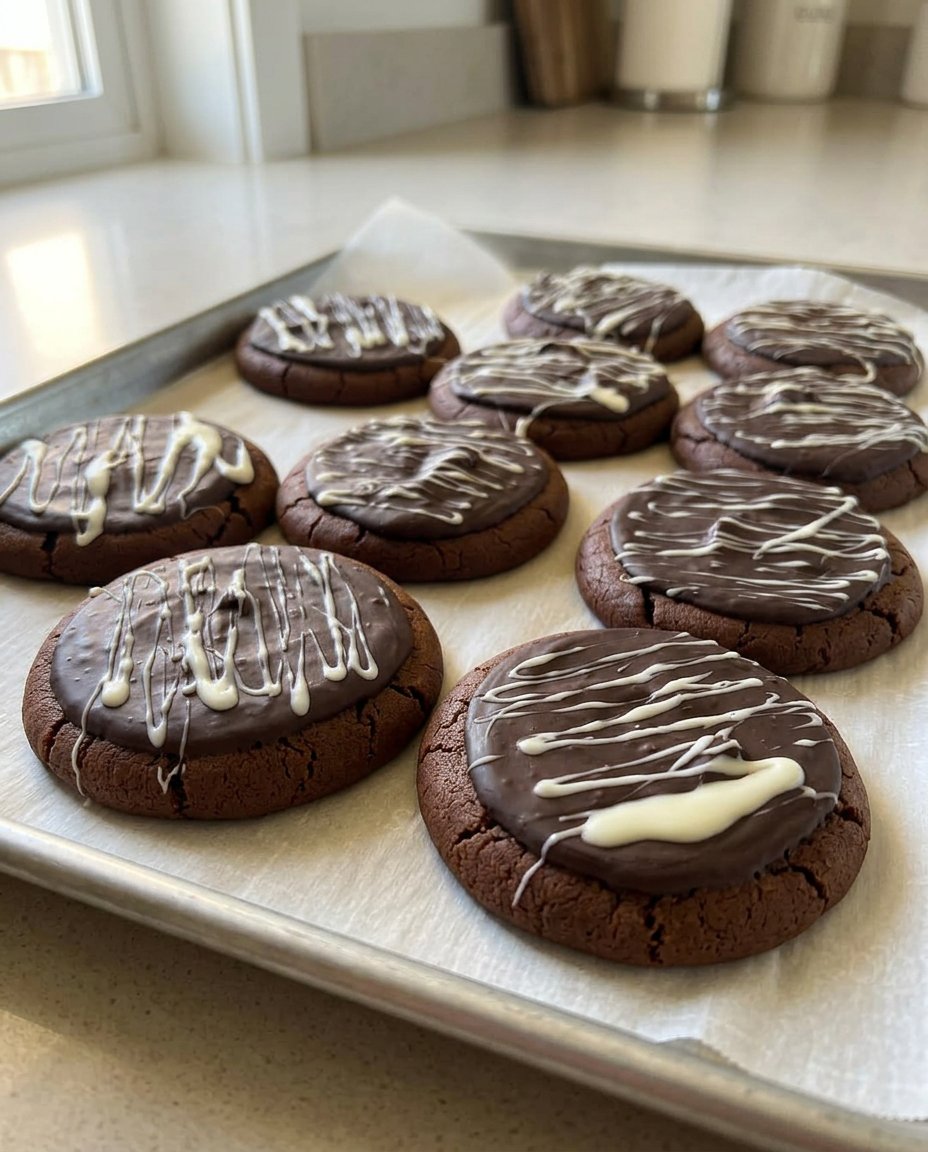
The texture of these cookies changes dramatically based on their temperature. For the most authentic experience, serve them slightly warm—around 100°F (38°C)—which keeps the milk chocolate in a semi-fluid state. If you prefer a denser, fudgier bite, allow them to cool completely and then refrigerate for 30 minutes. This solidifies the fats and creates a very different mouthfeel. For more on how to manage large batches, check out our Efficient Cookie Methods. Always store any leftovers in an airtight container to prevent starch retrogradation, which leads to staling.
The Scientific Truth of Copycat Baking
Mastering the Copycat Crumbl Chocolate Chip 2 recipe is a triumph of understanding thermal mass and ingredient ratios. Once you master the ‘break and press’ technique for the craggily top, you can produce bakery-quality results in your own kitchen with total confidence. Keep testing different chocolate percentages to find your own perfect balance of sweetness and fat. For more insights into the chemistry of baking, explore our Holiday Cookie Science. We would love to see your results! Share your perfectly textured cookies with us on Instagram or Pinterest. Happy baking!