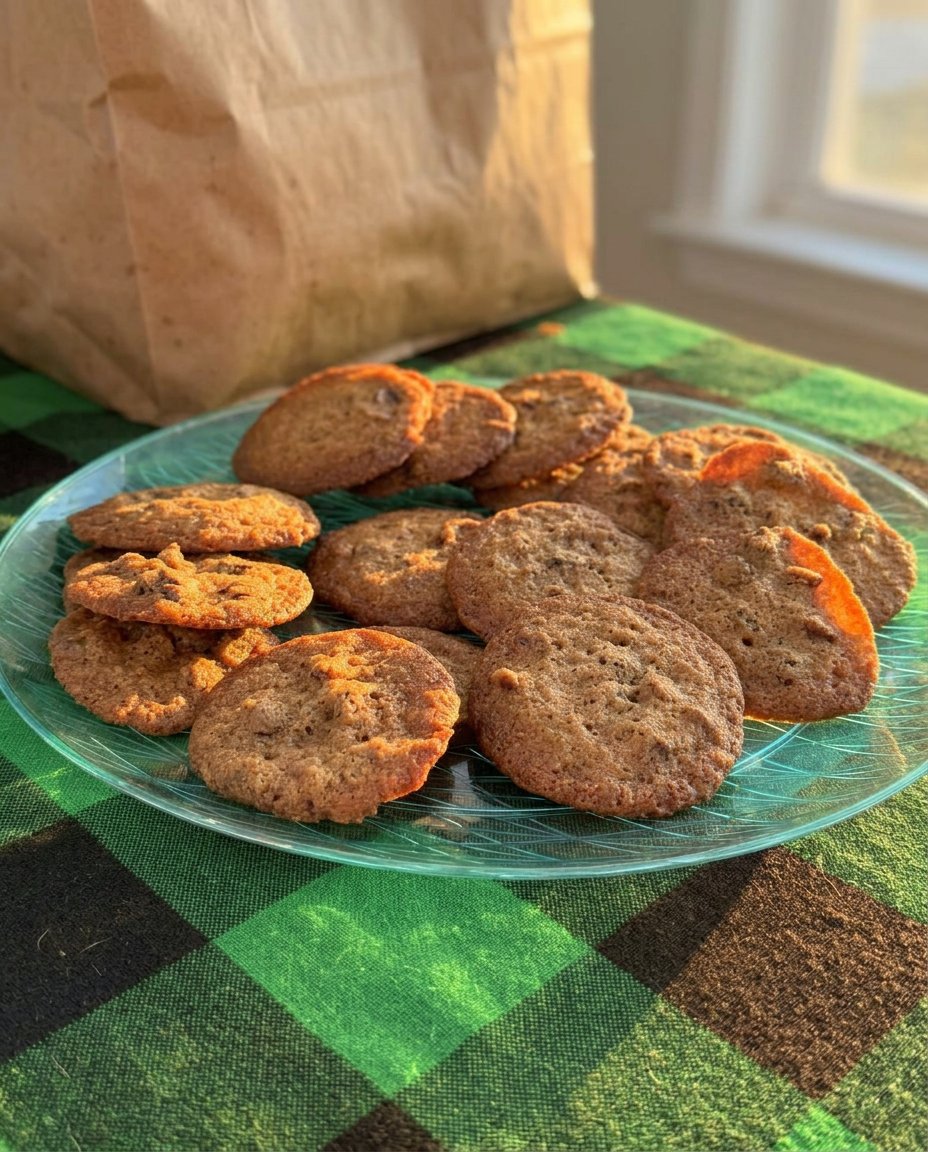
Peanuts are fascinating because they are technically legumes, meaning they contain a unique profile of proteins and fats that react specifically to heat. When we roast these legumes to create peanut butter, we initiate the Maillard reaction, which produces hundreds of aromatic pyrazine compounds. These molecules are responsible for that deep, savory-roasted scent that makes your kitchen smell like a professional bakery.

Achieving the perfect texture in these soft peanut butter cookies requires a careful balance of water activity and lipid stability. By using a specific ratio of saturated and unsaturated fats, we create a dough that remains tender long after it leaves the oven. This recipe focuses on the synergy between the moisture in the brown sugar and the emulsifiers found naturally in the peanut butter and egg.
The Flavor Science of Peanut Emulsions
You will love these cookies because they represent a perfect study in flavor pairing and textural engineering. The high fat content of the peanut butter serves as a carrier for the vanillin compounds in the vanilla extract, allowing the aroma to linger on your palate longer. Because fat coats the tongue, it slows down the release of sweetness, resulting in a more complex and less cloying taste experience.
The chemistry of the ‘soft’ factor comes down to the hygroscopic nature of the sugars we use. Brown sugar contains molasses, which is naturally acidic and moisture-attracting. This helps to keep the crumb moist by preventing the starches in the flour from becoming too rigid or dry. The result is a cookie that feels substantial yet melts away with minimal resistance.
We also prioritize the balance of salt, which is a powerful flavor modifier. Salt suppresses the perception of bitterness in the roasted peanuts while simultaneously amplifying the sweetness of the sugars. This creates a rounded flavor profile that hits multiple taste receptors at once, making each bite more satisfying than the last. It is a scientific approach to a classic comfort food.
Print
Soft Peanut Butter Cookies
- Total Time: 24 mins
- Yield: 24 cookies
- Diet: Vegetarian
Description
Experience the perfect fusion of science and flavor with these exceptionally soft peanut butter cookies. By balancing moisture-attracting sugars and stable emulsions, this recipe delivers a tender crumb and deep roasted aroma that stays fresh for days.
Ingredients
- 1 cup creamy peanut butter
- 1/2 cup unsalted butter, softened
- 1/2 cup granulated white sugar
- 1/2 cup packed brown sugar
- 1 large egg
- 1 tablespoon vanilla extract
- 1 1/4 cups all-purpose flour
- 3/4 teaspoon baking powder
- 1/4 teaspoon salt
- Extra granulated sugar for rolling (optional)
Instructions
- Preheat your oven to 350°F (175°C) and line two baking sheets with parchment paper.
- In a large bowl, cream together the peanut butter, softened butter, white sugar, and brown sugar for 2-3 minutes until light and fluffy.
- Add the egg and vanilla extract, beating the mixture until it appears smooth and glossy.
- In a separate bowl, whisk the flour, baking powder, and salt, then gradually fold into the wet ingredients until just combined.
- Roll the dough into 1-inch balls and coat them in granulated sugar if desired.
- Place balls on the baking sheet and press a fork into each in a criss-cross pattern to flatten slightly.
- Bake for 8-9 minutes; the centers should still look soft when removed from the oven.
- Allow the cookies to rest on the baking sheet for 5 minutes to set before transferring to a wire cooling rack.
Notes
For the most consistent results, avoid using natural peanut butter where the oil separates, as the lack of stabilizers can cause the cookies to spread too thin. To enhance the flavor even further, try adding a tiny pinch of flaky sea salt to the tops of the cookies immediately after they come out of the oven.
- Prep Time: 15 mins
- Cook Time: 9 mins
- Category: Dessert
- Method: Baking
- Cuisine: American
Molecular Building Blocks of Flavor
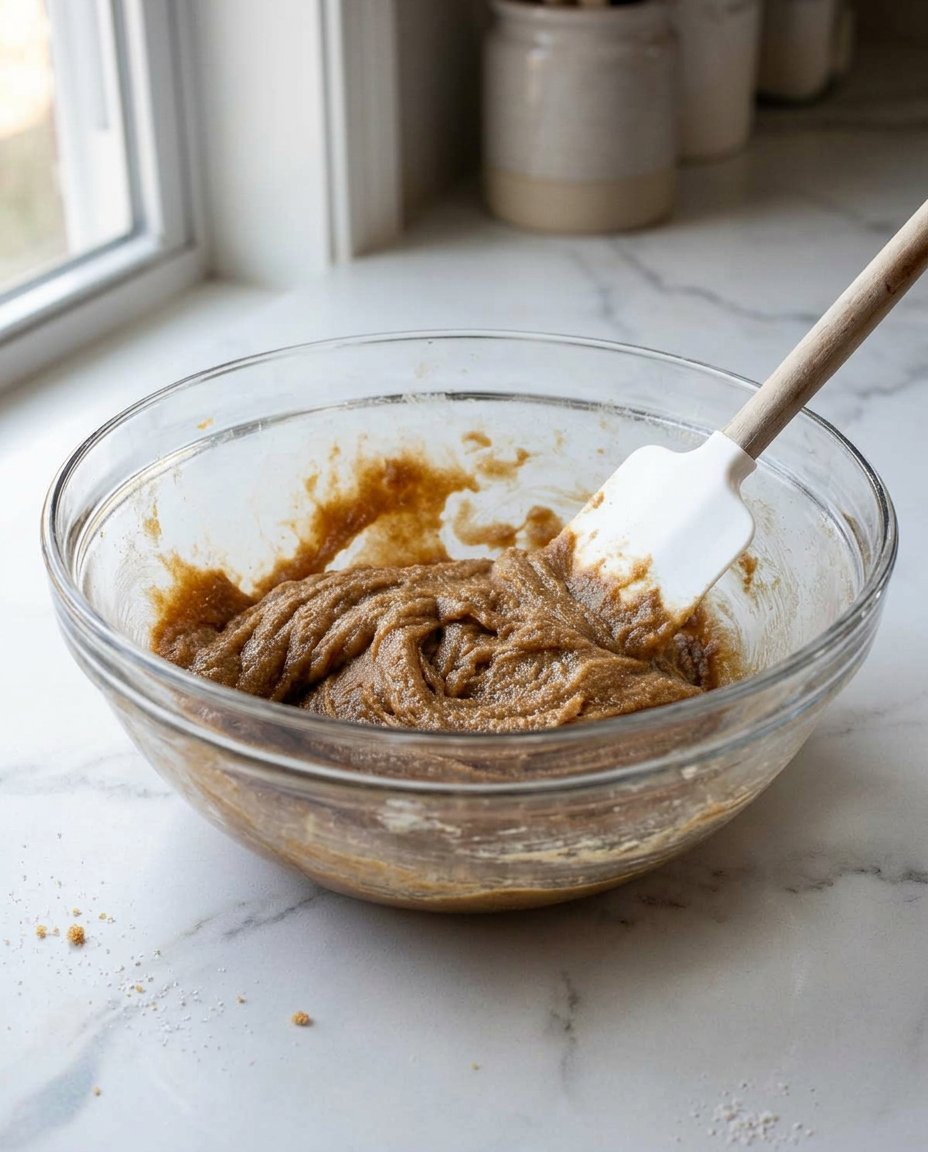
Understanding your ingredients is the first step toward mastering the art of the perfect bake. Each component here plays a specific role in the chemical structure and flavor profile of the cookie.
- Creamy Peanut Butter: This is our primary fat and protein source. Commercial brands like Jif or Skippy are preferred because they contain stabilizers that prevent the oil from separating, which keeps our emulsion consistent. The proteins provide the structure, while the roasted oils provide the pyrazines.
- Butter (Softened): Butter provides the dairy-based lipids that contribute to a creamy mouthfeel. Unlike the peanut oils, butter contains water, which turns to steam in the oven and helps the cookies rise slightly.
- White and Brown Sugars: We use a 1:1 ratio to balance texture. White sugar (sucrose) aids in crisping the edges through crystallization, while brown sugar (glucose and fructose) keeps the center soft and adds notes of caramelization.
- Egg: The egg acts as our primary emulsifier thanks to the lecithin in the yolk. It binds the fats and liquids together, creating a smooth, cohesive dough that does not crumble.
- Vanilla Extract: We add this for its vanillin content. Vanillin shares molecular similarities with the compounds in roasted peanuts, creating a ‘bridge’ that makes the overall flavor feel more unified.
- All-Purpose Flour: This provides the gluten framework. We keep the amount precise to ensure there is enough structure to hold the fats, but not so much that the cookie becomes bready.
- Baking Powder: This leavening agent contains both an acid and a base. When it hits the oven heat, it releases carbon dioxide, creating tiny air pockets that contribute to the soft, airy texture.
- Salt: Essential for ionic balance. It sharpens the flavor of the fats and makes the sweet notes pop.
The Flavor Layering Process
Step 1: Calibrate the Heat and Surface
Preheat your oven to 350 F (175 C). This temperature is the ‘sweet spot’ for the Maillard reaction to occur on the surface of the dough without drying out the interior. Line two heavy-duty baking pans with parchment paper to ensure even heat distribution and prevent the bottom of the cookies from scorching.
Step 2: Establish the Lipid Base
In a large mixing bowl, combine the peanut butter, softened butter, white sugar, and brown sugar. Use a stand mixer or hand mixer on medium speed for at least 2-3 minutes. This process, known as creaming, forces air into the fats, creating a light, aerated structure that is essential for a soft crumb.
Step 3: Incorporate Emulsifiers
Add the egg and the tablespoon of vanilla extract to the creamed mixture. Continue to beat until the dough looks glossy and smooth. During this stage, the lecithin in the egg yolk is working to bond the water-based vanilla with the fat-based peanut butter, forming a stable emulsion.
Step 4: Integrate Dry Components
In a separate smaller bowl, whisk together the flour, baking powder, and salt. Slowly add this to the wet ingredients. Mix only until the flour streaks disappear. Over-mixing at this stage will develop too much gluten, which would turn our soft cookie into a tough, chewy one.
Step 5: Shape for Optimal Volume
Use a cookie dough scoop to form 1-inch balls of dough. This ensures each cookie has the same mass, leading to consistent baking times. If you enjoy an extra layer of texture, roll the balls in granulated sugar; the crystals will create a localized crunch that contrasts with the soft interior.
Step 6: Conductive Heat Patterning
Place the balls on the prepared baking sheet. Use a fork to press down on each ball in a horizontal and then vertical motion, creating the traditional criss-cross pattern. This is not just for aesthetics; it flattens the dough to a uniform thickness, allowing heat to conduct evenly through the center.
Step 7: The Precision Bake
Bake for 8-9 minutes. The cookies will look slightly under-baked and soft in the center—this is intentional. The residual heat from the baking sheet will continue to cook the centers for several minutes after they are removed from the oven, a process called carryover cooking.
Step 8: Stabilize the Structure
Let the cookies cool on the baking sheet for 5 minutes before moving them to a wire rack. This allows the fats to solidify and the starches to set, ensuring the cookies maintain their shape when handled.
Jasmine’s Precision Secrets
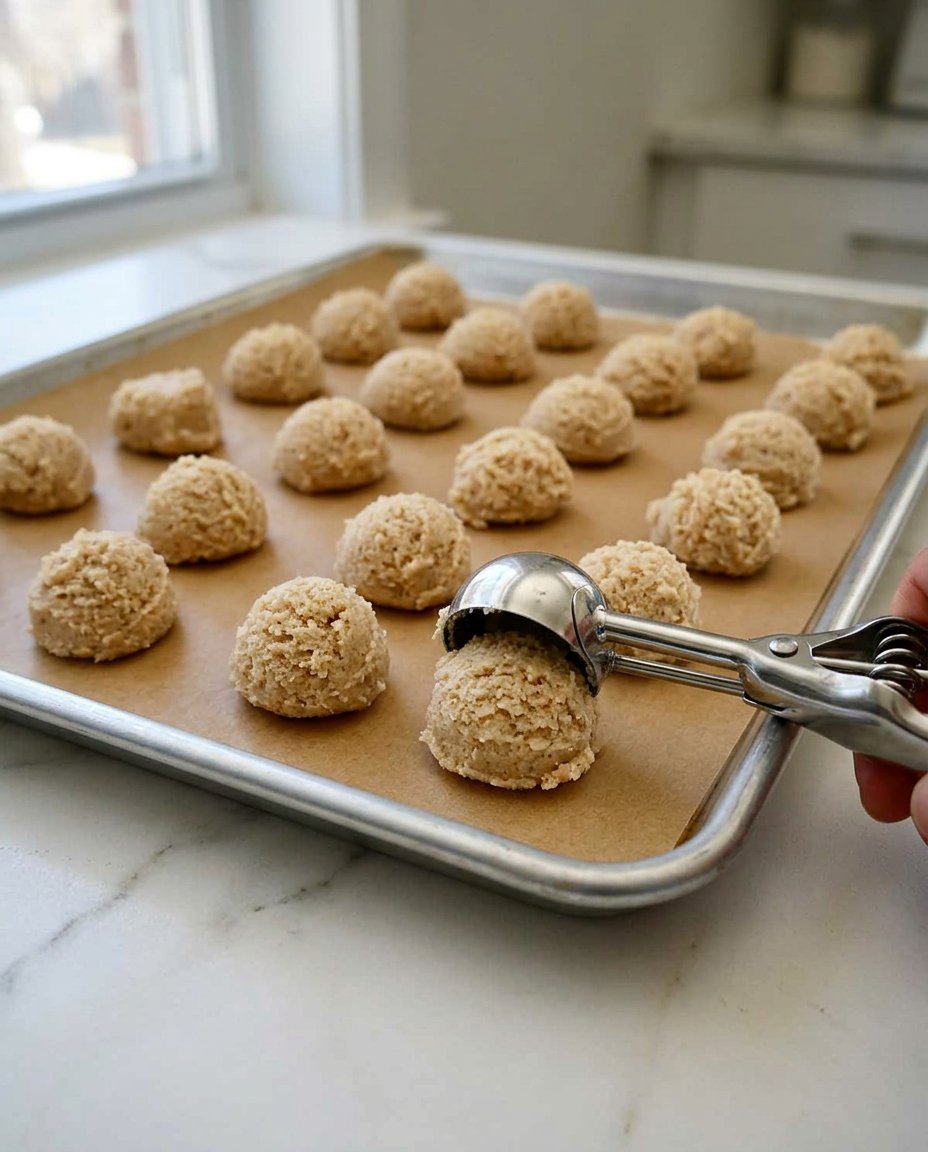
One of the most effective ways to amplify the depth of your dough is to understand the temperature of your fats. If your butter is too melted, the air pockets created during creaming will collapse, leading to a flat, greasy cookie. For the best structural integrity, your butter should be around 65 degrees Fahrenheit. You can find more details on managing fat temperatures in our guide on Foundation Cookie Recipes.
Another secret involves the salt placement. While we mix salt into the dough, a tiny pinch of flaky sea salt on top after baking can change the entire flavor profile. The large crystals hit the tongue first, suppressing bitterness and making the peanut flavor feel much more intense. For a similar take on flavor balance, you might enjoy the techniques used in the best-ever soft peanut butter cookies found elsewhere in the community.
Finally, always use a scale if you have one. Measuring flour by volume is notoriously inaccurate; a ‘cup’ can vary by as much as 20 grams depending on how packed it is. In the world of flavor science, precision leads to repeatability.
Scientific Flavor Swaps
If you want to experiment with the aroma profile, try adding a half-teaspoon of ground cinnamon. Cinnamon contains cinnamaldehyde, which actually shares some flavor notes with roasted nuts, creating a warm, complex bridge. For more holiday-themed adaptations of classic formulas, check out our section on Holiday Cookie Science.
For those who prefer a different textural experience, you can swap the creamy peanut butter for extra-crunchy. The suspended peanut fragments provide a structural contrast to the soft dough, creating a more varied mouthfeel. This change increases the surface area of the peanuts, which can lead to a more intense roasted flavor as the fragments toast slightly during the bake.
Another variation involves the sugar coating. Instead of plain white sugar, try rolling the dough in a mixture of smoked sugar and salt. The phenols in the smoke complement the savory notes of the peanut butter, mimicking the profile of a wood-fired nut roast. This is a great way to use the concepts we discuss in our flavor pairing studies.
Taste Pairings and Enjoyment
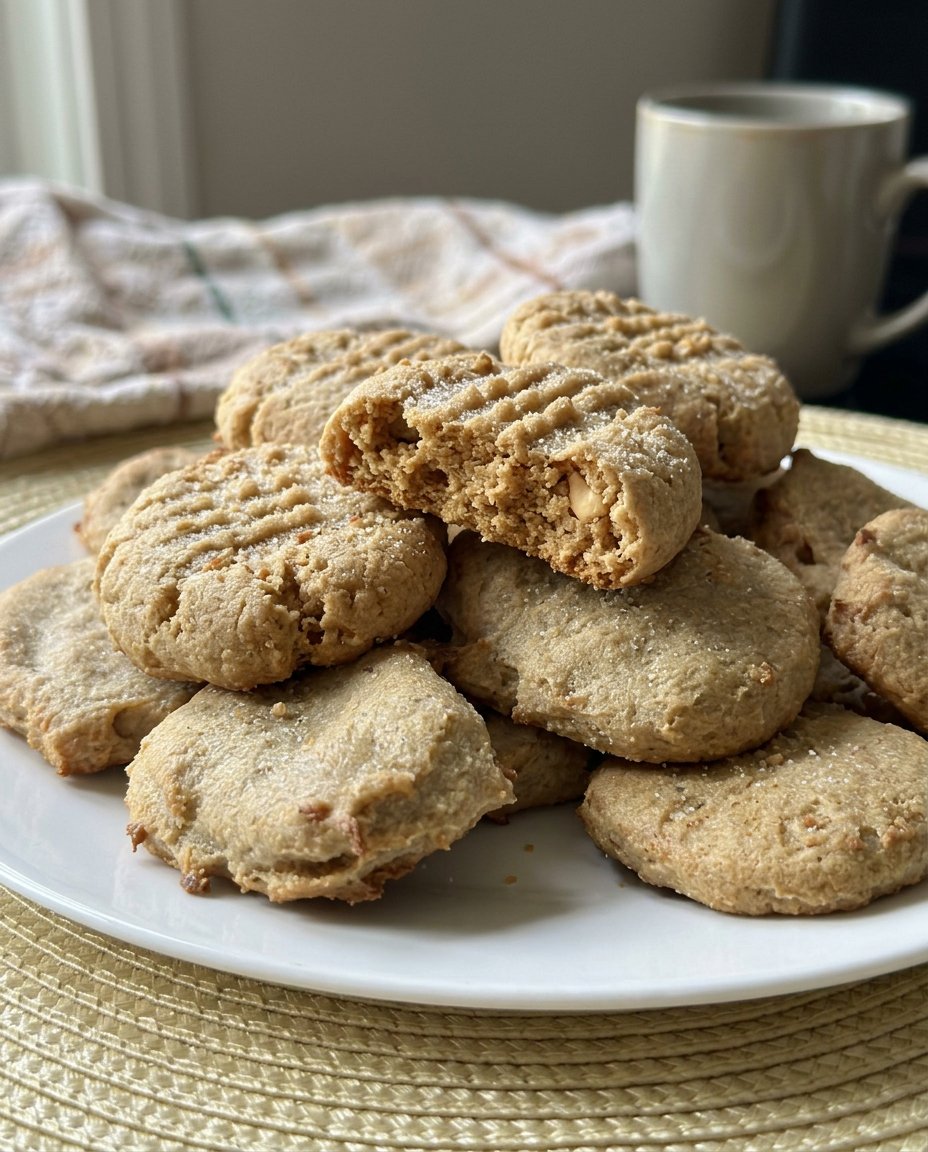
To fully appreciate the flavor science of these cookies, serve them with a cold glass of whole milk. The milk proteins, specifically casein, are excellent at binding to the fats in the peanut butter and cleansing the palate between bites. This prevents ‘palate fatigue’ and allows every cookie to taste as vibrant as the first. We analyze these types of sensory interactions in our Viral Cookie Analysis.
For a more sophisticated pairing, try serving these alongside a dark roast coffee. The bitter compounds in the coffee provide a sharp contrast to the sweet, fatty profile of the cookie. This balance of opposites is a fundamental principle in flavor chemistry. The heat of the coffee also helps to melt the fats on the tongue, releasing the aromatic pyrazines more rapidly.
If you are serving these at a gathering, try arranging them on a warm ceramic plate. The gentle heat will keep the lipids soft, maintaining that ‘just-out-of-the-oven’ texture for a longer period. Temperature is a key variable in how we perceive flavor intensity.
The Final Flavor Truth
Mastering the soft peanut butter cookie is a journey into the world of emulsions and aromatic chemistry. By respecting the balance between legume fats and hygroscopic sugars, you can create a treat that is both scientifically sound and incredibly delicious. If you want to refine your workflow for even faster results, take a look at our Efficient Cookie Methods. We hope this recipe helps you see the beauty in the molecules that make our favorite foods so special. Happy baking, and don’t forget to share your results with our community on Pinterest, Instagram, and Facebook.