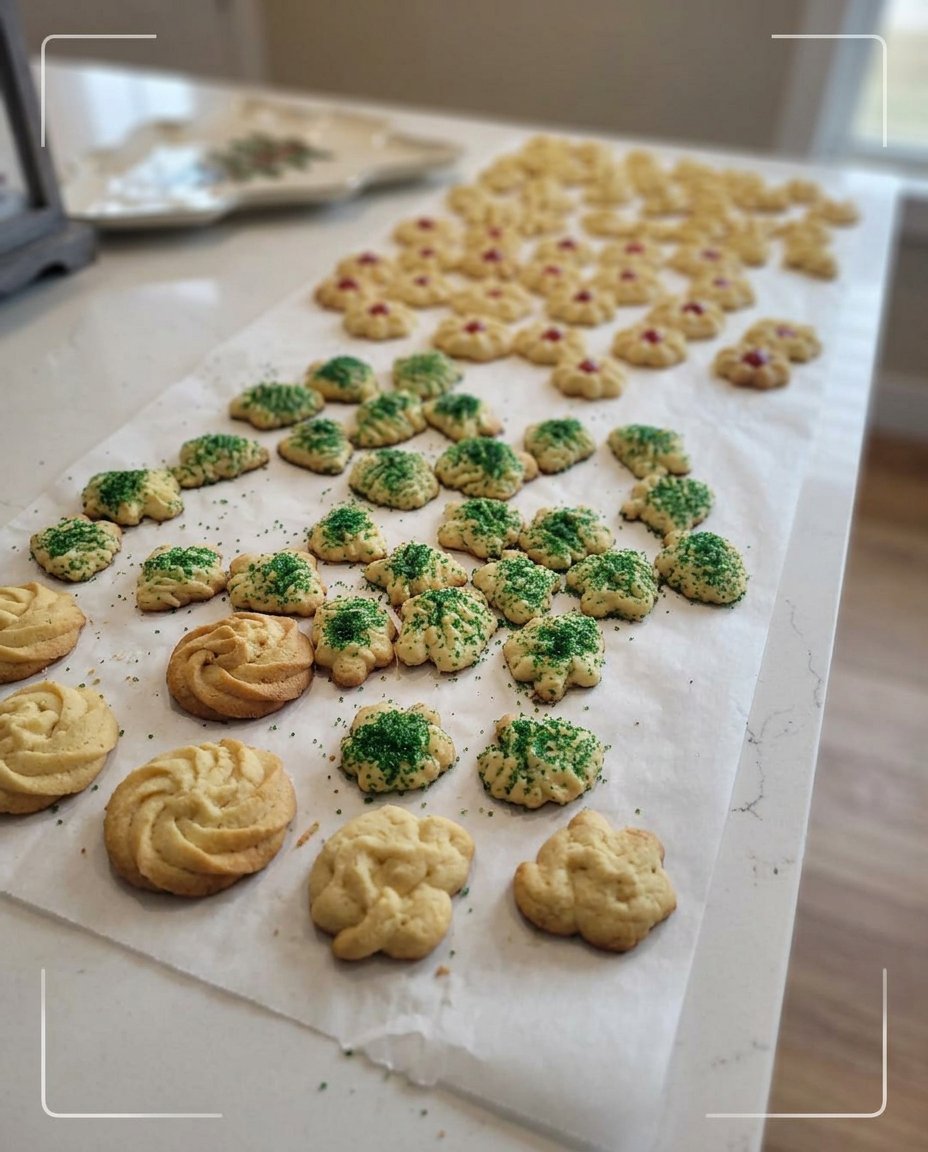
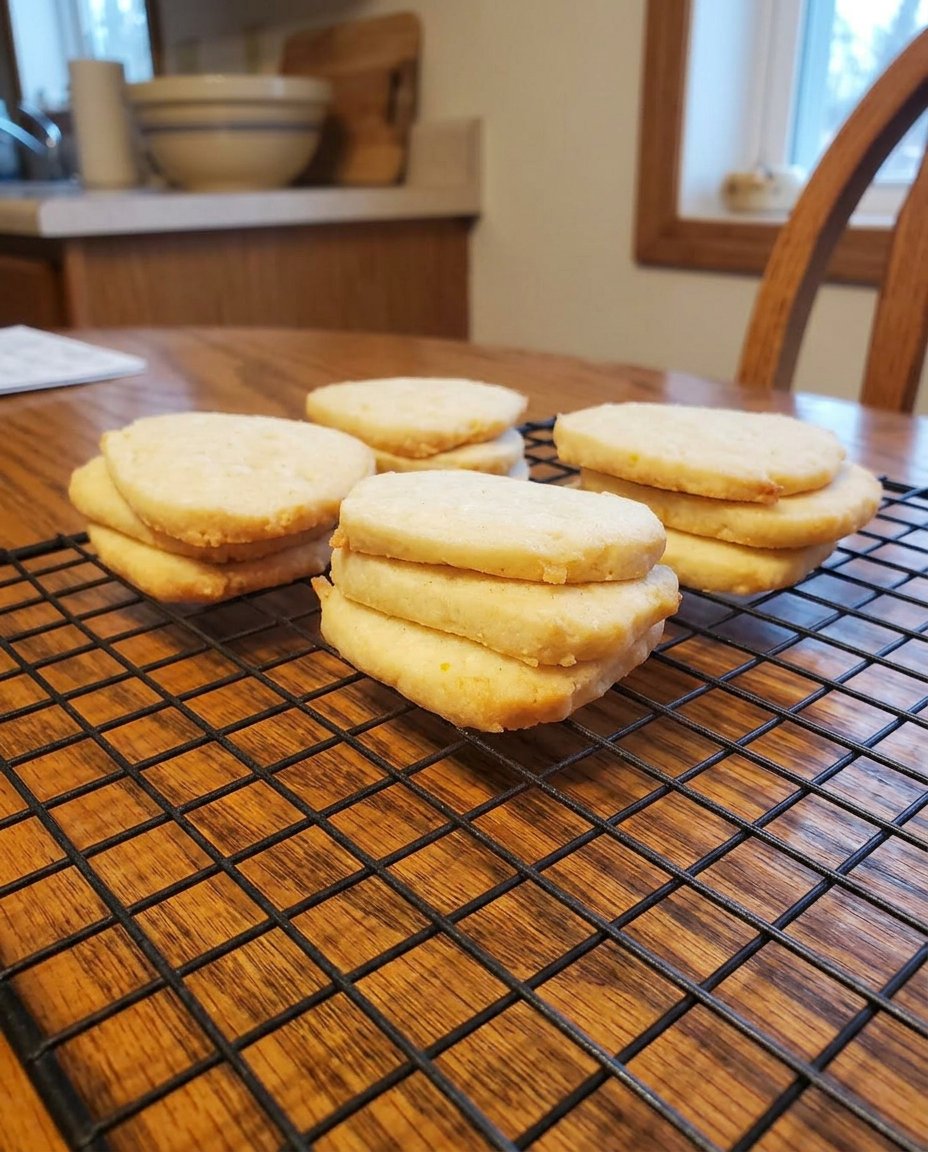
The secret to a perfect shortbread lies in the ratio of lipids to starches, a delicate balance that creates the signature crumbly texture we call ‘short.’ Historically, this texture was achieved through high-fat butter, but modern plant-based emulsions allow us to replicate this physics with precision. By understanding how saturated fats interact with flour proteins, we can achieve a melt-in-the-mouth sensation without a single animal product.

This recipe focuses on a five-ingredient foundation that highlights the pure aromatic profile of vanilla and the clean snap of cold-processed fats. It is a masterclass in simplicity, requiring only twenty minutes of active time to produce a professional-grade holiday treat. Whether you are preparing for a festive gathering or a quiet afternoon tea, these cookies provide a consistent, high-quality result every time.
The Flavor Science of the Perfect Crumb
You will appreciate this recipe because it prioritizes the physics of ‘shortness,’ which refers to the way fat coats flour particles to inhibit gluten development. In traditional baking, gluten creates a chewy web; in shortbread, we want the opposite—a tender, friable structure that dissolves upon contact with the palate. By using powdered sugar instead of granulated, we introduce a finer particle size and a small amount of cornstarch, which further interferes with protein bonding.
This vegan version uses a specific plant-based butter emulsion that mimics the melting point of dairy fat, ensuring the cookies hold their shape while maintaining a buttery mouthfeel. The addition of salt acts as a flavor protagonist, suppressing bitterness and magnifying the perception of sweetness. It is a remarkable example of how a few high-quality components can create a complex sensory experience through intentional layering.
Print
Vegan Shortbread
- Total Time: 1 hour 32 mins
- Yield: 24 cookies
- Diet: Vegan
Description
Master the art of plant-based baking with these exquisite shortbread cookies that prioritize a precise ratio of fats to starches for the perfect crumb. These five-ingredient treats offer a delicate, melt-in-the-mouth texture enhanced by the aromatic depth of pure vanilla and a subtle hint of sea salt.
Ingredients
- 1 cup vegan butter emulsion, softened
- 1/2 cup powdered sugar
- 1 teaspoon pure vanilla extract
- 1/2 teaspoon fine sea salt
- 2 cups all-purpose flour
- Granulated sugar (optional, for topping)
Instructions
- In a large bowl, cream together the softened vegan butter, powdered sugar, vanilla extract, and salt until the mixture is light and aerated.
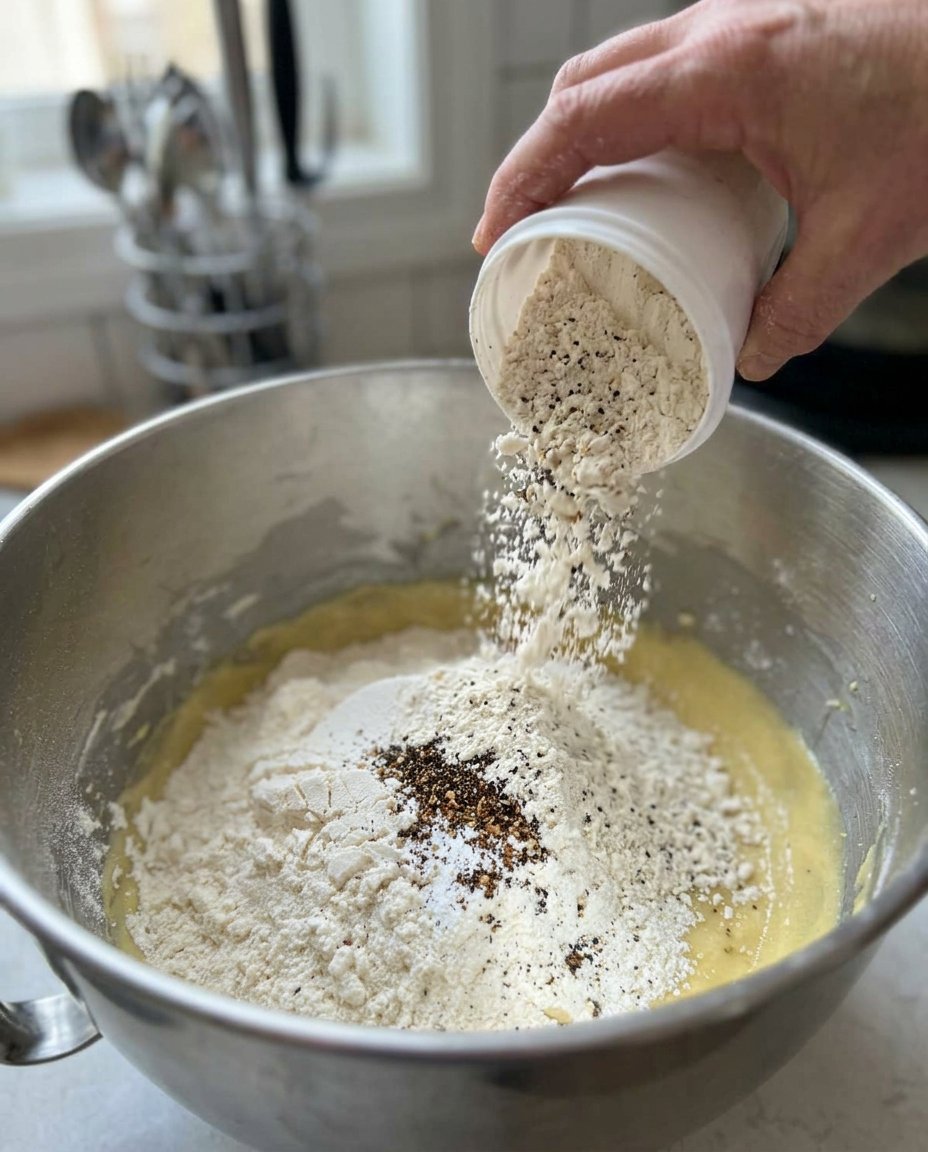
- Gradually incorporate the all-purpose flour in half-cup stages, mixing only until the dough just comes together to prevent gluten development.
- Mold the dough into a rectangular block approximately 6 inches long, 2.5 inches wide, and 1.25 inches thick on a clean surface.
- Wrap the dough brick tightly in parchment or plastic wrap and refrigerate for at least 60 minutes to stabilize the fats.
- Preheat your oven to 350F (180C) and slice the chilled dough into 1/4-inch thick pieces using a sharp knife for clean edges.
- Arrange the slices on a lined baking sheet, prick each with a fork to allow steam escape, and bake for 10 to 12 minutes until the bottoms are a very pale gold.
Notes
For the most consistent results, ensure your knife is slightly chilled before slicing the dough to prevent the fats from softening against the blade. If you find the dough too crumbly while shaping, continue to apply gentle pressure with your palms; the natural warmth of your hands will help the plant-based fats bind the starch more effectively.
- Prep Time: 1 hour 20 mins
- Cook Time: 12 mins
- Category: Dessert
- Method: Baking
- Cuisine: European
The Molecular Building Blocks
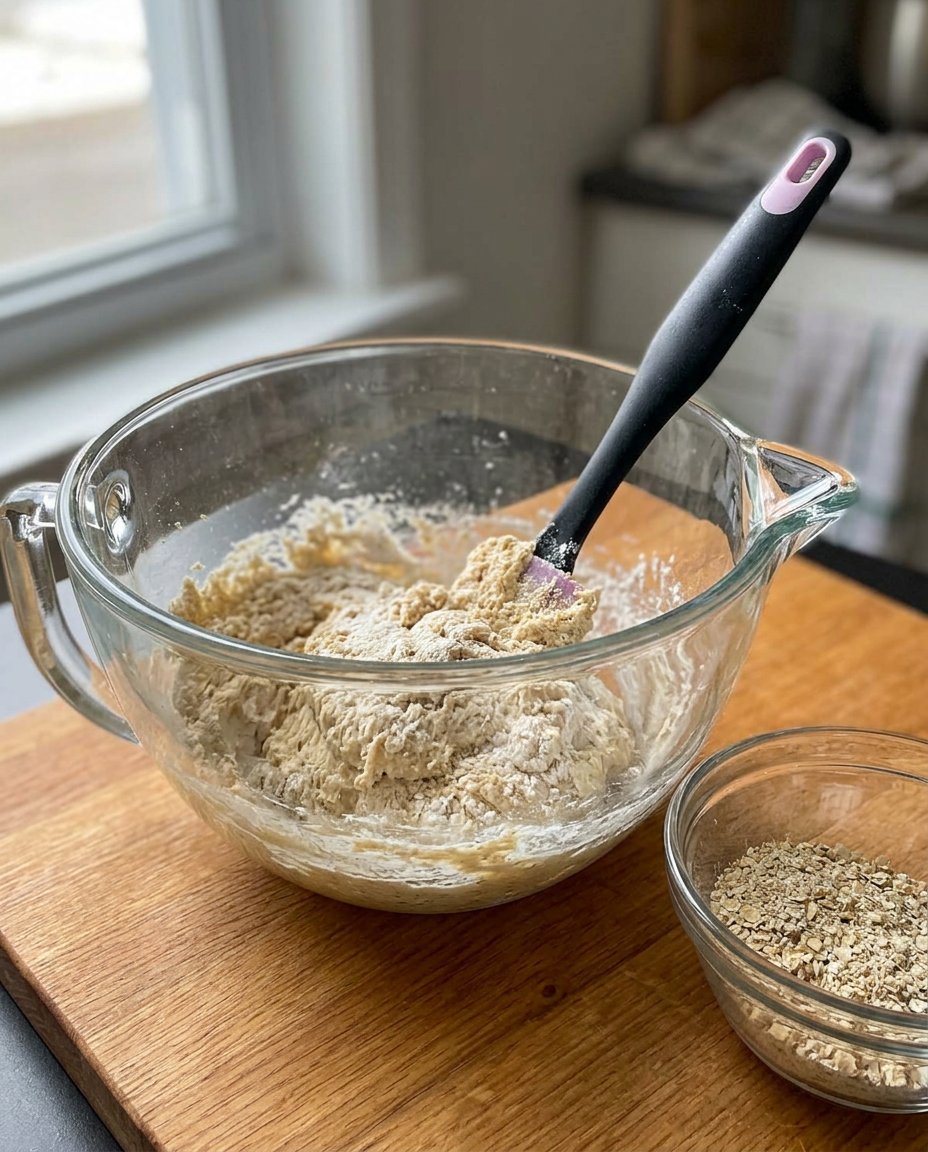
To achieve the ideal texture and taste, we must look at the specific function of each component in our formula. Every ingredient serves a structural and aromatic purpose.
- Vegan Butter Emulsion: This provides the primary fat source. Look for a brand with a high saturated fat content, such as Earth Balance, to ensure the cookies maintain their ‘snap’ at room temperature. The fats coat the flour, preventing the hydration of gliadin and glutenin proteins.
- Powdered Sugar (Sucrose & Starch): Unlike granulated sugar, powdered sugar dissolves instantly into the fat. The inclusion of cornstarch in most commercial powdered sugars adds a powdery tenderness to the final crumb.
- Pure Vanilla Extract: This contributes vanillin compounds which serve as a bridge between the fat and the sugar. It creates an olfactory depth that makes the cookie taste ‘richer’ than its simple ingredients suggest.
- Fine Sea Salt: Salt is vital for taste balance. It creates a contrast that prevents the sugar from feeling cloying while highlighting the toasted notes of the flour.
- All-Purpose Flour: The starch backbone of our cookie. We use a moderate protein flour to provide just enough structure to hold the shape without becoming tough.
- Granulated Sugar (Optional): Used as a topical application to create a crystalline crunch, providing a textural contrast to the soft interior.
The Precision Layering Process
Step 1: Emulsifying the Fat and Aromatics
In a large bowl, combine the softened vegan butter, powdered sugar, vanilla extract, and salt. Use a whisk or stand mixer to beat these together until the mixture is light and fluffy. This step is not just about mixing; it is about aeration. By incorporating tiny air pockets into the fat, you provide the space for the dough to expand slightly in the oven, creating a lighter texture.
Step 2: Integrating the Starch Foundation
Add the all-purpose flour in half-cup increments. Mixing in stages prevents the flour from flying out of the bowl and allows you to monitor the hydration levels. Mix only until a cohesive dough forms. Over-mixing at this stage can lead to unwanted gluten activation, which would turn your tender shortbread into a tough biscuit.
Step 3: Shaping the Geometric Brick
Transfer the dough to a clean surface and mold it into a rectangular brick approximately 6 inches long, 2.5 inches wide, and 1.25 inches high. If the dough appears crumbly, use the warmth of your hands to gently knead it until it stays together. This physical manipulation helps the fats coat any remaining dry flour particles.
Step 4: Thermodynamic Stabilization (Chilling)
Wrap the dough tightly in parchment or plastic and refrigerate for at least one hour. This step is critical because it allows the fats to re-solidify. When the cold fat hits the hot oven, it creates a small burst of steam before the structure sets, contributing to the delicate crumb. This dough can remain in the fridge for up to four days for flavor maturation.
Step 5: Slicing and Patterning
Preheat your oven to 350F (180C). Unwrap the firm dough and use a sharp knife to cut it into 1/4-inch slices. The cold temperature ensures clean edges. Place the slices on a lined baking sheet and prick each with a fork. These holes are functional; they allow steam to escape evenly, preventing the centers from puffing up and ensuring a flat, professional appearance.
Step 6: Thermal Transformation
Bake for 10 to 12 minutes. You are looking for a very pale gold on the bottom, not a deep brown. Shortbread relies on the gentle drying of the flour and the setting of the starches rather than heavy caramelization. Let them cool completely on the pan to allow the fat structure to fully set before handling.
Jasmine’s Flavor Science Secrets
Temperature control is the most important variable in this recipe. If your vegan butter is too warm during the initial mixing, it will not hold air effectively, resulting in a dense cookie. Conversely, if the dough is too warm when it enters the oven, the fat will leak out before the flour can set, leading to a greasy finish. For a more detailed look at these concepts, check out our Foundation Cookie Recipes guide.
To maximize the aromatic potential of your vanilla, try using a vanilla bean paste which includes the seeds. The tiny black specks offer a visual cue of quality and a more concentrated dose of vanillin. Additionally, for a helpful comparison of vegan techniques, you might look at this guide on Easy Vegan Methods which discusses different fat substitutions. Always use a weighing scale for your flour to ensure your ratios remain consistent every time you bake.
Scientific Flavor Swaps
You can modify the flavor profile of this shortbread by introducing botanical aromatics that share terpene compounds with vanilla. Adding a teaspoon of finely grated lemon or orange zest introduces limonene, which provides a bright, citrusy top note that cuts through the richness of the fat. For more ideas on seasonal adjustments, see our Holiday Cookie Science section.
Another sophisticated variation involves replacing two tablespoons of the flour with high-quality cocoa powder. This changes the pH and the fat-to-dry-matter ratio, resulting in a deeper, more savory profile. If you prefer a nutty finish, fold in finely ground toasted pecans. The pyrazines created during the toasting process pair beautifully with the creamy notes of the vegan butter, creating a complex, layered taste experience.
Taste Enjoyment and Pairings
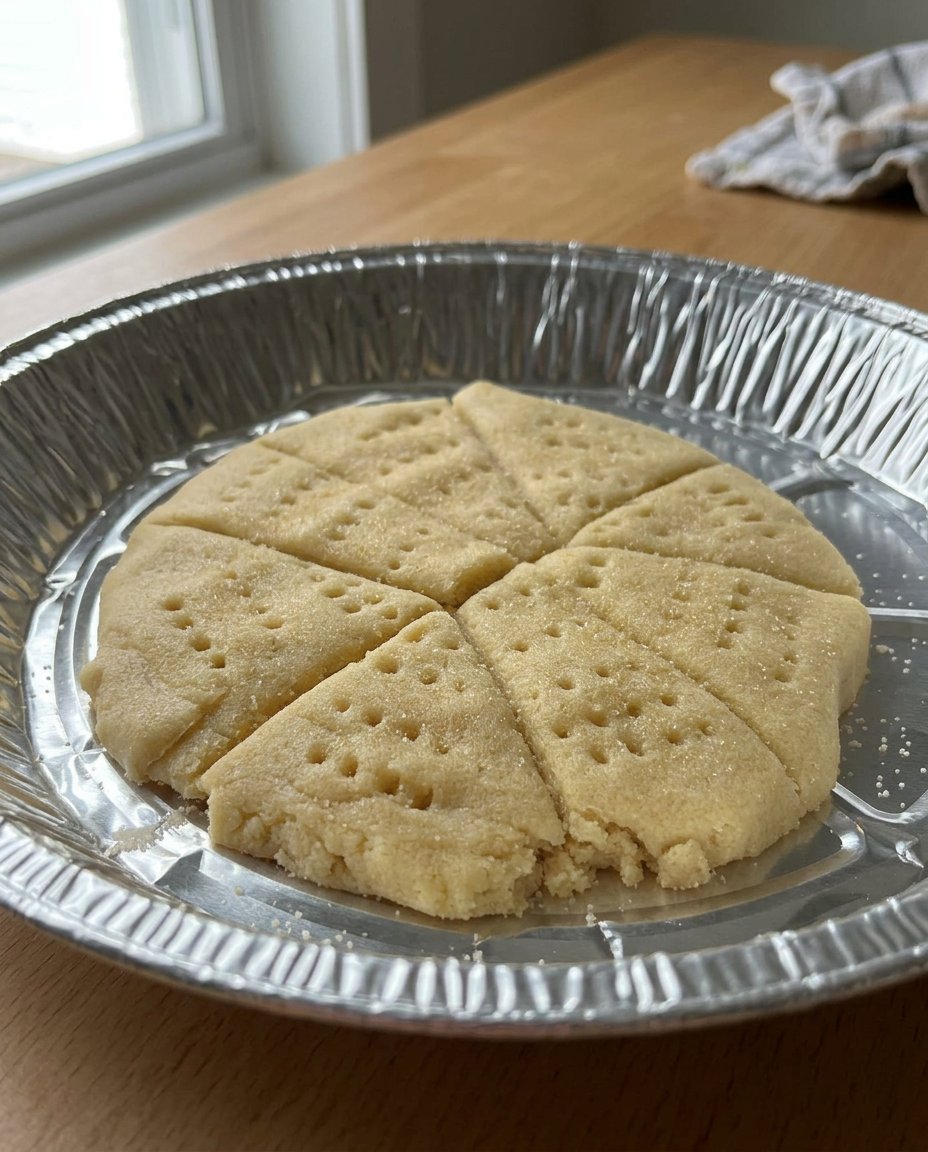
These cookies are best served at room temperature to allow the fats to soften slightly on the tongue, which releases the vanilla aromatics. For an advanced flavor pairing, serve these with a cup of Earl Grey tea. The bergamot in the tea contains floral esters that complement the vanillin in the cookies. You can learn more about maximizing your baking efficiency in our Efficient Cookie Methods article.
If you are serving these as part of a dessert platter, consider dipping half of each cookie in melted dark chocolate. The bitterness of the cacao provides a stunning contrast to the sweet, buttery dough. The addition of a tiny pinch of flaky sea salt on top of the chocolate will further intensify the sweetness perception through the suppression of bitter signals on the taste buds.
The Flavor Truth
Mastering vegan shortbread is a journey into the heart of fat and starch interactions. By treating your ingredients with respect and maintaining strict temperature control, you produce a cookie that is scientifically balanced and deeply satisfying. If you enjoyed analyzing the textures of this bake, you might find our Viral Cookie Analysis fascinating for its look at trending techniques. Please share your results with our community on Instagram, Pinterest, and Facebook. Happy baking, and keep questioning the science of your snacks!