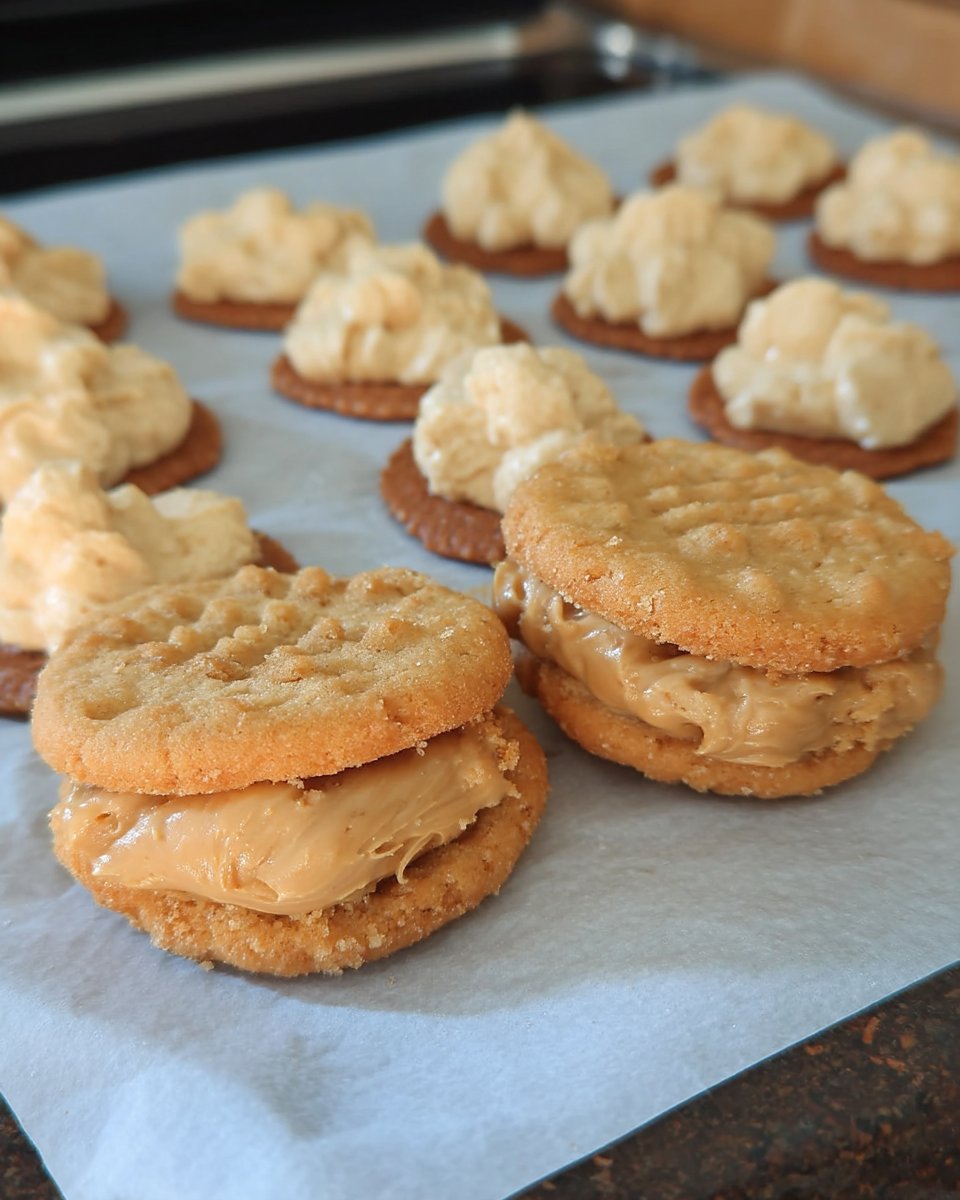
I recently spent an afternoon in the lab investigating the molecular synergy between sulfur compounds in aged dairy and the concentrated invert sugars found in dried fruit. My curiosity was piqued by how a simple whole grain biscuit could serve as a structural foundation for a complex aromatic experience. When we assemble these Apple Newtons 2, we are essentially building a flavor bridge between the earthy depth of figs and the bright malic acid profile of a Granny Smith apple.

This preparation is a remarkable exercise in efficient flavor layering, proving that a sophisticated snack doesn’t require hours of oven time. By utilizing the moist crumb of a classic fig cookie and introducing a lipid-rich smoked cheese, we achieve a scientific balance of salt, fat, and acid. It is a quick-fire method to satisfy a craving for complex, contrasting textures in just minutes.
The Flavor Science of Sweet and Savory
The brilliance of this combination lies in the specific interaction between the benzaldehyde found in apples and the phenolic compounds present in smoked gouda. These molecules share a similar structural language, which is why they feel so harmonious on the tongue. We are also looking at a classic taste suppression technique; the salt in the cheese suppresses the perception of bitterness in the whole grains, which in turn makes the sweetness of the fig jam pop with more intensity.
From a textural standpoint, this recipe provides a fascinating study in resistance and yield. You have the soft, jammy interior of the cookie, the crisp, cellular walls of the apple, and the soft, yielding emulsion of the melted cheese. It creates a multi-sensory experience that goes far beyond a standard snack. It is a scientific triumph of convenience and complex taste chemistry.
Furthermore, the use of whole grain cookies provides a fibrous matrix that slows down the absorption of the sugars, offering a more sustained energy release. This isn’t just about eating; it’s about understanding how these different food groups interact at a microscopic level to provide both flavor and functional fuel.
Print
Apple Newtons
- Total Time: 6 mins
- Yield: 4 servings
Description
Experience a sophisticated snack that balances complex flavor chemistry by layering whole grain fig cookies with tart Granny Smith apples and melted smoked gouda. This quick-fire recipe creates a harmonious bridge between earthy fruit and savory dairy for a multi-sensory treat.
Ingredients
- Whole grain fig cookies
- Granny Smith apple, thinly sliced
- Smoked gouda cheese, thinly sliced
Instructions
- Using a sharp knife, carefully slice the whole grain fig cookies in half horizontally to expose the fruit paste interior.
- Place one thin slice of Granny Smith apple onto the bottom half of each cookie, then top with a slice of smoked gouda cheese.
- Arrange the assembled cookies on a microwave-safe plate and heat on HIGH for approximately 20 seconds until the cheese is glossy and melted.
Notes
For the cleanest cut, use a small serrated knife to halve the cookies without crushing the delicate whole grain crust. Slicing your cheese as thin as possible ensures it reaches its melting point quickly without overheating the fresh apple, maintaining that essential crisp texture.
- Prep Time: 5 mins
- Cook Time: 1 min
- Category: Snack
- Method: Microwave
- Cuisine: American
Flavor Components and Taste Building Blocks
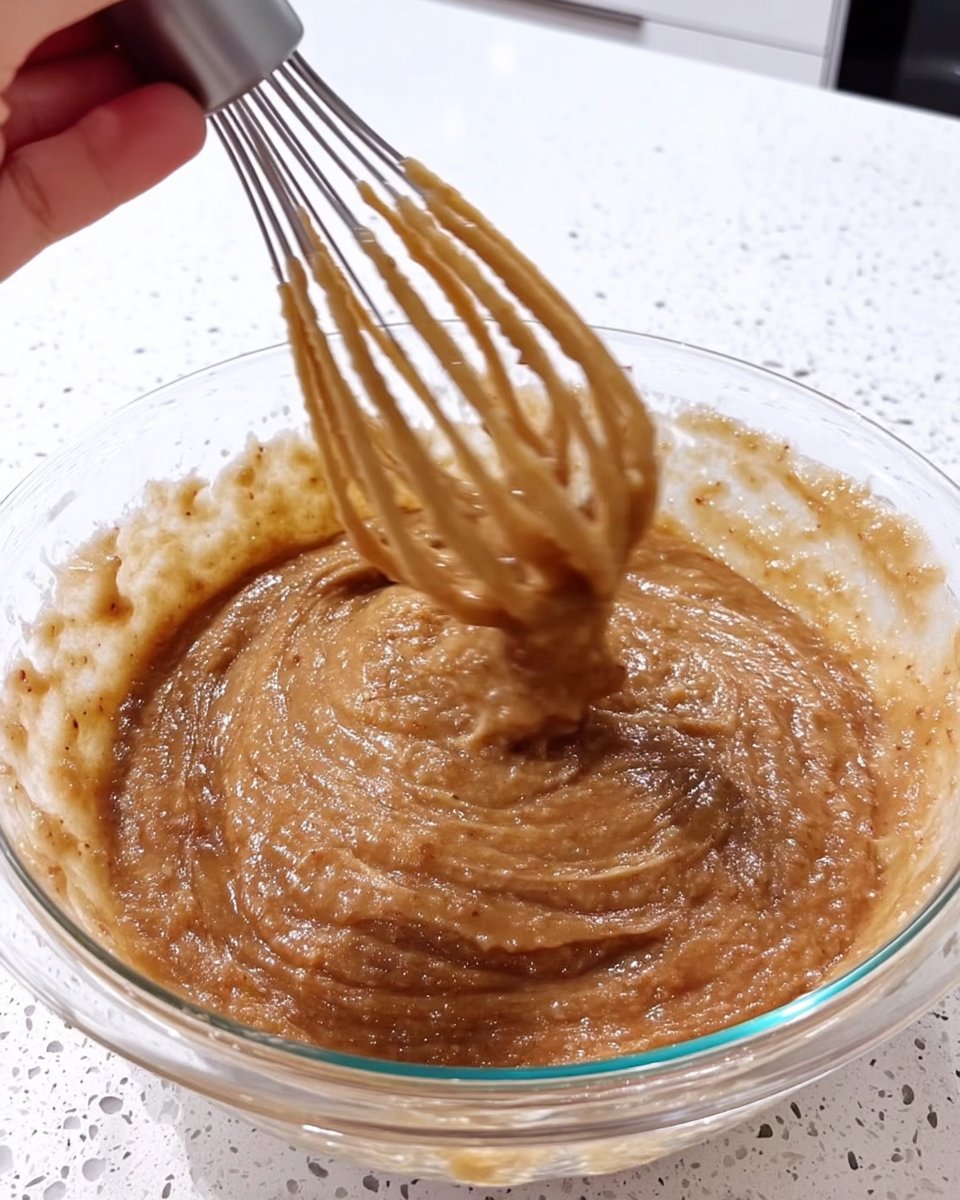
To achieve the perfect balance in these Apple Newtons 2, each component must be selected for its specific chemical contribution to the final bite.
- Whole Grain Fig Cookies: These serve as our primary sugar source and structural chassis. The whole wheat flour provides a nutty, toasted aroma due to the presence of pyrazines, while the fig paste offers a dense concentration of glucose and fructose.
- Granny Smith Apple Slices: We select this specific cultivar for its high malic acid content. This acidity is crucial for cutting through the heavy lipids of the cheese and the density of the fig. The crunch also provides a necessary contrast to the softer elements.
- Smoked Gouda Cheese: This is our primary fat source and flavor anchor. The smoking process introduces guaiacol and syringol—compounds that provide that characteristic wood-smoke aroma. When melted, the cheese forms a smooth emulsion that coats the palate and carries the other flavors longer.
The Flavor Method and Layering Process
Step 1: Bisecting the Structural Foundation
Begin by taking your whole grain fig cookies and carefully slicing them in half horizontally. This process, which we call mechanical separation, creates an open face that allows us to expose the jammy interior. By doing this, we increase the surface area available for the cheese and apple to interact directly with the fruit paste, ensuring that every bite has a consistent ratio of all three primary flavor components.
Step 2: Strategic Ingredient Architecture
Place a thin slice of Granny Smith apple onto the bottom half of each cookie. It is vital to place the apple directly against the fig paste, as the moisture from the fruit will help soften the cookie’s crumb during the heating phase. Follow this with a slice of smoked gouda. Placing the cheese on top of the apple ensures that as it melts, it drapes over the fruit and drips down into the cookie, acting as a savory adhesive that binds the entire assembly together.
Step 3: Molecular Agitation via Dielectric Heating
Arrange the assembled cookies on a microwaveable plate and heat on HIGH for approximately 20 seconds. In this stage, we are using microwave radiation to agitate water molecules within the cheese and fruit. This friction generates heat, leading to a phase change in the cheese as it moves from a solid to a liquid state. Watch closely; you want the cheese to reach its melting point where the fats begin to flow, but before the proteins tighten and become rubbery. Once the cheese shows a glossy, melted surface, the process is complete.
Jasmine’s Flavor Notes and Pairing Secrets
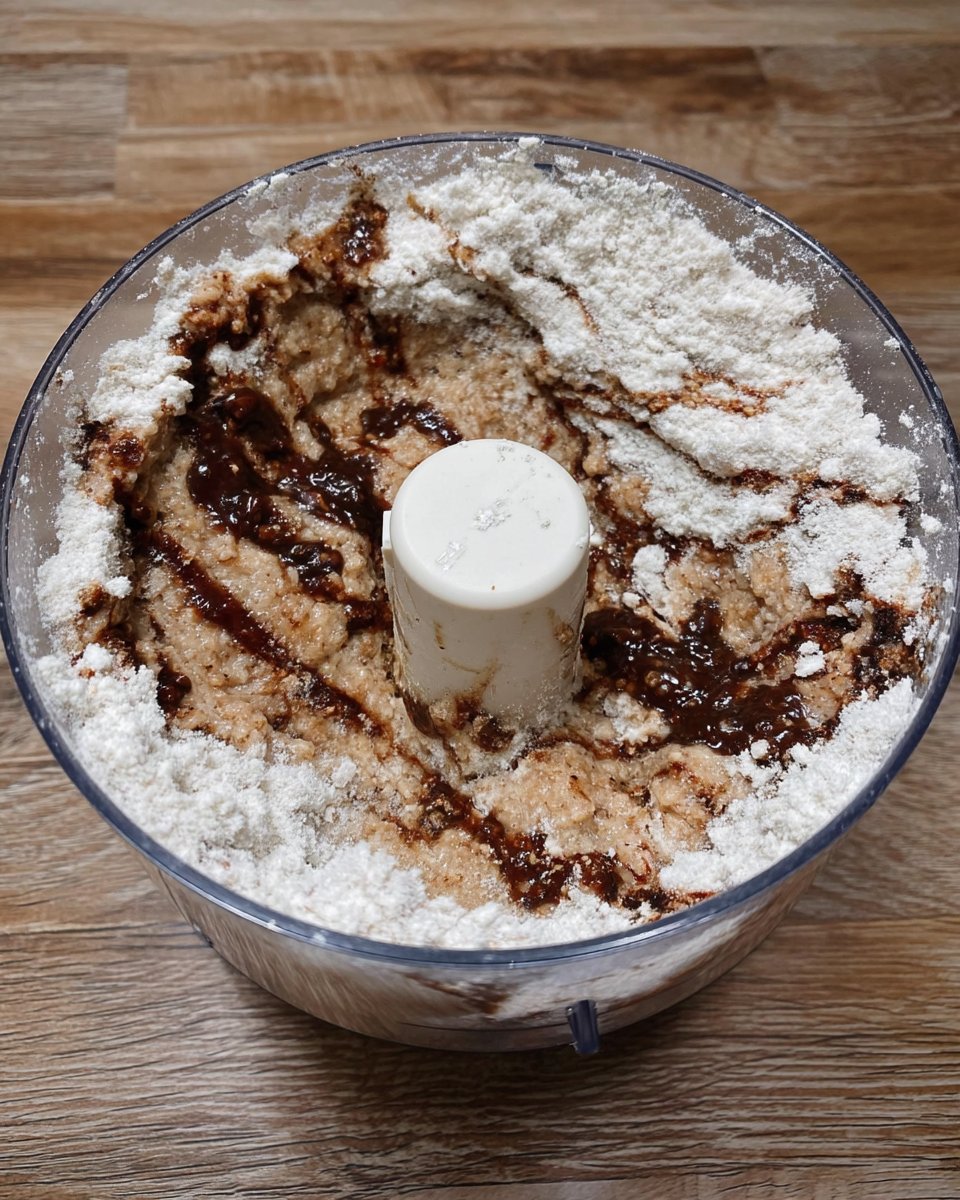
When working with smoked cheeses, the temperature of the melt is everything. If you overheat the gouda, you risk breaking the emulsion, which leads to a greasy mouthfeel rather than a creamy one. To ensure the cheese melts perfectly without overcooking the apple, I recommend slicing the cheese very thin—this increases the surface area to volume ratio, allowing for a faster phase change at a lower energy input. If you are interested in more techniques for handling delicate ingredients, you should check out our guide on Efficient Cookie Methods.
Another scientific trick is to sprinkle a tiny pinch of flaky sea salt directly onto the apple before adding the cheese. This draws out a microscopic amount of moisture from the apple via osmosis, which then mixes with the melting cheese to create a more integrated sauce-like consistency. It also sharpens the contrast between the sweet fig and the smoky dairy, making the entire flavor profile more vibrant and defined. Always ensure your apples are sliced just before assembly to prevent enzymatic browning, which can introduce off-flavors and change the texture of the fruit.
Scientific Swaps and Pairing Options
If you want to experiment with different aromatic profiles, consider swapping the smoked gouda for a sharp white cheddar. The cheddar contains higher levels of lactic acid, which provides a more aggressive tang that pairs beautifully with the earthy notes of the fig. You can find more about how different fats impact your bakes in our section on Foundation Cookie Recipes. For those who prefer a more floral aroma, replacing the Granny Smith with a Pink Lady apple introduces esters that lean towards rose and honey flavors.
Another fascinating variation involves adding a thin layer of toasted walnut pieces. Walnuts are rich in tannins and omega-3 fatty acids, which add a bitter counterpoint and a crunch that mimics the tiny seeds found within the fig itself. This addition creates a more complex textural landscape. You might also try a light dusting of cinnamon on the apple; the cinnamaldehyde in the spice acts as a bridge between the fruitiness of the apple and the woodsy notes of the smoked cheese, creating a warm, rounded finish.
How to Serve and Taste Enjoyment
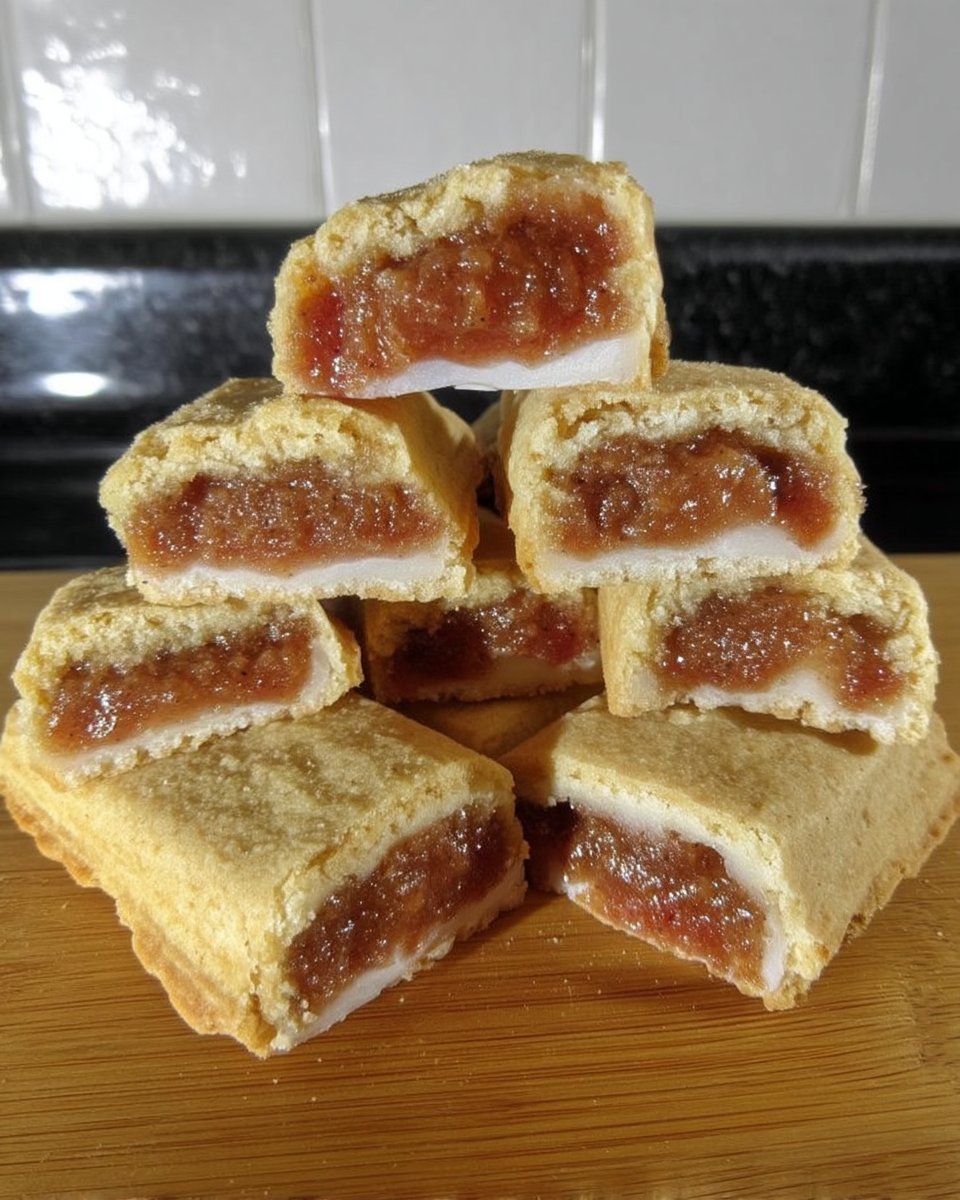
To maximize the sensory experience, serve these immediately while the cheese is still in its liquid state. The aroma of the smoke is most volatile when warm, which allows the scent to reach your olfactory receptors more effectively. I highly recommend pairing this snack with a cup of Earl Grey tea; the bergamot oil in the tea shares citrusy terpenes with the apple, creating a beautiful aromatic resonance. For a deeper look at how beverages interact with snacks, see our Holiday Cookie Science research.
If you are serving these at a small gathering, arrange them on a pre-warmed stone platter. The thermal mass of the stone will help maintain the temperature of the cookies, preventing the cheese from solidifying too quickly. You can also add a small garnish of fresh thyme or rosemary. These herbs contain pinene, a compound that complements the smoky notes of the gouda and adds a fresh, herbaceous top note to the dense, sweet base of the fig. This turns a simple microwave snack into a thoughtful study in flavor construction.
The Flavor Truth and Taste Discovery
Exploring the intersection of convenience and flavor science is what makes home cooking so fascinating. These Apple Newtons 2 demonstrate that even with store-bought components, we can apply the principles of chemistry and pairing theory to create something truly unique. Understanding how acidity, lipids, and sugars interact allows us to be more intentional with our choices in the kitchen. For more deep dives into how common snacks can be transformed through science, check out our Viral Cookie Analysis. You can also find more of my flavor experiments on Instagram, Facebook, and Pinterest. For the original inspiration behind this flavor combination, visit the Snackworks recipe. Keep questioning your ingredients and happy baking!