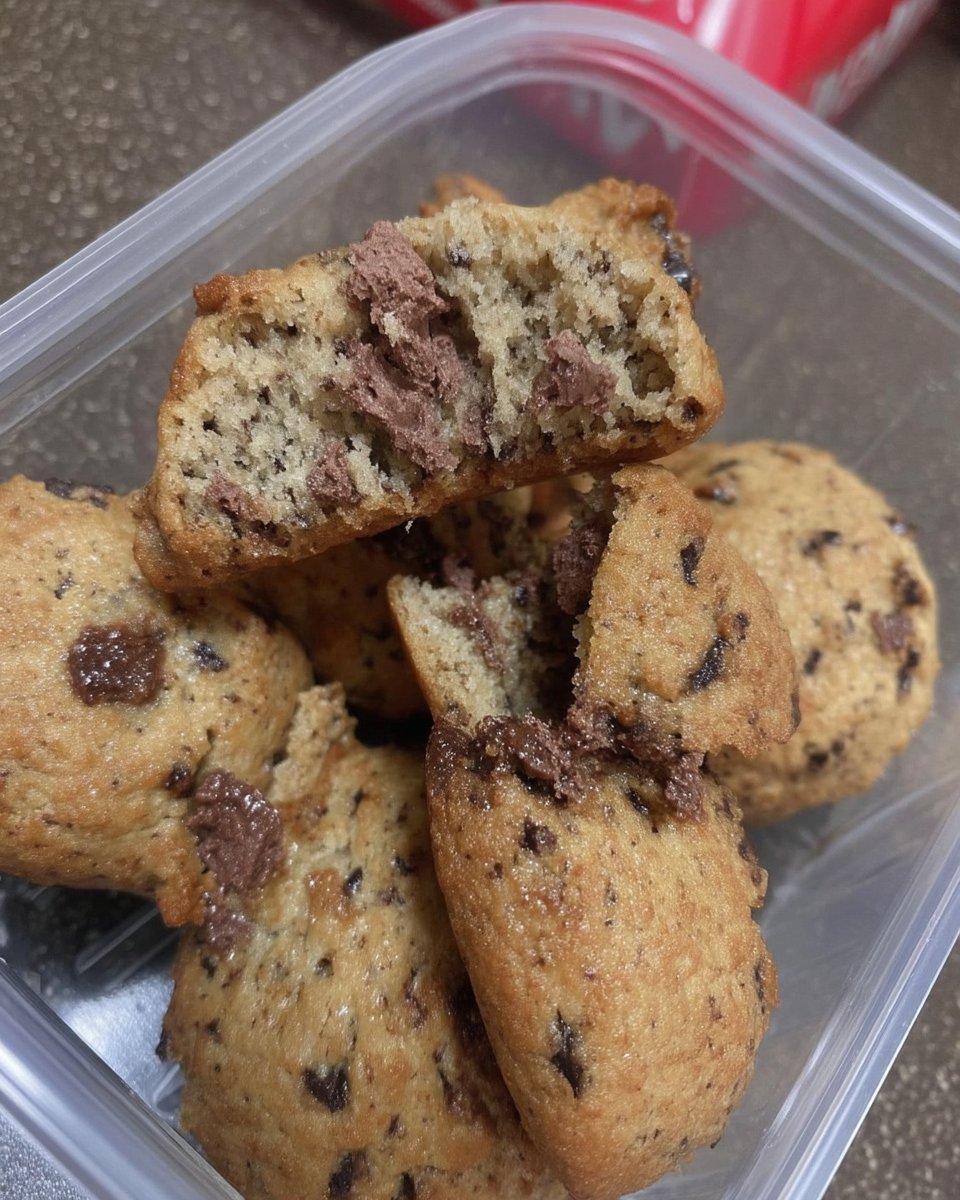
In the late 1970s, the American shopping mall became the unlikely laboratory for a revolution in biscuit physics. Debbi Fields challenged the traditional Victorian creaming method by using colder fat and lower oven temperatures to create a remarkably soft, dense texture that defied the crisp standards of the era. This Mrs Fields Copycat method was originally a radical departure from the thin, crunchy cookies found in early 20th-century cookbooks, proving that scientific precision in temperature control can completely alter the final structure.

Achieving this specific mall-style result requires more than just a recipe; it demands a methodical approach to dough hydration and thermal management. By controlling the rate at which the butter melts and the sugar dissolves, we create a cookie that remains soft for days. This particular formulation has been tested to match the density and flavor profile that made the original a household name across the globe.
The Science of the Soft-Baked Revolution
The allure of this Mrs Fields Copycat lies in its unique structural integrity, which differs significantly from the standard Toll House variety. While traditional recipes rely on room-temperature butter to trap air and create lift, this method uses cold butter to produce a dense, chewy crumb that lacks the cakey airiness of modern American bakes. This technique is a nod to older British shortbread methods where keeping the fat cool prevents the gluten from over-developing, resulting in a tender bite that melts away.
Historically, the 300-degree Fahrenheit baking temperature is the secret to the cookie’s signature appearance. Most cookies are baked at 350 or 375 degrees to encourage the Maillard reaction—the browning of sugars and proteins. By lowering the heat, we slow down the spread of the dough and prevent the edges from becoming brittle. This controlled environment allows the center to set without drying out, preserving a texture that feels almost like raw dough but is safely and perfectly baked through.
You will appreciate the historical continuity in this method, as it mirrors the patient, low-heat drying processes used for traditional digestive biscuits. The result is a cookie that is remarkably consistent, with a deep flavor profile driven by dark brown sugar. The molasses content in the brown sugar acts as a humectant, drawing moisture from the air to keep the cookie soft long after it has left the oven. It is a triumph of chemistry over convenience.
Print
Mrs Fields Copycat
- Total Time: 1 hour 1 min
- Yield: 19 cookies
- Diet: Vegetarian
Description
Experience the nostalgia of the American shopping mall with this meticulously engineered copycat recipe. By utilizing cold butter and a low-temperature baking method, these cookies achieve a signature dense and chewy texture that remains soft long after cooling.
Ingredients
- 1 cup cold salted butter, cubed
- 1 1/2 cups dark brown sugar, packed
- 1/2 cup granulated sugar
- 2 large eggs
- 2 teaspoons vanilla extract
- 3 cups all-purpose flour
- 3/4 teaspoon baking soda
- 1/2 teaspoon salt
- 12 ounces semi-sweet chocolate chips
Instructions
- Combine dark brown sugar and granulated sugar in a stand mixer and mix on medium speed for one minute.
- Add the cold, cubed butter to the sugars and cream on medium-high speed for 4 to 5 minutes until a grainy paste forms.
- Lower the speed and add eggs and vanilla extract, mixing for about one minute until just incorporated.
- Add flour, baking soda, salt, and chocolate chips, mixing on the lowest speed until the dry ingredients just disappear.
- Form the dough into 19 equal-sized mounds, flatten slightly with your palm, and press extra chips onto the tops if desired.
- Cover the dough mounds and refrigerate for at least 30 minutes to hydrate the flour and firm the fats.
- Preheat your oven to 300 degrees Fahrenheit and bake for 15 to 16 minutes, rotating the tray halfway through.
- Remove from the oven and allow the cookies to rest on the hot baking sheet for 10 minutes to finish setting via carryover heat.
Notes
To ensure the perfect mall-style density, avoid the temptation to use room-temperature butter; the cold cubes are the secret to preventing excessive spread. If you do not have a silicone mat, high-quality parchment paper on a heavy-gauge aluminum pan will also provide the even heat distribution necessary for the low-temperature bake. Storing these with a slice of bread in the container will maintain their iconic softness for up to five days.
- Prep Time: 15 mins
- Cook Time: 16 mins
- Category: Dessert
- Method: Baking
- Cuisine: American
Essential Components for Structural Precision
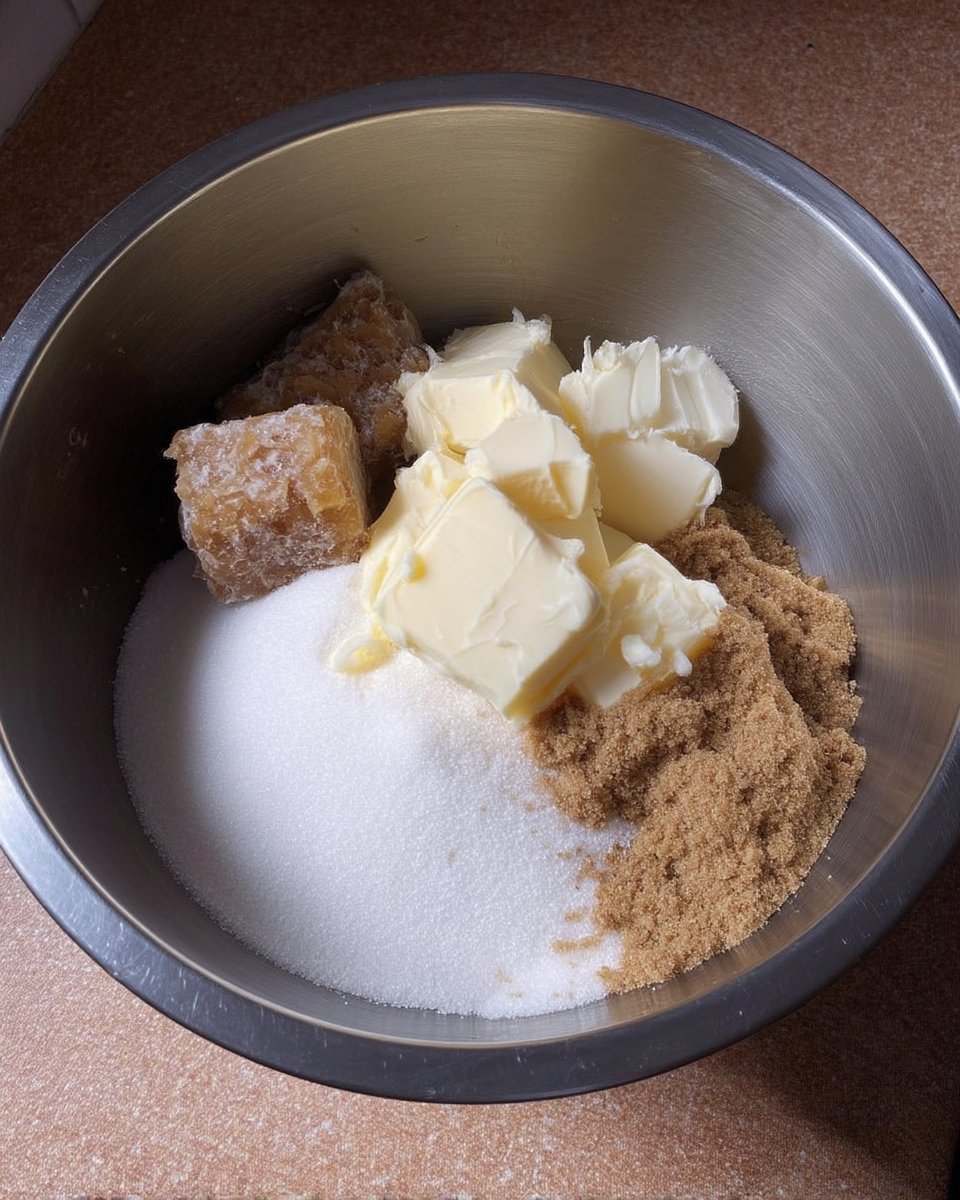
To achieve the authentic density of a Mrs Fields Copycat, every ingredient must be selected for its functional role in the dough’s chemistry. The ratio of sugars and the temperature of the fats are the most critical factors in replicating the iconic texture.
- Cold Salted Butter: Unlike most recipes that call for softened butter, we use butter cut into small, cold cubes. This prevents the sugar from dissolving prematurely, which would lead to a flat, greasy cookie. Cold fat creates small pockets of steam that provide a subtle, dense lift rather than a light sponge.
- Dark Brown Sugar: We use a high ratio of dark brown sugar compared to granulated sugar. The extra molasses provides a rich, acidic environment that reacts with the baking soda to create a tender crumb while contributing to the signature chewy mouthfeel.
- Granulated Sugar: This provides the necessary structure and a hint of crispness at the very edges, balancing the softness of the brown sugar.
- Large Eggs: These act as the primary emulsifier, binding the fats and sugars. We mix them briefly to avoid aerating the dough, as excess air would cause the cookies to puff and then collapse.
- All-Purpose Flour: With a protein content usually around 10-12%, this flour provides enough gluten to hold the heavy inclusions of chocolate without making the cookie tough.
- Semi-Sweet Chocolate Chips: The 12-ounce requirement ensures a high density of chocolate in every bite, mimicking the decadence of the original mall cookies.
- Baking Soda and Salt: These provide the chemical leavening and flavor balance required to cut through the richness of the fats and sugars.
The Proper Method for Success
Step 1: Sugar Homogenization
Begin by adding the dark brown sugar and granulated sugar to the bowl of your stand mixer. Using the paddle attachment, mix on medium speed for approximately one minute. This step is not meant to cream the sugars but simply to ensure they are evenly distributed before the fat is introduced.
Step 2: The Cold Fat Emulsion
Add the cold, cubed butter to the sugars. Increase the speed to medium-high and mix for four to five minutes. You are looking for a grainy paste rather than a light, fluffy cream. This technique, rooted in older pastry methods, keeps the butter pieces small and discrete within the sugar matrix, which is vital for preventing excessive spread during the low-temperature bake.
Step 3: Minimal Hydration Integration
Reduce the mixer speed to medium-low and add the eggs and vanilla extract. Mix for only about one minute until just incorporated. It is essential not to over-work the dough at this stage; over-mixing will dissolve the sugar granules and introduce too much air, which would ruin the dense Mrs Fields Copycat profile.
Step 4: Dry Component Incorporation
Add the all-purpose flour, baking soda, salt, and the entire bag of semi-sweet chocolate chips. Set the mixer to the lowest speed and mix until the flour just disappears. Over-mixing here would develop the gluten, leading to a tough, bread-like texture rather than a tender, melt-in-the-mouth biscuit.
Step 5: Manual Shaping and Sculpting
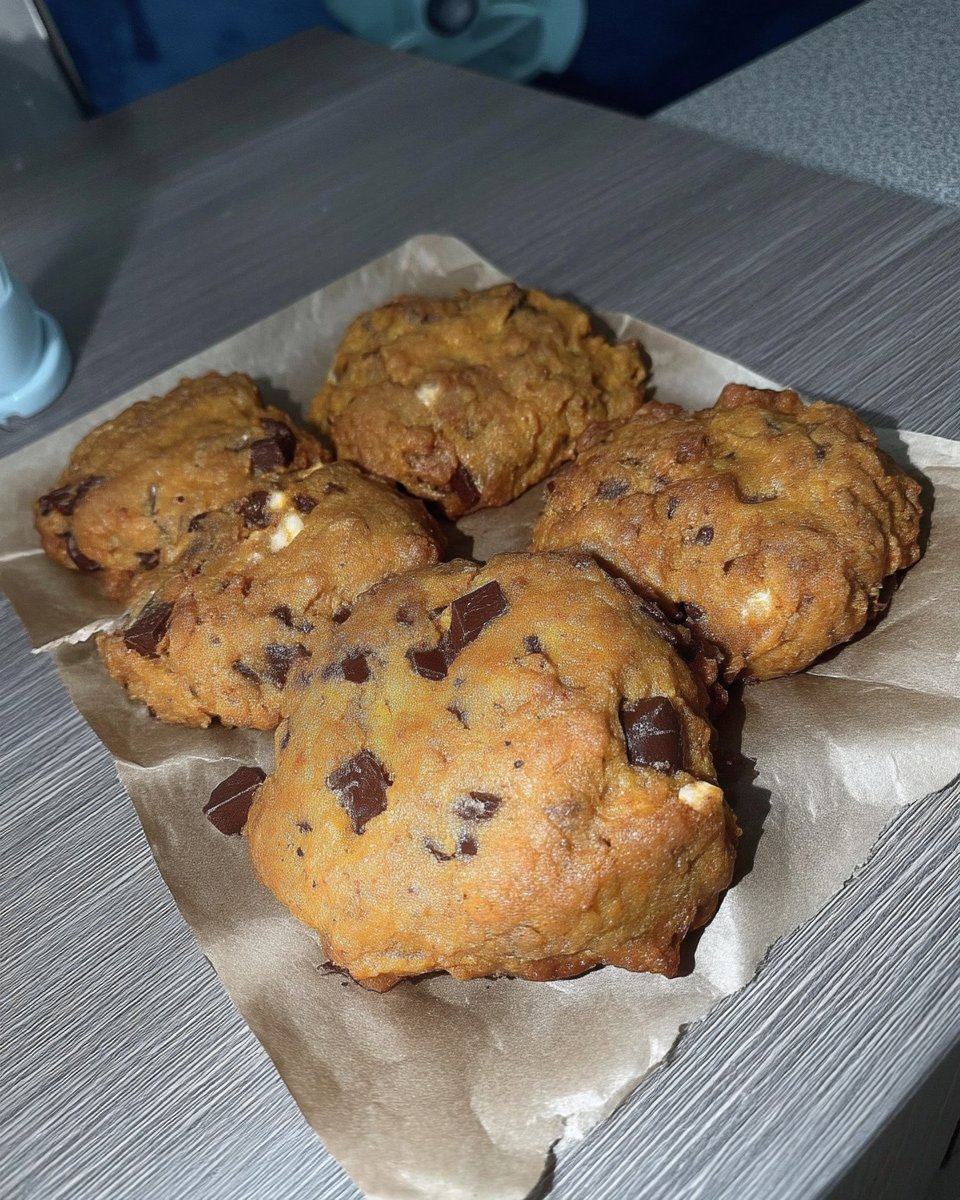
Using a large cookie scoop or a quarter-cup measure, form 19 equal-sized mounds of dough. The weight of each mound should be substantial. Flatten each mound very slightly with your palm. For a professional finish, take a few chocolate chips from the bottom of each mound and press them into the top, ensuring the chocolate is visible after baking.
Step 6: Thermal Conditioning
Place the dough mounds on a plate, cover them with plastic wrap, and refrigerate for at least 30 minutes. This chilling period allows the flour to fully hydrate and firms up the butter. Baking with unchilled dough would cause the cookies to lose their shape and become thin and greasy.
Step 7: Low-Intensity Baking
Preheat your oven to 300 degrees Fahrenheit. Line a heavy baking sheet with a silicone mat. Arrange the chilled mounds at least two inches apart. Bake for 15 to 16 minutes. Rotate the tray halfway through to account for any uneven heat distribution in your oven. The cookies are finished when the edges are set but the centers still look pale and slightly undercooked.
Step 8: Carryover Maturation
Remove the baking sheet from the oven and leave the cookies on the hot pan for at least 10 minutes. This carryover cooking is vital; the internal heat will finish setting the center of the cookie without the harsh direct heat of the oven, resulting in that perfect soft-baked finish.
Historical Wisdom for Modern Precision
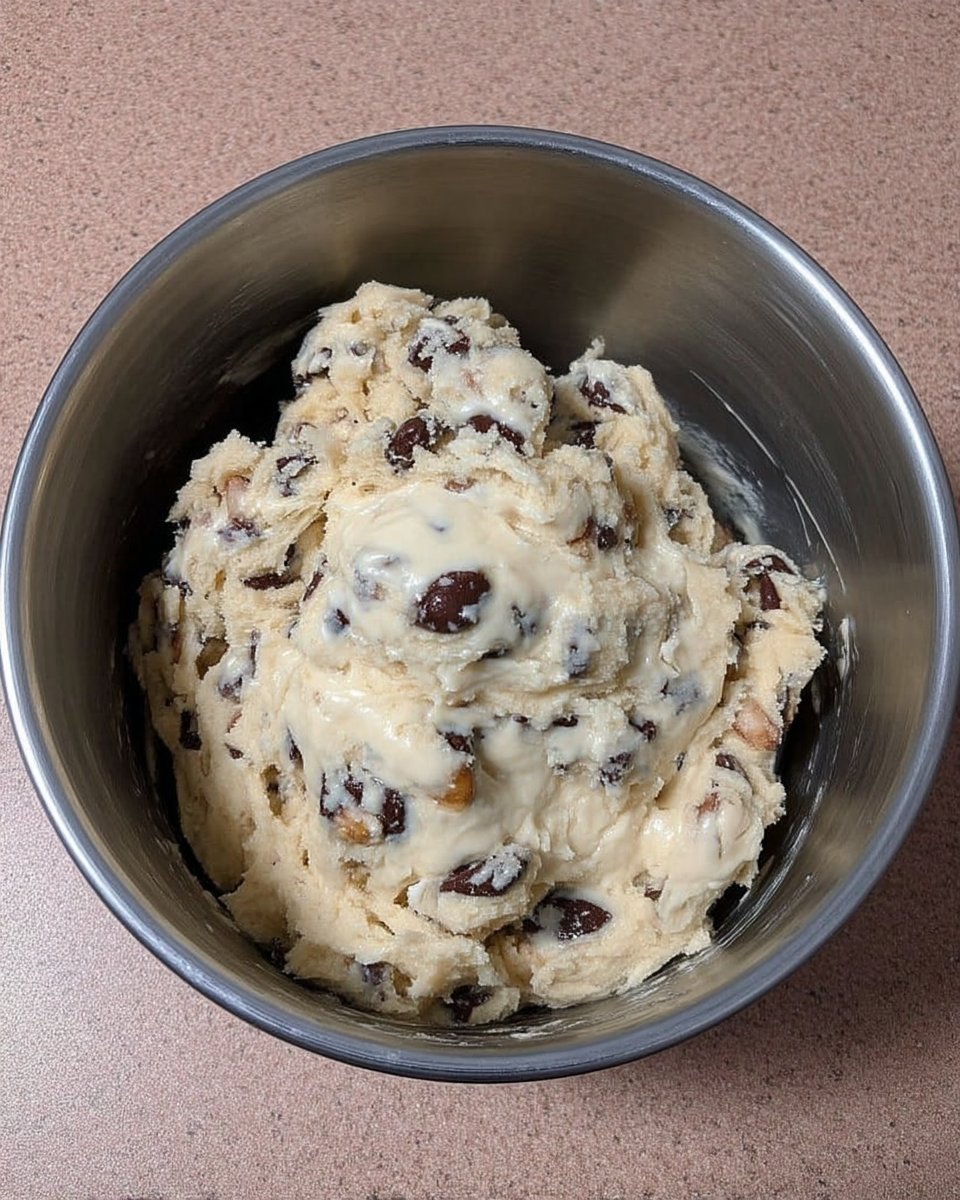
To master the Mrs Fields Copycat, one must understand the role of thermal mass in the kitchen. Using a heavy-gauge aluminum baking sheet is preferable because it distributes heat more evenly than thin, dark pans, which can cause the bottoms of the cookies to scorch before the centers are set. This is a principle that 19th-century bakers understood when they used thick stone hearths to moderate oven temperatures.
Always measure your flour by weight if possible, as the volume can vary greatly depending on how the flour was packed. For those looking to master the basics of dough structure, viewing our guide on Foundation Cookie Recipes can provide additional clarity on how protein content affects the final bake. Another secret is to use cold eggs directly from the refrigerator; this helps keep the overall dough temperature lower, which further assists in preventing spread in the oven. For more on the science of copycat recipes, you might look at the work done by Averie Cooks on this specific style.
Regional and Technical Adaptations
While the classic semi-sweet version is the standard, historical variations often include the addition of chopped walnuts or pecans. In the 1980s, the inclusion of nuts was a popular way to add a savory depth to the sweet dough. Simply fold in one cup of toasted chopped nuts during the final mixing stage. For a more British-inspired version, you could replace the semi-sweet chips with high-quality dark chocolate chunks (70% cocoa) to provide a sophisticated bitterness that cuts through the sugar.
If you prefer a cookie with more structural snap, you can increase the baking temperature to 325 degrees Fahrenheit and reduce the baking time by two minutes. This encourages more caramelization on the exterior while maintaining a soft interior. For those interested in how different methods change the outcome, our Efficient Cookie Methods page details how slight changes in process lead to vastly different results.
Traditional Service and Enjoyment
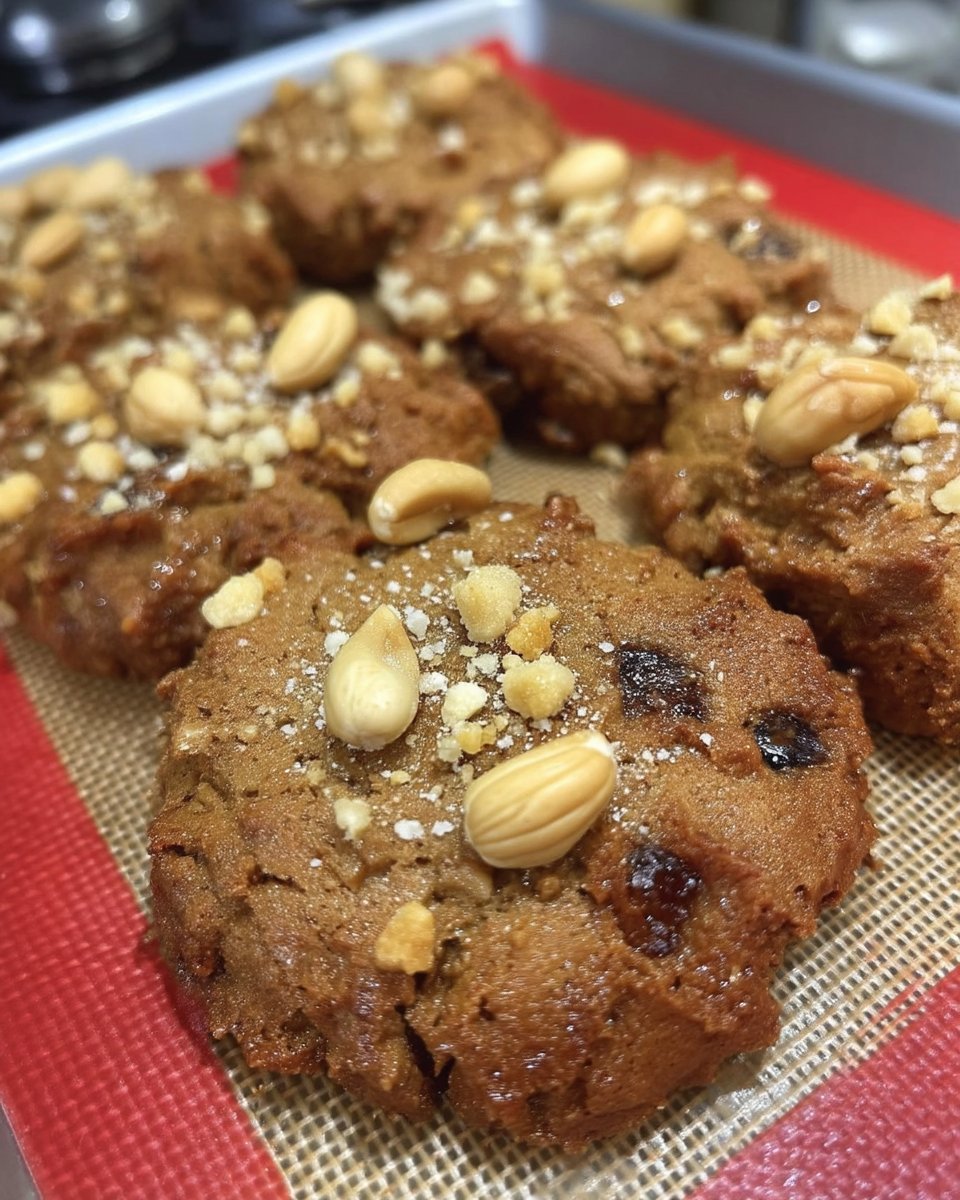
In the tradition of the British afternoon tea, these cookies are best served slightly warm, allowing the chocolate to remain in a semi-fluid state. Pair them with a cold glass of whole milk or a robust black tea like Earl Grey, which provides a citrusy contrast to the rich molasses in the dough. If you are serving these during a festive gathering, you might find inspiration in our Holiday Cookie Science section for more pairing ideas.
To store these cookies and maintain their soft texture, place them in an airtight container with a small slice of white bread. The hygroscopic nature of the sugar in the cookies will pull moisture from the bread, keeping the cookies from drying out for up to five days. Avoid using a wire cooling rack for these, as the airflow can dry the edges too quickly before the carryover cooking is complete.
The Technical Truth of the Mall Cookie
Recreating the Mrs Fields Copycat is an exercise in restraint and temperature management. By honoring the 1970s innovation of low-temperature baking and cold-fat integration, we achieve a result that modern high-heat methods simply cannot produce. It is a reminder that the history of baking is a continuous evolution of technique. For those who wish to refine their skills further, our guide on Precision Cookie Decorating offers insights into the final presentation of technical bakes.
I hope you find success with this methodical approach. If you enjoyed this dive into cookie science, please share your results with our community. You can find us and share your bakes on Instagram, Facebook, and Pinterest. We look forward to seeing your technical triumphs.