Victorian bakers understood that a high fat-to-flour ratio, combined with finely ground nuts, created a texture that virtually disintegrated on the tongue. This technical marvel, often referred to as a melting moment in British biscuit history, relies on the absence of eggs to prevent gluten structure from becoming too rigid. Modern science confirms that by coating these spheres in sugar while still warm, we create a hygroscopic barrier that preserves the delicate interior moisture.

My classic Snowball Cookies recipe utilizes the traditional method of double-rolling in powdered sugar to achieve a pristine, snowy finish. We combine toasted pecans and premium butter with a methodical chilling process to ensure the cookies maintain their spherical integrity during the bake. The result is a heritage biscuit that balances the richness of the nut oils with the light sweetness of the sugar coating.
The Tradition of the Melting Crumb
There is a profound technical satisfaction in a cookie that achieves structural stability without the use of chemical leavening or eggs. These Snowball Cookies are a masterclass in the science of shortbread, where the friction of the mixing process is carefully controlled to prevent toughening the dough. When you bite into one, the immediate sensation is a crisp snap followed by a rapid dissolution, a hallmark of Victorian precision baking.
Bakers of the 19th century prized this recipe because it showcased the quality of their butter and the freshness of their harvest nuts. We maintain that standard today by focusing on the interaction between the finely ground pecans and the all-purpose flour. The pecans provide a natural oil that interacts with the dairy fats, creating a complex flavor profile that modern processed fats simply cannot replicate.
This method has survived for centuries because it works with the natural properties of the ingredients rather than forcing them into a mold. The simplicity of the components belies the complexity of the technique required to achieve the perfect finish. You will find that this recipe offers a sense of historical continuity, connecting your modern kitchen to a long lineage of precision-focused pastry chefs.
Print
Snowball Cookies
- Total Time: 1 hour 15 mins
- Yield: 36 cookies
- Diet: Vegetarian
Description
These elegant, melt-in-your-mouth shortbread cookies feature finely ground toasted pecans and a signature double-coating of powdered sugar. A Victorian-era classic, they rely on a high butter content and a precise chilling method to achieve their iconic spherical shape and delicate crumb.
Ingredients
- 1 cup (225g) unsalted butter, room temperature
- 1/3 cup (71g) granulated sugar
- 2 teaspoons pure vanilla extract
- 1/4 teaspoon fine salt
- 2 cups (284g) all-purpose flour
- 2 cups (225g) toasted pecans, finely ground
- 1 1/2 cups (172g) powdered sugar, for coating
Instructions
- In a large bowl, cream together the softened butter, granulated sugar, vanilla, and salt until the mixture is pale and aerated.
- Gradually fold in the all-purpose flour in two distinct batches using a spatula, being careful not to overwork the dough.
- Stir in the finely ground toasted pecans until they are evenly distributed and the dough is cohesive.
- Cover the dough and refrigerate for approximately 45 minutes to solidify the fats and ensure the cookies hold their shape during baking.
- Preheat your oven to 350°F (180°C) and line a heavy-duty baking sheet with parchment paper.
- Scoop 1 tablespoon of chilled dough at a time and roll between your palms to form smooth, perfectly rounded balls.
- Place the spheres on the baking sheet two inches apart and bake for 14-15 minutes, ensuring they remain pale on top.
- Cool the cookies on the sheet for exactly five minutes, then gently roll them in powdered sugar while they are still warm to create a primer layer.
- Transfer to a wire rack to cool completely, then roll the cookies in powdered sugar a second time for a thick, snowy finish.
Notes
For the most consistent texture, use a digital scale to measure your ingredients, as volume can vary significantly with ground nuts and flour. Ensure your toasted pecans have reached room temperature before grinding; processing them while warm can release excess oils that may compromise the structural integrity of the shortbread.
- Prep Time: 15 mins
- Cook Time: 15 mins
- Category: Dessert
- Method: Baking
- Cuisine: American
Historical Ingredients and Proper Components
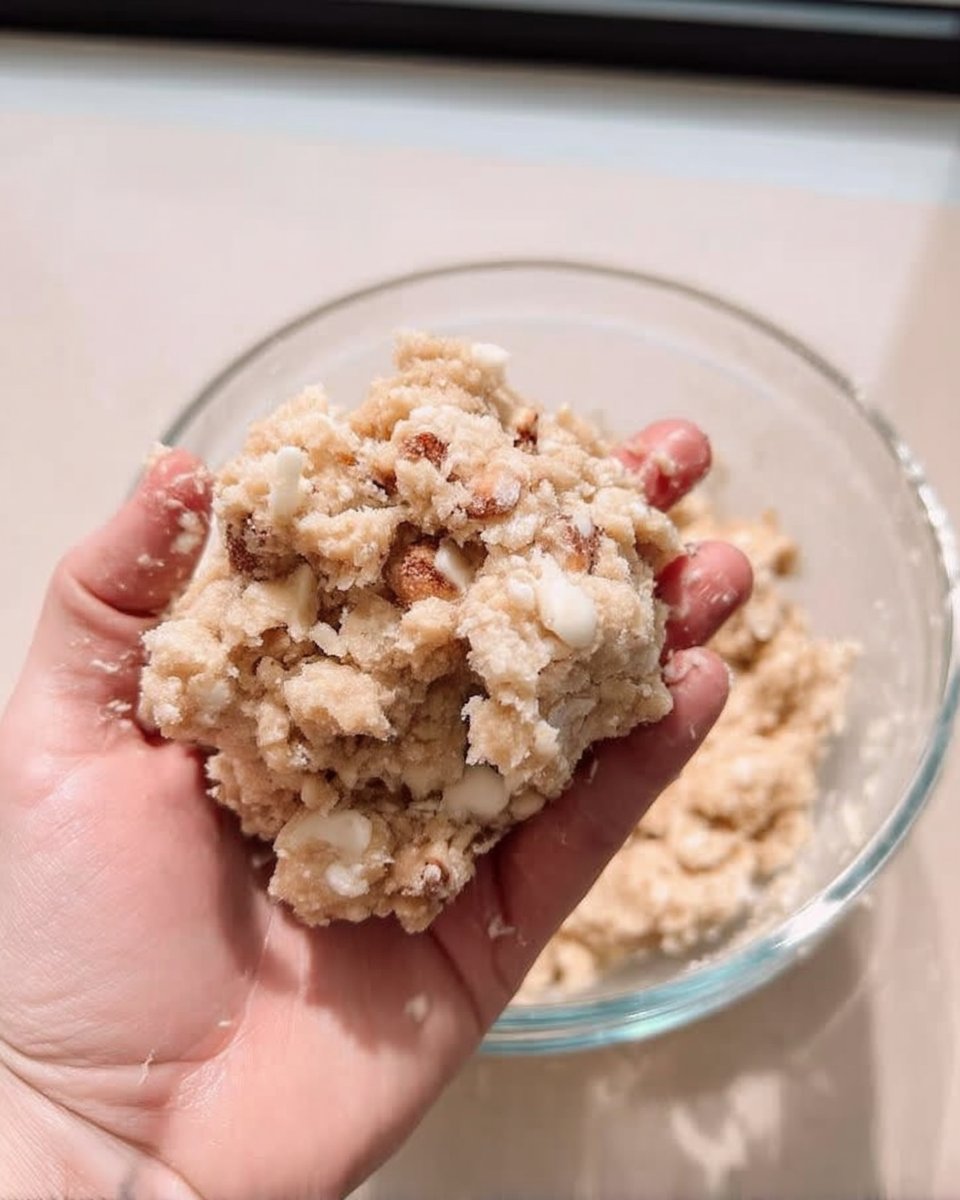
To achieve the specific texture required for these Snowball Cookies, we must examine the role of each component through a technical lens. The ingredients are simple, yet their quality and preparation dictate the final structural integrity of the biscuit.
- Unsalted Butter (1 cup/225g): The butter must be at room temperature to allow for proper creaming. In British heritage baking, we prefer unsalted butter to maintain complete control over the sodium levels, which can affect the hydration of the flour.
- Granulated Sugar (1/3 cup/71g): We use a relatively small amount of granulated sugar in the dough itself. Its primary role is to provide a subtle sweetness and aid in the creaming process without making the cookie overly hard.
- Vanilla Extract (2 teaspoons): Pure vanilla extract provides a depth of flavor that complements the toasted nuts. Historically, this was a luxury ingredient, and its use here signifies the special nature of the cookie.
- Salt (1/4 teaspoon): A fine grain salt is necessary to balance the fats and sharpen the nut flavor.
- All-Purpose Flour (2 cups/284g): This provides the base structure. We weigh the flour to ensure we do not over-pack the measuring cup, which would result in a dry, crumbly cookie.
- Toasted Pecans (2 cups/225g): The pecans must be toasted to release their essential oils and then finely ground. This creates a uniform distribution of flavor and texture throughout the dough.
- Powdered Sugar (1 1/2 cups/172g): Also known as icing sugar, this is used for the double-coating. The cornstarch typically found in commercial powdered sugar helps create a soft, non-sticky exterior.
The Proper Method
Step 1: Creaming the Base
Using a large whisk or electric mixer, cream together the room-temperature butter, granulated sugar, vanilla, and salt. This process should be methodical, aiming for a pale, aerated consistency. Victorian kitchens understood that this step introduces tiny air pockets that provide a light lift in the absence of baking powder.
Step 2: Integrating the Flour
Using a spatula, gradually add the all-purpose flour in two distinct batches. Fold the flour in gently rather than beating it. This prevents the development of excess gluten, which would turn our melting cookie into a tough biscuit. The goal is a cohesive, supple dough that barely holds together.
Step 3: Adding the Nut Flour
Lastly, stir in the finely ground pecans and mix until fully incorporated. The ground nuts act almost like a second type of flour, adding density and richness. Ensure the nuts are evenly distributed so that every cookie has a consistent structural balance.
Step 4: The Mandatory Chill
Cover the dough and refrigerate for approximately 45 minutes. This is a critical technical step; it allows the fats to solidify and the flour to fully hydrate. Cold dough prevents the cookies from spreading in the oven, preserving the iconic snowball shape. You can store this dough in the fridge for up to five days if needed.
Step 5: Preparing the Oven and Sheets
Preheat your oven to 350°F (180°C). Line a heavy-duty baking sheet with parchment paper. Proper heat distribution is vital for these cookies, so avoid thin, dark baking sheets that might scorch the bottoms before the centers are set.
Step 6: Portioning and Shaping
Place the powdered sugar in a small bowl and set it aside. Use a 1 tablespoon measure to scoop the chilled dough. Roll the dough between your palms to form a perfectly rounded ball. Place these on the sheet two inches apart. Do not flatten them; the spherical shape is essential for the even application of the sugar coating later.
Step 7: The Precision Bake
Bake for 14-15 minutes. It is imperative that you do not overbake. The cookies should remain pale on top, with only a very light golden hue on the underside. If the tops brown, the texture will be too dry and the sugar will not adhere correctly.
Step 8: The Initial Warm Roll
Cool the cookies on the baking sheet for exactly five minutes. While they are still warm to the touch, gently roll them in the powdered sugar. The residual heat will melt a thin layer of sugar, creating a primer that allows the second coat to stick properly.
Step 9: The Final Finish
Place the coated cookies on wire racks to cool completely. Once the heat has fully dissipated, roll them in the powdered sugar for a second time. This second pass creates the thick, opaque white finish that gives the Snowball Cookies their name.
Precision Methods
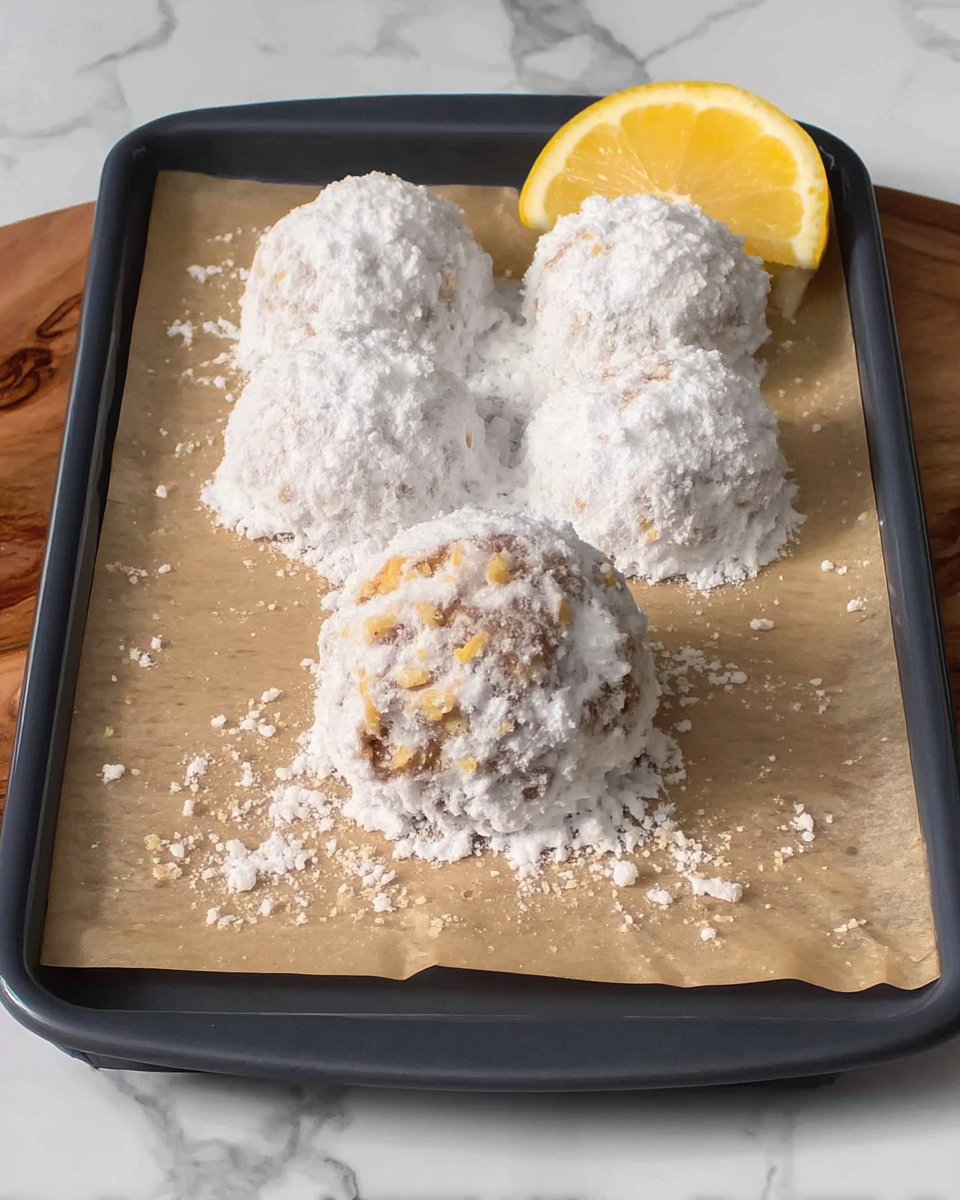
To achieve the perfect texture, one must pay close attention to the temperature of the pecans. If you grind the pecans while they are still warm from toasting, they will release too much oil and turn into nut butter. Always let them cool to room temperature before processing. For more technical insights into building a solid baking foundation, consult our Foundation Cookie Recipes.
Another technical secret involves the powdered sugar. If your kitchen is humid, the sugar may clump. Sift the powdered sugar into the bowl before rolling to guarantee a smooth, professional finish. This attention to detail is what separates a standard home bake from a heritage-quality biscuit. We recommend using a digital scale for all measurements, as volume can vary significantly with ingredients like ground nuts.
Tested Adaptations
While the pecan version is a classic of the American South, this technique has roots in several cultures. In the United Kingdom, we often see these as a variation of the Shrewsbury biscuit, sometimes flavored with caraway. For a deeper understanding of how these recipes evolve during the festive season, look into Holiday Cookie Science.
- Russian Tea Cakes: Substitute the pecans with walnuts for a slightly more bitter, sophisticated flavor profile that was popular in 19th-century European tea rooms.
- Mexican Wedding Cookies: Incorporate a teaspoon of ground cinnamon into the flour mixture. This variation highlights the spice trade influences that reached the Americas.
- Almond Crescents: Instead of spheres, shape the dough into small crescents and use ground almonds. This method is common in Austrian and German baking traditions.
Traditional Service
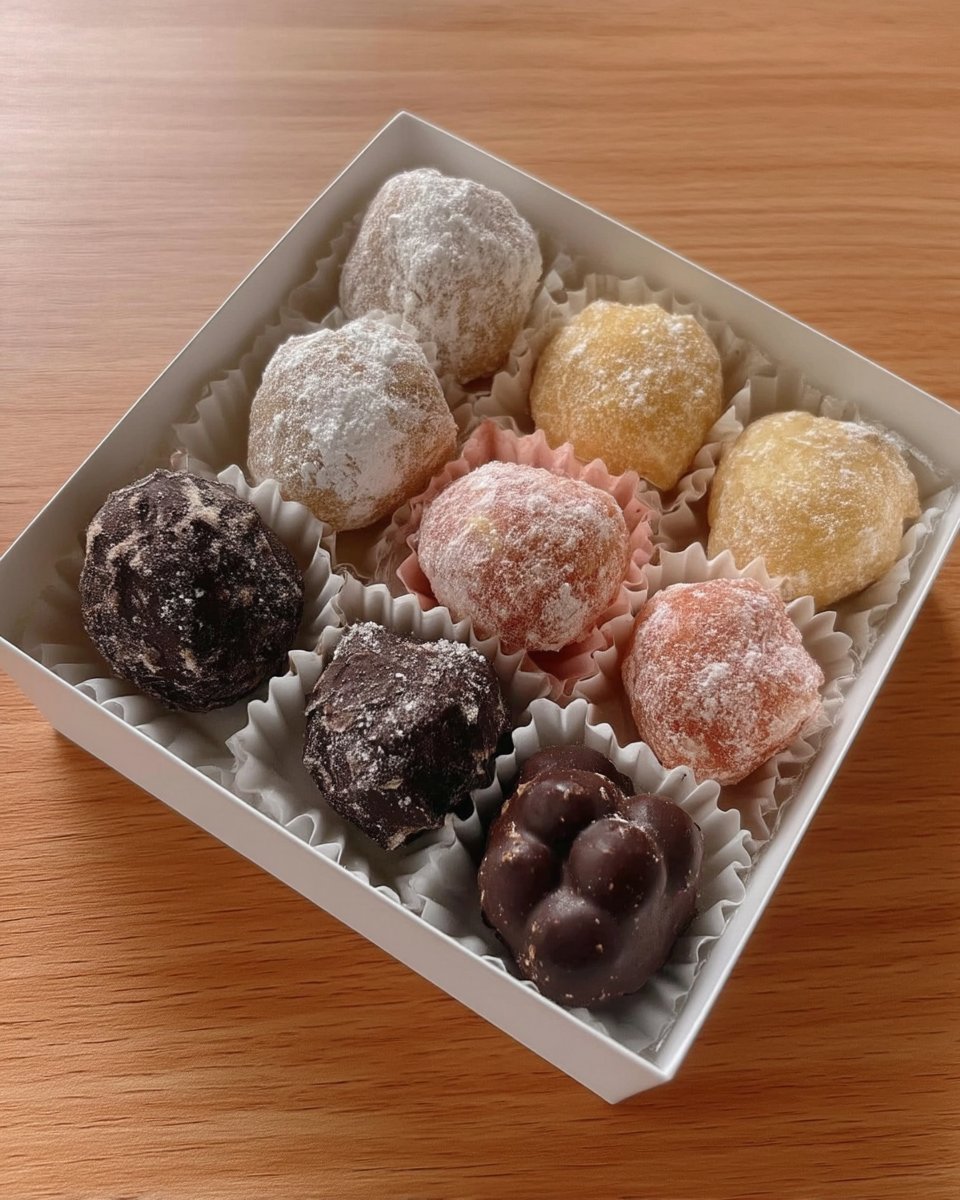
These cookies are traditionally served during the mid-afternoon tea hour. In the British tradition, they pair exceptionally well with a robust Earl Grey or a delicate Darjeeling. The tannins in the tea provide a necessary contrast to the rich, buttery fat of the cookie. For those looking to master the aesthetic side of these treats, our guide on Precision Cookie Decorating offers further guidance.
For a more formal presentation, serve the Snowball Cookies on a tiered silver stand or a patterned china plate. The contrast between the bright white sugar and a dark porcelain plate creates a striking visual. Historically, these were often served alongside a glass of dry sherry, which complements the toasted nut flavors beautifully. Always provide small napkins, as the powdered sugar coating is designed to be generous.
The Technical Truth
Understanding the science behind the Snowball Cookie allows us to appreciate why this recipe has remained a staple for generations. It is a triumph of simple chemistry: fat, flour, and sugar working in perfect harmony to create a unique textural experience. By respecting the chilling times and the double-roll method, you preserve a piece of culinary history in every bite. For those interested in streamlining their baking process without sacrificing quality, examine our Efficient Cookie Methods. Share your technical successes with us on Pinterest, Instagram, and Facebook.