In the early twentieth century, British biscuit manufacturers perfected the art of the laminated oat biscuit, a technique that eventually crossed the Atlantic and influenced the structured crunch of the American peanut butter sandwich. Victorian bakers understood that the inclusion of rolled oats provided more than just fiber; it created a complex network of textures that modern food science now identifies as a method of disrupting gluten development. This traditional approach ensures a cookie that is remarkably sturdy yet tender enough to yield to the bite, a balance often lost in modern mass-produced versions.

This particular iteration of the Girl Scout Do Si Dos 2 focuses on the technical precision of the oatmeal peanut butter biscuit. By marrying historical creaming methods with a specific chilling phase, we achieve a uniform bake that replicates the iconic factory-pressed appearance while maintaining the superior flavor of home-baked goods. The result is a nostalgic treat that honors its commercial heritage through a lens of classical culinary technique.
The Scientific Harmony of Oats and Peanut Butter
You will find that this recipe triumphs because it respects the structural mechanics of the sandwich biscuit. In traditional British baking, the biscuit must serve as a reliable vessel for the filling, neither too soft to crumble nor too hard to separate upon the first bite. The use of chunky peanut butter in the base provides mechanical leavening through the irregular pockets of air trapped around the peanut fragments during the creaming process.
Furthermore, the inclusion of rolled oats introduces a fascinating chemical interaction. Oats are hygroscopic, meaning they absorb moisture at a different rate than wheat flour. This allows the dough to retain a specific level of hydration that produces a chewy interior while the exterior undergoes the Maillard reaction to achieve a crisp, golden shell. This contrast is the hallmark of a professionally executed sandwich cookie, providing a sensory experience that far exceeds the standard drop cookie.
Finally, the technical precision of the rolling and cutting method ensures consistency. Unlike drop cookies, which can vary in spread and thickness, these cut rounds provide a level surface for the filling. This methodical approach allows for a perfect ratio of cream to crunch in every mouthful, proving that the old wisdom of uniform shaping remains the gold standard for confectionary architecture.
Print
Girl Scout Do Si Dos 2
- Total Time: 38 mins
- Yield: 24 sandwich cookies
- Diet: Vegetarian
Description
A technical recreation of the classic peanut butter oatmeal sandwich biscuit, focusing on structural integrity and a balanced crunch. These cookies combine the hearty texture of rolled oats with a smooth, creamy peanut butter filling for a nostalgic yet professionally executed treat.
Ingredients
- Softened Unsalted Butter
- Granulated White Sugar
- Chunky Peanut Butter
- Room Temperature Egg
- Vanilla
- Salt
- All-Purpose Flour
- Baking Soda
- Rolled Oats
- Smooth Peanut Butter
- Powdered Sugar
Instructions
- Cream the softened butter and granulated sugar together until pale and aerated, then stir in the chunky peanut butter, room temperature egg, vanilla, and salt until emulsified.
- In a separate bowl, whisk together the flour, baking soda, and rolled oats before folding the dry mixture into the wet ingredients until a cohesive dough forms.
- Roll the dough to a 1/4-inch thickness on a floured surface, cut into 1-inch rounds, and freeze them on a parchment-lined tray for 10 minutes.
- Bake in a preheated oven at 350°F (175°C) for 10 to 13 minutes until golden brown; let them rest on the hot pan for five minutes before transferring to a wire rack to cool.
- Create the filling by mixing smooth peanut butter and powdered sugar, then sandwich a teaspoon of the mixture between two cooled cookies.
Notes
To maintain the classic crisp-yet-chewy texture, ensure your oats are whole rolled oats rather than quick-cooking varieties. Additionally, using a stabilized peanut butter brand for the dough prevents excess oil separation, which helps the cookies maintain their precise circular shape during the baking process.
- Prep Time: 25 mins
- Cook Time: 13 mins
- Category: Cookies
- Method: Baking
- Cuisine: American
The Anatomy of a Technical Peanut Butter Biscuit
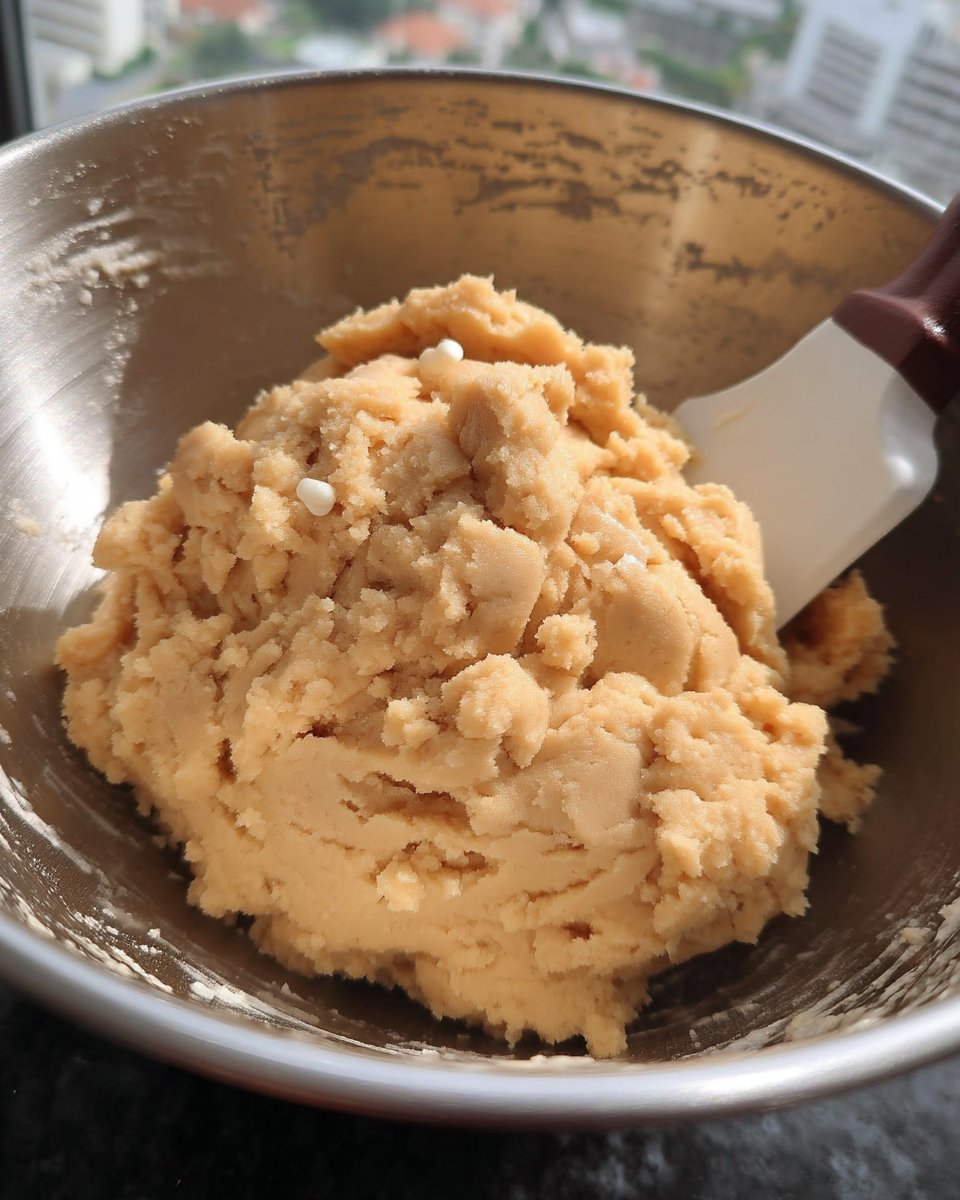
To achieve the specific texture required for the Girl Scout Do Si Dos 2, one must be selective with the components. Each ingredient serves a functional purpose beyond mere flavor, contributing to the structural integrity of the final bake.
- Softened Unsalted Butter: The foundation of the creaming method, providing the fat necessary to coat flour particles and inhibit excessive gluten formation.
- Granulated White Sugar: Chosen for its ability to create a crisp texture and assist in aeration during the initial mixing phase.
- Chunky Peanut Butter: The ‘chunky’ variety is essential here; the peanut pieces provide structural ‘rebar’ within the dough, preventing it from becoming overly homogenous and soft.
- Room Temperature Egg: Ensuring the egg is at the same temperature as the butter prevents the emulsion from breaking, which is vital for a smooth dough consistency.
- Rolled Oats: These provide the classic grit and chew. For the most authentic texture, avoid quick oats, which lack the surface area needed for the traditional bite.
- Baking Soda: This alkaline leavener works with the acidic components of the peanut butter to provide a subtle lift without causing the cookie to puff excessively.
Technically speaking, the ratio of fats to solids in this recipe is calibrated to minimize spread. British shortbread traditions emphasize a high fat-to-flour ratio, but here, the addition of oats and peanut butter solids creates a more complex matrix. This requires a firm understanding of dough hydration; if your dough feels too sticky, it is likely due to the oil content of your peanut butter brand, a variable that can be managed through the chilling process discussed in the methods below.
The Proper Method for Technical Precision
Step 1: Execute the Victorian Creaming Technique
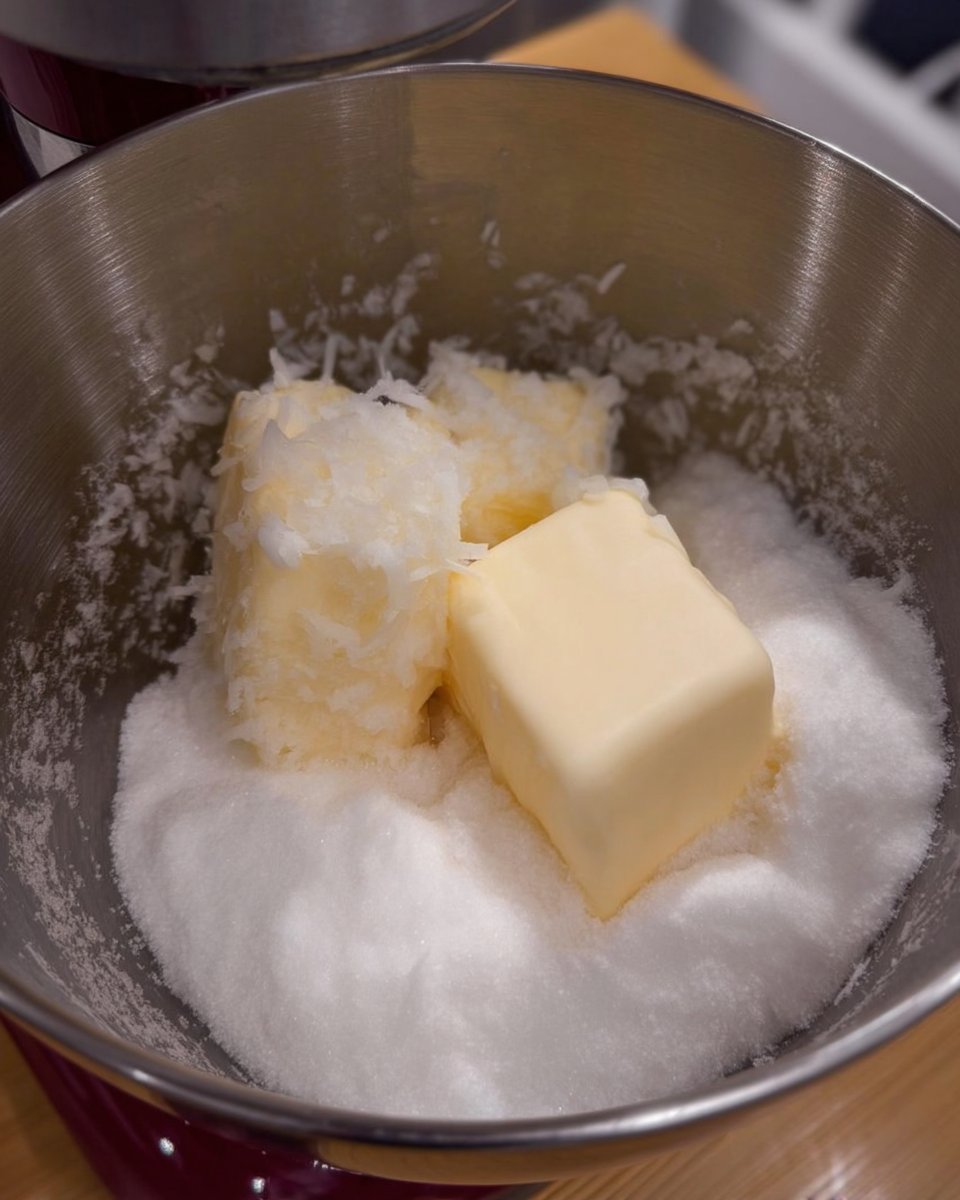
Begin by placing the softened butter and granulated sugar in a medium mixing bowl. Use a wooden spoon or a stand mixer to cream them together until the mixture is pale and aerated. This step, perfected in Victorian kitchens, is not merely about mixing; it is about physical aeration. Once light, add the chunky peanut butter, the room temperature egg, vanilla, and salt. Stir vigorously until the emulsion is fully stable and the mixture appears uniform in color and texture.
Step 2: Integrate the Dry Matrix
In a separate vessel, whisk together the flour, baking soda, and rolled oats. It is vital to distribute the leavening agent evenly through the flour before it contacts the wet ingredients. Fold the dry mixture into the butter mixture. In British biscuit making, we avoid overworking the dough at this stage to prevent the development of tough gluten strands. Stir only until the flour is no longer visible and a cohesive dough has formed.
Step 3: Roll and Calibrate the Dimensions
Transfer the dough to a lightly floured surface. Using a rolling pin, flatten the dough until it reaches a precise thickness of one-quarter inch. This uniformity is crucial for an even bake. Use a 1-inch circular cutter to produce the rounds. If you desire the traditional aesthetic, use a fork or a stamp to press a pattern into the surface. Move the rounds to a parchment-lined tray and place them in the freezer for exactly ten minutes. This ‘shock chill’ sets the fats, ensuring the cookies retain their sharp edges during the bake.
Step 4: The Controlled Bake and Thermal Set
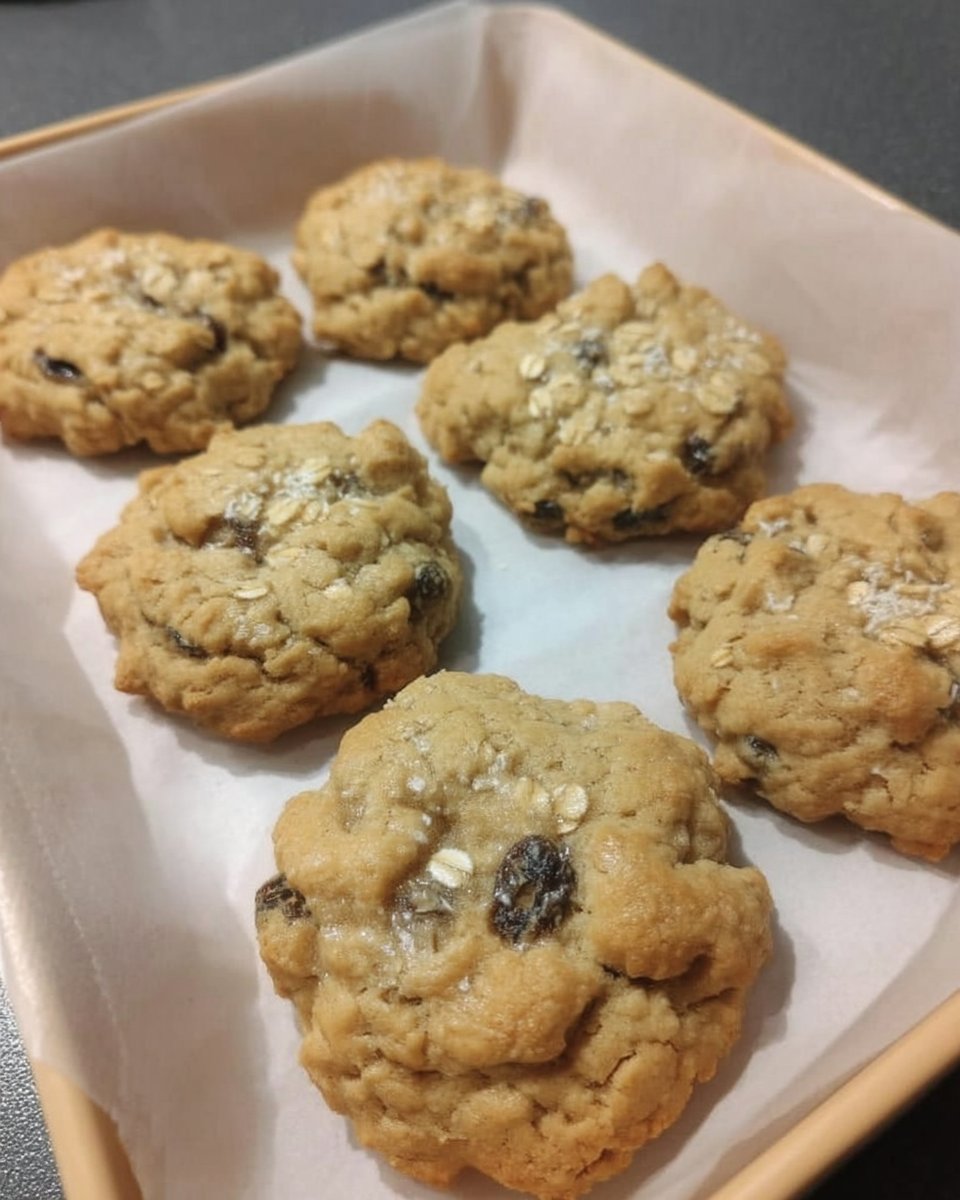
While the cookies chill, preheat your oven to 350°F (175°C). Place the chilled rounds into the oven and bake for 10 to 13 minutes. You are looking for an even, golden brown across the entire surface, not just the edges. Remove from the oven and allow them to rest on the hot pan for five minutes. This residual heat finish is a common technique in professional baking to set the center of the cookie without over-browning the bottom. Transfer to a wire rack to cool completely before filling.
Step 5: Emulsify the Filling and Marriage
Prepare the filling by combining the smooth peanut butter with the powdered sugar. This creates a thick, stable paste—a confectionary cement of sorts. Flip half of the cooled cookies over. Place a teaspoon-sized sphere of filling in the center of each. Position the remaining cookies on top and apply gentle, even pressure. This movement should drive the filling to the very edge of the biscuit, creating the classic sandwich appearance. Allow the sandwiches to sit for thirty minutes to allow the filling to bond with the biscuit surfaces.
Jordan’s Technical Notes for Professional Results
Achieving the perfect Girl Scout Do Si Dos 2 requires attention to the temperature of your peanut butter. Natural peanut butters, which often separate at room temperature, can introduce too much liquid oil into the dough, leading to an uncontrolled spread. I recommend using a stabilized brand for the cookie base to maintain the integrity of the shape. If you must use natural varieties, ensure they are thoroughly stirred and slightly chilled before measuring.
Another point of precision involves the oat texture. If you find the traditional rolled oats too coarse for your preference, you can pulse them briefly in a food processor. However, do not turn them into flour; you want to maintain the structural ‘islands’ of oat grain to preserve the heritage bite. For those looking to master other classic structures, studying our Foundation Cookie Recipes will provide further insight into how different fats interact with various grain types. Finally, always weigh your flour if possible; the volume of a cup can vary by up to 20% depending on how it is packed, which is the most common cause of a dry, sandy biscuit. For more on the chemistry of these ingredients, you can see how professionals approach similar challenges in this Girl Scout cookie dupe guide.
Historical and Regional Adaptations
While the standard peanut butter filling is the traditional choice, historical variations of this biscuit often included a light dusting of sea salt on the interior to cut through the sugar. In certain British interpretations, a small amount of golden syrup is added to the dough to provide a deeper, more caramelized flavor profile, similar to a traditional Hobnob. This shift in the sugar profile changes the cookie from a crisp snap to a more lingering, chewy finish.
For a more modern adaptation that respects the original science, one might consider a dark chocolate dipped version. Dipping the bottom half of the finished sandwich into tempered chocolate adds a layer of fat that protects the biscuit from humidity, extending its shelf life. This technique is particularly useful for those preparing these for holiday gifts. To understand the science behind shelf-life and fat stability, examine our Holiday Cookie Science section, where we analyze how different coatings affect the rate of staling in oat-based bakes.
The Traditional Service and Presentation
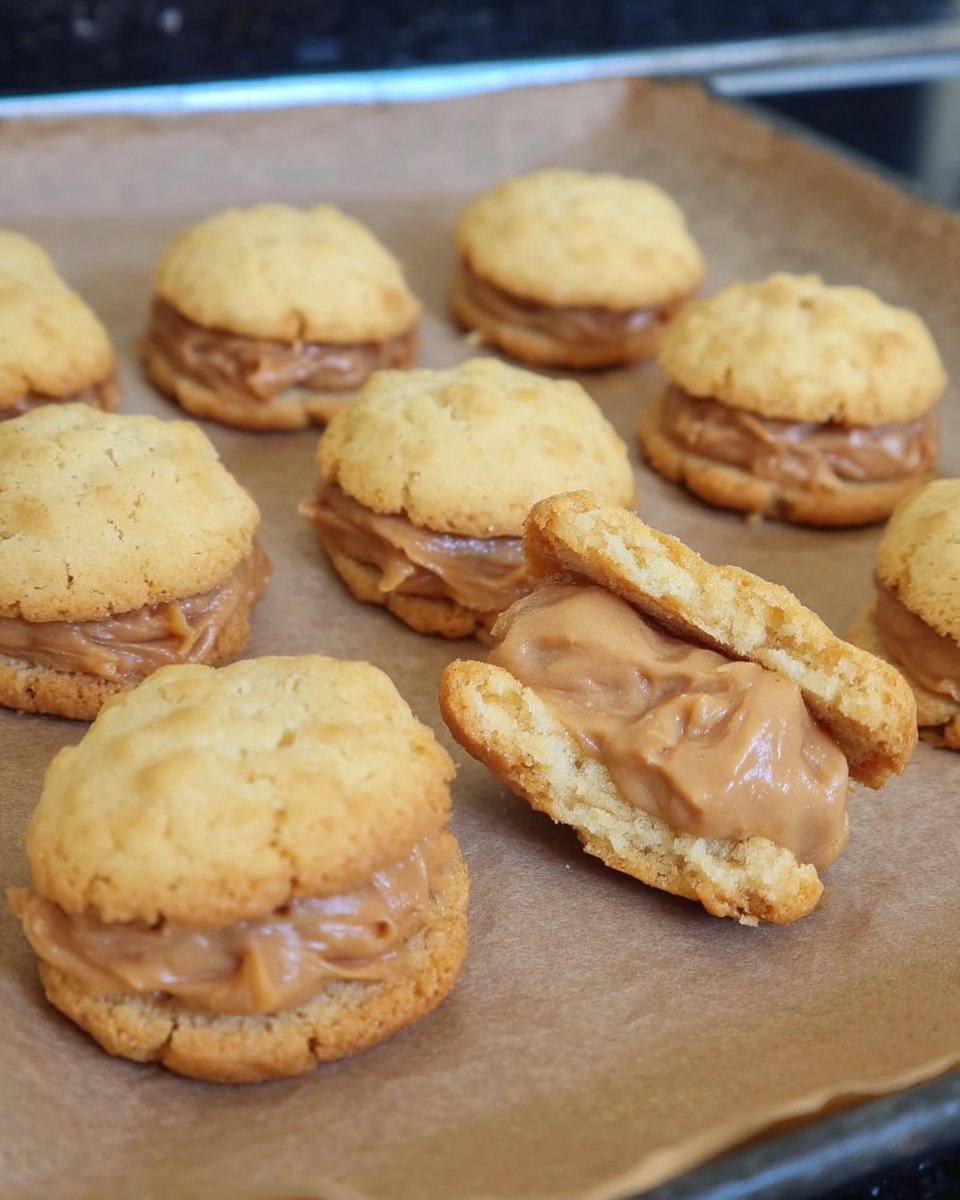
The Girl Scout Do Si Dos 2 is best served in the traditional British manner: alongside a strong cup of black tea, such as an Earl Grey or a robust Assam. The tannins in the tea provide a necessary astringency that cleanses the palate of the rich peanut butter fats. For a more formal presentation, serve these on a tiered porcelain stand, which highlights the uniform precision of the rounds you have cut.
In a domestic setting, these cookies benefit from being stored in an airtight tin for 24 hours before serving. This ‘maturation period’ allows the moisture from the filling to migrate slightly into the dry biscuit, creating a more unified texture. For those interested in the logistics of high-volume baking and storage, our guide on Efficient Cookie Methods covers the best practices for maintaining freshness in sandwich-style bakes. Always serve at room temperature; chilling the finished sandwich can cause the peanut butter filling to become waxy, masking the subtle toasted notes of the oats.
The Technical Truth of the Oatmeal Sandwich
Mastering the Girl Scout Do Si Dos 2 is a rewarding exercise in understanding the balance between heritage ingredients and modern execution. By applying the Victorian creaming method and respecting the science of dough temperature, we transform a simple peanut butter treat into a technical triumph. This recipe proves that when we look back at the methods used by our predecessors, we find the keys to consistency and flavor that are often missing in contemporary baking. To continue your journey into the world of rigorous baking standards, I encourage you to read our Viral Cookie Analysis where we break down the mechanics of other famous treats.
Please share your results with our community of methodical bakers. You can find us on Pinterest, Instagram, Facebook, and X. We look forward to seeing your technical precision in action.