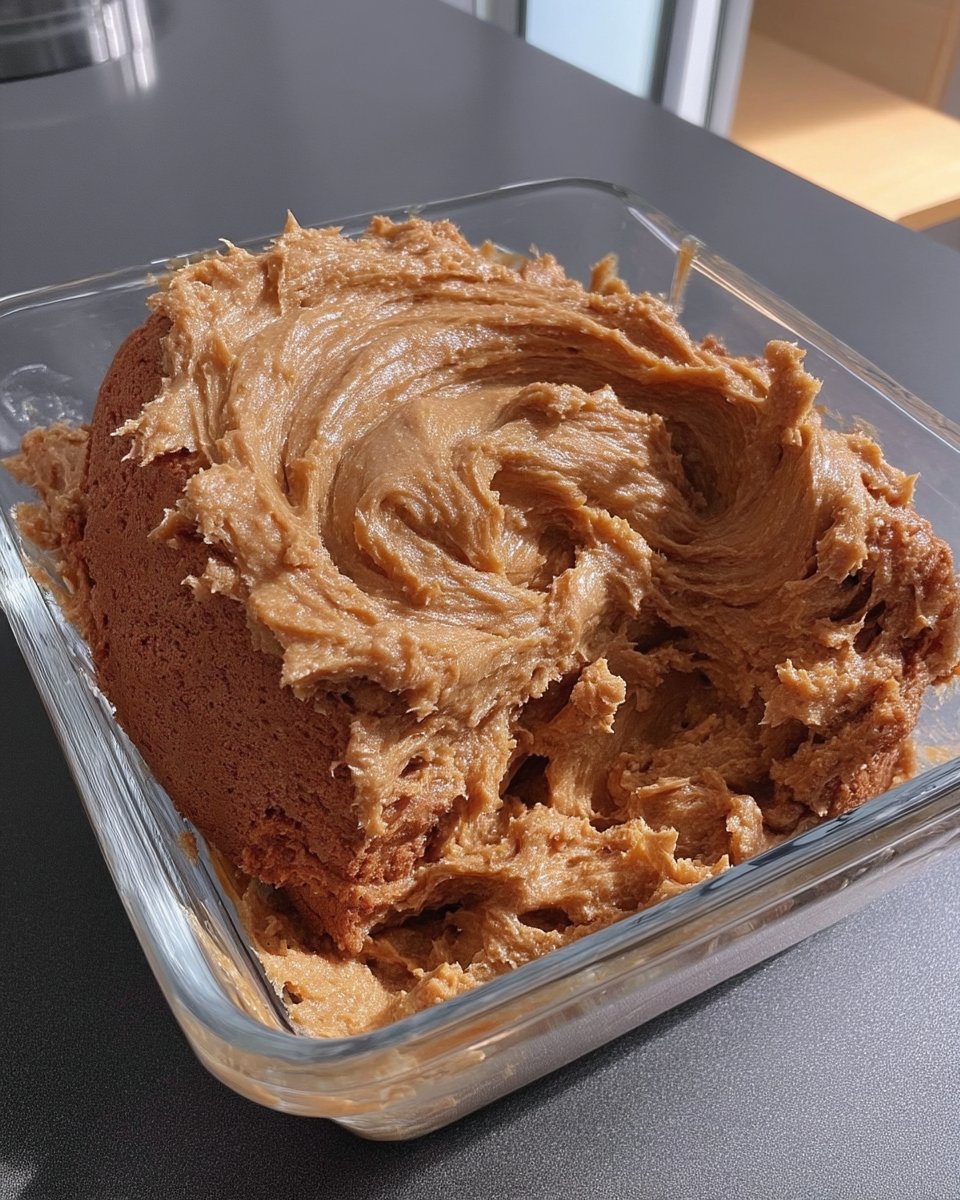
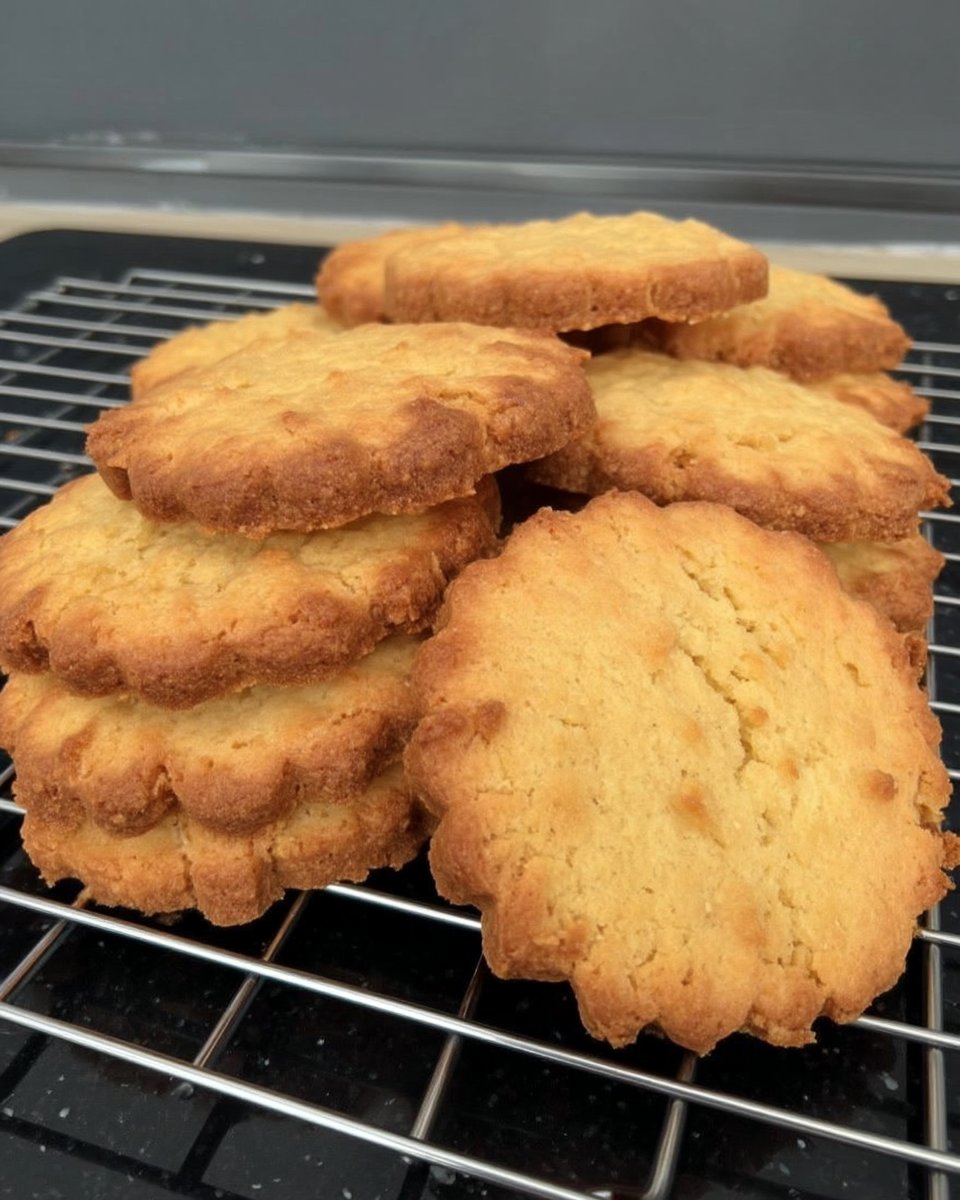
When we smell cinnamon, we are actually detecting cinnamaldehyde, a volatile compound that triggers warmth receptors on the tongue. In these Gluten Free Snickerdoodles 3, this spice interacts with the sharp acidity of cream of tartar to create a complex flavor profile. This specific chemical synergy defines the classic snickerdoodle experience, balancing sweetness with a distinct, sophisticated tang.

Achieving the perfect chew without gluten requires a calculated blend of proteins and starches. By combining almond, sweet rice, and oat flours, we replicate the structural integrity usually provided by wheat. The result is a cookie that maintains its tender crumb and crisp exterior for several days after baking.
The Science Behind Gluten Free Snickerdoodles 3
Unlike standard sugar cookies, these cookies rely on potassium bitartrate—commonly known as cream of tartar—to inhibit sugar crystallization. This creates the signature soft, melt-in-the-mouth texture while providing the acidic bite that complements the warm cinnamon coating. The interaction between the leavening agents also causes a specific crackle on the surface as the cookies puff and collapse during the cooling phase.
We focus on the Maillard reaction, which is the chemical interaction between amino acids and reducing sugars that gives browned food its distinctive flavor. Because gluten-free flours often lack the protein density of wheat, we add almond flour to provide the necessary lipids and proteins for a deeper, nuttier flavor profile. This creates a more interesting taste than a simple starch-heavy cookie, making every bite a study in flavor balance.
Furthermore, the use of sweet rice flour introduces a high level of amylopectin. This starch is responsible for the ‘chew’ that many gluten-free bakes lack. By understanding these molecular components, we can build a cookie that feels traditional but performs with modern precision.
Print
Gluten Free Snickerdoodles
- Total Time: 1 hour
- Yield: 24 cookies
- Diet: Gluten-Free
Description
This scientifically-informed recipe uses a strategic blend of gluten-free flours and a specific emulsification process to recreate the iconic chewy texture of a traditional snickerdoodle. The combination of sweet rice flour and a tangy cinnamon coating ensures a sophisticated flavor profile that satisfies both nostalgic cravings and technical baking standards.
Ingredients
- Granulated sugar
- Unsalted butter, melted and hot
- Large egg
- Vanilla extract
- Sweet rice flour
- Almond flour
- Oat flour
- Tapioca flour
- Ground cinnamon
- Cream of tartar
- Baking soda
- Salt
- Cinnamon-sugar mixture for coating
Instructions
- Combine the sugar and hot melted butter in a large bowl, letting the mixture rest for 10 minutes to initiate sugar dissolution.
- Sift together the sweet rice flour, almond flour, oat flour, tapioca flour, cinnamon, cream of tartar, baking soda, and salt to ensure even leavening distribution.
- Whisk the egg and vanilla into the cooled butter mixture, then stir in the dry ingredients using exactly 60 strokes to optimize the starch structure.
- Chill the dough for a minimum of 30 minutes to allow the flours to fully hydrate, preventing excessive spreading during baking.
- Preheat the oven to 350ºF with the rack positioned in the upper third and roll the dough into balls, coating each thoroughly in the cinnamon-sugar mix.
- Bake for 8 to 10 minutes until the edges are set but centers remain soft, then rap the pan on the counter to settle the crumb and create a dense center.
Notes
For the most precise results, weigh your dry ingredients using a digital scale rather than relying on volume measurements. To enhance the aromatic profile, use high-quality Vietnamese cinnamon which contains higher levels of volatile oils for a more intense flavor experience.
- Prep Time: 50 mins
- Cook Time: 10 mins
- Category: Dessert
- Method: Baking
- Cuisine: American
The Molecular Building Blocks
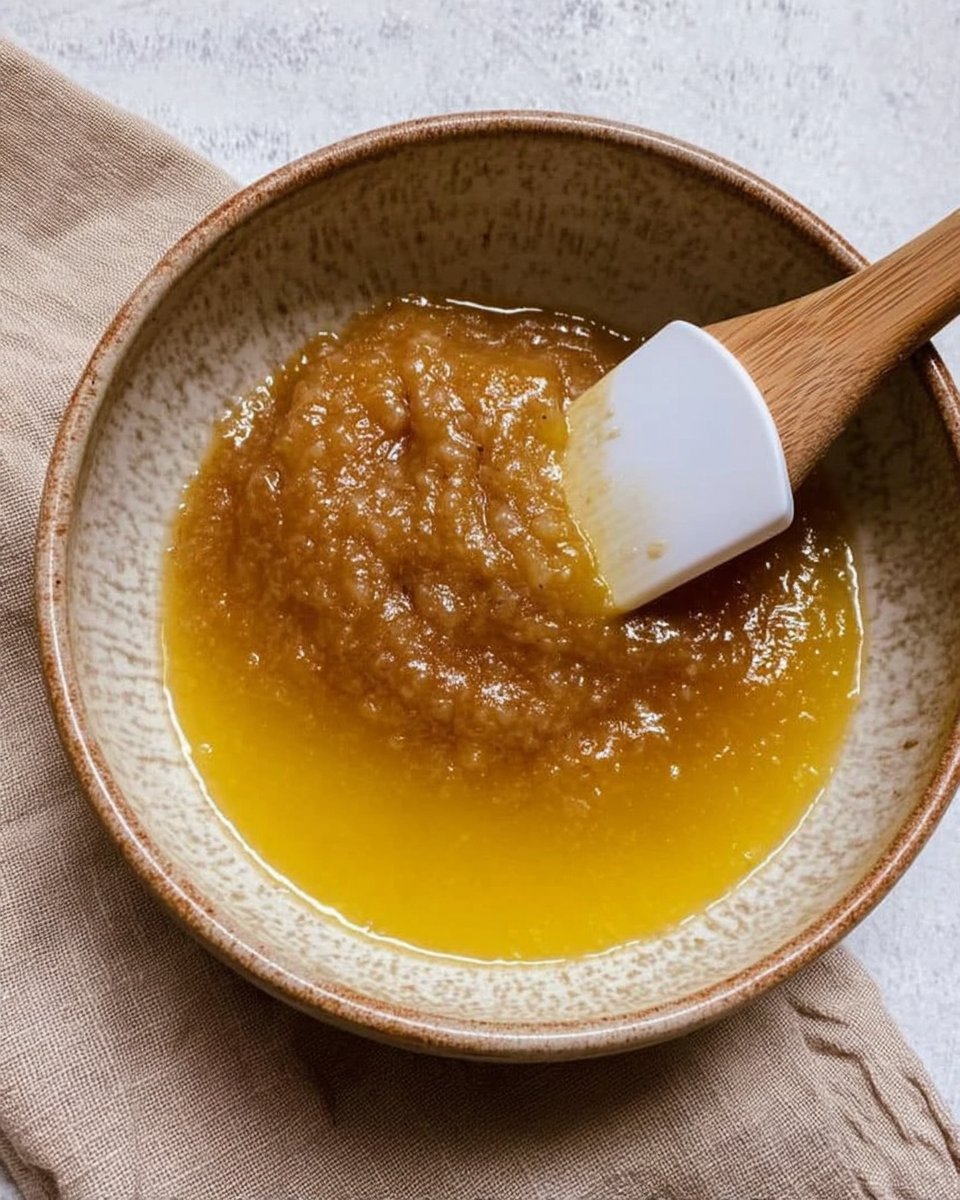
To build a cookie that rivals its wheat-based ancestors, we must choose ingredients that serve specific functional roles in the flavor and texture matrix.
- Sweet Rice Flour: This is the secret to the chew. Unlike regular rice flour, sweet rice flour is made from glutinous rice, which is high in starch and provides the ‘stretch’ needed in the absence of gluten.
- Almond Flour: These finely ground nuts provide pyrazines—roasted aroma compounds—and essential fats that keep the cookie moist. This mimics the mouthfeel of a high-quality traditional dough.
- Oat Flour: This adds a subtle earthiness and a soft crumb. The oat proteins help stabilize the structure during the bake.
- Cream of Tartar: This acidic byproduct of winemaking is essential for the classic snickerdoodle tang. It also works with the baking soda to create carbon dioxide bubbles, giving the cookie its lift.
- Unsalted Butter: We melt the butter to encourage a denser, chewier texture. Hot butter also helps bloom the vanilla and cinnamon, making the aromas more pronounced.
- Cinnamon-Sugar Coating: The cinnamaldehyde in the cinnamon is fat-soluble, meaning it bonds with the butter in the dough as you take a bite, prolonging the flavor experience.
The Precision Baking Method
Step 1: Emulsify the Fats and Sugars
Place the sugar in a large bowl and pour the hot, melted butter over it. Let this mixture rest for 10 minutes. This cooling period is vital; it allows the sugar to begin dissolving without cooking the egg you will add later. The goal is a stable emulsion that will support the cookie’s structure.
Step 2: Sift the Dry Components
While the butter cools, sift together the sweet rice, almond, oat, and tapioca flours with the cinnamon, cream of tartar, baking soda, and salt. Sifting is not just about removing lumps; it aerates the flours and ensures the leavening agents are distributed evenly throughout the starch matrix.
Step 3: Mechanical Emulsification
Whisk the egg and vanilla into the cooled butter mixture until smooth. Add the dry ingredients and stir until just incorporated. Now, perform exactly 60 strokes with your spoon. This mechanical action helps develop the structure of the starches, resulting in a significantly chewier final product.
Step 4: Starch Hydration
Chill the dough for at least 30 minutes. This is a critical step in gluten-free baking. The rest period allows the various flours to fully absorb the moisture from the egg and butter. Hydrated starches bake up thicker and prevent the cookies from spreading into flat puddles.
Step 5: Thermal Preparation and Shaping
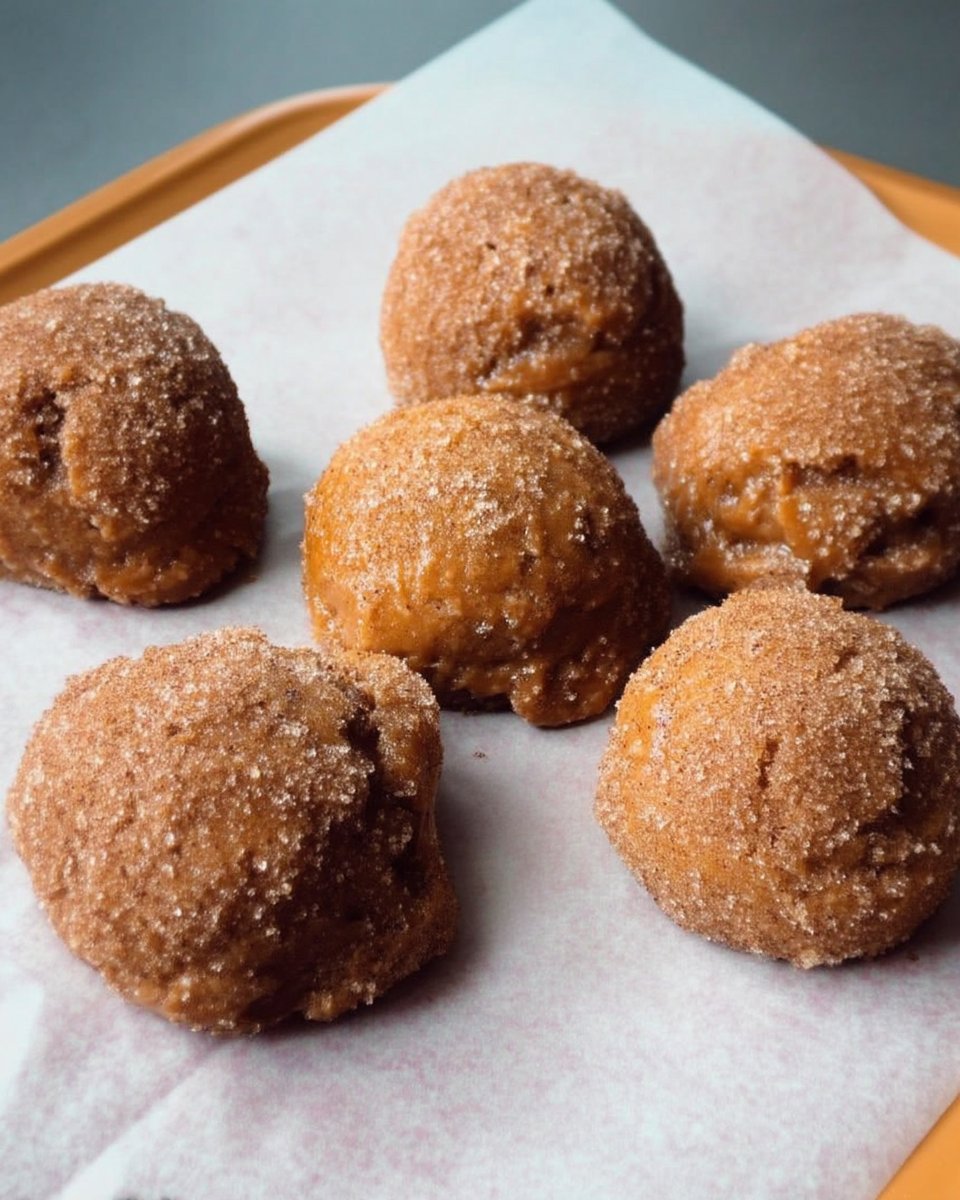
Preheat your oven to 350ºF with a rack in the upper third. This positioning uses radiant heat from the top of the oven to set the tops quickly, creating those beautiful cracks. Scoop the dough into balls and roll them in the cinnamon-sugar mixture, ensuring an even coating of spice.
Step 6: The Controlled Bake
Bake for 8-10 minutes. The edges should look set, but the centers must remain puffed and soft. For an extra-dense texture, give the pan a firm rap against the counter immediately after removing it from the oven. This collapses the air pockets and creates a fudgy, concentrated center.
Jasmine’s Flavor Secrets
One of the most important factors in baking is accurate thermal measurement. I always suggest using an external oven thermometer to verify your settings, as internal thermostats are often inaccurate. For those interested in the foundational science of dough behavior, you might find our guide on Foundation Cookie Recipes helpful for understanding how ingredient temperatures affect spread.
To amplify the cinnamaldehyde impact, try using a high-oil Vietnamese cinnamon for the coating. The higher volatile oil content provides a more intense ‘heat’ that balances the sugar. If you are looking for more technical details on flour ratios, the Bojon Gourmet approach to almond flour ratios is a fantastic reference for gluten-free precision. Finally, always weigh your ingredients in grams; volume measurements are too variable for the precision required in this formula.
Scientific Flavor Swaps
If you wish to modify the flavor profile while maintaining the chemical balance, consider these adjustments. For a deeper, more caramel-like taste, you can swap the granulated sugar for maple sugar. Maple sugar contains different aromatic compounds that pair beautifully with the cinnamon. If you are interested in the chemistry of festive spices, check out our Holiday Cookie Science section for more ideas.
For a dairy-free version, use a high-quality vegan butter stick. These are engineered emulsions of plant oils and water that mimic the behavior of dairy fat. If you lack cream of tartar, you can replace both it and the baking soda with 1 teaspoon of baking powder, though you will lose that signature acidic tang. Another interesting swap is using sorghum flour instead of oat flour, which adds a slightly more peppery, complex note to the grain profile.
Taste and Pairing Enjoyment
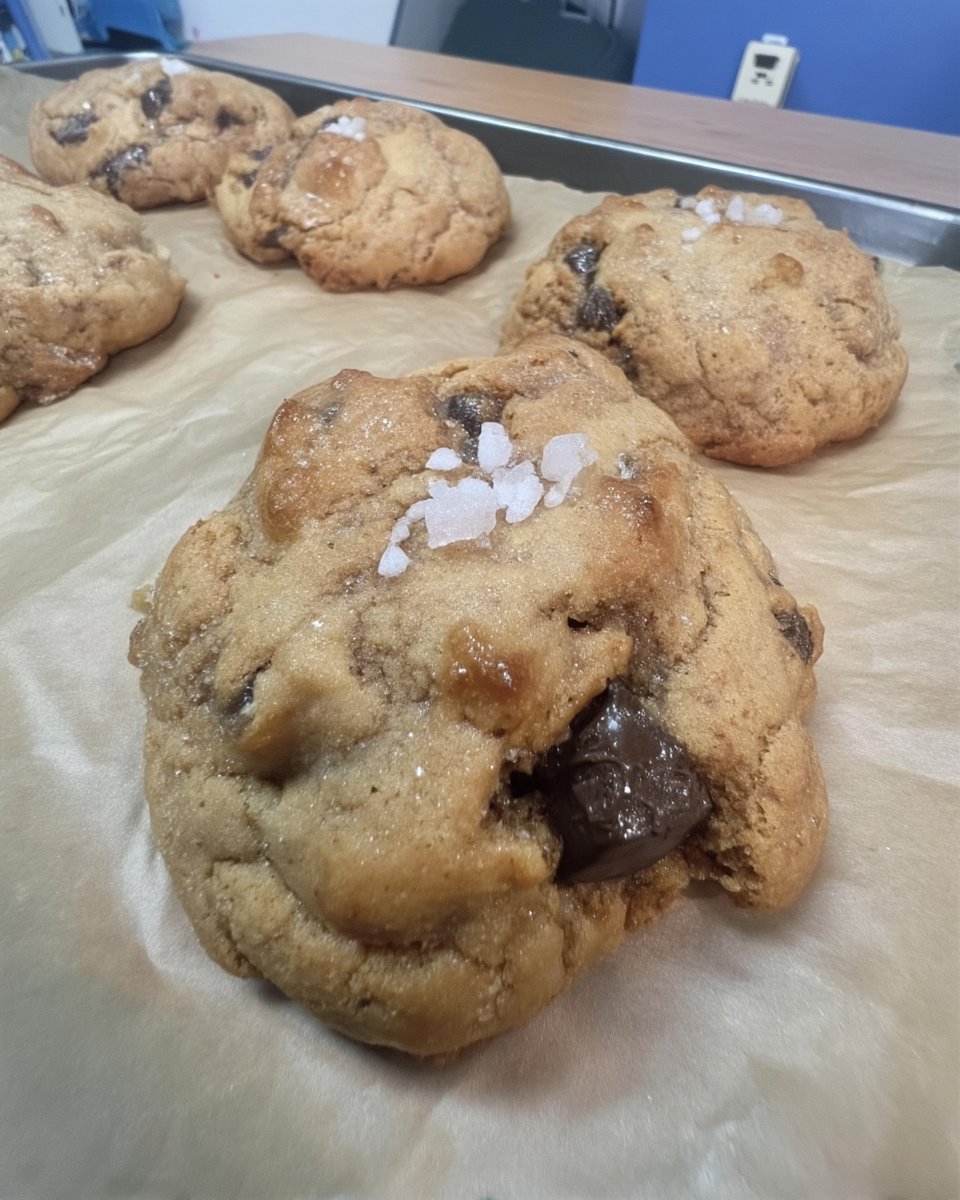
Serving these cookies at the right temperature is key to aroma release. I recommend eating them slightly warm, which allows the fats to remain fluid and carries the cinnamon flavor across the palate more effectively. For those who enjoy a streamlined baking workflow, our Efficient Cookie Methods can help you prep these in batches.
Pairing these with a hot beverage like coffee or a dark tea is a classic choice for a reason. Coffee contains roasted pyrazines that mirror the nutty notes in the almond flour, creating a harmonious flavor bridge. The tannins in tea also help cleanse the palate of the cookie’s sweetness, making each bite feel as fresh as the first. If you’re hosting an event, arranging them on a pre-warmed ceramic plate can maintain their ideal texture for longer.
The Final Flavor Discovery
Understanding the science behind your baking transforms a simple recipe into a repeatable success. By focusing on starch hydration and fat emulsification, we have created a snickerdoodle that stands on its own merits, regardless of gluten content. If you want to refine your aesthetic presentation, our guide on Precision Cookie Decorating offers tips on achieving the perfect crackle finish every time. We hope you enjoy this analytical approach to a childhood favorite.
Stay connected with our laboratory of flavors by following us on Pinterest, Instagram, and Facebook.