In our test kitchen, we recently encountered a structural challenge: how to achieve a chewy, cohesive cookie without the traditional matrix of flour, eggs, and butter. We discovered that sweetened condensed milk acts as a powerful emulsifier and binder when combined with specific ratios of fibrous oats and desiccated coconut. This chemistry revelation simplifies the baking process while maintaining a complex textural profile.

These 5 Ingredient Cookies rely on the precise interplay between sugars and proteins to create a stable crumb. By understanding the hydration capacity of the ingredients, we can produce consistent results every time. This recipe yields 22 cookies with a total production time of 25 minutes, proving that efficiency does not require a sacrifice in quality.
The Science of Simplicity
This formula works because it leverages the unique properties of sweetened condensed milk, which is essentially a concentrated solution of milk solids and sugar. During the baking process, the water content evaporates, leaving behind a sticky, protein-rich matrix that traps the larger inclusions like cashews and chocolate. The high sugar concentration facilitates the Maillard reaction, giving the cookies a deep, caramelized flavor profile that mimics more complex doughs.
We analyzed the structural integrity of this cookie and found that the quick-cooking rolled oats provide the necessary starch to absorb excess moisture. Unlike traditional flour-based recipes, this method bypasses the risk of gluten overdevelopment, resulting in a predictably tender texture. The unsweetened coconut adds both flavor and a fibrous network that strengthens the cookie without making it tough.
Finally, the addition of roasted cashews introduces essential fats and a savory counterpoint to the sweetness. These fats help to coat the other ingredients, slowing down the evaporation of moisture and keeping the cookies soft for days. It is a triumph of ingredient efficiency, where every component serves multiple functional roles in the final bake.
Print
5 Ingredient Cookies
- Total Time: 25 mins
- Yield: 22 cookies
- Diet: Gluten-Free
Description
These decadent five-ingredient cookies leverage the binding power of sweetened condensed milk to create a chewy, flourless treat. Packed with roasted cashews, shredded coconut, and semi-sweet chocolate, they offer a sophisticated flavor profile with minimal preparation effort.
Ingredients
- 120g (1 ½ cups) unsweetened shredded coconut
- 190g (1 ½ cups) roasted cashews
- 340g (2 cups) semi-sweet chocolate chips
- 90g (1 cup) quick-cooking rolled oats
- 396g (14 ounces) sweetened condensed milk
Instructions
- Preheat your oven to 350°F (177°C) and line a heavy-gauge baking sheet with professional-grade parchment paper.
- In a large mixing bowl, combine the coconut, cashews, chocolate chips, and oats, then fold in the sweetened condensed milk until every ingredient is thoroughly coated.
- Using a 3-tablespoon scoop, portion out 22 mounds onto the prepared baking sheet and firmly press any loose pieces into the center to create compact spheres.
- Bake on the center rack for 12 to 15 minutes, or until the coconut peaks reach a golden-brown hue.
- Allow the cookies to rest on the hot baking sheet for 5 minutes before transferring them to a wire rack to cool completely and finish setting.
Notes
For the best structural results, ensure you use quick-cooking oats specifically, as their higher surface area is necessary to absorb moisture and bind the ingredients without flour. If the dough feels difficult to shape, lightly wetting your hands can help prevent the mixture from sticking to your skin while you compact the mounds.
- Prep Time: 10 mins
- Cook Time: 15 mins
- Category: Dessert
- Method: Baking
- Cuisine: American
The Formula for Success
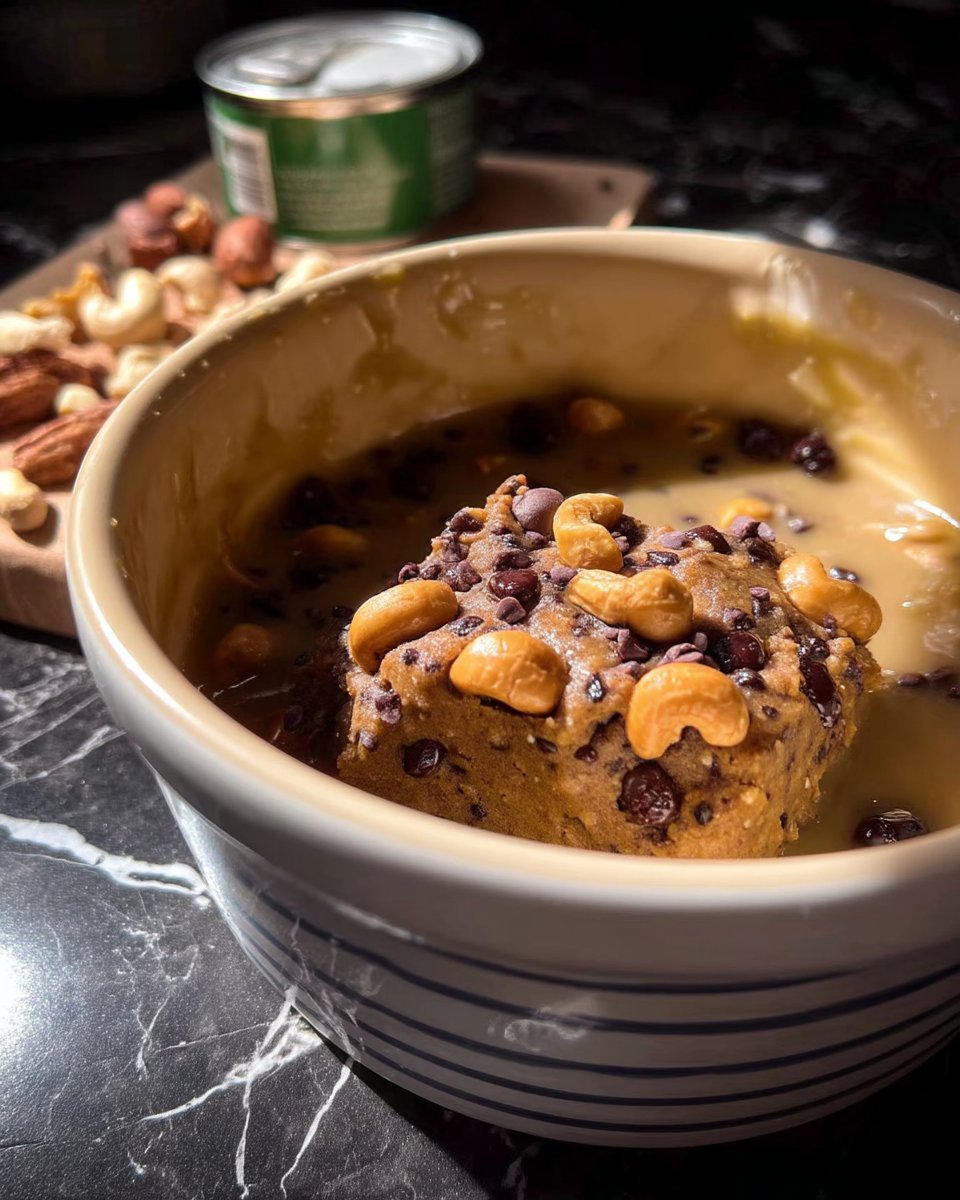
To achieve the perfect 5 Ingredient Cookies, we must focus on the precise measurements and the chemical contributions of each component. Our testing confirmed that variations in the hydration of the oats or the fat content of the nuts can significantly alter the spread and set of the cookie.
- 120g Unsweetened Shredded Coconut (1 ½ cups): This provides the structural fiber. We use unsweetened to maintain total control over the sugar ratios, as the condensed milk provides sufficient sweetness.
- 190g Roasted Cashews (1 ½ cups): The cashews provide necessary lipids and protein. Roasting them beforehand initiates the development of aromatic compounds that carry through the bake.
- 340g Semi-Sweet Chocolate Chips (2 cups): These act as internal stabilizers. As they melt and then recrystallize, they help hold the cookie’s shape while providing fat for a better mouthfeel.
- 90g Quick-Cooking Rolled Oats (1 cup): These are vital for moisture management. Quick oats have a higher surface area than old-fashioned oats, allowing them to hydrate rapidly and bind the dough together.
- 396g Sweetened Condensed Milk (1 can, 14 ounces): This is the engine of the recipe. It provides the liquid phase, the primary sweetener, and the protein binder all in one concentrated package.
The Method
Step 1: Thermal Calibration and Preparation
Begin by preheating your oven to 350°F (177°C). We recommend using an independent oven thermometer to confirm accuracy, as even a 10-degree variance can affect the caramelization rate of the condensed milk. Line a heavy-gauge baking sheet with professional-grade parchment paper to prevent the sugars from sticking to the metal surface.
Step 2: Achieving Homogeneous Distribution
In a large glass or stainless steel mixing bowl, combine the coconut, cashews, chocolate chips, and oats. Pour the sweetened condensed milk over the dry components. Use a stiff spatula to fold the mixture until every inclusion is thoroughly coated in the milk. This step is critical; any dry pockets will result in a crumbly cookie that fails to set properly during the bake.
Step 3: Precise Portioning and Compaction
Using a 3-tablespoon scoop (a scant 1/4 cup), portion out 22 mounds onto the prepared baking sheet. Because this dough lacks the elasticity of gluten, you must use your hands to firmly push any loose pieces back into the center of each mound. Aim for a compact, spherical shape to ensure even heat distribution through the center of the cookie.
Step 4: The Baking Phase
Place the sheet on the center rack of the oven and bake for 12 to 15 minutes. Watch for the visual cue of a golden-brown hue on the coconut peaks. This indicates that the sugars have reached the proper temperature for flavor development and structural setting. The centers may still appear slightly soft, but they will finalize their structure during the cooling phase.
Step 5: Post-Bake Stabilization
Remove the cookies from the oven and allow them to rest on the hot baking sheet for exactly 5 minutes. This carry-over cooking is essential for the condensed milk to finish setting around the inclusions. Transfer the cookies to a wire cooling rack to prevent the bottoms from becoming soggy due to trapped steam.
Lauren’s Lab Notes

Through our testing, we found that the temperature of the sweetened condensed milk matters; room temperature milk (around 70°F) integrates more easily than chilled milk. If your dough feels too loose to hold a shape, allow it to hydrate for 10 minutes before scooping. For those looking to master other foundational techniques, our guide on Foundation Cookie Recipes provides excellent data on how binders function in various environments. Confirm that your cashews are fresh, as the oils in nuts can oxidize and create off-flavors when exposed to high heat.
Tested Modifications
If you prefer a different flavor profile, you can replace the roasted cashews with an equal weight of pecans or walnuts, though the fat-to-protein ratio will shift slightly. We also tested a version using dark chocolate chips (70% cacao), which balances the sweetness of the condensed milk more aggressively. For more information on how environmental factors like humidity affect your bake, consult our research on Holiday Cookie Science. You can also look at other interpretations of this method, such as the 5-ingredient magic cookies found in other popular test kitchens.
Texture Science and Enjoyment
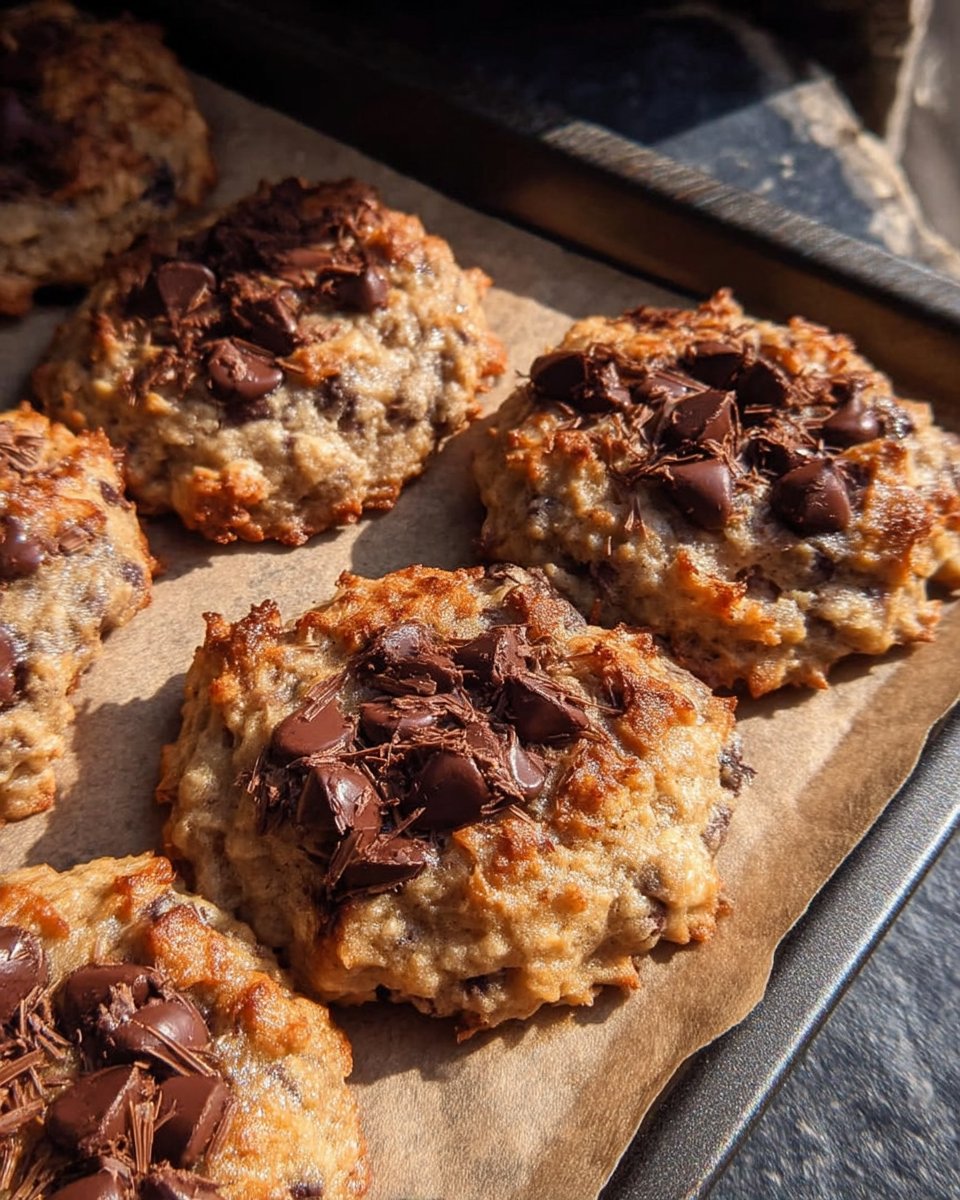
These cookies reach their optimal texture after they have cooled completely, allowing the sugars to fully crystallize. If you prefer a more decadent experience, reheating them for 10 seconds in a microwave will slightly soften the chocolate and condensed milk matrix. To understand more about high-volume production and serving, check our notes on Efficient Cookie Methods. We recommend serving these with a cold glass of whole milk to balance the rich fats and concentrated sweetness.
The Scientific Truth
Precision in baking is not just about complexity; it is about understanding how a small number of ingredients can achieve a remarkable result. This 5-ingredient formula is a testament to the power of ratios and structural chemistry in the kitchen. For more insights into how simple ingredients can create complex outcomes, review our Viral Cookie Analysis. If you find this recipe as fascinating as we did, please share your results with us on Instagram, Facebook, or Pinterest.