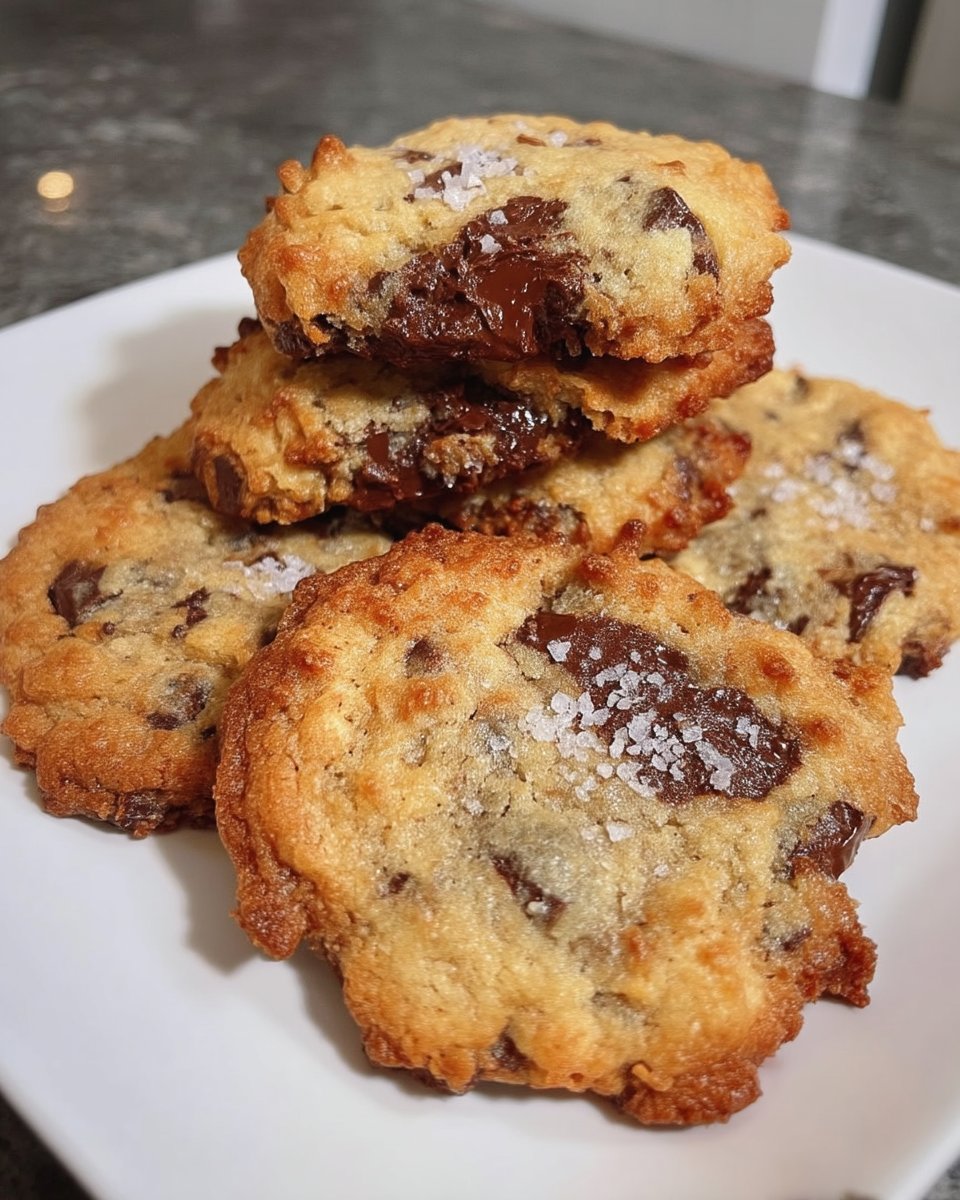
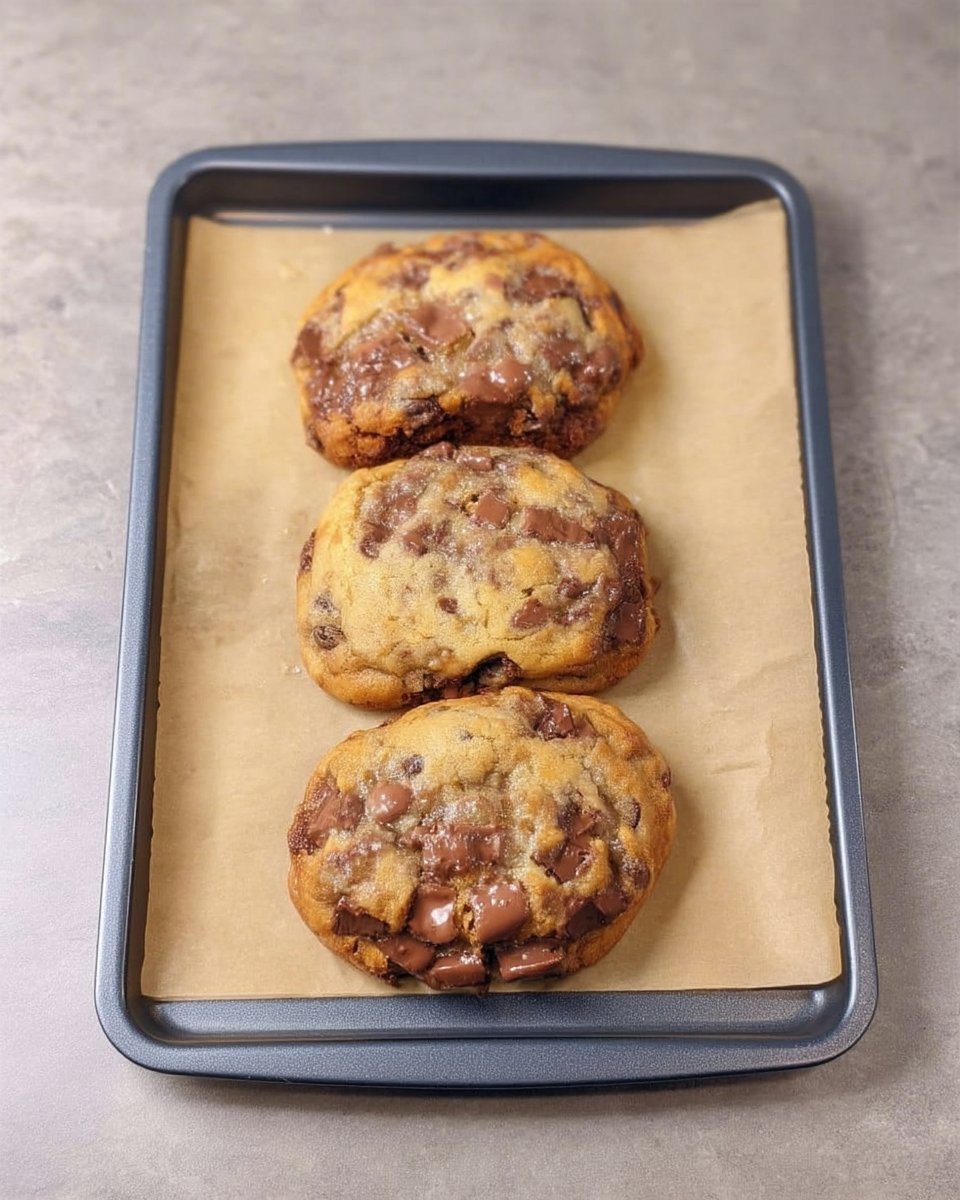
Victorian-era bakers often relied on the creaming method to aerate their biscuits, but they also understood that certain spiced doughs required a denser, more deliberate structure to support a rich filling. The history of the speculoos biscuit, which informs the Biscoff flavor profile, dates back to the seventeenth century in the Low Countries. Modern testing reveals that the specific blend of cinnamon and ginger in these Biscoff Cookies reacts with the browned butter to create a complex aromatic profile that simple white sugar doughs cannot replicate. This recipe honors that tradition while employing modern thermal control to keep the center molten.

These cookies are significant in both size and historical weight, utilizing a 150-gram portion that requires precise temperature management. By browning the butter, we remove excess moisture and concentrate the toasted milk solids, a technique that mirrors the beurre noisette used in classical French pastry. The result is a biscuit that remains structurally sound while housing a generous core of smooth Biscoff spread. It is a methodical bake that rewards the patient technician.
The Technical Appeal of the Spiced Biscuit
There is a profound satisfaction in mastering a cookie that defies the standard flat, chewy profile. These Biscoff Cookies provide a remarkable study in texture, offering a crisp, golden exterior that gives way to a fudgy, spiced interior and a molten center. The use of browned butter provides a depth of flavor that mimics the long-cooked caramel notes found in traditional Belgian biscuits.
Technically, this recipe succeeds because it balances the high fat content of the Biscoff spread with a sturdy dough reinforced by cornflour. The inclusion of three distinct spices—cinnamon, allspice, and ginger—replicates the historical speculoos profile without the need for pre-made spice mixes. This allows for complete control over the aromatic output of the bake.
Furthermore, the scale of these cookies (150 grams each) is not merely for aesthetics. This mass allows for a gradient of textures that smaller cookies cannot achieve. The edges become deeply caramelized and crisp, while the center remains protected by the dough’s thermal mass, allowing the Biscoff core to reach a perfect, liquid consistency without overbaking the surrounding structure.
Print
Biscoff Cookies
- Total Time: 14 hours
- Yield: 8 cookies
- Diet: Vegetarian
Description
These sophisticated Biscoff Cookies utilize a browned butter base and a warm blend of spices to create a complex, caramel-like flavor profile. Each oversized biscuit is stuffed with a frozen Biscoff core, resulting in a molten center that contrasts perfectly with the crisp, golden exterior.
Ingredients
- 280g Biscoff spread
- 225g Unsalted butter
- 2 1/4 cups Plain flour / All-purpose flour
- 3 tsp Cornflour / Cornstarch
- 1 tsp Baking powder
- 1 tsp Baking soda
- 1 tsp Ground cinnamon
- 1/2 tsp Ground allspice
- 1/2 tsp Ground ginger
- 1 cup Brown sugar
- 1/2 cup Caster sugar
- 1 Large egg
- 1 Egg yolk
- 1 tsp Vanilla extract
- 1 1/4 cups White chocolate chips
- 1/2 tsp Salt
Instructions
- Portion the Biscoff spread into 8 discs (approx. 35g each) on a lined tray and freeze for at least one hour until solid.
- Melt the butter in a light-colored saucepan over medium-high heat, cooking for 4-5 minutes until the milk solids are golden brown and nutty; cool for 45 minutes.
- Cream the cooled browned butter with brown sugar and caster sugar, then mix in the egg, extra egg yolk, and vanilla extract.
- Whisk together the flour, cornflour, baking powder, baking soda, salt, and spices in a separate bowl.
- Gradually stir the dry ingredients into the butter mixture until nearly incorporated, then fold in the white chocolate chips.
- Divide the dough into eight 125g portions, flatten them to wrap around the frozen Biscoff discs, and seal thoroughly.
- Shape the dough into tall domes and refrigerate in an airtight container for 12 to 24 hours to hydrate the flour.
- Preheat oven to 180°C (350°F) and bake the cold dough balls for 18-19 minutes until the edges are golden; cool on the tray for 20 minutes.
Notes
To ensure the liquid center remains intact, avoid over-baking the cookies; they should still look slightly pale on top when removed from the oven. For the most professional results, use a digital scale to weigh your dough portions to 125 grams each, which guarantees even heat distribution across the batch.
- Prep Time: 30 mins
- Cook Time: 19 mins
- Category: Dessert
- Method: Baking
- Cuisine: European
A Study of the Proper Components
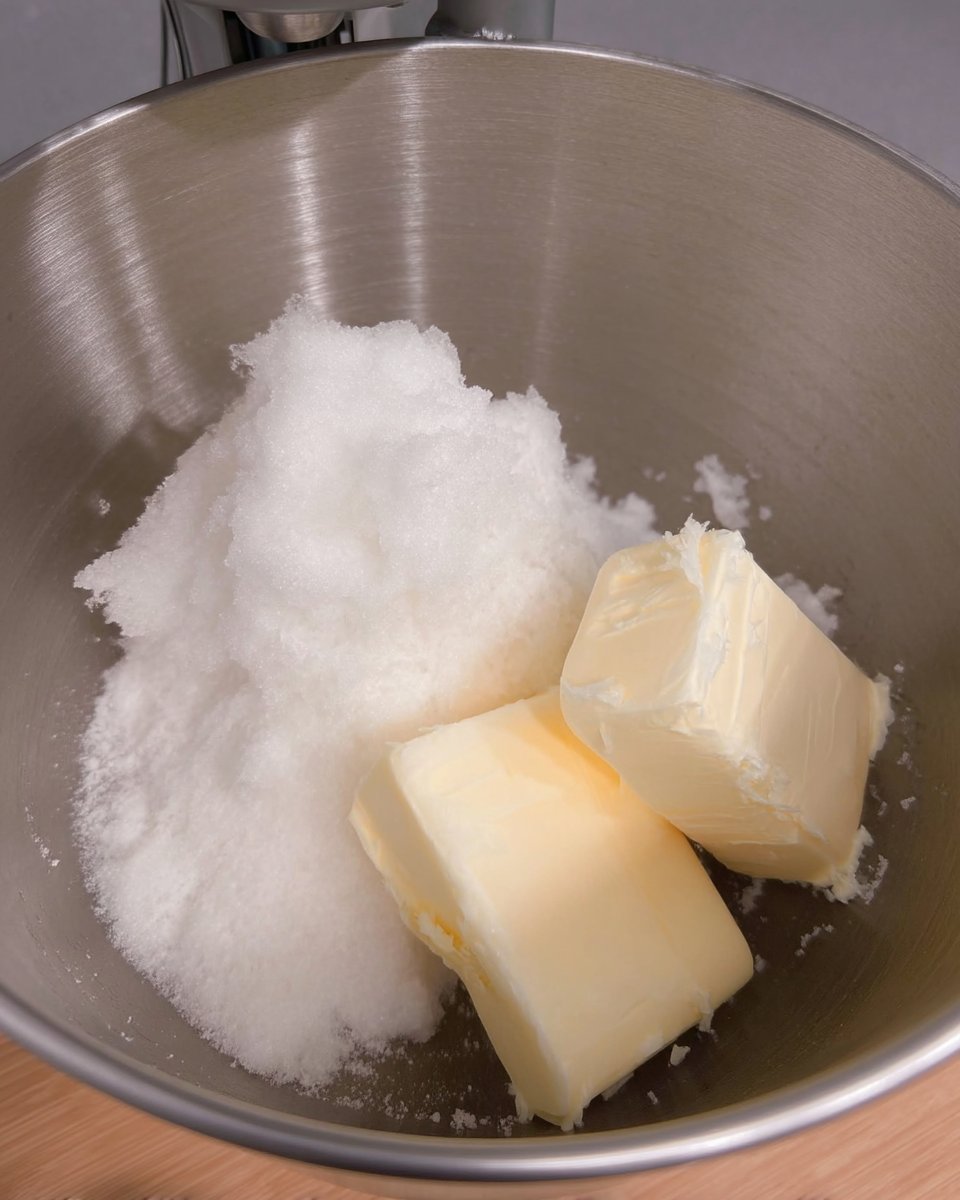
To achieve the structural integrity required for a stuffed biscuit, one must select ingredients with precision. The following components are necessary for a successful bake:
- Biscoff Spread (280g): This is the heart of the cookie. We freeze dollops of this spread to confirm it remains a distinct core during the initial minutes of baking. Both smooth and crunchy varieties work, though smooth offers a more traditional molten feel.
- Unsalted Butter (225g): We transform this into browned butter. The process removes water, which prevents excess gluten development and concentrates the fat, resulting in a tender, short crumb.
- Plain Flour / All-Purpose Flour (2 1/4 cups): It is vital to measure this by weight or the spoon-and-level method. Excess flour will lead to a dry, bready texture that lacks the required fudge-like center.
- Cornflour / Cornstarch (3 tsp): This addition is a classic Victorian trick. It lowers the protein content of the flour, resulting in a more delicate, tender structure that contrasts beautifully with the crispy edges.
- Leavening Agents: A combination of baking powder and baking soda is used. The soda reacts with the acidic brown sugar to provide lift and browning, while the powder provides a stable rise.
- The Spice Trio: Cinnamon provides warmth, allspice adds a peppery depth, and ginger offers a sharp, clean finish. This mimics the complexity of historical European spiced biscuits.
- Brown Sugar and Caster Sugar: Brown sugar provides moisture and a caramel note, while caster sugar (superfine) dissolves quickly into the butter, creating those necessary crisp edges.
- White Chocolate Chips (1 1/4 cups): These provide a creamy, sweet counterpoint to the deep, toasted notes of the Biscoff and browned butter.
The Methodical Assembly
Step 1: The Thermal Preparation of the Center
Begin by portioning the Biscoff spread into eight generous tablespoons (roughly 35g each) onto a tray lined with parchment. Flatten them slightly into discs approximately 1.25cm thick. Freeze these for at least one hour. This thermal barrier is critical; if the centers are not frozen, they will integrate into the dough during the bake rather than remaining as a molten core.
Step 2: The Maillard Transformation
Place the butter in a light-colored saucepan over medium-high heat. As the butter melts and begins to simmer, the water evaporates. Continue cooking for 4 to 5 minutes, stirring occasionally, until the milk solids turn a deep golden brown and the aroma becomes nutty. Immediately transfer the butter and all the toasted specks to a bowl. You must allow this to cool for approximately 45 minutes. If it is too hot, it will melt the chocolate chips and alter the sugar structure.
Step 3: The Emulsification of Sugars and Fats
Once the browned butter is at room temperature, add the brown sugar and caster sugar. Mix with a wooden spoon until the mixture resembles thick caramel. Add the whole egg, the extra yolk, and the vanilla extract. The extra yolk is a professional secret for increasing the richness and chewiness of the dough without adding excess water from an egg white.
Step 4: Dry Integration and Gluten Management
In a separate vessel, whisk together the flour, cornflour, baking powder, baking soda, salt, and the spice blend. Add these dry ingredients to the butter mixture. Stir until the flour is nearly incorporated, then add the white chocolate chips. Finish mixing just until no dry streaks remain. Over-mixing at this stage will develop too much gluten, making the cookies tough rather than tender.
Step 5: The Structural Assembly
Divide the dough into eight portions, approximately 125g each. Flatten a portion of dough in your palm, place a frozen Biscoff disc in the center, and fold the dough around it. Seal any cracks thoroughly. Shape the dough into a tall dome with a flat base. This vertical orientation helps the cookie maintain its height during the initial stages of baking.
Step 6: The Necessary Hydration Period
Place the dough balls in an airtight container and refrigerate for 12 to 24 hours. This rest period is non-negotiable for the technical baker. It allows the flour to hydrate fully and the fats to solidify, which prevents excessive spreading and deepens the flavor profile through enzymatic activity.
Step 7: The Final Bake and Setting
Preheat your oven to 180°C (350°F). Place the cold dough balls on a lined tray, spaced well apart. Bake for 18 to 19 minutes. The edges should be golden, while the surface remains slightly pale. Allow the cookies to cool on the tray for at least 20 minutes. This carry-over cooking is essential for setting the structure while keeping the very center liquid.
Jordan’s Precision Technique Notes
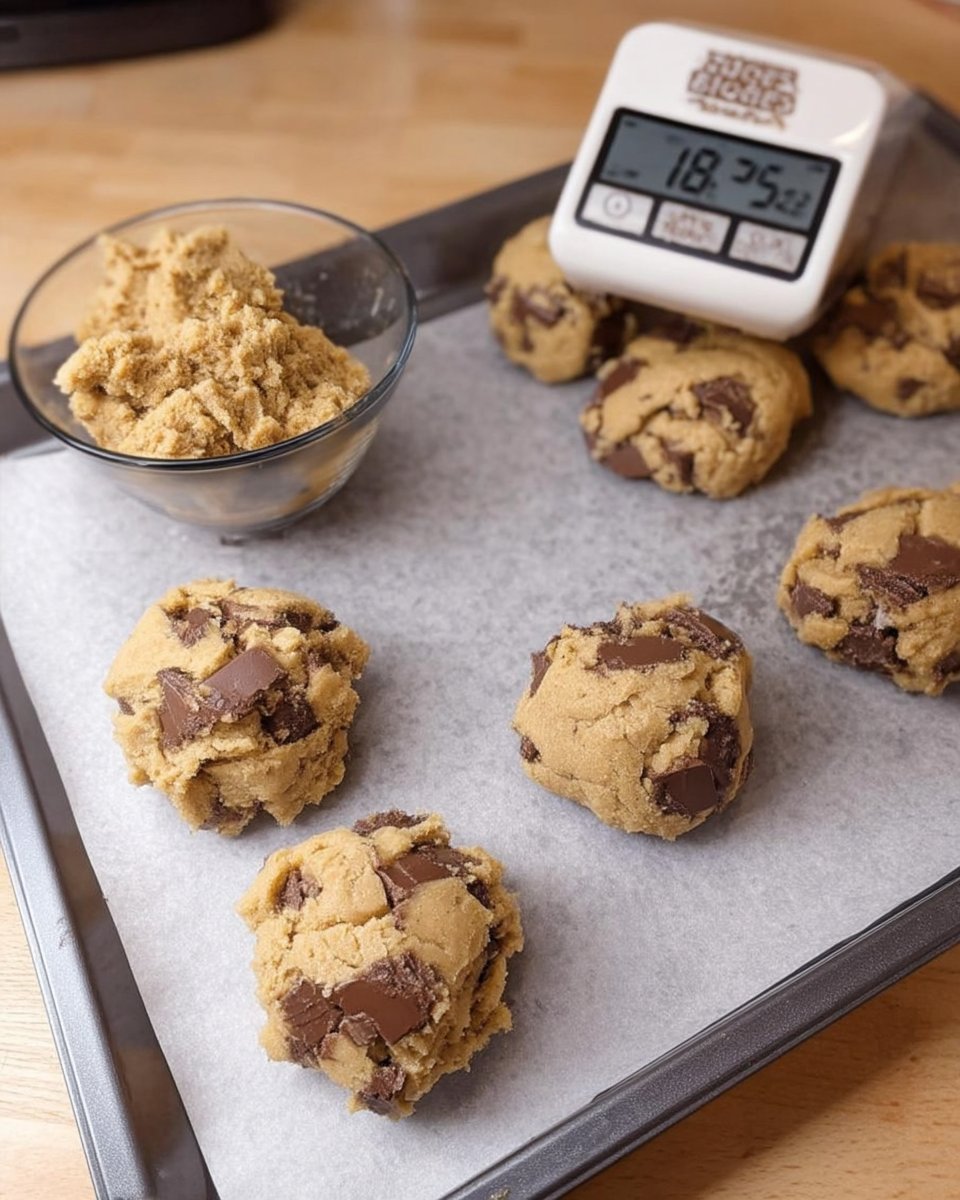
To achieve the perfect result, one must treat the browning of the butter with great care. The transition from golden to burnt happens in seconds; always use a light-colored pan so you can monitor the color of the milk solids accurately. If you find your cookies are spreading too much, verify that your oven temperature is accurate. A slightly higher temperature of 180°C is used here to set the outer shell quickly, trapping the Biscoff inside before it has a chance to leak. For more on the science of fat in baking, consult our guide on Foundation Cookie Recipes. Always weigh your ingredients in grams to avoid the inconsistencies of volume measurements, especially with flour.
Regional Adaptations and Tested Variations
While the Biscoff core is traditional, one might consider a ‘Salted Biscoff’ variation by adding a pinch of Maldon sea salt to the center before sealing the dough. This cuts through the sweetness of the white chocolate. In some European traditions, a dash of nutmeg is added to the spice blend for a more medicinal, historical warmth. If you are interested in how modern trends influence these classics, see our Viral Cookie Analysis. You may also substitute the white chocolate chips with dark chocolate (60% cocoa) to provide a bitter contrast to the caramelized spread, a method often seen in modern London bakeries.
The Traditional Presentation
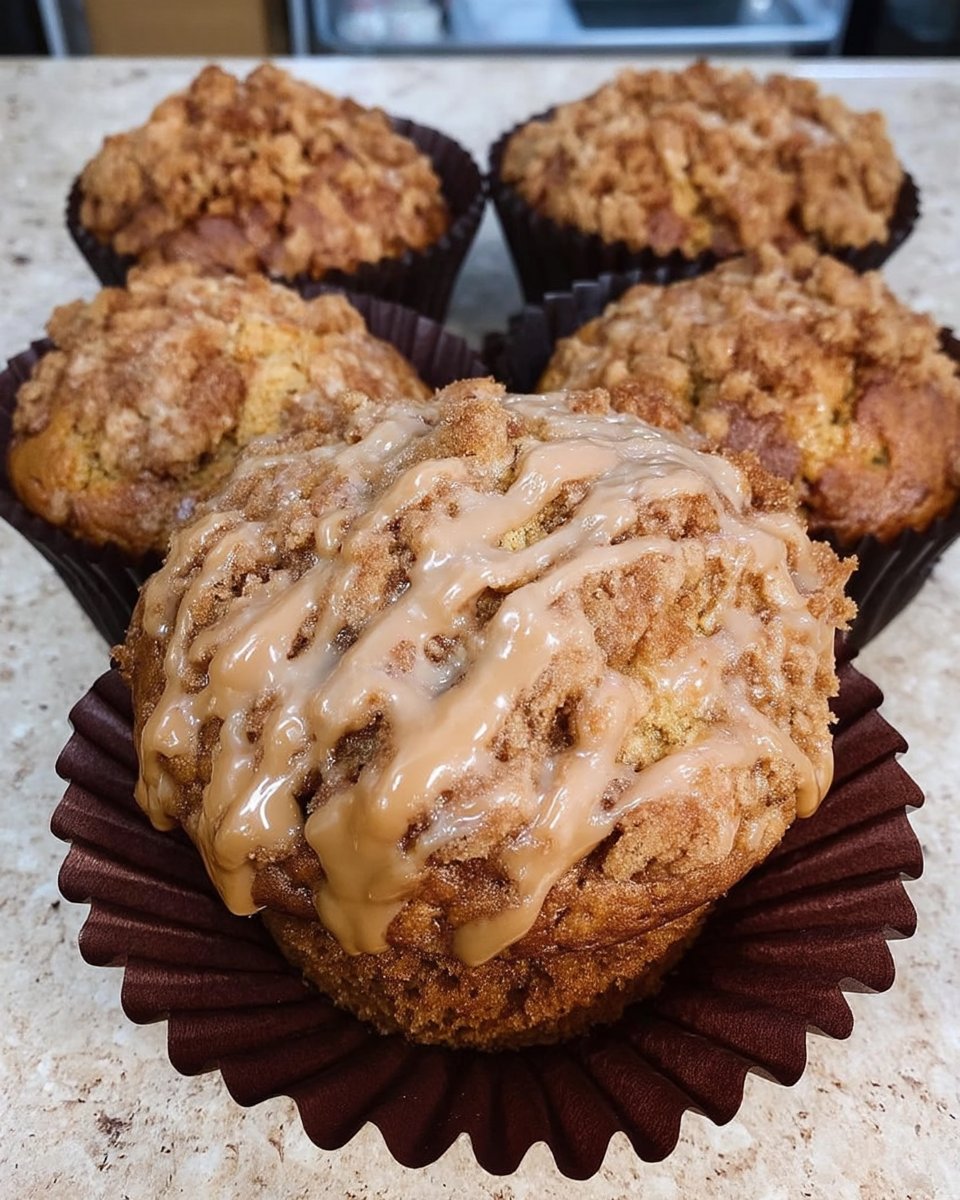
In keeping with British and European traditions, these cookies are best served alongside a strong black coffee or a robust Earl Grey tea. The bitterness of the beverage balances the rich sweetness of the Biscoff core. For a more formal presentation, serve the cookie slightly warm on a pre-heated ceramic plate to maintain the molten center for as long as possible. If you wish to learn more about the aesthetics of presentation, examine our notes on Precision Cookie Decorating. A small dusting of extra cinnamon or a few crushed Biscoff crumbs on top can signal the flavors hidden within.
Final Observations on Technical Integrity
Mastering these Biscoff Cookies is a triumph of patience and precision. By honoring the historical importance of spiced doughs and applying modern thermal controls, you create a biscuit that is both a technical marvel and a remarkable treat. The 12-hour rest and the careful browning of the butter are the hallmarks of a baker who values quality over speed. To continue your journey into methodical baking, study our Efficient Cookie Methods. We invite you to share your results with our community of technicians on Pinterest, Instagram, and Facebook.