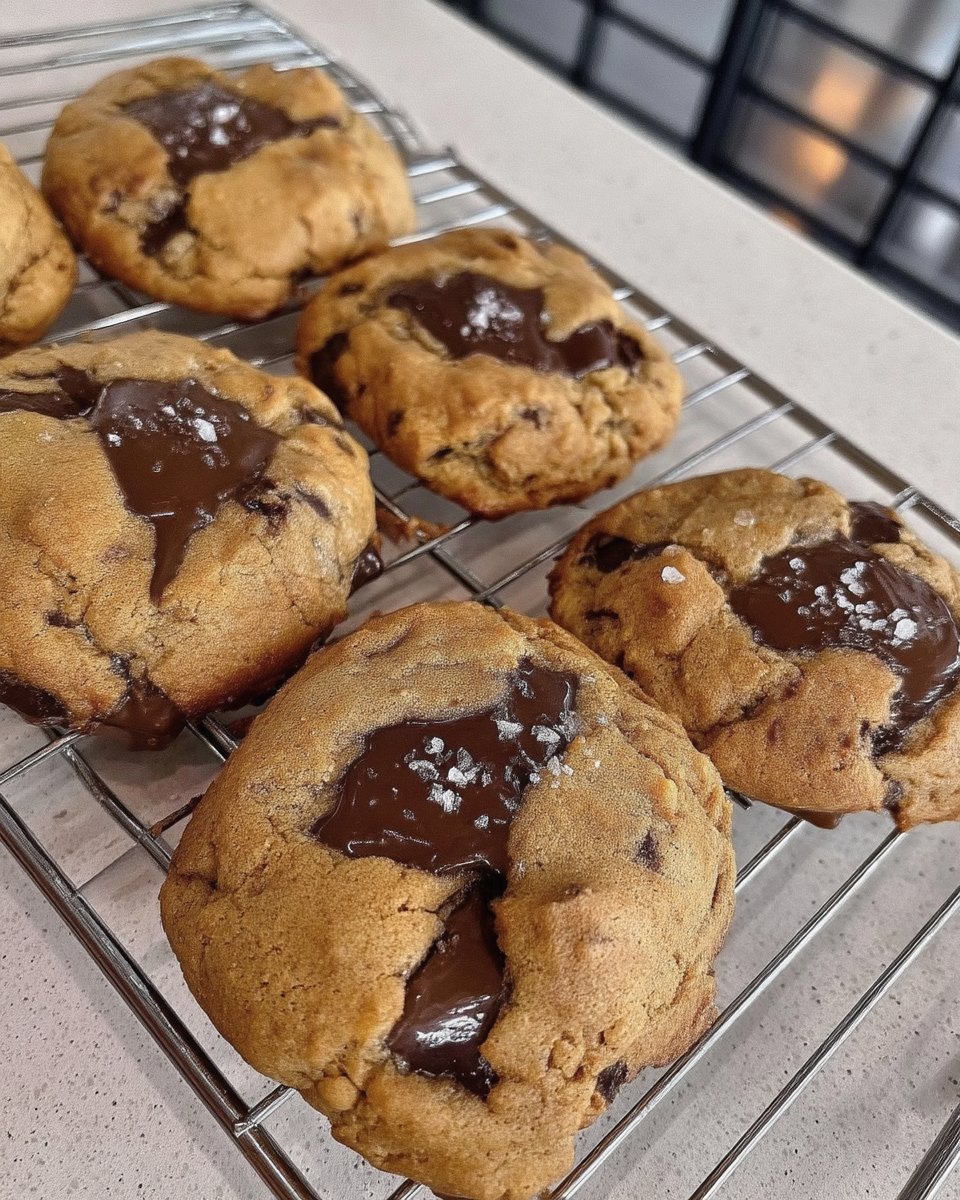
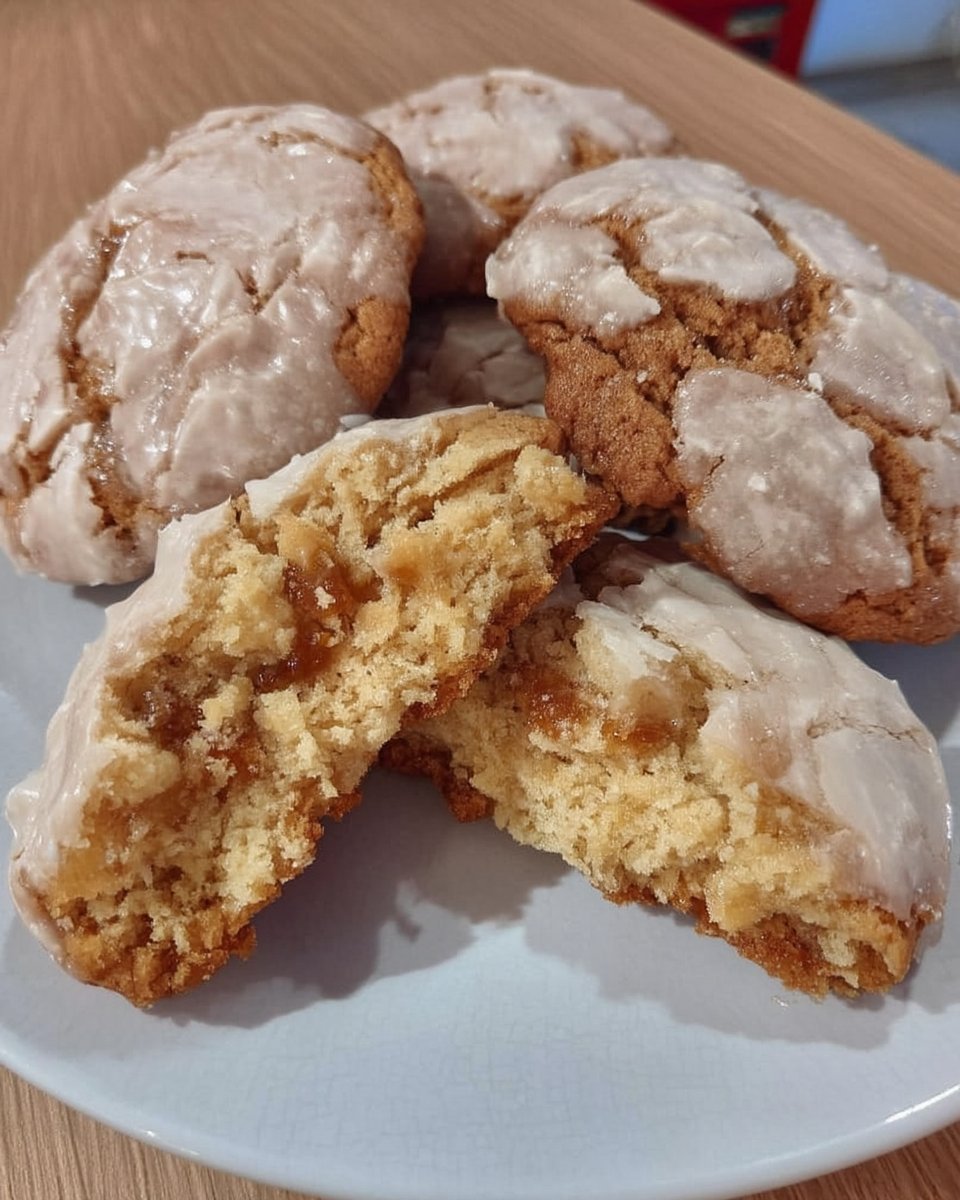
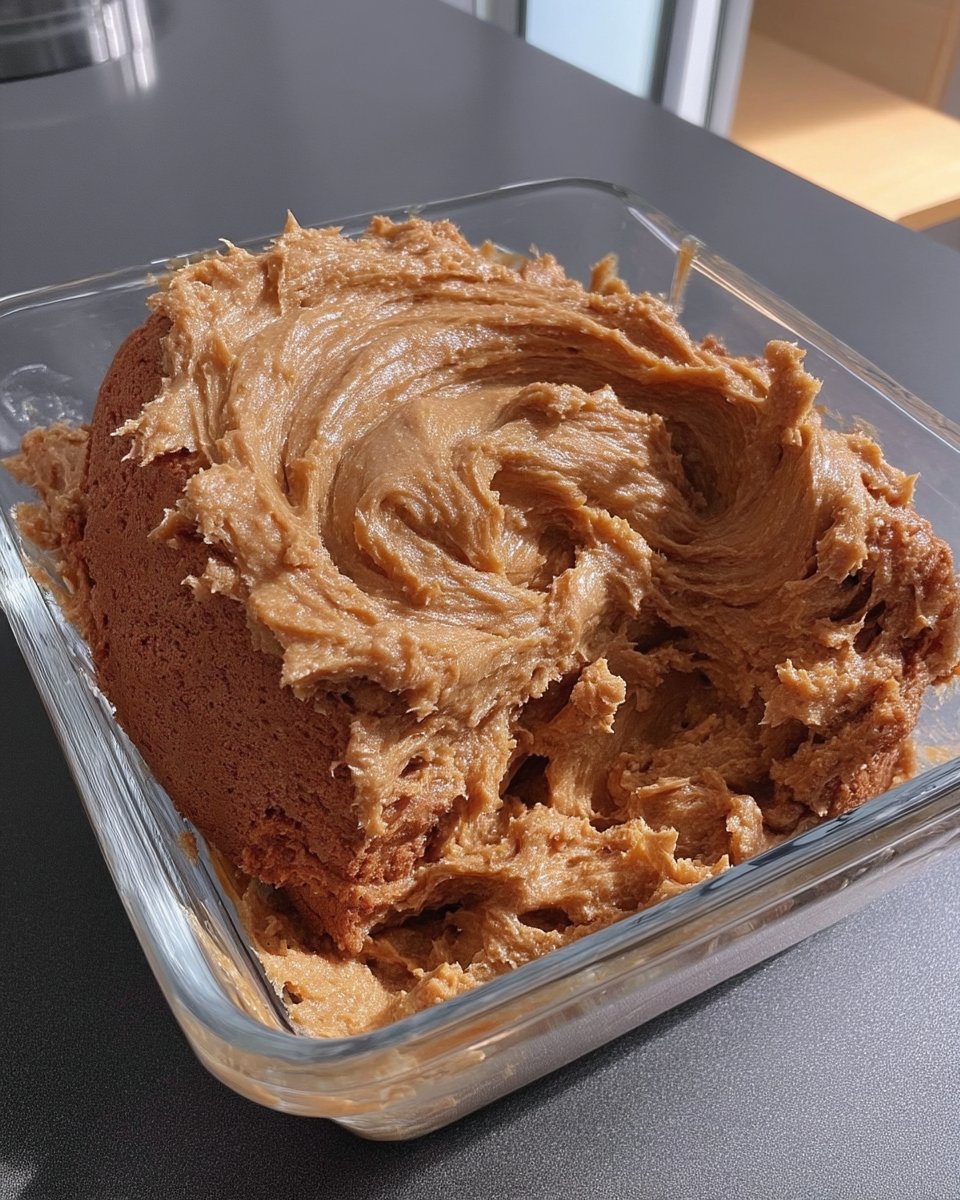
The discovery of the Maillard reaction in 1912 by Louis-Camille Maillard changed how we view the golden-brown crust of a cookie, and our Chocolate Chip Cookies 2 formula uses this chemistry to build deep, savory-sweet complexity. This chemical reaction between amino acids and reducing sugars creates hundreds of different flavor compounds that define the toasted aroma we crave in a high-quality bake. By understanding the molecular interactions of the ingredients, we can create a cookie that hits every taste receptor with intention.

This specific formulation uses a precise ratio of lipids to carbohydrates to maintain a tender crumb while providing enough structural integrity for a satisfying chew. We balance the hygroscopic nature of brown sugar with the structural support of all-purpose flour to achieve a texture that is both soft and resilient. Each bite is a study in flavor balance, where the sodium suppresses bitterness to let the vanillin and cocoa solids shine.
The Flavor Science of Chocolate Chip Cookies 2
The reason this particular Chocolate Chip Cookies 2 recipe stands out is rooted in the synergy of its ingredient ratios and the thermal dynamics of the baking process. When the dough enters a 375-degree Fahrenheit oven, it undergoes a rapid transformation known as starch gelatinization and protein coagulation. This high heat triggers the Maillard reaction more quickly on the exterior, creating a crisp rim that houses a soft, underbaked center.
We focus on the interaction between the two types of sugars: sucrose and the molasses-rich brown sugar. Sucrose provides the structure and the crispness through recrystallization as the cookie cools. Meanwhile, the glucose and fructose in the brown sugar hold onto moisture, keeping the center fudgy. This dual-sugar strategy creates a complex textural gradient that satisfies the palate’s desire for both crunch and softness.
Furthermore, the inclusion of both baking soda and baking powder provides a nuanced rise. Baking soda, an alkaline leavener, encourages browning by increasing the pH of the dough, which accelerates the Maillard reaction. Baking powder provides a secondary lift that ensures the cookies aren’t overly dense. This chemical balance is why the flavor is so deep and the texture is so remarkably consistent across every batch.
Print
Chocolate Chip Cookies 2
- Total Time: 25 mins
- Yield: 36 cookies
- Diet: Vegetarian
Description
Discover the perfect balance of food science and flavor with these Chocolate Chip Cookies 2, which utilize the Maillard reaction to create a complex, savory-sweet profile. This precise formulation ensures a satisfying textural gradient, offering crisp caramelized edges paired with a soft, fudgy center.
Ingredients
- 1 cup salted butter, softened
- 1 cup granulated sugar
- 1 cup light brown sugar, packed
- 2 teaspoons pure vanilla extract
- 2 large eggs
- 3 cups all-purpose flour
- 1 teaspoon baking soda
- 1 teaspoon baking powder
- 1 teaspoon sea salt
- 2 cups chocolate chips (semi-sweet or dark)
Instructions
- Preheat your oven to 375 degrees Fahrenheit (190 degrees Celsius) and line three baking sheets with parchment paper or silicone mats.
- Whisk together the all-purpose flour, baking soda, baking powder, and sea salt in a medium bowl to ensure the leaveners are evenly distributed.
- Cream the softened salted butter with the granulated and light brown sugars in a mixer until the texture is pale and fluffy.
- Add the two large eggs and pure vanilla extract, beating for about one minute until the mixture is light and thoroughly emulsified.
- Slowly integrate the dry ingredient mixture into the wet ingredients, mixing only until no flour streaks remain to keep the texture tender.
- Fold in the chocolate chips by hand, ensuring they are evenly dispersed throughout the dough.
- Roll the dough into balls of approximately 2 to 3 tablespoons each and place them on the prepared baking sheets with space to spread.
- Bake for 8 to 10 minutes until the edges are golden but the centers still look slightly doughy and unfinished.
- Let the cookies rest on the hot baking sheets for 5 minutes to set before transferring them to a cooling rack.
Notes
For the most consistent results, use a kitchen scale to measure your flour, as volume measurements can vary and affect the cookie’s spread. If you have time, allowing the dough to rest in the refrigerator for a few hours before baking can further deepen the caramelized flavor profile.
- Prep Time: 15 mins
- Cook Time: 10 mins
- Category: Dessert
- Method: Baking
- Cuisine: American
Taste Building Blocks and Molecular Components
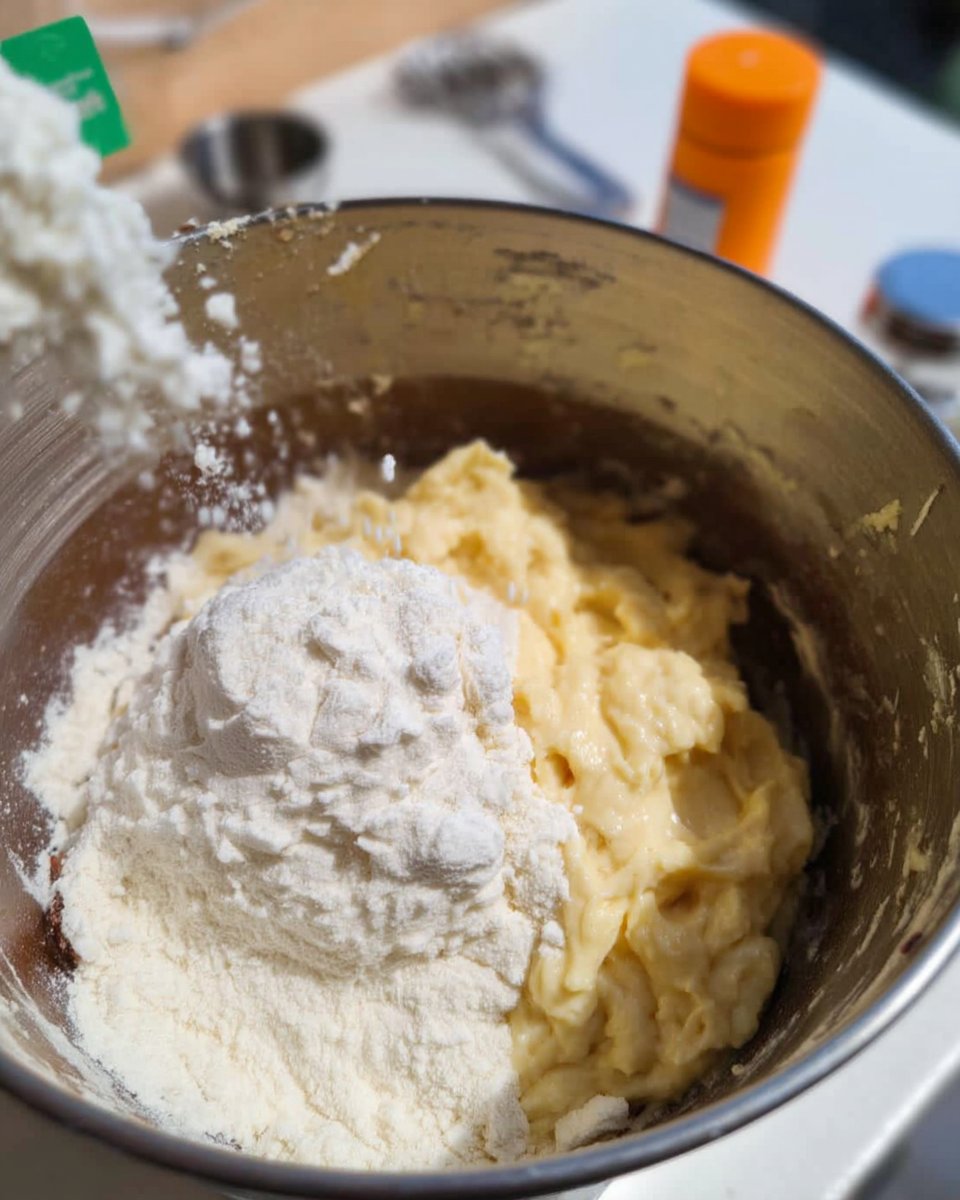
To achieve the perfect Chocolate Chip Cookies 2, we must look at our ingredients as chemical reactants. Each component serves a specific purpose in the final flavor profile and structural matrix of the cookie.
- Salted Butter: This serves as our primary fat and emulsion base. The fats coat the flour proteins, inhibiting long gluten strands and keeping the cookie tender. The salt within the butter acts as a flavor potentiator, reducing our perception of bitterness in the chocolate.
- Granulated Sugar (Sucrose): Beyond sweetness, sucrose is vital for the aeration process during creaming and for the final crisp texture of the edges.
- Light Brown Sugar: This adds moisture and a hint of acidity. The molasses contains minerals that add a metallic, earthy depth to the sweetness, pairing perfectly with vanilla.
- Pure Vanilla Extract: We add this for the vanillin compounds. Vanillin is a phenolic aldehyde that amplifies the sweetness perception of the sugars without adding extra calories.
- Large Eggs: These provide the lecithin needed for emulsification. Lecithin binds the fats and liquids together, creating a smooth dough that doesn’t leak oil during the bake.
- All-Purpose Flour: This provides the protein structure. The glutenin and gliadin proteins form a web that traps the gases released by the leaveners.
- Baking Soda & Baking Powder: These are our chemical leaveners. They release carbon dioxide gas, which expands the air pockets created during the creaming stage.
- Sea Salt: We use fine sea salt to provide a clean, sharp contrast to the sugars. It triggers the SGLT1 receptor, which helps the tongue detect sweetness more intensely.
- Chocolate Chips: Whether you choose semi-sweet or dark, these provide the cocoa butter and solids. Darker chocolate contains more tannins, which pair beautifully with the caramelized notes of the dough.
The Layering Process and Thermal Transformation
Step 1: Thermal Calibration and Preparation
Begin by preheating your oven to 375 degrees Fahrenheit (190 degrees Celsius). This specific temperature is high enough to trigger the Maillard reaction rapidly on the surface while leaving the interior slightly underdone. Line three baking sheets with parchment paper or silicone mats to prevent sticking and to provide a consistent thermal barrier between the metal pan and the dough.
Step 2: Harmonizing the Dry Matrix
In a medium bowl, whisk together the all-purpose flour, baking soda, baking powder, and sea salt. This step is critical for ensuring an even distribution of the leaveners. If the baking soda is concentrated in one area, you will end up with metallic-tasting pockets and uneven rising across your Chocolate Chip Cookies 2 batch.
Step 3: Lipid and Carbohydrate Emulsification
In your KitchenAid mixer or using a hand mixer, cream together the softened salted butter, granulated sugar, and packed light brown sugar. You are looking for a pale, fluffy texture. This process isn’t just about mixing; it’s about mechanical leavening, where you are forcing air into the fat to create thousands of microscopic bubbles that will expand in the oven.
Step 4: Integrating the Biological Binders
Beat in the two large eggs and the pure vanilla extract. Continue mixing for about one minute until the mixture looks light and well-emulsified. The lecithin in the egg yolks will help stabilize the air bubbles you created in the previous step, while the water in the egg whites will eventually turn to steam, providing further lift.
Step 5: Combining the Phases
Slowly mix in the dry ingredient matrix until just combined. Overmixing at this stage will develop too much gluten, resulting in a tough, bread-like cookie rather than a tender one. Stop as soon as no more white streaks of flour are visible to keep the protein structure delicate.
Step 6: Incorporating the Cocoa Solids
Fold in the two cups of chocolate chips. Ensure they are distributed evenly so that every cookie has a balanced ratio of dough to chocolate. The chocolate should be at room temperature to prevent it from seizing or chilling the dough prematurely.
Step 7: Portioning for Uniform Heat Transfer
Roll the dough into balls, roughly 2 to 3 tablespoons each. Place them on the prepared sheets with ample space between them. Consistent sizing is vital for uniform baking times; if the balls vary in size, the smaller ones will over-caramelize before the larger ones are finished.
Step 8: The High-Heat Bake
Bake for 8 to 10 minutes. The secret to the Chocolate Chip Cookies 2 texture is to remove them when they are just starting to turn golden on the edges but still look slightly doughy and “unfinished” in the middle. Residual heat will finish the cooking process on the pan.
Step 9: Post-Bake Thermal Stabilization
Let the cookies sit on the hot baking pan for 5 minutes. During this time, the carry-over cooking sets the structure of the center while the edges firm up. Transfer them to a cooling rack afterward to prevent the bottoms from becoming soggy via steam trapped under the cookie.
Jasmine’s Flavor Secrets for Precision Baking
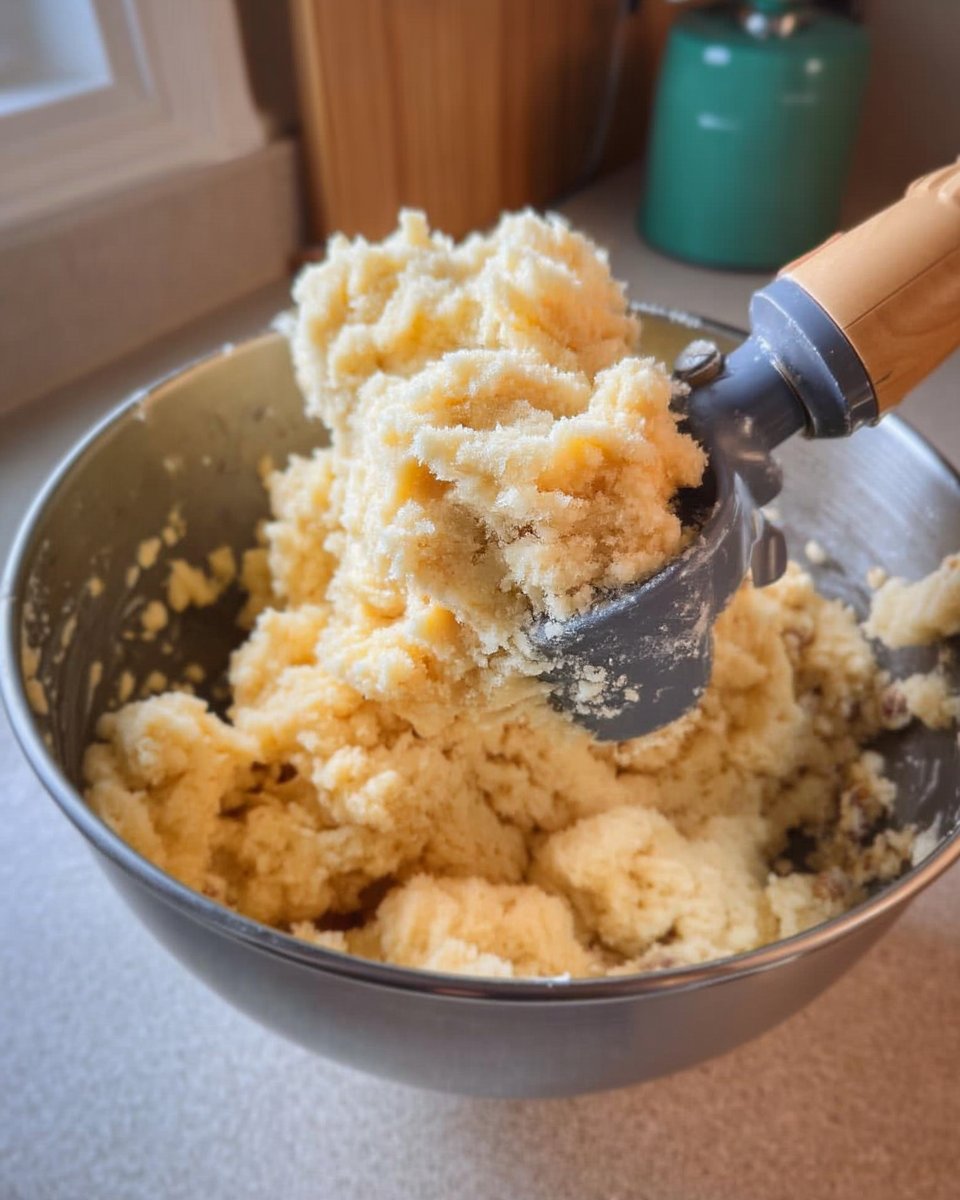
To achieve the most complex flavor profile in your Chocolate Chip Cookies 2, consider the temperature of your ingredients. Using butter that is exactly 65 degrees Fahrenheit allows for the best air retention during the creaming stage. If the butter is too warm, the emulsion will collapse, leading to a greasy cookie that spreads too much. For more on the role of temperature in successful browning, see our guide on Holiday Cookie Science.
Another secret involves the salt placement. While we mix sea salt into the dough, a tiny pinch of flaked salt on top immediately after baking provides a sensory “pop” that resets the palate between bites. For those looking for an alternative perspective on texture, you might also look at The Most Amazing Chocolate Chip Cookies to see how different hydration levels affect the final spread and height of the bake. Precision in measuring your flour by weight rather than volume will also yield more consistent results, as the density of flour can vary wildly by cup.
Scientific Swaps and Aroma Modifications
You can modify the aromatic profile of these Chocolate Chip Cookies 2 by playing with the fat sources. While the recipe calls for salted butter, using browned butter (beurre noisette) introduces pyrazines—the same nutty flavor compounds found in roasted coffee and toasted bread. This swap requires you to chill the dough longer to account for the altered fat structure. For more on managing fat ratios, check out our Efficient Cookie Methods.
If you prefer a more intense chocolate experience, swap the standard chips for chopped high-quality chocolate bars with at least 70% cocoa solids. The irregular shapes of chopped chocolate create “pools” of cocoa that interact differently with the dough than uniform chips. For a citrus twist, add a teaspoon of orange zest; the limonene in the orange peel shares molecular similarities with the terpenes in chocolate, creating a natural and refreshing pairing.
Optimal Pairings and Sensory Enjoyment
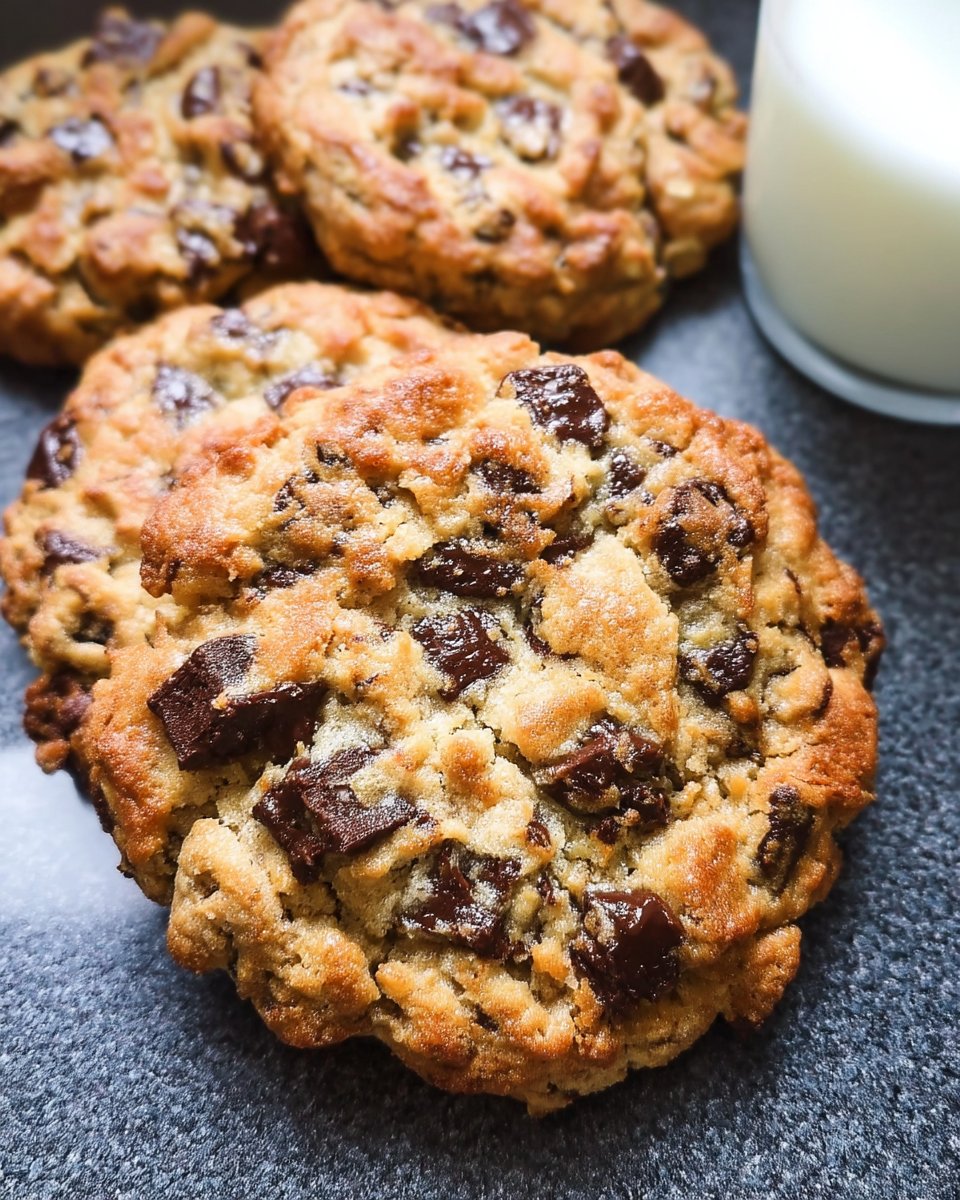
When serving these Chocolate Chip Cookies 2, consider the beverage pairing to enhance the chemical experience. A dark roast coffee is an excellent choice because the roasted pyrazines in the coffee beans mirror the caramelized notes in the cookie crust. This shared molecular profile creates a harmonious taste experience that rounds out the sweetness. For more beverage and base recipe pairings, look at our Foundation Cookie Recipes.
If you prefer dairy, a cold glass of whole milk provides a fat-cleansing effect. The cold milk fats help strip the sugary film from the tongue, making the next bite of the cookie taste just as vibrant as the first. For a more sophisticated presentation, serve the cookies slightly warm—around 100 degrees Fahrenheit—as this is the optimal temperature for the volatile aroma compounds in the vanilla and chocolate to become airborne and reach your olfactory sensors.
The Flavor Truth and Final Observations
Baking the perfect Chocolate Chip Cookies 2 is as much about understanding chemistry as it is about following a recipe. By controlling the Maillard reaction, managing the sugar-to-fat emulsion, and being precise with your thermal application, you create a treat that is scientifically balanced and deeply satisfying. We hope this analytical approach helps you understand the ‘why’ behind the ‘how’ in your kitchen. For a deeper look at what makes recipes go viral based on their texture, see our Viral Cookie Analysis.
We would love to see your results and hear about your flavor discoveries. Please share your bakes with us on Pinterest, Instagram, Facebook, or TikTok. Happy baking, and keep questioning the science of flavor!