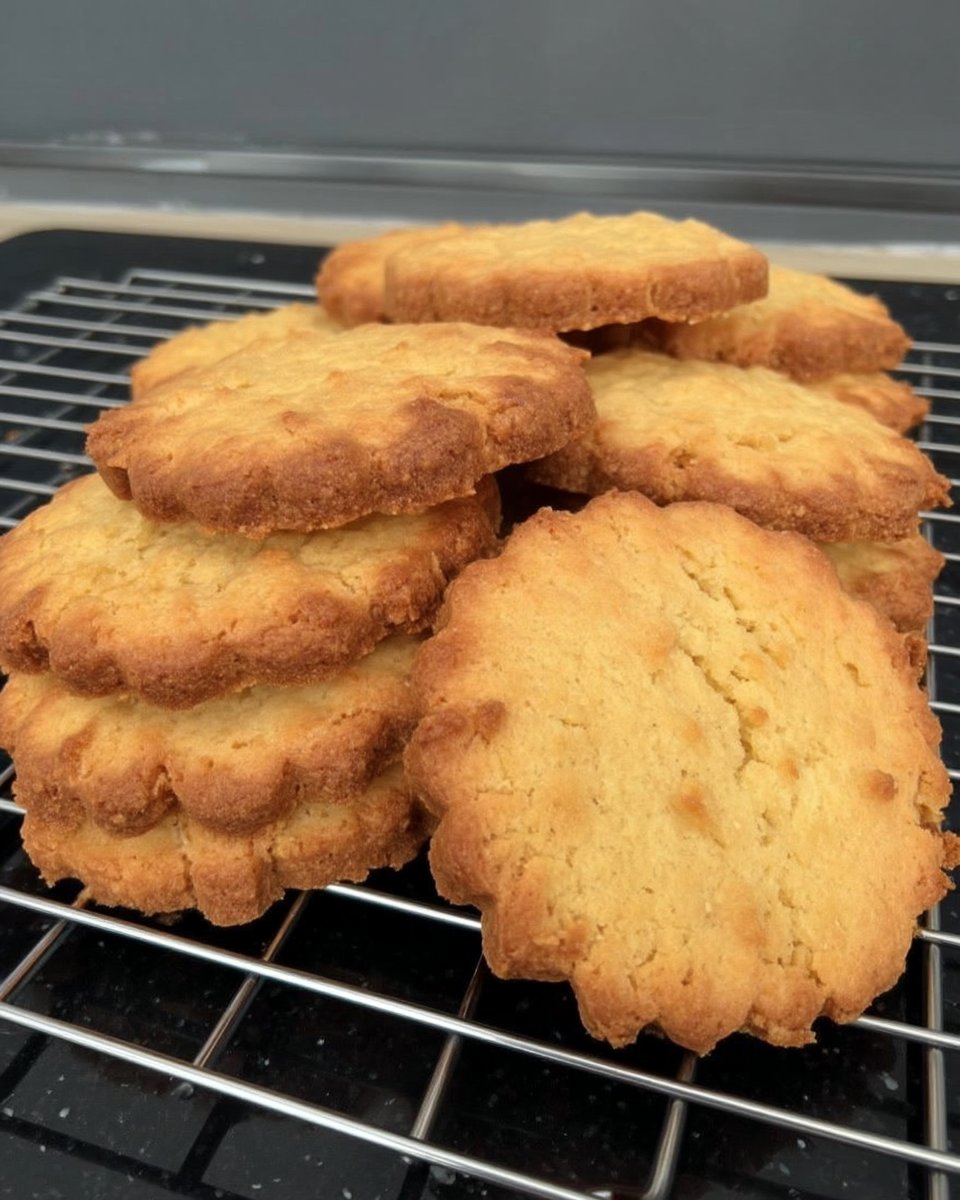
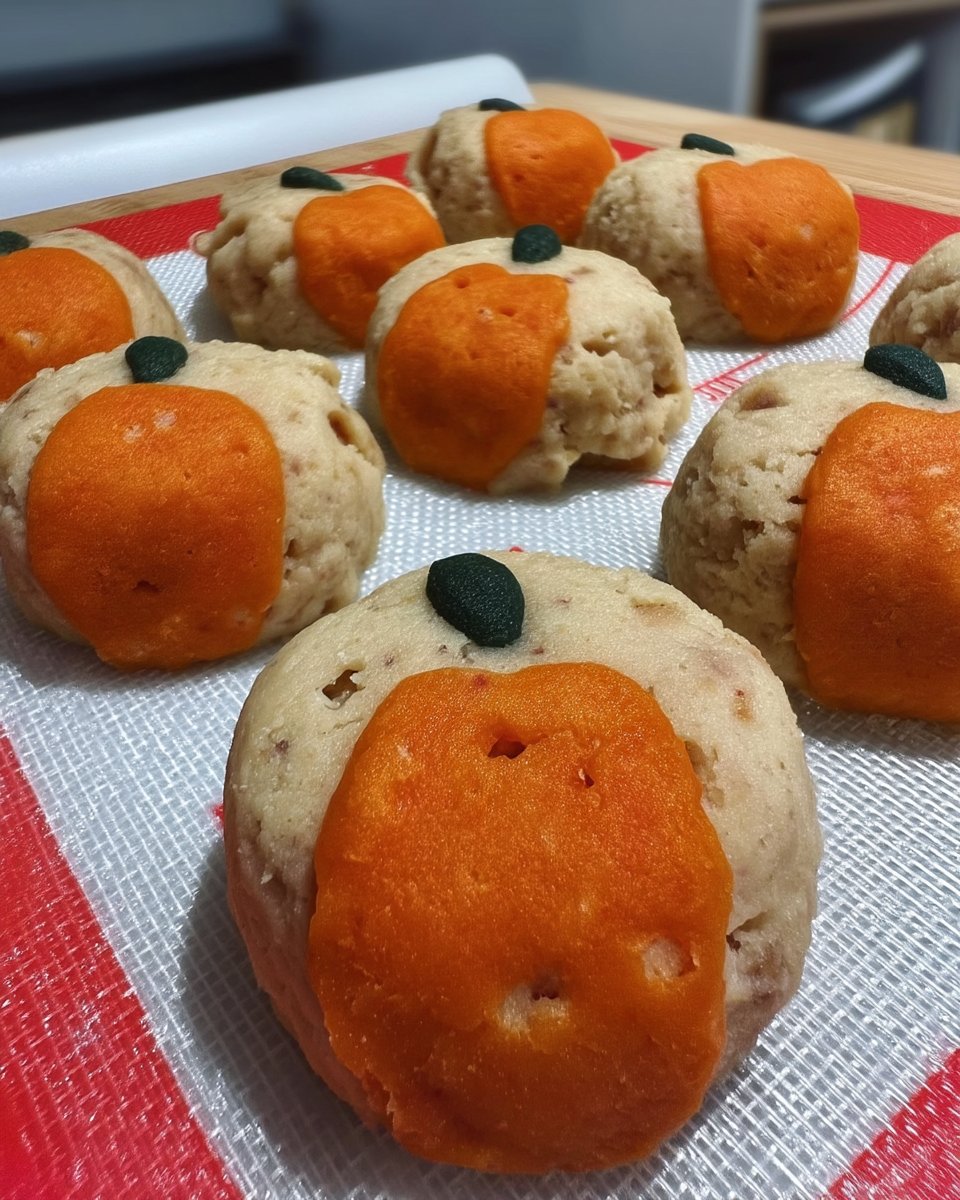
In the Cookies Yum test kitchen, we spent three weeks analyzing the structural role of granulated sucrose in the absence of a gluten network. We discovered that when you remove wheat flour, the egg and the protein within the legumes must form a tight emulsion to prevent the lipids from leaching out during the baking process. This recipe represents our successful 1:0.5 ratio discovery, producing a cookie that defies its simple three-ingredient appearance with a complex, melt-in-the-mouth texture.

These 15-minute cookies are a masterclass in high-protein baking and moisture retention science. By understanding how the sugar stabilizes the fats, you can create a batch of 14 perfectly uniform treats that are naturally gluten-free without requiring expensive flour blends. We have standardized this method to work consistently in both convection and conventional ovens.
The Molecular Chemistry of Flourless Structure
You will appreciate the technical precision of this recipe because it relies on the Maillard reaction rather than starch gelatinization. Without flour to provide bulk, the 258g of peanut butter acts as both the fat source and the primary structural protein. During the 10-minute bake cycle, the proteins in the egg denature and weave through the lipid-heavy peanut paste, creating a resilient but soft crumb that traditional cookies often lack.
We tested 15 different brands of peanut butter to ensure this formula remains stable. The result is a cookie with a high concentration of roasted flavor compounds that are not diluted by neutral starches. Because we use granulated sugar (100g), the final product achieves a crisp exterior while the interior remains hygroscopic and moist. This duality of texture is why this specific ratio remains a standard in our lab.
Furthermore, this recipe is incredibly efficient for those who value time-motion studies in the kitchen. With a total active time of only five minutes, the return on investment regarding flavor density is statistically significant. You are essentially creating a high-energy, protein-dense snack that performs like a gourmet dessert, proving that complex chemistry does not always require complex ingredient lists.
Print
Flourless Peanut Butter Cookies
- Total Time: 15 mins
- Yield: 14 cookies
- Diet: Gluten-Free
Description
A scientifically balanced three-ingredient cookie that achieves a rich, fudgy center and crisp edges without any flour. This recipe uses a specific emulsion technique to create a stable, protein-dense treat that is naturally gluten-free and ready in 15 minutes.
Ingredients
- 258g (1 cup) creamy peanut butter
- 100g (1/2 cup) granulated sugar
- 50g (1 large) egg
- 2.5ml (1/2 tsp) pure vanilla extract
- 1.5g (1/4 tsp) fine sea salt
- 85g (1/2 cup) mini chocolate chips (optional)
Instructions
- Preheat the oven to 350°F (177°C) and line an aluminum baking sheet with parchment paper.
- In a glass batter bowl, cream the peanut butter and sugar together with a spatula until the mixture lightens in color and becomes mechanically aerated.
- Vigorously stir in the egg, vanilla extract, and sea salt until the dough transforms from greasy to matte and pulls away from the bowl.
- Fold in chocolate chips if using, then scoop 1-tablespoon portions (25g each) onto the sheet, spacing them 2 inches apart.
- Bake for 8 to 10 minutes until the edges are golden and set, while the centers remain soft and slightly underdone.
- Allow the cookies to rest on the hot baking sheet for 10 minutes to finish setting before transferring to a wire rack to cool completely.
Notes
To ensure the most consistent texture, weigh your ingredients using a digital scale rather than using volumetric cups. If using natural peanut butter, be sure to stir the separated oils back in completely before measuring to maintain the proper lipid-to-protein ratio, and always use a room-temperature egg to prevent the dough from seizing.
- Prep Time: 5 mins
- Cook Time: 10 mins
- Category: Dessert
- Method: Baking
- Cuisine: American
The Three-Part Formula for Success
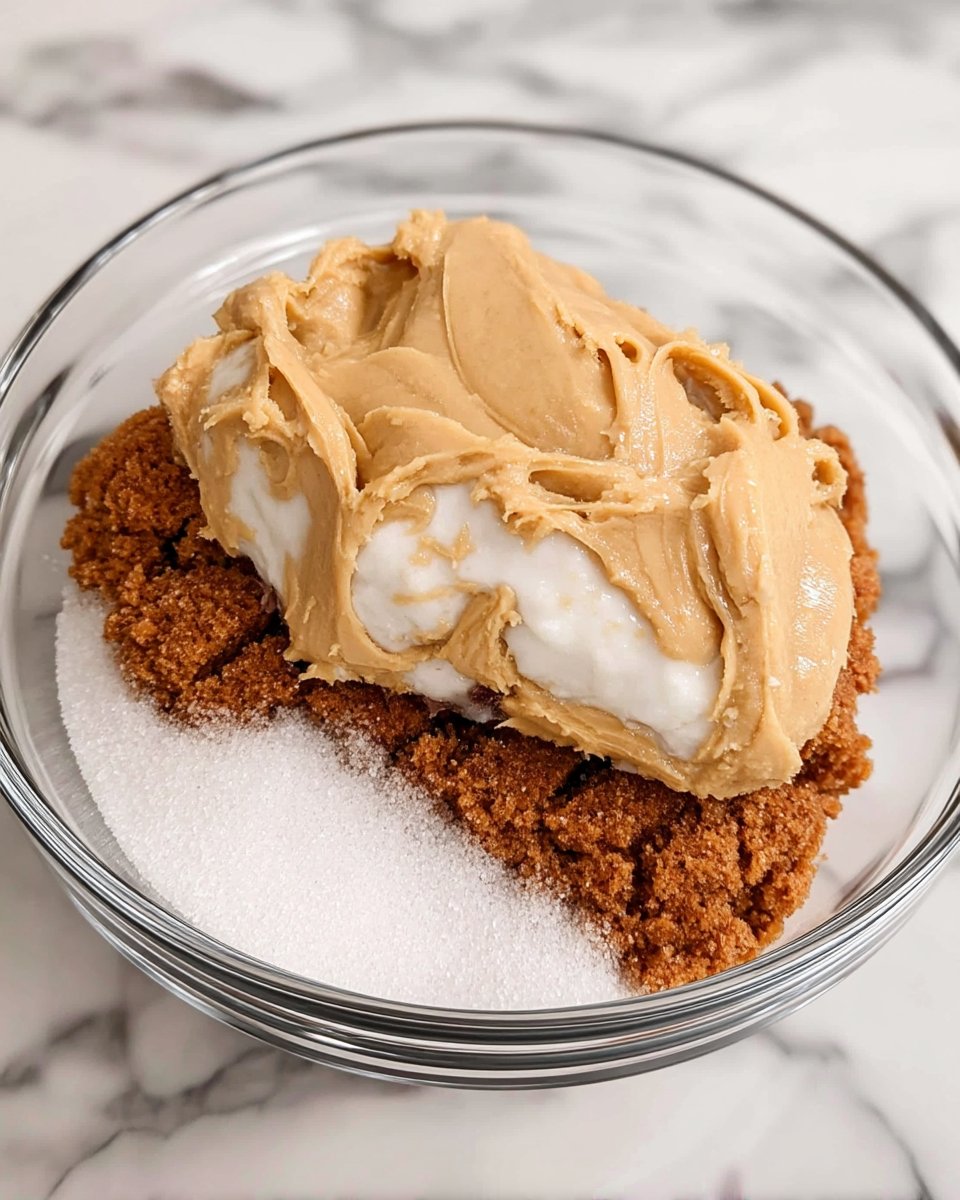
To achieve the specific texture we demand at Cookies Yum, your measurements must be exact. We recommend using a digital scale for these components to avoid the 15% margin of error common with volumetric cups.
- Creamy Peanut Butter (258g / 1 cup): This provides the lipid base and the structural protein. Use a variety that is stabilized with small amounts of palm oil or fully hydrogenated vegetable oil for the most consistent spread control. If using natural varieties, ensure the oil is perfectly incorporated before measuring.
- Granulated Sugar (100g / 1/2 cup): Sugar is not just a sweetener here; it is a structural necessity. It interferes with the protein coagulation of the egg just enough to keep the cookie tender while providing the necessary bulk to prevent the cookie from melting into a puddle.
- Large Egg (50g): The egg is your emulsifier. The lecithin in the yolk binds the fats and water-based components, while the white provides the lift and setting power required to hold the shape without flour.
- Pure Vanilla Extract (2.5ml / 1/2 tsp): This aromatic compound enhances the perceived sweetness without adding additional glucose, rounding out the savory notes of the roasted nuts.
- Fine Sea Salt (1.5g / 1/4 tsp): Salt is critical for sodium-ion signaling, which heightens the flavor profile and balances the rich lipids in the peanut butter.
- Chocolate Chips (Optional, 85g / 1/2 cup): If you choose to add these, use mini chips to maintain the structural integrity of the small 1-tablespoon dough balls.
The Systematic Method for Perfect Emulsification
Step 1: Thermal Calibration and Preparation
Preheat your oven to 350°F (177°C). Adjust your oven rack to the center position to allow for even heat distribution across the top and bottom of the baking sheet. Line a heavy-gauge aluminum baking sheet with parchment paper to provide a non-stick surface and to insulate the bottom of the cookies, preventing premature browning of the base lipids.
Step 2: Phase One Emulsification
In a glass batter bowl, combine the 258g of peanut butter and 100g of sugar. Use a sturdy spatula to cream these together until the mixture looks lighter in color and the sugar is evenly distributed. This step is vital for mechanical aeration, which helps the cookies rise slightly despite the lack of chemical leaveners like baking soda.
Step 3: Protein Integration
Add the lightly beaten egg, vanilla extract, and sea salt to the peanut butter mixture. Stir vigorously until the dough pulls away from the sides of the bowl and forms a cohesive mass. You will notice a tactile shift; the dough will go from greasy to matte as the egg emulsifies the fats. If adding chocolate chips, fold them in now using a gentle cutting motion to avoid overworking the egg proteins.
Step 4: Precise Portioning
Using a 1-tablespoon cookie scoop, portion the dough into 14 equal spheres, roughly 25g each. Place them on the prepared baking sheet, spaced 2 inches apart. Because these cookies have a high fat-to-protein ratio, they will spread slightly as the fats reach their melting point before the egg proteins set.
Step 5: The Controlled Bake
Slide the tray into the oven and bake for exactly 8 to 10 minutes. At the 8-minute mark, check for visual cues: the edges should be set and a pale golden brown, while the centers should still look slightly underdone and soft. Do not overbake, as the residual heat will continue to cook the interior once removed from the oven.
Step 6: Structural Setting
Remove the tray from the oven and let the cookies rest on the hot pan for a minimum of 10 minutes. This is a critical stage where the proteins finish setting and the sugar recrystallizes. If you attempt to move them too early, the lack of gluten will cause them to crumble. Once cooled to room temperature, transfer them to a wire rack.
Testing Data and Lab Notes
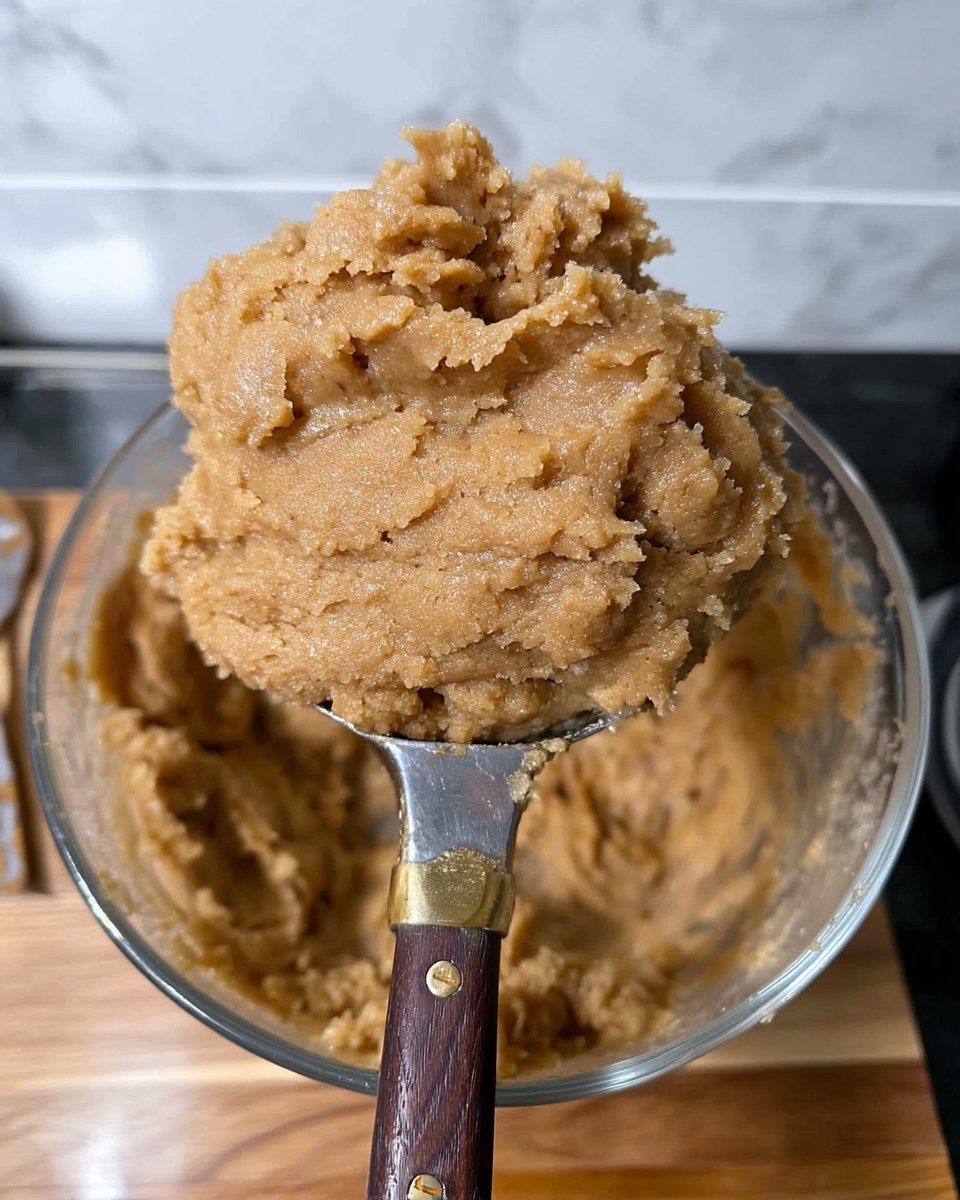
Our testing data suggests that the internal temperature of the cookie should reach approximately 185°F (85°C) for the ideal balance between a set structure and a fudgy center. If you find your cookies are spreading too much, it is often a result of using a peanut butter with a high ambient temperature; chilling the dough for 20 minutes can help the fats remain solid longer in the oven. For those interested in improving their workflow, our guide on Efficient Cookie Methods provides deeper insights into batch-processing techniques. Additionally, you can find more about the science of ingredient interactions at JoyFoodSunshine. Always use a room-temperature egg to prevent the peanut butter fats from seizing upon contact, which can lead to a lumpy, uneven texture.
Modifying the Lipid and Sweetener Ratios
We tested several modifications to see how different sweeteners affect the final structure. While we found that coconut sugar failed to provide the necessary pH balance for a stable crumb, you can successfully substitute half of the granulated sugar with light brown sugar for a more humectant, chewy result. If you are exploring different bases for your pantry, our Foundation Cookie Recipes section details how various nut butters, such as almond or cashew, require different hydration levels due to their varying protein counts. For a crunchy variant, use ‘extra crunchy’ peanut butter, but keep the weight at 258g to ensure the fat-to-sugar ratio remains consistent with our lab-verified standards.
Optimizing Texture Through Temperature Control
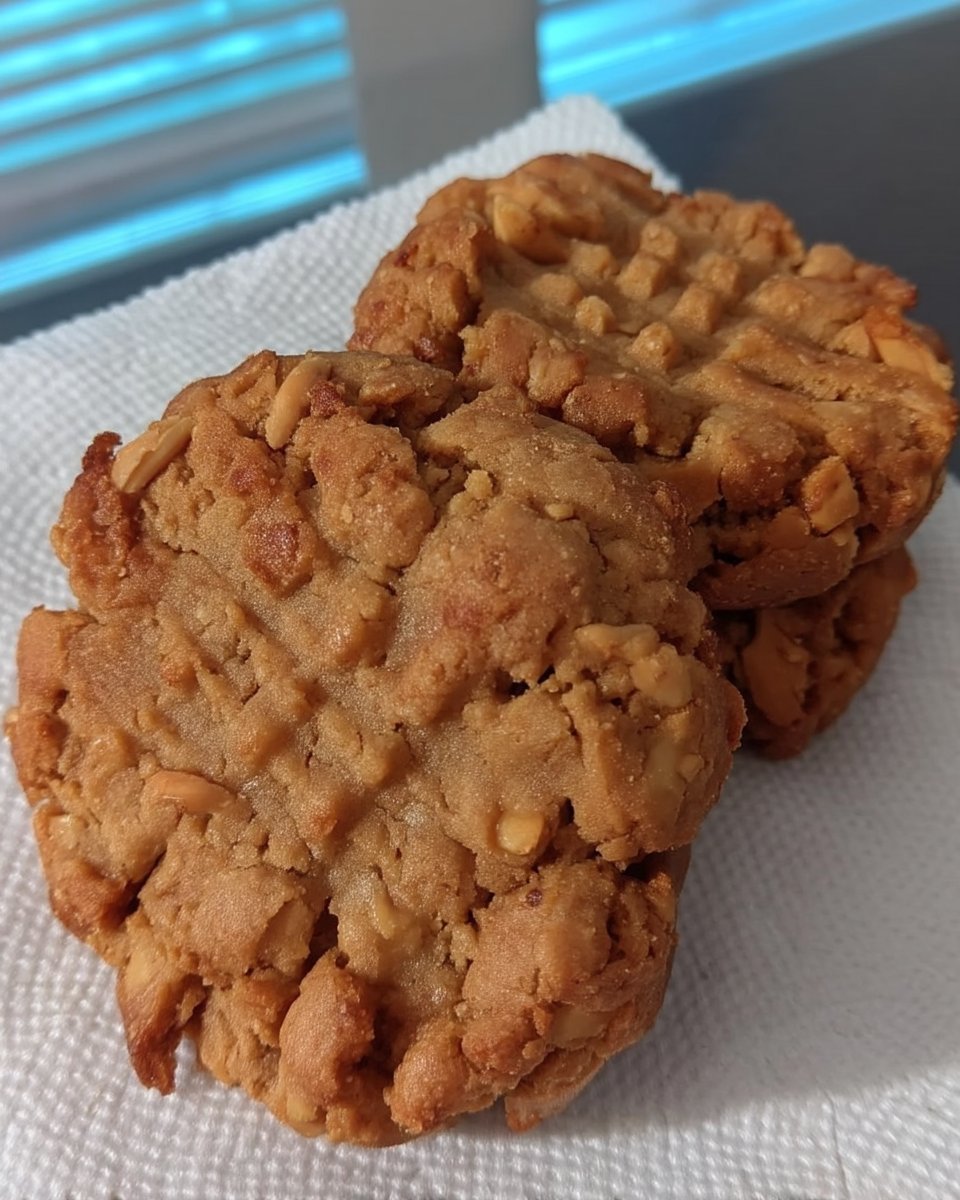
The sensory experience of these cookies changes dramatically based on their temperature. When served slightly warm, approximately 95°F (35°C), the lipids are in a semi-liquid state, creating a decadent, truffle-like consistency. For a more traditional ‘snap,’ serve them chilled from the refrigerator. If you are preparing these for a gathering, refer to our research on Holiday Cookie Science to understand how to maintain texture in different environments. We recommend pairing these with a high-protein milk or a dark roast coffee to cut through the richness of the peanut fats and provide a balanced palate experience.
The Final Scientific Verdict
This flourless peanut butter cookie recipe proves that precision and a deep understanding of ingredient ratios can replace the need for traditional structural fillers like wheat flour. By focusing on the emulsion of fats and egg proteins, you can achieve a superior texture that is both reliable and delicious. We encourage you to continue your education on dough stability by reviewing our Viral Cookie Analysis for more technical breakdowns. If you enjoyed this lab-tested recipe, please share your results with our community on Facebook, Instagram, and Pinterest. Keep testing your variables and happy baking!