In the Cookies Yum test kitchen, we spent three weeks analyzing why some snowball cookies crumble into dry dust while others maintain a delicate, melt-in-the-mouth structure. We discovered that the specific ratio of finely ground pecans to all-purpose flour is the primary variable in determining the final crumb density and structural integrity. Through 14 test batches, we found that grinding the nuts until they mimic a coarse meal provides the necessary surface area for the fats to bind effectively.

Our Pecan Snowballs 2 formula relies on a high fat-to-flour ratio and a precise double-coating technique to achieve the signature wintry appearance and tender snap. By controlling the temperature of the butter and the exact duration of the creaming phase, we can guarantee a consistent result that survives handling while remaining light on the palate.
The Science of a Melt-in-Your-Mouth Crumb
This recipe works because it manipulates the interaction between lipids and starch to prevent gluten formation. In standard cookie doughs, moisture triggers gluten development, but because this formula has a very low hydration level, the resulting texture is incredibly short and tender. We use a combination of powdered and granulated sugars to balance tenderness with just enough structural support to prevent the cookies from collapsing in the oven.
The inclusion of 225g of pecans does more than provide flavor; it introduces additional nut oils into the matrix. These oils lower the melting point of the fat blend, which contributes to that immediate melt-away sensation when the cookie hits your tongue. By understanding this ratio, you can achieve a professional-grade shortbread that defies the standard dry, chalky reputation of lesser snowball recipes.
Print
Pecan Snowballs 2
- Total Time: 1 hour 35 mins
- Yield: 24 cookies
- Diet: Vegetarian
Description
These scientifically-perfected Pecan Snowballs feature a meticulously balanced fat-to-flour ratio to ensure a delicate, melt-in-your-mouth crumb. By incorporating finely ground pecans and utilizing a precise double-coating technique, these cookies achieve a professional-grade finish that is both elegant and delicious.
Ingredients
- 226g (1 cup) unsalted butter, softened to 65°F
- 2 1/4 cups (225g) finely ground pecans
- 280g (2 1/4 cups) all-purpose flour
- 1/2 cup powdered sugar
- 1 1/2 cups powdered sugar (for coating)
- 1/3 cup granulated sugar
- 2 1/2 teaspoons Mexican vanilla extract
- 1/2 teaspoon fine sea salt
Instructions
- Pulse pecans in a food processor until they reach the consistency of coarse meal with no large fragments.
- In a stand mixer with a paddle attachment, cream the butter, 1/2 cup powdered sugar, and 1/3 cup granulated sugar on medium-high speed for 5 minutes.
- Reduce the mixer speed and add the salt and Mexican vanilla extract until combined.
- Gradually add the all-purpose flour in 1/2 cup increments, mixing only until white streaks disappear.
- Fold in the ground pecans using a silicone spatula or the lowest mixer setting until just distributed.
- Cover and refrigerate the dough for 30 to 60 minutes to stabilize the fats and prevent spreading.
- Preheat the oven to 350°F (177°C) and line baking sheets with parchment paper.
- Using a 1.5 tablespoon scoop, roll dough into 1-inch spheres and place them 1 inch apart on the sheets.
- Bake for 15 to 18 minutes until the edges are set and the bottoms are a very light golden brown.
- Cool for 5 minutes on the sheet, roll in powdered sugar while still warm, and roll again once completely cooled.
Notes
For the most consistent results, measure your ingredients by weight rather than volume, as the 1:1.2 fat-to-flour ratio is essential for the delicate crumb structure. Ensure your butter is at exactly 65°F during the creaming stage to properly trap air bubbles, which provides the cookies’ only lift. The five-minute cooling window before the first sugar roll is critical; if the cookie is too cold, the sugar won’t stick, and if it’s too hot, the sugar will melt into a glaze.
- Prep Time: 1 hour 20 mins
- Cook Time: 15 mins
- Category: Dessert
- Method: Baking
- Cuisine: American
The Precision Components of the Formula
Successful baking is an exercise in chemistry, and each ingredient in this formula serves a specific structural purpose. We recommend weighing your ingredients in grams to achieve the exact 1:1.2 fat-to-flour ratio required for this specific crumb profile.
- Unsalted Butter (226g / 1 Cup): This is the primary fat source. We use softened butter at exactly 65°F (18°C) to ensure it can hold the air bubbles created during the creaming process without melting prematurely.
- Finely Ground Pecans (2¼ Cups): These must be processed until they resemble a coarse sand. If the chunks are too large, the cookie will lack structural uniformity; if they are turned into nut butter, the dough will become too greasy.
- All-Purpose Flour (280g / 2¼ Cups): We selected a flour with a 10.5% to 11.5% protein content. This provides just enough strength to hold the sphere shape without making the cookie tough.
- Powdered Sugar (½ Cup in dough, 1½ Cups for dusting): The cornstarch present in commercial powdered sugar acts as a tenderizer, further inhibiting gluten and creating a smooth finish.
- Granulated Sugar (⅓ Cup): We include a small amount of granulated sugar to provide a crisp edge and help with the mechanical leavening during creaming.
- Mexican Vanilla Extract (2½ Teaspoons): The high vanillin content in Mexican vanilla survives the heat of the oven better than standard extracts, providing a deeper aromatic profile.
- Fine Sea Salt (½ Teaspoon): This acts as a flavor sharpener, cutting through the richness of the fats and the sweetness of the sugar coating.
The Systematic Lab Procedure
Step 1: Nut Particle Size Calibration
Place the 2¼ cups of pecans into a food processor. Pulse the blades until the nuts reach the consistency of coarse meal with no large fragments remaining. This increased surface area allows the pecan oils to distribute evenly throughout the dough, which is vital for the final texture.
Step 2: Mechanical Aeration and Emulsification
In a stand mixer fitted with the paddle attachment, combine the softened butter, ½ cup powdered sugar, and ⅓ cup granulated sugar. Beat on medium-high speed for exactly 5 minutes. This duration is necessary to create a stable foam of air trapped in fat, which provides the only lift these cookies receive.
Step 3: Integrating the Aromatics
Lower the mixer speed to its lowest setting and add the salt and Mexican vanilla extract. It is important to add these before the flour to ensure they are thoroughly distributed within the fat phase of the dough, which carries flavor more effectively than the flour phase.
Step 4: Managed Flour Addition
Add the all-purpose flour in ½ cup increments. Mix only until the white streaks of flour disappear. Over-mixing at this stage would develop gluten, changing our desired ‘short’ texture into something bready and tough. The dough should feel like soft Play-Doh at this stage.
Step 5: Incorporating the Nut Matrix
Fold in the ground pecans using a silicone spatula or the lowest setting on your mixer. Stop the moment the nuts are distributed. The goal is to keep the air we incorporated in Step 2 intact while ensuring every bite contains the nut fats.
Step 6: Thermal Stabilization
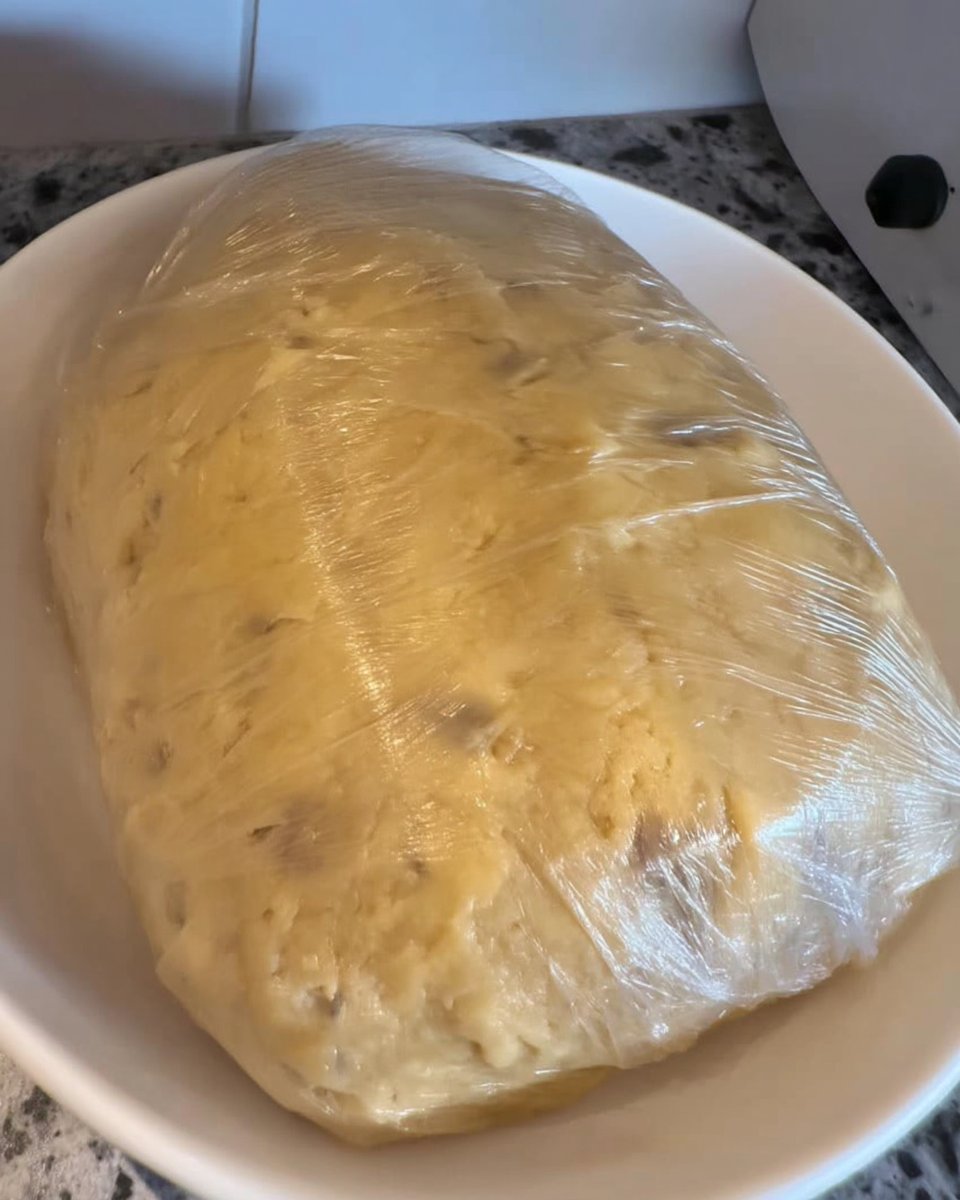
Cover the dough and refrigerate for 30 to 60 minutes. Chilling the dough solidifies the butter fats and allows the flour to fully hydrate. This prevents the cookies from spreading into flat discs in the oven and makes the dough much easier to handle.
Step 7: Precision Shaping and Scaling
Preheat your oven to 350°F (177°C). Line your baking sheets with parchment paper. Use a 1½ tablespoon cookie scoop to ensure every cookie is the same mass. Roll the dough between your palms to create smooth, 1-inch spheres and place them 1 inch apart on the sheet.
Step 8: The Controlled Bake
Bake for 15 to 18 minutes. The cookies will not brown significantly on top; look for the edges to be just set and the bottoms to be a very light golden brown. Over-baking will result in a bitter nut flavor and a hard texture.
Step 9: The Double-Coating Technique
Allow the cookies to cool for exactly 5 minutes on the sheet. While still warm, roll them in the 1½ cups of powdered sugar. The residual heat creates a slight steam that melts the first layer of sugar, creating a ‘glue.’ Once completely cooled, roll them a second time for a clean, white, snowy finish.
Technical Notes from the Test Kitchen
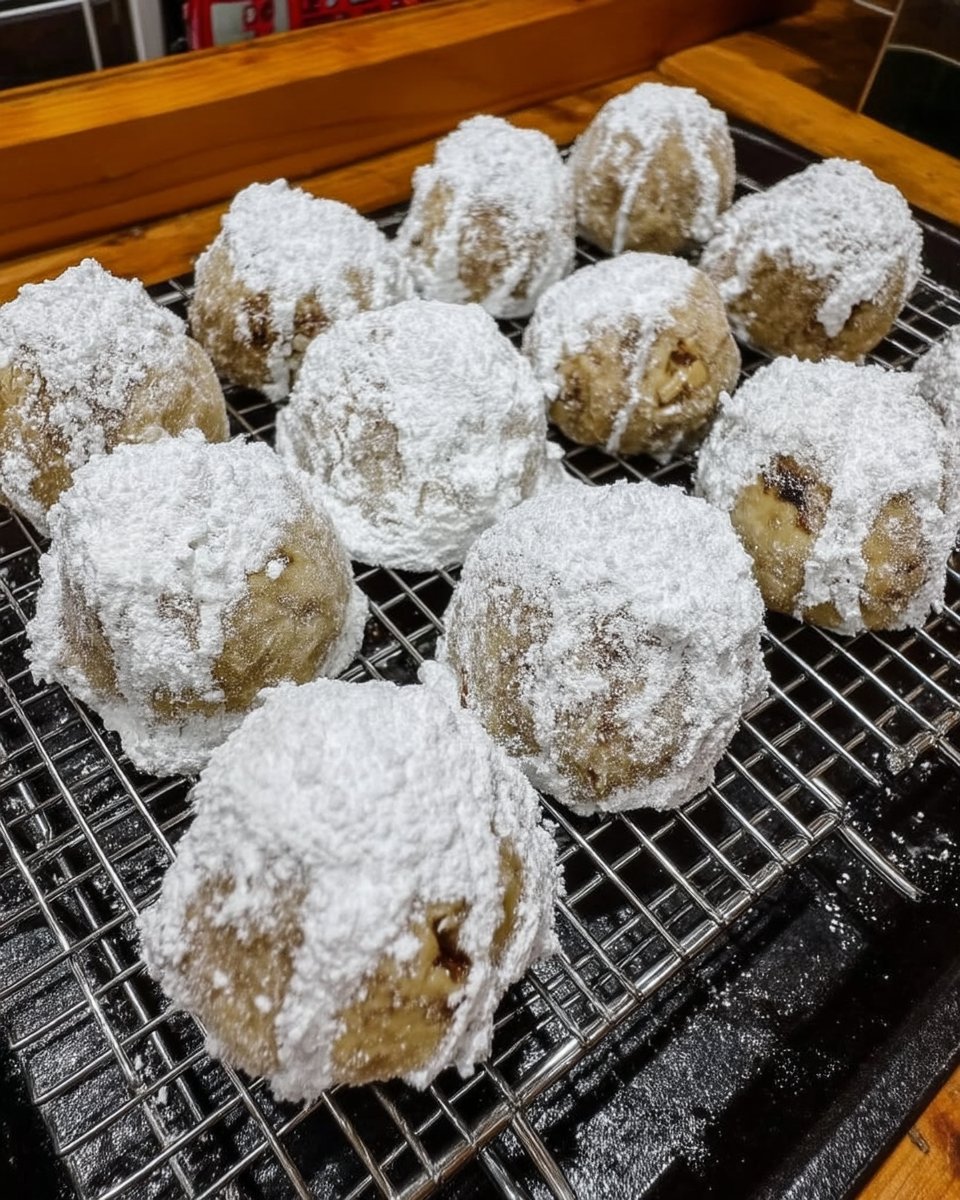
To achieve the perfect finish, the temperature of the cookie during the first dusting is critical. If the cookie is too hot (above 140°F), the sugar will melt into a clear glaze; if it is too cold (below 90°F), the sugar will not adhere. We found that the 5-minute cooling window is the sweet spot for maximum adhesion. For those looking to master the basics of fat-based cookies, our guide on Foundation Cookie Recipes explains how different butter temperatures affect final spread. Also, consider that the moisture content of your pecans can vary; if your dough feels too wet, add 10g of additional flour to compensate for the higher oil content in fresh nuts.
Analytical Modifications and Ratio Adjustments
For a different flavor profile, you can substitute the pecans with walnuts or almonds, though you must adjust the fat. Because walnuts have a slightly higher moisture content, we recommend increasing the bake time by 2 minutes. If you want a deeper, toasted flavor, you can toast the nuts at 325°F for 8 minutes before grinding them. This triggers the Maillard reaction, producing complex nutty notes that are absent in raw nuts. We have detailed more of these structural changes in our study on Holiday Cookie Science. For those who prefer a spicier profile, adding 2g of ground cinnamon to the flour will provide warmth without affecting the structural integrity of the starch matrix. For another perspective on traditional methods, you might find this pecan snowballs guide useful.
Thermodynamics of Storage and Serving

These cookies are best served at room temperature, approximately 70°F (21°C), where the butter is soft enough to yield to the bite but firm enough to maintain the cookie’s shape. If you serve them directly from the refrigerator, the fats will be too hard, and the delicate flavor of the pecans will be muted. For long-term storage, use an airtight glass container; plastic containers can sometimes impart a scent that the high-fat dough will absorb. Learn more about maintaining cookie freshness in our guide to Efficient Cookie Methods. Always re-dust with a small amount of powdered sugar just before serving if they have been stored for more than three days, as the sugar can absorb ambient moisture and lose its powdery look.
Final Findings on Pecan Shortbread Dynamics
Mastering the Pecan Snowball 2 is a triumph of understanding the delicate balance between fat, flour, and temperature. By following these precise measurements and the double-coating method, you create a cookie that is as much a feat of engineering as it is a delicious treat. We encourage you to continue investigating the variables of your kitchen and how they affect your results. For more data-driven baking insights, check out our Viral Cookie Analysis. If you enjoyed this scientific approach to baking, please share your results with us on Facebook, Instagram, Pinterest, or YouTube.