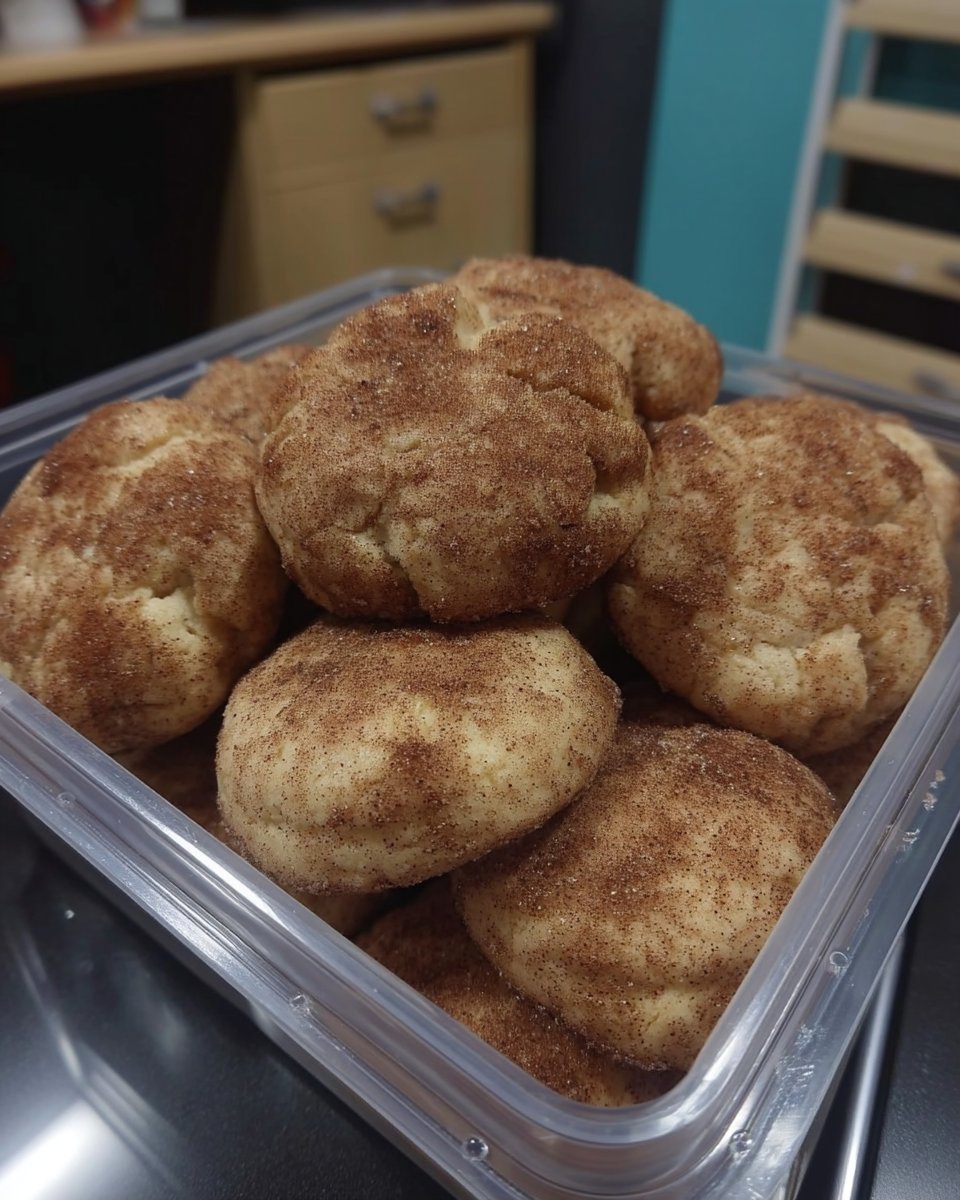
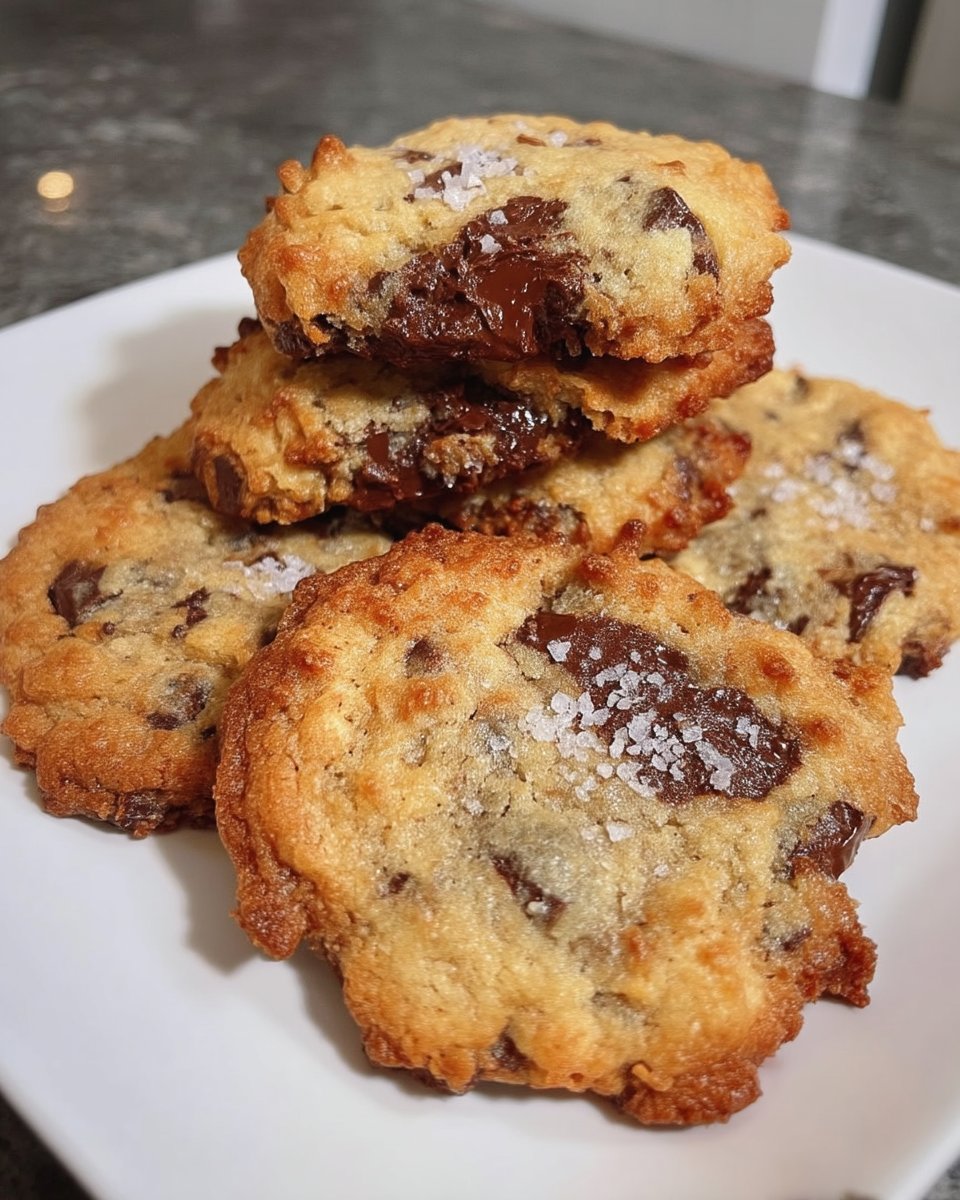
Victorian bakers often toasted butter to create a deeper nutty profile for heavy spice cakes, a process we now identify as the Maillard reaction or *beurre noisette*. This technique releases water while caramelizing milk solids, creating a structural shift in the cookie crumb that modern science confirms as essential for flavor development. By revisiting this 19th-century wisdom, we transform a simple Brown Butter Toffee Cookies 2 recipe into a complex masterpiece of culinary chemistry.

These cookies represent the intersection of historical patience and technical precision, requiring a methodical approach to ingredient temperature and hydration. By utilizing a high-protein bread flour blend and a mandatory cold-aging period, we achieve a texture that is simultaneously chewy and crisp. This tested method guarantees that every bite carries the weight of culinary tradition and scientific validation, proving that old-world techniques remain the gold standard.
The Technical Triumph of Brown Butter Toffee Cookies 2
The allure of this recipe lies in its sophisticated flavor architecture, where the bitterness of browned butter balances the intense sweetness of English toffee. Historically, toffee was a staple of British confectionery, prized for its brittle texture and buttery undertones. When integrated into a cookie dough that has been aged for 24 to 72 hours, these toffee bits partially melt, creating pockets of concentrated caramelization that interact with the salt crystals. This is not merely a sweet treat; it is a study in fat and sugar emulsions. The addition of bread flour increases the protein content, which provides the necessary gluten structure to support the heavy inclusions of chopped chocolate and toffee. This prevents the cookies from collapsing into thin, greasy discs, a common failure in modern recipes that neglect historical structural principles. Furthermore, the use of dark brown sugar provides a higher molasses content than standard light brown sugar, contributing to a soft, moist center that contrasts beautifully with the crisp, golden edges. You will value this recipe because it respects the time required for starch hydration, resulting in a superior crumb and a depth of flavor that cannot be achieved through shortcuts.
Print
Brown Butter Toffee Cookies 2
- Total Time: 25 hours
- Yield: 24 cookies
- Diet: Vegetarian
Description
These technically advanced cookies feature the deep, nutty profile of browned butter and the crunch of English toffee, refined through a mandatory 24-hour aging process. The result is a sophisticated treat with a perfectly chewy center, crisp golden edges, and a complex flavor architecture.
Ingredients
- 2 sticks Unsalted Butter
- Granulated Sugar
- Dark Brown Sugar
- Bread Flour
- All-Purpose Flour
- Baking Soda
- Baking Powder
- Fine Sea Salt
- Instant Espresso Powder
- 2 Large Eggs
- 1 Egg Yolk
- Vanilla Extract
- Chopped Chocolate
- Toffee Bits
- Flaky Sea Salt
Instructions
- Melt the butter in a stainless steel sauté pan over medium heat, cooking until the water evaporates and amber-colored bits form; immediately pour into a bowl and stir in the granulated and dark brown sugars while hot.
- In a separate vessel, whisk and sift together the bread flour, all-purpose flour, baking soda, baking powder, sea salt, and espresso powder.
- Once the butter and sugar mixture has cooled to room temperature, whisk in the room-temperature eggs, egg yolk, and vanilla extract until the mixture is glossy and well-combined.
- Gradually fold the dry ingredients into the wet mixture using a rubber spatula, then stir in the chopped chocolate and toffee bits.
- Wrap the dough tightly in plastic and refrigerate for 24 to 72 hours to allow for complete starch hydration and flavor maturation.
- Remove the dough from the refrigerator and let it soften for 60 minutes while preheating the oven to 350ºF (175ºC).
- Portion the dough into spheres using a 3-tablespoon scoop and bake on parchment-lined sheets for 12 to 14 minutes until the edges are golden.
- Immediately use a round cutter to ‘scoot’ the warm cookies into perfect circles and sprinkle with flaky sea salt before cooling.
Notes
To ensure a stable emulsion, always use eggs that have reached true room temperature; cold eggs will cause the browned butter to seize and break the dough’s structure. For the most consistent results, use a light-colored stainless steel pan to accurately monitor the caramelization of the milk solids during the browning process.
- Prep Time: 20 mins
- Cook Time: 14 mins
- Category: Dessert
- Method: Baking
- Cuisine: British-American
Proper Components for Structural Integrity

Selecting high-quality ingredients is the first step in achieving a professional result. The following components have been selected for their specific chemical properties and historical relevance to traditional biscuit making.
- Unsalted Butter (2 sticks): Using unsalted butter allows for precise control over the sodium content. When browned, the water content evaporates, concentrating the fat and toasted milk solids.
- Bread Flour and All-Purpose Flour Blend: The combination of bread flour (high protein) and all-purpose flour (moderate protein) creates a robust gluten network. This balance is vital for the ‘no-spread’ integrity that Jordan’s methods emphasize.
- Dark Brown Sugar: This provides acidity to react with the leavening agents and adds a deep, molasses-driven moisture.
- Large Eggs plus One Egg Yolk: The extra yolk increases the lecithin content, acting as a natural emulsifier that binds the fats and liquids into a smooth dough.
- Instant Espresso Powder: This is a modern addition that acts as a flavor bridge, deepening the perception of the chocolate and toffee without adding a distinct coffee taste.
- Fine Sea Salt and Flaky Salt: Salt is a critical flavor enhancer that mitigates sweetness and highlights the nutty notes of the butter.
- Homemade or Quality Toffee Bits: These provide the classic crunch and structural pockets of caramel.
The Proper Method for Technical Perfection
Step 1: Beurre Noisette and Sugar Saturation
In a medium stainless steel sauté pan over medium heat, melt the butter. Continue cooking until the butter foams and you hear audible cracking and popping—this is the water evaporating. Once the crackling subsides, watch for amber-colored bits to form at the bottom. Immediately remove from heat and pour into a mixing bowl, including all the toasted solids. Stir in the granulated and dark brown sugars while the butter is still hot. This allows the sugars to partially dissolve and begin the caramelization process. Set aside to cool to room temperature.
Step 2: Dry Component Preparation
In a separate vessel, whisk together the bread flour, all-purpose flour, baking soda, baking powder, sea salt, and espresso powder. Sifting these ingredients is a traditional technique that guarantees even distribution of the leavening agents, preventing localized pockets of rising that could ruin the cookie’s symmetry.
Step 3: Emulsification of Wet Ingredients
Once the butter and sugar mixture has cooled, whisk in the room-temperature eggs, the extra yolk, and the vanilla extract. It is vital that the eggs are not cold, as this would cause the butter to seize, breaking the emulsion. Whisk until the mixture is glossy and well-combined.
Step 4: Integrating Inclusions and The Long Rest
Gradually fold the dry ingredients into the wet mixture using a rubber spatula. Avoid overworking the dough, as excess mechanical action will develop too much gluten, leading to a tough texture. Stir in the chopped chocolate and toffee bits. Wrap the dough tightly in plastic and refrigerate for 24 to 72 hours. This period of maturation allows for complete starch hydration and enzyme activity, which intensifies the flavor.
Step 5: Portioning and Controlled Thermal Application
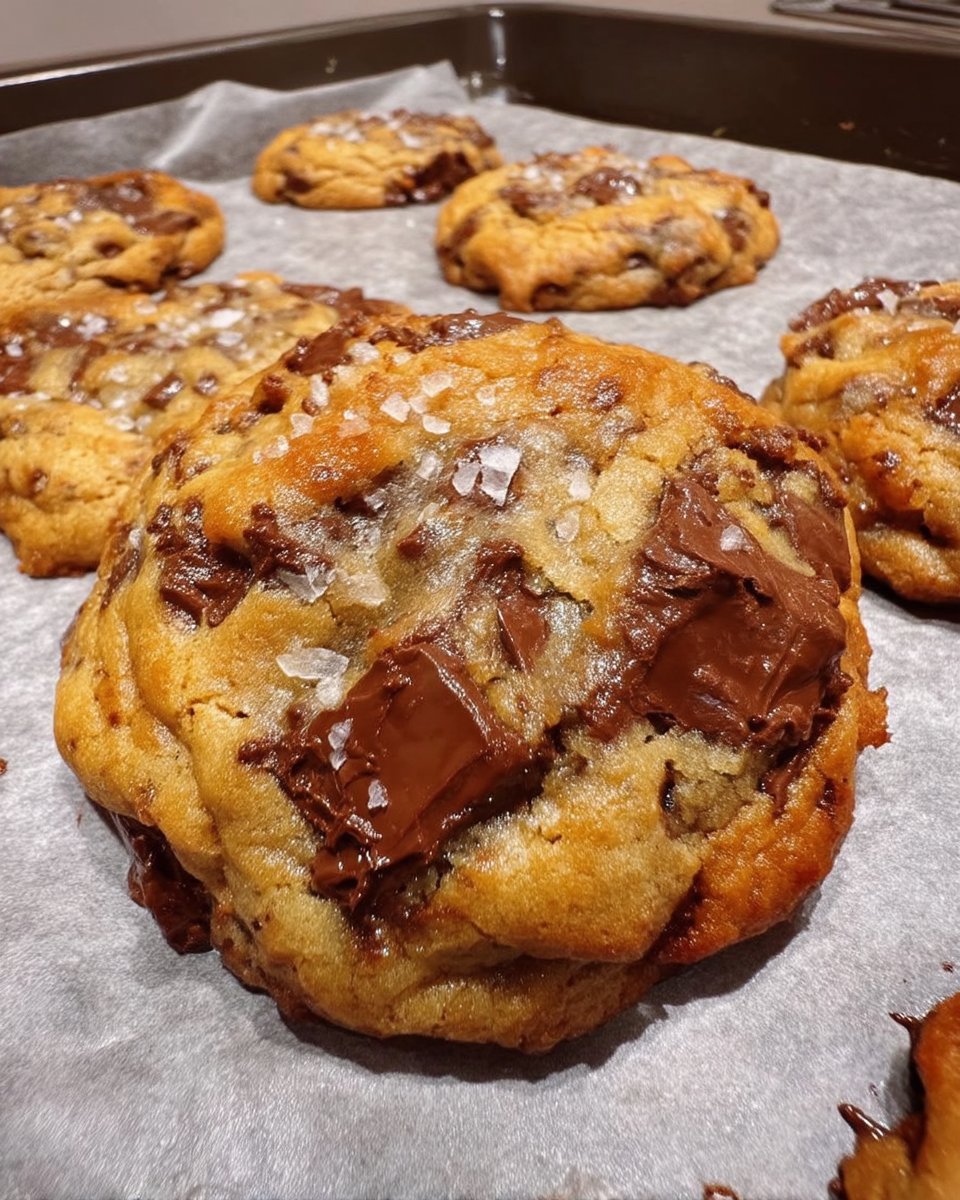
Remove the dough from the refrigerator and allow it to soften for 60 minutes. Preheat your oven to 350ºF (175ºC) and line your sheets with parchment. Using a 3-tablespoon scoop, portion the dough into consistent spheres. Place them on the sheet with ample spacing. Bake for 12 to 14 minutes until the edges are golden brown but the centers remain slightly soft.
Step 6: The Post-Bake Structural Refinement
Immediately after removing the cookies from the oven, place a round cutter over each cookie and move it in a circular motion. This ‘cookie scoot’ technique is a professional method used to achieve perfectly round, thick cookies. Sprinkle with flaky sea salt while still warm to allow the crystals to adhere.
Jordan’s Technique Notes for Precision
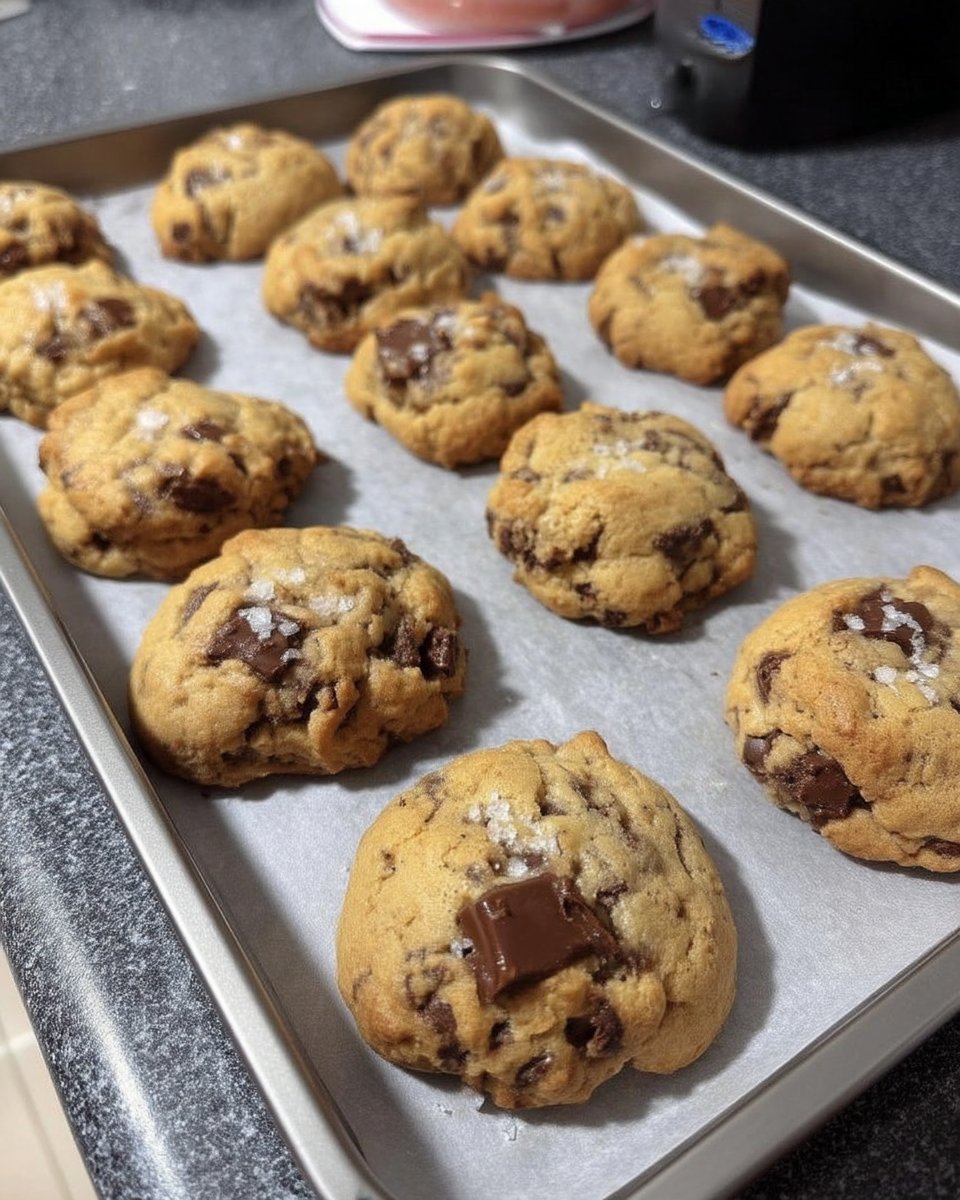
One of the most frequent errors in biscuit making is the use of incorrect butter temperatures. When browning butter, the transition from golden to burnt happens in seconds; always use a light-colored stainless steel pan to monitor the color of the milk solids accurately. Furthermore, the 24-hour rest is not a suggestion but a requirement for those seeking a professional crumb. Modern testing, similar to the insights found in Foundation Cookie Recipes, shows that chilled dough leads to less spreading and better caramelization. If your cookies are spreading too much, verify that your oven is calibrated correctly and that you are using a heavy-duty baking sheet. For more on modern cookie testing, you might find the work at Handle the Heat useful for comparing different fat ratios. Finally, always weigh your flour in grams to guarantee consistent results every time.
Tested Adaptations and Regional Nuances
While the Brown Butter Toffee Cookies 2 are exceptional in their base form, historical variations offer interesting shifts in profile. For a British-inspired twist, replace the toffee bits with crushed honeycomb (cinder toffee), which provides a more aerated crunch. You might also consider using a high-quality dark chocolate with at least 70% cocoa solids to provide a more sophisticated contrast to the sugar. In some regional Welsh traditions, a pinch of nutmeg or mace was added to brown butter biscuits to deepen the aromatic qualities. For those interested in how seasonal changes affect dough behavior, our guide on Holiday Cookie Science provides a technical look at humidity and flour absorption. You may also experiment with different salts, such as smoked Maldon, to create a more savory finish that pairs excellently with the espresso notes.
Traditional Service and Storage
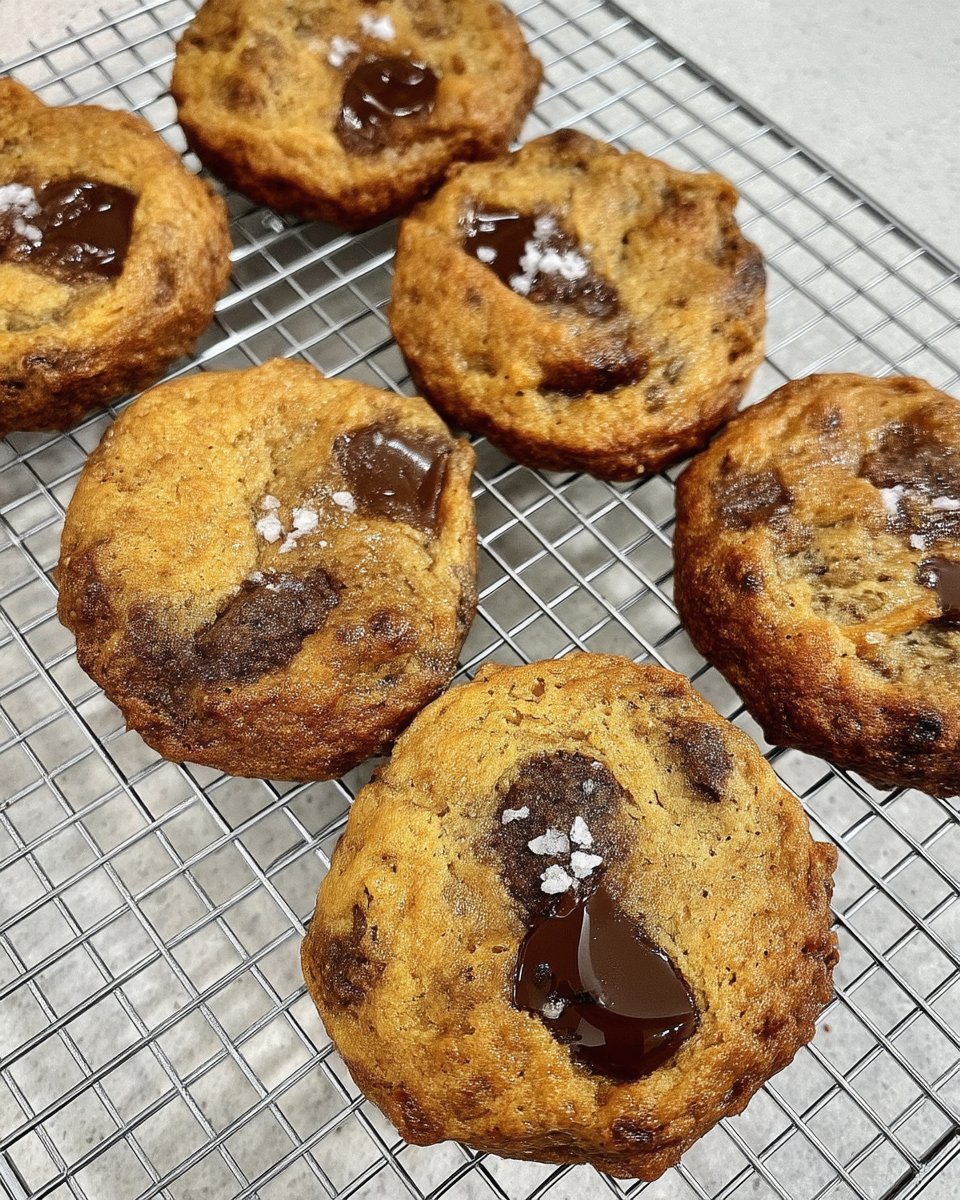
To honor the British biscuit tradition, serve these cookies alongside a strong black tea or a well-pulled espresso. The bitterness of the beverage cuts through the richness of the brown butter and toffee. For a more formal presentation, arrange them on a pre-warmed ceramic plate to maintain the softness of the chocolate. Historically, biscuits of this quality were stored in airtight tin containers to prevent the toffee from absorbing atmospheric moisture and becoming sticky. If you are preparing these for a gathering, you can learn more about aesthetic presentation in our Viral Cookie Analysis. These cookies also pair remarkably well with a sharp cheddar cheese, a combination often favored in Northern English traditions where sweet and savory elements are frequently joined during tea time.
The Technical Truth of the Aged Biscuit
Mastering the Brown Butter Toffee Cookies 2 requires a commitment to technique over speed. By respecting the chemical transformations that occur during the browning of the butter and the long rest of the dough, you produce a cookie that is far superior to standard variations. This recipe is a testament to the fact that when we combine historical wisdom with modern scientific precision, the results are consistently exceptional. For further guidance on finishing your bakes with professional flair, see our notes on Precision Cookie Decorating. We invite you to share your technical triumphs with us on Pinterest, Instagram, and Facebook. Remember, the secret to a perfect bake is not just the ingredients, but the methodical patience you apply to the process.