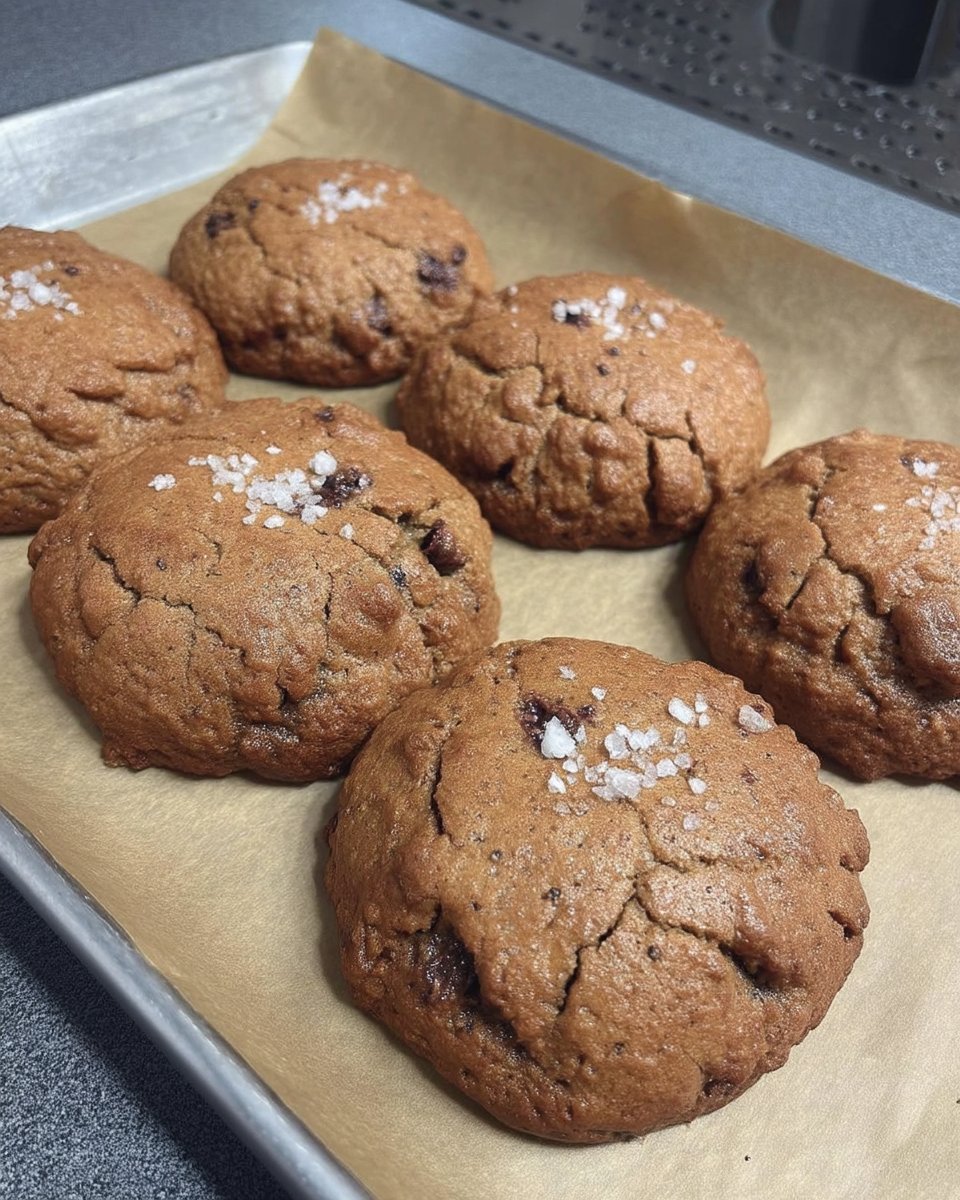
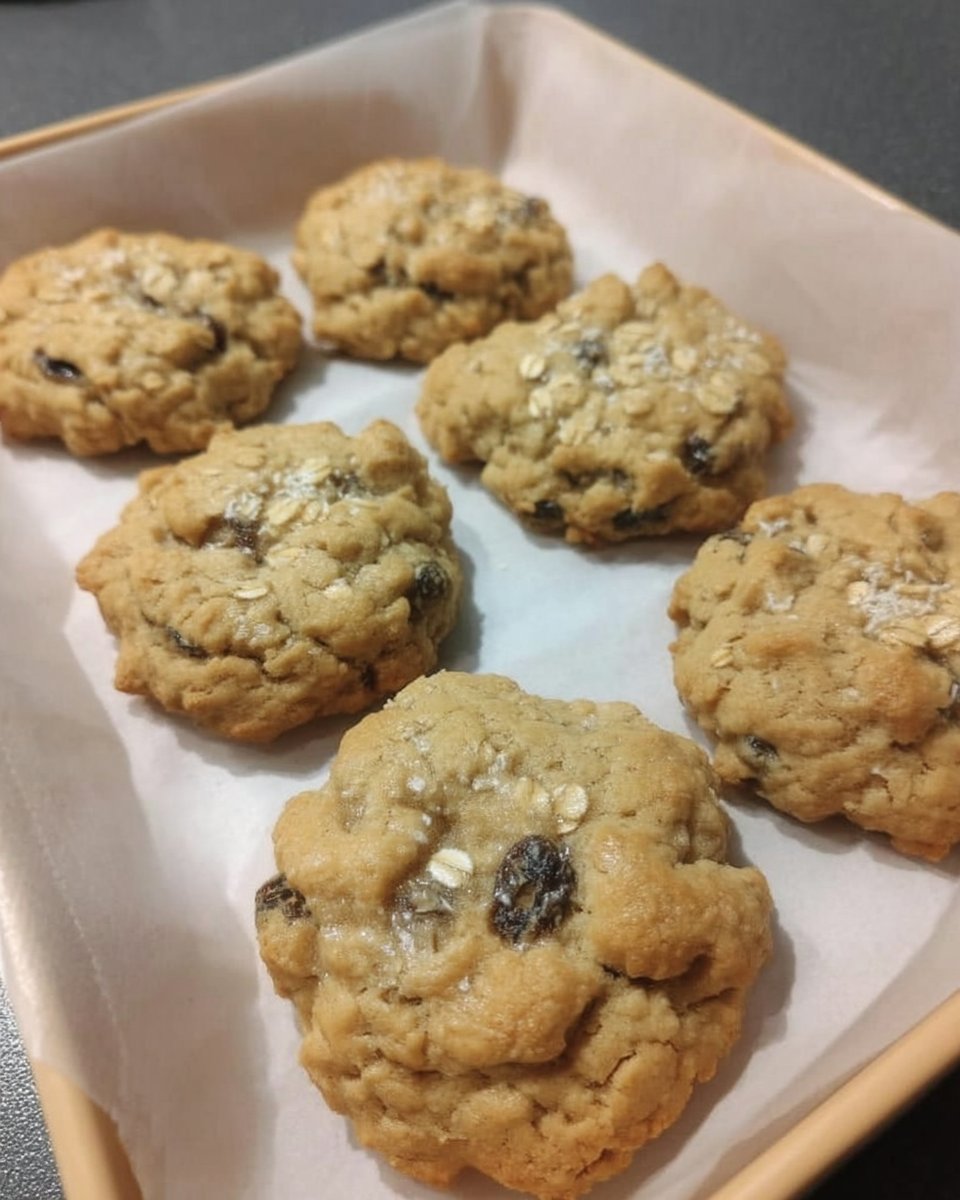
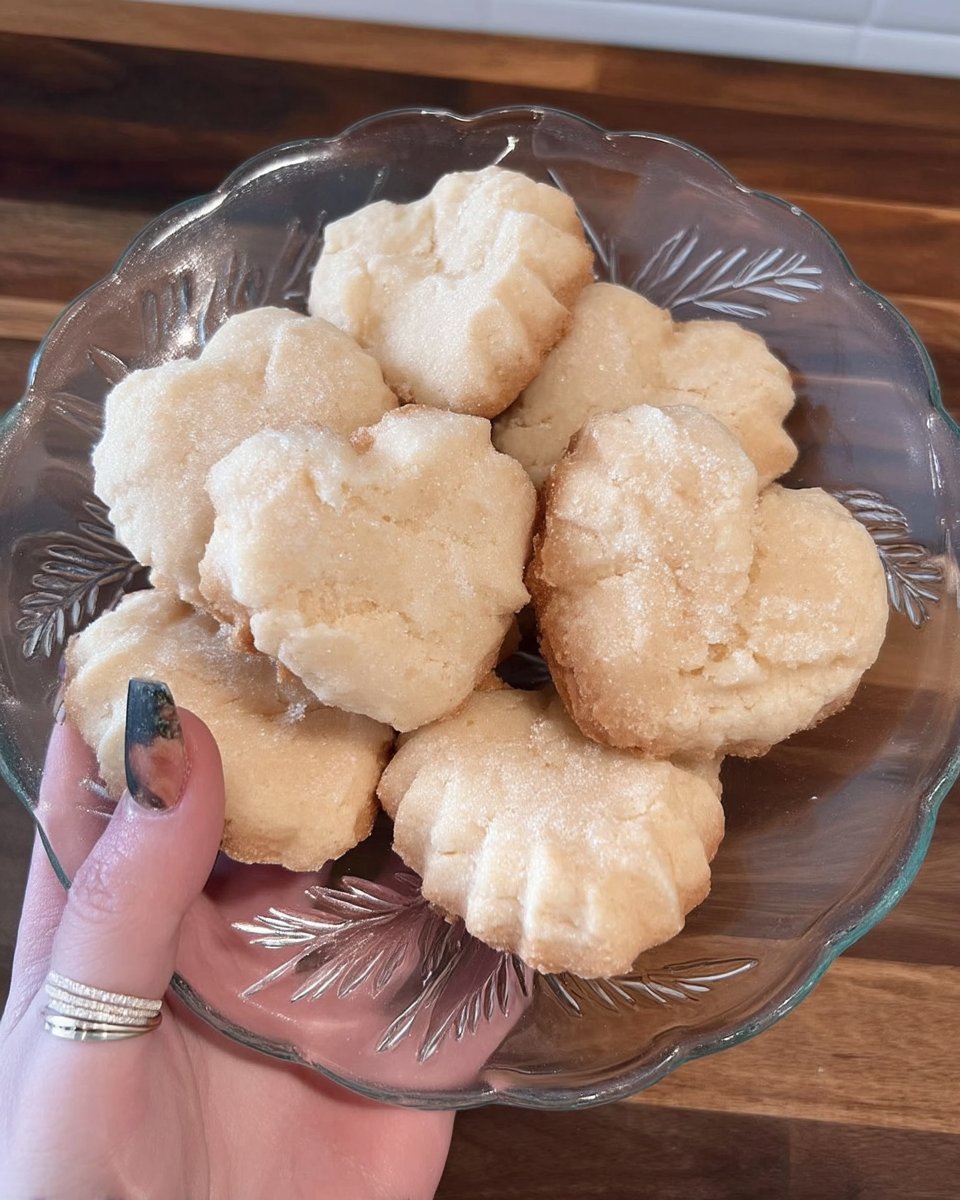
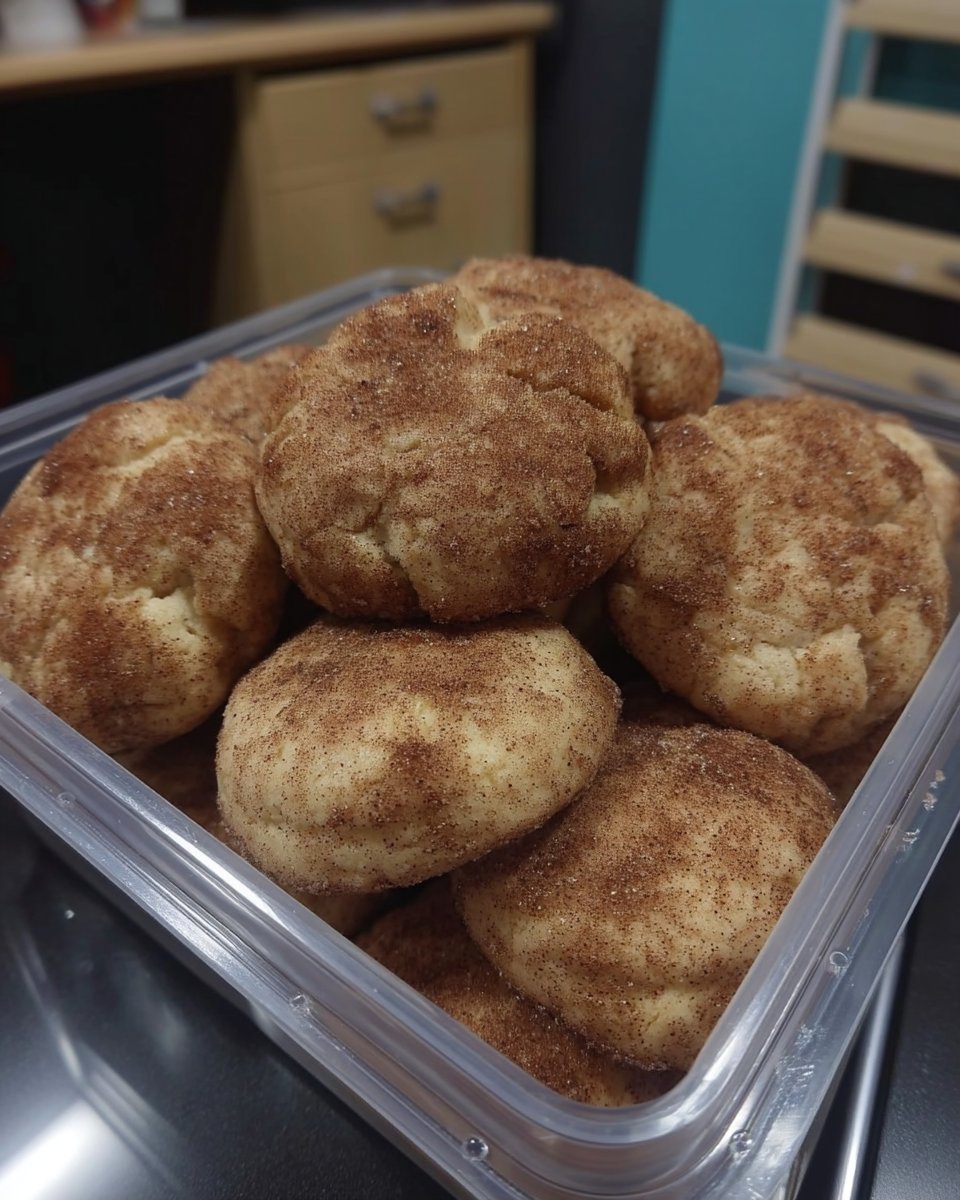
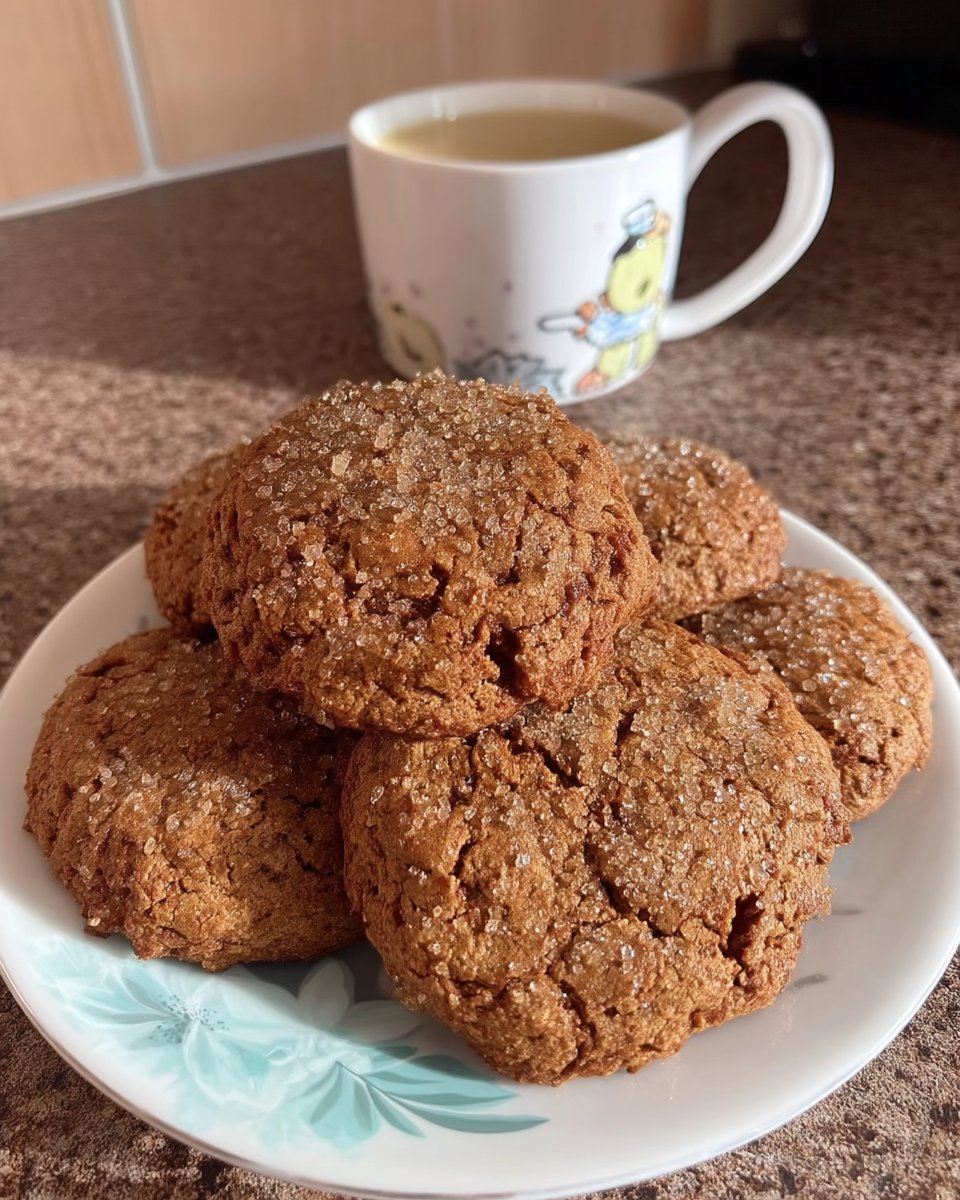
I remember the first time I analyzed the molecular structure of L-theanine in high-grade green tea; it provides that savory umami quality that transforms a standard sweet treat. These Matcha Cookies aren’t just a dessert; they are a study in how earthy, grassy aroma compounds find a perfect partner in the nutty, toasted notes of browned butter.

By manipulating the moisture content through browning our butter and allowing the dough to hydrate, we create a texture that is both chewy and structurally sound. This recipe balances the bitterness of culinary-grade matcha with the creamy sweetness of white chocolate for a sophisticated flavor profile.
The Flavor Science of Earth and Cream
You will find these treats remarkable because they rely on the synergy between complex plant-based bitterness and rich dairy fats. Matcha contains high concentrations of chlorophyll and amino acids that provide a deep, verdant color and a unique flavor profile that standard extracts cannot replicate. When we combine this with the toasted milk solids in browned butter, we create a layered taste experience.
Salt suppresses bitterness, which means the inclusion of sea salt actually helps the floral notes of the matcha shine through without the harshness sometimes associated with tea. The white chocolate chips act as pockets of sweetness that trigger a dopamine response, perfectly offsetting the earthy depth of the green tea. This balance is not accidental; it is a calculated effort to satisfy every part of the palate, from the tip of the tongue to the back of the throat.
Print
Matcha Cookies
- Total Time: 1 hour 32 mins
- Yield: 18 cookies
- Diet: Vegetarian
Description
These vibrant Matcha Cookies combine the earthy depth of culinary-grade green tea with the nutty richness of browned butter and sweet white chocolate. Chilling the dough ensures a thick, chewy texture that perfectly balances sophisticated umami notes with a classic cookie finish.
Ingredients
- 1 cup unsalted butter
- 2 cups plus 2 tablespoons all-purpose flour
- 2 tablespoons culinary-grade matcha powder
- 1 teaspoon baking soda
- 1/2 teaspoon salt
- 3/4 cup light brown sugar
- 1/2 cup granulated sugar
- 1 teaspoon vanilla extract
- 2 large eggs, room temperature
- 1 cup white chocolate chips
Instructions
- Heat the unsalted butter in a light-colored saucepan over medium heat, stirring until it browns and develops a nutty fragrance; remove from heat and let cool.
- In a medium bowl, whisk together the flour, baking soda, salt, and matcha powder until thoroughly combined and free of clumps.
- In a separate large bowl, whisk the cooled browned butter with the light brown sugar and granulated sugar until the mixture is uniform.
- Add the room temperature eggs and vanilla extract to the butter-sugar mixture, whisking vigorously for 60 seconds until light and emulsified.
- Using a spatula, gently fold the dry ingredients into the wet mixture until the flour is just incorporated and a vibrant green dough forms.
- Fold in the white chocolate chips until they are evenly distributed throughout the dough.
- Cover the bowl and refrigerate the dough for at least one hour to allow for hydration and to prevent excessive spreading.
- Preheat your oven to 350°F (175°C) and line baking sheets with parchment paper.
- Portion the dough using a 3-tablespoon scoop and place them on the prepared sheets, spaced 3 inches apart.
- Bake for 10-12 minutes until the edges are set but the centers remain soft.
- Allow the cookies to rest on the baking sheet for 10 minutes to set before transferring to a cooling rack.
Notes
For the most vibrant green color, ensure your matcha is fresh and stored in a dark, airtight container to prevent oxidation. Browning the butter is a critical step for flavor depth, but make sure it has cooled significantly before adding the sugars to prevent the fat from separating. If you prefer a flatter, crispier cookie, you can reduce the chilling time, though the flavor profile is most complex after a full hour of hydration.
- Prep Time: 1 hour 20 mins
- Cook Time: 12 mins
- Category: Dessert
- Method: Baking
- Cuisine: Japanese-American
Scientific Building Blocks of Green Tea Cookies
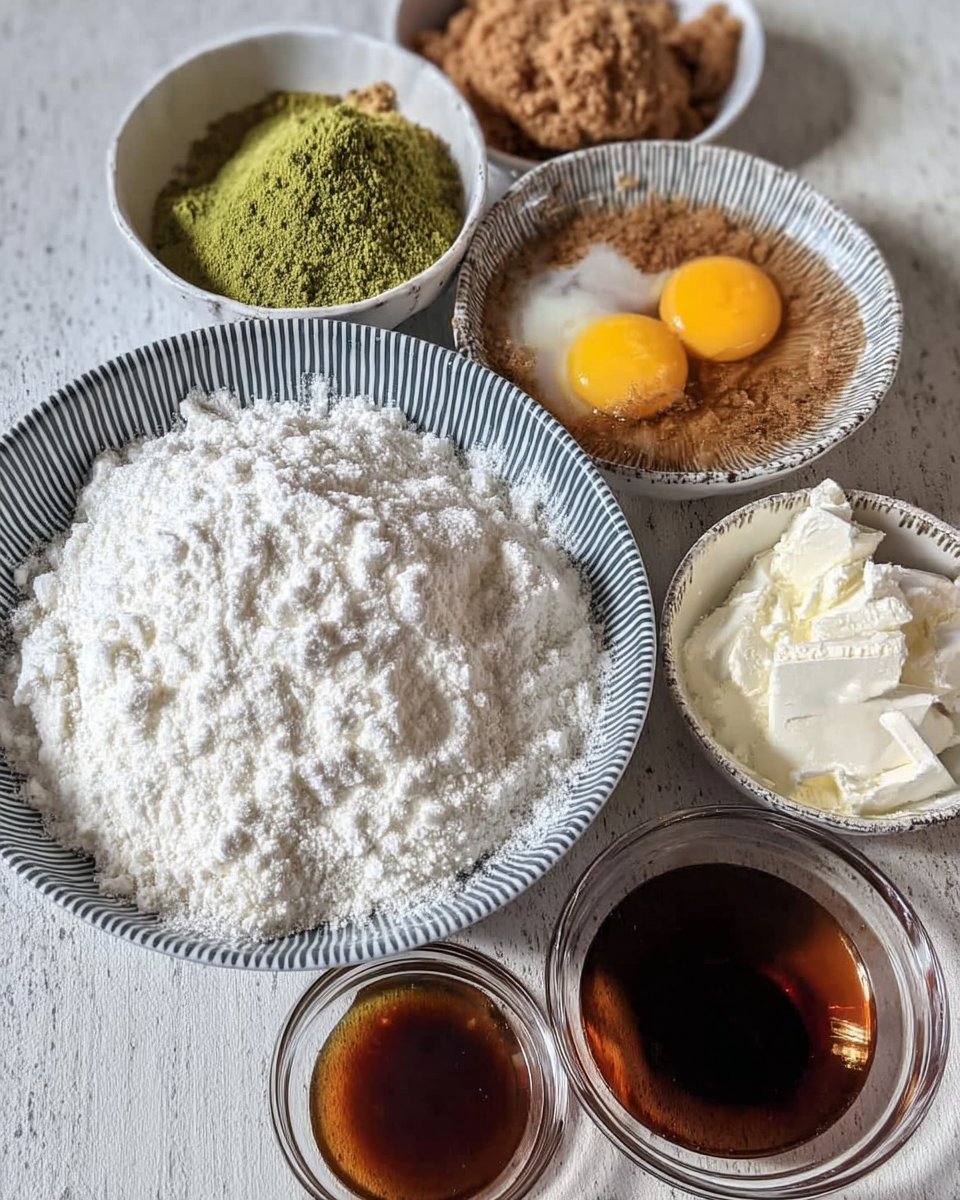
To achieve the perfect balance of flavor and structure, each ingredient must be selected for its specific chemical properties and aroma compounds.
- All-Purpose Flour (2 cups + 2 tbsp): We add the extra two tablespoons to provide a more robust gluten network, preventing the cookies from spreading too thin during the bake.
- Culinary Grade Matcha (2 tbsp): This provides the primary flavor and antioxidant profile. Culinary grade is preferred for baking because its flavor is more concentrated and withstands heat better than ceremonial grades.
- Unsalted Butter (1 cup): We brown this to remove water and create pyrazines—the molecules responsible for that irresistible toasted, nutty aroma.
- Light Brown Sugar & Granulated Sugar: The brown sugar is hygroscopic, meaning it attracts moisture for a chewy center, while the granulated sugar aids in crisping the edges.
- White Chocolate Chips (1 cup): These contain cocoa butter and milk solids that provide a creamy mouthfeel, which helps coat the tongue and soften the impact of the tea’s tannins.
- Vanilla Extract (1 tsp): The vanillin compounds in vanilla amplify the sweetness perception without needing more sugar, making the chocolate notes feel deeper and more complex.
- Eggs (2 at Room Temperature): Room temperature eggs emulsify more easily with the fats, creating a stable dough structure that holds air effectively.
The Layering Process
Step 1: The Maillard Reaction Initiation
Heat your unsalted butter over medium heat in a light-colored saucepan. As the water evaporates, the milk proteins will begin to brown, creating a golden liquid and a nutty fragrance. This process, known as the Maillard reaction, creates the foundational flavor layer for our cookies.
Step 2: Sifting for Aeration and Distribution
In a medium bowl, whisk together the flour, baking soda, salt, and matcha powder. Sifting or vigorous whisking is vital here to break up any matcha clumps, which ensures a uniform green color and consistent flavor distribution throughout the dough.
Step 3: Sugars and Lipid Integration
Combine the cooled browned butter with both the granulated and light brown sugars. Use a whisk to combine them until the mixture looks uniform. The fats will begin to coat the sugar crystals, preparing them for the addition of liquids.
Step 4: Emulsifying the Liquid Phase
Add the eggs and vanilla extract to the butter-sugar mixture. Whisk vigorously for about 60 seconds. You are looking for a light, creamy texture which indicates that the water in the eggs has been properly emulsified with the fats, which is the secret to a perfect chewy-crisp ratio.
Step 5: Folding the Phytochemical Matrix
Slowly add the dry ingredients into the wet mixture using a spatula. Fold gently until the flour is just incorporated and a vibrant green dough forms. Over-mixing at this stage will over-develop the gluten, leading to a tough cookie rather than a tender one.
Step 6: The White Chocolate Inclusion
Fold in the white chocolate chips. These should be distributed evenly so that every bite contains a balance of creamy fat and earthy tea. The lipids in the chocolate will help carry the matcha flavors across your taste buds more effectively.
Step 7: Cold Temperature Hydration
Place the dough in the refrigerator for at least one hour. This allows the flour to fully hydrate and the fats to solidify. If the fat melts too quickly in the oven, the cookies will spread; chilling prevents this, resulting in a thicker, more flavorful cookie.
Step 8: Precise Thermal Preparation
Preheat your oven to 350°F (175°C) and line your baking sheets with parchment paper. Using an oven thermometer is recommended to confirm your temperature is accurate, as even a ten-degree difference can change how the sugars carmelize.
Step 9: Portioning for Uniformity
Use a 3-tablespoon scoop to portion the dough, placing them about 3 inches apart. Uniformity in size ensures that all cookies reach the desired internal temperature at the same time, preventing uneven browning.
Step 10: The Convection Cycle
Bake for 10-12 minutes. The edges should be set, but the centers should still look slightly soft. The residual heat will continue to cook the centers once removed from the oven.
Step 11: Structural Setting Phase
Allow the cookies to rest on the baking sheet for 10 minutes before transferring them to a cooling rack. This allows the internal starches to set, which is crucial for achieving that final chewy texture.
Jasmine’s Flavor Notes
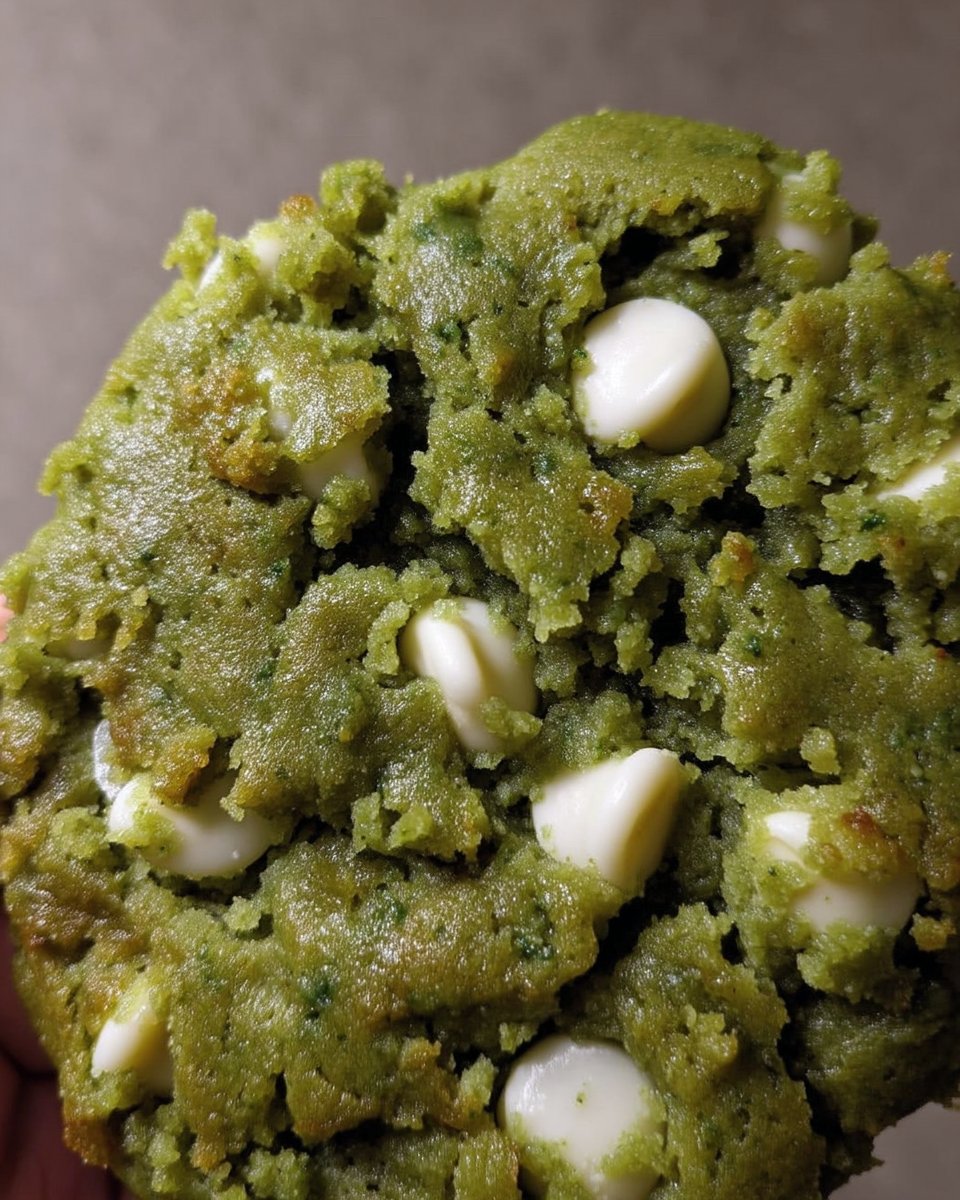
To truly amplify the taste of these Matcha Cookies, pay close attention to the quality of your tea powder. Low-quality matcha can taste like hay or seaweed, while a high-quality culinary grade provides bright, grassy notes. For more on the basics of dough structure and how fat affects your bake, study our Foundation Cookie Recipes. Always store your matcha in a dark, airtight container; light and oxygen degrade chlorophyll, which will cause your cookies to look dull and gray rather than vibrant green. For another take on the matcha-white-chocolate ratio, visit Cooking Therapy. Adding a pinch of flaky sea salt on top immediately after baking can also help trigger the flavor receptors on your tongue, making the sweetness feel more balanced.
Scientific Swaps and Flavor Pairings
You can modify this formula to suit different flavor profiles by understanding which compounds harmonize with green tea. If you want to swap ingredients for seasonal themes, check our guide on Holiday Cookie Science. For a nutty variation, replace half of the white chocolate chips with toasted macadamia nuts. Macadamias share many of the same fatty acids as cocoa butter, maintaining the creamy mouthfeel while adding a distinct crunch. You could also add a teaspoon of lemon zest to the dough; the limonene in the zest pairs naturally with the citrusy undertones found in certain matcha varieties, providing a refreshing lift to the dense, buttery base.
Taste Discovery and Pairings

Serving these cookies at the right temperature is essential for flavor release. When the cookie is slightly warm, the fats are more fluid, allowing the aroma compounds to reach your olfactory sensors more quickly. To understand why certain aesthetics and pairings go viral, look at our Viral Cookie Analysis. I recommend pairing these with a lightly roasted coffee or a jasmine tea. The floral notes in jasmine share linalool compounds with the matcha, creating a beautiful aromatic bridge between the drink and the dessert.
The Final Flavor Truth
These cookies represent the perfect intersection of traditional baking and flavor chemistry. By respecting the hydration needs of the dough and the browning points of the butter, we create a treat that is as intellectually satisfying as it is delicious. For those looking to speed up their workflow without losing flavor, see our Efficient Cookie Methods. We hope you enjoy this scientific approach to baking! Please share your results with us on Pinterest, Instagram, or Facebook.