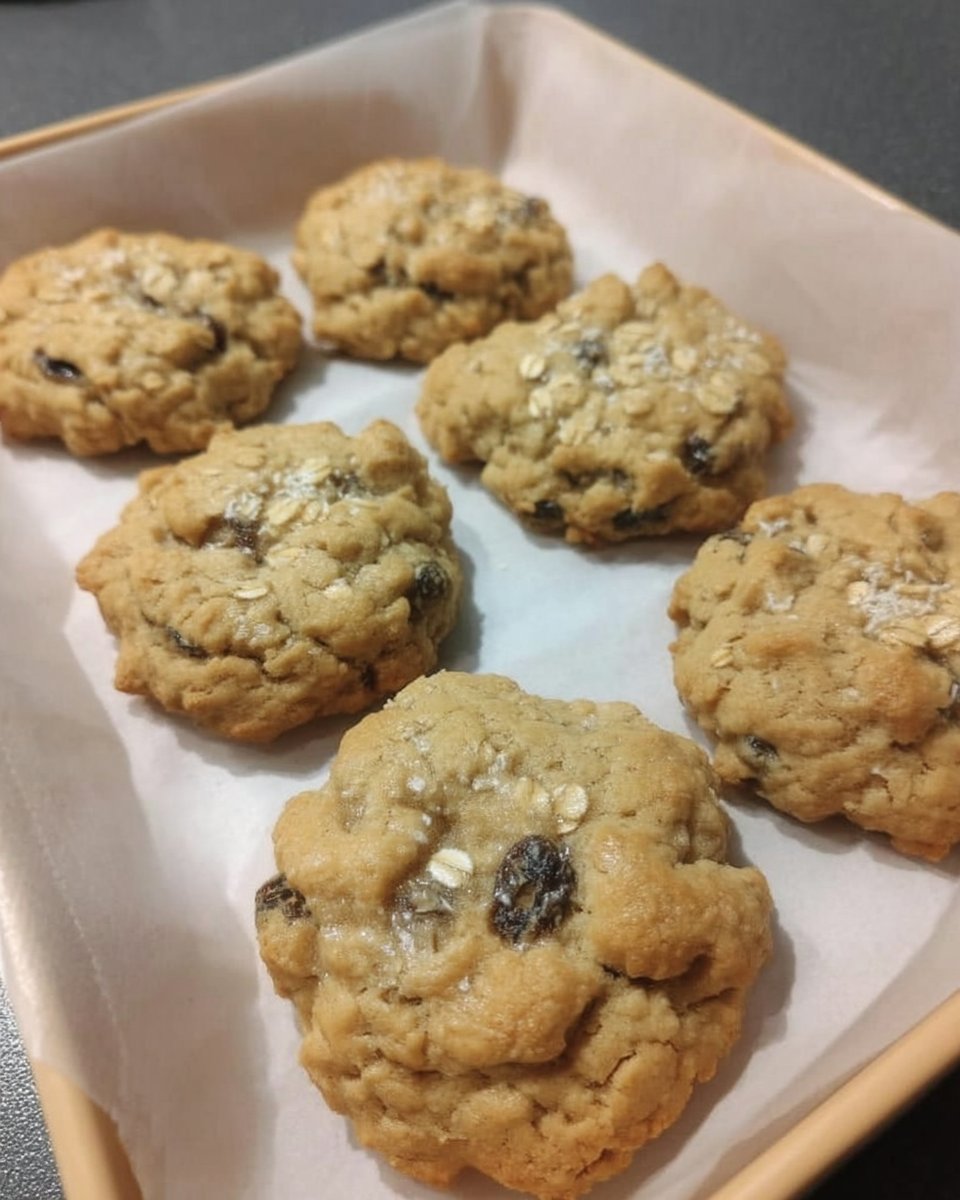
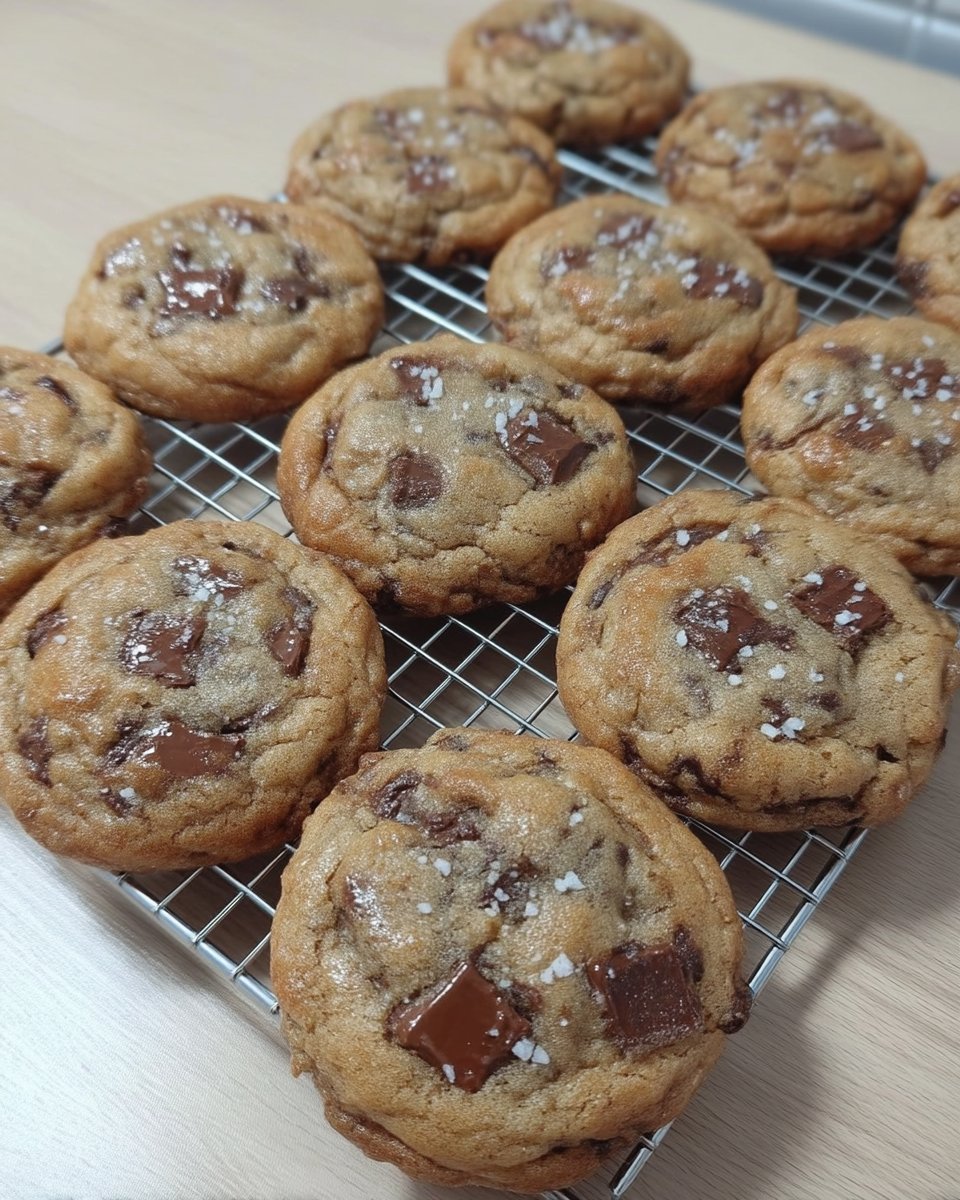
Replicating the crystalline snap of traditional Scottish shortbread without starch is a distinct chemical challenge. In the test kitchen, we discovered that low-temperature dehydration is actually more critical than the bake time itself when working with almond flour. By manipulating the cooling process, we can force the erythritol to recrystallize into a rigid lattice, mimicking the structural integrity usually provided by gluten.

These Keto Shortbread cookies deliver a delicate, buttery crumb with only 2.3g net carbs per serving. By using a precise blend of fine almond flour and chilled butter, we achieve a melt-in-your-mouth texture that rivals any bakery standard while adhering to strict low-carb ratios.
The Science of Texture
This isn’t just a low-carb substitute; it’s a study in fat-to-flour suspension. Traditional shortbread relies on gluten strands coated in fat to prevent toughness. Here, we rely on the high lipid content of almond flour combined with butter to create an ultra-tender crumb. The erythritol sweetener is non-negotiable in this formula; unlike allulose which retains moisture and creates softness, erythritol crystallizes upon cooling, providing the necessary “snap” that defines a true shortbread experience.
Print
Keto Shortbread
- Total Time: 60 mins
- Yield: 12 servings
- Diet: Keto, Gluten-Free
Description
Experience the perfect crystalline snap of traditional shortbread with this scientifically-backed keto version. These buttery, almond flour cookies use a unique low-temperature dehydration technique to ensure a firm, melt-in-your-mouth texture with minimal carbs.
Ingredients
- 2 1/4 cups (250g) blanched, finely ground almond flour
- 2/3 cup powdered erythritol sweetener
- 6 tablespoons chilled butter, cubed
- 1/2 teaspoon xanthan gum
- 1/4 teaspoon salt
- 1 teaspoon vanilla extract
Instructions
- Preheat your oven to 300°F (150°C) and prepare a 9-inch springform pan.
- In a food processor, pulse together the almond flour, powdered erythritol, xanthan gum, and salt until well combined.
- Add the chilled, cubed butter and vanilla extract to the processor; pulse in short bursts until the mixture resembles wet sand and holds together when pinched.
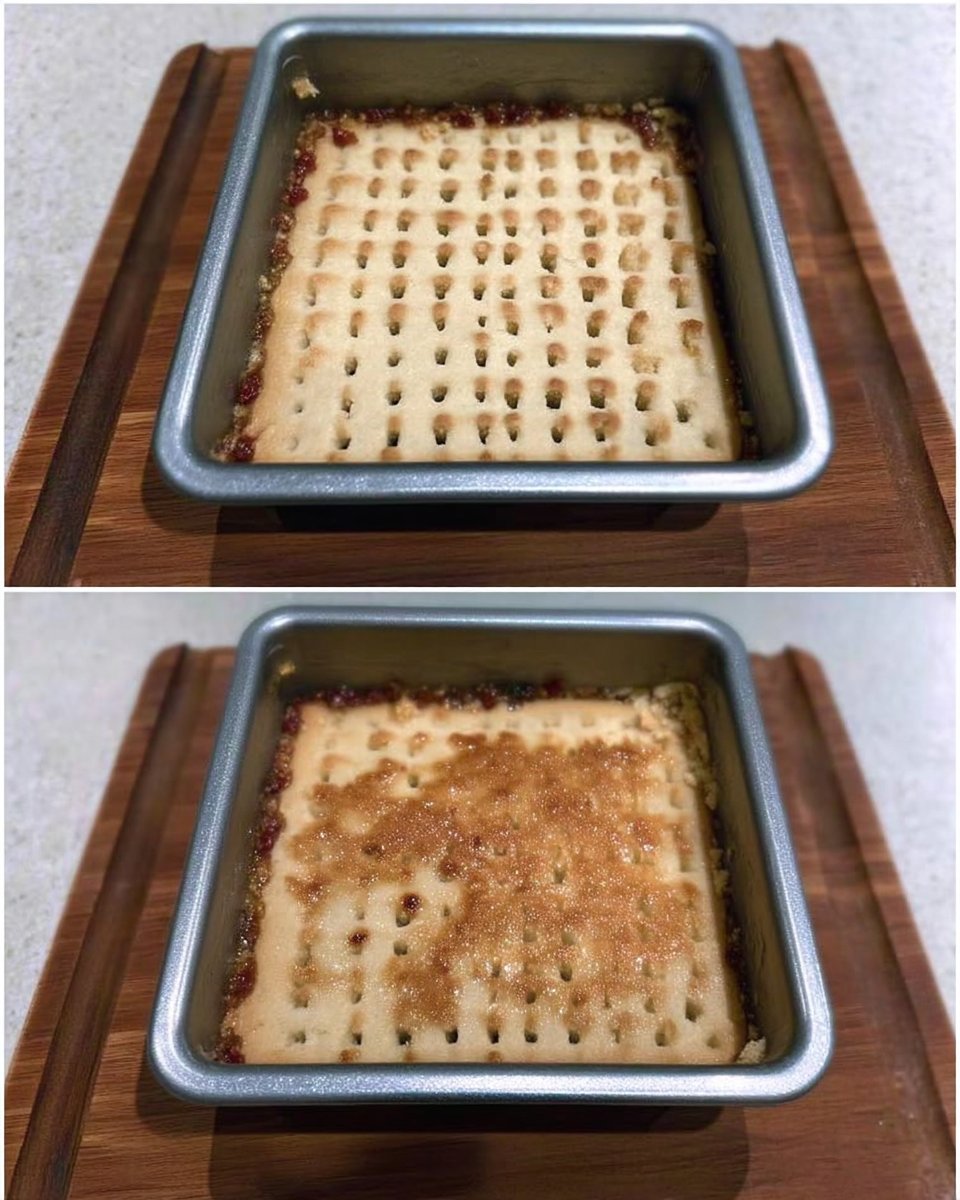
- Press the dough firmly and evenly into the bottom of the springform pan and prick the surface all over with a fork to allow steam to escape.
- Bake for approximately 30 minutes until the edges are lightly golden brown.
- Remove from the oven, immediately cut into wedges or squares, and return the pan to the turned-off oven with the door propped open for 10-20 minutes to dry.
- Allow the shortbread to cool completely in the pan to allow the sweetener to recrystallize before serving.
Notes
To ensure the best results, always weigh your almond flour as volume measurements can vary significantly, which impacts the dough’s hydration. Using a powdered sweetener is essential for a smooth texture, and the final drying phase in the propped-open oven is the secret to achieving the characteristic shortbread snap without over-browning the nuts.
- Prep Time: 10 mins
- Cook Time: 50 mins
- Category: Dessert
- Method: Baking
- Cuisine: Scottish
Precision Ingredients
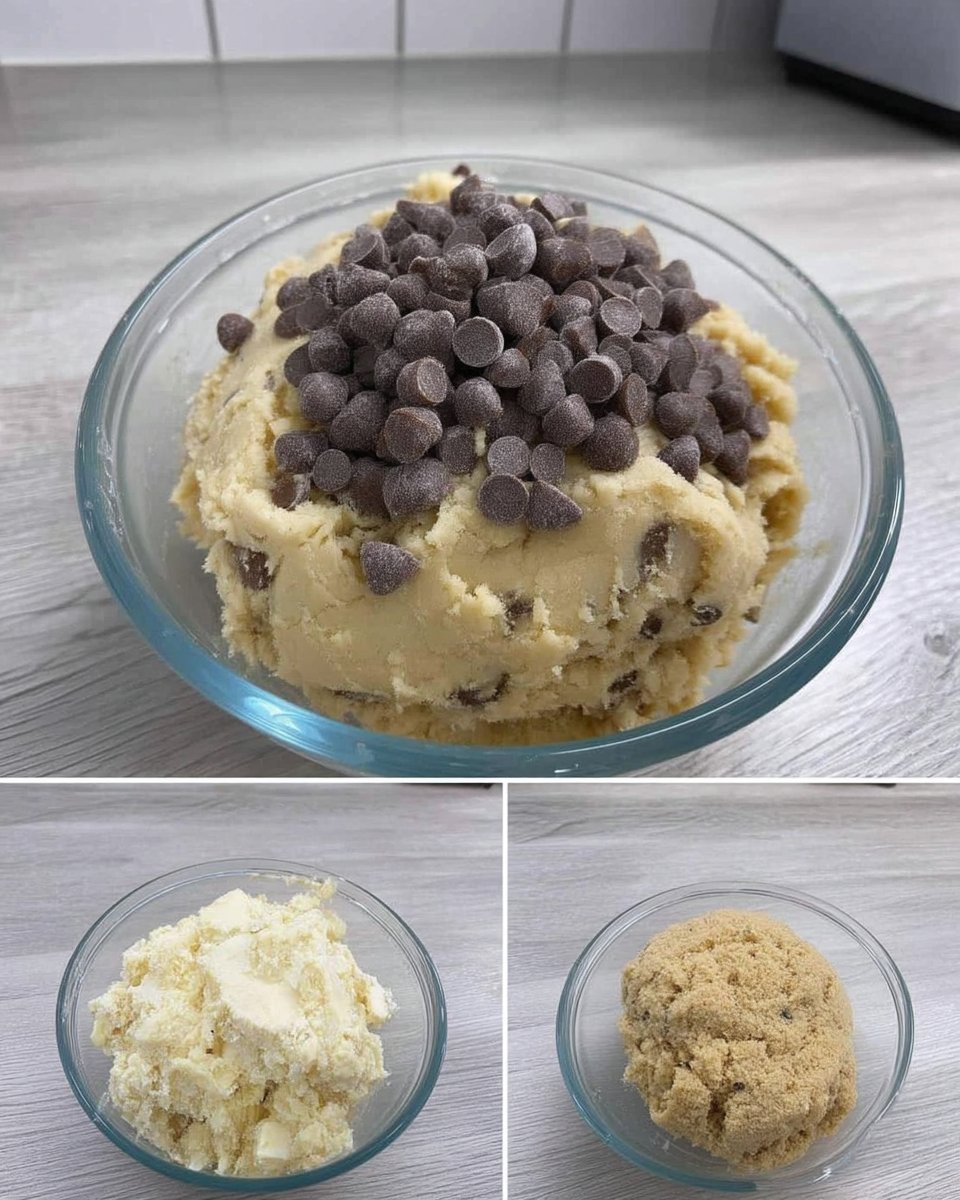
Almond Flour (Blanched, Finely Ground): Texture is paramount here. We use 2 1/4 cups (approximately 250g) of finely ground flour. Coarse meal will result in a gritty cookie because it cannot absorb the butter evenly.
Powdered Erythritol Sweetener: We tested various sweeteners, and erythritol is the only one that hardens sufficiently to mimic sugar’s structure. It must be powdered (2/3 cup) to integrate into the low-moisture dough without leaving granular pockets.
Butter (Chilled): Using 6 tablespoons of cold butter is technically significant. By pulsing cold butter into the flour, we create tiny pockets of fat. In a standard oven, these ensure the almond flour is coated without becoming oily or spreading prematurely.
Xanthan Gum: Since we lack gluten, 1/2 teaspoon acts as our structural scaffolding, preventing the cookies from crumbling into sand after the bake.
The Method
Step 1: Temperature Control
Preheat your oven to 300°F (150°C). This lower temperature is scientifically crucial. Almond flour browns significantly faster than wheat flour due to its oil content. A slow bake ensures the center dries out before the edges burn.
Step 2: The Pulse Technique
In a food processor, combine the almond flour, sweetener, xanthan gum, and salt. Pulse to disperse the gum. Scatter the chilled, cubed butter over the top and add the vanilla. Pulse—do not run continuously—until the mixture looks like coarse crumbs. We are looking for a “wet sand” consistency that holds together when compressed.
Step 3: Compression and Shaping
For wedges, press the dough firmly into a 9-inch springform pan (bottom removed). The pressure is vital to bind the almond meal mechanically. Prick the surface with a fork; this docking allows steam to escape from the dense dough, preventing bubbles.
Step 4: The Dehydration Phase
Bake for about 30 minutes until the edges are golden. Here is the scientific secret: turn the oven off, remove the cookies, recut your lines, and then return them to the cooling oven with the door propped open. Let them sit for 10-20 minutes. This allows residual heat to drive off remaining moisture without darkening the almond flour, setting the structure.
Lauren’s Lab Notes
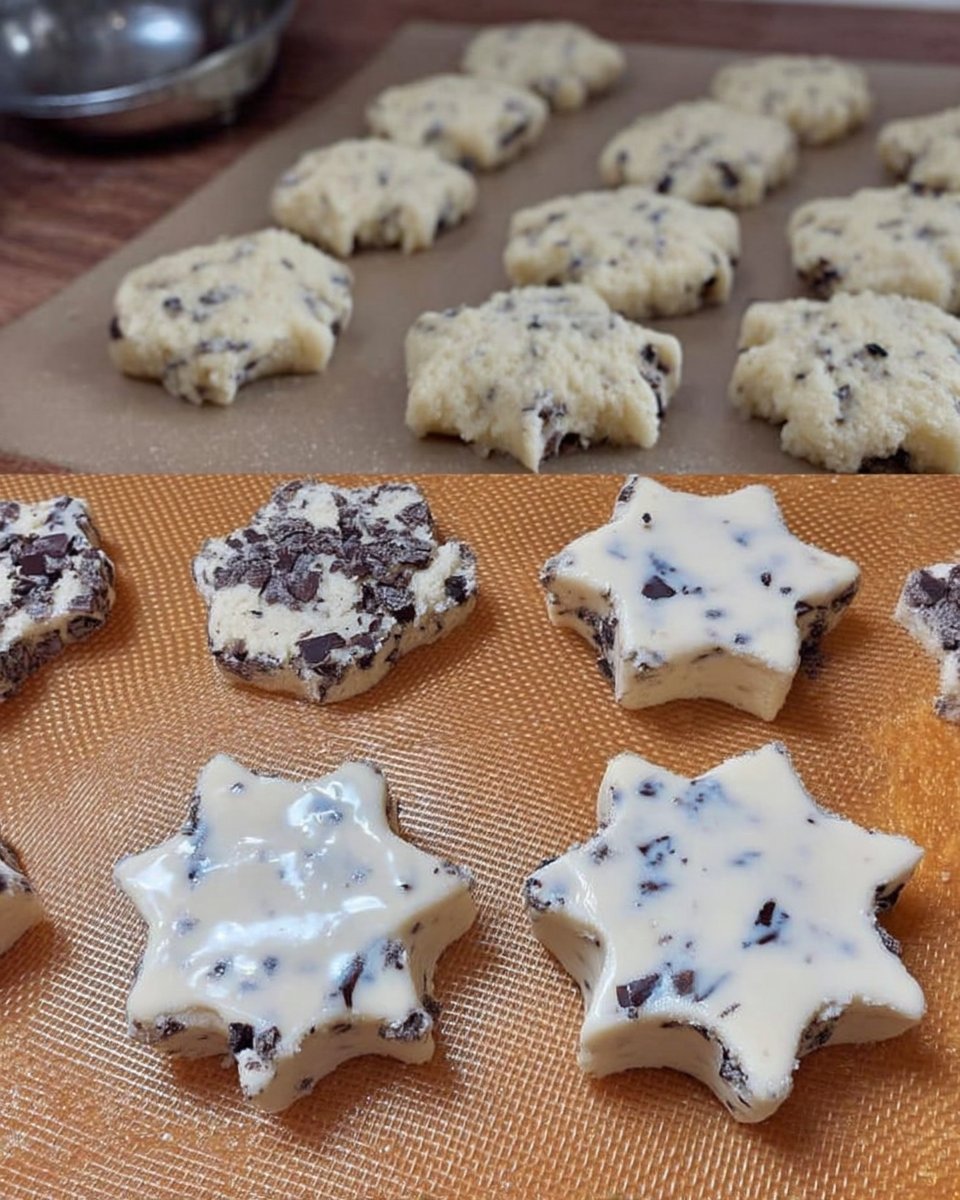
- Cooling is Cooking: Do not attempt to move these while hot. Without gluten, the structure is liquid until the butter solidifies and the sweetener recrystallizes. They require complete cooling on the pan to achieve stability.
- Sweetener Science: If you substitute the sweetener, avoid pure allulose, as it creates a soft, cake-like texture. For more on the chemistry of basics and ingredient functions, review our foundation cookie recipes.
- Measuring Matters: We recommend weighing the almond flour. A dip-and-sweep cup can vary by up to 20%, drastically changing the hydration ratio and resulting in a dry, crumbling dough.
- Inspiration: We cross-referenced our hydration rates against this keto shortbread analysis to ensure our fat ratios maximized crispness.
Tested Modifications
- Citrus Infusion: Rub lemon or orange zest into the granular sweetener before powdering (or before mixing) to release essential oils. This adds flavor without adding acidity that could alter the protein structure.
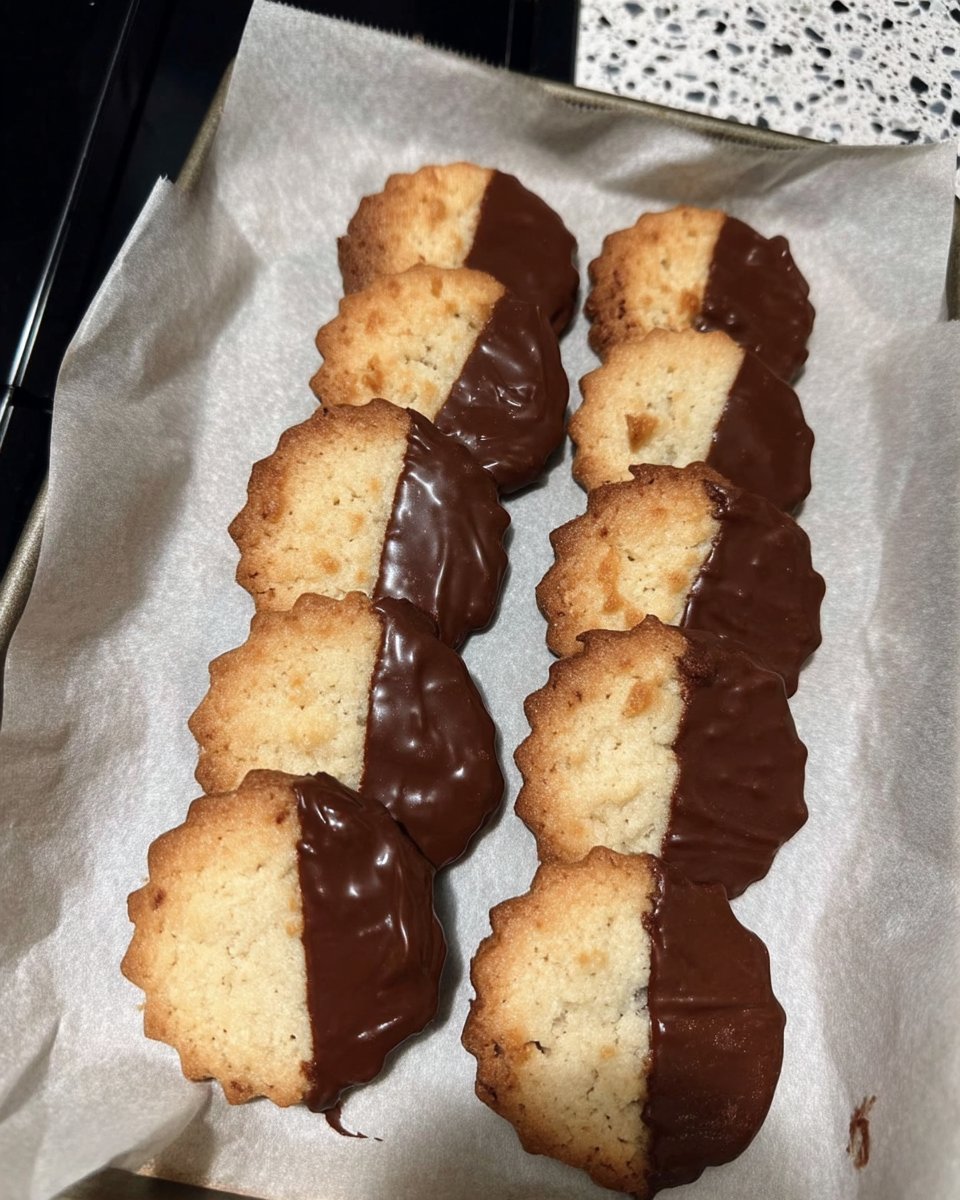
- Chocolate Dipped: Dip cooled cookies in sugar-free dark chocolate. Tempering is less critical here, but ensures a snappy coating that contrasts with the tender crumb.
- Pecan Sandies: Add 1/4 cup finely chopped pecans. Note that the extra oils in pecans may require an additional 5 minutes of drying time in the cooling oven. See our holiday cookie science for more nut-based adjustments.
Optimal Enjoyment

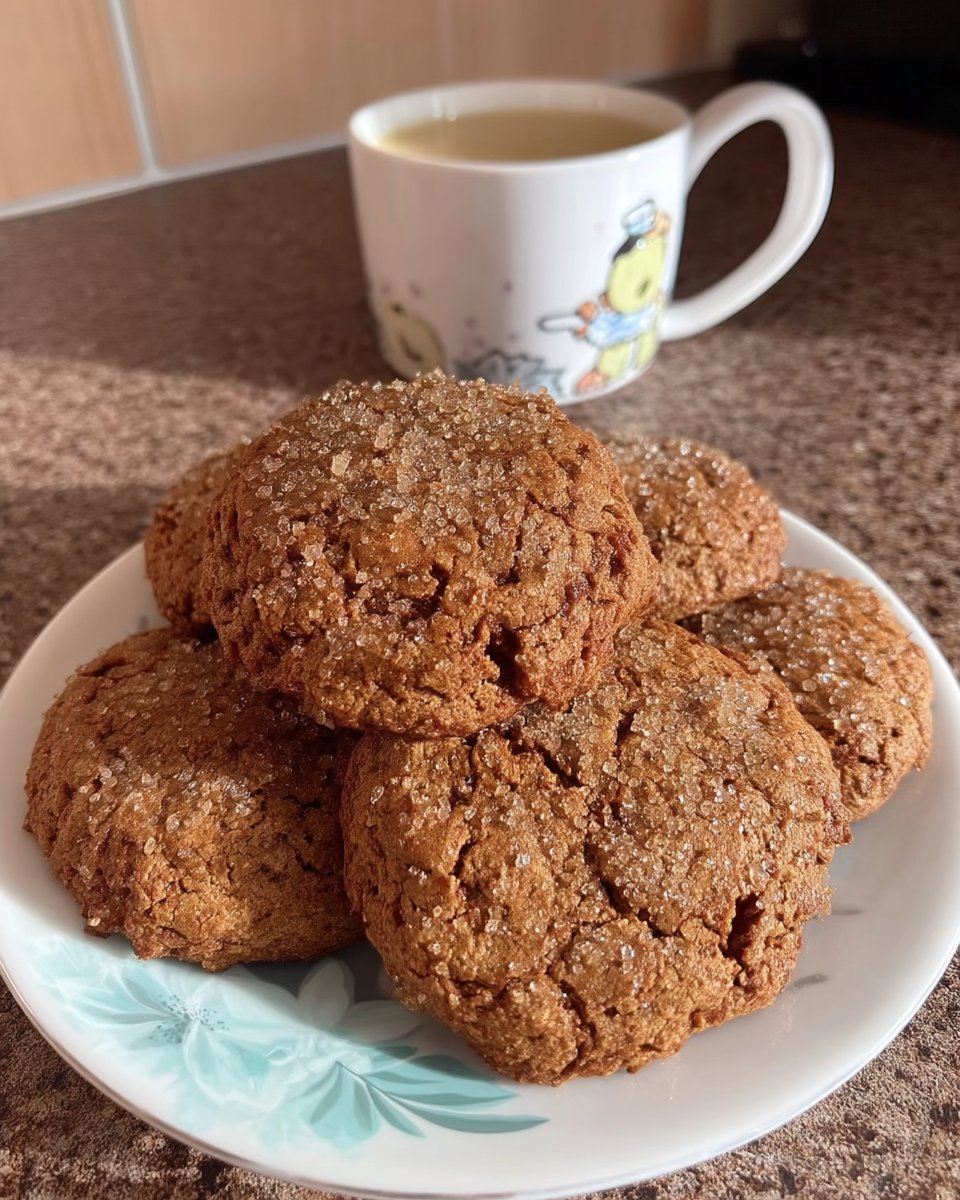
Serve these at room temperature. Cold temperatures suppress the buttery flavor notes, while heat makes the structure fragile. They pair perfectly with hot tea or coffee, as the hot liquid melts the high fat content pleasantly on the palate. For more techniques on serving logistics and presentation, check our guide on efficient cookie methods.
The Scientific Truth
Mastering keto baking is about respecting the properties of alternative flours. These shortbread cookies prove that with the right thermal processing and ingredient ratios, you don’t need wheat to achieve a classic texture. Keep testing your oven hot spots for consistency. For deep dives into other internet trends, see our viral cookie analysis.