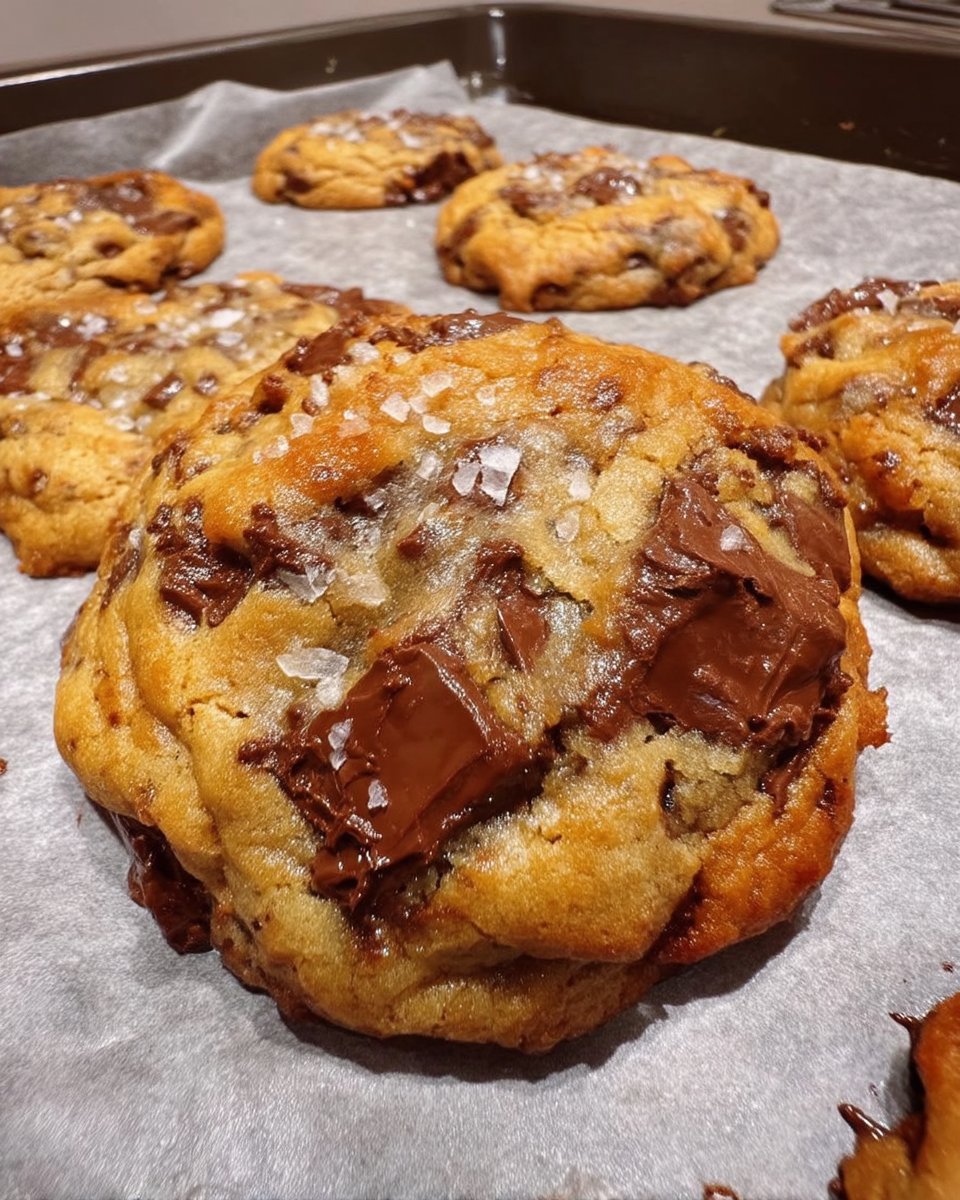
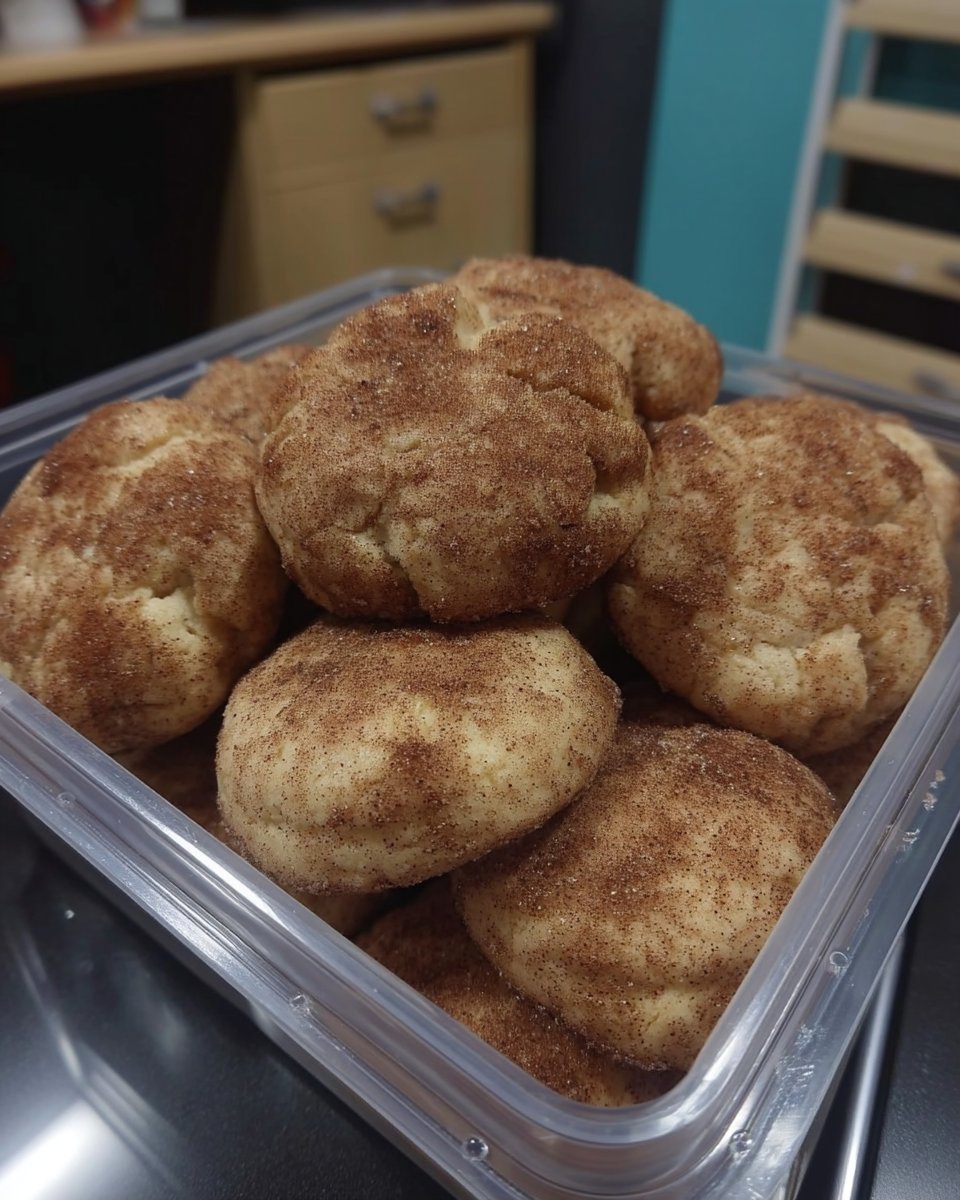
Long before refined cane sugar became a pantry staple, bakers relied on the fructose found in dried fruits to sweeten their goods. This historical method is not merely a rustic substitute; it provides a unique structural integrity to the biscuit. By creating a paste from dates, we achieve a dense, chewy texture reminiscent of traditional British sticky puddings, proving that ancient preservation methods still hold merit in the modern kitchen.

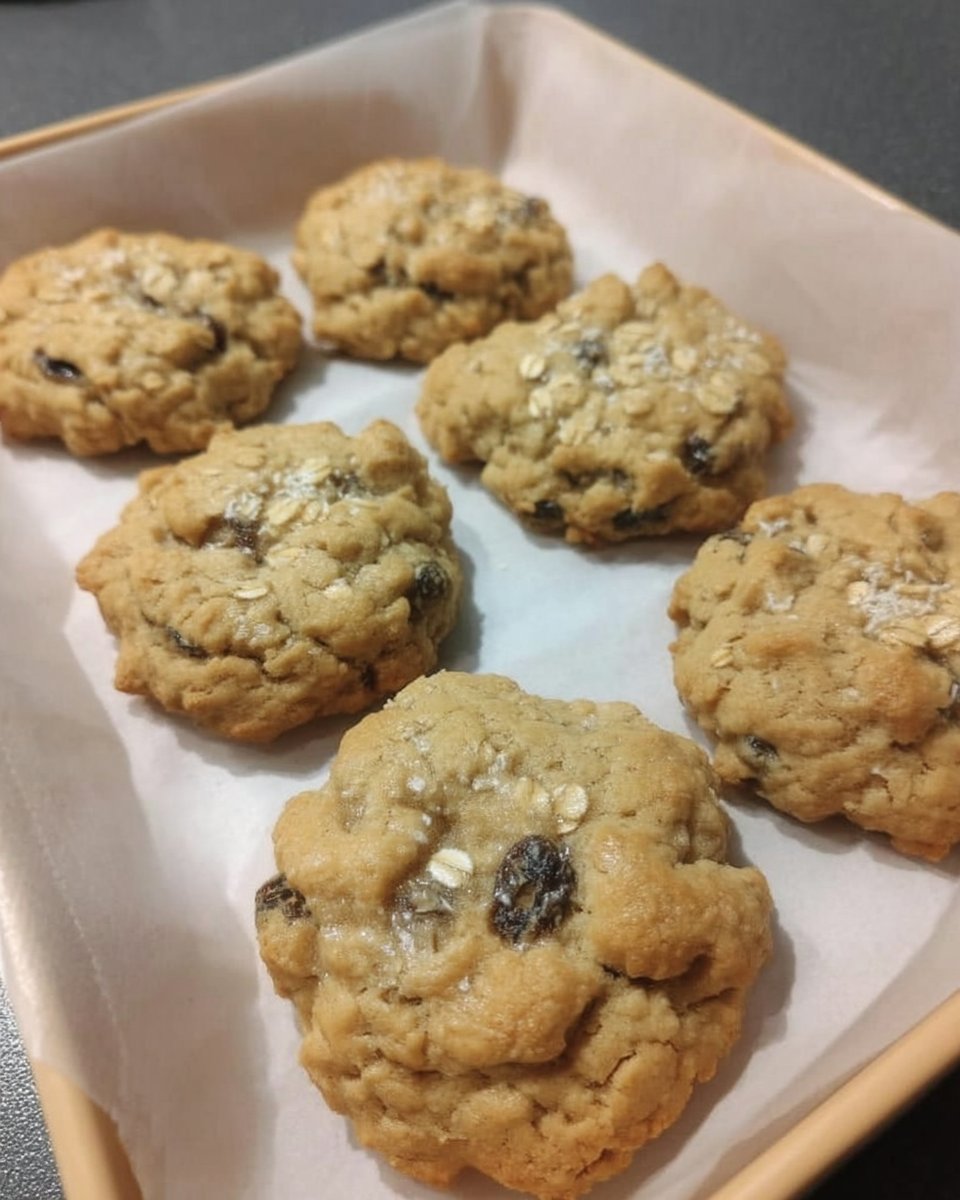
These oatmeal date cookies use that classic technique, blending Medjool dates with butter to form a binding emulsion. The result is a soft, naturally sweetened biscuit that respects the ingredients. It is a straightforward process that balances the earthiness of oats with the caramel notes of the fruit, requiring only a food processor and a bit of patience.
A Return to Classic Ratios
Natural Sweetening Mechanics
Unlike standard creaming methods that rely on crystalline sugar for aeration, this recipe uses a date paste. This traditional approach yields a denser, moister crumb that keeps the cookie soft for days. It is a practical application of hygroscopic ingredients—dates hold moisture far better than granulated sugar.
Texture and Bite
By using old-fashioned oats, we preserve the grain’s integrity. Quick oats would disappear into the dough, but rolled oats provide the necessary chew that defines a proper oat biscuit. The contrast between the soft date binder and the sturdy oat grain is scientifically satisfying.
Efficiency in the Method
While we value tradition, we also value time. Using a food processor to blitz the wet ingredients creates a stable emulsion in seconds, a task that would have taken a Victorian scullery maid much longer with a mortar and pestle.
Print
Oatmeal Date Cookies
- Total Time: 30 mins
- Yield: 12 cookies
- Diet: Vegetarian
Description
These wholesome biscuits utilize the natural sweetness and binding power of Medjool dates to create a dense, chewy treat. By blending fruit into a smooth paste, this recipe avoids refined sugars while maintaining a satisfying texture that perfectly complements the earthy notes of rolled oats.
Ingredients
- 4 oz pitted Medjool dates
- 1/2 cup unsalted butter, softened
- 1/2 large egg, beaten
- 1 cup all-purpose flour
- 1 1/2 cups old-fashioned rolled oats
- 1/2 teaspoon bicarbonate of soda
- 1 teaspoon ground cinnamon
Instructions
- Preheat your oven to 350°F (175°C) and line a large baking sheet with parchment paper.
- Roughly chop the pitted dates and place them in a food processor with the softened butter and half-beaten egg; process until a smooth, uniform paste forms.
- Add the flour, oats, baking soda, and cinnamon to the processor and pulse briefly until the dry ingredients are just incorporated.
- Scoop spoonfuls of dough, roll them into balls between your palms, and place them on the prepared tray, flattening each into a disc.
- Bake for 12–15 minutes until the edges are subtly darkened, then let them rest on the tray for 5 minutes before moving to a wire rack to cool completely.
Notes
To ensure a smooth emulsion, the butter must be completely soft before processing. If your dough feels too tacky after mixing, refrigerate it for twenty minutes to allow the oats to hydrate and the butter to firm up for easier handling.
- Prep Time: 15 mins
- Cook Time: 15 mins
- Category: Dessert
- Method: Baking
- Cuisine: British
The Proper Components
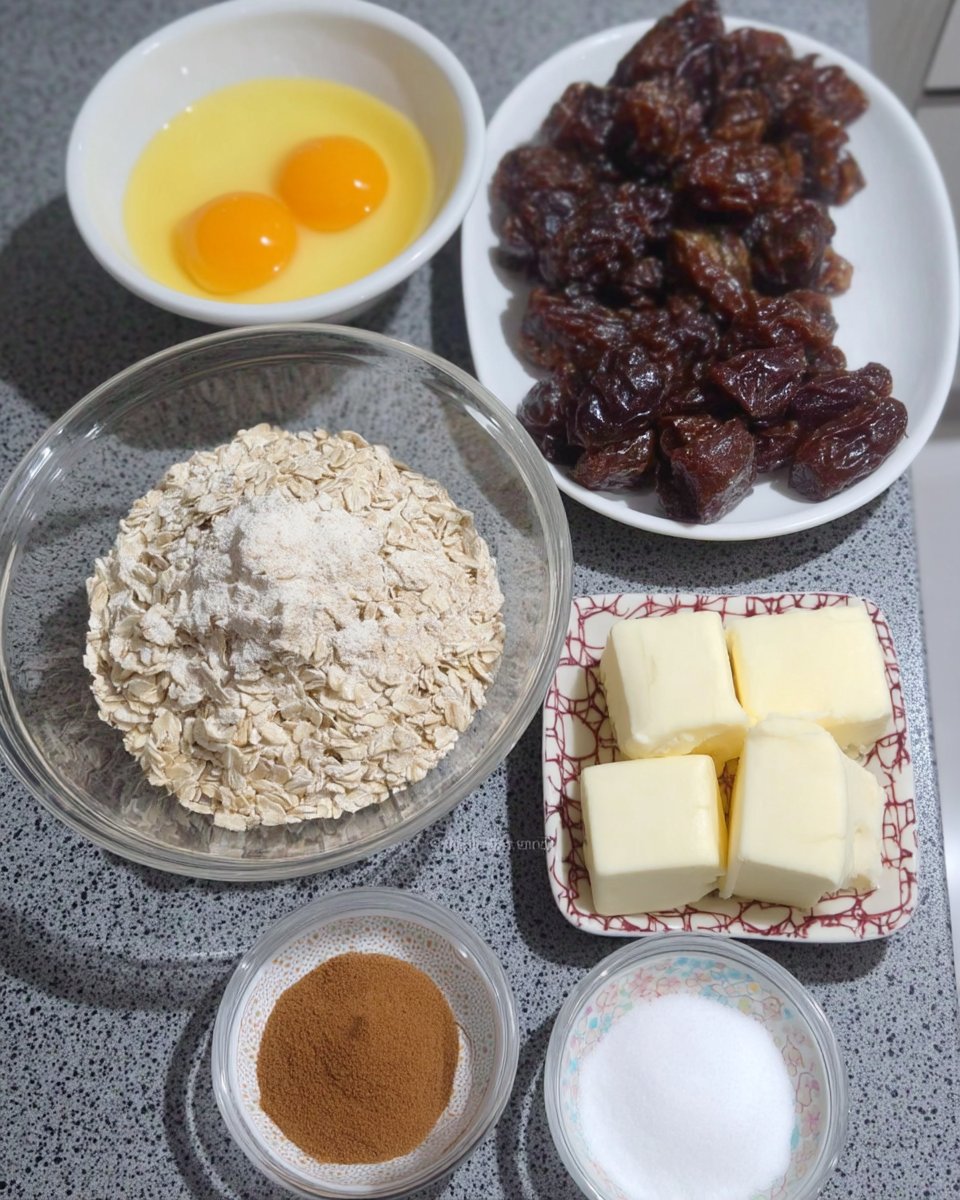
- Medjool Dates: These are the preferred variety for their high moisture content and soft flesh. If you are using drier varieties like Deglet Noor (often labeled just as “dried dates”), you must hydrate them in warm water first to achieve the correct paste consistency. Weight is crucial here: 4 oz pitted.
- Unsalted Butter: Room temperature is essential. If the butter is too cold, it will not emulsify with the dates; too warm, and the dough will be greasy. We want a malleable consistency.
- Old Fashioned Oats: Also known as rolled oats. Do not use quick oats, as they absorb moisture too rapidly and alter the structure. Do not use steel-cut oats, as they will be too hard.
- All-Purpose Flour: Standard plain flour provides the gluten network needed to hold the oats. A lower protein flour works best for tenderness.
- Egg: You only need half an egg (beaten) for this batch size to provide structure without making the dough cakey.
- Cinnamon: A classic spice that complements the natural caramel profile of the dates.
- Bicarbonate of Soda: Provides just enough lift to keep the cookies from being heavy pucks.
The Proper Method
Step 1: Thermal Preparation
Preheat your oven to 350°F (175°C). Proper oven temperature is critical for the Maillard reaction, even in cookies with lower refined sugar content. Line a baking sheet with parchment paper.
Step 2: Creating the Date Emulsion
Roughly chop the pitted dates. Place them in a food processor with the softened butter and the half-beaten egg. Blitz until you have a smooth, cohesive paste. This is your binder and sweetener combined; it should look uniform, without large chunks of date remaining.
Step 3: Binding the Dry Ingredients
Add the flour, oats, baking soda, and cinnamon to the processor. Pulse briefly—just a few times—until the flour is incorporated. Do not over-process at this stage, or you will break down the oats and overdevelop the gluten, leading to a tough biscuit. Alternatively, transfer the paste to a bowl and fold the dry ingredients in by hand for better control.
Step 4: Shaping the Biscuits
The lack of spreading agents (like melting sugar) means these cookies will not change shape much in the oven. Take spoonfuls of dough, roll them gently in your palms to warm the butter slightly, then place them on the tray. Flatten each ball into a disc shape with your palm or a fork.
Step 5: The Bake
Bake for approximately 12–15 minutes. Watch for a slight darkening at the edges. Since there is no white sugar to caramelize dramatically, the color change will be subtle. Remove from the oven and allow them to set on the tray for 5 minutes before transferring to a wire rack. They stiffen as they cool.
Jordan’s Technique Notes
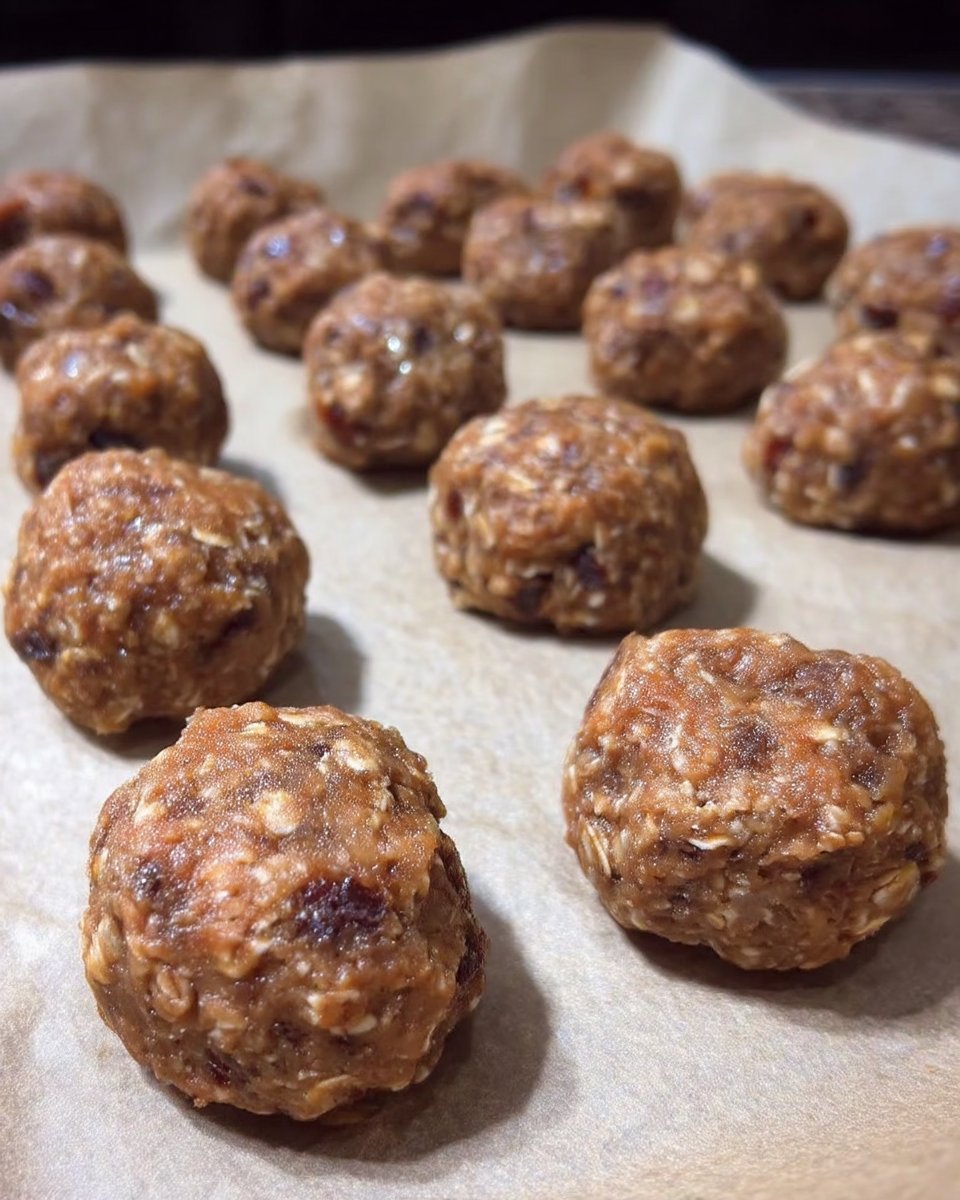
- Hydration is Key: If your dates are old or dry, the dough will be crumbly. Soak dry dates in boiling water for 10 minutes, then drain thoroughly before weighing and blending. This restores the moisture balance needed for the emulsion.
- Temperature Control: If your kitchen is warm and the dough feels sticky handling, chill the mixture for 20 minutes. This relaxes the gluten and firms the butter. You can find more on dough physics in our Foundation Cookie Recipes.
- The Scoop: Use a mechanical cookie scoop for uniform sizing. Uniform mass ensures equal baking time, a principle of precision baking.
- Reference Source: This method of using a date paste base is a classic technique, similar to the sugar-free date oatmeal cookies found at Caroline’s Cooking, which confirms the reliability of this ratio.
Classic Adaptations
- Nut Inclusion: For added crunch and protein, fold in 1/4 cup of chopped walnuts or pecans after the main mixing is done. This adds a fatty mouthfeel that pairs well with the dates.
- Spice Blends: While cinnamon is traditional, a pinch of nutmeg or ground cardamom adds a complex, warming note suitable for winter months. This aligns with principles we discuss in Holiday Cookie Science.
- Fruit Variations: You can substitute half the dates for dried figs, provided you remove the hard stems and hydrate them well. This changes the flavor profile to something more Mediterranean but maintains the structure.
Traditional Service
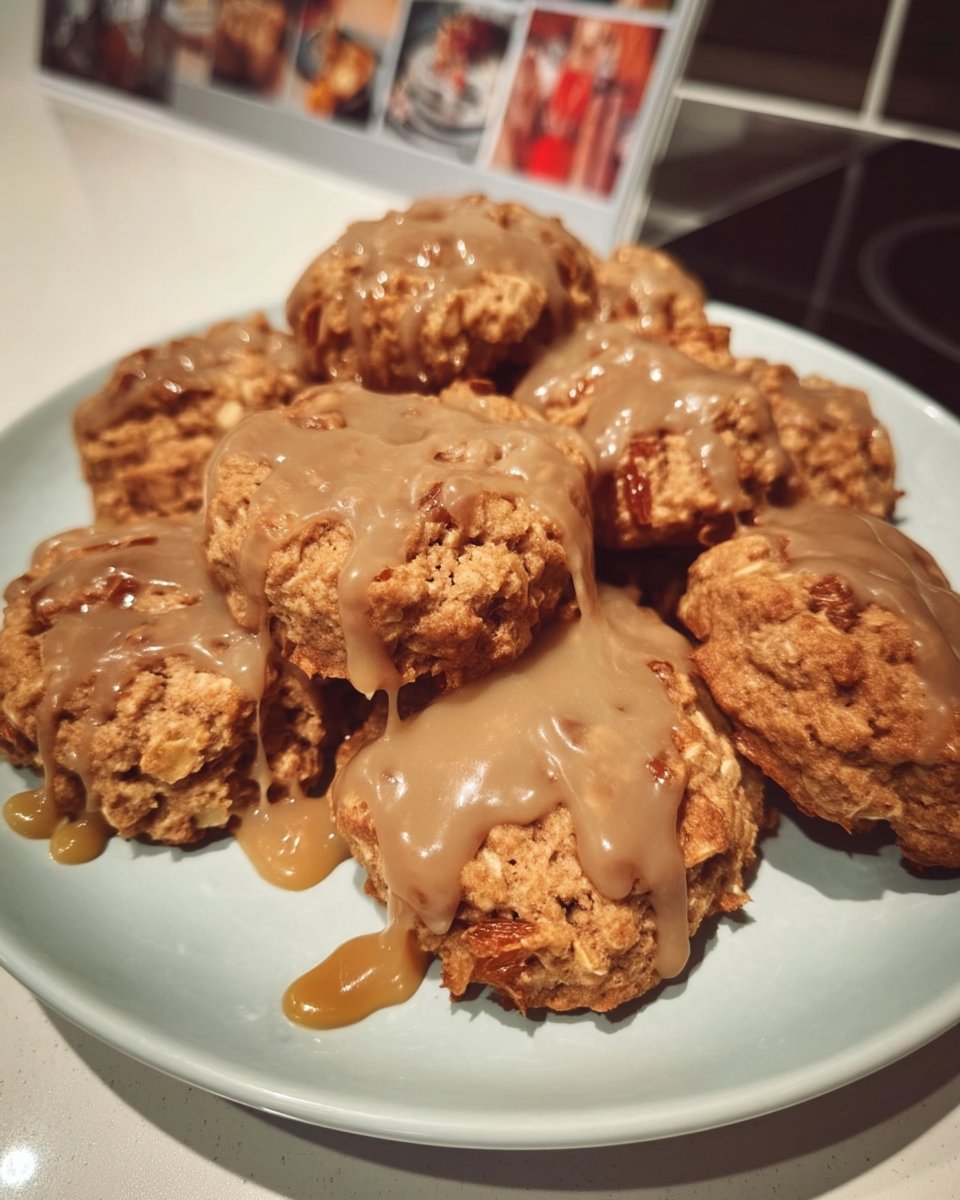
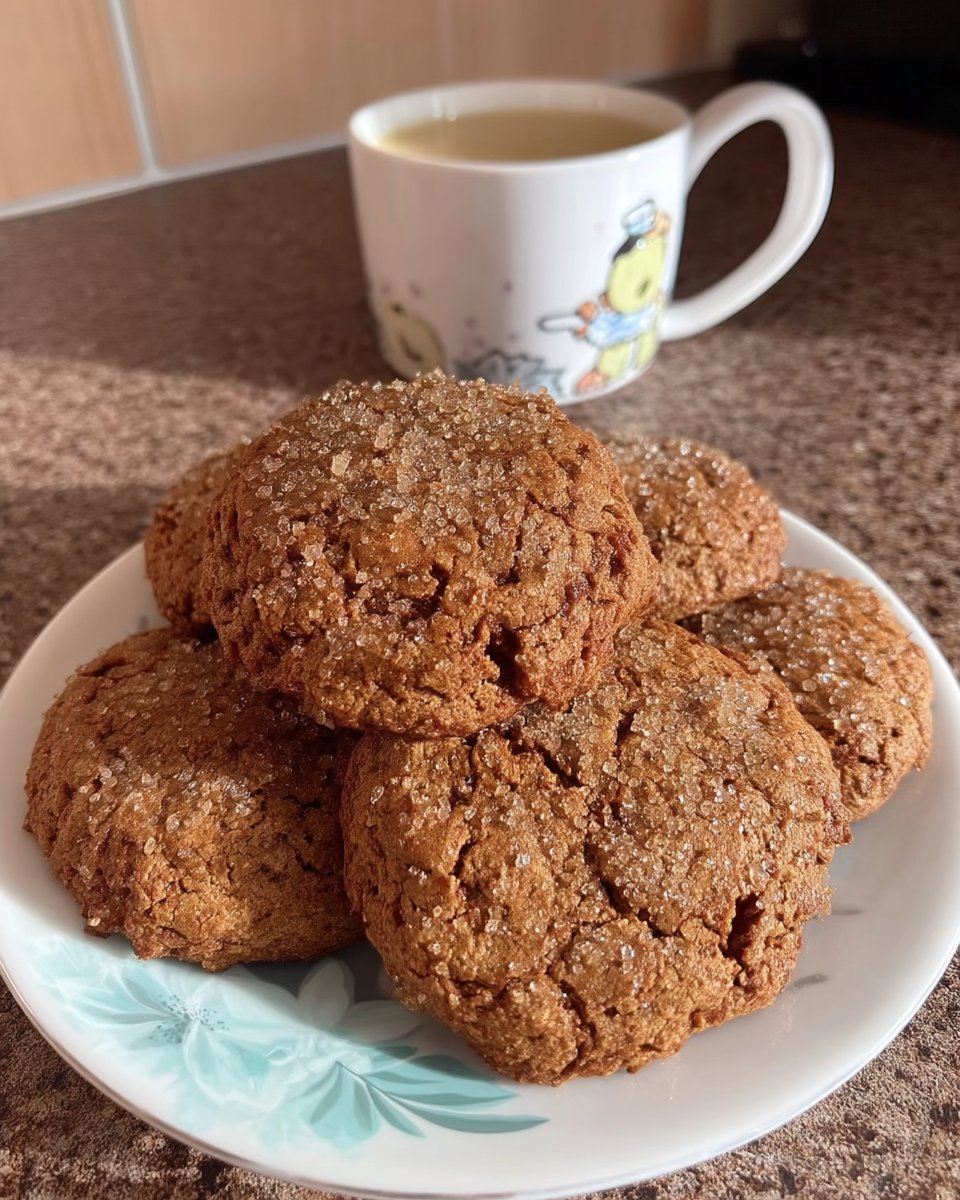
These biscuits are robust and less sweet than modern confectionary, making them an ideal companion for a strong cup of builder’s tea or coffee. The oats hold up well to dipping.
For a dessert presentation, serve warm with a dollop of clotted cream or unsweetened Greek yogurt to cut through the density of the dates. While these are rustic and require no Precision Cookie Decorating, presenting them on a proper ceramic plate honors their heritage.
The Technical Truth
Mastering the use of fruit purees as a sugar substitute is a valuable skill for any baker. It teaches us about hydration and binding ratios beyond the standard butter-sugar-flour triangle. These oatmeal date cookies are a testament to the fact that historical methods often carry scientific weight, providing superior moisture retention and flavor complexity.
For more insights into streamlining your baking process, explore our Efficient Cookie Methods. If you attempt this recipe, do share your results with us on Pinterest, Instagram, or Facebook.