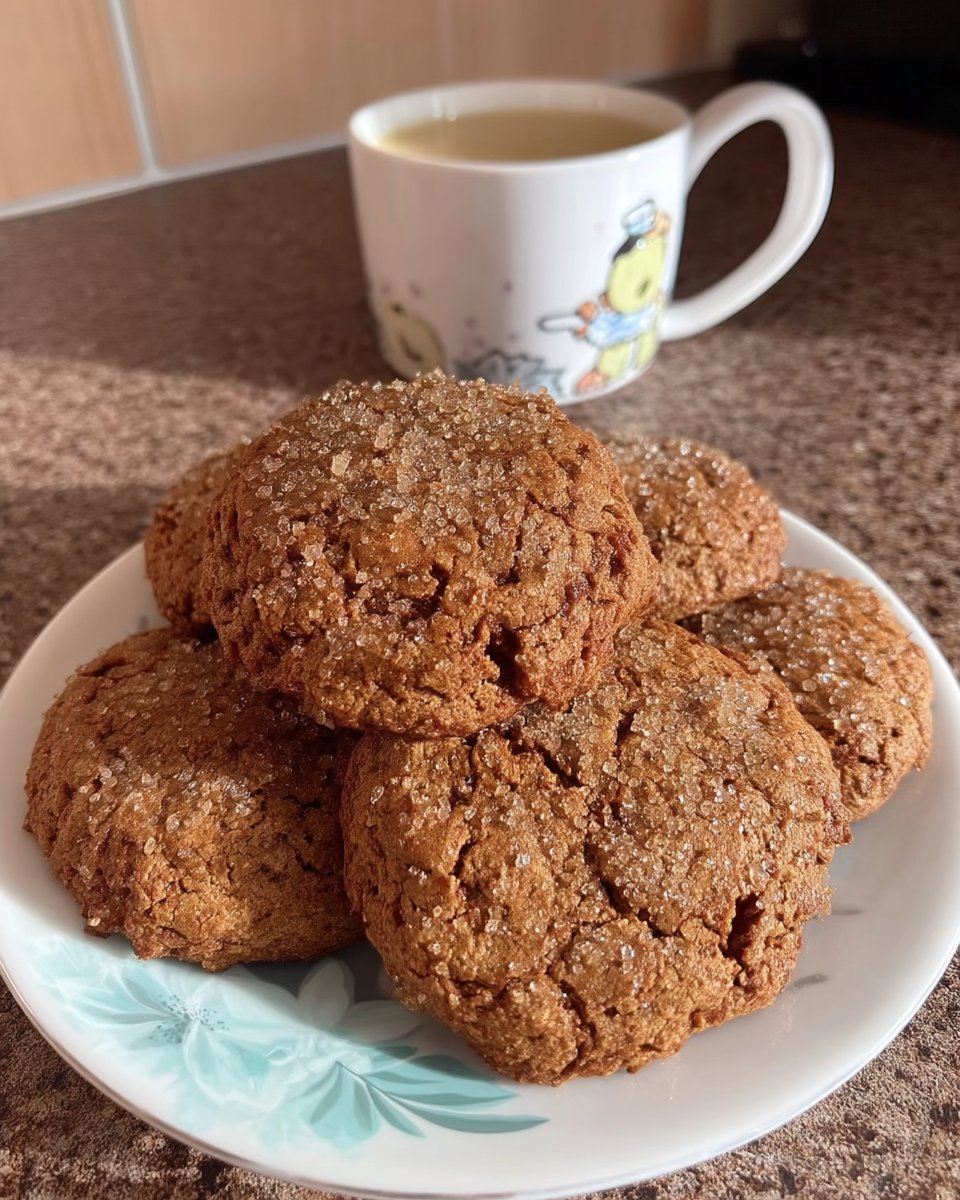
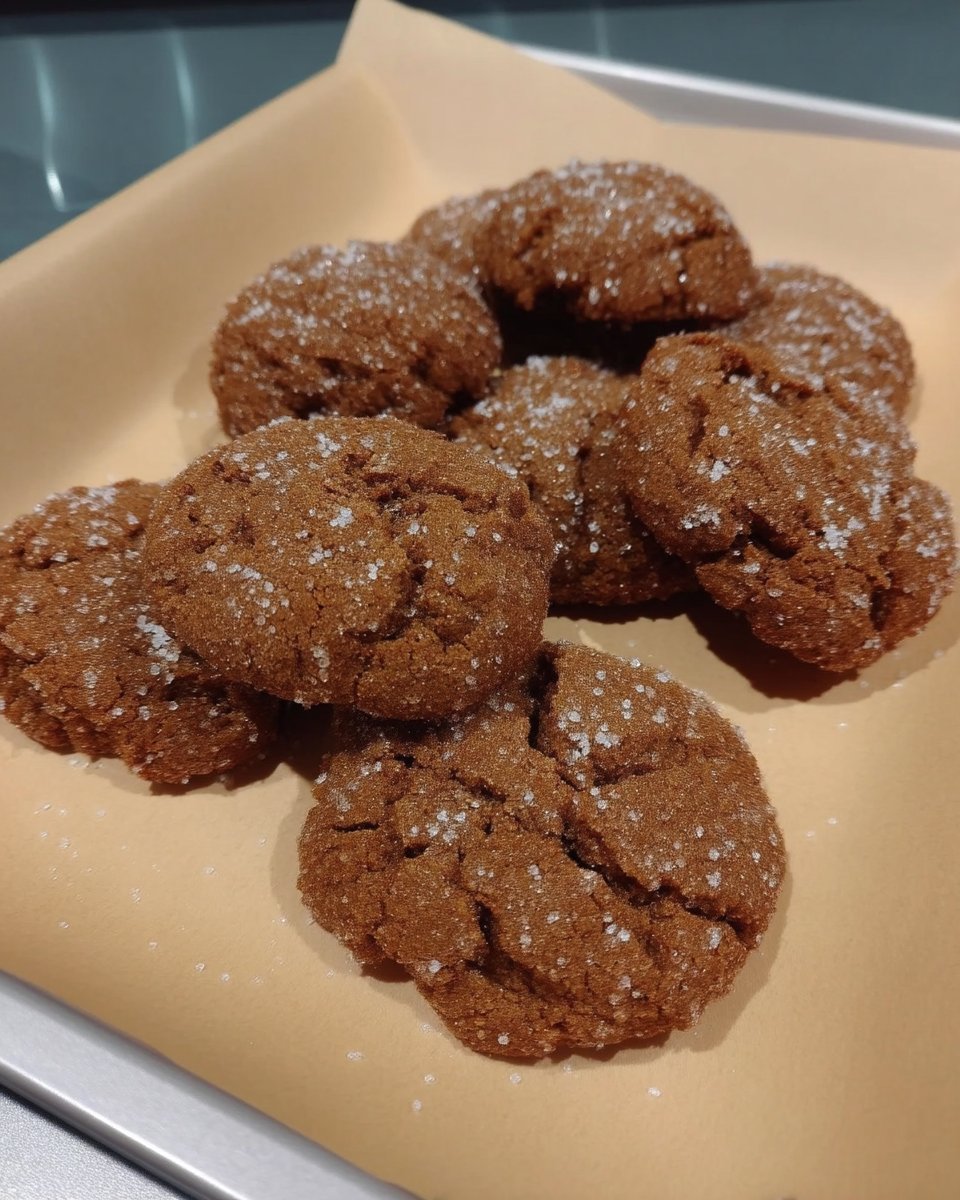
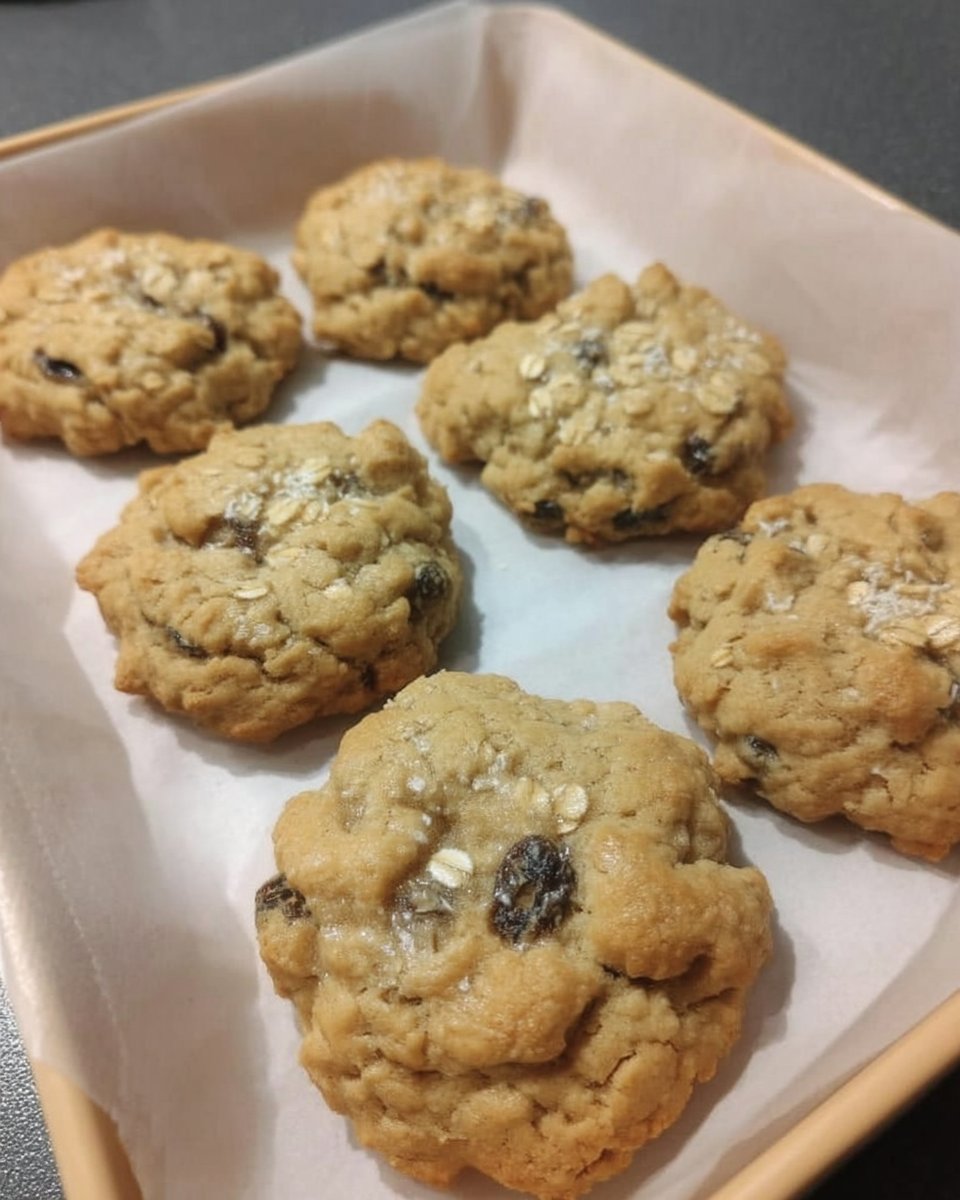
We spent weeks in the test kitchen analyzing the structural differences between standard shortbread and German Heidesand. The breakthrough came when we realized the key to that signature sandy texture lies in the flour-to-butter ratio and the specific mixing speed. By keeping the dough agitation low, we prevent excess gluten development, resulting in a cookie that literally dissolves on the tongue.

Heidesand are traditional German cookies, famous for their crumbly, sand-like texture and crunchy pearl sugar coating. While often served during the holidays, their buttery richness and nutty whole wheat profile make them a perfect scientific study in texture contrast year-round.
The Science of the Sandy Crumb
You will love this recipe because it masters the physics of texture. Unlike chewy cookies that rely on moisture and gluten development, Heidesand relies on a high fat content and ‘short’ dough structure. The coarse whole wheat flour physically interrupts the protein network, ensuring the cookie remains tender rather than tough. Additionally, the pearl sugar rim provides a necessary textural intercept, offering a satisfying crunch that contrasts with the melting crumb.
Print
Heidesand
- Total Time: 1 hour 15 mins
- Yield: 48 cookies
- Diet: Vegetarian
Description
Discover the science of the perfect sandy crumb with these traditional German Heidesand cookies. Crafted with whole wheat flour and a crunchy pearl sugar rim, these buttery treats offer a sophisticated texture that melts in your mouth.
Ingredients
- 220g butter, cool room temperature (18°C/65°F)
- 120g caster sugar
- 1 large egg
- 375g whole wheat flour
- Pearl sugar, for coating
Instructions
- Attach the K beater to a stand mixer and combine butter, caster sugar, egg, and whole wheat flour on low speed for 2 minutes until a cohesive dough forms.
- Divide the dough into four equal portions and roll each into a uniform log with a 3cm diameter.
- Roll the logs in pearl sugar until fully coated, then wrap each tightly in cling film to maintain the shape.
- Refrigerate the logs for 30 minutes to solidify the butter.
- Preheat your oven to 175°C (350°F) and line a large baking sheet with parchment paper.
- Unwrap the logs and slice them into discs exactly 1cm thick using a sharp knife.
- Arrange the slices on the baking sheet and refrigerate for another 10 minutes to ensure the dough is cold before baking.
- Bake at 175°C for 15 minutes until edges are golden brown, then let cool completely on the tray to allow the crumb structure to set.
Notes
For the most precise results, use a kitchen scale to weigh your ingredients rather than using volume measurements. If your kitchen is particularly warm, work quickly during the shaping phase to prevent the butter from softening too much, which can lead to excessive spreading in the oven.
- Prep Time: 1 hour
- Cook Time: 15 mins
- Category: Dessert
- Method: Baking
- Cuisine: German
Precision Ingredients
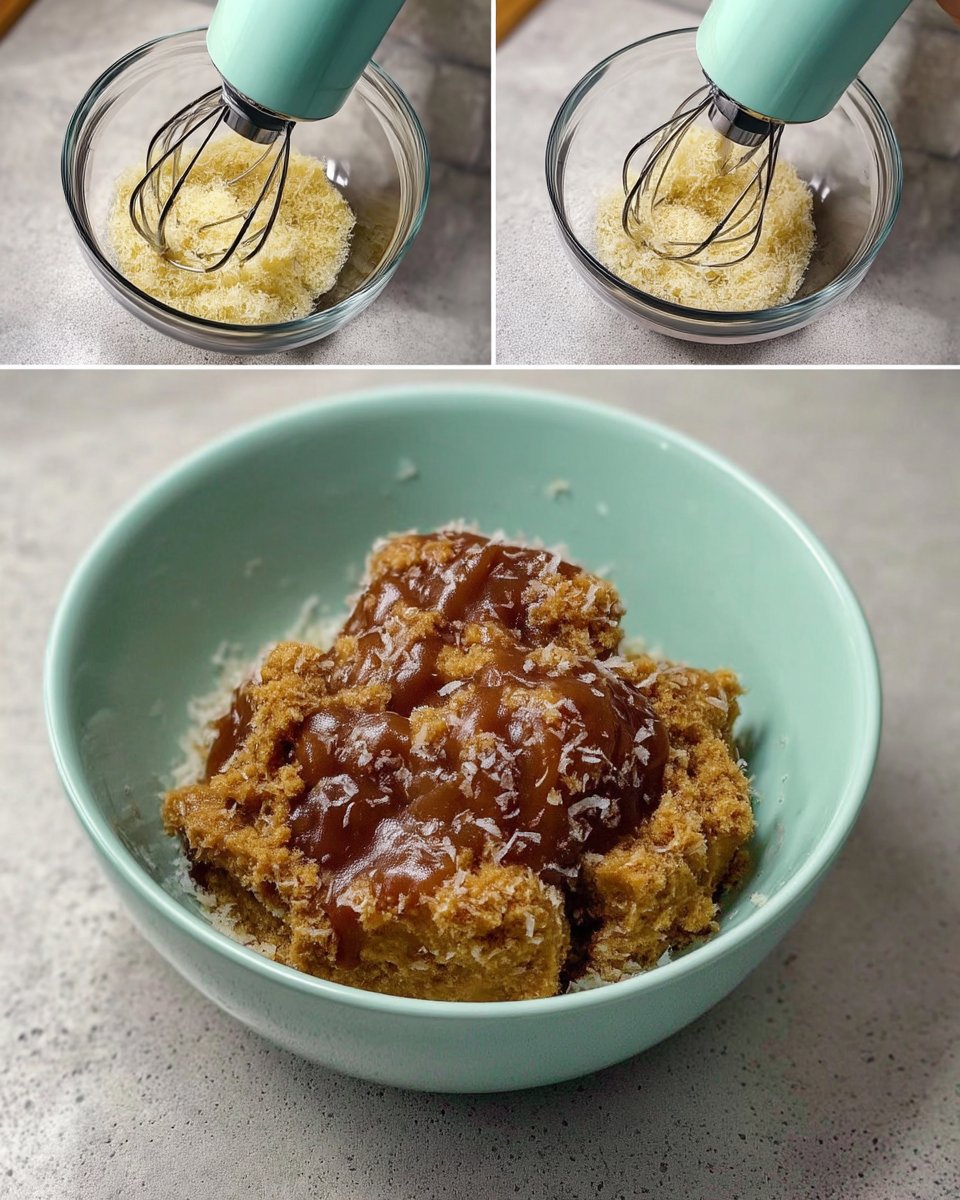
To achieve the correct specific gravity and texture, weighing your ingredients is non-negotiable.
- Butter (220g): The primary vehicle for flavor and tenderness. The fat coats the flour proteins, preventing them from bonding with the moisture in the egg. We recommend using butter at a cool room temperature (around 18°C/65°F) for optimal emulsification in the Kenwood.
- Caster Sugar (120g): Its fine crystal size dissolves more readily into the butter than granulated sugar, creating a uniform structure without large air pockets.
- Egg (1 large): This provides just enough hydration to bind the dough without activating too much gluten. It acts as the emulsifier.
- Whole Wheat Flour (375g): The star of the show. The bran particles in whole wheat flour cut through gluten strands, contributing to the signature ‘short’ or sandy texture (friable) that defines Heidesand.
- Pearl Sugar: Used solely for coating. These large, compressed sugar crystals do not melt in the oven, providing a stable crunch and visual appeal.
The Method
Step 1: Emulsify the Base
Attach the ‘K’ beater to your Kenwood Chef. Place the 220g butter, 120g caster sugar, egg, and 375g whole wheat flour into the bowl. Install the splash guard. Mix on Speed 2 for exactly 2 minutes. We are looking for a cohesive dough, not a fluffy buttercream; stop as soon as the ingredients adhere to avoid toughening the gluten.
Step 2: Volumetric Division
Turn the dough out onto a clean surface. Using a bench scraper or scale for precision, divide the mass into four equal portions. This ensures consistent baking times later.
Step 3: Cylindrical Shaping
Roll each quarter into a uniform log, aiming for a precise diameter of 3cm. Consistency here is critical for even heat distribution during the bake.
Step 4: The Crystal Coat
Spread the pearl sugar on a flat surface or tray. Roll each dough log firmly in the sugar until fully coated. The pressure helps the crystals adhere to the fat in the dough. Wrap each log tightly in cling film to maintain the round shape.
Step 5: Thermal Setting (Chill 1)
Place the wrapped logs in the refrigerator for 30 minutes. This solidifies the butter, which is essential for slicing without squashing the cylinder.
Step 6: Precision Slicing
Preheat your oven to 175°C (350°F). Line a large baking sheet with parchment paper. Unwrap the chilled logs and slice them into discs exactly 1cm thick. If the dough gets too warm, the knife will drag; keep it cool.
Step 7: Final Structure Set (Chill 2)
Arrange the slices on the baking sheet. Cover and refrigerate for another 10 minutes. This secondary chill relaxes any gluten activated during slicing and ensures the butter is cold hitting the hot oven, which controls spread.
Step 8: The Bake
Bake at 175°C for 15 minutes, or until the edges are golden brown. The Maillard reaction on the edges adds a caramel note that complements the whole wheat. Remove and let cool completely on the tray to allow the crumb to set.
Lauren’s Lab Notes on Temperature
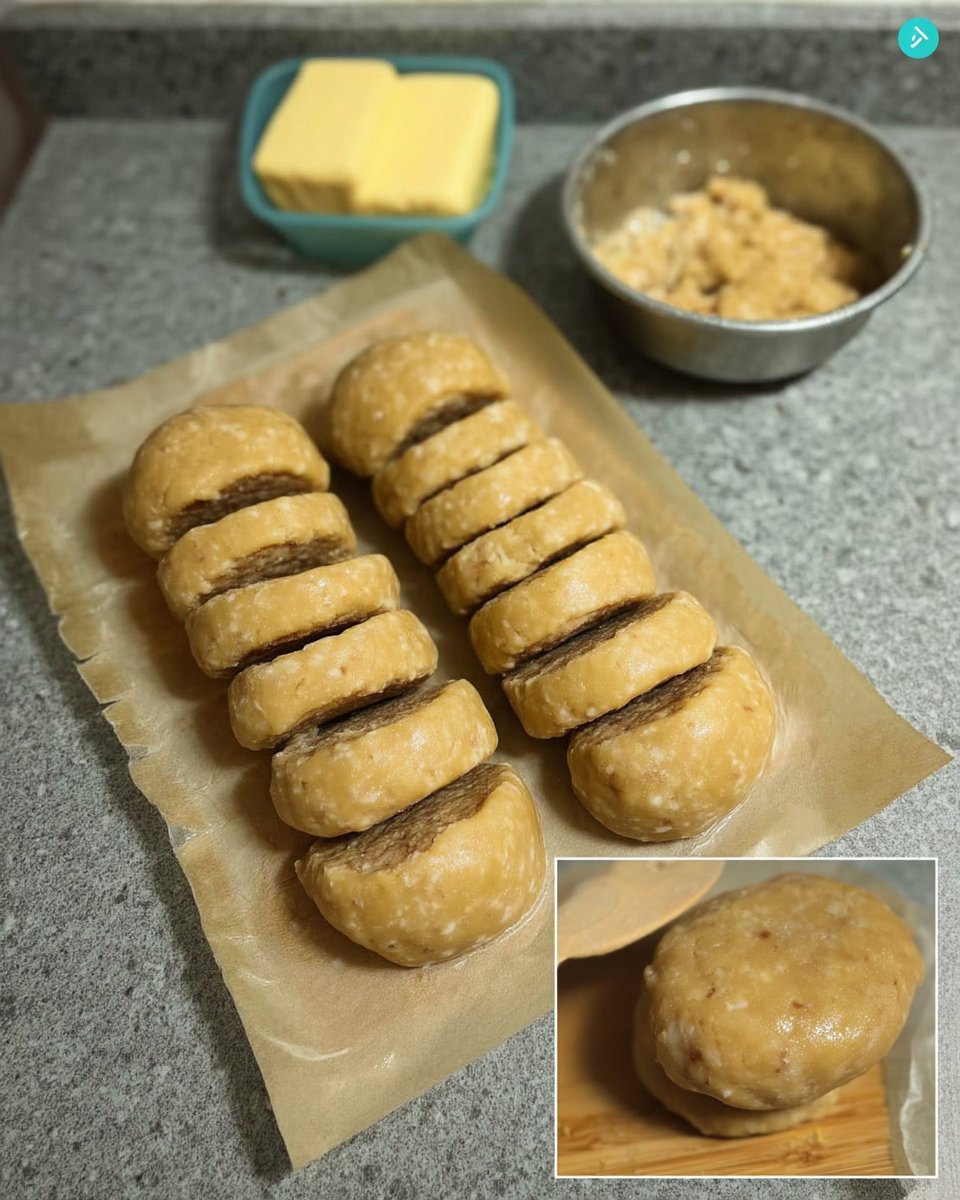
- The Chill Factor: Never skip the second chill. Placing cold dough into a hot oven ensures the outer edges set before the butter fully melts, preventing the cookies from puddling. If you are struggling with spread, check your oven temperature with an external thermometer.
- Tactile Cues: When mixing, the dough might look crumbly at first. Trust the process. The friction from the K-beater will warm the butter slightly, bringing the mass together. If it feels like wet sand, it’s perfect.
- Batch Efficiency: If you want to master high-volume baking with consistent results, read our guide on foundation cookie recipes for more structural tips.
Tested Modifications
- Citrus Note: We tested this with lemon zest rubbed into the caster sugar before mixing. The citric acid cuts through the fat, brightening the flavor profile without altering the moisture content.
- Brown Butter: For a deeper, nutty flavor, brown the butter first and solidify it back to room temperature before mixing. This adds complex toasted notes that pair beautifully with the whole wheat.
- Spice Blends: Adding 2g of cinnamon or cardamom to the flour adds warmth. For more ideas on festive flavor compounds, check our holiday cookie science research.
Texture Science and Serving
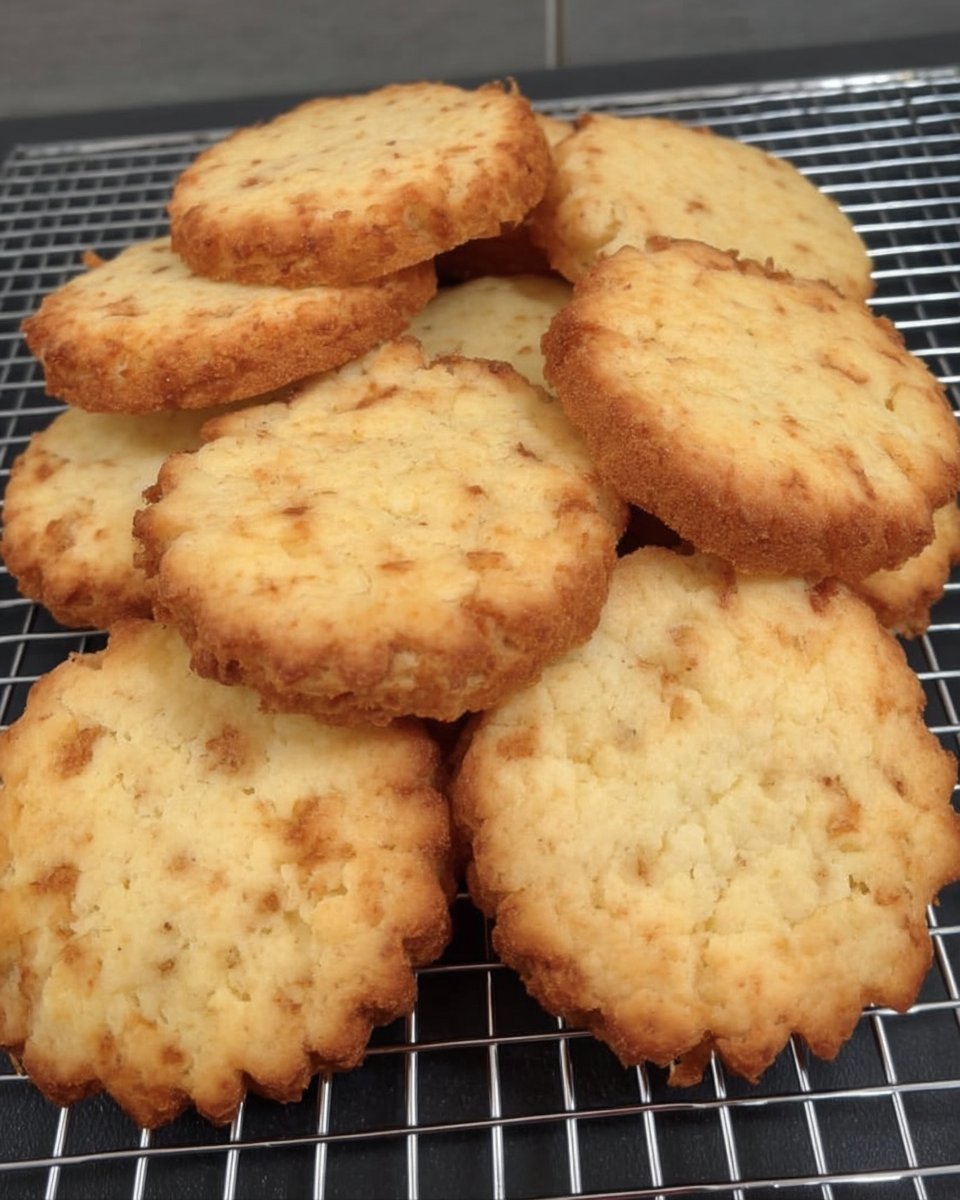
These cookies achieve their optimal texture once fully cooled. The crystal structure needs time to stabilize after coming out of the oven. Serve them with hot coffee or tea; the heat of the beverage melts the butter in the cookie on contact, creating a delightful mouthfeel. For storage, keep them in an airtight container to prevent humidity from softening the crisp exterior. For more on maintaining cookie quality, see our notes on efficient cookie methods.
Final Thoughts on Precision
Heidesand is a testament to the power of simple ingredients treated with respect and precision. By controlling the temperature and mixing times, you create a texture that is impossible to replicate with store-bought versions. We adapted this process from Kenwood’s Heidesand recipe to ensure home bakers can achieve bakery-level results. Keep testing your oven hot spots and refining your rolling technique. For more insights into baking chemistry, explore our viral cookie analysis.
Share your results with us on social media: Pinterest, Instagram, Facebook, and X.