The origins of shortbread are deeply rooted in Scottish medieval history, evolving from leftover bread dough dried in an oven to the buttery luxury we recognize today. By the time of Mary, Queen of Scots, the formula had been refined into the famous ‘Petticoat Tails,’ relying on a precise balance of fat to flour to inhibit gluten development. This crumbly, ‘short’ texture is not merely accidental; it is a result of high fat content coating protein molecules, preventing long gluten strands from forming during mixing.

In this dipped shortbread recipe, we utilize powdered sugar rather than the traditional granulated sugar often found in coarser varieties. The inclusion of cornstarch within the powdered sugar absorbs moisture and further softens the cookie’s crumb, resulting in a texture that melts rather than crunches. Finished with a semi-sweet chocolate dip, this biscuit offers a sophisticated balance of buttery salinity and rich cocoa solids.
A Study in Textural Contrast
Unlike modern American cookies that rely on eggs and leavening agents for lift and chew, dipped shortbread depends entirely on the mechanical aeration of butter and the structural integrity of flour. This recipe is a testament to the power of simplicity; by removing the variables of chemical leaveners, we achieve a consistent, dense, and tender crumb that has remained a standard in British baking for centuries.
The chocolate coating provides a necessary snap that contrasts with the yielding texture of the biscuit. From a flavor chemistry perspective, the semi-sweet chocolate cuts through the richness of the butter, preventing palate fatigue. It is a formula that respects the 3:2:1 ratio (by weight, roughly) of flour, fat, and sugar—a golden rule that professional pastry chefs and Victorian bakers alike have adhered to for generations.
Print
Dipped Shortbread
- Total Time: 1 hour 30 mins
- Yield: 24 cookies
- Diet: Vegetarian
Description
Master the art of traditional Scottish baking with these buttery, melt-in-your-mouth shortbread cookies. Each biscuit is chilled for structural integrity and finished with a rich semi-sweet chocolate coating for a perfect textural contrast.
Ingredients
- 1 cup unsalted butter, room temperature
- 1/2 cup powdered sugar
- 1 teaspoon vanilla extract
- 2 cups all-purpose flour
- 1 cup semi-sweet chocolate chips
- Sea salt, minced toffee, or crushed nuts (optional toppings)
Instructions
- In a stand mixer fitted with a paddle attachment, beat the room temperature butter, powdered sugar, and vanilla extract until smooth and combined.
- Add the all-purpose flour and mix on low speed until a dough forms, adding 1-2 tablespoons of additional butter if the mixture is too crumbly.
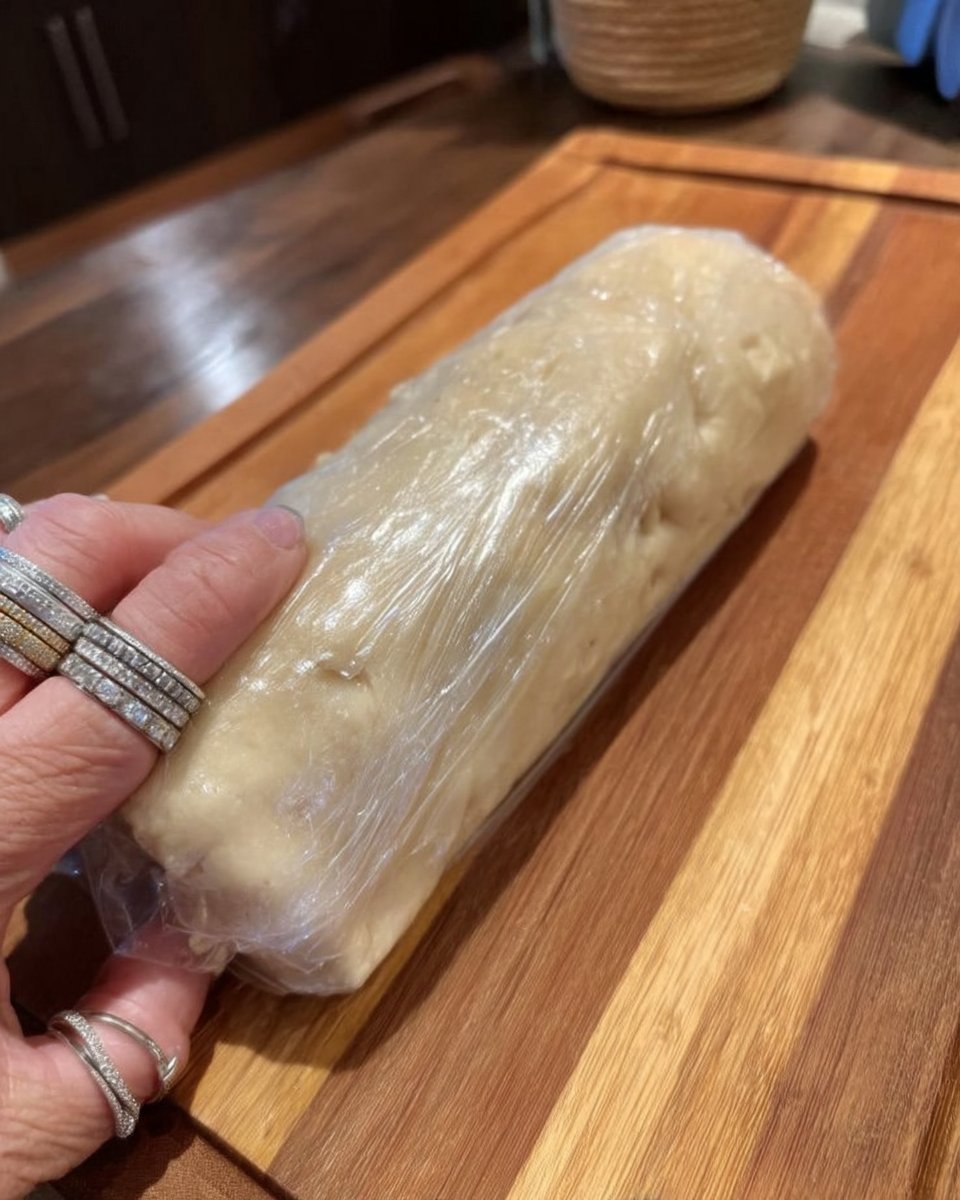
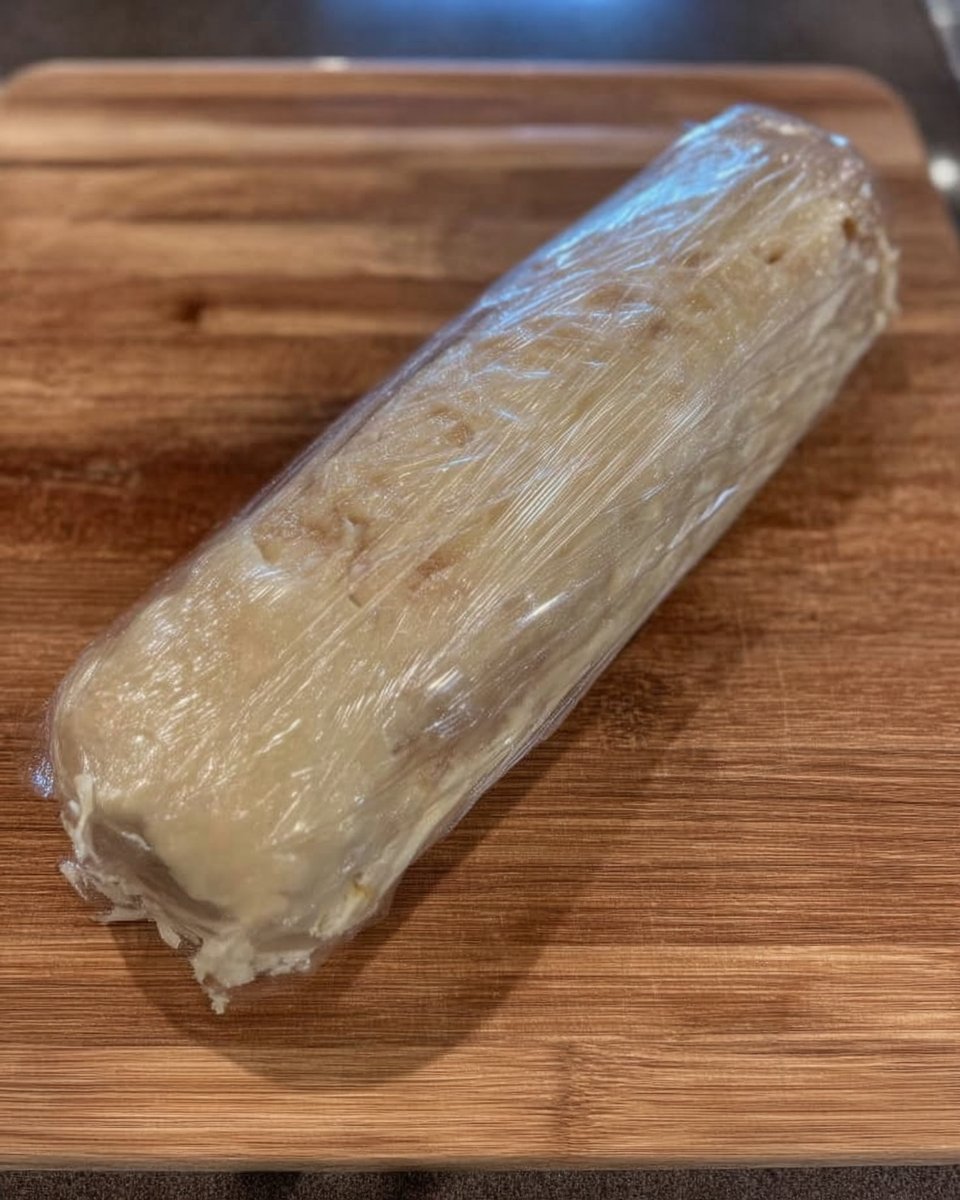
- Form the dough into a log approximately 2 inches in diameter, wrap tightly in plastic film, and refrigerate for at least 1 hour.
- Preheat the oven to 350°F (175°C) and line baking sheets with parchment paper.
- Unwrap the chilled dough and slice the log into discs approximately 1 centimeter thick.
- Arrange the discs on the prepared sheets and bake for 12-15 minutes until set and the bottoms are lightly golden.
- Cool on the pan for 5 minutes before transferring to wire racks to cool completely.
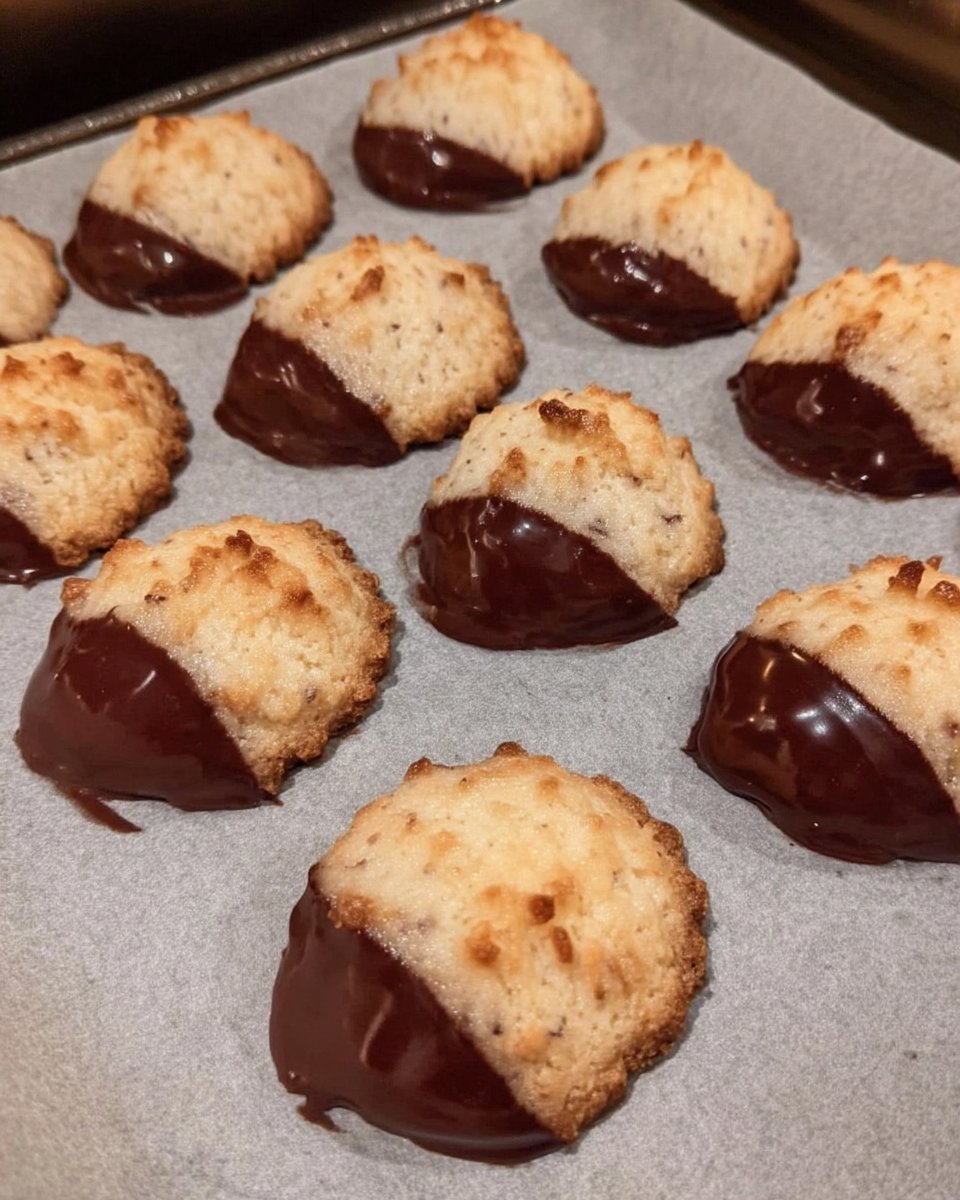
- Melt the chocolate in a double boiler over simmering water until smooth, then dip each cookie halfway into the chocolate.
- Place dipped cookies on parchment and apply any optional toppings before the chocolate sets completely.
Notes
For the cleanest edges, use a very sharp, thin-bladed knife to slice the dough log and rotate it slightly between cuts to prevent flattening. If your kitchen is particularly warm, keep half the dough in the refrigerator while working with the first batch to ensure the butter remains cold before hitting the oven.
- Prep Time: 1 hour 15 mins
- Cook Time: 15 mins
- Category: Dessert
- Method: Baking
- Cuisine: British
Essential Components and Chemical Roles
To achieve the correct specific gravity and texture for these biscuits, ingredient quality is paramount. Here is what is required for proper execution:
- Unsalted Butter: This is the primary vehicle for flavor and texture. Ensure it is at room temperature (approx. 65°F/18°C) to allow for proper aeration during the creaming stage.
- Powdered Sugar: Unlike granulated sugar, powdered sugar dissolves instantly into the fat. The small amount of cornstarch present in commercial powdered sugar also helps mitigate gluten formation, ensuring a tender bite.
- Vanilla Extract: Use a high-quality extract to provide a background floral note that complements the butter.
- All-Purpose Flour: Provides the necessary protein structure. In the UK, plain flour is the standard equivalent.
- Semi-Sweet Chocolate: Requires a cocoa content high enough to set firm but sweet enough to balance the plain biscuit. High-quality couverture or brands like Ghirardelli are recommended for their meltability.
- Toppings: Sea salt, minced toffee, or nuts add a tertiary texture and visual finish.
The Classical Method
Step 1: The Creaming Phase
In a stand mixer fitted with the paddle attachment, beat the room temperature butter, powdered sugar, and vanilla extract. The goal here is mechanical leavening—trapping air bubbles in the fat matrix. Mix until combined and smooth, but do not over-aerate to the point of fluffiness, as this can cause the cookies to spread unpredictably.
Step 2: Incorporation and Hydration
Add the all-purpose flour to the butter mixture. Mix on low speed strictly until a dough forms. If the dough appears overly crumbly—often a result of flour protein variance or kitchen humidity—add 1-2 tablespoons of additional butter. Do not add water, as water activates gluten development, which is the enemy of shortbread.
Step 3: Shaping and Resting
Form the dough into a cohesive ball. Transfer to a lightly floured surface and roll into a uniform log, approximately 2 inches in diameter and 12 inches long. Wrap tightly in plastic cling film. Crucial Step: Refrigerate for at least one hour, or overnight. This rest period allows the fat to recrystallize and the flour to fully hydrate, preventing the cookies from losing their shape in the oven.
Step 4: Precision Baking
Preheat your oven to 350°F (175°C) at least 30 minutes prior to baking to ensure radiant heat stability. Unwrap the chilled dough and, using a tape measure for precision, mark the log every centimeter. Slice into discs and arrange on parchment-lined baking sheets. Bake for 12-15 minutes. The biscuits are done when the dough sets and the bottoms are a light golden brown. The tops should remain pale; browning indicates burned sugar and a compromised texture.
Step 5: Cooling and Dipping
Allow the cookies to cool on the pan for 5 minutes before transferring to wire racks to cool completely (minimum 30 minutes). For the coating, set up a double boiler: bring water to a light simmer and melt the chocolate chips in the top bowl, stirring continuously until smooth. Pour into a narrow vessel to facilitate dipping. Dip each cookie halfway, allow excess chocolate to drip off, and place back on parchment. Apply toppings immediately before the chocolate sets.
Jordan’s Technical Notes for Success
- Temperature Management: If your kitchen is warm, slice only half the log at a time, keeping the remainder in the refrigerator. Shortbread dough relies on cold butter entering the hot oven to maintain its distinct shape.
- Slicing Mechanics: To prevent the round log from flattening on one side while cutting, rotate the log 90 degrees after every few slices. Use a sharp, thin-bladed knife rather than a serrated one for a clean surface.
- Chocolate Tempering: While a simple melt works, if you want a professional snap, be careful not to overheat the chocolate above 120°F (49°C). For more on managing basic dough structures, review our guide on foundation cookie recipes.
- Troubleshooting Spread: If your test cookie spreads too much, your butter was likely too warm or the dough was over-mixed. Chill the remaining discs for an additional 20 minutes before baking.
Calculated Adjustments
- The Earl Grey Infusion: Grind 1 tablespoon of loose-leaf Earl Grey tea into the flour before mixing. The bergamot oil bonds beautifully with the butter, a technique often used in holiday cookie science to introduce aroma without moisture.
- Citrus Zest: Rub lemon or orange zest into the sugar before creaming. This releases essential oils directly into the abrasive sugar crystals, amplifying the flavor profile.
- Nut Variations: For a nuttier texture reminiscent of a Viennese whirl, substitute 1/4 cup of the flour with finely ground hazelnut meal.
- Shape Changes: While the log method is efficient, you can also roll the dough to 1/2 inch thickness and use fluted cutters for a more traditional aesthetic.
Proper Service and Storage
In the British tradition, dipped shortbread is best served at tea time. The tannins in a strong cup of breakfast tea or the floral notes of Darjeeling cut through the dense fat of the biscuit, cleansing the palate between bites. For a modern twist, serve these alongside an espresso; the coffee oils complement the semi-sweet chocolate perfectly.
Store these cookies in an airtight tin at room temperature. Due to the low moisture content, shortbread has an excellent shelf life and can last for up to two weeks. If you are interested in how storage affects texture, see our analysis on precision cookie decorating where we discuss humidity control.
Final Notes on Shortbread Physics
Mastering this dipped shortbread recipe is less about culinary flair and more about respecting the physical properties of butter and flour. By adhering to the chilling times and handling the dough with care, you achieve a result that is historically authentic and scientifically sound. Whether you are baking for a holiday or simply appreciate the engineering behind a perfect biscuit, this method yields consistent success.
For those looking to compare this precise method with a more rustic approach, you might explore this perfectly imperfect chocolate dipped shortbread for a different perspective on the classic. For further reading on streamlining your baking process, visit our section on efficient cookie methods.
Connect with us for more technical breakdowns: