The concept of a cheese-based tart dates back significantly further than the New York delis of the 20th century; ancient Roman Cato the Elder recorded recipes for ‘libum’—a sacrificial cake of cheese and flour—over two millennia ago. While those early iterations relied on honey for preservation and palatable sweetness, modern food science allows us to achieve that same luxurious, dense custard texture without the glycemic impact. Understanding the coagulation of egg proteins in the absence of hygroscopic sugar is key to mastering this historical evolution.

This recipe represents a precise calibration of almond flour and alternative sweeteners to mimic the structural integrity of a traditional biscuit base and the creamy emulsion of a classic filling. By utilizing allulose and monk fruit, we replicate the browning and mouthfeel of sucrose, ensuring a result that satisfies the most rigorous sensory evaluation. It is a formula that respects the chemistry of baking while adhering to strict ketogenic parameters.
The Science of Structure
What makes this formulation particularly fascinating is how it solves the ‘sugar problem’ in baking. In traditional Victorian confectionary, sugar was not just for sweetness; it provided moisture retention and structural tenderness. By substituting a specific blend of monk fruit and allulose, we achieve a similar chemical interaction with the proteins in the cream cheese, preventing the rubbery texture often found in dietetic adaptations.
Furthermore, the almond flour crust offers a superior fatty acid profile compared to traditional digestive biscuits or graham crackers. The natural oils in the almonds bind with the butter to create a short, crumbly base that provides the necessary textural contrast to the smooth filling. It is a triumph of modern ingredient engineering meeting classic technique.
Print
Keto Sugar Free Cheesecake
- Total Time: 5 hours 15 mins
- Yield: 12 slices
- Diet: Keto, Gluten-Free, Sugar-Free
Description
Experience a sophisticated take on the classic New York cheesecake that swaps sugar and gluten for a scientifically balanced blend of monk fruit and almond flour. This dense, creamy custard provides a luxurious mouthfeel that adheres perfectly to ketogenic dietary standards.
Ingredients
- 2 cups blanched almond flour
- 1/3 cup butter, melted
- 1 1/4 cups monk fruit allulose blend, powdered
- 1 tablespoon vanilla extract, divided
- 32 oz full-fat cream cheese, room temperature
- 3 large eggs, room temperature
- 1 tablespoon lemon juice
Instructions
- Preheat your oven to 350°F (177°C) and line the bottom of a 9-inch springform pan with parchment paper.
- In a medium bowl, combine almond flour, melted butter, 3 tablespoons of sweetener, and 1 teaspoon of vanilla, then press the mixture firmly into the pan.
- Bake the crust for 10–12 minutes until golden, then set aside to cool for at least 10 minutes.
- Beat the softened cream cheese and the remaining powdered sweetener together at low speed until fluffy and smooth, scraping the sides of the bowl frequently.
- Incorporate the eggs one at a time, beating briefly after each until the yolk disappears, then mix in the lemon juice and remaining vanilla.
- Pour the filling over the crust, smooth the top with a spatula, and tap the pan sharply on the counter to remove trapped air bubbles.
- Bake for 40–55 minutes until the edges are firm but the center still jiggles slightly; cool at room temperature before refrigerating for at least 4 hours or overnight.
Notes
For the best texture, always use a powdered version of your sweetener to avoid any graininess in the final custard. If your cheesecake develops a small crack during cooling, don’t worry—it can easily be hidden with a topping of fresh berries or a sugar-free chocolate drizzle. Ensure your cream cheese is completely soft before mixing to avoid a lumpy batter.
- Prep Time: 20 mins
- Cook Time: 55 mins
- Category: Dessert
- Method: Baking
- Cuisine: American
The Alchemical Balance
To achieve a result that rivals a classic patisserie offering, we must understand our components. Precision in selection is as vital here as it was in any 19th-century test kitchen.
- Blanched Almond Flour: We use blanched flour (skins removed) for a finer crumb that closely mimics the texture of crushed biscuits. The fat content here is crucial for the crust’s friability.
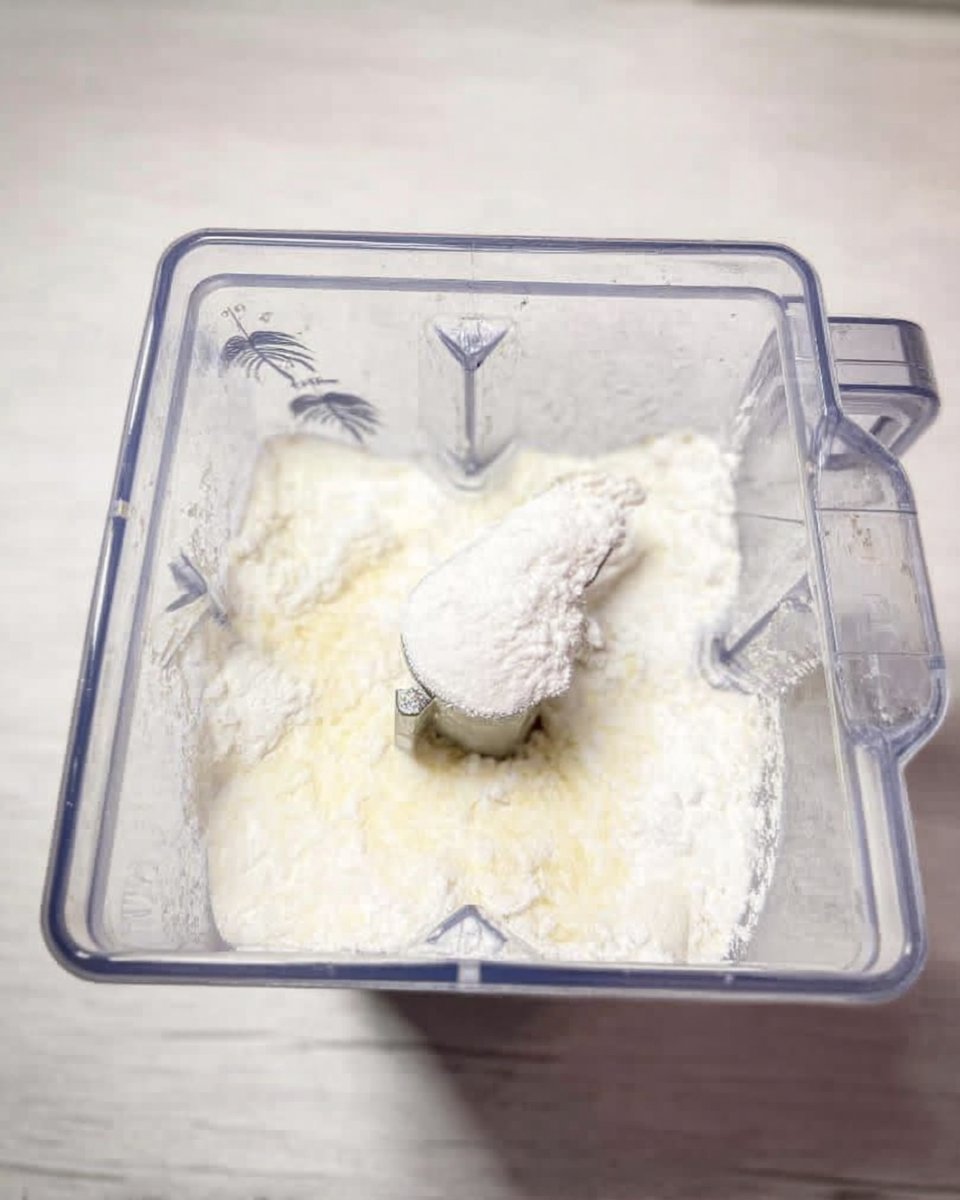
- Monk Fruit Allulose Blend: This is the variable that changes the game. Unlike pure erythritol, which can crystallize upon cooling, allulose behaves more like sucrose, offering a cleaner dissolve and better browning properties.
- Cream Cheese: Must be full-fat and strictly at room temperature. Cold cheese will not emulsify properly with the eggs, leading to a lumpy batter rather than a smooth suspension.
- Eggs: The primary binding agent. They provide the protein network that sets the custard. Adding them one by one ensures the emulsion remains stable.
- Lemon Juice: A touch of acid is traditional and necessary. It cuts the richness of the fat and helps coagulate the proteins slightly for a firmer set.
- Vanilla Extract: Use a high-quality extract to round out the flavor profile, masking any cooling sensation from the sweeteners.
The Methodical Assembly
Step 1: Preparing the Foundation
Begin by preheating your oven to 350°F (177°C). Precision in temperature is vital; verify with an oven thermometer if possible. Line the bottom of a 9-inch (23-cm) springform pan with parchment paper to ensure a clean release later. In a medium bowl, combine the almond flour, melted butter, sweetener, and vanilla. Mix until the texture resembles damp sand. Press this mixture firmly and evenly into the bottom of the pan to create a compact base.
Step 2: Setting the Crust
Bake the crust for 10–12 minutes. You are looking for a shift in colour to a barely golden hue. This par-baking step, similar to ‘blind baking’ in pastry work, ensures the crust does not become soggy when the liquid filling is added. Allow this to cool for at least 10 minutes while you prepare the filling.
Step 3: The Creaming Method
In a large bowl, beat the softened cream cheese and powdered sweetener at low-to-medium speed. We are looking for a fluffy, aerated texture, but be cautious not to incorporate excessive air, which can cause cracks. Scrape down the sides of the bowl frequently to ensure homogeneity.
Step 4: Creating the Emulsion
Add the eggs one at a time, beating just until the yellow disappears after each addition. This slow introduction allows the lipids in the yolks to emulsify properly with the cheese. Finally, beat in the lemon juice and vanilla extract. Keep the mixer speed low to maintain a dense, creamy structure.
Step 5: The Bake
Pour the batter over the cooled crust and smooth the top with an offset spatula. Tap the pan sharply on the counter several times to release any trapped air bubbles that could mar the surface. Bake for 40–55 minutes. The visual cue is paramount here: the center should still have a slight ‘jiggle’—similar to a set gelatin—while the edges should be firm. Do not overbake, or the proteins will tighten and crack.
Step 6: Controlled Cooling
Remove the cake from the oven and run a thin knife around the edge to release it from the ring, but do not remove the ring yet. This prevents tension cracks as the cake contracts during cooling. Allow it to cool completely at room temperature, then refrigerate for at least 4 hours, preferably overnight. This rest period is essential for the structure to solidify and the flavors to mature.
Precision in the Bake
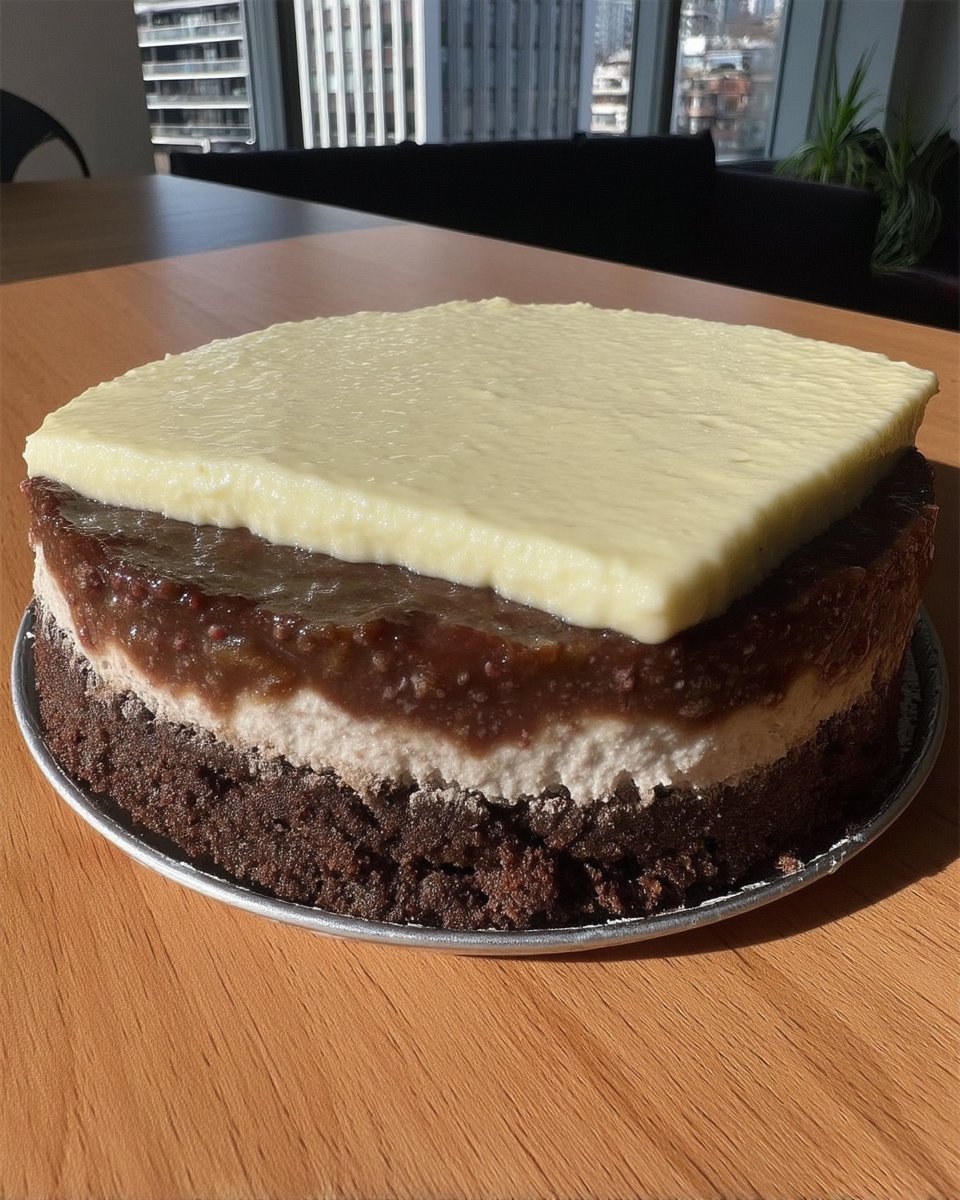
For the most reliable outcome, I recommend checking your oven for hot spots. A cheesecake requires gentle, even heat to set the egg proteins without curdling them. If you notice rapid browning on top before the center is set, you may tent it loosely with foil. Additionally, ensure your ingredients are truly at room temperature—70°F (21°C) is ideal—to facilitate a smooth emulsion without over-mixing.
If you are looking to streamline your process for future bakes, you might find my notes on Efficient Cookie Methods useful, as many of the organization principles apply to preparing complex batters like this one.
Adaptations & Iterations
While this formula is chemically sound for a classic vanilla profile, the base is neutral enough to support historical and regional variations.
- Crustless Option: For a lighter, ‘Parisian’ style dessert, you may omit the almond crust entirely. Simply grease the parchment well; the custard structure is sufficient to stand on its own once chilled.
- Citrus Infusion: In the tradition of British lemon possets, increase the lemon zest and juice slightly for a sharper, more refreshing profile.
- Berry Swirl: Before baking, swirl in a sugar-free reduction of raspberries or strawberries. This adds moisture, so you may need to add 5 minutes to the bake time.
For more ideas on how to adapt classic recipes for special occasions, refer to my research on Holiday Cookie Science, where we explore flavor modification in depth.
Proper Service
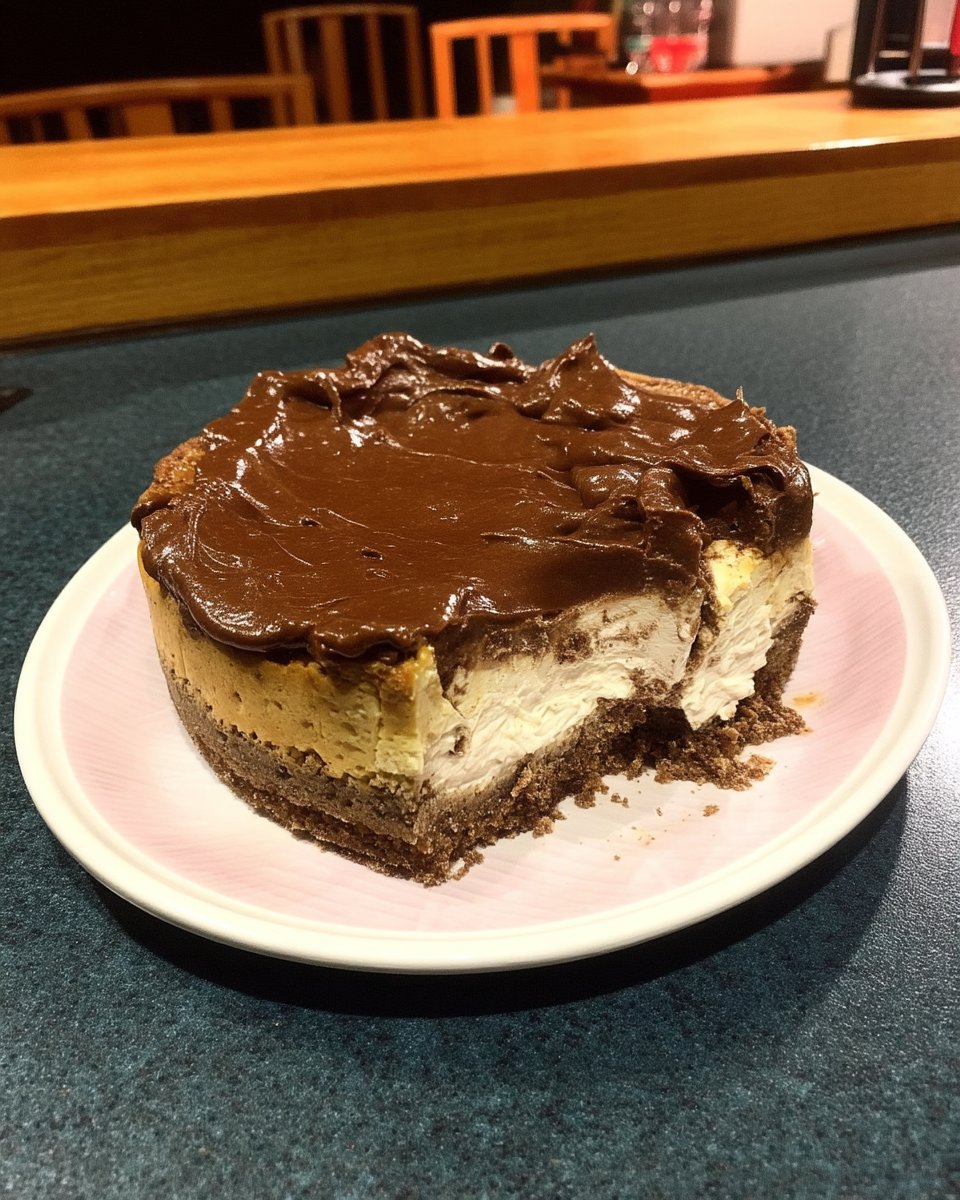
To serve this dish with the dignity it deserves, ensure it is fully chilled. A warm cheesecake lacks the necessary structural rigidity. Slice with a sharp, thin-bladed knife dipped in hot water and wiped clean between each cut—a technique essential for preserving the pristine layers of the custard.
Present simply with fresh berries or a dollop of unsweetened whipped cream. If you are assembling a dessert table, this rich, dense cake pairs wonderfully with the lighter textures found in our Foundation Cookie Recipes, offering a delightful contrast for your guests.
The Final Analysis
This recipe proves that dietary restrictions need not compromise culinary heritage. By understanding the functional properties of almond flour and modern sweeteners, we achieve a result that honors the traditional cheesecake texture—dense, creamy, and rich—while strictly adhering to ketogenic ratios. It is a testament to the fact that baking is, at its heart, a science of adaptation.
For further reading on how modern trends intersect with baking physics, I suggest reviewing my Viral Cookie Analysis. If you wish to see the original inspiration for this low-carb method, you can visit Wholesome Yum.
I encourage you to share your results and technical observations on social media: