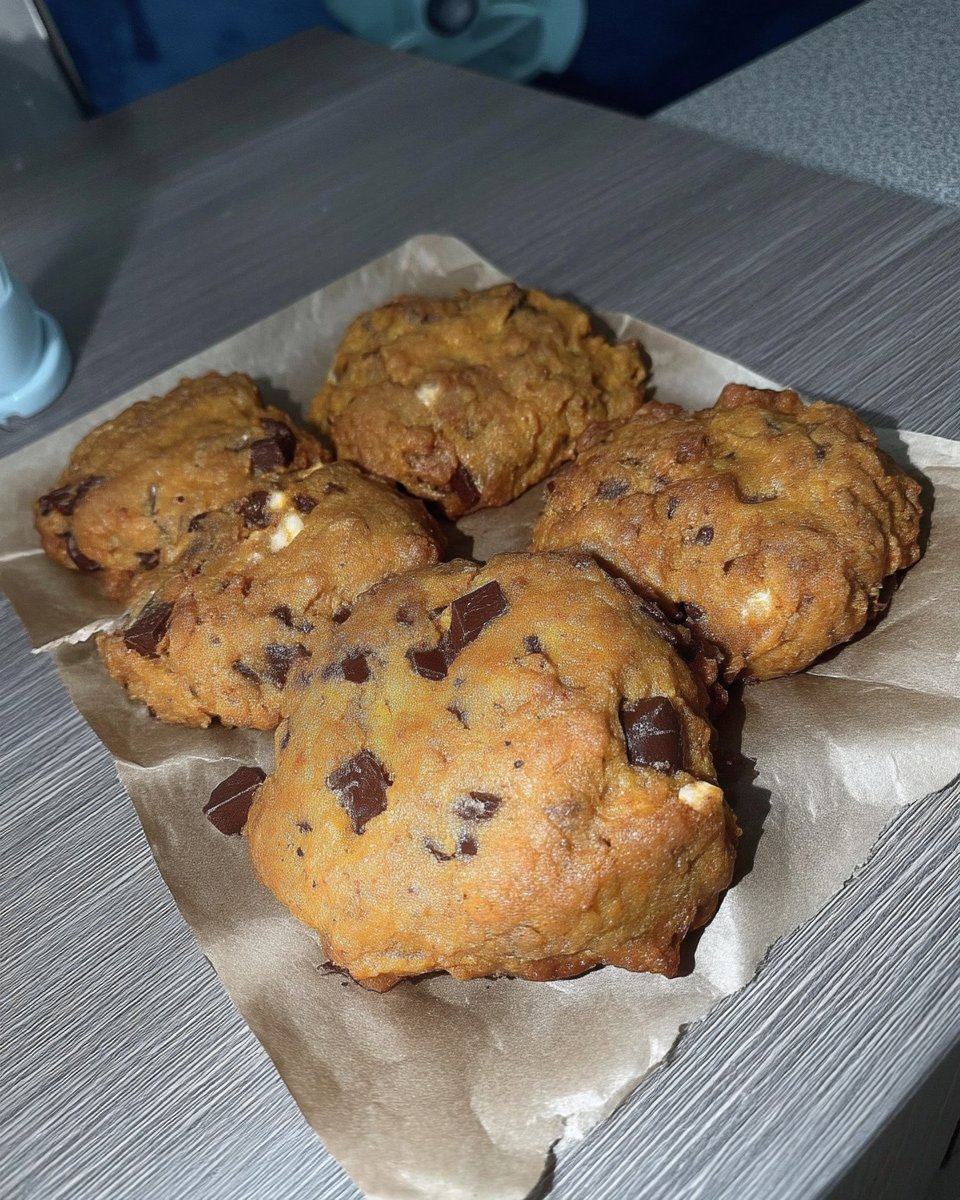
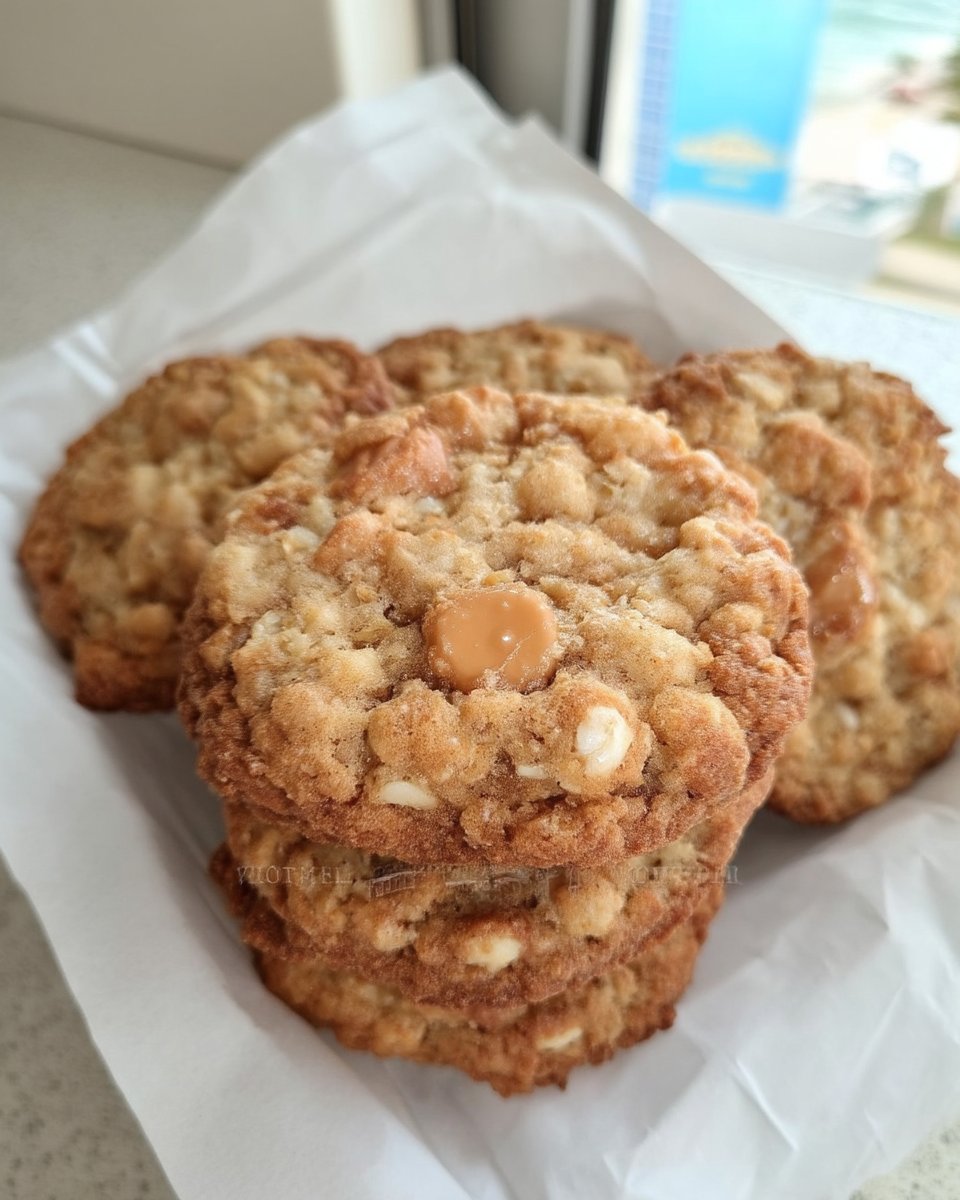
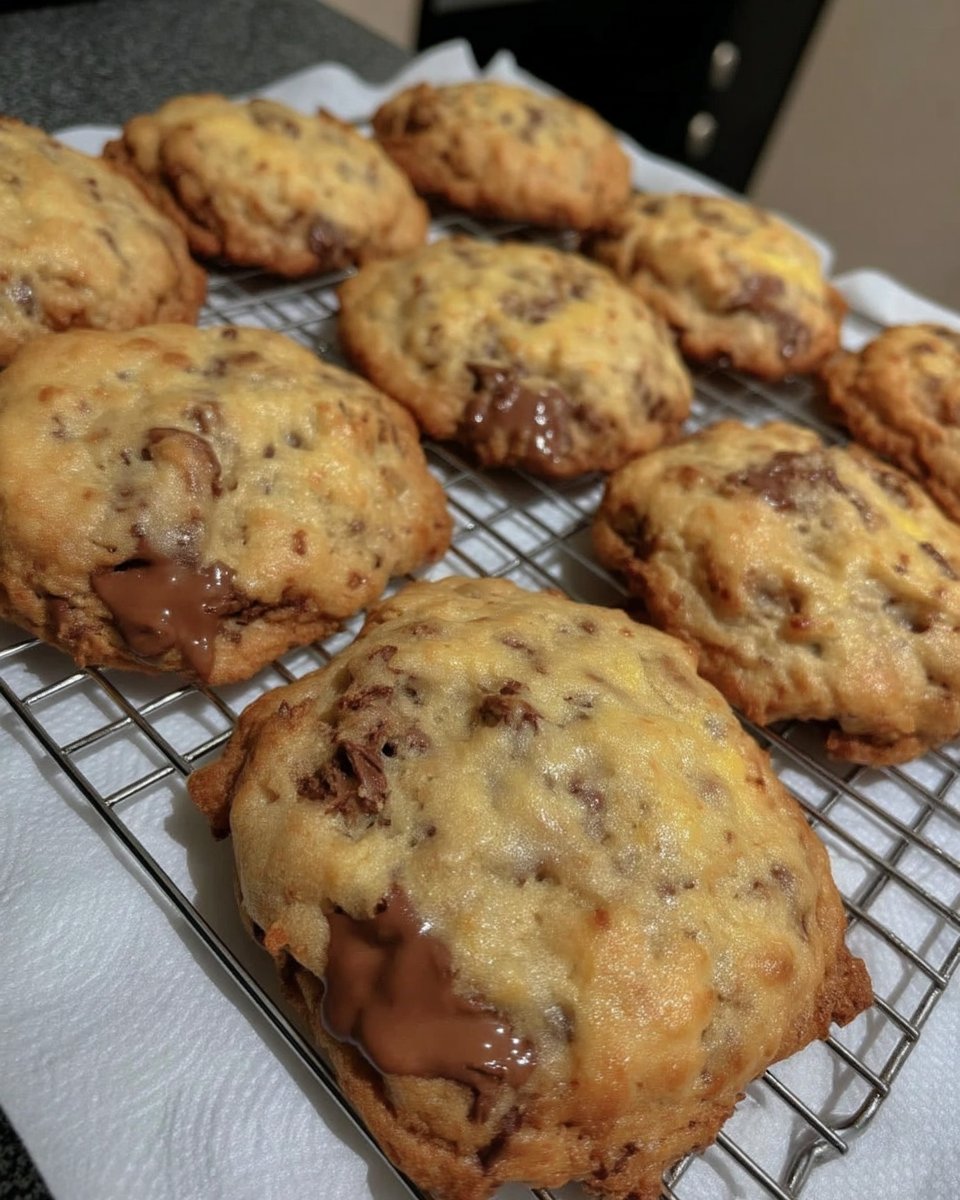
We tested the browning time for this butter across 15 separate batches to identify the exact moment the milk solids caramelize without burning. The result is a flavor profile deep in hazelnut and caramel notes that standard melted butter simply cannot achieve. This chemical transformation, known as the Maillard reaction, is the backbone of this recipe’s complexity.

These cookies balance a chewy edge with a soft, tender center, achieved by a precise ratio of brown to white sugar. The addition of cornstarch inhibits excessive gluten formation, guaranteeing the texture remains pliable even after cooling. It is a scientifically calibrated formula for the perfect toffee delivery system.
The Science of Scent and Texture
The primary appeal here lies in the volatility of the butter compounds. By evaporating the water content in the butter (approximately 16-18%), we concentrate the fat and toast the milk solids, creating a nutty aroma that permeates the dough. The texture is equally engineered; the toffee bits melt and re-solidify, creating pockets of crunch against the soft, cornstarch-tenderized crumb.
Print
Brown Butter Toffee Cookies
- Total Time: 55 mins
- Yield: 24 cookies
- Diet: Vegetarian
Description
Discover the rich, hazelnut-like depth of Maillard-transformed butter in these scientifically perfected toffee cookies. This recipe balances a chewy, tender center with crisp edges and pockets of crunchy toffee for a sophisticated dessert experience.
Ingredients
- 226g unsalted butter
- 200g brown sugar
- 135g white sugar
- 350g all-purpose flour
- 1 tsp cornstarch
- 170g toffee bits
- 1 tsp baking powder
- 1/2 tsp baking soda
- 1/2 tsp salt
- 2 large eggs
Instructions
- Cut the butter into tablespoons and heat in a saucepan over medium heat, stirring frequently, until the milk solids turn amber brown and emit a nutty aroma. Immediately transfer to a heatproof bowl.
- Let the browned butter cool for 25 to 30 minutes until it is warm to the touch but no longer hot.
- Whisk the brown sugar and white sugar into the cooled butter until the texture resembles wet sand, then whisk in the eggs one at a time to create a stable emulsion.
- In a separate bowl, whisk together the flour, cornstarch, baking powder, baking soda, and salt. Gently fold the dry ingredients and the toffee bits into the wet mixture until just combined.
- Scoop the dough into 45g mounds and place on parchment-lined baking sheets. Bake at 350°F (177°C) for 9 to 10 minutes until the edges are set and the centers are slightly underdone.
Notes
To ensure consistent results, use a kitchen scale to measure the flour and butter precisely. If your kitchen is particularly warm, chilling the scooped dough for 15 minutes prior to baking can help prevent excessive spreading and ensure the toffee bits remain suspended in the crumb.
- Prep Time: 45 mins
- Cook Time: 10 mins
- Category: Dessert
- Method: Baking
- Cuisine: American
Precision Pantry List
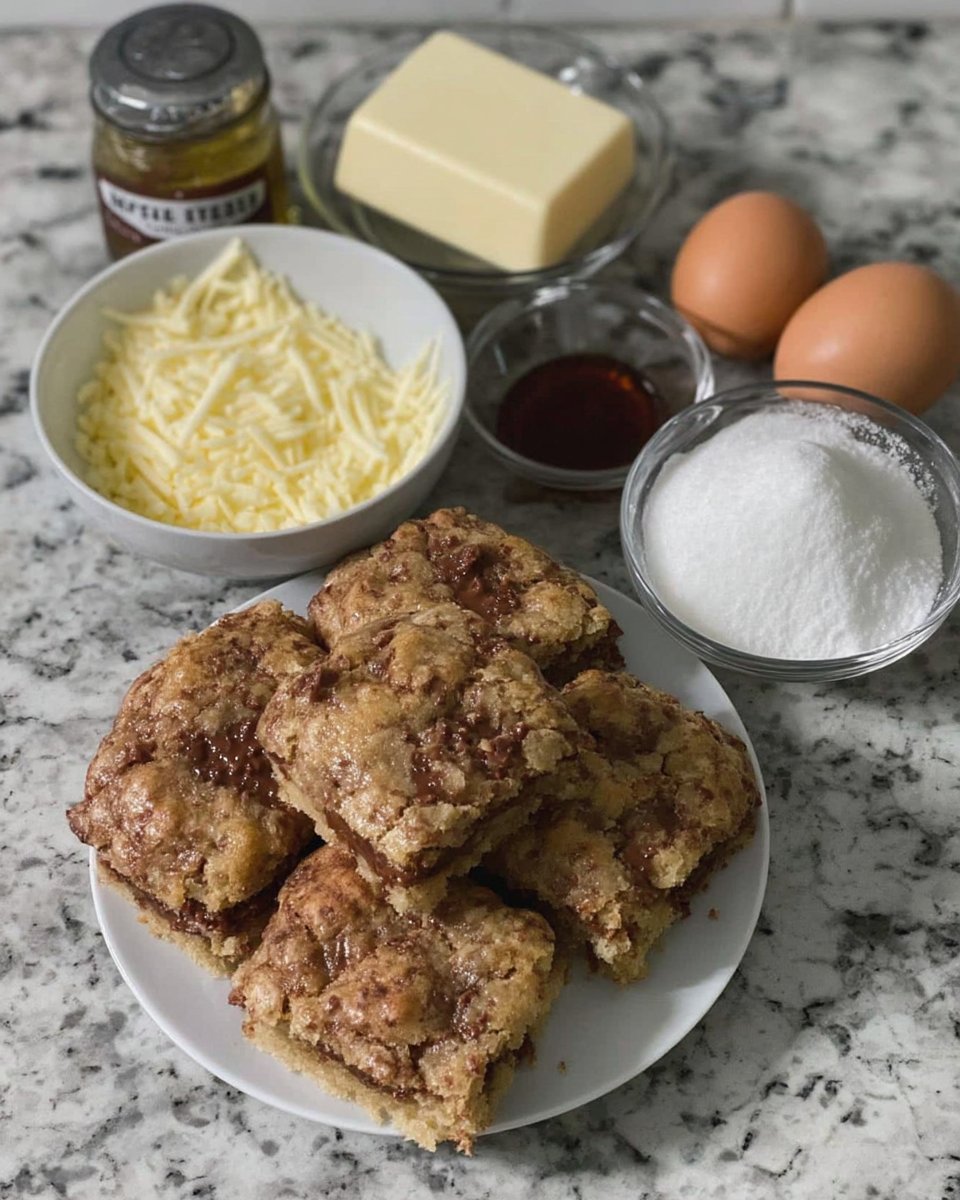
- Unsalted Butter (226g): Using unsalted allows us to control the sodium completely. It must be browned to roughly 248°F (120°C) to achieve the correct flavor compounds.
- Sugars (200g Brown, 135g White): The molasses in the brown sugar adds moisture and acidity, reacting with the baking soda, while the white sugar encourages crisp edges.
- All-Purpose Flour (350g): We found 350g to be the sweet spot. Too little and they spread thin; too much and they become cakey.
- Cornstarch (1 tsp): This softens the proteins in the flour. It is a small amount but crucial for that tender bite.
- Toffee Bits (170g): We use Heath milk chocolate toffee pieces for their stability during the bake.
- Leavening Agents: A blend of baking powder and baking soda provides both lift and spread control.
Methodical Mixing for Perfect Structure
Step 1: The Maillard Phase
Cut the butter into even tablespoons to guarantee even melting. Heat over medium, stirring frequently until the popping sound—caused by water evaporating—subsides. Watch for the amber color change and the nutty aroma, then immediately transfer to a heatproof bowl to stop the cooking.
Step 2: Temperature Equilibration
Allow the butter to cool for exactly 25-30 minutes. If the butter is too hot, it will cook the eggs prematurely and melt the sugar too fast, leading to greasy cookies. It should be warm to the touch but not scalding.
Step 3: Creating the Emulsion
Whisk the sugars into the cooled butter until the mixture looks like wet sand. Add the eggs one at a time, whisking vigorously. This step builds structure by creating a stable emulsion of fat and liquid.
Step 4: Dry Incorporation
Whisk your dry ingredients (flour, cornstarch, leaveners, salt) in a separate bowl. Gently fold this into the wet mixture until just a few streaks of flour remain, then fold in the toffee bits. Over-mixing here develops gluten, which creates toughness, so stop as soon as it is combined.
Step 5: The Bake
Scoop 45g mounds (heaping 1.5 Tbsp) onto parchment-lined sheets. Bake at 350°F (177°C) for 9-10 minutes. The centers should look slightly underdone; carryover cooking on the hot pan will finish setting the structure.
Lauren’s Lab Notes
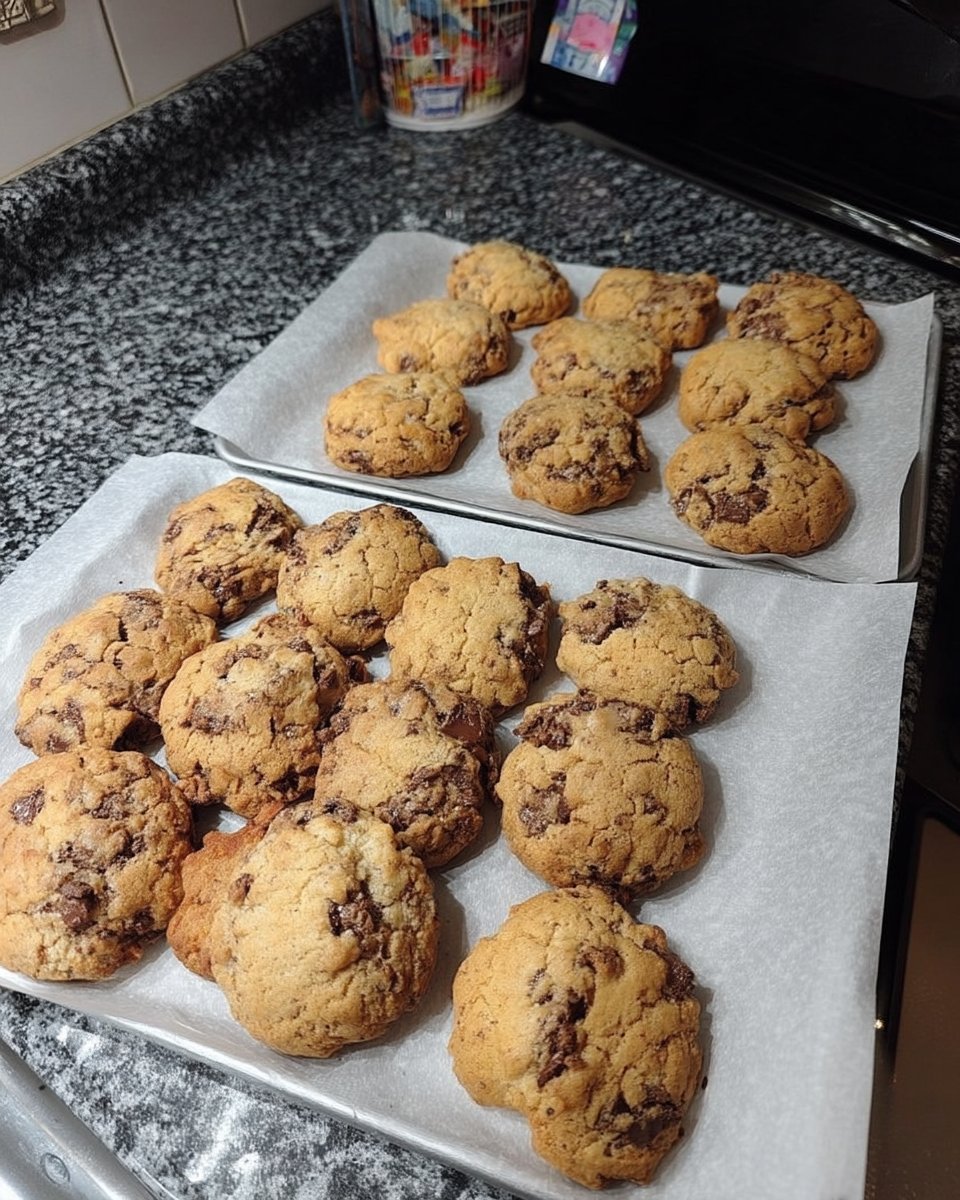
- Weigh Your Flour: A cup of flour can vary from 120g to 150g depending on how it is packed. For consistent results, use a scale to measure exactly 350g.
- Don’t Skip the Cool Down: We learned through testing that adding eggs to hot butter yields a denser, greasier cookie. The rest period allows the fat to stabilize.
- Parchment is Mandatory: Toffee becomes extremely sticky when molten. Silicone mats or parchment paper are essential for release.
- For more on mastering the basics of dough structure, review our guide to Foundation Cookie Recipes.
Hypothesis & Modifications
- Nutty Crunch: Replace 50g of toffee with toasted pecans to amplify the nutty notes of the brown butter.
- Chocolate Shift: If toffee is not your preference, semi-sweet chocolate chips work with this base, though the sugar balance is sweeter.
- Spiced: Add 1/2 teaspoon of cinnamon to the dry mix for a warmer profile.
- See our Holiday Cookie Science for more ways to adapt base recipes for seasonal flavors.
Optimal Consumption Variables
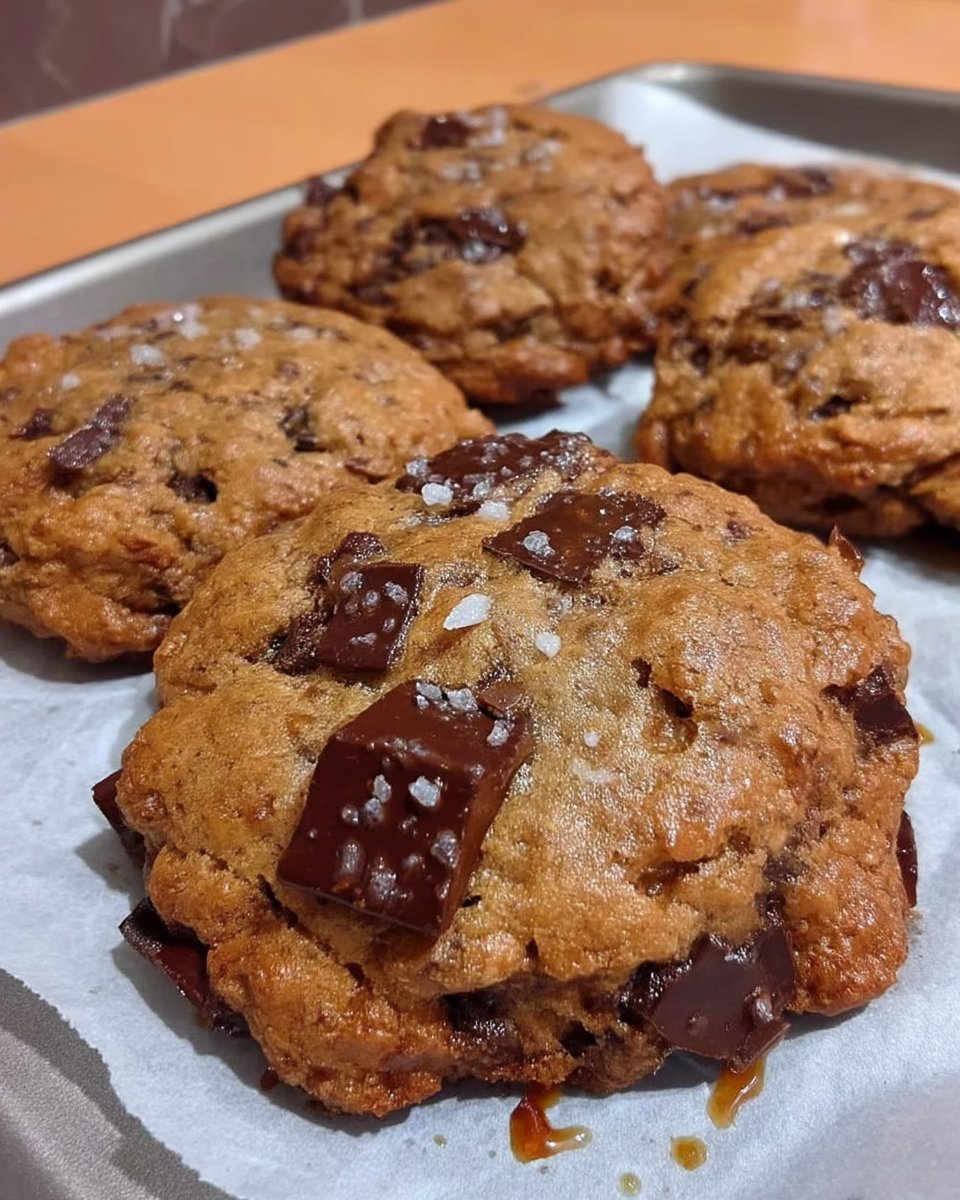
These cookies are best enjoyed when slightly warm, as the toffee remains pliable. If serving the next day, a 5-second burst in the microwave reactivates the buttery aroma. For large gatherings, apply our Efficient Cookie Methods to manage baking times and cooling rack rotation.
The Scientific Truth
Brown butter transforms a standard cookie into a complex, gourmet experience through simple chemistry. By controlling the heat and measuring precisely, you guarantee a perfect result every time. For a comparison on texture techniques, we also analyzed data from Sugar Spun Run during our research. Continue your texture education with our Viral Cookie Analysis.