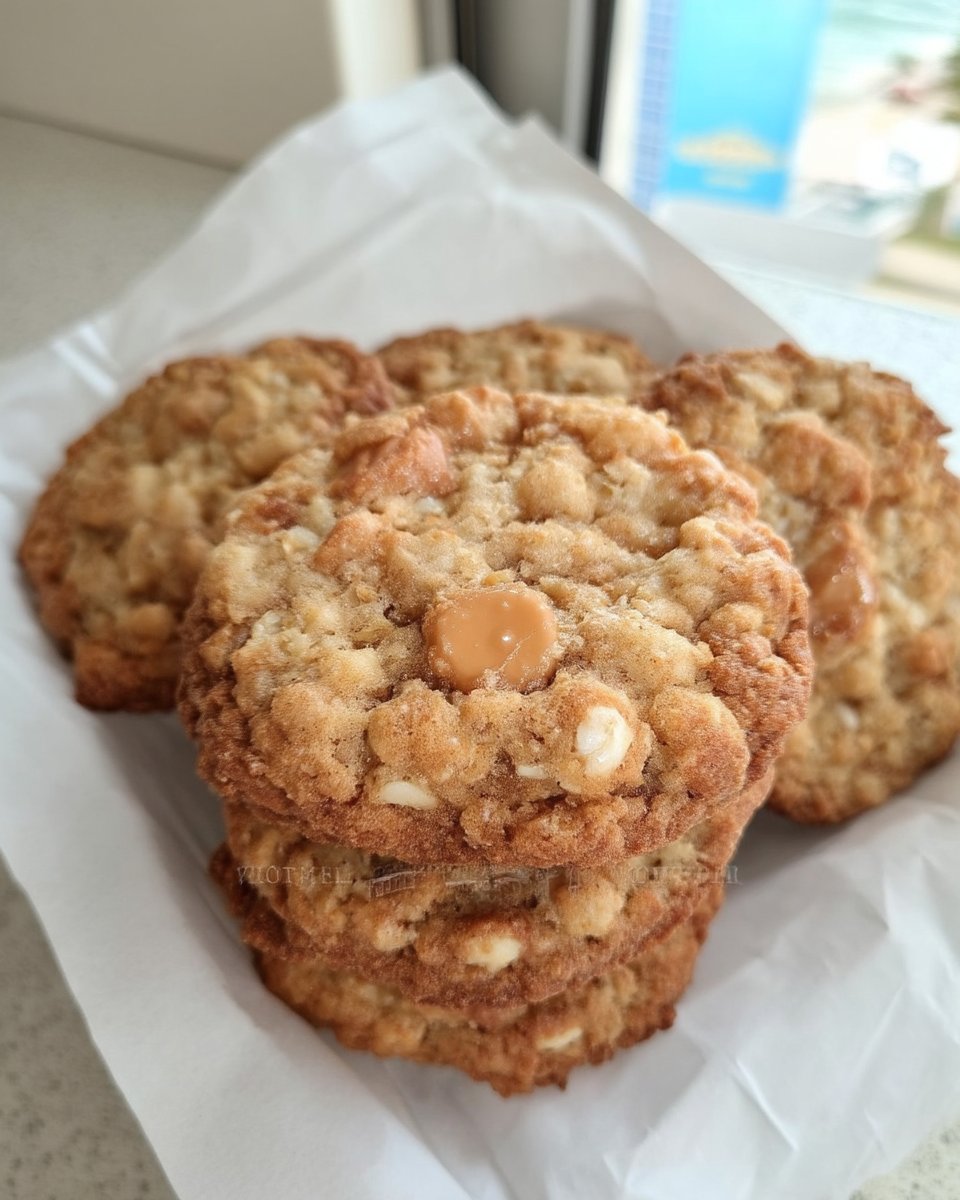
The Scottish tradition of using oats as a primary grain established a structural backbone for baking long before the modern cookie evolved into its current form. By incorporating the French technique of *beurre noisette* (browned butter), we create a depth of flavor and a nutty aroma that Victorian bakers would have prized for its complexity. This recipe marries that historical hardiness with the scientific precision required for a chewy, soft texture.

While the classic oatmeal raisin cookie is a staple, the addition of dried cranberries introduces a tart acidity that cuts through the richness of the browned butter and sugars. The use of an extra egg yolk and a strict resting period ensures the oats fully hydrate, resulting in a cookie that maintains its structural integrity without becoming dry or crumbly.
A Study in Texture and Flavor Balance
You will appreciate this recipe for its methodical approach to flavor development. The browning of the butter is not merely a step but a chemical transformation—the Maillard reaction—that provides a savory counterpoint to the sweetness of the brown sugar. Furthermore, the combination of golden raisins, standard raisins, and cranberries offers a complex fruit profile, moving beyond the one-dimensional sweetness often found in commercial biscuits. The texture is scientifically engineered to remain soft and chewy, honoring the oat’s natural character while avoiding the toughness often associated with heritage oat recipes.
Print
Oatmeal Raisin Cranberry Cookies
- Total Time: 58 mins
- Yield: 24 cookies
- Diet: Vegetarian
Description
These elevated oatmeal cookies feature the rich, nutty depth of browned butter combined with a vibrant trio of raisins and tart cranberries. This scientifically-backed recipe ensures a soft, tender crumb and a sophisticated flavor profile through methodical hydration and precise temperature control.
Ingredients
- 3/4 cup unsalted butter
- 1 cup packed brown sugar
- 1/4 cup granulated sugar
- 1 large egg
- 1 extra egg yolk
- 1 tablespoon vanilla extract
- 1 1/2 cups all-purpose flour
- 1 1/2 cups old fashioned oats
- 1/2 tablespoon ground cinnamon
- 1/8 teaspoon ground nutmeg
- 3/4 teaspoon baking soda
- 1 teaspoon salt
- 1/4 cup golden raisins
- 1/4 cup dark raisins
- 1/4 cup dried cranberries
Instructions
- In a saucepan over medium heat, brown the butter until the milk solids turn golden brown and emit a nutty aroma; immediately transfer to a heat-proof bowl and let cool.
- In a large mixing bowl, combine the cooled browned butter with the brown sugar and granulated sugar, then whisk in the whole egg, extra yolk, and vanilla until smooth and glossy.
- In a separate bowl, whisk together the flour, oats, cinnamon, nutmeg, baking soda, and salt.
- Gradually integrate the dry ingredients into the wet mixture, mixing only until just combined.
- Fold in the golden raisins, dark raisins, and dried cranberries by hand.
- Refrigerate the dough for at least 30 minutes, or overnight for the best texture and hydration.
- Preheat the oven to 350°F (175°C) and line a baking sheet with parchment paper.
- Scoop 2-tablespoon portions of dough onto the sheet, spacing them 2 inches apart, and bake for approximately 13 minutes until the edges are golden.
- Allow cookies to cool on the baking sheet for several minutes to set before moving them to a wire rack.
Notes
For the best results, use a light-colored saucepan when browning the butter so you can accurately judge the color of the toasted milk solids. Do not skip the chilling phase, as this allows the oats to fully absorb moisture, preventing the cookies from spreading too thin during baking. If you prefer a more citrusy profile, the addition of fresh orange zest to the sugar mixture complements the dried cranberries beautifully.
- Prep Time: 45 mins
- Cook Time: 13 mins
- Category: Dessert
- Method: Baking
- Cuisine: American
Essential Components for Structural Integrity
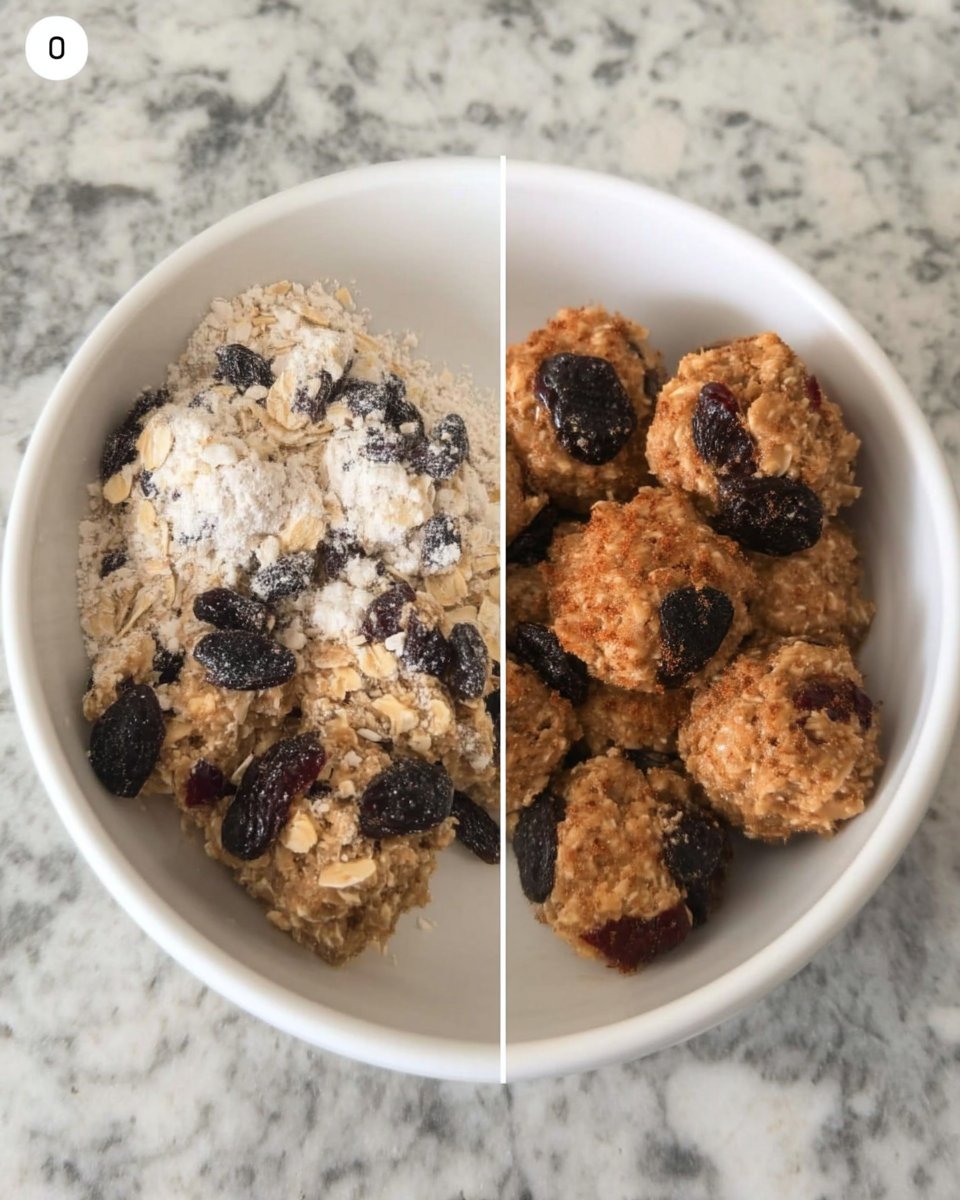
To achieve the correct crumb and chew, precision in ingredient selection is paramount. Substituting these specific forms may alter the final chemistry of the dough.
- Unsalted Butter: We brown this to evaporate water content and toast the milk solids. This creates a concentrated fat that carries flavor more effectively than plain creamed butter.
- Sugars (Brown & Granulated): A higher ratio of packed brown sugar introduces acidity and moisture (hygroscopy), which reacts with the baking soda and keeps the cookie soft.
- Old Fashioned Oats: Also known as rolled oats. Do not use instant oats; they absorb moisture too quickly and will destroy the distinct texture we are building.
- Dried Fruit Trio: A blend of golden raisins, dark raisins, and dried cranberries provides varying levels of sweetness and tartness.
- Egg plus Yolk: The additional yolk adds fat and emulsifiers (lecithin) for a richer, more tender crumb.
- Spices: Cinnamon and nutmeg are traditional warming spices that complement the toasted notes of the oats.
The Methodical Process
Step 1: The Maillard Reaction
Begin by browning 3/4 cup of unsalted butter in a saucepan over medium heat. Watch closely as the butter melts and foams. You are looking for the milk solids to turn a precise golden brown, releasing a nutty aroma. Remove immediately from the heat and pour into a heat-proof bowl to arrest the cooking process. Allow it to cool slightly.
Step 2: Aeration and Emulsification
Once the butter has cooled (it should be warm but not hot), combine it in a large bowl with 1 cup of packed brown sugar and 1/4 cup of granulated sugar. Mix until thoroughly combined. Add the whole egg, the extra yolk, and 1 tablespoon of vanilla extract. Mix vigorously until the mixture is smooth and glossy.
Step 3: Dry Ingredient Integration
In a separate vessel, whisk together 1 1/2 cups all-purpose flour, 1 1/2 cups oats, 1/2 tablespoon cinnamon, 1/8 teaspoon nutmeg, 3/4 teaspoon baking soda, and 1 teaspoon salt. Ensure the leavening agent is evenly distributed.
Step 4: Final Dough Assembly
Gradually incorporate the dry mixture into the wet ingredients, mixing only until just combined to avoid overworking the gluten. Fold in the 1/4 cup each of golden raisins, raisins, and dried cranberries.
Step 5: Hydration Rest
Refrigerate the dough for a minimum of 30 minutes, though overnight is preferred. This historical technique allows the oats to absorb moisture from the eggs and butter, preventing the cookies from spreading too thin in the oven.
Step 6: Baking
Preheat your oven to 350°F (175°C) and line a baking sheet with parchment paper. Scoop 2 tablespoons of dough per cookie, spacing them 2 inches apart. Bake for approximately 13 minutes, or until the edges are golden brown but the centers still appear slightly under-baked. They will set as they cool.
Precision Techniques for Consistency
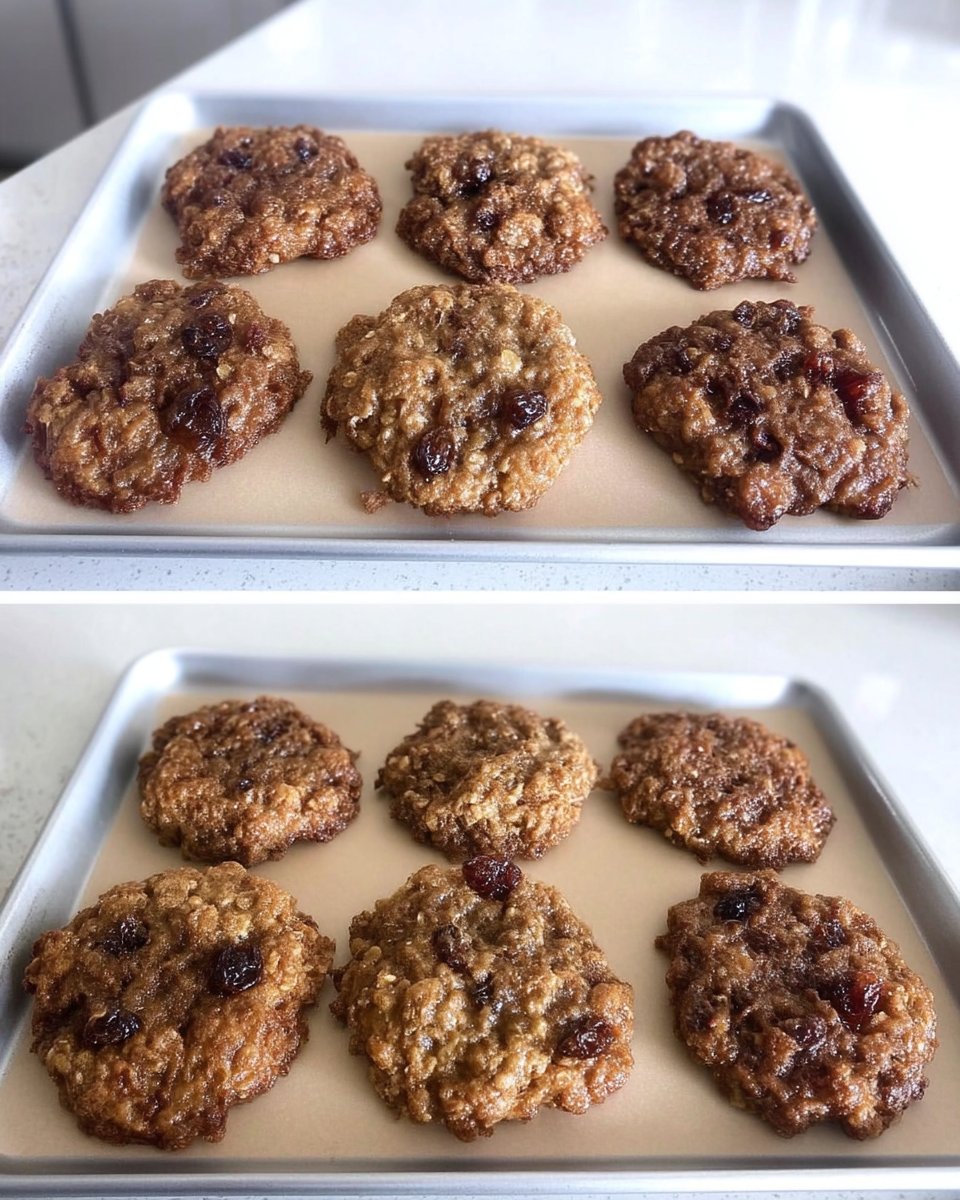
- Respect the Chill Time: The resting period is not optional in this formula. It allows the flour and oats to fully hydrate, which is essential for a chewy texture. If you skip this, your cookies will likely spread into flat, greasy discs.
- Butter Temperature: Ensure your browned butter has cooled before adding the eggs. If the butter is too hot, it will scramble the eggs and ruin the emulsion.
- Proper Measurement: Weighing your flour is always preferred, but if using volume, spoon and level it. Compressing flour into the cup adds excess mass, leading to a dry biscuit.
- Oven Calibration: Visual cues are more reliable than timers. Look for the edges to be set while the center remains soft. For more on understanding dough behavior, review our notes on Foundation Cookie Recipes.
Adapting the Classic Formula
While this recipe is calibrated for a specific texture, minor adjustments can be made without compromising the structural integrity.
- The Nut Addition: For added crunch, incorporate 1/2 cup of toasted walnuts or pecans. Toasting them releases oils that complement the browned butter.
- Spiced Citrus: Add a teaspoon of orange zest to the wet ingredients. The citrus oil pairs exceptionally well with cranberries.
- Chocolate Integration: Replace the raisins with semi-sweet chocolate chips if you prefer a modern twist, though this deviates from the traditional fruit profile.
- Gluten-Free Adaptation: This recipe has been tested successfully with 1:1 gluten-free flour blends, provided the dough is rested for the full overnight period to mitigate grittiness. For more insight into seasonal flavor adjustments, see our guide on Holiday Cookie Science.
Proper Presentation
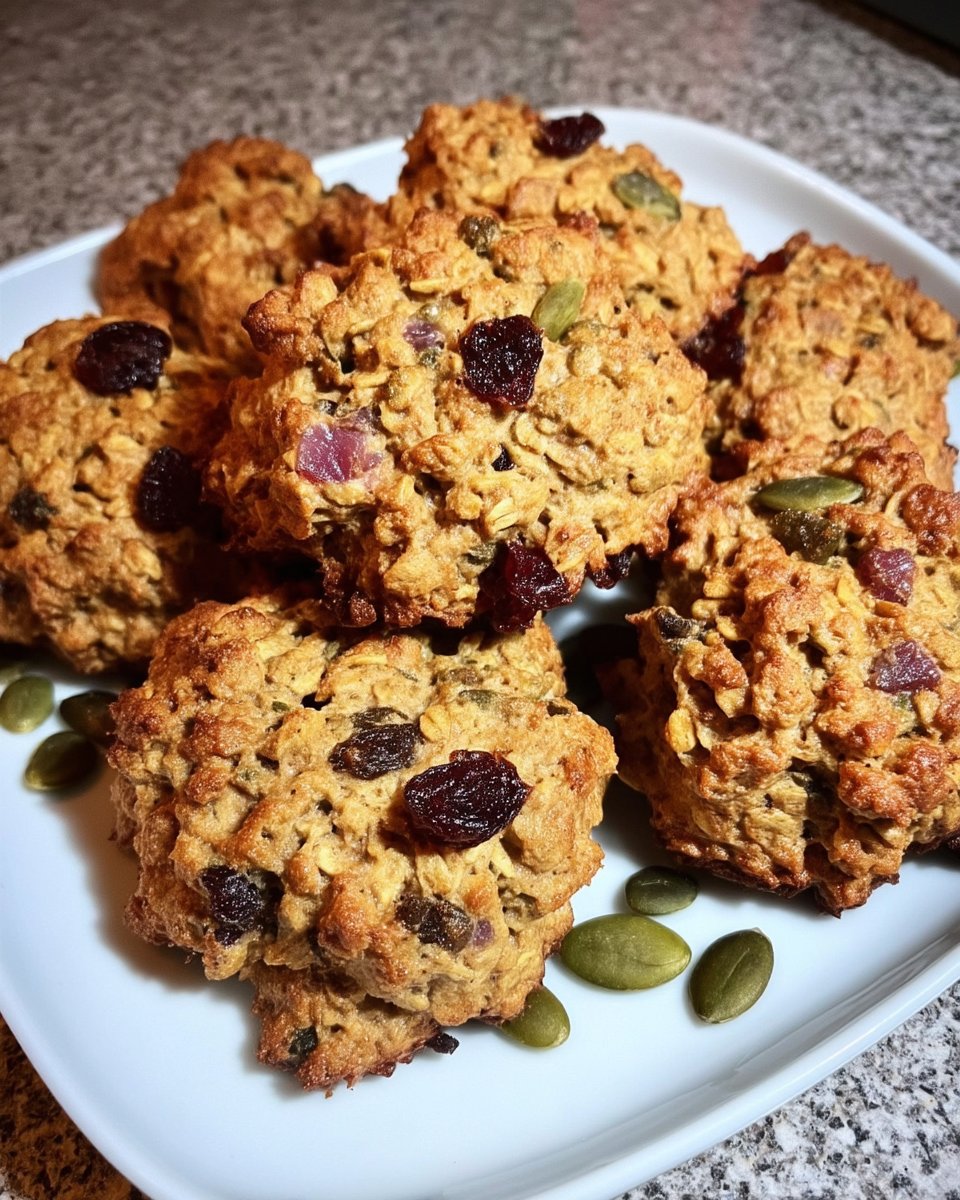
These cookies are best served once fully cooled, allowing the structure to set completely. In the British tradition, they act as an excellent accompaniment to afternoon tea, as the oats provide enough substance to stand up to a strong brew. For a modern serving suggestion, they pair well with a glass of cold milk to contrast the spices.
If you are preparing these for a gathering, they can be baked in advance. For tips on managing your baking schedule effectively, consult our methods on Efficient Cookie Methods.
The Final Verdict
This Oatmeal Raisin Cranberry recipe is a testament to how traditional ingredients can be refined through technique. By browning the butter and respecting the hydration of the oats, we transform a humble snack into a confection with depth and character. It proves that even the most common recipes benefit from a scientific approach to baking. For similar classic fruit-based cookie structures, you might also explore the work done at Pastry and Soul.
We encourage you to master this method before experimenting further. For a deeper look into why certain textures appeal to us, read our Viral Cookie Analysis.
Share your results with us on social media: