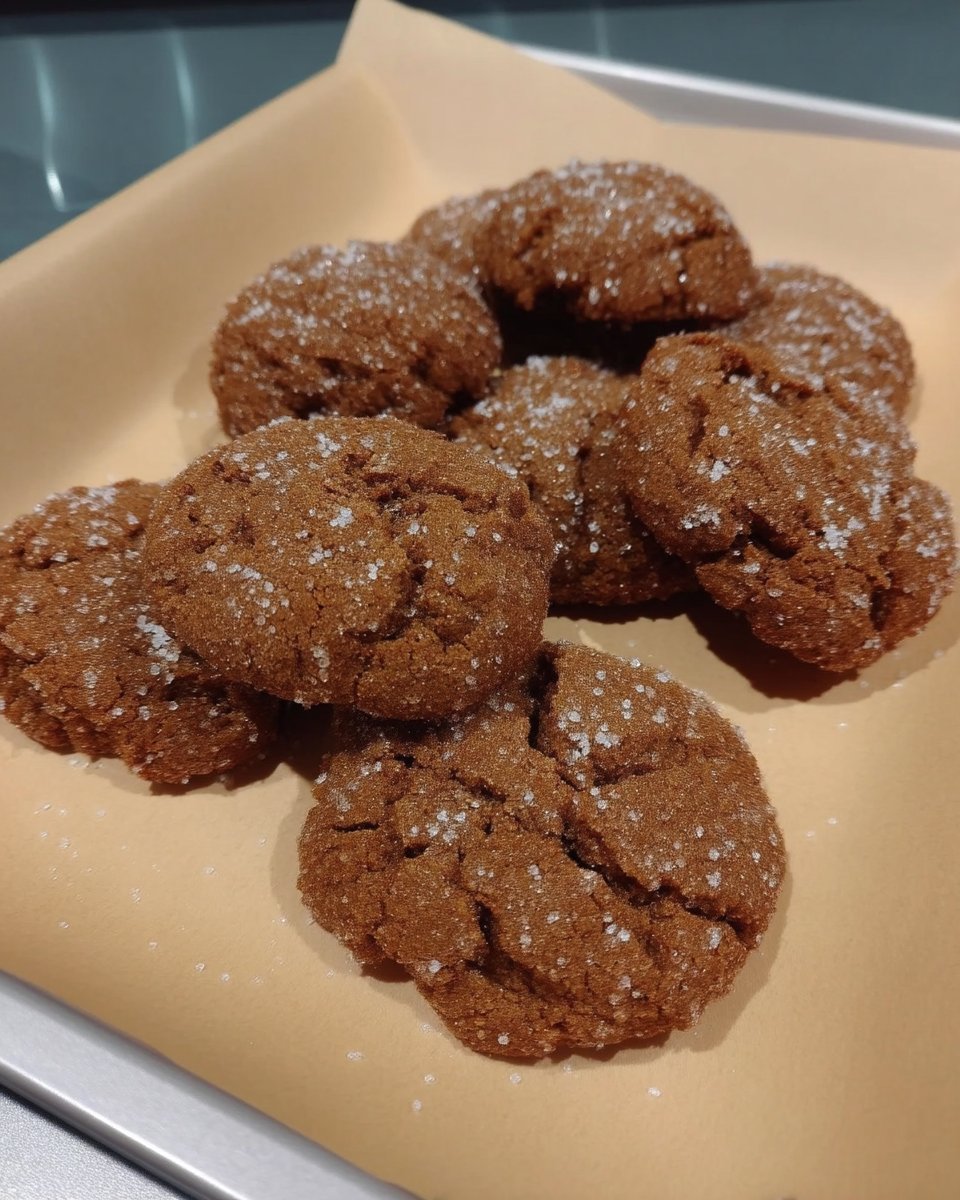
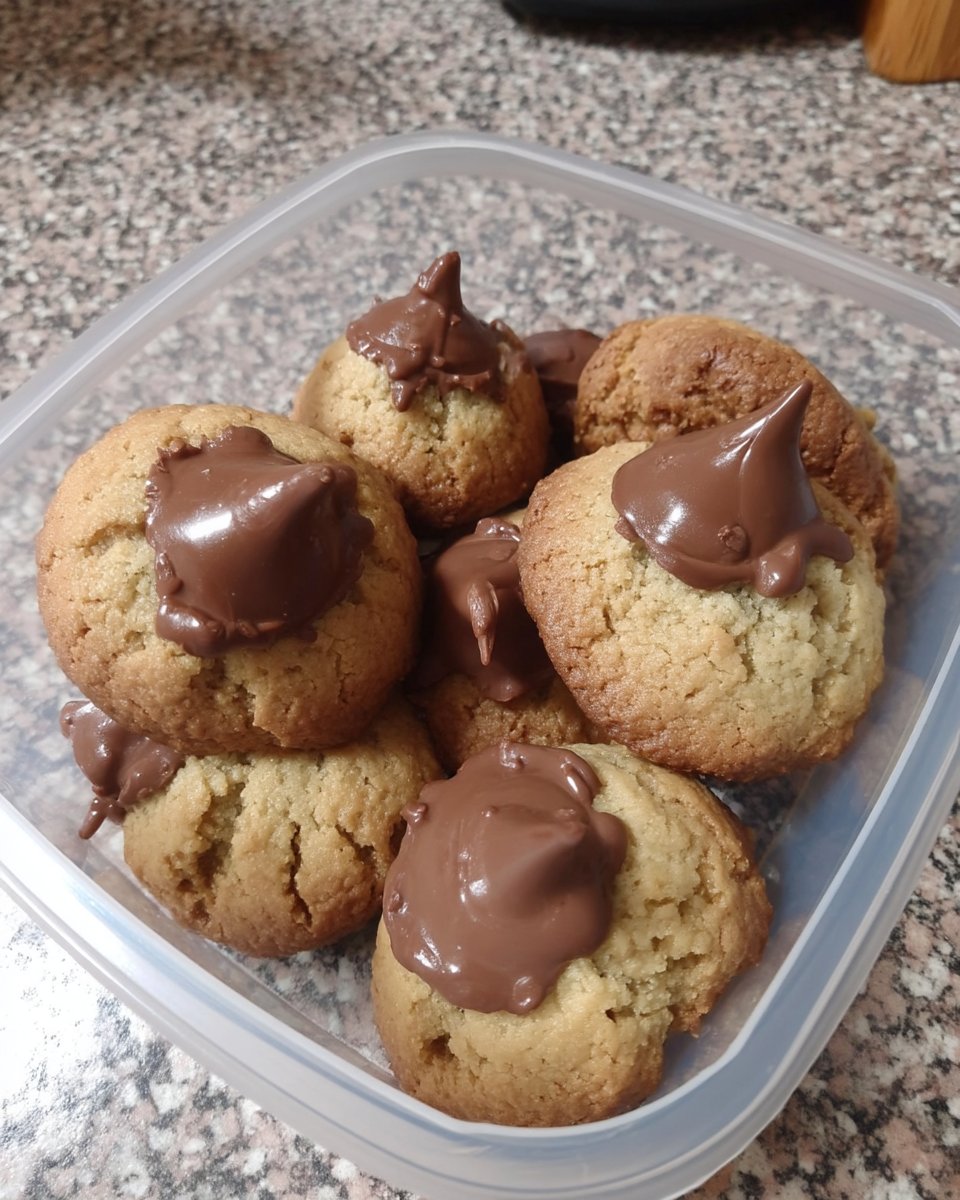
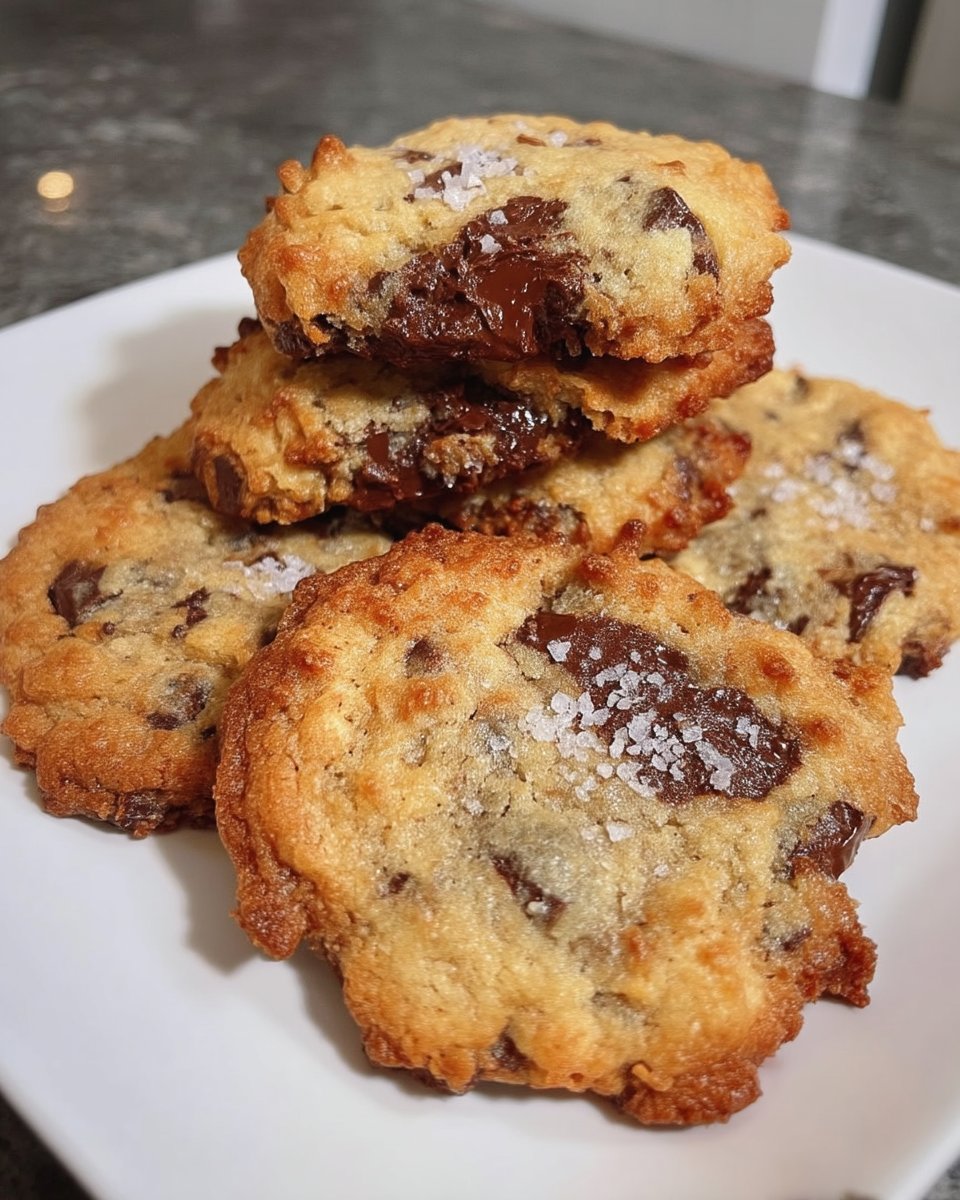
In the test kitchen, we obsessed over the pH balance of these lemon crinkle cookies to guarantee the perfect crackle. We found that introducing 60ml of fresh lemon juice creates a vigorous reaction with the baking soda, which dictates the cookie’s rise and subsequent fall—the mechanism responsible for those iconic cracks. After 15 batches, we determined that a precise chill time is the variable that controls whether you get a flat puddle or a perfectly domed, chewy confection.

This recipe delivers a texture that is chemically engineered to be soft, pillowy, and bursting with citrus oils. The secret lies in the double-rolling technique, which creates a moisture barrier keeping the confectioners’ sugar snowy white rather than dissolving into the hygroscopic surface.
The Science of the Crinkle
These aren’t just sweet treats; they are a study in leavening dynamics. You will love how the interaction between the acidic lemon juice (citric acid) and alkaline baking soda creates carbon dioxide bubbles that expand rapidly in the heat of the oven. This rapid expansion, combined with the surface drying out from the sugar coating, causes the top to fracture beautifully. We’ve dialed in the flour-to-fat ratio to 1.84, guaranteeing a chewiness that resists staling for days.
Print
Lemon Crinkle Cookies
- Total Time: 3 hours 33 mins
- Yield: 40 cookies
- Diet: Vegetarian
Description
Experience the perfect balance of bright citrus and pillowy texture with these scientifically perfected lemon crinkle cookies. A unique double-rolling technique ensures a beautiful, snowy-white crackle finish that stays crisp while the centers remain soft and chewy.
Ingredients
- 313g all-purpose flour
- 1 teaspoon cornstarch
- 1 teaspoon baking soda
- 1/2 teaspoon salt
- 170g unsalted butter, softened to 65°F
- 225g granulated sugar
- 1 large egg
- 1 teaspoon vanilla extract
- 1 tablespoon fresh lemon zest
- 60ml fresh lemon juice
- Granulated sugar (for coating)
- Confectioners’ sugar (for coating)
Instructions
- In a medium bowl, whisk together the flour, cornstarch, baking soda, and salt until the leavening agents are perfectly dispersed.
- Using a stand mixer with a paddle attachment, beat the softened butter and 225g of granulated sugar on medium-high speed for 3 minutes to achieve mechanical leavening.
- Add the egg, vanilla, lemon zest, and lemon juice; beat on high speed until combined, noting that the mixture may appear curdled.
- Add the dry ingredients and mix on low speed just until the flour streaks disappear, being careful not to overwork the gluten.
- Cover and refrigerate the dough for at least 3 hours to allow the flour to hydrate and the fats to solidify.
- Preheat the oven to 350°F (177°C) and prepare your baking sheets.
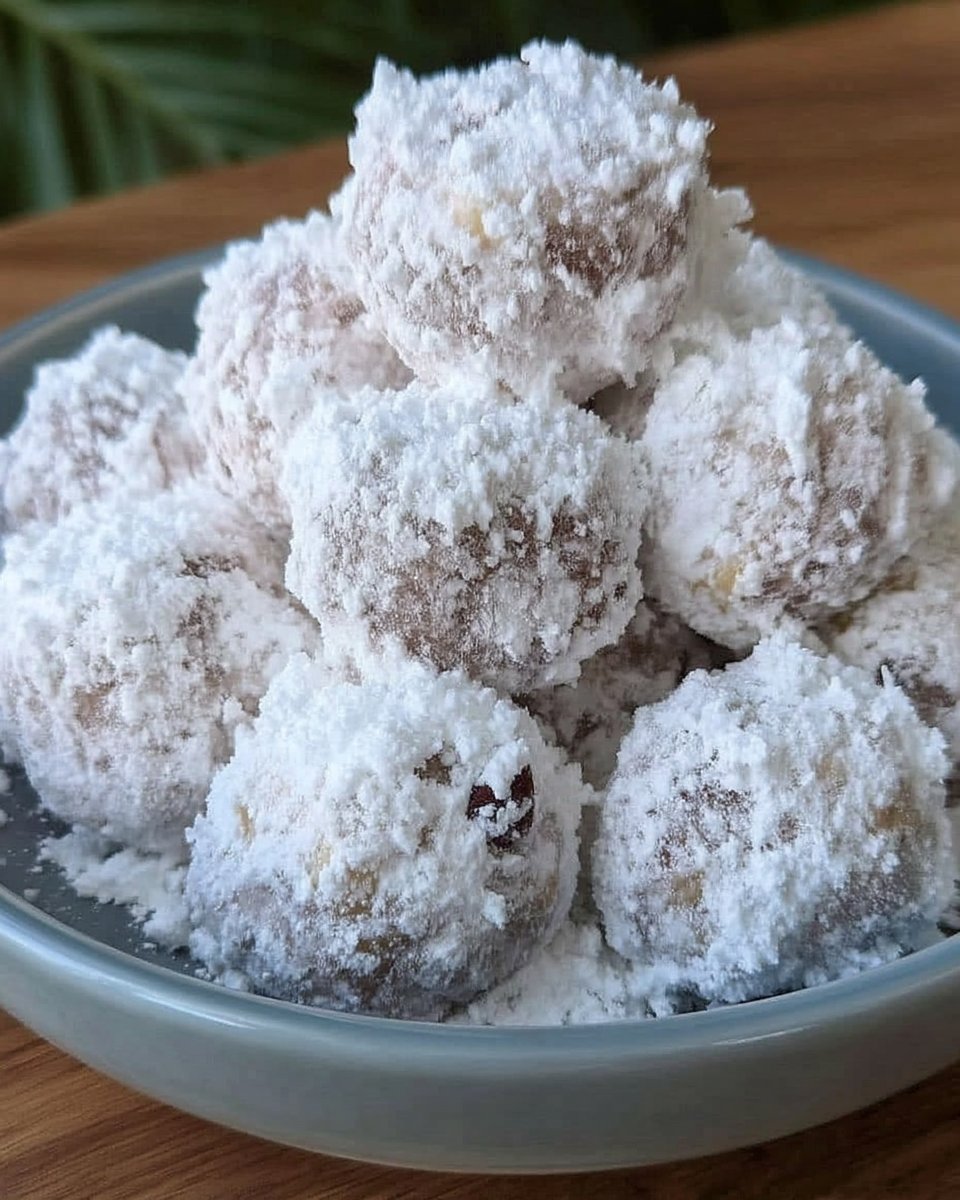
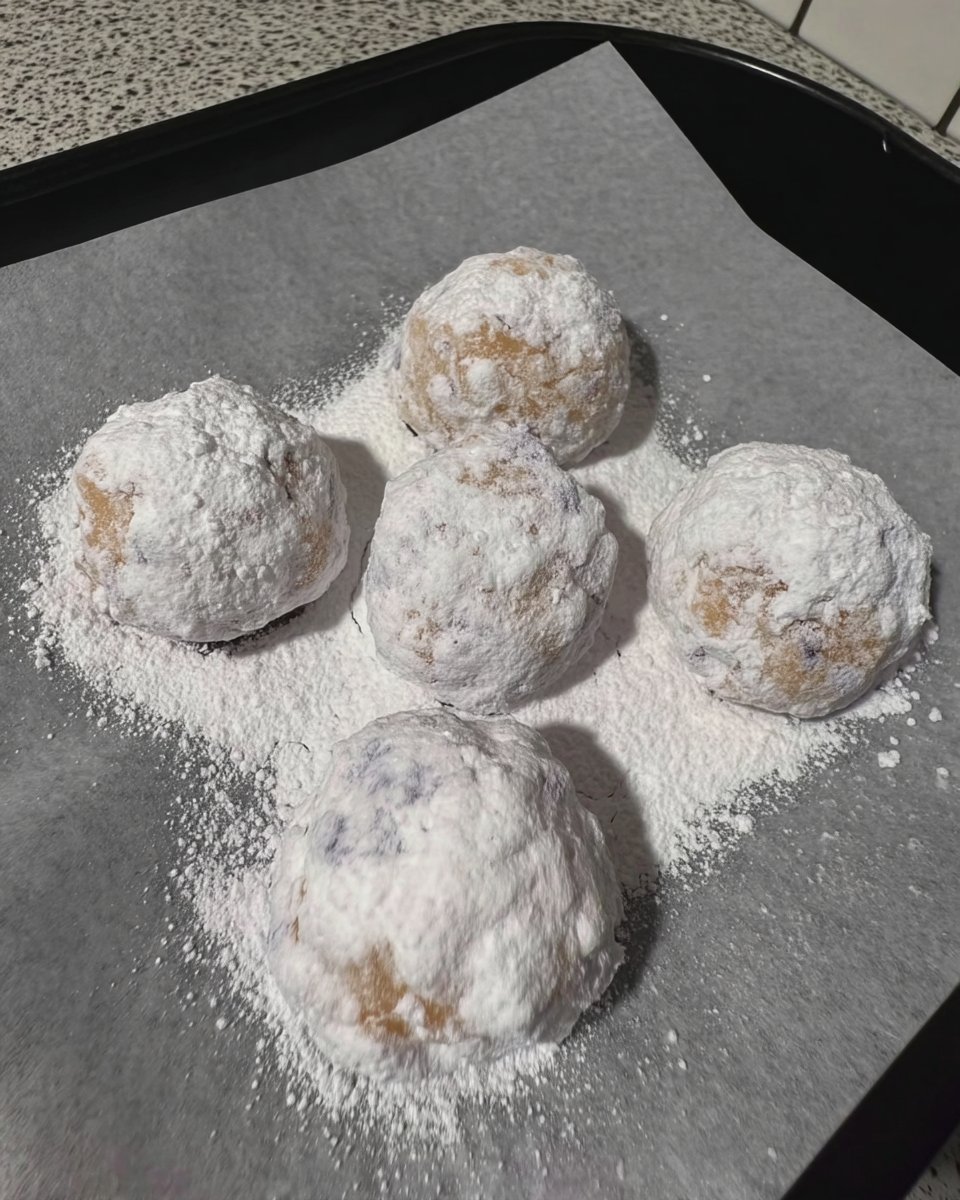
- Scoop 20g balls of dough, roll them first in granulated sugar, and then generously in confectioners’ sugar.
- Bake for 12–13 minutes until the edges are set but the centers still look slightly underbaked; cool on the pan to finish cooking via residual heat.
Notes
For the brightest flavor, always use freshly squeezed lemon juice rather than bottled, as the natural acidity is crucial for the chemical reaction with the baking soda. If your cookies aren’t cracking sufficiently, ensure your confectioners’ sugar coating is thick enough to create the necessary surface tension during the bake.
- Prep Time: 20 mins
- Cook Time: 13 mins
- Category: Dessert
- Method: Baking
- Cuisine: American
Precision Ingredients
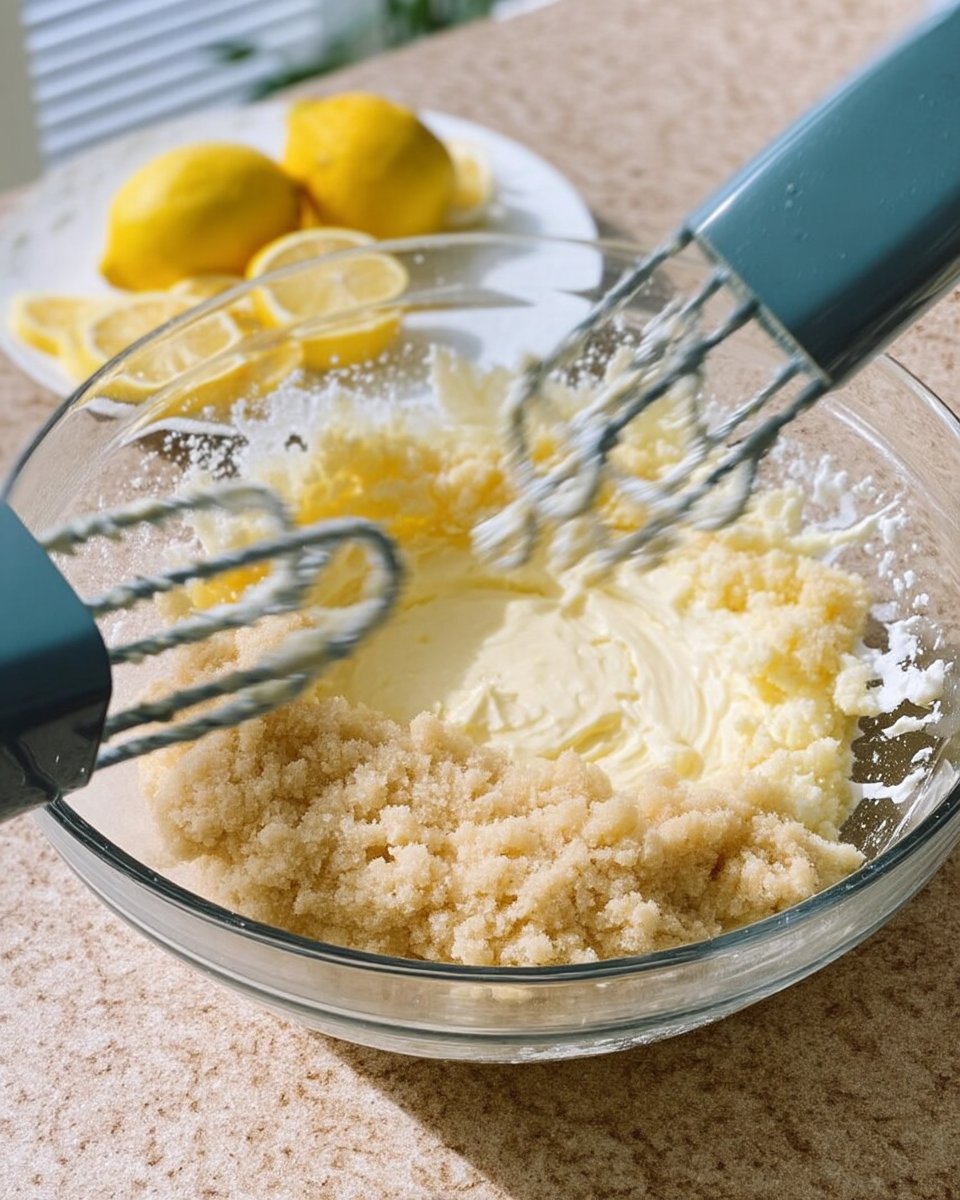
To achieve consistent results in the lab, we rely on mass measurements for accuracy.
- All-Purpose Flour (313g): This provides the gluten structure. We tested bread flour, but the protein content was too high, resulting in a tough cookie. 313g of standard AP flour offers the perfect tenderness.
- Cornstarch (1 tsp): This tenderizing agent inhibits gluten formation slightly, keeping the center soft and pliable.
- Unsalted Butter (170g): Softened to exactly 65°F (18°C). If the butter is too warm, the emulsion will break when the acidic lemon juice is added.
- Lemon Juice (60ml) & Zest (1 Tbsp): Use fresh lemons. The zest contains limonene, an essential oil that survives the baking heat better than the juice alone.
- Leavening Agents: Baking soda reacts with the lemon juice to create lift.
- Sugars: Granulated for the dough structure and aeration; a combination of granulated and confectioners’ sugar for the coating.
The Lab Method
Step 1: Dry Ingredient Dispersion
Whisk together the 313g of flour, cornstarch, baking soda, and salt. Proper dispersion is critical here; you don’t want pockets of baking soda, which leads to uneven browning and metallic taste spots.
Step 2: Aeration (The Creaming Phase)
Using a paddle attachment, beat the softened butter and 225g sugar on medium-high for 3 minutes. We are looking for mechanical leavening here—trapping air bubbles in the fat structure. The mixture should lighten in color significantly.
Step 3: Creating the Emulsion
Add the egg, vanilla, lemon zest, and lemon juice. Beat on high. Note: The mixture will look curdled. Scientifically, this is expected; the high water content and acidity of the juice are fighting the fat in the butter. Do not panic; the flour will stabilize this emulsion in the next step.
Step 4: Hydration and Gluten Control
Add the dry ingredients and mix on low just until combined. Stop immediately when the flour streaks disappear. Overmixing here develops excessive gluten, leading to tough cookies. The dough will be extremely sticky—this is normal for a high-hydration dough.
Step 5: Controlled Retardation (Chilling)
Cover and chill for at least 3 hours. This is non-negotiable. During this time, the flour proteins hydrate fully, absorbing the free water from the lemon juice. This solidification of the fats is what prevents the cookies from spreading into thin wafers in the oven.
Step 6: The Double-Roll Technique
Preheat oven to 350°F (177°C). Scoop 20g balls of dough. Roll first in granulated sugar, then generously in confectioners’ sugar. The granulated sugar acts as a buffer, preventing the moisture in the dough from dissolving the powdered sugar.
Step 7: Thermal Shock
Bake for 12–13 minutes. The edges should set, but the centers should appear slightly underbaked. They will continue to cook via residual heat on the pan.
Lauren’s Lab Notes
- Temperature Matters: If your kitchen is warm (above 75°F), keep the dough in the fridge between batches. Warm dough spreads faster than the structure can set.
- The Bang Method: If you notice the cookies aren’t spreading by minute 9, give the pan a sharp tap on the oven rack. This mechanical shock collapses the structure slightly, forcing the crinkle.
- Storage Science: Store these in an airtight container with a slice of bread. The hygroscopic sugar draws moisture from the bread, keeping the cookies soft.
- We compared our hydration levels to other popular formulas, such as the one from Sally’s Baking Addiction, and found that our specific cornstarch addition creates a slightly softer crumb structure.
- For more on the physics of cookie spread, see our guide on Foundation Cookie Recipes.
Tested Modifications
- Citrus Swaps: We tested this formula with lime juice and orange juice. Lime works identically (similar pH). Orange juice is less acidic, so the baking soda reaction is less vigorous—expect slightly less lift unless you add 1/4 tsp cream of tartar.
- Gluten-Free: Replace the AP flour with a 1:1 gluten-free blend that includes xanthan gum. Weigh it to exactly 313g.
- Frozen Dough: You can freeze the dough balls (uncoated). Thaw for 30 minutes before rolling in sugar.
- Learn about how different fats affect freezing in our Efficient Cookie Methods analysis.
Optimal Enjoyment
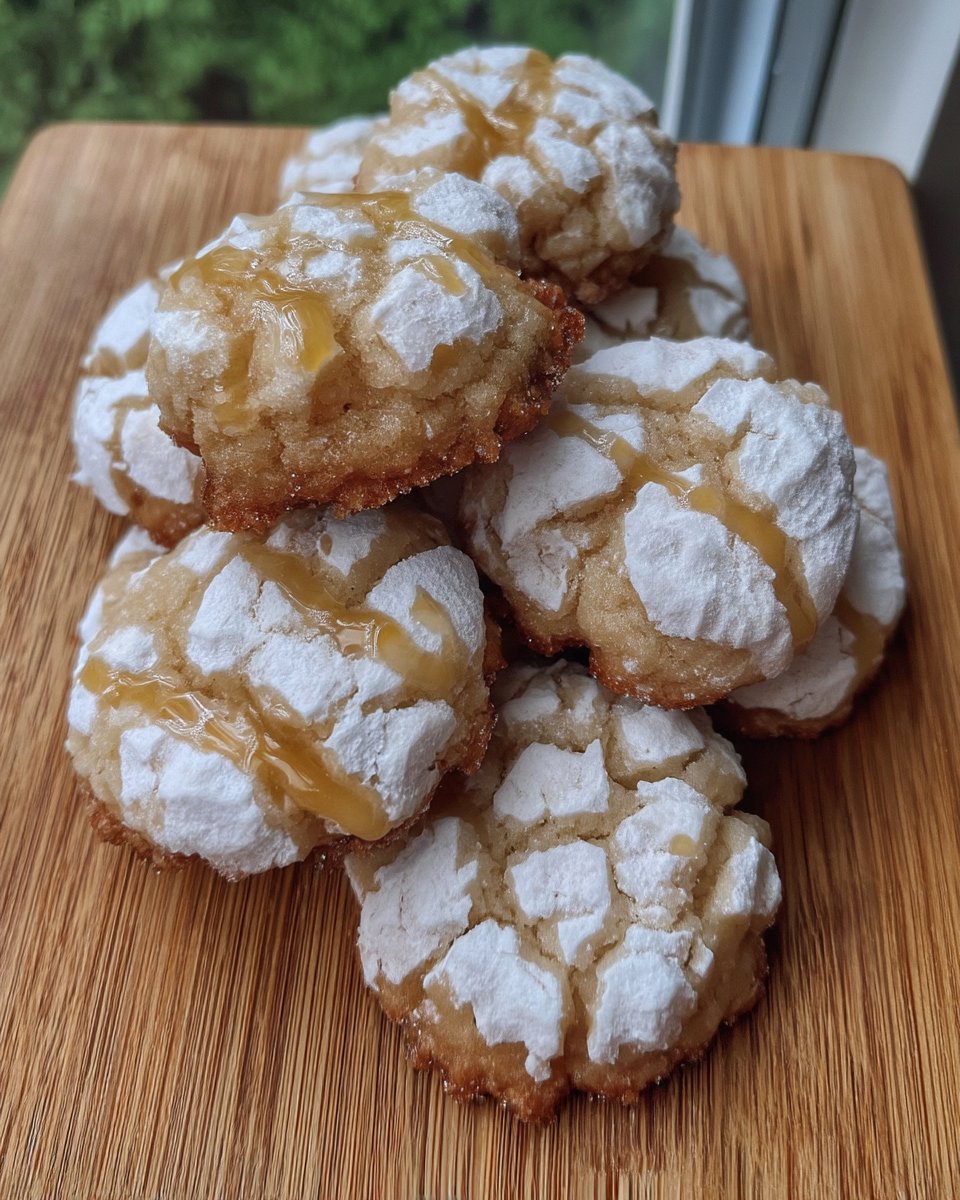
Serve these slightly warm or at room temperature. At room temperature, the lemon flavor is most perceptible because cold temperatures suppress our taste buds’ ability to detect sweetness and aromatics. A dusting of fresh zest right before serving amplifies the olfactory experience.
For ideas on how to present these perfectly, check our Precision Cookie Decorating guide.
The Scientific Truth
Mastering the lemon crinkle cookie is about respecting the hydration time and the acidity of the dough. Once you nail the 3-hour chill and the double-sugar roll, you have a foolproof recipe that works every time. The chemistry of the reaction between the lemon and soda guarantees a lift, while the cornstarch provides tenderness.
Keep testing and baking.
For more seasonal chemistry, explore our Holiday Cookie Science.
Follow us on Pinterest, Instagram, and Facebook for more lab results.