In the world of biscuit history, the ratio of fat to flour tells a fascinating story. Much like the Scottish shortbread or the Spanish polvorón, Kourabiedes rely on a high fat content to inhibit gluten formation, resulting in a texture that is decidedly short and friable. While the base technique is shared across Europe, the Greek tradition distinguishes itself with the inclusion of roasted almonds and the floral lift of orange blossom water.

This recipe produces the quintessential Greek Christmas treat—a buttery, melt-in-the-mouth biscuit buried under a drift of icing sugar. By roasting the almonds before incorporating them into the dough, we introduce a Maillard reaction that provides a savory counterpoint to the sweet, snowy coating. It is a study in textural contrast and aromatic precision.
A Triumph of Texture
There is a scientific reason these biscuits are so beloved during the holidays. The absence of chemical leavening agents like baking powder means the structure relies entirely on the mechanical aeration of the butter and sugar—a classic creaming method. This results in a dense yet tender crumb that dissolves instantly upon the tongue.
Furthermore, this recipe respects the traditional ‘double dusting’ technique. By applying a layer of sugar while the biscuits are warm, followed by a second layer when cool, we create a protective seal that preserves moisture and flavor. It is a method that Victorian bakers would have recognized as practical preservation, turning a simple butter cookie into a festive centerpiece.
Print
Kourabiedes (Greek Almond Snow Balls)
- Total Time: 35 mins
- Yield: 24 cookies
- Diet: Vegetarian
Description
Delicate and buttery, these traditional Greek Kourabiedes are shortbread-style biscuits enriched with toasted almonds and orange blossom water. Finished with a heavy dusting of icing sugar, they offer a melt-in-the-mouth experience that is quintessential to Mediterranean holiday celebrations.
Ingredients
- 200g unsalted butter, softened
- 75g icing sugar (for dough)
- 150g whole almonds, roasted and coarsely chopped
- 300g all-purpose flour
- 1 egg yolk
- 1 tbsp orange blossom water
- Additional icing sugar for dusting
Instructions
- Toast the chopped almonds in a dry pan until golden and fragrant, then set aside to cool completely.
- Cream the softened butter and 75g of icing sugar in a large bowl until the mixture is light, pale, and fluffy.
- Beat in the egg yolk and orange blossom water, then fold in the cooled toasted almonds.
- Gradually incorporate the flour by hand, kneading gently until the dough is cohesive and malleable.
- Form the dough into small balls or crescents and arrange them on a parchment-lined baking tray.
- Bake at 170°C (340°F) for 10-15 minutes until they are just set and very lightly golden at the edges.
- Dust the warm cookies generously with icing sugar, then apply a second layer once they have cooled entirely.
Notes
For the best results, use a high-quality European-style butter as it provides the primary flavor and structure for these cookies. If the dough feels too crumbly to shape, the warmth of your hands during the shaping process will help the butter bind the ingredients together more effectively.
- Prep Time: 20 mins
- Cook Time: 15 mins
- Category: Dessert
- Method: Baking
- Cuisine: Greek
Historical Components
To achieve the correct structure, one must adhere to the specific properties of these ingredients. Substitution here can alter the delicate sandiness we are aiming for.
- Unsalted Butter (200g): It must be soft but not oily. The plasticity of the butter is crucial for trapping air bubbles during the creaming stage.
- Icing Sugar (75g): We use powdered sugar in the dough rather than granulated to ensure a finer, melting texture without grit.
- Almonds (150g): These should be whole, then coarsely chopped and toasted. The roasting process releases essential oils that permeate the biscuit.
- Flour (300g): Standard all-purpose or plain flour works best here. It provides enough protein for structure but not so much as to create chewiness.
- Egg (1 Yolk): The recipe calls for the yolk specifically (or a small whole egg), which acts as an emulsifier, binding the high fat content to the flour.
- Orange Blossom Water (1 tbsp): This adds the signature floral note that cuts through the richness of the butter.
The Proper Method
Step 1: Prepare the Almonds
Begin by coarsely chopping your almonds. Place them in a dry pan over medium heat, moving them constantly until they are lightly golden and fragrant. This toasting step is non-negotiable for authentic flavor. Remove them from the heat and allow them to cool completely.
Step 2: The Creaming Stage
In a large mixing bowl, beat the softened butter with the 75g of icing sugar. You must continue this process until the mixture turns significantly pale and fluffy. Historically, this indicated that enough air had been incorporated to leaven the biscuit naturally.
Step 3: Emulsify and Combine
While continuing to beat, add the egg yolk and the orange blossom water. Once emulsified, fold in the cooled, toasted almonds (or almond meal, if you prefer a smoother texture, though chopped is traditional).
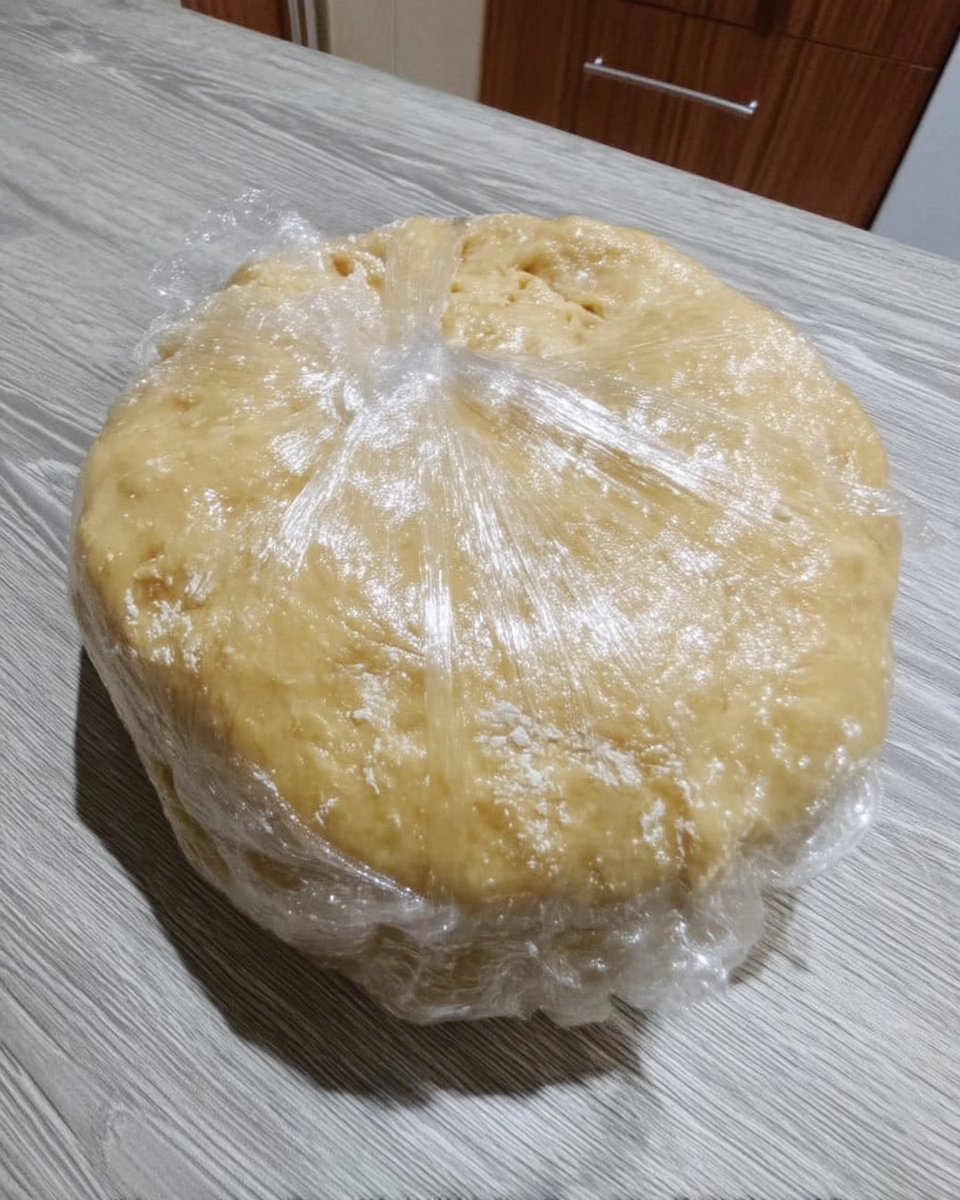
Step 4: Forming the Dough
Gradually add the flour to the wet mixture. At this stage, switch to working by hand. Knead gently just until the dough becomes malleable and cohesive. Do not overwork it, or you will develop the gluten and lose the ‘short’ texture.
Step 5: Shaping
Take small portions of dough and roll them into balls or crescent shapes (small moons). Place them on a baking sheet lined with parchment paper. Ensure there is space between them, as they will expand slightly due to thermal expansion of the air pockets.
Step 6: Baking
Bake in a preheated oven at 170°C (340°F) for 10 to 15 minutes. They should remain relatively pale, perhaps just turning a light gold at the edges. A low, slow bake ensures the center cooks without burning the high sugar content.
Step 7: The Sugar Coat
Remove from the oven. While still warm, transfer carefully to a serving plate and dust generously with icing sugar. You may sprinkle a few extra drops of orange blossom water before the sugar if you wish. Repeat the sugar dusting once they are fully cooled to create the signature snow-white pile.
Precision Technique Notes
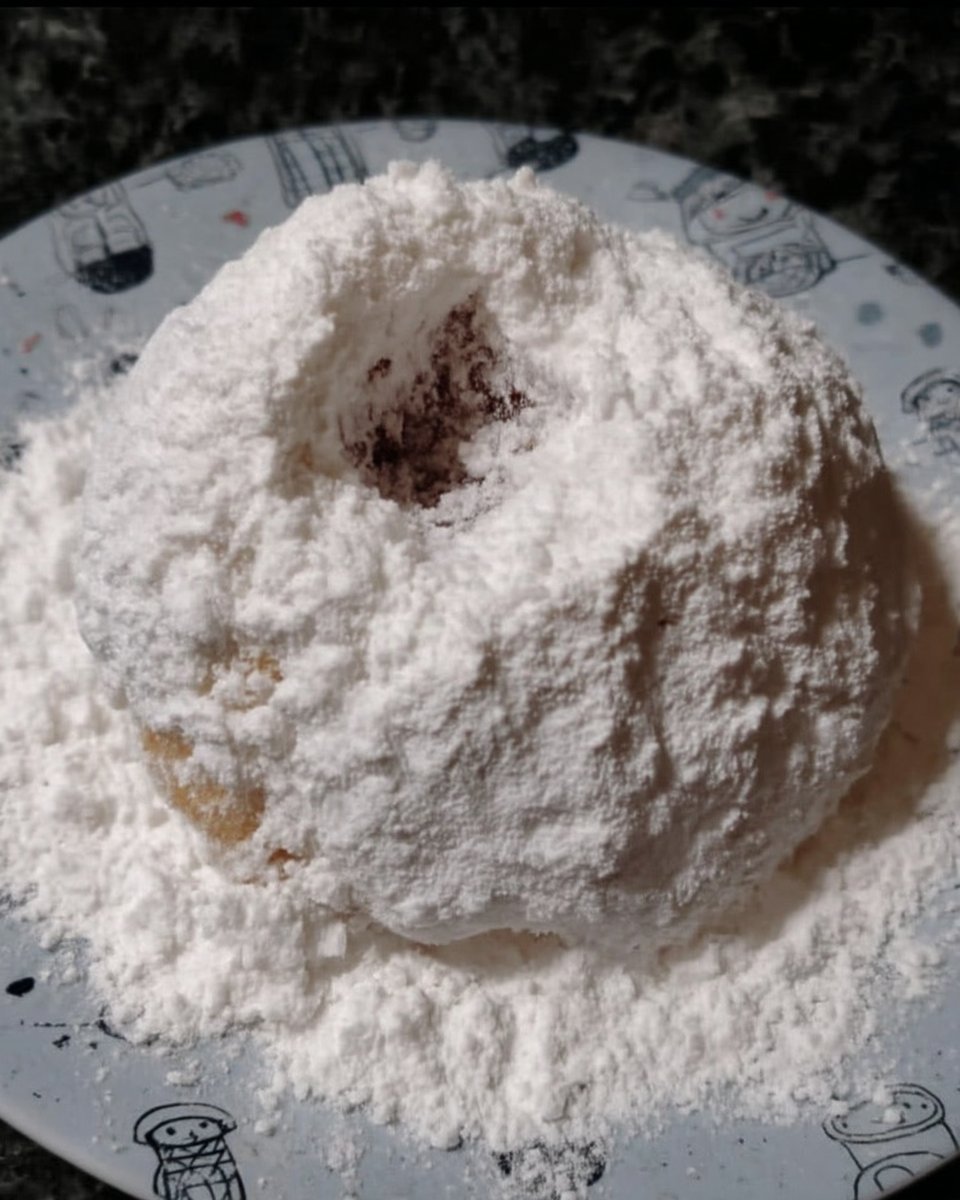
- Temperature Matters: If your butter is too warm (oily), the air bubbles will collapse, and the cookies will spread into puddles. If it is too cold, you cannot aerate it. Aim for a distinct ‘room temperature’ consistency.
- The Cooling Rest: These biscuits are incredibly fragile when hot. Do not attempt to move them vigorously until they have set, or they will crumble. This is typical of classic foundation techniques that rely on butter for structure.
- Clarified Butter: For a more intense flavor, some traditional bakers use clarified butter (ghee), which removes water content and results in an even sandier texture.
- Toast Level: Do not burn the almonds, but ensure they are truly roasted. Raw almonds will taste bland and soft inside the baked biscuit.
Regional Adaptations
- The Melomakarona: Often served alongside Kourabiedes, these are honey-soaked spice cookies. While Kourabiedes are dry and sandy, Melomakarona are moist and syrupy. They make excellent companions on a platter.
- Nut Variations: While almonds are the standard, some regional variations in Greece utilize walnuts or pistachios. The method remains the same, though the flavor profile shifts slightly.
- Shape: While the ball is common, the crescent shape is often preferred for special occasions. You can explore more shaping techniques in our holiday cookie science archives.
Serving the Tradition
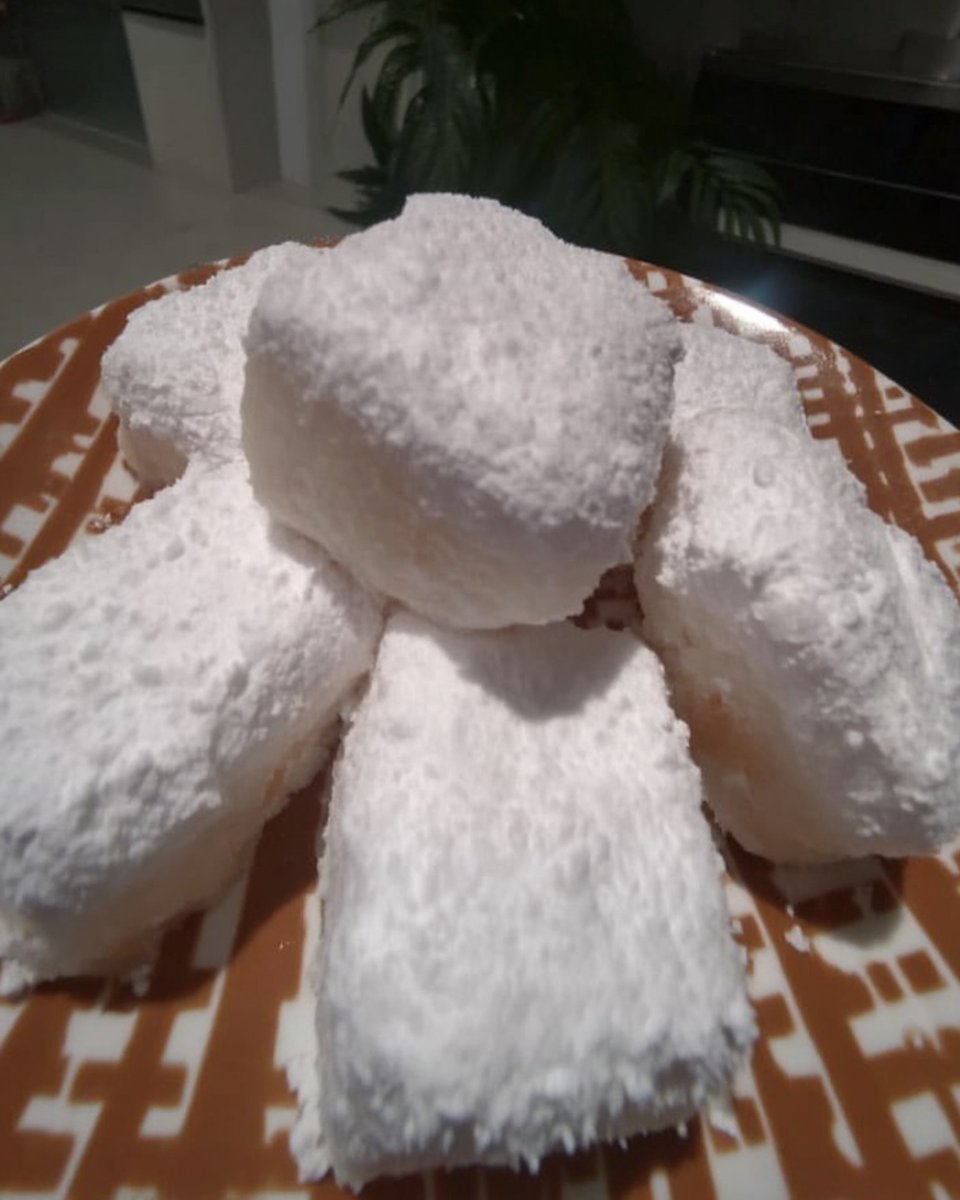
In Greece, these are not just eaten; they are presented. Pile them high in a pyramid on a crystal platter to mimic a snow-covered mountain. They are traditionally served with Greek coffee or tea.
Because of the generous icing sugar, they can be messy. It is polite to provide small napkins or plates. For a modern twist on presentation, check our guide on precision cookie decorating for plating ideas.
The Final Crumb
Kourabiedes are a testament to the power of simple ingredients treated with respect. The transformation of flour, butter, and almonds into these delicate snow balls is a culinary feat that spans centuries. Remember to store them in a metal tin with parchment between the layers; this protects their structure and allows the flavor to deepen over time, a concept we discuss in our efficient cookie methods guide.
For those interested in a French perspective on this classic recipe, you can verify the technique at Alpha Omega. Happy baking.